Support

Stuttgart

About

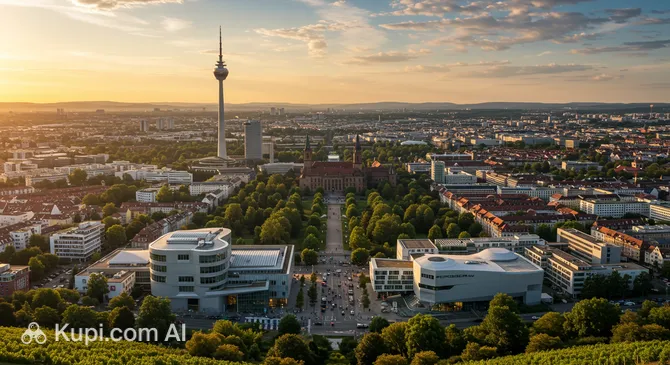
Welcome to Stuttgart, a fascinating metropolis where industrial heritage meets unparalleled natural beauty. As the state capital of Baden-Württemberg in southwest Germany, this city is renowned worldwide as the "Cradle of the Automobile." It offers a unique atmosphere where high-tech innovation thrives alongside traditional vineyards and expansive green spaces.

Stuttgart. Source: Kupi.Binoculars

Geographically, the city is distinctively situated in a valley basin known as the Stuttgarter Kessel, surrounded by rolling hills, forests, and vineyards that reach right into the urban center. With a population of approximately 2.7 million in its metropolitan region, Stuttgart serves as a bustling hub of culture and economy. The climate is generally mild, often warmer than the surrounding areas due to its sheltered location, making it pleasant for exploration year-round.

Visitors interested in the past can delve into the fascinating history of Stuttgart, which spans from its humble beginnings as a ducal stud farm to its rise as a royal residence and a modern industrial powerhouse. The city's architecture reflects this rich journey, showcasing an impressive mix of historic palaces and cutting-edge modern designs.

Travelers are often drawn to the city's world-class automotive museums, such as the Mercedes-Benz Museum and the Porsche Museum, which celebrate its engineering legacy. For those seeking relaxation, the central Schlossplatz offers a stunning backdrop of the New Palace, while the city's abundance of parks and mineral spas provides a perfect escape from the urban rush.

Whether you are a car enthusiast, a nature lover, or a culture seeker, Stuttgart promises a memorable experience. Come and discover the charm of this dynamic city for yourself.

Weather Overview

The climate in this region is generally mild and temperate, characterized by distinct seasonal changes. During the warmest months of July and August, visitors can enjoy pleasant conditions with average temperatures around 20°C and daily highs reaching approximately 25°C. Winters are significantly cooler, particularly in January, which is typically the coldest month with an average temperature of 2.5°C and lows hovering around freezing.

Rainfall is a consistent feature throughout the year, so carrying an umbrella is recommended regardless of the season. The number of wet days remains relatively high year-round, ranging from a low of 11 days in April and September to a peak of 17 days in December. To help you pack appropriate clothing for your trip, it is helpful to review the specific forecast for the weather in Stuttgart closer to your departure date.

Interesting Facts

Beyond the famous automotive museums and grand palaces, Stuttgart holds many fascinating secrets waiting to be discovered. Here are a few unique features and surprising details that make this city truly one of a kind.

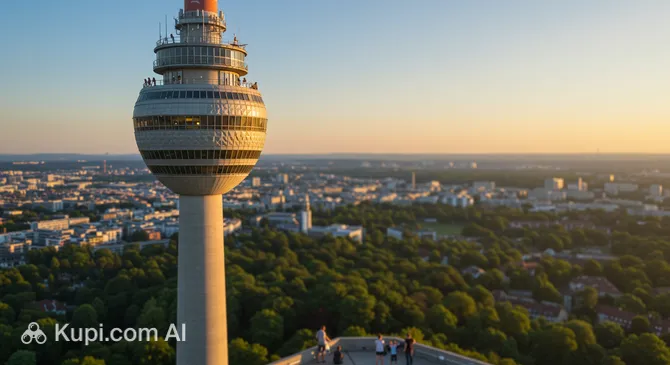
Stuttgart TV Tower. Source: Kupi.Binoculars
  • The Stuttgart TV Tower is a pioneering architectural marvel, recognized as the world's first television tower built from reinforced concrete. Completed in 1956, its slender design became a prototype, inspiring the construction of similar towers across the globe, including the Space Needle in Seattle.

  • Stuttgart is one of the few major cities in the world where productive vineyards thrive directly within the urban center, reaching almost to the main train station. The city has a deep-rooted tradition of viticulture, and the municipality even operates its own winery to preserve this green heritage amidst the urban landscape.

  • The city is famous for its "Stäffele," a massive network of over 400 outdoor stairways that traverse the steep valley slopes. Originally built to help winegrowers tend to their crops, these steps now cover a total distance of approximately 20 kilometers and serve as scenic pedestrian shortcuts.

  • With 19 mineral springs producing millions of liters daily, Stuttgart sits on the second-largest mineral water deposit in Europe, surpassed only by Budapest. This geological feature allows the city to host several renowned mineral baths and public fountains where the water flows freely.

  • The Wilhelma Zoological and Botanical Garden is unique in Europe for housing both animals and plants within a historic 19th-century park featuring distinctive Moorish Revival architecture. It was originally designed as a private royal bathhouse and garden for King Wilhelm I before becoming a beloved public institution.

How to Get There

Reaching the capital of Baden-Württemberg is quite convenient due to its central location and well-developed infrastructure. Whether you prefer flying or taking the train, there are multiple options available. For a complete overview of travel methods, you can check all ways to reach the city in our detailed guide.

The most convenient entry point is Stuttgart Airport (IATA: STR), which serves as the primary international gateway. It is located directly in Stuttgart, approximately 9.6 km from the city center. A trip by taxi or bus is generally quick, making it an easy transfer for travelers. As a major hub, it handles significant passenger traffic annually, offering numerous domestic and international connections.

Another option is Baden-Airpark (IATA: FKB), located in the city of Karlsruhe, about 81 km away. While further out, it serves as a viable alternative for certain routes and is accessible by car or public transportation. Additionally, you might consider Memmingen Allgäu Airport (IATA: FMM) in Memmingen, situated roughly 117 km from Stuttgart, which offers further connections for travelers visiting the region.

For clarity, here is a summary of the main airports:

Airport Name City Passenger Traffic Km from City
Stuttgart Airport Stuttgart Large 9.6
Memmingen Allgäu Airport Memmingen Medium 117.4
Baden-Airpark Karlsruhe Medium 81.0
Strasbourg Airport Strasbourg Medium 117.5
Friedrichshafen Airport Friedrichshafen Small 125.6

Traveling by train is an excellent way to arrive, with Stuttgart Hauptbahnhof (IATA: ZWS) acting as the central railway hub. Located just 0.9 km from the heart of the city, it offers immediate access to downtown attractions. This station is one of the busiest in the region, connecting Stuttgart to major German and European cities. If you are arriving from further afield, you might also pass through Mannheim Hauptbahnhof (IATA: MHJ) in the city of Mannheim, located about 94 km away. From there, you can easily continue your journey to Stuttgart via frequent train connections or by road.

Below is a list of the closest railway stations:

Station City Passenger Traffic Km to Center
Stuttgart Hauptbahnhof Stuttgart Very Large 0.9
Mannheim Hauptbahnhof Mannheim Large 94.0
Karlsruhe Hauptbahnhof Karlsruhe Large 62.2
Bruchsal Karlsdorf-Neuthard Medium 61.1
Baden-Baden Railway Station Karlsruhe Medium 72.9

Main Attractions

Stuttgart offers a diverse array of sights, ranging from world-class automotive temples to magnificent royal residences and scenic viewpoints. Whether you are passionate about engineering history or prefer strolling through baroque gardens, the city has something special to offer.

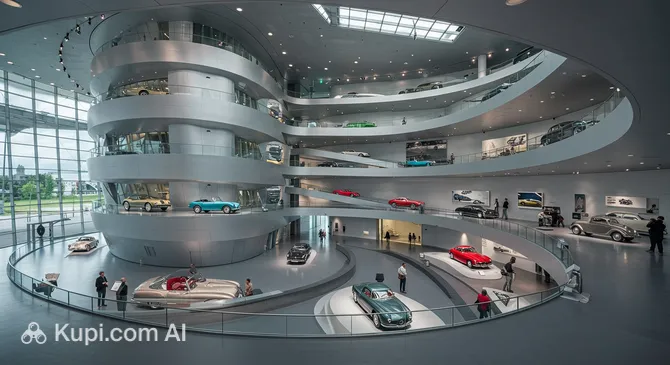
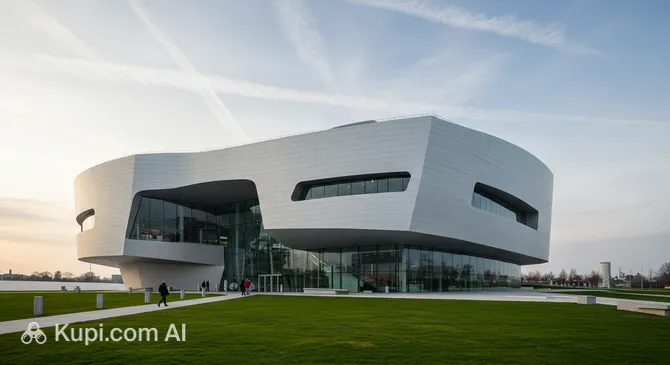
For car enthusiasts and architecture lovers alike, the Mercedes-Benz Museum is an absolute highlight. This architectural masterpiece celebrates over 130 years of automotive history. Visitors spiral down through the building, exploring nine levels that showcase the evolution of the brand and the automobile itself. With 160 vehicles and over 1,500 exhibits, it provides a comprehensive look into the technology that shaped the modern world.

Mercedes-Benz Museum. Source: Kupi.Binoculars

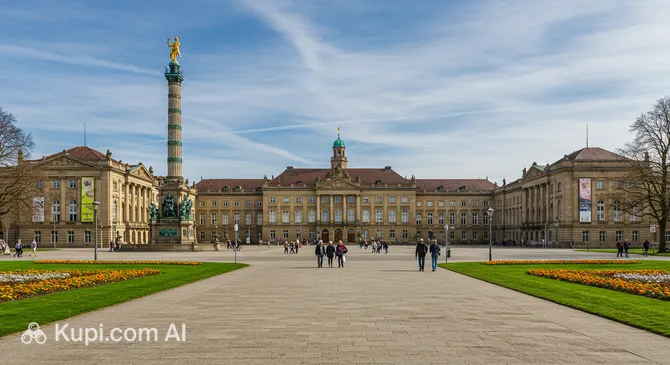
The beating heart of the city is the Schlossplatz. This vibrant central square is the city's "living room," where locals and tourists gather to relax on the lawns or enjoy events. It is surrounded by impressive historic structures, most notably the majestic New Palace Stuttgart, which dominates the scene with its baroque grandeur. It is the perfect spot to start a walking tour or simply soak up the atmosphere near the fountains.

Schlossplatz. Source: Kupi.Binoculars

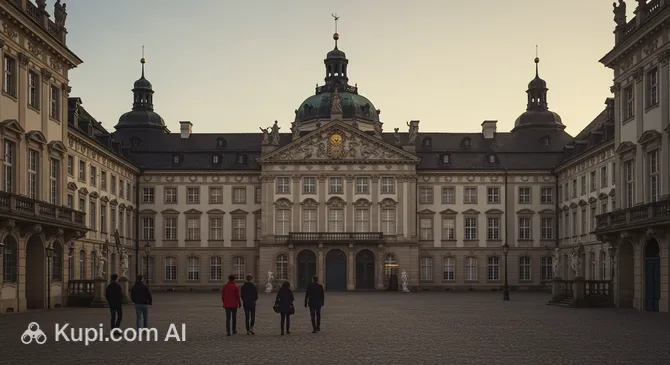
Just a short journey north of the city center lies the Ludwigsburg Palace, often referred to as the "Versailles of Swabia." As one of the largest baroque palaces in Europe to survive in its original condition, it offers a glimpse into the opulent lives of former dukes and kings. The palace is surrounded by the "Blooming Baroque," a vast and beautifully landscaped garden that is a delight to explore in any season.

Ludwigsburg Palace. Source: Kupi.Binoculars

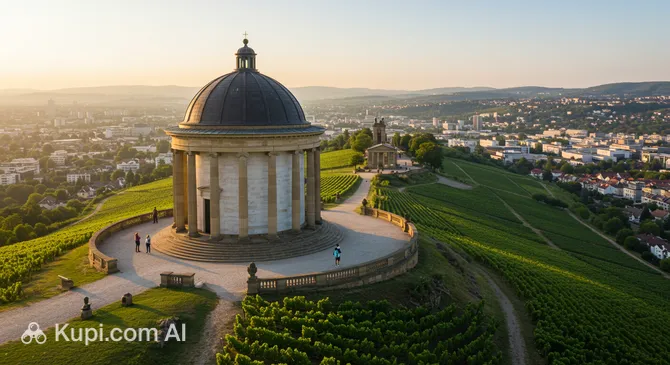
For a romantic setting and some of the best views in the region, a visit to the Sepulchral Chapel on Württemberg Hill is highly recommended. Built by King Wilhelm I as an eternal monument to his beloved wife Queen Katharina, this mausoleum sits atop a vineyard-covered hill overlooking the Neckar Valley. The panoramic vistas of Stuttgart and the surrounding vineyards make the hike up well worth the effort.

Sepulchral Chapel on Württemberg Hill. Source: Kupi.Binoculars

Art aficionados should head to the Staatsgalerie Stuttgart, one of Germany's most popular art museums. The collection spans from the Middle Ages to the present day, featuring masterpieces by artists such as Rembrandt, Rubens, and Picasso. The building itself is a landmark, known for its striking postmodern extension designed by the famous architect James Stirling.

Local Cuisine

Local Cuisine:

Stuttgart’s culinary landscape is deeply rooted in Swabian tradition, known for its hearty, comforting, and flavorful dishes. The local cuisine is often described as down-to-earth, relying on high-quality regional ingredients to create meals that satisfy the soul. Visitors will find a variety of traditional inns, known as Gaststätten, where the atmosphere is as warm as the food served.

One of the absolute must-try dishes is Maultaschen, large pasta dumplings filled with a mixture of minced meat, spinach, onions, and breadcrumbs. Legend has it that monks invented them to hide meat from God during Lent, earning them the humorous nickname "God’s Cheaters" (Herrgottsbescheißerle). Another staple is Spätzle, a type of soft egg noodle that accompanies many meals. These are frequently served as Kässpätzle—mixed with generous amounts of melted cheese and topped with crispy fried onions—or as a side to Zwiebelrostbraten, a tender roast beef dish smothered in gravy.

Unlike many other German cities known primarily for beer, Stuttgart is a proud wine metropolis. It is one of the few major cities with vineyards located directly within its municipal boundaries. You should sample the local Trollinger (a light red wine) or Riesling at a Besenwirtschaft. These are seasonal, temporary wine taverns run by local winemakers, indicated by a broom hung outside the door, offering simple platters of cold cuts and cheese to accompany their vintage.

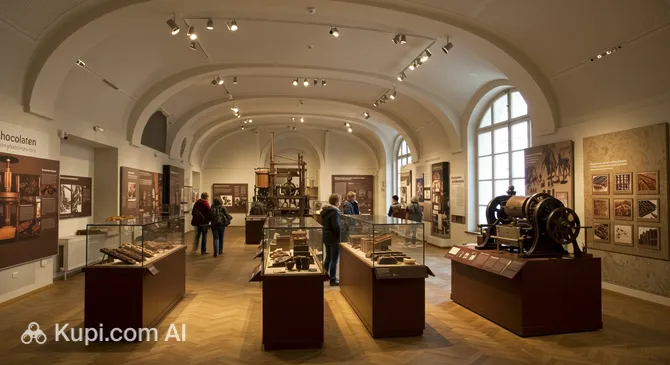
Chocolate Museum. Source: Kupi.Binoculars

For dessert lovers or those seeking a break from savory treats, a visit to the Chocolate Museum offers a sweet insight into confectionery history and production. If you prefer exploring fresh local produce and soaking up the regional atmosphere, the historic Esslingen Market Square is a fantastic destination just a short distance from the city center. Here, you can wander among stalls selling regional delicacies, fresh fruits, and local snacks, experiencing the authentic food culture of the area.

Travel Tips

Preparing for a trip to Stuttgart means getting ready for steep hills, efficient trains, and a culture that values both innovation and tradition. Here are some essential practical tips to ensure your visit to the Baden-Württemberg capital is smooth and enjoyable.

  1. Clothing and Gear: The weather in the Stuttgarter Kessel (valley basin) can be slightly warmer than the surrounding region, but layers are always a smart choice to adapt to changing conditions. Since the city is famous for its Stäffele (steep outdoor stairways), bring sturdy, comfortable walking shoes. If you plan to visit churches, modest attire is appreciated, though strict dress codes are generally not enforced.
  2. Transportation: The public transport network, managed by VVS, is excellent and integrates S-Bahn, U-Bahn, and buses seamlessly. You likely will not need a car within the city; in fact, traffic can be heavy and parking expensive. Don't miss a ride on the unique Zacke (rack railway) for a scenic trip uphill using a standard public transport ticket.
  3. Finances: The official currency is the Euro (€). While credit cards are widely accepted in museums, hotels, and large stores, Germany is still quite fond of cash. Always carry some coins and small bills for bakeries, traditional Besenwirtschaft wine taverns, or ticket machines. Tipping is customary; simply round up the bill or leave about 5-10% for good service.
  4. Health and Safety: Stuttgart is generally a very safe city for travelers. Pharmacies are marked with a large red "A" (for Apotheke); they rotate emergency night shifts if you need help after hours. For serious medical or fire emergencies, dial 112. Tap water is safe to drink and is of high quality.
  5. Communication: German is the official language, but English is widely spoken, especially in the tourism, business, and hospitality sectors. Learning a few basics like Hallo (Hello) and Danke (Thank you) is polite and appreciated. Free Wi-Fi is available in the city center and many public spots, and prepaid SIM cards can be easily purchased at supermarkets or electronics stores.
  6. Local Etiquette: Politeness and punctuality are highly valued in Swabian culture. When entering a small shop or waiting room, it is polite to say a general greeting to everyone. On escalators, the rule is strictly "stand on the right, walk on the left." Sundays are considered "quiet days" (Ruhetag), so keep noise levels down in residential areas.
  7. What to Avoid: Do not walk on the designated bicycle lanes, which are often marked in red or located on the sidewalk level; cyclists can be fast and expect their path to be clear. Also, avoid crossing the street when the pedestrian light is red, even if no cars are coming, as locals strictly follow traffic signals and jaywalking is frowned upon.
  8. Sunday Shutdowns: Be aware that almost all shops, supermarkets, and pharmacies close on Sundays. Only bakeries (for limited hours), gas stations, and shops at the main train station or airport remain open. Plan your grocery shopping and souvenir hunting for Saturday to avoid being caught out.

With these tips in hand, you are well-prepared to navigate Stuttgart's hills and cultural gems with ease. Enjoy the unique blend of Swabian coziness and metropolitan flair that makes this city so special!

Entertainment & Nightlife

Stuttgart boasts a vibrant and diverse nightlife scene that caters to everyone from electronic music aficionados to lovers of sophisticated cocktails. As the sun sets, the city center transforms, particularly around the famous Theodor-Heuss-Straße, often affectionately called the "Theo." This strip is the pulsating artery of the city's party life, lined with numerous clubs, lounges, and bars where the music plays until the early morning hours. For a more relaxed and bohemian atmosphere, the area around the Hans-im-Glück-Brunnen (Hans in Luck Fountain) offers a labyrinth of cobblestone alleys packed with cozy bars and outdoor seating, perfect for warm evenings.

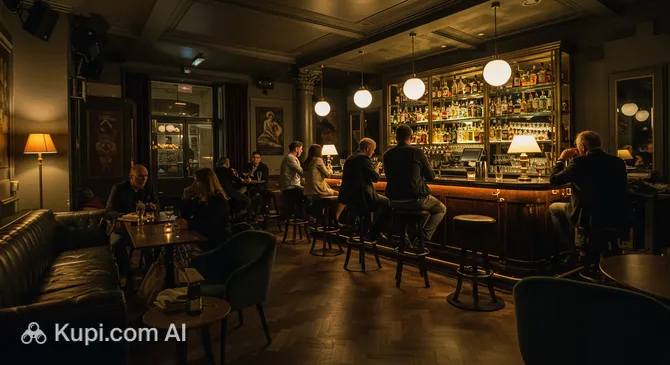
For those seeking a unique drinking experience, the Jigger & Spoon is a hidden gem located in a former bank vault. This speakeasy-style bar is renowned for its exclusive atmosphere and masterfully crafted cocktails, making it an ideal spot for a classy night out. The dim lighting and plush interiors provide a stark contrast to the bustling streets outside, offering an intimate setting for conversation and relaxation.

Jigger & Spoon. Source: Kupi.Binoculars

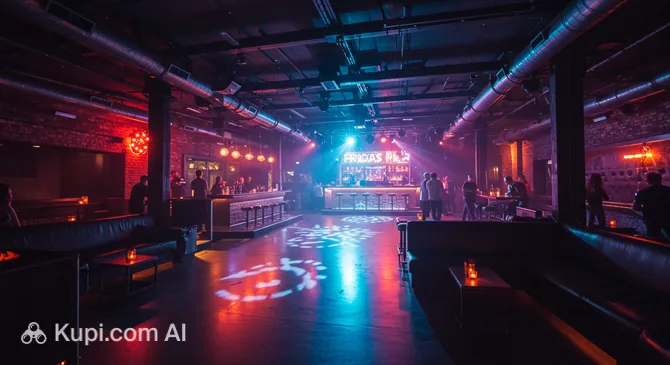
If you prefer dancing to electronic beats in an industrial setting, Fridas Pier is a must-visit destination. Located directly on the Neckar River, this venue combines an open-air deck with an indoor club, often hosting renowned DJs and cultural events. The venue perfectly captures Stuttgart's blend of industrial heritage and modern creativity, attracting a trendy crowd ready to dance the night away.

Fridas Pier. Source: Kupi.Binoculars

Another entertaining option for groups is the Stereo Karaoke Bar, where you can sing your heart out in a lively environment. Regarding practicalities, most bars stay open until 1:00 AM or 3:00 AM on weekends, while clubs often operate until dawn. The dress code in Stuttgart is generally smart-casual; however, upscale venues on the "Theo" might expect a more polished look. Prices are moderate for a major German city, with cocktails typically ranging from €10 to €15.

Getting around at night is safe and convenient. The public transport network (VVS) offers night buses and S-Bahn services on weekends and before public holidays, ensuring you can return to your accommodation easily. Taxis and ride-sharing services are also readily available. The city center is generally safe for night walks, though it is always wise to stay in well-lit, populated areas like the main shopping streets or the Schlossplatz.

Beyond the nightlife, Stuttgart offers excellent daytime entertainment options. The city is famous for its musicals, often hosted at the SI-Centrum complex. For a journey through the stars, the Stuttgart Planetarium provides fascinating astronomical shows using state-of-the-art projection technology. Whether you are looking for high-energy excitement or cultural enrichment, the city ensures there is never a dull moment.

Parks & Museums

Stuttgart is widely celebrated as one of Europe's greenest cities, boasting a unique "Green U" corridor of connected parks that traverse the city center, alongside a rich tapestry of museums preserving everything from royal treasures to automotive milestones. Visitors can easily transition from inspecting high-performance engines to strolling through baroque gardens within the same afternoon.

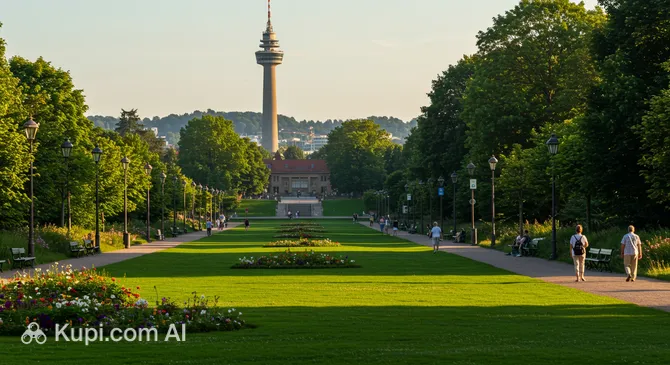
One of the most beloved recreational areas is Killesberg Park, a hilltop oasis that dates back to a 1939 horticultural show. It is famous for its spiraling observation tower, which offers breathtaking views over the city and the surrounding vineyards. Families particularly enjoy the historic narrow-gauge steam railway that loops around the grounds, as well as the "Valley of Roses" and the petting zoo, making it a perfect spot for relaxation.

Just outside the city limits, the Blooming Baroque Ludwigsburg surrounds the magnificent residential palace with endless floral displays. This extensive garden complex is not only a feast for the eyes but also home to the enchanting "Fairy Tale Garden" (Märchengarten), where animatronic scenes from classic stories delight children and adults alike.

Killesberg Park. Source: Kupi.Binoculars

In terms of cultural institutions, the Porsche Museum stands as a stunning architectural landmark in the Zuffenhausen district. The museum's dynamic, floating design houses a rotating collection of over 80 vehicles, telling the story of the brand's engineering prowess. It serves as a fascinating counterpart to the city's other automotive giant, offering visitors a deep dive into the history of the iconic 911 and legendary racing cars.

Porsche Museum. Source: Kupi.Binoculars

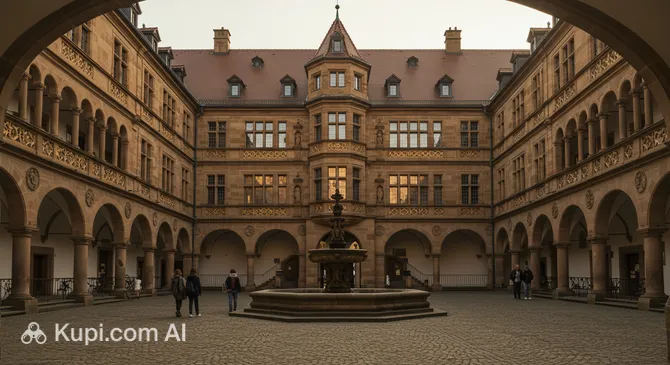
For a journey further back in time, the Old Castle (Altes Schloss) in the city center is a must-visit. Unlike its grand baroque neighbor, this Renaissance fortress with its picturesque courtyard houses the Württemberg State Museum. Here, tourists can explore the region's history from the Stone Age to the Kingdom of Württemberg, viewing crown jewels and ancient artifacts in an atmospheric setting.

Old Castle. Source: Kupi.Binoculars

Nature enthusiasts should not miss the Stuttgart Museum of Natural History – Rosenstein Palace. Located within the scenic Rosenstein Park, this museum focuses on biology and evolution, displaying an impressive collection of mounted animals and ecosystems within the halls of a former royal summer residence.

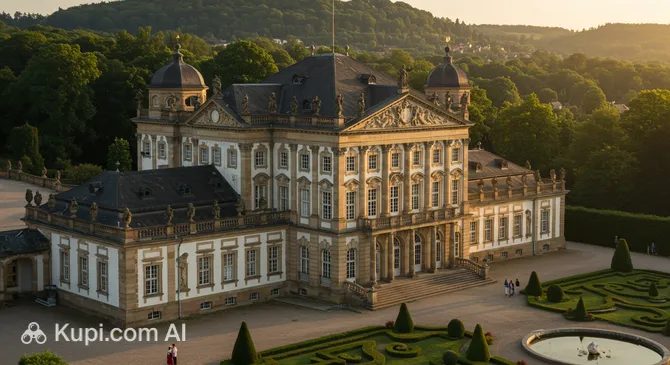
Among the city's most significant historical sites is Solitude Palace. Perched high on a ridge west of Stuttgart, this Rococo masterpiece was built as a hunting lodge and summer retreat for Duke Carl Eugen. Its perfectly straight avenue, the Solitude Allee, stretches over 13 kilometers directly toward Ludwigsburg, and the palace grounds offer spectacular panoramic views.

Solitude Palace. Source: Kupi.Binoculars

For a truly authentic and peaceful experience, seek out the Chinese Garden Stuttgart. Tucked away on a hillside, this beautifully designed "Garden of the Beautiful Melody" features traditional pavilions, a pond, and exotic plants, offering a quiet refuge and a unique vantage point over the city basin that many tourists overlook.

Getting Around

Navigating Stuttgart is remarkably easy and efficient thanks to the comprehensive public transport network managed by the Verkehrs- und Tarifverbund Stuttgart (VVS). The system seamlessly integrates suburban trains (S-Bahn), light rail (U-Bahn), and buses, allowing visitors to reach almost any corner of the city and the surrounding region with a single ticket. Whether you are heading to a museum in the city center or a vineyard on the outskirts, the coordinated schedules and frequent connections make getting around stress-free.

The backbone of the city's transit is the U-Bahn (Stadtbahn), recognizable by its yellow carriages. These light rail trains run underground in the dense city center and above ground in the outer districts. For longer distances or trips to neighboring towns and the airport, the S-Bahn (suburban train) is the best option, identifiable by the "S" logo on a green background. Buses complement these rail lines, servicing areas that are harder to reach by train, particularly in the hilly residential neighborhoods.

Stuttgart boasts two unique forms of historic transport that are attractions in themselves and are fully integrated into the standard public transport system. The Rack Railway (Zacke), officially Line 10, climbs the steep hill from Marienplatz to Degerloch, offering spectacular panoramic views of the city basin. Additionally, the Standseilbahn (funicular railway), Line 20, transports passengers from Heslach to the Waldfriedhof using charming original teak wagons from the 1920s. A ride on either is a must-do experience included in your day pass.

The ticketing system is based on zones, but for most tourist activities within the main city area, a ticket for Zone 1 is sufficient. Visitors are highly encouraged to purchase a Day Ticket (EinzelTagesTicket) or a Group Day Ticket (GruppenTagesTicket) for up to five people, as these offer the best value for unlimited travel. Tickets can be purchased via the "VVS Mobil" app, which is often slightly cheaper and more convenient, or at orange vending machines located at every station. These machines feature multiple language options, including English.

If you buy a paper ticket from a machine, be aware that some are pre-validated while others are not. If your ticket is not stamped with a date and time, you must insert it into the orange validation boxes found on station platforms or inside buses and trams before starting your journey. Ticket inspections are frequent and are often conducted by plainclothes officers; failing to show a valid, stamped ticket can result in a significant fine.

Public transport generally operates from around 5:00 AM until 1:00 AM. On Friday and Saturday nights, as well as nights before public holidays, S-Bahn trains and several bus lines run 24 hours a day, ensuring you can enjoy the nightlife without worrying about a ride home. For late-night travel during the week, a network of night buses is available, departing from the city center.

For those who prefer alternatives to public transit, taxis are readily available and can be hailed on the street or found at designated stands; they are typically cream-colored Mercedes-Benz vehicles. Given the city's automotive heritage, car-sharing services like Share Now are extremely popular and easy to find. Additionally, the city offers the "RegioRadStuttgart" bike and pedelec rental scheme, which is perfect for tackling the flatter areas, though the city's steep geography often makes electric scooters or e-bikes the preferred choice for two-wheeled exploration.
Accommodation

Stuttgart offers a broad spectrum of accommodation options to suit every traveler's needs and budget. The city's hospitality landscape ranges from economical youth hostels and modern budget chains to charming family-run guesthouses and luxurious five-star hotels. Whether you are visiting for a quick city break, a business trip, or an extended holiday, you will find a comfortable place to rest after a day of exploring.

For those who want to be in the heart of the action, staying in Stuttgart-Mitte (City Center) is the most convenient choice. This area places you within walking distance of the main train station, the Schlossplatz, and major shopping streets like Königstraße. If you prefer a slightly quieter atmosphere while remaining close to green spaces and the zoo, the district of Bad Cannstatt is an excellent alternative, especially during the folk festivals. For visitors attending events or musicals, the Möhringen district, home to the SI-Centrum entertainment complex, is a popular strategic location.

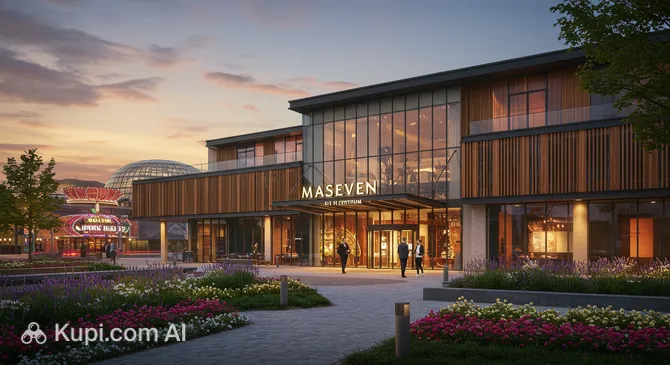
Travelers looking for modern comfort near the entertainment district might consider the MASEVEN Stuttgart SI Centrum. This hotel is well-situated for those planning to enjoy the musicals or visit the nearby thermal baths, offering a blend of contemporary design and practical amenities.

MASEVEN Stuttgart SI Centrum. Source: Kupi.Binoculars

When planning your stay, it is highly recommended to book in advance, especially if your visit coincides with major trade fairs or the popular Cannstatter Volksfest (Beer Festival) in autumn. During these peak times, availability decreases rapidly, and prices can soar significantly. Checking the city's event calendar before finalizing your dates can help you secure better rates.

In terms of pricing, budget travelers can expect to pay between €60 and €90 per night for hostels or simple hotels. Mid-range accommodations typically fall between €90 and €150, offering more amenities and central locations. Luxury stays generally start from €160 upwards. Booking is most commonly done through major online platforms, though contacting smaller, family-owned Gasthöfe directly can sometimes yield a more personal experience and competitive offers.

Nearby Cities

For those looking to explore the surroundings, Stuttgart serves as an excellent base for day trips to several interesting nearby locations:

One of the most charming destinations is Esslingen am Neckar, located just a few minutes away by train. This town offers a captivating journey into the Middle Ages, featuring over 200 well-preserved half-timbered houses and a castle fortress that overlooks the river. It is also famous for being home to Germany's oldest sparkling wine cellar, making it a delight for both architecture and wine enthusiasts.

To the north lies Ludwigsburg, a city renowned for its magnificent Baroque architecture. It is best known for the Residenzschloss, one of the largest Baroque palaces in Europe, often referred to as the "Versailles of Swabia." Visitors can wander through the sprawling "Blooming Baroque" gardens or explore the lively market square, offering a regal experience just outside the capital.

Another noteworthy stop is Sindelfingen, which presents a fascinating contrast between industry and history. While it is globally recognized for its massive Mercedes-Benz factory, the city center boasts a surprising array of historic treasures, including the Romanesque Martinskirche and a pedestrian zone lined with traditional timber-framed buildings.

City Population Distance (km)
Esslingen am Neckar 93,542 10
Ludwigsburg 93,499 13
Sindelfingen 64,858 15
Waiblingen 55,526 12
Leonberg 48,931 13

These nearby destinations offer a glimpse into the diverse culture and landscapes of the region.

Shopping & Souvenirs

Shopping in Stuttgart is a diverse experience that ranges from bustling pedestrian zones to upscale department stores and modern malls. The city is known for having one of the longest and finest shopping streets in Germany, offering everything from international high-street chains to exclusive luxury boutiques.

The heart of the retail action is Königstraße, a 1.2-kilometer-long pedestrian boulevard that stretches from the main railway station to the lively Schlossplatz. Here, visitors can stroll past major flagship stores, historic buildings, and inviting cafes. This vibrant area, often referred to as the Stuttgart City Center, is the perfect starting point for any shopping spree, providing a mix of fashion, electronics, and lifestyle goods in a lively urban setting.

For those seeking luxury and tradition, the flagship store of Breuninger on the Market Square is an institution. As one of Europe's leading department stores, it offers an exquisite selection of designer fashion, beauty products, and gourmet food. Nearby, the sophisticated Calwer Passage and the stylish Dorotheen Quartier beckon with high-end boutiques and elegant architecture, perfect for discerning shoppers.

Modern shopping malls also play a significant role in the city's retail landscape. The Milaneo, located near the main station, is the largest of its kind in the region, featuring over 200 shops and a distinctively modern design. Alternatively, Das Gerber offers a chic shopping environment in the south of the city center. For a comprehensive experience just outside the city limits, Breuningerland Sindelfingen is a top destination. This extensive shopping center houses over 120 specialty shops and restaurants, making it a popular choice for a full day of retail therapy.

No shopping trip to Stuttgart would be complete without a visit to the historic Markthalle (Market Hall). Built in the Art Nouveau style, this architectural gem is a paradise for foodies. Inside, vendors sell fresh produce, exotic spices, artisan cheeses, and international delicacies in a vibrant, aromatic atmosphere. It is the ideal place to find unique edible souvenirs or simply enjoy the sensory delight of high-quality regional and global foods.

Finally, bargain hunters often take the short trip to Outletcity Metzingen, located about 30 kilometers south of Stuttgart. As the hometown of Hugo Boss, this outlet village has grown into an international shopping destination where over 130 premium and luxury brands offer their collections at reduced prices, attracting visitors from all over the world.

Reached the end of the page?

That means the route is fully explored