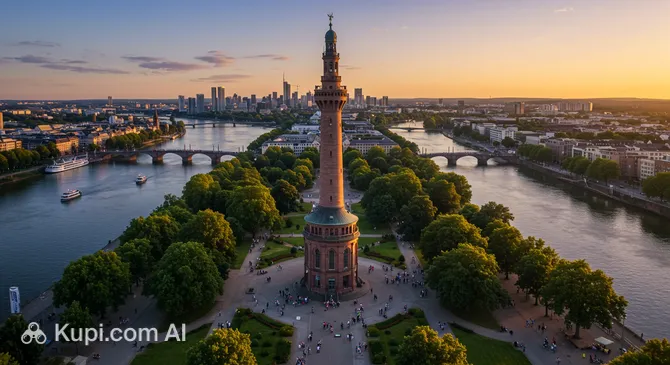
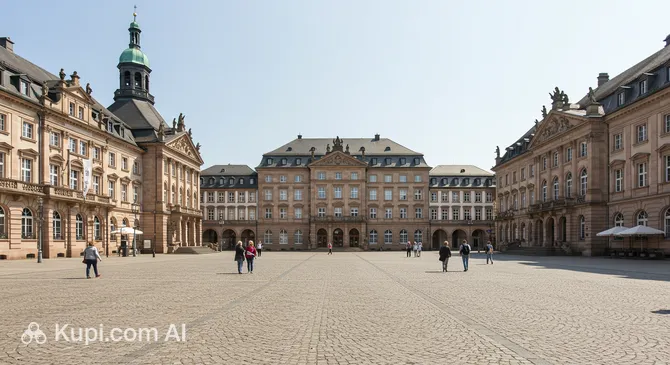
Mannheim is a dynamic city located in the heart of the Rhine-Neckar metropolitan region. Known as the "City of Squares" (Quadratestadt) due to its unique grid-patterned city center, it offers a fascinating mix of historical grandeur and modern innovation. As a major cultural and economic hub in Germany, Mannheim surprises visitors with its diverse architecture, vibrant arts scene, and welcoming atmosphere.
Mannheim. Illustration.
Source: Kupi.com AI
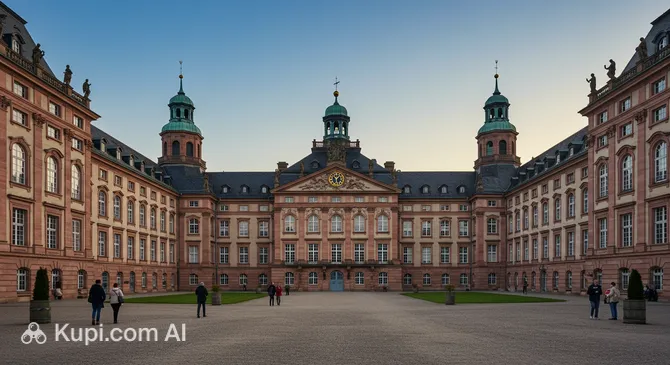
Situated at the confluence of the Rhine and Neckar rivers within the federal state of Baden-Württemberg, the city is home to approximately 311,000 residents. Travelers interested in the past can explore the intriguing history of Mannheim, which is reflected in landmarks like the magnificent Mannheim Baroque Palace—one of the largest palace complexes in Europe.
Beyond its historical roots, the city is famous for the iconic Wasserturm (Water Tower) and the expansive Luisenpark, considered one of the most beautiful parks in the country. Whether you are strolling through the "Planken" shopping street or relaxing by the riverbanks, Mannheim provides a memorable urban experience that perfectly balances industrial heritage with green living.
Weather Overview
The weather in Mannheim is generally temperate, characterized by warm summers and cool, cloudy winters. Visitors will experience distinct seasons, with temperatures and conditions that vary significantly throughout the year, making it important to pack accordingly based on when you plan to travel.
During the summer months of June, July, and August, the city enjoys its warmest weather. Average temperatures range from 19.5°C to 21.0°C, with daytime highs frequently reaching a pleasant 25°C. While this is a popular time for exploring, it is worth noting that rainfall is spread relatively evenly throughout the year; even in summer, you can expect around 11 to 12 wet days per month.
Winter brings a noticeable shift, particularly from December to February, when average temperatures drop to between 3.3°C and 4.9°C. The coldest nights typically see lows around 1.0°C to 1.9°C. This season is also characterized by frequent precipitation, with January and December seeing up to 16 wet days each. Overall, you can expect comfortable, warm summers perfect for outdoor activities and cold, damp winters that call for warm layers.
Average monthly temperature
Average monthly precipitation
Interesting Facts
Beyond the main attractions, Mannheim holds many fascinating secrets and claims to fame that have shaped modern life. From revolutionary inventions to unique culinary creations, this city is full of surprises waiting to be discovered.
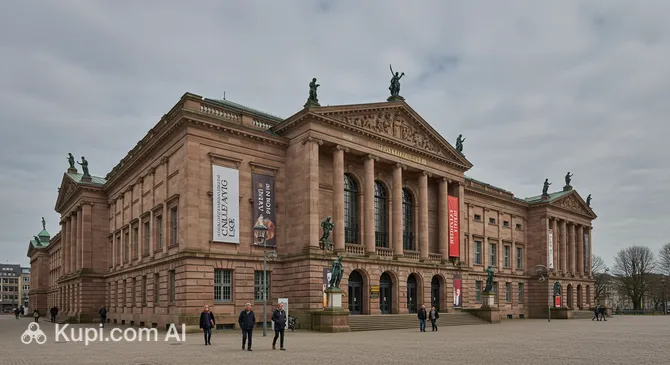
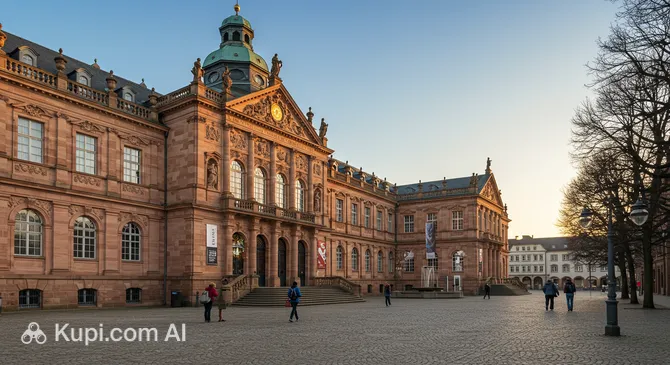
Mannheim Palace. Illustration.
Source: Kupi.com AI
Traveler photos:
Birthplace of Mobility: Mannheim is historically significant as the city where modern transportation began. Karl von Drais invented the first bicycle (the "Draisine") here in 1817, and Karl Benz built the first automobile in 1886. Visitors can dive deeper into this industrial heritage at the Technoseum.
A Sweet Creation: The beloved German dessert known as Spaghettieis was invented here in 1969. Local ice cream maker Dario Fontanella created the dish by pressing vanilla ice cream through a specialized press to resemble pasta, topping it with strawberry sauce to mimic tomato sauce.
Navigating by Grid: While often called the "City of Squares," the true uniqueness lies in its addresses. In the city center, streets have no names; instead, buildings are located within grid blocks designated by letters and numbers, such as Q6 or N7, similar to a chessboard.
A Royal Rivalry: The Mannheim Palace was built with the ambition to outshine other European courts. A popular local legend claims that the architects designed it to have exactly one more window than the Palace of Versailles in France to demonstrate its grandeur.
How to Get There
Reaching this vibrant city is straightforward thanks to its central location and excellent transport connections. Whether you are arriving from overseas or a neighboring region, you can easily find a suitable route. To help plan your journey, you can read more about how to get to Mannheim and explore the various travel options available.
Although the city does not have its own major commercial airport, it is exceptionally well-connected to global travel hubs. While Frankfurt Egelsbach Airport is technically the closest facility at about 54 km away, it primarily serves general aviation. The most convenient and significant international gateway is Frankfurt Airport (IATA: FRA), located approximately 62 km from the city. This massive hub offers direct high-speed rail connections, allowing travelers to reach Mannheim in roughly 30 to 40 minutes. Another viable option is Stuttgart Airport (IATA: STR), situated roughly 104 km away, which is accessible by road or rail in under two hours.
For clarity, here is a summary of the main airports:
Rail travel is one of the most convenient ways to arrive, as the city serves as a central node in the German railway network. You can arrive directly at Mannheim Hauptbahnhof (IATA: MHJ), which is the main station located just 0.9 km from the city center. This station is a major hub with high passenger traffic, offering frequent high-speed ICE connections to destinations across Germany and Europe.
Below is an overview of the nearest railway stations:
Mannheim boasts a fascinating array of sights that reflect its rich history and modern cultural spirit. From architectural masterpieces to sprawling green spaces, the city offers diverse experiences for every type of traveler. Here are some of the must-visit places to include in your itinerary.
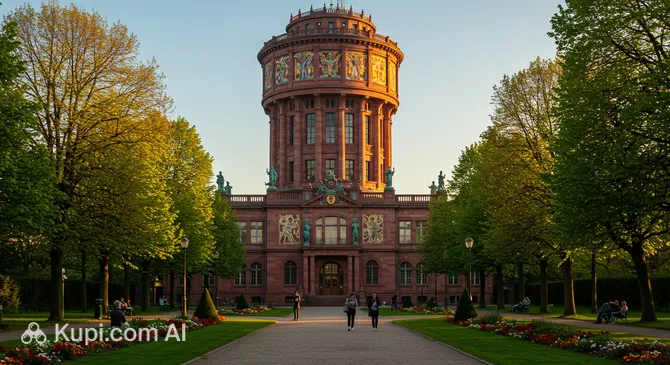
Undoubtedly the most famous landmark in the city is the Mannheim Water Tower. Standing 60 meters tall at the head of the Friedrichsplatz, this neo-Baroque structure is an icon of the city. Visitors are drawn to its intricate sandstone design and the beautifully landscaped gardens that surround it. The area is particularly enchanting in the evening when the fountains are illuminated, making it a perfect spot for a leisurely stroll or a memorable photo.
Mannheim Water Tower. Illustration.
Source: Kupi.com AI
Traveler photos:
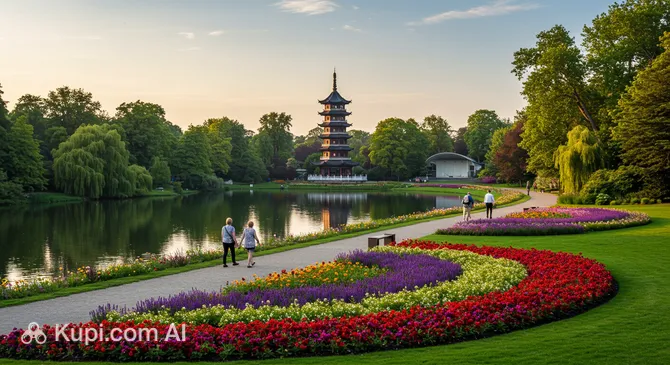
For a peaceful escape within the city limits, Luisenpark is widely considered one of the most beautiful parks in Europe. This vast green oasis offers much more than just walking paths; it features a stunning Chinese Garden with a traditional tea house, a butterfly house, and vibrant flower beds. A highlight for many tourists is a ride on the "Gondoletta" boats, which gently drift along the park's serene lake, offering a unique perspective of the grounds.
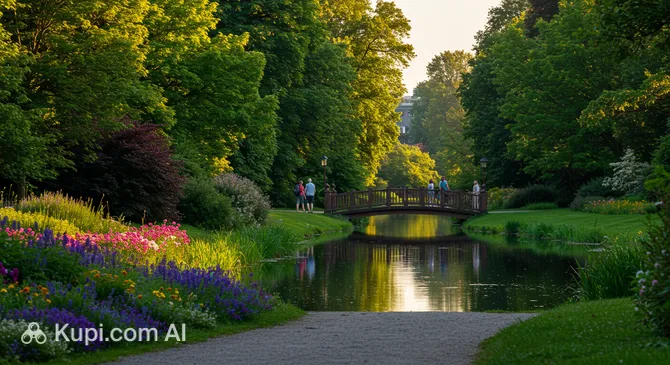
Luisenpark. Illustration.
Source: Kupi.com AI
Traveler photos:
Culture lovers will find inspiration at the Mannheim Art Gallery (Kunsthalle Mannheim). This premier museum is renowned for its outstanding collection of 19th and 20th-century paintings and sculptures, including key works of French Impressionism and German Expressionism. The building itself is a work of art, combining a historic structure with a striking modern extension that symbolizes the city's forward-thinking attitude.
Mannheim Art Gallery. Illustration.
Source: Kupi.com AI
Traveler photos:
Another architectural gem is the Jesuit Church Mannheim, located near the palace. Completed in 1760, it is celebrated as one of the most significant Baroque churches in southwest Germany. The interior is breathtaking, adorned with opulent marble, gold leaf, and magnificent frescoes that showcase the grandeur of the era. It remains a place of quiet reflection and artistic wonder in the bustling city center.
Local Cuisine
Mannheim's culinary landscape is as diverse as its population, offering a delightful blend of hearty Palatinate traditions and vibrant multicultural flavors. The city is situated in the Kurpfalz region, which means traditional German comfort food is a staple, but its industrial history has also fostered a rich variety of international cuisines, particularly Turkish and Italian. Whether you are looking for a quick street snack or a sit-down dinner, the city offers something to satisfy every palate.
One of the most unique local specialties you must try is Mannheimer Dreck. Despite its humorous name, which translates to "Mannheim Dirt," this is actually a delicious baked treat similar to a gingerbread macaroon. Made with honey, nuts, spices, and chocolate, it was originally created in the 19th century and has since become a beloved sweet souvenir. For a savory main course, look for Dampfnudeln (steamed buns) served with a salty crust and potato soup, or Saumagen, a savory stuffed pork stomach dish that is a regional favorite.
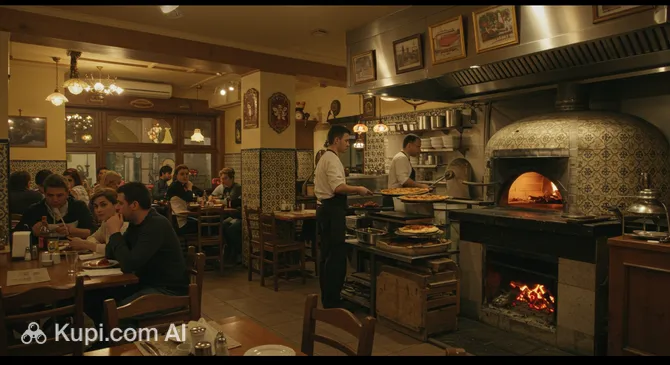
Due to its large and active Turkish community, Mannheim is often celebrated for having some of the best Turkish food in Germany. The area around the Marktplatz is locally known as "Little Istanbul," where the air is filled with the scent of freshly baked bread and grilled meats. Here, you can visit authentic spots like the Uzun Stone Oven Pide Restaurant to enjoy traditional wood-fired flatbreads and kebabs that rival those found in Turkey itself.
Uzun Stone Oven Pide Restaurant. Illustration.
Source: Kupi.com AI
Traveler photos:
When it comes to drinks, the city has a strong brewing tradition. The local Eichbaum brewery has been quenching thirsts for centuries, and you will find their pilsners and export beers on tap in many taverns. Additionally, Mannheim's proximity to the German Wine Route (Weinstraße) means that excellent Rieslings and Pinot Noirs from the Palatinate region are widely available and highly recommended to pair with your meal.
For a modern dining experience, visitors often flock to the waterfront or the bustling shopping districts. Places like the Rhein-Galerie offer a variety of dining options with views of the river, perfect for a casual lunch. Finally, no culinary tour of the city is complete without enjoying a bowl of Spaghettieis. Since it was invented here, enjoying this vanilla ice cream creation with strawberry sauce at a local gelato cafe is an essential Mannheim tradition.
Travel Tips
Preparing for a trip to Mannheim is exciting, but having a few practical insights beforehand can make your visit significantly smoother and more enjoyable. Whether you are navigating the unique city grid or immersing yourself in the local culture, these essential tips will help you travel with confidence and ease.
Clothing and Essentials: The weather in this region can be changeable, so packing layers is the best strategy. Bring a waterproof jacket and a warm sweater, even in spring or autumn. Since exploring the "City of Squares" involves a fair amount of walking, comfortable walking shoes are a must. Germany uses the standard European two-pin plugs (Type C and F) with a standard voltage of 230V, so bring a universal adapter if your devices differ.
Getting Around: Mannheim has an excellent public transport network operated by the VRN (Verkehrsverbund Rhein-Neckar), comprising trams and buses that connect the entire city and neighboring towns like Heidelberg. You can easily buy tickets at vending machines or via mobile apps. While taxis and ride-hailing apps are available, they are rarely necessary for city center travel as the grid layout makes the downtown area highly walkable.
Money Matters: The local currency is the Euro (€). While credit and debit cards (Visa, Mastercard) are widely accepted in hotels, large shops, and supermarkets, Germany is still very much a cash-oriented society. Smaller bakeries, kiosks, and some traditional restaurants may only accept cash or local EC cards. It is advisable to carry some cash for small purchases. ATMs are plentiful throughout the city.
Health and Safety: Mannheim is generally a safe city for tourists. Pharmacies, known as Apotheke, are marked by a distinctive red "A" symbol and are easy to find; they can provide advice for minor ailments. For serious medical emergencies, dial 112 for an ambulance or fire department. Tap water is of high quality and perfectly safe to drink.
Staying Connected: The official language is German, but English is widely spoken, especially by younger people and in the service industry. Learning a few basic phrases like "Hallo" (Hello) and "Danke" (Thank you) is always appreciated. Free Wi-Fi is often available in the city center, cafes, and at the main train station. Prepaid SIM cards can be purchased at supermarkets or electronics stores with a passport for registration.
Local Etiquette: Germans value punctuality and order. When entering a shop or restaurant, a friendly greeting is customary. Sunday is considered a rest day (Ruhetag), meaning most shops and supermarkets will be closed, so plan your shopping for Saturday. Additionally, silence is expected in residential areas on Sundays and late evenings.
What to Avoid: Be very careful not to walk on bicycle lanes, which are usually marked on the sidewalk in red or paved differently. Cyclists in Germany ride fast and expect pedestrians to stay clear. Also, avoid crossing the street when the pedestrian light is red (Ampelmann), even if there are no cars coming, as this is frowned upon and can result in a fine.
Mastering the Grid: A unique feature of Mannheim is its address system in the city center. Instead of street names, blocks are designated by a grid of letters and numbers (e.g., Q6, N7). Don't be confused if your destination looks like a code; simply look for the letter and number on the corner signs to navigate the "Quadrate" like a local.
By keeping these practical tips in mind, you will be well-prepared to experience the best of what Mannheim has to offer. Embrace the local rhythm, enjoy the efficient infrastructure, and have a wonderful time exploring this vibrant and unique German city.
Entertainment & Nightlife
Entertainment and Nightlife:
Mannheim boasts a vibrant and diverse nightlife scene that attracts visitors from all over the region. The city's energy shifts from its industrious daytime rhythm to a buzzing social atmosphere after dark. The epicenter of this transformation is undoubtedly the Jungbusch district. Once a gritty industrial harbor area, it has evolved into a trendy creative quarter where students, artists, and young professionals mingle. The streets here are lined with an eclectic mix of bars, galleries, and music venues, creating a raw and authentic vibe that defines modern Mannheim.
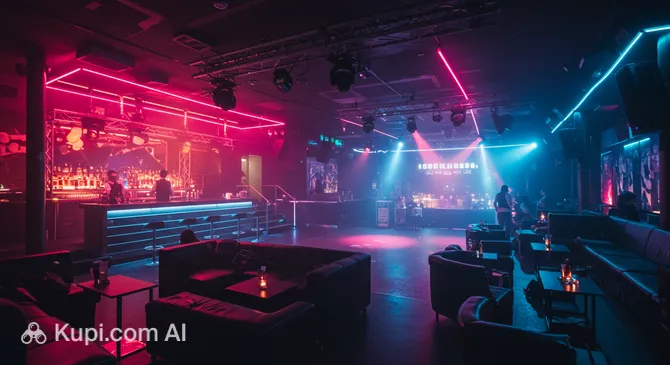
For those looking to experience the local club culture, the city offers a variety of options ranging from laid-back lounges to energetic dance floors. A popular spot for a relaxed evening is the Little Ma Shisha & Cocktail Lounge, where guests can unwind with flavorful drinks in a cozy setting. If you prefer a more upbeat tempo, Ojigi is a well-known nightclub that draws crowds looking to dance well into the early hours. The dress code in districts like Jungbusch is generally casual and trendy, while some exclusive clubs in the city center may expect a smarter appearance.
Ojigi. Illustration.
Source: Kupi.com AI
Traveler photos:
Beyond the bars and clubs, Mannheim is a "UNESCO City of Music" and a major hub for live entertainment. The Arena Mannheim (SAP Arena) is the premier venue for large-scale concerts, sporting events, and international shows. Whether you are into pop, rock, or ice hockey, checking the arena's schedule is a must for entertainment seekers. For a more low-key evening, the city's theaters and smaller music stages offer everything from classical performances to indie gigs.
When planning a night out, it is helpful to know that the action typically starts around 10:00 PM, with clubs peaking after midnight. Prices are generally reasonable, with beers costing around €4 to €5 and cocktails slightly more. Getting around is easy thanks to the "Moonliner" night buses that run on weekends, ensuring safe transport across the city. Mannheim is safe for night walks, especially in populated areas like the squares (Quadrate) and Jungbusch, but it is always advisable to stay on well-lit streets and use official taxis or ride-hailing apps for late-night travel.
Before the sun sets, the city offers plenty of daytime entertainment to fill your itinerary. Shopaholics will appreciate the Rhein-Galerie, a modern shopping mall located directly on the riverfront, offering a mix of retail therapy and scenic views. For a touch of science and wonder, the Mannheim Planetarium provides fascinating astronomical shows that are perfect for families and curious minds alike.
Rhein-Galerie. Illustration.
Source: Kupi.com AI
Traveler photos:
Parks & Museums
Mannheim surprises many visitors with its harmonious blend of industrial heritage, expansive green spaces, and a sophisticated museum landscape. Beyond the bustling city center, travelers can find serene retreats and cultural institutions that rival those of larger European capitals.
While the famous Luisenpark often steals the spotlight, the city offers other remarkable green oases. Herzogenried Park, located in the Neckarstadt-West district, is a favorite among locals for recreation and sports. This park is not only a place for relaxation but also an architectural destination, housing the Multihalle, renowned for its unparalleled wooden lattice roof structure designed by Frei Otto. With its rose garden, petting zoo, and ample space for jogging, it provides a community-focused atmosphere that complements the more manicured gardens of the city center.
Herzogenried Park. Illustration.
Source: Kupi.com AI
Traveler photos:
For those seeking a more untamed natural experience, the Waldpark and the Reißinsel nature reserve offer a perfect escape along the banks of the Rhine. This extensive riverside forest is ideal for long walks, cycling, and birdwatching, allowing visitors to experience the region's floodplain landscape in its natural state. It serves as a refreshing counterpoint to the urban grid, offering fresh air and scenic river views just minutes from downtown.
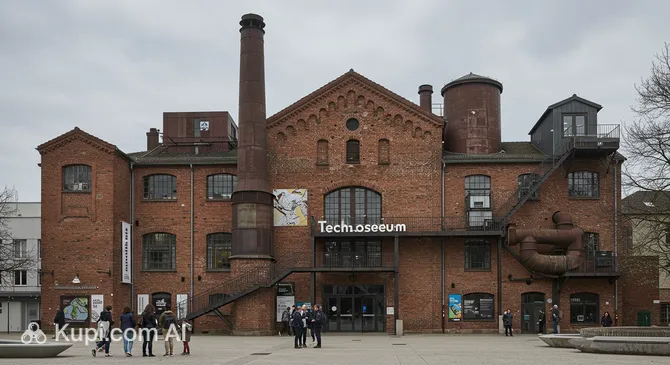
Mannheim's cultural scene is deeply rooted in its history of innovation and diversity. The Technoseum is a must-visit for anyone interested in the evolution of technology and social history. As one of the largest technology museums in Germany, it takes visitors on an interactive journey through 200 years of industrialization. Highlights include a functional steam train that runs through the museum grounds and hands-on exhibits that demonstrate the changing world of work, making it particularly engaging for families.
Technoseum. Illustration.
Source: Kupi.com AI
Traveler photos:
Another cultural heavyweight is the Reiss-Engelhorn Museums (Zeughaus Museum). This dynamic museum complex comprises several exhibition venues, including the historic Arsenal (Zeughaus). It is renowned for its high-caliber special exhibitions ranging from archaeology and world cultures to photography and art history. The collections here are vast, often featuring international collaborations that bring world-class history to the Rhine-Neckar region.
In terms of architectural landmarks that reflect the city's modern cultural fabric, the Mannheim Central Mosque stands out. As one of the largest mosques in Germany, it serves as a symbol of the city's multicultural identity. The building is open to visitors of all faiths and offers guided tours that provide insight into Islamic architecture and community life, fostering cross-cultural dialogue in the heart of the city.
Insider Tip: If you plan to visit multiple museums, look for the "Museumspass," which often covers entry to major institutions in Mannheim and the wider region. Additionally, a walk up to the Mannheim Telecommunications Tower offers a panoramic view that helps you appreciate the sheer scale of the city's parks and its strategic location between two major rivers.
Getting Around
The public transport network in Mannheim is highly efficient, dense, and user-friendly, making it the preferred way for many visitors to explore the city. The system is primarily based on a comprehensive light rail network (Stadtbahn) that crisscrosses the city center and extends into the suburbs. These trams are complemented by an extensive fleet of buses that serve areas not reached by rail. The entire network is integrated into the Verkehrsverbund Rhein-Neckar (VRN), which means a single ticket allows you to switch seamlessly between trams, buses, and regional trains (S-Bahn) within the designated zones.
For tourists, navigating the fare system is straightforward. The city is part of a large tariff zone often referred to as a "Großwabe." You can purchase single-trip tickets, but for a day of sightseeing, a Day Ticket (Tages-Karte) is usually the most economical option. It offers unlimited travel for one person or a group of up to five people, often proving cheaper than buying two single rides. Tickets can be purchased at multilingual vending machines located at most tram stops, from bus drivers, or conveniently via the "myVRN" or "DB Navigator" mobile apps. Prices for a single journey typically hover around €3, while day passes offer excellent value for extensive travel.
A crucial detail for travelers is the validation process. If you purchase a paper ticket from a machine that is not pre-stamped with a time and date, you must validate it immediately upon entering the tram or bus. Look for the small stamping machines (Entwerter), usually orange or blue, located near the doors. Failure to validate a ticket is considered fare evasion and can result in a hefty on-the-spot fine. If you use a mobile app, your ticket is usually valid immediately upon purchase, so be sure to buy it before boarding.
The network operates reliably from early morning until late at night. On weekends and public holidays, the "Moonliner" night buses ensure that night owls can return safely to their accommodation after enjoying the city's nightlife. These night services depart from the central Paradeplatz and cover most major districts. During the day, trams run frequently, often every 10 minutes on main lines, minimizing wait times and making spontaneous trips easy.
If you prefer more flexibility, there are several convenient alternatives to public transit. The city is very bike-friendly, and the "VRNnextbike" rental system allows you to pick up and drop off blue bicycles at numerous stations throughout the urban area. Registration is simple via an app, and it is a fantastic way to explore the flat terrain of the Rhine valley. Taxis are readily available at designated stands or can be hailed by phone, though they are significantly more expensive than public transport. Car-sharing services are also widely available for those who need a vehicle for a few hours.
A unique feature of the local transport system is the "OEG" (Line 5), a circular interurban tram line. This historic route does not just serve the city limits but connects Mannheim directly with the neighboring cities of Heidelberg and Weinheim in a large loop. It functions almost like a regional train but with the frequency and accessibility of a tram. Riding this line is an excellent and affordable way to see the broader metropolitan region without needing to navigate the main railway station.
Accommodation
Accommodation:
Finding a place to stay in Mannheim is relatively straightforward, as the city offers a wide spectrum of options catering to business travelers, tourists, and backpackers alike. The accommodation landscape ranges from modern, high-end business hotels and stylish boutique properties to affordable hostels and comfortable guesthouses. Since Mannheim is a major economic hub, many hotels are designed with convenience and functionality in mind, often providing excellent amenities such as fast Wi-Fi and breakfast buffets. For those seeking a more home-like atmosphere, serviced apartments and vacation rentals are becoming increasingly popular, particularly for longer stays.
When choosing a location, the City Center (Quadrate) is undoubtedly the most convenient area for tourists. Staying within the "squares" places you within walking distance of major attractions like the Palace, the Water Tower, and the main shopping streets. For a quieter but equally charming experience, the Oststadt and Schwetzingerstadt districts are excellent choices; these areas are known for their beautiful Art Nouveau architecture and proximity to the Luisenpark. Alternatively, travelers prioritizing connectivity might prefer the area around the Main Train Station (Hauptbahnhof), which serves as a perfect base for day trips to Heidelberg or the Wine Route.
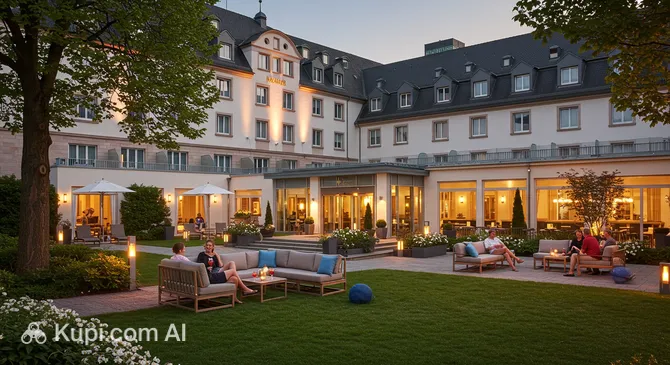
Among the specific options available, the Hotel Mannheim is a notable establishment that caters to visitors looking for comfort and quality service. Located strategically to offer easy access to the city's highlights, it serves as a reliable choice for travelers who want a hassle-free stay. Whether you are visiting for a weekend city break or a business conference, properties like this ensure a restful retreat after a busy day.
Hotel Mannheim. Illustration.
Source: Kupi.com AI
Traveler photos:
Booking Tip: Mannheim is a busy trade fair and congress city, meaning hotel availability can tighten significantly during major events. It is highly recommended to check the local event calendar and book your accommodation well in advance if your trip coincides with a large convention. Generally, prices are moderate compared to other major German cities. Budget travelers can find rooms starting from around €60 to €80 per night, while mid-range hotels typically charge between €90 and €140. Most bookings can be easily made through major online travel platforms or directly via hotel websites.
Nearby Cities
For those looking to explore the surroundings, Mannheim serves as an excellent base for day trips to several interesting nearby locations.
One of the most charming destinations just a short distance away is Weinheim. Often referred to as the "City of Two Castles" (Zweiburgenstadt), it is situated along the scenic Bergstraße route. Visitors can hike up to the ruins of Windeck Castle or the Wachenburg for panoramic views of the Rhine plain. The town also boasts a picturesque market square with a Mediterranean feel and the "Exotenwald," a unique forest arboretum featuring giant sequoias and other non-native tree species.
Directly across the Rhine River lies the sister city of Ludwigshafen. While known primarily as a major industrial hub, it offers surprising cultural highlights for a day visit. Art enthusiasts should not miss the Wilhelm-Hack-Museum, famous for its ceramic wall designed by Joan Miró. The city also features the expansive Ebertpark, a green oasis perfect for relaxation, and the Parkinsel, which offers lovely riverside walks along the Rhine.
City
Population
Distance
Ludwigshafen
172 557
2 km
Ilvesheim
9 346
7 km
Mutterstadt
13 036
9 km
Limburgerhof
11 578
9 km
Heddesheim
11 859
10 km
These nearby destinations offer a glimpse into the diverse culture and landscapes of the region, ranging from historic charm to modern artistic flair.
Shopping & Souvenirs
Mannheim is widely regarded as the premier shopping destination in the Rhine-Neckar metropolitan region, drawing visitors from near and far with its diverse retail landscape. The city offers a perfect mix of high-end fashion, popular department stores, and quirky independent boutiques. Unlike many other cities, the shopping experience here is concentrated within the compact grid of the city center, making it easy to navigate on foot while browsing an impressive variety of goods.
The heart of the city's retail scene is the "Planken," the most famous shopping street in the region. This pedestrianized boulevard runs from the Water Tower to the central Parade Square (Paradeplatz), lined with major international brands, shoe stores, and perfumeries. For those seeking a more culinary experience, the parallel street known as the "Fressgasse" offers gourmet shops and cafes. Meanwhile, the "Breite Straße" caters to bargain hunters and leads towards the castle, providing a bustling atmosphere filled with affordable fashion chains and local vendors.
Parade Square. Illustration.
Source: Kupi.com AI
Traveler photos:
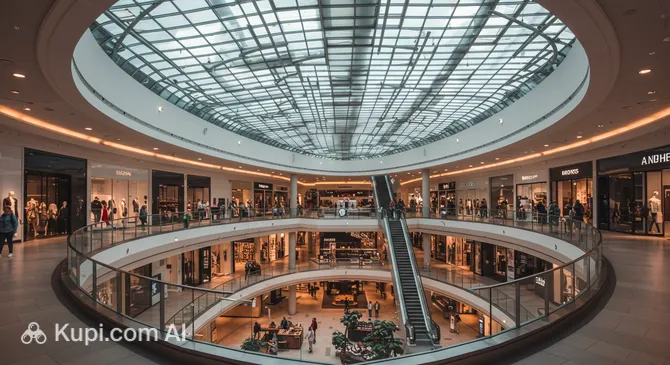
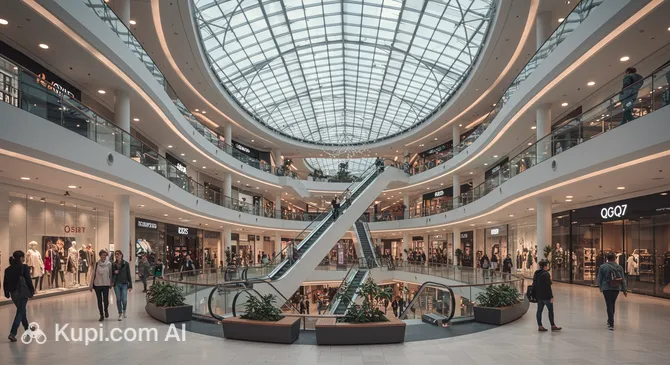
For those who prefer a modern indoor experience, the city boasts impressive shopping centers that combine retail with dining and entertainment. The Q6Q7 Shopping Mall is a standout destination located directly in the city squares. This architectural highlight offers a sophisticated selection of fashion, lifestyle, and beauty brands under one roof. Another major venue is the Rhein-Galerie, which provides a unique setting right on the riverbank, allowing visitors to shop with a view of the passing ships.
Q6Q7 Shopping Mall. Illustration.
Source: Kupi.com AI
Traveler photos:
Traditional markets play a vital role in local life and offer a more authentic shopping vibe. The Marktplatz (Market Square) hosts a vibrant farmers' market every Tuesday, Thursday, and Saturday mornings. Here, you can find fresh regional produce, flowers, and local delicacies. The surrounding area, often referred to as "Little Istanbul," is also the best place to buy exotic spices, Turkish sweets, and fresh baked goods, reflecting the city's multicultural spirit.
When looking for souvenirs to take home, the most iconic choice is "Mannheimer Dreck." Despite its name, which translates to "dirt," it is a delicious, high-quality gingerbread-like cookie that has been a local specialty for nearly two centuries. Other excellent gifts include bottles of wine from the nearby Palatinate wine region or memorabilia celebrating Mannheim's status as the birthplace of the car and bicycle.
Most shops in the city center are open from Monday to Saturday, typically between 10:00 AM and 8:00 PM. It is important to remember that, in line with German custom, almost all retail stores, including supermarkets and malls, are closed on Sundays. Major credit and debit cards are widely accepted in department stores and malls, but carrying some cash is advisable for smaller boutiques and market stalls. Visitors from outside the EU should look for the "Tax Free" sign in shop windows to reclaim VAT on their purchases before leaving the country.