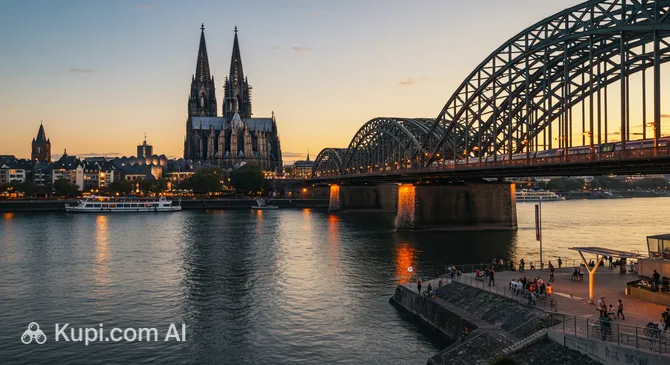
Cologne is a city that effortlessly blends ancient heritage with a modern, lively spirit. Located on the banks of the Rhine River in the federal state of North Rhine-Westphalia, it stands as one of the most important cultural centers in the region. With a population of over one million, it is the fourth-largest city in Germany and a bustling hub of media, tourism, and business.
Cologne. Illustration.
Source: Kupi.com AI
The city's character is deeply rooted in its past, which stretches back over 2,000 years to Roman times. Exploring the history of Cologne reveals a fascinating timeline of resilience and reinvention. Although the city faced significant challenges in the 20th century, it has rebuilt itself into a thriving metropolis while preserving its unique identity. The climate is generally mild, making it a pleasant destination for exploration throughout the year.
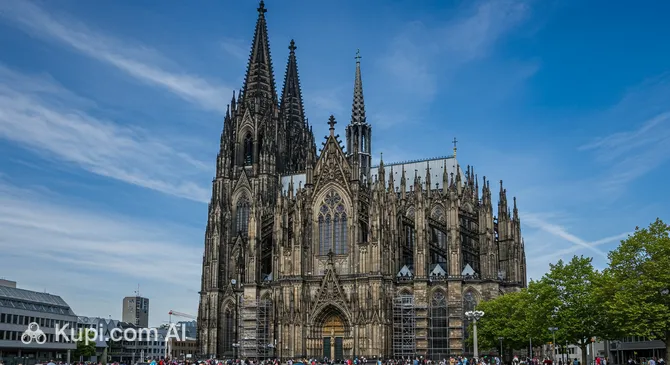
Visitors are immediately captivated by the magnificent Cologne Cathedral (Kölner Dom), a UNESCO World Heritage site and a masterpiece of Gothic architecture that dominates the skyline. Just a short walk away, the charming Old Town (Altstadt) invites travelers to wander through narrow alleyways lined with colorful traditional houses. Here, you can experience the local culture firsthand by visiting a traditional brewery to taste the famous Kölsch beer.
Whether you are drawn by its impressive museums, the scenic Rhine promenade, or the world-renowned Carnival festivities, Cologne offers a warm and welcoming atmosphere. It is a destination that celebrates life with open arms, promising an unforgettable experience for every guest.
Weather Overview
Cologne experiences a temperate climate with distinct seasons, generally offering mild winters and pleasantly warm summers. Since conditions can vary, it is a good idea to check the specific weather in Cologne before your departure. Regardless of the time of year, the city remains a welcoming destination, though the weather is often changeable.
The summer months of June, July, and August are typically the warmest, with average temperatures ranging from 18.4°C to 19.7°C and daily maximums reaching up to 24.2°C. While this season is ideal for exploring the outdoors, visitors should still expect occasional showers, as these months typically see between 11 and 15 wet days.
Winter brings cooler temperatures, with averages dropping to between 3.9°C and 5.3°C from December through February. January is usually the coldest month, with lows around 1.7°C. Precipitation is most frequent during this time, particularly in December which can have up to 19 wet days, so packing a warm coat and a sturdy umbrella is highly recommended.
Average monthly temperature
Average monthly precipitation
Interesting Facts
Beyond the main attractions, Cologne holds many fascinating secrets that reveal the depth of its history and culture. From ancient Roman foundations to unique local customs, there is much more to this city than meets the eye.
Cologne Cathedral. Illustration.
Source: Kupi.com AI
Traveler photos:
The construction of the Cologne Cathedral was a massive undertaking that spanned over six centuries. Work began in 1248 but was halted for a long period, leaving the unfinished skyline with a wooden crane for hundreds of years until the masterpiece was finally completed in 1880.
Cologne has a distinct beer culture centered around Kölsch, a pale ale that is protected by geographical indication status. In traditional breweries, waiters known as "Köbes" will keep bringing fresh rounds without asking until you signal you are done by placing a coaster on top of your glass.
Art enthusiasts visiting the Museum Ludwig will find one of the most extensive collections of Pablo Picasso's works in the world. The museum is also home to a significant assortment of American Pop Art, establishing the city as a major hub for modern art in Europe.
The city is the namesake of "Eau de Cologne," the famous fragrance invented here in the early 18th century by an Italian expatriate. He created the scent to remind him of a spring morning in Italy, and it quickly became a luxury item requested by royal courts across Europe.
How to Get There
Cologne is extremely well-connected to the rest of Europe and the world, serving as a major transportation hub in Western Germany. Whether you prefer flying, taking a high-speed train, or driving, the city is easily accessible. For a complete guide on all available options, you can read more about how to get to Cologne and plan your journey accordingly.
The most convenient entry point for air travelers is Cologne Bonn Airport (CGN), which is located directly in Cologne, approximately 13.2 km from the city center. This international airport serves as a key hub for both legacy carriers and low-cost airlines. A taxi or bus ride from here to the downtown area typically takes around 40 minutes, depending on traffic conditions.
Another excellent option is Dusseldorf International Airport (DUS), which is situated in the neighboring city of Dusseldorf. It is one of the largest airports in the region and offers a wide range of intercontinental connections. Although it is not in Cologne itself, it is only about 40.5 km away. The travel time by road is approximately 80 minutes, though frequent train connections can significantly reduce this time.
For clarity, here is a summary of the main airports:
Traveling by train is one of the most popular ways to reach the city, thanks to the impressive Cologne Central Station. Located right next to the famous cathedral in the heart of Cologne, it is a major European rail hub with high-speed connections to cities like Paris, Brussels, and Amsterdam. Being just 0.6 km from the absolute center, arriving here puts you instantly in the middle of the action.
Travelers may also find connections to Messe/Deutz Station, which is situated on the opposite bank of the Rhine, about 1.1 km from the city center. This station is particularly convenient for those visiting the trade fair grounds or the Lanxess Arena. Both stations are integrated into the local transport network, making it easy to reach your final destination.
Here is an overview of the nearby railway stations:
Cologne is a city defined by its impressive landmarks, ranging from ancient Romanesque churches to expansive green spaces. The city center is compact and walkable, allowing visitors to easily explore its most significant sites. Whether you are interested in architectural marvels, historical squares, or family-friendly activities, the city offers a diverse array of experiences.
Undoubtedly the most famous landmark is the Cologne Cathedral. This High Gothic masterpiece is not only a UNESCO World Heritage site but also one of Germany's most visited monuments. Tourists are drawn to its twin spires, which soar over 157 meters into the sky, offering panoramic views of the city and the Rhine River for those willing to climb the 533 steps. Inside, the cathedral houses the Shrine of the Three Kings, a gilded sarcophagus that has attracted pilgrims for centuries.
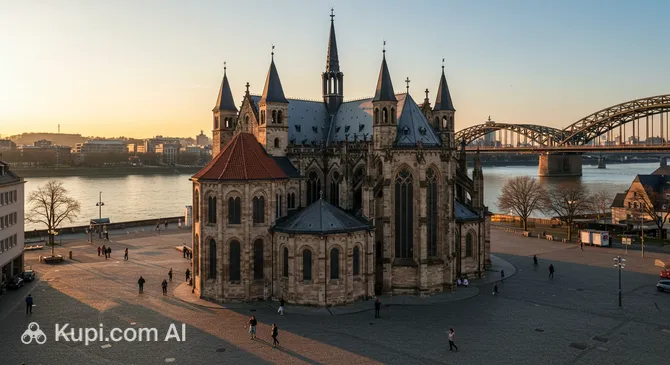
A distinctive feature of the city's skyline is the Great St. Martin Church. Located in the heart of the Old Town near the riverbank, this Romanesque church is instantly recognizable by its massive crossing tower and four corner turrets. It serves as a stunning example of the city's medieval heritage. Visitors appreciate the peaceful atmosphere of its interior, which contrasts beautifully with the lively bustle of the surrounding streets.
Great St. Martin Church. Illustration.
Source: Kupi.com AI
Traveler photos:
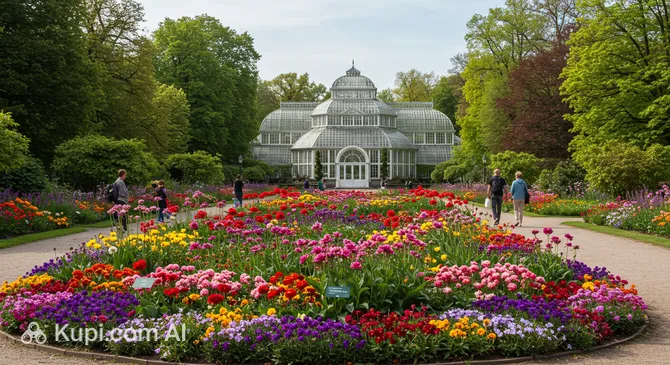
For a relaxing escape into nature, the Flora and Botanical Garden Cologne is a must-visit. This historic park covers over 11 hectares and features a magnificent glass palace inspired by London's Crystal Palace. It is home to thousands of plant species from around the world, ranging from exotic tropical blooms to perfectly manicured formal gardens. It is an ideal spot for a leisurely stroll and a favorite among those seeking tranquility.
Flora and Botanical Garden Cologne. Illustration.
Source: Kupi.com AI
Traveler photos:
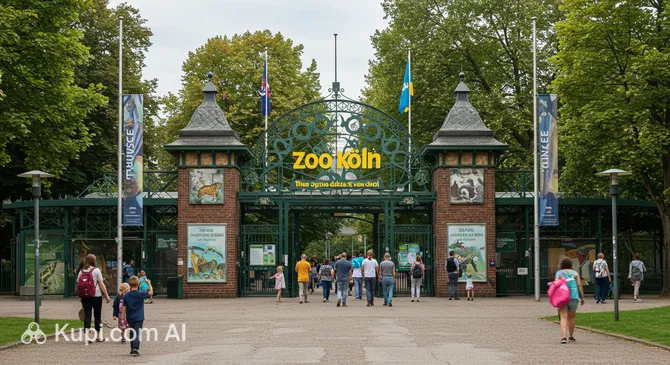
Families and animal lovers should not miss the Cologne Zoo, one of the oldest and most respected zoological gardens in Germany. Known for its extensive elephant park and the Hippodome, the zoo focuses heavily on conservation and education. It offers a fascinating look at wildlife from all continents and provides an engaging day out for visitors of all ages, located just a short distance north of the city center.
Cologne Zoo. Illustration.
Source: Kupi.com AI
Traveler photos:
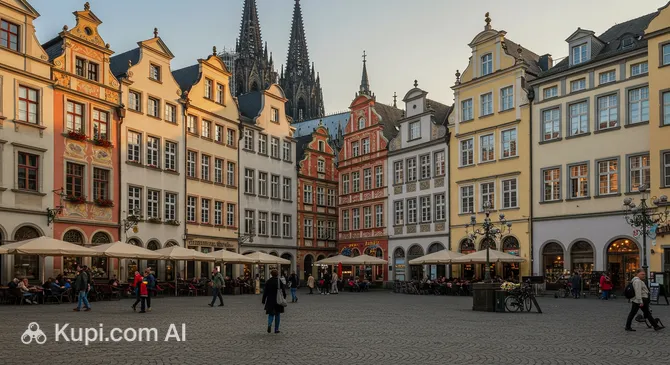
To experience the vibrant social life of the city, head to the Old Market (Alter Markt). This historic square is the traditional heart of the city, lined with narrow gabled houses, traditional breweries, and bustling cafes. It is a fantastic place to soak up the local atmosphere, admire the fountain dedicated to the legendary Jan von Werth, and enjoy a glass of local Kölsch beer while watching the world go by.
Local Cuisine
The culinary scene in Cologne is hearty, convivial, and deeply rooted in the traditions of the Rhineland. Food here is not just about sustenance; it is an integral part of the city's social life, best experienced in the bustling atmosphere of a traditional Brauhaus (brewery). The local cuisine is characterized by substantial portions and savory flavors, designed to pair perfectly with the city's famous beer.
One of the most iconic dishes you must try is Himmel un Ääd (Heaven and Earth). This savory specialty consists of mashed potatoes ("earth") and apple sauce ("heaven"), typically served with fried blood sausage (Flönz) and onions. Another classic is Rheinischer Sauerbraten, a pot roast that is marinated for days to achieve a tender texture and sour flavor, balanced by a gravy sweetened with beet syrup and raisins. It is traditionally served with potato dumplings and red cabbage.
For a lighter snack, do not be fooled by the name Halve Hahn. While it literally translates to "half a rooster," you will actually be served a rye bread roll with a thick slice of aged Gouda cheese, onions, and mustard. It is a staple in pubs and beer gardens, often enjoyed as a simple accompaniment to drinks.
No culinary tour of the city is complete without mentioning Kölsch, the local top-fermented beer. It is light, crisp, and served in small, cylindrical glasses called Stangen. The drinking culture is unique; in traditional places, waiters known as Köbes will replace your empty glass with a full one automatically until you place a coaster on top to signal you are finished. For a taste of the city's vibrant nightlife and drink culture, you might visit die wohngemeinschaft, a popular bar with a creative atmosphere.
Café Buur. Illustration.
Source: Kupi.com AI
Traveler photos:
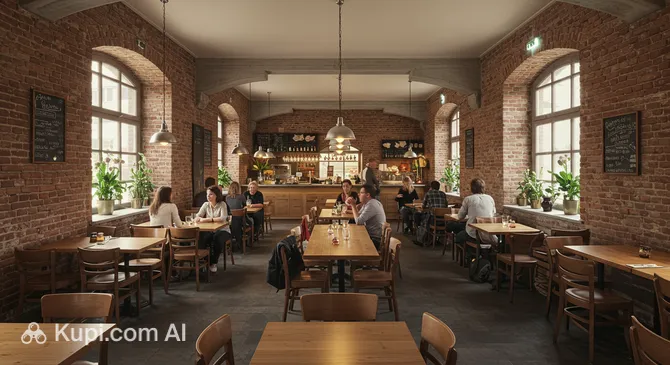
Beyond the traditional breweries, Cologne offers a diverse modern food scene. Breakfast and brunch have become particularly popular, with spots like Café Buur drawing crowds for their lavish and photogenic morning spreads. If you prefer dining al fresco or exploring local markets, the Heumarkt is a fantastic area to explore. This large square is surrounded by restaurants and cafes, making it a prime location to enjoy local specialties while soaking up the historic ambiance of the city.
Travel Tips
Planning a trip to Cologne is the start of an exciting adventure, but a few insider details can make your visit truly seamless. To help you navigate the city like a local, here are some essential practical tips covering everything from packing to local customs.
Clothing and Gear: The weather in the Rhineland can be unpredictable, so dressing in layers is the best strategy regardless of the season. Bring a waterproof jacket and comfortable walking shoes, as the Old Town’s cobblestones are charming but uneven. If you plan to enter the Cologne Cathedral, remember to dress modestly; shoulders and knees should be covered. The region uses Type F power sockets, so bring a universal adapter if your devices require one.
Transportation: Cologne has an excellent public transport network (KVB) consisting of trams (Stadtbahn) and buses, making a rental car unnecessary for city exploration. The city center is very walkable, and for longer distances, the tram is fast and reliable. Tickets can be bought at vending machines or via the KVB app; always remember to validate physical tickets before boarding to avoid fines.
Finances: The official currency is the Euro (€). While credit cards are increasingly accepted, cash is still king in many smaller cafes, traditional breweries, and kiosks (Büdchen). It is wise to carry some cash for small purchases. ATMs are widespread throughout the city. When tipping in restaurants, it is customary to round up the bill or leave about 5-10% for good service.
Health and Safety: Cologne is generally a safe city for tourists. In case of minor health issues, look for an Apotheke (pharmacy), identified by a large red "A"; staff are usually well-trained and helpful. For emergencies, dial 112. As in any major tourist hub, keep an eye on your belongings in crowded areas like the Cathedral square and train stations to prevent pickpocketing.
Communication: The official language is German, but English is widely spoken, especially in the tourism and service sectors. Learning a few basic words like "Hallo" (Hello) and "Danke" (Thank you) is always appreciated by locals. Free Wi-Fi is available in many public spots, but for constant connectivity, you can easily purchase a prepaid SIM card at supermarkets or electronics stores.
Local Etiquette: Germans value punctuality and polite greetings. A firm handshake is the standard way to say hello. When drinking the local Kölsch beer, it is crucial to make eye contact when clinking glasses and saying "Prost". Be aware that in traditional breweries, waiters will keep bringing fresh beers until you place your coaster on top of your glass.
What to Avoid: Never walk on the designated bicycle lanes, which are often marked in red on the sidewalks. Cyclists in Cologne are fast and expect the path to be clear; stepping into their lane is considered rude and can be dangerous. Additionally, avoid asking for "Altbier" (a dark beer from rival city Düsseldorf) in a traditional Cologne brewery unless you want to provoke some friendly teasing.
Sundays and Shopping: Keep in mind that Sunday is a strict rest day in Germany. Almost all retail stores, supermarkets, and pharmacies are closed, except for those at the main train station and the airport. Plan your grocery shopping and souvenir hunting for Saturday to avoid disappointment.
Armed with these practical tips, you are ready to enjoy the unique culture and vibrant atmosphere of Cologne without any hassles. Embrace the local lifestyle, enjoy the famous hospitality, and have a wonderful journey in this historic city.
Entertainment & Nightlife
As the sun sets, Cologne transforms into a vibrant playground for night owls, offering a nightlife scene that is as diverse as its inhabitants. From rustic breweries in the Old Town to chic cocktail bars and thumping techno clubs, the city caters to every taste. The atmosphere is generally open and friendly, reflecting the city's "live and let live" philosophy.
For those seeking a trendy and relaxed vibe, the Belgian Quarter (Belgisches Viertel) around Brüsseler Platz is the place to be. This district is packed with hip bars, cafes, and boutiques, drawing a creative and stylish crowd. In contrast, the Kwartier Latäng, centered around Zülpicher Straße, is the student heart of the city. Here, the nightlife is boisterous, casual, and affordable, with countless bars and pubs staying open until the early morning hours.
If you prefer a more upscale experience, the Friesenviertel offers a selection of elegant lounges and dance clubs where a dressier code is often expected. Travelers looking for a high-energy dance floor can visit Club Mondial, a well-known venue near the train station that hosts various music events ranging from R&B to house.
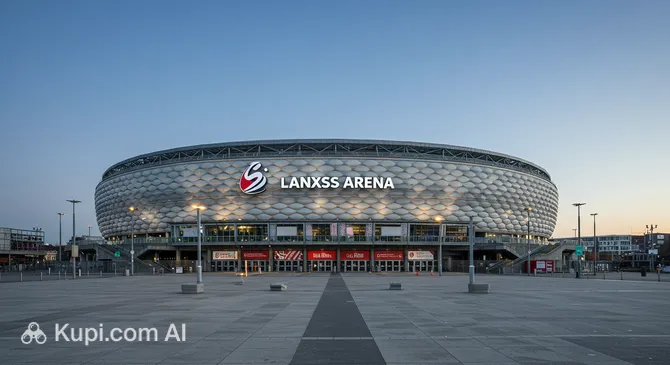
For a more sophisticated evening with expertly crafted drinks, Ella Hotel & Bar provides a stylish setting perfect for conversation and relaxation. Music lovers should also check the schedule for the Cologne Arena (Lanxess Arena), which regularly hosts major international concerts and large-scale entertainment shows.
Cologne Arena. Illustration.
Source: Kupi.com AI
Traveler photos:
While the city is famous for its night revelry, daytime entertainment is equally engaging. Beyond the traditional museums, active travelers can burn off energy at JUMP House Cologne, a large trampoline park that offers fun for both children and adults. The city also boasts a rich theater scene, ranging from classical performances to modern cabaret.
Practical Tips for Nightlife:
Timing: Bars usually fill up around 9:00 PM, while clubs rarely get going before midnight. Friday and Saturday are the busiest nights.
Transport: Public transport is very night-friendly. On weekends and before public holidays, subway trains (U-Bahn) and buses run throughout the night. Taxis are safe and easy to hail or book via apps.
Safety: Cologne is generally safe at night. The main nightlife districts are well-populated, but as always, it is wise to stay in groups and keep an eye on your drinks.
Dress Code: Most bars are casual. However, if you plan to visit exclusive clubs in the Friesenviertel, smart casual or dressy attire is recommended to ensure entry.
Parks & Museums
Cologne is not only a city of cathedrals and carnivals but also a place where culture and nature flourish side by side. Beyond the busy shopping streets, visitors can find tranquility in expansive green spaces and inspiration in world-class museums that house everything from medieval masterpieces to modern pop art.
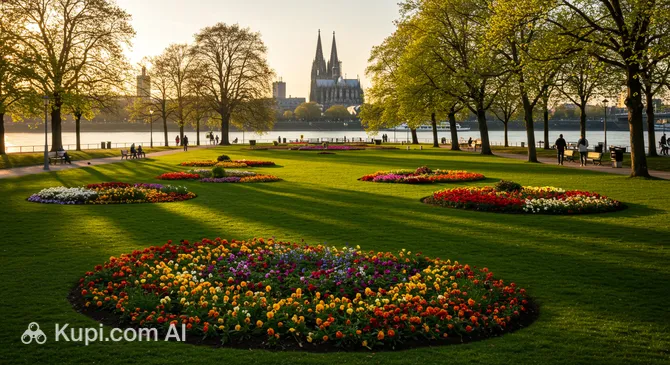
One of the most beloved green spaces is the Rheinpark, located on the right bank of the Rhine. This vast park was created for the Federal Garden Show and remains a favorite for its sweeping lawns, beautiful flower beds, and exceptional views of the Cologne Cathedral across the river. It is a perfect spot for families and leisure seekers, featuring a miniature railway, a dedicated youth park, and the relaxing Claudius Therme thermal baths nearby. The park's promenade is ideal for a sunset walk, offering a picturesque panorama of the city skyline.
Rheinpark. Illustration.
Source: Kupi.com AI
Traveler photos:
For a more local and bohemian atmosphere, head to the southern part of the city to visit the Volksgarten Cologne. This is one of the city's oldest parks and serves as a green living room for the residents of the Südstadt district. With a large pond where you can rent paddle boats, a popular beer garden, and plenty of shaded areas for picnics, it is a vibrant spot where the city's relaxed lifestyle is on full display. It is particularly lively in the summer, filled with the scent of barbecues and the sound of laughter.
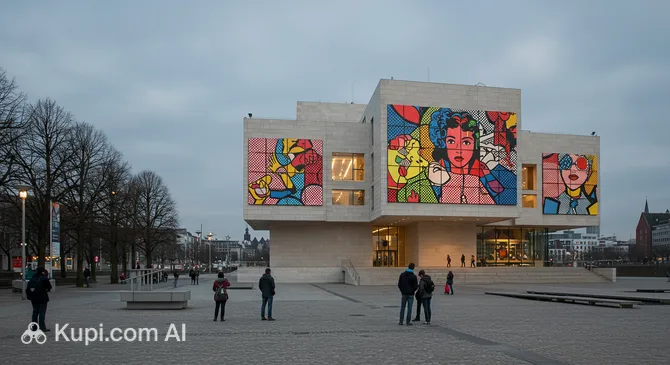
When it comes to art and culture, Cologne boasts an impressive array of institutions. The Museum Ludwig is a must-visit for fans of modern art. Located right next to the cathedral, it houses one of the most significant collections of 20th-century and contemporary art in Europe. Visitors can admire an extensive array of Pop Art, one of the world's largest Picasso collections, and key works of German Expressionism. The building itself is a modern architectural landmark, and its collection offers a fascinating contrast to the Gothic history just outside its doors.
Museum Ludwig. Illustration.
Source: Kupi.com AI
Traveler photos:
Just a short walk away is the Wallraf-Richartz Museum & Fondation Corboud, the city's oldest museum. This institution takes you on a journey through time, featuring European art from the medieval period to the early 20th century. Highlights include stunning Gothic altarpieces, works by Baroque masters like Rubens and Rembrandt, and an extensive collection of Impressionist paintings. It is a treasure trove for anyone interested in the evolution of European art history.
For something entirely unique, car enthusiasts should visit the Michael Schumacher Private Collection. Located at Motorworld, this exhibition showcases the legendary career of the Formula 1 champion, displaying his original racing cars, trophies, and memorabilia. It is a thrilling tribute to a sporting icon and a fascinating stop for motorsport fans.
Insider Tip: If you are looking for a true escape into nature without leaving the region, explore the Königsforst. This large forest reserve on the eastern edge of the city offers miles of hiking and cycling trails, providing a peaceful retreat into the wild just a short tram ride from the bustling center.
Getting Around
Navigating Cologne is remarkably easy thanks to its efficient and extensive public transport network, operated primarily by the Kölner Verkehrs-Betriebe (KVB). The backbone of the system is the Stadtbahn, a light rail network that functions as a subway (U-Bahn) in the city center and transitions into a tram running above ground in the outer districts. Complementing the trains is a comprehensive bus network that reaches areas not covered by the rails, ensuring that even the most remote corners of the city are accessible.
For visitors, the ticketing system is integrated within the local transport association (VRS), meaning one ticket works for trams, buses, and regional S-Bahn trains within the city limits. Tourists often find the KölnCard to be the best value; it offers unlimited travel for 24 or 48 hours and includes discounts of up to 50% at many museums, restaurants, and attractions. If you only need a single ride, you can purchase a "Kurzstrecke" (short trip) for stops within a close radius or a standard "Einzelticket" for longer journeys across the city.
Tickets can be purchased easily at red multilingual vending machines located at most tram stops and major bus stations. A crucial detail for paper tickets is validation: unless your ticket is time-stamped upon purchase, you must stamp it in the orange or red validation boxes inside buses or on tram platforms before starting your journey. Failure to do so can result in a hefty on-the-spot fine. Alternatively, you can buy tickets digitally via the KVB app or the DB Navigator app, which is often slightly cheaper and saves you the hassle of stamping.
The transport system generally operates from early morning, around 4:30 AM, until about 1:00 AM on weekdays. On weekends and before public holidays, the service is even more convenient for night owls, with major tram and bus lines running 24 hours a day, typically at 30-minute intervals throughout the night. This makes getting back to your hotel after enjoying the local nightlife safe and simple.
If you prefer more flexibility, Cologne offers several excellent alternatives. The city is generally flat and very bike-friendly, making cycling a popular choice. You can rent a bike from the KVB-Rad system (often found at intersections) or other providers like Nextbike using a smartphone app. Taxis are also readily available and can be hailed on the street or found at designated stands; they are cream-colored and strictly regulated. Ride-hailing apps like Uber and FreeNow also operate within the city.
For a truly unique transport experience, consider taking the Kölner Seilbahn (Cologne Cable Car). While it serves more as a leisure attraction than a commuter route, it connects the Zoo and Flora botanical garden on the left bank of the Rhine with the Rheinpark on the right bank. It is the first cable car in Europe to cross a river and offers spectacular aerial views of the cathedral and the cityscape, making it a memorable way to cross the Rhine between April and October.
Accommodation
Accommodation in Cologne caters to a wide spectrum of travelers, ranging from budget-friendly hostels and cozy guesthouses to high-end luxury hotels with views of the Rhine. Whether you are visiting for a quick city break, a business trip, or a longer cultural exploration, the city offers diverse lodging options that blend comfort with convenient access to major sights.
For first-time visitors, the Altstadt (Old Town) is the most popular area to stay. Being located here puts you within walking distance of the Cologne Cathedral, the main train station, and the Rhine promenade. The historic streets around the Old Market are particularly charming, filled with traditional architecture and surrounded by numerous hotels that allow you to step right out into the heart of the action.
Old Market. Illustration.
Source: Kupi.com AI
Traveler photos:
If you prefer a more modern atmosphere or are visiting for an event, the district of Deutz on the right bank of the Rhine is an excellent choice. It is home to the trade fair grounds (Koelnmesse) and the Cologne Arena, making it convenient for business travelers and concert-goers. Staying here also offers the added bonus of a spectacular view of the city’s skyline across the river, especially at sunset.
Travelers looking for a trendy and youthful vibe might consider the Belgian Quarter (Belgisches Viertel). This neighborhood is known for its boutique hotels, stylish apartments, and vibrant nightlife. It is less tourist-heavy than the Old Town and offers a more local experience, with plenty of independent cafes, fashion shops, and bars right on your doorstep.
Booking Tips: Cologne is a major trade fair city, and during large international exhibitions, accommodation prices can rise significantly, and availability becomes scarce. The same applies during the famous Cologne Carnival in February or March. It is highly recommended to check the trade fair calendar and book your room well in advance if your travel dates coincide with these peak periods.
In terms of pricing, the city accommodates all budgets. Backpackers can find hostels starting from around €30-€50 per night, while mid-range hotels typically charge between €80 and €150. Luxury establishments and rooms with river views will cost significantly more. Most accommodations can be easily booked via major online platforms, though booking directly can sometimes offer better cancellation terms. Be aware that the city charges a cultural tax (Kulturförderabgabe) for private stays, which is usually a percentage of the room rate.
Nearby Cities
For those looking to explore the surroundings, Cologne serves as an excellent base for day trips to several interesting nearby locations:
Just a short distance away lies Leverkusen, a city that offers a surprising mix of industrial heritage and green spaces, most notably the serene Japanese Garden which provides a perfect escape from the urban bustle. To the east, travelers can visit Bergisch Gladbach, the gateway to the rolling hills of the Bergisches Land region, famous for the magnificent baroque Bensberg Castle. Historic charm can be found in Dormagen, particularly in the district of Zons, a medieval toll town with exceptionally well-preserved fortifications that transport visitors back in time.
City
Population
Distance
Hürth
60 189
8 km
Frechen
52 473
11 km
Wesseling
37 519
12 km
Pulheim
54 805
13 km
Bergisch Gladbach
111 966
13 km
These nearby destinations offer a glimpse into the diverse culture and landscapes of the region.
Shopping & Souvenirs
Cologne is widely regarded as one of the best shopping destinations in the region, offering a perfect mix of high-end luxury, popular high-street brands, and quirky independent boutiques. Whether you are looking for the latest fashion trends, unique home decor, or traditional local products, the city provides a diverse retail experience that caters to every taste and budget. The pedestrian-friendly layout of the city center makes it easy to hop from one store to another while enjoying the lively urban atmosphere.
The heart of the city's shopping scene beats along Schildergasse and Hohe Straße. These two pedestrian zones are among the busiest shopping streets in Europe, lined with major international department stores, fashion chains, and shoe shops. For a more exclusive experience, head to Mittelstraße and Pfeilstraße, where you will find luxury boutiques and designer labels. Meanwhile, the trendy Ehrenstraße and the vibrant Belgian Quarter are the go-to spots for hip fashion, vintage finds, and creative concept stores.
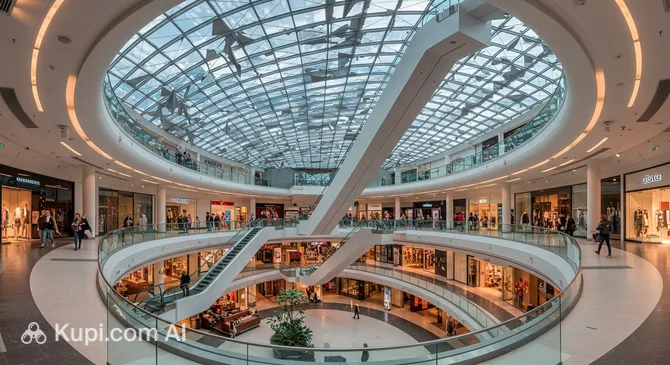
If you prefer a comprehensive indoor shopping experience, the city boasts several impressive malls. The Rhein-Center Cologne, located in the Weiden district, is a modern shopping temple with over 180 shops, covering everything from fashion to electronics. It is easily accessible by public transport and offers a comfortable environment for a full day of retail therapy. Just outside the city limits, Hürth Park is another massive complex that attracts visitors with its wide variety of stores and a large cinema, making it a popular destination for families.
Rhein-Center Cologne. Illustration.
Source: Kupi.com AI
Traveler photos:
Markets play a significant role in the local culture, offering a more traditional way to shop. Throughout the week, various squares host "Wochenmärkte" (weekly markets) where locals buy fresh produce, cheese, and flowers. The historic Old Market and Heumarkt areas are particularly atmospheric, often hosting seasonal events and fairs. During the holiday season, these squares transform into magical Christmas markets, famous worldwide for their festive decorations and handcrafted gifts.
When it comes to souvenirs, the most iconic item to bring home is undoubtedly a bottle of Eau de Cologne. You can visit the historic fragrance houses to purchase the original "4711" or Farina scents. Other popular keepsakes include specialized Kölsch beer glasses (Stangen), local mustard, or items featuring the beloved Cologne Cathedral. For those with a sweet tooth, chocolate from the famous Chocolate Museum is a delicious gift option.
Most shops in Cologne are open from Monday to Saturday, typically between 10:00 AM and 8:00 PM. Larger department stores may stay open slightly later, while smaller boutiques might close earlier on Saturdays. It is crucial to remember that, like the rest of Germany, almost all shops are closed on Sundays. While credit and debit cards are widely accepted in malls and major stores, smaller shops and market stalls often prefer or only accept cash, so it is wise to carry some Euros with you.
Visitors residing outside the European Union may be eligible for tax-free shopping. Look for the "Tax Free" logo in store windows. If you spend above a certain amount, you can ask for a tax refund form at the checkout, which can be processed at the airport or other refund points before leaving the EU, allowing you to save on the Value Added Tax (VAT).