Support

Dijon

About

Dijon is a captivating destination renowned for its rich heritage and vibrant culinary scene. As the historical capital of the Burgundy region in France, the city offers a perfect blend of medieval charm, architectural splendor, and modern elegance, making it a favorite stop for culture seekers and food enthusiasts alike.

Geographically situated in the eastern part of the country, Dijon serves as a prestigious gateway to some of the world's most famous vineyards. With a population of approximately 158,000 inhabitants, it maintains a lively yet intimate atmosphere, allowing visitors to easily explore its pedestrian-friendly center and admire the well-preserved urban landscape.
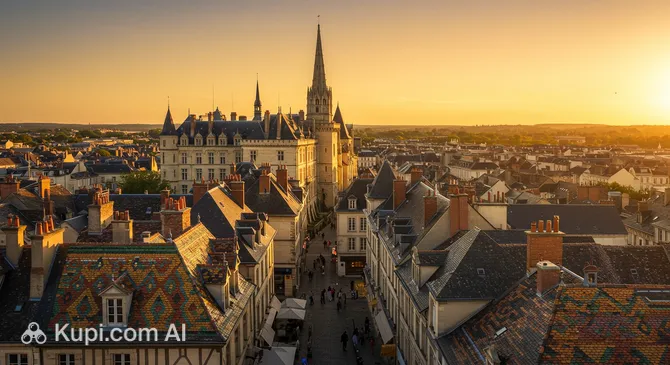
Dijon. Source: Kupi.Binoculars

The city's past is illustrious and deeply influenced by its former rulers. Delving into the history of Dijon reveals the legacy of the powerful Dukes of Burgundy, who transformed the city into a major European center of art and science during the late Middle Ages. This golden era has left an indelible mark on the city's streets and monuments.

Among the top attractions is the majestic Palace of the Dukes and the States of Burgundy, which dominates the central square, Place de la Libération. Visitors also delight in the Owl's Trail (Parcours de la Chouette), a whimsical 22-step walking route marked by brass owl plaques that guides tourists to the city's main sights. Furthermore, the city is globally famous for its gastronomy, particularly the iconic Dijon mustard and traditional gingerbread.

Whether you are wandering through its historic half-timbered streets or indulging in fine wines and gourmet cuisine, Dijon promises an unforgettable experience. It is a welcoming destination that invites you to slow down and savor the authentic "art de vivre" of the French provinces.
Weather Overview

The climate in Dijon is generally temperate, offering distinct seasons that transform the city's atmosphere throughout the year. Summers are typically warm and pleasant, making them a popular time for exploration. July and August are the hottest months, with average temperatures hovering around 20.5°C and daytime highs reaching approximately 26°C.

In contrast, winters in the region are cold and require warm clothing. January is usually the chilliest month, with average temperatures dipping to 3.4°C and minimums often close to freezing at 0.9°C. Travelers visiting during this time should be prepared for brisk days and cold nights.

Rainfall is a consistent feature of the local weather, distributed fairly evenly across the calendar. Expect frequent wet days, ranging from about 9 days in July to 17 days in December. For a more comprehensive breakdown of what to expect during your visit, you can check the detailed report on the weather in Dijon.

Interesting Facts

Beyond the famous mustard and medieval streets, Dijon holds curious traditions and historical surprises that often escape the casual observer. Here are some fascinating details that make the capital of Burgundy even more intriguing.

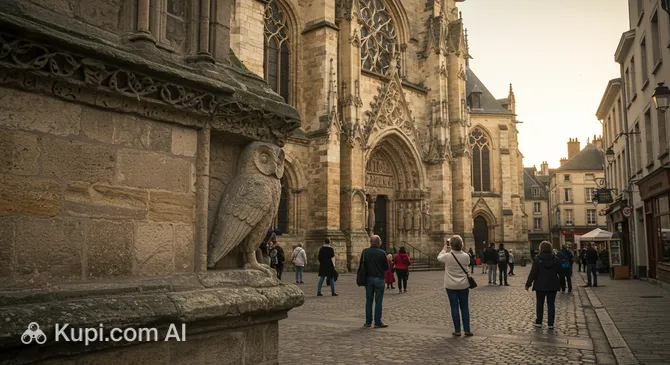
  • The city has a magical talisman known as the Owl of Dijon, carved into a buttress of the Church of Notre-Dame of Dijon. According to local legend, you must touch the small stone bird with your left hand—the side of the heart—while making a wish for it to come true.

  • Gustave Eiffel, the engineer behind the world-famous tower in Paris and the Statue of Liberty's internal framework, was actually born in Dijon in 1832. Although his most iconic works are elsewhere, his early years in this city helped shape the mind of one of history's greatest builders.

  • The popular French cocktail known as "Kir" originated here and is named after Félix Kir, a Catholic priest and hero of the French Resistance who served as the mayor of Dijon for over two decades. He tirelessly promoted the local products by serving a mixture of white Aligoté wine and crème de cassis (blackcurrant liqueur) to all visiting delegations.

  • Hidden within the grounds of a psychiatric hospital (formerly the Chartreuse de Champmol), you can find the Well of Moses. This hexagonal pillar, sculpted by Claus Sluter in the late 14th century, is considered a masterpiece of medieval art, featuring incredibly lifelike figures of prophets that were revolutionary for their time.

Owl of Dijon. Source: Kupi.Binoculars

How to Get There

Reaching the capital of Burgundy is straightforward, thanks to its central location and excellent transport connections. Whether you prefer flying or taking the train, there are several convenient options to suit your travel plans. You can find more about how to get to Dijon and choose the best route for your journey.

The city does not have its own major international hub, but travelers can fly into Dole-Jura Airport (IATA: DLE) in the city of Dole, which is about 43 km away. The journey from there by taxi or shuttle takes approximately 45 minutes. For more extensive flight connections, many visitors choose Geneva Airport (IATA: GVA) in Geneva, located about 146 km from the city. Ground transport from this Swiss hub typically takes around 2.5 hours. Another major option is Lyon Saint-Exupéry International Airport (IATA: LYS) in Lyon, situated roughly 178 km away, with a travel time of about 2 hours by road.

For clarity, here is a summary of the main airports:

Airport Name City Passenger Traffic Km from City
Geneva AirportGenevaLarge146.0
Lyon Saint-Exupéry International AirportLyonLarge178.3
EuroAirport Basel–Mulhouse–FreiburgBaselLarge189.3
Chambéry AirportChambérySmall198.6
Dole-Jura AirportDoleSmall43.3

Traveling by train is often the most efficient way to arrive. You can arrive directly at the Dijon Railway Station (IATA: DJX), which is conveniently located just 1.7 km from the city center. This station is a key regional hub, handling a significant volume of passengers annually. If you are connecting from other parts of the region, you might pass through Lyon Part-Dieu Station in the city of Lyon, which is about 175 km away and serves as a major interchange.

Below is a list of relevant railway stations:

Station City Passenger Traffic Km to Center
Geneva Railway StationGenevaVery High150.0
Lyon Part-Dieu StationLyonVery High175.1
Gare de Lyon-PerracheLyonHigh176.7
Dijon Railway StationDijonHigh1.7
Meuse TGV StationVerdunMedium184.0

Main Attractions

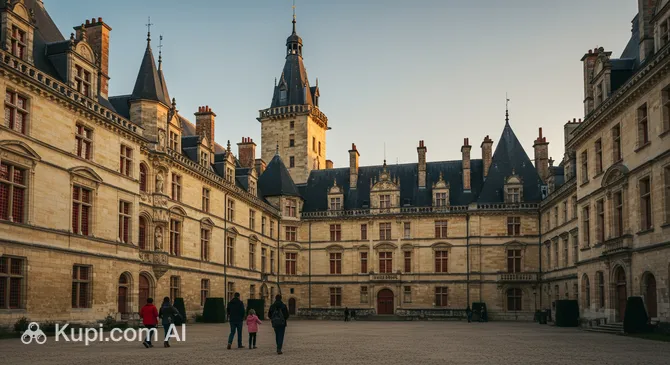
At the very heart of the city stands the magnificent Palace of the Dukes and Estates of Burgundy. This architectural masterpiece was once the seat of the powerful independent rulers of the region and now serves as the city hall. Tourists are drawn to its impressive blend of Gothic and classical styles, and many choose to climb the Tour Philippe le Bon for a breathtaking panoramic view of the city rooftops and the surrounding vineyards.

Palace of the Dukes and Estates of Burgundy. Source: Kupi.Binoculars

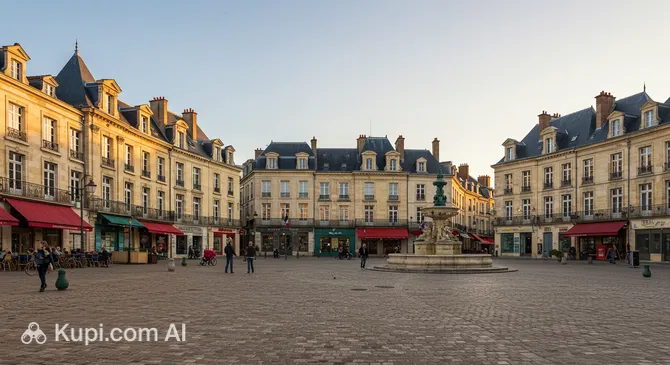
Directly facing the palace is the elegant Place de la Libération, a stunning semi-circular square designed by the royal architect Jules Hardouin-Mansart. It is widely considered one of the most beautiful urban spaces in France. Visitors love to relax here on the sunny terraces of cafes and restaurants, admiring the golden limestone buildings and soaking in the vibrant atmosphere of the city center.

Place de la Libération. Source: Kupi.Binoculars

Art enthusiasts should not miss the Museum of Fine Arts of Dijon, located within the eastern wing of the ducal palace. As one of the oldest and richest museums in the country, it offers a fascinating journey through centuries of art history. The highlight for many is the Guard Room, which houses the elaborate and famous tombs of the Dukes Philip the Bold and John the Fearless, featuring the renowned "Mourners" sculptures.

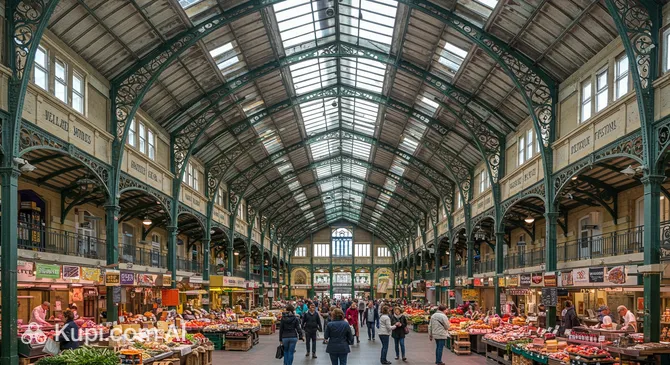
For a true taste of local life, the Dijon Central Market (Les Halles) is an essential stop. The building itself is a sight to behold, featuring a 19th-century metallic structure with arches that reflect the industrial style of the era. Inside, food lovers can explore stalls overflowing with fresh regional produce, cheeses, and spices, making it the perfect spot to discover the authentic flavors of Burgundy.

Dijon Central Market (Les Halles). Source: Kupi.Binoculars

Those seeking a peaceful escape from the urban bustle will appreciate the Arquebuse Botanical Garden. This sprawling green space combines a landscaped park, an arboretum, and a planetarium, offering a serene environment for a leisurely stroll. It is particularly interesting for families and nature lovers who wish to learn more about biodiversity while enjoying the beautifully maintained grounds and flowerbeds.

Local Cuisine

Dijon is widely celebrated as one of France's premier gastronomic capitals. Located in the heart of Burgundy, the city boasts a culinary heritage that is both rich and deeply rooted in tradition. Visitors are often drawn here not just for the architecture, but to indulge in the region's world-famous flavors, starting with the iconic Dijon mustard, which has been a staple of local cuisine for centuries and is often enjoyed in various creative blends.

Another sweet delicacy that defines the city is pain d'épices, a traditional gingerbread known for its dense texture and aromas of honey, anise, and cinnamon. For a savory experience, one must try the classic Escargots de Bourgogne (snails in garlic and parsley butter) or the hearty Bœuf Bourguignon, a beef stew slowly cooked in red wine. These dishes perfectly represent the comforting and robust nature of Burgundian cooking.

Wine is inseparable from the local lifestyle, serving as the perfect accompaniment to any meal. The city is a gateway to prestigious vineyards, making it an ideal place to sample exceptional vintages. A popular spot to enjoy a glass in a stylish setting is Dr. Wine, situated in a historic building that adds to the charm of the tasting experience.

The dining scene is vibrant and offers variety beyond the local classics. For a friendly atmosphere and a taste of Alsatian specialties like flammekueche, travelers can visit L'Alsacien Dijon. Those seeking international flavors might enjoy Koki Dijon, while Le Jura Bar remains a welcoming choice for a relaxed drink in the city center.

Travel Tips

Welcome to the capital of Burgundy! To make your stay in Dijon as delightful as its famous culinary heritage, here are some practical tips to help you navigate the city with ease and confidence.

  1. Dress for the Cobblestones. The historic center is best explored on foot, and many of its charming medieval streets are paved with uneven cobblestones. High heels can be difficult to manage, so opt for comfortable walking shoes or sneakers. The climate is temperate, but weather can be changeable; bringing layers and a waterproof jacket is wise, especially in spring and autumn. If you plan to visit religious sites, ensure your attire is modest (covering shoulders and knees).
  2. Utilize the Divia Network. You rarely need a car within the city center, which is largely pedestrianized and can be tricky for parking. The public transport system, known as Divia, offers efficient trams and buses that connect all major points of interest. For a truly local experience, you can use the "Vélodi" bike-sharing service. Taxis are available, but walking is often the fastest and most scenic way to get around the compact downtown area.
  3. Carry Cash for Local Markets. While credit cards (Visa and Mastercard) are widely accepted in hotels, restaurants, and larger shops, having some Euros (€) is essential for smaller purchases. This is particularly true if you plan to visit the bustling Les Halles market or buy treats from small independent bakeries. ATMs are plentiful throughout the city. Tipping is not mandatory in France as service is included, but leaving small change or rounding up the bill is a polite gesture for good service.
  4. Stay Safe and Prepared. Dijon is generally a safe and welcoming city for tourists. However, standard precautions apply: keep an eye on your belongings in crowded areas like the train station or markets. Pharmacies are easily recognized by a flashing green cross sign and are excellent first stops for minor medical advice. In case of any serious emergency, dial 112 for assistance.
  5. Master the Magic Word. French is the official language. While English is often spoken in tourist areas and restaurants, it is not guaranteed in smaller shops. The most important rule of etiquette is to always greet staff with a polite "Bonjour" (Good day) or "Bonsoir" (Good evening) upon entering an establishment. This simple courtesy is culturally expected and will ensure you receive friendlier service.
  6. Respect Dining Schedules. Locals take meal times seriously. Lunch is typically served strictly between 12:00 PM and 2:00 PM, and dinner usually begins after 7:30 PM. Finding a full meal outside these hours can be challenging, although some brasseries offer continuous service. It is also customary to ask for the bill ("L'addition, s'il vous plaît") when you are ready to leave, as waiters will rarely bring it unprompted to avoid rushing you.
  7. Avoid Handling Produce. When visiting the open-air markets or the covered market hall, resist the urge to pick up and squeeze the fruits or vegetables yourself. In traditional French markets, you should greet the vendor and let them select the produce for you, or ask for permission before touching anything. Doing otherwise can be considered rude.
  8. Enjoy Culture for Free. A wonderful "life hack" for culture lovers is that the permanent collections of most municipal museums in the city, including the renowned Museum of Fine Arts, are open to the public free of charge. This allows you to pop in and out of museums at your leisure without worrying about ticket costs.

With these practical insights, you are all set to enjoy the "art de vivre" of this beautiful region. Relax, take your time, and soak up the rich history and warm hospitality that make this city such a memorable destination.

Entertainment & Nightlife

Entertainment:

Dijon is a city that knows how to balance its historical gravity with modern leisure and fun. For those who enjoy a day of retail therapy, the city offers impressive options beyond the boutiques of the city center. A favorite destination is La Toison d'Or, a vast shopping mall located in the northern district. With over 120 shops, restaurants, and a bright, airy atmosphere, it is the perfect place to find international fashion brands and gifts. Alternatively, the Grand Quetigny Shopping Center provides a convenient shopping experience with a wide range of stores and services.

When the sun is shining, the locals love to escape to the city's beautiful green spaces. The Parc de la Colombière is the city's premier public park, offering a magnificent example of a French formal garden. Connected to the city center by a long, tree-lined avenue, it features spacious lawns, play areas for children, and animal enclosures, making it an ideal spot for a family outing or a peaceful jog.

During the summer months, the city transforms with the arrival of Dijon Beach (Dijon Plage) at Lake Kir. This seasonal event brings a seaside vibe to Burgundy, complete with sand, deckchairs, and cabins. It is a fantastic place to swim, sunbathe, or enjoy water sports, providing a refreshing break from the urban heat and a lively atmosphere for visitors of all ages.

As evening falls, the city's vibrant student population ensures a lively nightlife scene. The streets around the central squares fill with energy as people gather on terraces to enjoy the cool night air. Whether you are looking for a quiet place to sip a glass of Burgundy wine or a more animated venue to spend the night, the city center offers a welcoming environment to unwind after a day of exploration.

Parks & Museums

Dijon seamlessly intertwines its architectural grandeur with lush green spaces and a profound dedication to preserving its cultural history. Beyond the famous ducal palace, the city invites visitors to explore intimate gardens and fascinating museums that offer a deeper understanding of life in Burgundy.

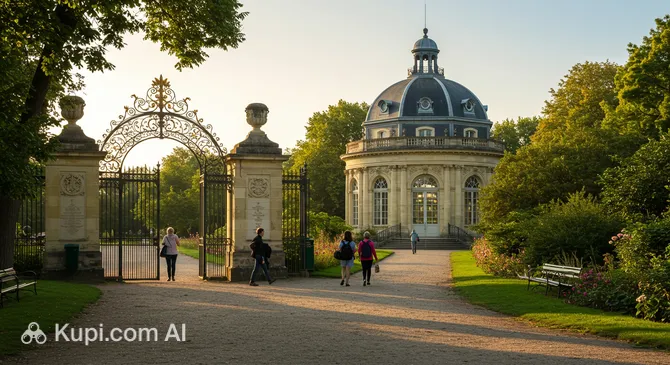
One of the most beloved green spaces is the Darcy Garden. Located conveniently near the city center and the railway station, this was the first public garden created in Dijon. It is a Neo-Renaissance gem featuring terraced layouts, waterfalls, and a variety of tree species. Tourists often stop here to admire the famous statue of the Polar Bear by François Pompon, a tribute to the celebrated local animal sculptor.

Darcy Garden. Source: Kupi.Binoculars

For a more rugged and natural atmosphere, the Carrières Bacquin Park offers a unique landscape. Transformed from an ancient stone quarry, this park is characterized by its steep cliffs and wild vegetation. It provides a peaceful retreat with winding paths and scenic viewpoints, making it a perfect spot for those looking to escape the hustle and bustle of the urban streets.

To dive into the local heritage, a visit to the Museum of Burgundian Life is essential. Housed in the cloister of the former Bernardines monastery, this museum presents an evocative collection of costumes, furniture, and everyday objects from the 19th and early 20th centuries. It offers a charming and immersive glimpse into the rural and urban traditions of the region, including recreated shop fronts from a bygone era.

Science enthusiasts and families will appreciate the Natural History Museum of Dijon. Situated within the Arquebuse complex, it focuses on biodiversity and the geological history of the Burgundy region. The museum features engaging exhibits on zoology and paleontology, helping visitors understand the natural world that surrounds this historic city.

The city's skyline is also punctuated by remarkable religious and historical structures. The Dijon Cathedral (Saint-Bénigne) is a masterpiece of Gothic architecture, famous for its colorful glazed tile roof and an ancient crypt that dates back to the 10th century. Nearby, the majestic Porte Guillaume stands as an 18th-century triumphal arch at the entrance of Place Darcy, serving as a symbolic gateway to the pedestrian heart of the town. Another architectural jewel is Saint Michael's Church, celebrated for its stunning Renaissance facade that contrasts beautifully with its Gothic nave.

For a truly authentic experience, take a moment to wander through the quiet streets surrounding the Saint-Michel district. It is less crowded than the main square but equally charming, offering a chance to see local artisans at work and discover hidden courtyards that capture the timeless spirit of the city.

Getting Around

Public transport in Dijon is efficient, modern, and easy for visitors to navigate. The network, known as Divia, seamlessly integrates two tram lines with an extensive bus system, covering the entire metropolitan area. The two tram lines (T1 and T2) are particularly useful for tourists, as they connect the Dijon Railway Station with key locations such as the city center, the university, and major commercial areas. Trams run frequently, often every 5 to 7 minutes during peak times, making them the most convenient way to travel longer distances across the city.

For exploring the historic pedestrian center, the City Shuttle (Navette City) is a fantastic feature. This free, electric minibus loops around the heart of the town, stopping at main attractions and squares. It is perfect for saving your legs after a long walk or for quickly getting from one side of the old town to the other without spending a cent. You can simply hop on and off at any of the designated stops, which are well-marked throughout the downtown area.

Paying for your journey is incredibly straightforward thanks to the "Open Payment" system. You do not necessarily need to buy a physical ticket in advance; you can simply tap your contactless credit or debit card (Visa or Mastercard) directly on the validation terminal when boarding a tram or bus. The system automatically calculates the best fare for you, capping the daily cost if you make multiple trips. If you prefer traditional tickets, you can purchase rechargeable "PASS" cards or single-trip tickets at vending machines located at all tram stops and major bus stops.

Travel passes are available to suit different needs, including validities for 1 hour, 24 hours, 48 hours, or even 72 hours, which are excellent value for weekend stays. A single trip typically costs around €1.70 if bought on board a bus (drivers sell single tickets, but it is cheaper to use the machines or contactless payment), while a 24-hour pass is approximately €4.50. Be sure to validate your ticket or card every time you board, even when transferring between lines, to avoid fines.

Transport services generally operate from early morning, around 5:30 AM, until shortly after midnight. Beyond the bus and tram network, the city is very bike-friendly. The Vélodi self-service bike rental system has stations scattered throughout the city, offering a fun and active alternative for getting around. However, given the compact nature of the historic center and its pedestrianized streets, walking remains one of the most pleasant ways to discover the city's charm at your own pace.

Accommodation

Finding the perfect place to stay in Dijon is relatively easy, as the city offers a wide spectrum of accommodation options to suit every budget and travel style. Visitors can choose from charming boutique hotels housed in historic buildings, reliable international chains, and budget-friendly hostels. In recent years, there has also been a significant rise in the availability of furnished apartments and guesthouses, which provide a more "local" experience for those planning longer stays.

For those who wish to be in the center of the action, the historic downtown area is the most coveted location. Staying within the pedestrian zone allows you to wake up just steps away from the city's major landmarks and vibrant market squares. This area is ideal for travelers who want to soak up the medieval atmosphere and enjoy the convenience of having restaurants and museums right on their doorstep.

Another strategic area for tourists is the district surrounding Place Darcy and the nearby railway station. This neighborhood serves as a gateway to the old town and is particularly convenient for those arriving by train or planning day trips to the surrounding Burgundy vineyards. It offers a high concentration of hotels, ranging from economical options to more upscale establishments, all within a few minutes' walk of the main shopping streets.

Regarding costs, prices in Dijon are generally more affordable than in Paris, but they can fluctuate depending on the season. The accommodation market is most competitive during the summer months and the autumn wine harvest season. Therefore, it is highly recommended to book your room well in advance if you plan to visit during these peak times. Most properties can be easily reserved through major online booking platforms, though contacting smaller guesthouses directly can sometimes yield better rates or personalized offers.

Nearby Cities

For those looking to explore the surroundings, Dijon serves as an excellent base for day trips to several interesting nearby locations:

One of the most historically significant destinations nearby is Besançon. Encircled by a loop of the Doubs River, this city is dominated by an imposing Citadel designed by the famous military engineer Vauban, which is now a UNESCO World Heritage site. Visitors can explore its rich history as a center of watchmaking and enjoy the vibrant culture of the Franche-Comté capital.

Closer to Dijon lies the charming town of Dole. Known as the birthplace of Louis Pasteur, it features a picturesque historic center with canals that have earned it the nickname "Little Venice." The majestic Collegiate Church of Notre-Dame towers over the town, offering a stunning example of regional architecture that is well worth a visit.

Wine lovers and history buffs will appreciate a trip to Chalon-sur-Saône. Situated in the heart of the Côte Chalonnaise vineyards, this city is celebrated as the birthplace of photography, thanks to its native inventor Nicéphore Niépce. A stroll along the Saône riverbanks or a visit to the dedicated photography museum provides a relaxing and educational afternoon.

City Population Distance (km)
Besançon 118,258 75
Le Creusot 46,000 75
Chalon-sur-Saône 45,056 63
Mâcon 33,908 115
Dole 23,770 43

These nearby destinations offer a glimpse into the diverse culture and landscapes of the region.

Shopping & Souvenirs

Shopping in Dijon offers a refined experience that perfectly balances modern retail with the city's deep-rooted gastronomic traditions. The pedestrian-friendly city center is a joy to navigate, allowing visitors to wander between high-end boutiques, historic artisan shops, and vibrant food stores without the hassle of traffic. While the city is not a massive metropolis, its retail scene is sophisticated and diverse, catering to both fashion lovers and those seeking authentic regional products.

The primary shopping artery is the Rue de la Liberté, which stretches elegantly through the heart of the town. This bustling street is lined with major international fashion chains, department stores, and beauty shops. For a more picturesque experience, the medieval streets surrounding the Church of Notre-Dame of Dijon and Rue des Forges offer unique independent boutiques, antique dealers, and specialty food purveyors set within stunning half-timbered buildings.

For those who prefer a comprehensive shopping experience under one roof, the city boasts excellent commercial centers. The most prominent is La Toison d'Or, located in the northern part of the city. It is one of the largest shopping malls in the region, featuring over 120 stores, restaurants, and services. Another notable option is the Grand Quetigny Shopping Center, which provides a wide array of retail brands and a large hypermarket for everyday needs.

A trip to the capital of Burgundy would be incomplete without visiting its legendary markets. The Dijon Central Market (Les Halles) is the beating heart of the local culinary scene. Housed in a magnificent 19th-century metal structure, this market comes alive on Tuesday, Friday, and Saturday mornings. Here, you can mingle with locals and purchase the freshest produce, regional cheeses, and meats directly from producers.

When it comes to souvenirs, the city's gastronomic reputation takes center stage. The most iconic gift is, of course, authentic Dijon mustard, which can be found in various flavors and beautifully ceramic jars. Other must-buy items include pain d'épices (traditional gingerbread), nonnettes (small gingerbread cakes filled with marmalade), and Crème de Cassis, the blackcurrant liqueur essential for making the local Kir cocktail.

Most shops in the city center are open from Monday to Saturday, typically between 10:00 AM and 7:00 PM. Smaller independent boutiques may close for a lunch break around midday, while larger department stores and malls usually stay open continuously. On Sundays, most retail stores are closed, although food markets and some small grocery shops may be open in the morning. Credit cards are widely accepted, but it is advisable to carry some cash for small purchases at the market.

Visitors residing outside the European Union may be eligible for a VAT refund on their purchases. If you spend more than €100.01 in a single store on the same day, you can ask the retailer for a tax-free form (détaxe). Be sure to have your passport with you when shopping to take advantage of this benefit before leaving the country.

Reached the end of the page?

That means the route is fully explored