Support

Saint-Denis

About

Saint-Denis is the vibrant capital and cultural heartbeat of Reunion. As the largest city in the French overseas territories, it offers a fascinating blend of Parisian elegance and tropical island charm. This bustling metropolis serves as the main gateway for travelers, presenting a unique atmosphere where colonial heritage meets modern dynamism, all set against a backdrop of lush green mountains and the vast Indian Ocean.

Geographically, the city is situated on the northernmost tip of the island, nestled between the sea and the steep slopes of the interior highlands. Its location gives it a warm, tropical climate year-round, while the trade winds often bring a refreshing breeze to the coast. With a metropolitan population of over 315,000 residents, Saint-Denis is a lively urban center that showcases the island's incredible diversity, bringing together people of European, African, Indian, and Chinese descent in a harmonious multicultural tapestry.
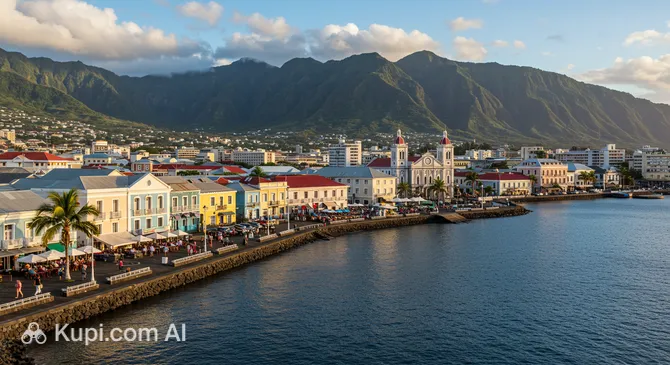
Saint-Denis. Source: Kupi.Binoculars

The history of Saint-Denis is deeply etched into its streets and architecture. Founded in 1669 and designated as the island's capital in 1738, the city has preserved much of its colonial past. A stroll through the city center reveals well-preserved Creole mansions and historic monuments that tell the story of its development from a small trading post to a major administrative hub.

For visitors, Saint-Denis offers a wealth of attractions that highlight its rich heritage. The iconic Rue de Paris is a must-see, lined with magnificent historic houses and villas that showcase traditional Creole architecture. Another highlight is Le Barachois, the famous seafront promenade where old cannons still face the ocean, offering a perfect spot for a sunset walk. Nature lovers and history buffs alike will appreciate the Jardin de l'État, a beautiful botanical garden that also houses the Natural History Museum.

Whether you are exploring its colorful markets filled with exotic spices or admiring its religious landmarks that stand side by side, Saint-Denis invites you to discover the soul of the island. It is an essential stop for anyone wishing to understand the true character of this remarkable destination.
Weather Overview

Saint-Denis enjoys a tropical climate typical of the Indian Ocean, characterized by warmth and sunshine throughout the year. Unlike destinations in the Northern Hemisphere, the seasons here are reversed. The weather in Saint-Denis is generally divided into two distinct periods: a hot, humid summer and a milder, drier winter, ensuring that the city remains a lush and green destination regardless of when you visit.

The austral summer, running roughly from November to April, brings the warmest temperatures and higher humidity. During these months, the city is vibrant and tropical, though it is also the season when rainfall is more frequent, and there is a possibility of cyclones. Travelers visiting during this time should be prepared for heat and occasional heavy showers, making lightweight, breathable clothing and rain gear essential.

From May to October, the city experiences its austral winter. This period is often considered the most comfortable time for exploration, characterized by milder temperatures and lower humidity. The days are generally sunny and pleasant, perfect for walking tours and outdoor activities. While it rarely gets cold, evenings can feel fresher, so packing a light jacket or sweater is advisable for nights out in the capital.

Interesting Facts

Beyond the main attractions, Saint-Denis holds many fascinating secrets and historical curiosities that surprise even seasoned travelers. Here are a few unique details that reveal the true character of this multicultural capital.

  • Few visitors realize that Roland Garros, the world-renowned aviator after whom the French Open is named, was born right here in Saint-Denis. A statue honoring this aviation pioneer stands proudly on the seafront, celebrating his deep connection to the island before he gained international fame.

  • The historic Jardin de l'État served a strategic purpose long before it became a leisure spot. Established in the 18th century, it functioned as a royal acclimatization garden where exotic spices and plants were carefully adapted to the local climate before being cultivated across the colony.

  • Saint-Denis is home to the oldest mosque in France, the Noor-e-Islam Mosque, which dates back to 1905. Its presence in the city center, just a short walk from a cathedral and a Hindu temple, highlights the city's reputation as a remarkable model of peaceful religious coexistence.

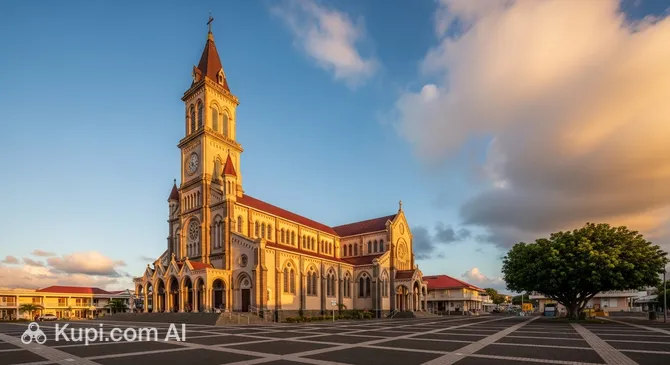
  • The Our Lady of Deliverance Church is a stunning example of 19th-century colonial architecture built from local volcanic stone. This neo-Gothic masterpiece was constructed as an act of thanksgiving after the city was spared from a devastating cyclone, and its vibrant ochre facade makes it one of the most photogenic landmarks in town.

Our Lady of Deliverance Church. Source: Kupi.Binoculars

How to Get There

As the main entry point to the island, reaching the capital is a straightforward process for international travelers. For a comprehensive overview of all transport options and routes, you can read more about how to get to Saint-Denis in our detailed guide.

The city is primarily served by Roland Garros Airport (IATA: RUN), also known as Gillot Airport. Located in the neighboring commune of Sainte-Marie, it is the busiest air hub in Reunion and sits approximately 10 kilometers east of the Saint-Denis city center. The airport handles direct long-haul flights from mainland France as well as regional connections from Mauritius, Madagascar, and other Indian Ocean destinations. Once you land, reaching the downtown area takes about 15 to 20 minutes by taxi or rental car via the coastal expressway. There is also a dedicated airport shuttle service available for visitors.

Unlike many European cities, Saint-Denis does not have an active passenger railway station, as the island's commercial train network ceased operations decades ago. Travelers arriving from other parts of Reunion typically travel by road. The city is the central hub for the "Car Jaune" yellow bus network, which provides reliable and affordable connections to major towns across the island. The main bus station is located near the oceanfront, making it a convenient arrival point for those exploring the island by public transport.

Main Attractions

Saint-Denis offers a variety of spaces where nature, history, and local life converge, providing visitors with diverse experiences beyond the main historical thoroughfares. From elevated viewpoints to architectural gems turned into social hubs, the city's attractions cater to explorers of all kinds.

For those looking to escape the urban bustle and enjoy breathtaking panoramas, Colorado Park is a perfect destination. Perched in the heights of the La Montagne district, this expansive recreational area serves as a green lung for the city. It is particularly interesting to tourists for its stunning viewpoints, offering sweeping vistas over Saint-Denis and the Indian Ocean, as well as its numerous trails, playgrounds, and picnic spots that make it ideal for a relaxing day in nature.

Colorado Park. Source: Kupi.Binoculars

Another urban oasis is Trinity Park (Parc de la Trinité), located near the heart of the city. This beautifully landscaped park is designed for relaxation and leisure, featuring wide paths for walking and jogging, as well as extensive play areas. Visitors often enjoy climbing the small hill within the park, which provides a unique perspective of the surrounding cityscape and the amphitheater of mountains, making it a peaceful retreat in the middle of the lively capital.

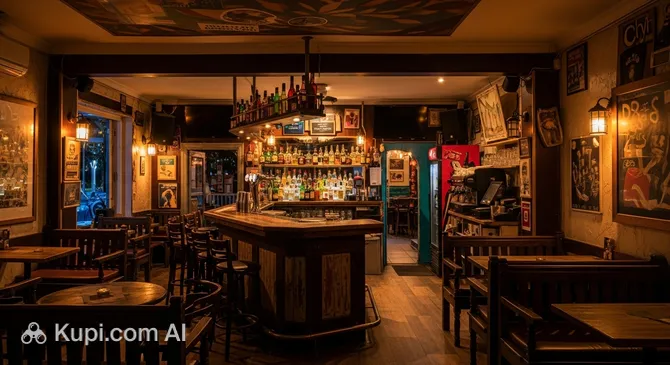
To experience the city's architectural heritage while enjoying the local social scene, a visit to Le Saint Hubert is highly recommended. Housed in a magnificent traditional Creole mansion, this establishment is more than just a bar and restaurant; it is a piece of living history. Tourists are drawn here to admire the intricate wooden details, lambrequins, and the charming veranda, offering a chance to soak up the colonial atmosphere of old Saint-Denis while sipping a refreshing drink.

Le Saint Hubert. Source: Kupi.Binoculars

Continuing the theme of heritage, Villa Fleurié offers another exquisite setting for travelers. Set within a preserved historic property, this venue allows guests to dine in an environment that reflects the island's colonial past. It is an excellent stop for those wishing to combine gastronomy with culture, enjoying the ambiance of a bygone era in a venue that showcases the elegance of traditional Creole architecture.

Local Cuisine

The culinary scene in Saint-Denis is a delicious reflection of Reunion's multicultural soul, blending French culinary techniques with the vibrant spices of India, the savory flavors of China, and the hearty traditions of Africa and Madagascar. For food lovers, the capital is a playground where every meal tells a story of the island's diverse heritage. The local gastronomy is centered around bold flavors, fresh ingredients, and communal dining, making it a highlight of any visit.

No trip to Saint-Denis is complete without trying the island's most iconic dish, Rougail Saucisse. This savory comfort food consists of sausages cut into pieces and simmered in a rich sauce of tomatoes, onions, garlic, ginger, and spices. It is traditionally served with rice and "grains" (lentils or beans), accompanied by a spicy condiment known as rougail (distinct from the stew) made from tomatoes, mangoes, or peanut butter. Another staple to look for is Cari, a local style of curry that can be made with chicken, fish, or seafood, flavored heavily with turmeric and thyme but rarely containing masala powder, distinguishing it from Indian curries.

Street food culture is thriving in the city, offering quick and tasty bites perfect for exploring on the go. You will frequently encounter bouchons, steamed dumplings filled with minced meat, which reveal the island's Chinese influence. Locals often enjoy them as a snack or tucked into a baguette with melted cheese and hot sauce, a creation known as a pain bouchon. For something spicy and crunchy, try bonbons piments, small fried dough cakes mixed with herbs and chilies, often sold at markets and roadside stalls.

When it comes to beverages, the island is famous for its rum. The local specialty is Rhum Arrangé, a preparation where white rum is infused with various ingredients such as vanilla, pineapple, lychee, or aromatic herbs, and left to macerate for months. It is typically enjoyed as a digestif after a meal. For a refreshing non-alcoholic option, fresh fruit juices made from tropical produce like passion fruit, guava, or tamarind are widely available and incredibly refreshing in the tropical heat.

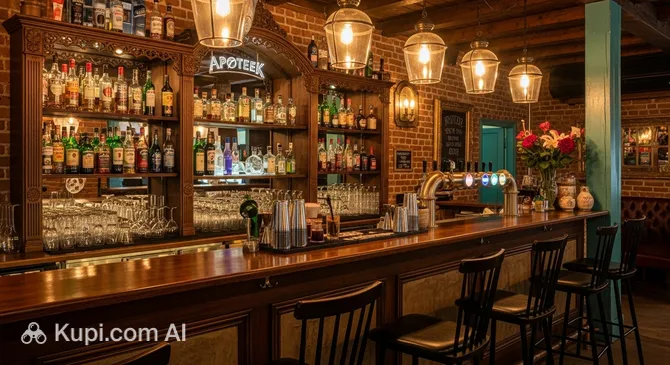
Apoteek. Source: Kupi.Binoculars

The city offers a wide range of dining atmospheres, from bustling food markets like the Petit Marché to traditional Creole restaurants and modern establishments. As evening falls, the city's social scene comes alive. Visitors looking for a place to unwind with a creative cocktail or a local drink can visit Apoteek, a popular spot that adds a modern touch to the capital's nightlife. Whether you are dining at a "camion bar" (food truck) or a sit-down venue, the warm hospitality of Saint-Denis ensures a memorable gastronomic experience.

Travel Tips

Welcome to Saint-Denis! To ensure your visit to this vibrant multicultural capital is as smooth and enjoyable as possible, we have compiled a list of essential practical advice. These tips will help you navigate the city with ease and embrace the local lifestyle from the moment you arrive in Reunion.

  1. Clothing and Gear: Due to the tropical climate, pack lightweight, breathable fabrics like cotton or linen to stay cool. However, the weather can be changeable, so carrying a waterproof jacket or umbrella is essential, especially during the wetter summer months (November to April). Comfortable walking shoes are a must for exploring the city streets and nearby nature trails. If you plan to visit religious sites such as the Noor-e-Islam Mosque or Hindu temples, respect the dress code by wearing modest clothing that covers your shoulders and knees.
  2. Transportation: The city has a reliable public bus network known as Citalis, while the yellow Car Jaune buses connect Saint-Denis to other towns on the island. While public transport is affordable, renting a car gives you the most freedom to explore the island's interior, though you should be prepared for traffic congestion during rush hours. Taxis are available but can be pricey; it is often better to book them in advance as flagging one down on the street is not always easy.
  3. Finances: As the island is a French overseas department, the official currency is the Euro (€). Credit cards (Visa and Mastercard) are widely accepted in most hotels, restaurants, and shops. However, it is highly recommended to carry some cash for small purchases at local markets, street food stalls, or for bus fares. ATMs are plentiful throughout the city. Tipping is not mandatory as service charges are included in the bill, but rounding up or leaving small change is a common gesture of appreciation.
  4. Health and Safety: Saint-Denis is generally a safe city, but it is wise to take standard precautions, such as not leaving valuables visible in rental cars and avoiding unlit areas late at night. Pharmacies are marked with a green cross and are well-stocked with French standard medications. Tap water is safe to drink. One crucial health tip is to use quality mosquito repellent day and night to protect against mosquito-borne illnesses, which can occur in tropical environments.
  5. Communication: The official language is French, while Reunion Creole is widely spoken by locals in daily life. English is not universally spoken outside of major hotels and tourist offices, so learning a few basic French phrases like "Bonjour" (Hello) and "Merci" (Thank you) will be greatly appreciated and help you connect with residents. European SIM cards typically work without roaming fees (check with your provider), or you can easily buy a local prepaid SIM card at the airport or supermarkets.
  6. Local Etiquette: Politeness is very important in the local culture. Always say "Bonjour" when entering a shop, restaurant, or boarding a bus; failing to do so can be considered rude. The island is a harmonious mix of cultures and religions, so always show respect when observing local customs or religious festivals. Handshakes are the standard greeting for strangers, while friends may greet with a kiss on the cheek.
  7. What to Avoid: Avoid taking photos of locals, particularly in religious settings or markets, without asking for their permission first. Additionally, do not underestimate the tropical sun; avoid prolonged exposure during midday hours without high-SPF sunscreen, even on cloudy days.
  8. Shop Opening Hours: Be aware that many smaller shops and businesses observe a traditional lunch break and may close between 12:00 PM and 2:00 PM. Furthermore, most stores are closed on Sundays, except for morning food markets and some larger supermarkets, so plan your shopping needs accordingly.

By keeping these practical tips in mind, you will be well-prepared to experience the best of Saint-Denis. Enjoy the warm hospitality, the delicious flavors, and the unique cultural blend that makes this city such a fascinating destination!

Entertainment & Nightlife

While Saint-Denis may not be famous for an all-night clubbing scene comparable to major European capitals, it offers a vibrant and convivial nightlife that reflects the island's warm, social culture. The evening entertainment here focuses primarily on the tradition of the "apéro" (aperitif), where locals and visitors gather to enjoy drinks, tapas, and conversation in open-air settings. The atmosphere is generally relaxed and welcoming, shifting from laid-back sunset drinks to lively bars that stay open until the early hours of the morning.

The beating heart of the city's nightlife is undoubtedly the Carré Cathédrale district. Located around the Saint-Denis Cathedral, this pedestrian-friendly area is packed with bars, restaurants, and terraces that fill up quickly after office hours. It is the perfect place to bar-hop and soak up the local energy. On weekends, the streets here buzz with activity, music, and laughter, creating a festive environment that is safe and easy to navigate on foot.

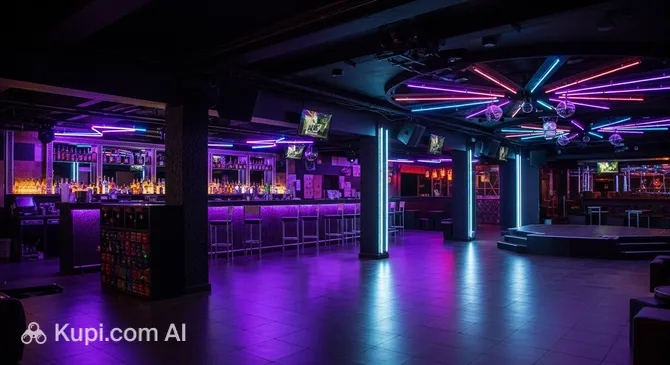
For those seeking a trendy spot to enjoy the evening, Ô Bar is a popular destination within the city's nightlife circuit. Known for its stylish yet comfortable setting, it attracts a diverse crowd looking to unwind with creative cocktails and music. It is an excellent venue to experience the modern side of Saint-Denis, often featuring DJ sets or themed nights that keep the energy high well into the night.

Ô Bar. Source: Kupi.Binoculars

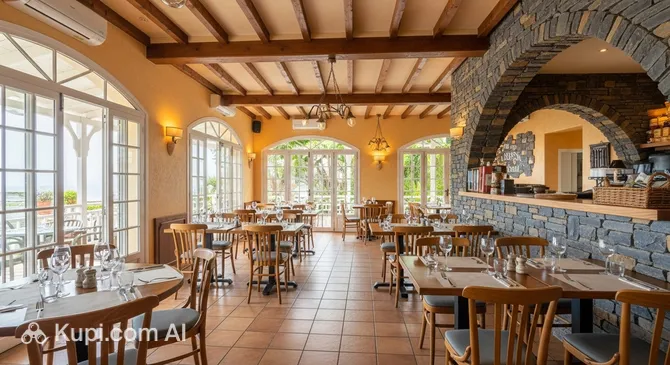
If you prefer a dining experience that transitions seamlessly into a relaxed evening out, Mediterraneo offers a delightful option. Situated in a charming location, this establishment combines excellent cuisine with a pleasant ambiance, making it ideal for travelers who want to enjoy a long dinner followed by drinks without changing venues. The dress code in most of these places is "casual chic"—relaxed but neat, suitable for the tropical climate.

Mediterraneo. Source: Kupi.Binoculars

Regarding practicalities, the nightlife in Saint-Denis typically starts early, around 6:00 PM or 7:00 PM, and many bars begin to wind down around 1:00 AM or 2:00 AM, though some clubs stay open later on weekends. Prices for drinks are comparable to mainland France. For safety, the city center and the Carré Cathédrale are generally safe for walking in the evening, but it is advisable to stick to well-lit main streets. If you are staying further out or returning late, calling a taxi is the best option, as public transport services do not run late into the night.

Beyond the nocturnal allure, Saint-Denis offers plenty of daytime entertainment to fill your schedule before the sun goes down. Culture enthusiasts can explore the city's theaters, such as the Théâtre Champ Fleuri, which hosts a variety of performances ranging from dance to concerts. Additionally, the seafront promenade at Le Barachois is a hub of activity in the late afternoon, where families and friends gather to enjoy the ocean breeze, small amusement rides for children, and the stunning sunset views that signal the start of the evening's festivities.

Parks & Museums

Parks and Museums:

Saint-Denis offers a refreshing balance between urban energy and serene retreats, boasting historic gardens that showcase the island's botanical wealth and cultural institutions that preserve its artistic and natural heritage. For travelers, exploring these green spaces and museums provides a deeper understanding of the Creole identity and the island's biodiversity.

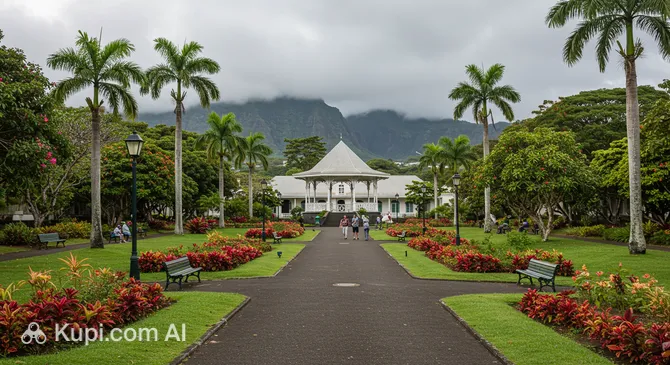
The crown jewel of the city's green spaces is undoubtedly the Jardin de l'État. Located at the top of the historic Rue de Paris, this botanical garden is a peaceful haven classified as a Historical Monument. Originally established as a royal acclimatization garden, it now features a stunning collection of tropical trees, spices, and exotic plants brought from around the world. Visitors can stroll down the majestic main alley lined with towering palms, relax by the water features, or enjoy a picnic in the shade of century-old trees. It is a favorite spot for locals to jog or unwind, offering a cool escape from the tropical heat.

Jardin de l'État. Source: Kupi.Binoculars

Another significant natural area on the city's outskirts is the Parc de la Providence. Situated on the northern slopes, this park serves as a gateway to the island's interior and is the starting point for several hiking trails, including the path to the Brûlé. It offers a more rugged and natural experience compared to the manicured city gardens, making it ideal for families and nature enthusiasts who want to feel immersed in the lush vegetation of Reunion without traveling far from the city center.

When it comes to culture, the Léon Dierx Museum is a must-visit for art lovers. Housed in a beautiful colonial villa on Rue de Paris, it holds one of the most impressive fine art collections in the Indian Ocean. The museum is renowned for its selection of modern art, including works by famous Impressionist and Post-Impressionist painters such as Caillebotte, Gauguin, and Picasso, as well as pieces by local Reunionese artists. It provides a sophisticated cultural interlude and a glimpse into the artistic connections between France and its overseas territories.

Located within the Jardin de l'État, the Natural History Museum (Muséum d'Histoire Naturelle) is another key institution. The building itself is a historical landmark, formerly the colonial legislative council. Inside, the museum is dedicated to the fauna and flora of the western Indian Ocean islands. Its exhibits include collections of birds, minerals, and marine life, making it particularly interesting for those wishing to learn about the unique biodiversity of the region and the conservation efforts to protect it.

For a more contemporary cultural experience, the Artothèque offers a unique concept. Located in a traditional Creole wooden house, it functions as both a gallery and a lending library for art. It focuses on promoting contemporary creation and often hosts exhibitions by local artists, offering a modern contrast to the city's historical museums.

Insider Tip: If you are visiting the Jardin de l'État, take a moment to look for the "Talipot" palms. These rare trees flower only once in their lifetime after several decades, a spectacular event that marks the end of the tree's life. It is a poignant reminder of the powerful cycles of nature found on the island.

Getting Around

Navigating Saint-Denis is relatively straightforward, thanks to a developing public transport network that combines traditional road options with innovative modern solutions. The city's transport system is primarily managed by Citalis, which operates a comprehensive fleet of buses connecting the downtown area with the suburbs and residential heights. While there is no underground metro or tram system, the network is efficient for getting around the main districts and visiting local points of interest.

A standout feature of the city's transport landscape is the Papang, the first urban cable car in the Indian Ocean. This aerial tramway is fully integrated into the public transport network and connects the Chaudron district to Bois-de-Nèfles. For tourists, riding the Papang is not just a practical way to bypass traffic; it is a scenic experience offering panoramic views of the city and the coast. It operates daily and uses the same ticketing system as the buses, making it an accessible attraction in its own right.

For bus travel, the Citalis network covers the entire metropolitan area (CINOR). The buses are generally modern and comfortable. If you plan to travel beyond Saint-Denis to other parts of the island, you will need to switch to the Car Jaune (Yellow Bus) network at the main bus station (Gare Routière) on the seafront. These intercity coaches are distinct from the city buses and require a separate ticket, although they are equally affordable.

Regarding payment, purchasing tickets in advance is cheaper than buying them on board. You can buy single-trip tickets, booklets, or day passes at "Espace Bus" kiosks, authorized retailers (often tabacs or shops displaying the Citalis logo), and automatic vending machines at major stops. There is also a mobile app available that allows you to check schedules and sometimes purchase e-tickets. Remember to validate your ticket every time you board a bus or enter a cable car station to avoid fines.

Travelers should be aware of the operating hours. The bus service typically runs from early morning (around 5:00 AM) until the evening, but services drop off significantly after 8:00 PM or 9:00 PM. On Sundays and public holidays, the frequency of buses is reduced, so it is wise to check the timetable in advance. Additionally, unlike in some countries, you must signal the driver by waving your hand if you want the bus to stop at your station, and press the "stop" button well in advance when you wish to get off.

For alternatives to public transport, taxis are available but can be quite expensive compared to European standards. They rarely cruise for passengers, so you will need to find a designated taxi rank or book one by phone. For those who prefer active mobility, the city offers an electric bike-sharing service called Véloce. With stations located throughout the city center, renting an e-bike is a fantastic way to explore the flat coastal areas and the seafront promenade at your own pace.

Accommodation

Saint-Denis offers a diverse array of accommodation options suited to its role as the administrative and cultural capital of Reunion. Unlike the resort-heavy west coast, the lodging scene here is geared more towards cultural travelers, business visitors, and those seeking a convenient base for exploring the northern part of the island. Visitors can choose from modern city hotels, charming guesthouses set in renovated Creole villas, and an increasing number of furnished apartments and holiday rentals.

For those who prioritize convenience and atmosphere, the city center is the ideal place to stay. Being located near the historic districts or the seafront Barachois allows for easy walking access to museums, restaurants, and shops. Alternatively, travelers looking for tranquility and cooler temperatures often prefer the La Montagne district. Perched on the winding roads above the city, this area offers spectacular panoramic views of the ocean and a peaceful escape from the urban bustle below.

Prices in Saint-Denis are generally comparable to mainland France, with options ranging from budget-friendly hostels to comfortable mid-range establishments. While ultra-luxury resorts are less common here than on the beaches of Saint-Gilles, you can find high-quality hotels offering excellent service and amenities. Booking is typically done through major online platforms or directly with establishments, which is often appreciated by smaller guesthouse owners.

A useful tip for planning your stay is to consider the city's traffic patterns. If you intend to focus on exploring the city's heritage, staying centrally is highly recommended to avoid the heavy morning and evening rush hours. However, if you plan to use Saint-Denis as a base to drive around the island, renting a car and choosing accommodation with secure parking—or staying slightly on the outskirts—can save you significant travel time and stress.

Nearby Cities

For those looking to explore the surroundings, Saint-Denis serves as an excellent base for day trips to several interesting nearby locations:

City Population
Saint Pierre 80000
Saint-Benoit 35310

Located on the southern coast of the island, Saint-Pierre is often referred to as the "capital of the south." It offers a distinct contrast to Saint-Denis with its lively waterfront, bustling market, and accessible beach at Ravine Blanche. The city is known for its vibrant atmosphere and serves as a gateway for exploring the Wild South and the Piton de la Fournaise volcano. Visitors can enjoy a mix of heritage sites, such as the old train station and the town hall, alongside a dynamic culinary scene.

On the lush eastern coast, Saint-Benoit provides a gateway to some of the island's most verdant landscapes. This town is situated in a region known for its abundant rainfall and river activities, particularly along the Rivière des Marsouins. It is an ideal starting point for excursions into the breathtaking Takamaka Valley, famous for its waterfalls and hydroelectric heritage. The area offers a quieter, more nature-focused experience, surrounded by sugarcane fields and tropical fruit orchards.

These nearby destinations offer a glimpse into the diverse culture and landscapes of the region.

Shopping & Souvenirs

As the commercial capital of Reunion, Saint-Denis offers the most diverse and vibrant shopping experience on the island. The city presents a fascinating mix where high-end French fashion boutiques stand just streets away from traditional Creole markets. Whether you are looking for the latest European trends, unique local handicrafts, or exotic spices to take home, the city center provides a bustling atmosphere that caters to all tastes and budgets.

The heartbeat of the city's retail scene is the Rue du Maréchal Leclerc. This pedestrian-only thoroughfare stretches across the city center and is lined with a multitude of shops ranging from international clothing brands and shoe stores to jewelry shops and perfumeries. It is the perfect place for a leisurely stroll, allowing you to window shop without the noise of traffic. Branching off from this main artery, smaller side streets reveal independent boutiques and local designers offering more unique, island-inspired apparel.

For a deep dive into local culture and craftsmanship, the city's markets are unmissable. The Grand Marché (Big Market), located at the corner of Rue du Maréchal Leclerc and Boulevard Lucien Gasparin, is the premier destination for handicrafts. Here, in a historic cast-iron hall, artisans sell intricate wood carvings, woven baskets made from vacoa leaves, and traditional embroidery. Conversely, the Petit Marché (Little Market) in the oceanfront district is a sensory explosion of colors and scents, specializing in fresh tropical fruits, vegetables, and flowers, making it a great spot to see local daily life in action.

While the city center focuses on street-side retail, larger shopping experiences can be found on the outskirts. The nearby district of Sainte-Clotilde hosts the Centre Commercial Grand Nord, a large mall anchored by a hypermarket. It features a wide gallery of brand-name stores, services, and food courts, providing a modern, air-conditioned environment that is convenient for travelers needing to stock up on supplies or general goods.

When it comes to souvenirs, Saint-Denis is the best place to find authentic island treasures. The most sought-after item is undoubtedly Bourbon Vanilla, considered among the best in the world. Other popular gifts include ready-made mixes for Rhum Arrangé (infused rum), bags of local spices like turmeric and massalé, and jars of tropical fruit jams. For a lasting keepsake, look for "Bertels," the traditional flat woven backpacks used by locals.

Visitors should be mindful of local operating hours. Most shops in the city center open around 9:00 AM and close by 6:00 PM. A distinct feature of the local lifestyle is the lunch break; many smaller independent boutiques close between 12:00 PM and 2:00 PM. Additionally, Sunday is a quiet day in Saint-Denis, with almost all shops and markets closed, except for some food stalls in the morning. Major credit cards (Visa and Mastercard) are widely accepted, though carrying some cash is advisable for small market purchases.

Travelers residing outside the European Union may be eligible for a tax refund (détaxe) on purchases. Although Reunion has a lower VAT rate (8.5%) compared to mainland France, the savings can still be worthwhile on significant purchases. Look for shops displaying the "Tax-Free" sign and ask for a refund form, which can be processed at the customs desk at Roland Garros Airport before your departure.

Reached the end of the page?

That means the route is fully explored