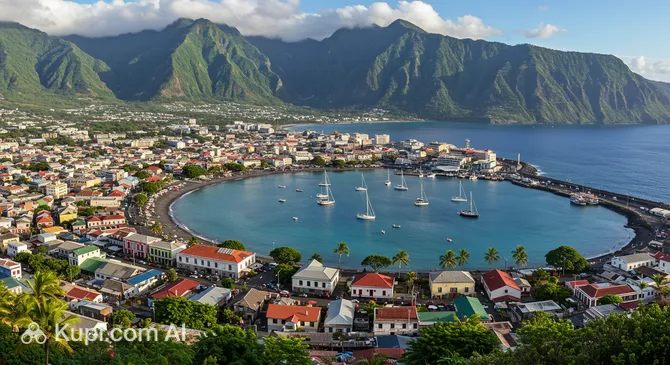
Welcome to Saint Pierre, a vibrant and bustling city often referred to as the "capital of the south." Known for its lively waterfront, multicultural atmosphere, and dynamic energy, this city offers a perfect blend of urban convenience and seaside relaxation. As the third-largest municipality in Reunion, with a population of approximately 80,000 inhabitants, it serves as a major economic and cultural hub for the southern part of the island.
Located on the southwest coast, Saint Pierre enjoys a sunny climate and a privileged position facing the Indian Ocean. The city is celebrated for its rich heritage, which reflects the diverse origins of its people. You can delve deeper into the fascinating history of Saint Pierre by exploring its colonial architecture and historic landmarks, including the old East India Company warehouses and the charming city hall.
Saint Pierre. Illustration.
Source: Kupi.com AI
Travelers are drawn to the city's lively Boulevard Hubert Delisle, a seafront promenade lined with restaurants, bars, and a casino, making it a hotspot for nightlife and dining. The city also boasts a rare feature on the island: a bustling city center right next to a beach protected by a coral reef. Visitors should not miss the colorful Saint Pierre market, considered one of the most beautiful in the region, or the impressive religious sites that stand close to one another, symbolizing the island's harmonious diversity.
Whether you are looking to relax by the lagoon, enjoy delicious Creole cuisine, or use the city as a strategic base to explore the wild south and the famous Piton de la Fournaise volcano, Saint Pierre is an unmissable destination. Its unique mix of modernity and tradition invites you to experience the true pulse of the island.
Weather Overview
Saint Pierre experiences a mild and generally consistent climate, making it a comfortable destination for visitors year-round. The weather is characterized by warm summers and pleasant, slightly cooler winters. To help you pack appropriately for your visit, you can view more specific details about the weather in Saint Pierre.
The warmest months are typically January and February, where average temperatures sit around 23.5°C and daily maximums reach approximately 25°C. Travelers should be prepared for frequent precipitation during this time, as January can see up to 27 wet days. The cooler season, spanning from June to September, brings average temperatures down to around 18°C, with July being the coolest month. Even during these drier months, rain is still possible, with about 14 to 16 wet days recorded monthly.
Average monthly temperature
Average monthly precipitation
Interesting Facts
Beyond the bustling waterfront and colonial streets, Saint Pierre holds many fascinating secrets that reveal its unique character. Here are a few intriguing details that might surprise you during your visit.
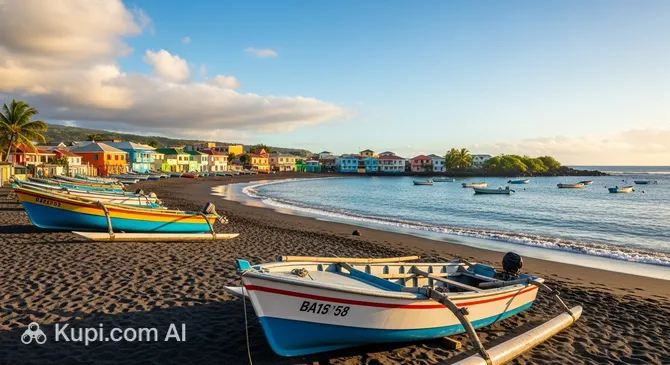
Terre Sainte Public Beach. Illustration.
Source: Kupi.com AI
Traveler photos:
The Legend of Sitarane: The local cemetery is home to the tomb of Sitarane, a notorious historical figure who has become the center of a mystical cult. Even today, it is common to find offerings of cigarettes, rum, and red candles left on his grave by locals seeking favors, blending history with enduring folklore.
A Village Within a City: The neighborhood surrounding Terre Sainte Public Beach retains the authentic atmosphere of a traditional fishermen's village. With its narrow streets, ancient banyan trees, and relaxed pace, this area feels distinct from the rest of the city and offers a nostalgic glimpse into the island's maritime past.
The Lost Port: Saint Pierre was originally a strong contender to house the island's main commercial port in the 19th century. However, the decision to build the port in the northwest at Le Port shifted the industrial focus, allowing Saint Pierre to develop its current charm as a cultural and seaside hub rather than a purely industrial center.
How to Get There
Reaching the "capital of the south" is relatively straightforward, thanks to the island's well-developed road network and air connections. Whether you are arriving directly from a regional neighbor or landing at the main international hub in the north, you have options to suit your itinerary. For a comprehensive guide on all transport modes, you can read more about how to get to Saint Pierre.
The city is served by its own airport, Pierrefonds Airport (IATA: ZSE), which is conveniently located just 6.1 km from the city center. While it is a smaller facility with an annual passenger traffic of around 98,000, it is a key hub for regional flights, particularly from Mauritius and Madagascar. A trip from this airport to downtown Saint Pierre is very quick, taking approximately 30 minutes by taxi.
Most international travelers, however, will fly into Reunion Roland Garros Airport (IATA: RUN). Located in the city of Saint-Denis, about 50.4 km away, this is the island's primary entry point, handling over 2.7 million passengers each year. The drive from Saint-Denis to Saint Pierre along the coastal route or the Route des Tamarins is scenic and typically takes about 1 hour and 35 minutes by car or shuttle.
For clarity, here is a summary of the main airports:
Saint Pierre does not have a railway station, as there is no active passenger train network operating on the island of Reunion. Travelers rely primarily on the road network to reach the city. The "Car Jaune" bus system connects major cities on the island, offering an affordable way to travel from the north or west. Alternatively, renting a car is a popular choice for tourists, providing the flexibility to explore the southern coast and the volcano at your own pace.
Main Attractions
Saint Pierre is a city that perfectly balances urban energy with coastal relaxation, offering a variety of experiences for every type of traveler. From its picturesque shoreline to its lively social venues, the city invites you to immerse yourself in the southern lifestyle of Reunion. Below are some of the interesting places to visit during your stay.
One of the most beloved spots in the city is Terre Sainte Public Beach. Located in the historic fishermen's district, this beach offers a more intimate and authentic alternative to the main waterfront. Protected by a coral reef, the lagoon features calm, crystal-clear waters that are ideal for swimming and snorkeling. Tall trees provide natural shade along the shore, creating a peaceful setting where you can watch traditional fishing boats and enjoy the sunset away from the crowds.
Terre Sainte Public Beach. Illustration.
Source: Kupi.com AI
Traveler photos:
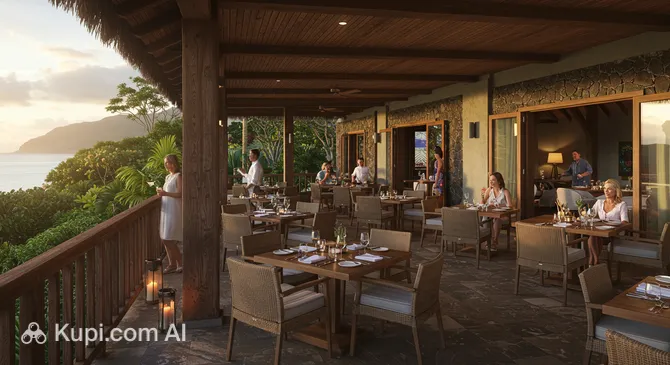
For those interested in the local dining scene, Villa Sauvage Restaurant is a notable culinary destination. This establishment is appreciated for its unique atmosphere and decor, offering a dining experience that stands out in the city. It is a fantastic place to enjoy a meal in a setting that blends creativity with comfort, making it a popular choice for travelers looking to savor a memorable dinner in Saint Pierre.
Villa Sauvage Restaurant. Illustration.
Source: Kupi.com AI
Traveler photos:
If you are looking for modern conveniences or a break from the outdoors, the Saint-Pierre Shopping Mall is the place to go. As a major commercial hub in the south, it hosts a wide range of shops, boutiques, and services. Whether you need to pick up travel essentials, browse for fashion, or simply enjoy the air-conditioned environment, this mall provides a comprehensive shopping experience right in the heart of the region.
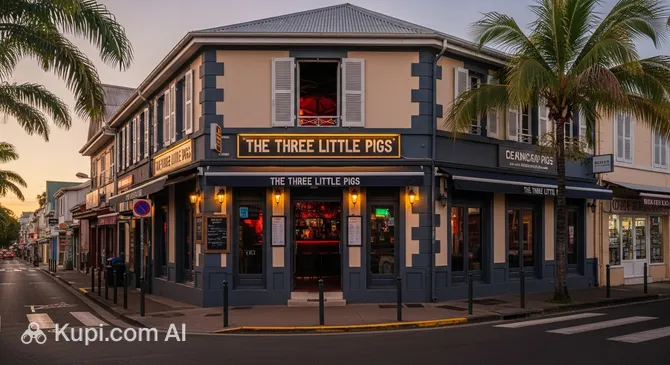
Saint Pierre is also famous for its vibrant nightlife, and The Three Little Pigs is a testament to this energetic culture. This bar is a favorite gathering spot for both locals and tourists, known for its friendly vibe and lively ambiance. It is an excellent venue to unwind with a drink after a day of exploring the island, allowing you to soak up the festive spirit that the "capital of the south" is known for.
The Three Little Pigs. Illustration.
Source: Kupi.com AI
Traveler photos:
Local Cuisine
The culinary scene in Saint Pierre is a vibrant reflection of Reunion Island's multicultural heritage, blending French, Indian, Chinese, and African influences into a unique gastronomy. As the capital of the south, the city offers an impressive variety of dining experiences, from casual street food stalls to refined seaside restaurants. Food lovers will find themselves on a flavorful journey where spices and fresh local ingredients take center stage.
At the heart of the local diet is the traditional Creole cari. This staple dish consists of meat, fish, or seafood simmered in a rich blend of spices, turmeric, garlic, and tomatoes. It is invariably served with white rice, "grains" (lentils or beans), and rougail, a spicy condiment made from chopped vegetables or fruits like green mango. One of the most iconic versions to try is the Rougail Saucisse, a savory dish of sausages cooked in a tangy tomato and onion sauce that perfectly embodies the island's comfort food culture.
Street food plays a significant role in the daily life of Saint Pierre, particularly around the bustling waterfront and the famous Saturday morning market. Here, you can sample popular snacks such as bouchons (steamed meat dumplings wrapped in dough), samosas, and bonbons piments (spicy fried lentil cakes). These bite-sized treats are perfect for a quick lunch or a picnic by the lagoon.
When it comes to beverages, the local culture is synonymous with rum. Rhum Arrangé is a must-try specialty, consisting of white rum infused for months with various fruits, spices, or herbs, creating a sweet and potent drink often served as a digestif. For a refreshing non-alcoholic option, fresh fruit juices made from tropical delights like pineapple, mango, and lychee are widely available. Beer lovers will also encounter the ubiquitous "Dodo" (Bourbon beer), the island's favorite lager.
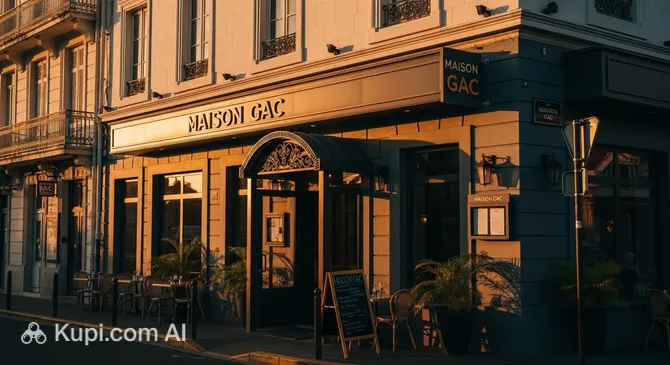
For a sit-down meal, the city offers numerous establishments that capture the essence of local hospitality. You might enjoy a visit to Maison GAC, a restaurant known for its welcoming atmosphere and delicious offerings. It is an excellent spot to explore the culinary creativity that defines the region.
Maison GAC. Illustration.
Source: Kupi.com AI
Traveler photos:
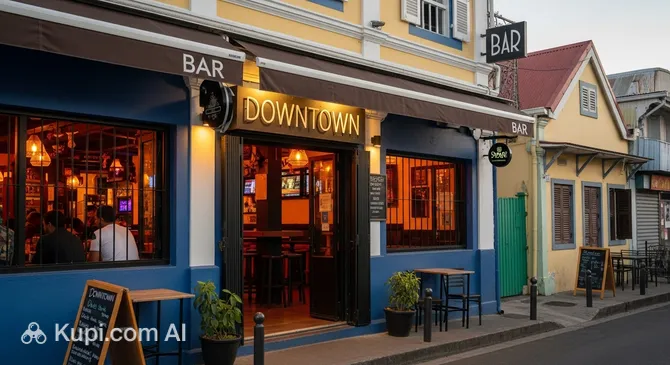
The nightlife and social scene often revolve around the lively Boulevard Hubert Delisle, where locals and tourists gather to unwind. If you are looking for a place to enjoy a drink and soak up the evening vibes, Downtown is a popular bar option. Whether you prefer a quiet evening with a cocktail or a lively night out, the city's diverse venues cater to every mood.
Downtown. Illustration.
Source: Kupi.com AI
Traveler photos:
Travel Tips
To ensure your trip to the "capital of the south" is as enjoyable and stress-free as possible, we have compiled a list of essential practical advice. These tips will help you navigate the local customs, logistics, and environment of Saint Pierre like a seasoned traveler.
Clothing and Gear: Saint Pierre is generally warm and sunny, so pack lightweight, breathable clothing and comfortable walking shoes for exploring the city. However, if you plan to visit the nearby mountains or the Piton de la Fournaise volcano, be sure to bring a warm jacket and sturdy hiking boots, as temperatures drop significantly at higher altitudes. Don't forget reef-safe sunscreen, a hat, and swimwear for the lagoon.
Transportation: While the "Car Jaune" yellow buses connect Saint Pierre to other major towns, renting a car is highly recommended for the most freedom to explore the wild southern coast and inland trails. Within the city center and along the Boulevard Hubert Delisle, walking is the best way to soak up the atmosphere. Taxis are available but can be expensive; booking in advance is often necessary.
Finances: As Reunion is a French overseas region, the official currency is the Euro (€). Credit cards (Visa and Mastercard) are widely accepted in hotels, restaurants, and supermarkets. However, it is wise to carry some cash for small purchases, street food stalls, and especially for the vendors at the Saturday morning market. ATMs are plentiful throughout the city.
Health and Safety: Reunion has high standards of healthcare, and pharmacies (marked by a green neon cross) are easy to find in Saint Pierre. Tap water is generally safe to drink. A critical safety rule here is to only swim in designated areas protected by the coral reef or shark safety nets, such as the beach in the city center or Terre Sainte; swimming in the open ocean is dangerous due to strong currents and shark risks.
Communication: The official language is French, and the local language is Reunion Creole. While staff in major hotels may speak English, it is not universally spoken in smaller shops or by older residents. Downloading an offline translation app and learning a few basic phrases like "Bonjour" (Hello) and "Merci" (Thank you) will go a long way in your daily interactions.
Local Etiquette: Politeness is very important in local culture. Always greet shopkeepers or staff with a friendly "Bonjour" when entering an establishment and "Au revoir" when leaving. When visiting religious sites, such as the Tamil temples or the mosque, dress modestly (covering shoulders and knees) and ask for permission before taking photos of people or ceremonies.
What to Avoid: Do not walk on the coral reefs during low tide, as this damages the fragile ecosystem and can cause injury. Additionally, avoid entering the lagoon with open wounds to prevent infection, and never leave your belongings unattended on the beach while swimming.
Market Day Tip: If you are in town on a Saturday, the Saint Pierre market is an absolute must-do. To get the best experience, arrive very early (around 7:00 or 8:00 AM) to beat the heat and the crowds, and to see the stalls when they are most fully stocked with fresh tropical fruits and local crafts.
With these practical tips in hand, you are ready to embrace the vibrant energy and laid-back charm of Saint Pierre. Enjoy the delicious food, the stunning sunsets, and the warm hospitality that make this southern city a highlight of any Reunion Island adventure.
Entertainment & Nightlife
Saint Pierre is widely celebrated as the nightlife capital of southern Reunion, offering a vibrant energy that rivals the west coast. As the sun sets, the city shifts gears from a bustling commercial hub to a festive playground where locals and visitors mingle. The atmosphere is generally relaxed and welcoming, characterized by a warm, multicultural crowd enjoying the tropical evening air. Whether you are looking for a quiet drink by the ocean or a lively dance floor, the city has something to offer.
The heart of the action is found along the Boulevard Hubert Delisle, the iconic seafront promenade that stretches along the coast. This area is densely packed with bars, pubs, and restaurants, making it easy to stroll from one venue to another. On Friday and Saturday nights, the boulevard is buzzing with activity, often featuring live music that ranges from traditional Creole Maloya to contemporary pop and rock. The dress code is typically "casual chic," with most patrons opting for smart but comfortable attire suitable for the warm climate.
For those seeking a popular spot to start the evening, Downtown is a favorite among the local youth and travelers alike. Located directly on the waterfront, this bar is known for its trendy vibe, DJ sets, and signature cocktails, making it a perfect place to soak up the party atmosphere. Just a short walk away, The Three Little Pigs offers a more traditional pub experience. With its extensive beer selection and friendly setting, it is an excellent venue for conversation and meeting new people before the night heats up.
Dining is an integral part of the nightlife here, with many establishments serving food late into the evening. Villa Sauvage Restaurant stands out as a top destination for a memorable dinner. Its unique decor and refined menu provide a sophisticated backdrop for a night out, bridging the gap between a culinary experience and evening entertainment. Most bars in the area remain open until around 2:00 AM, while the few nightclubs in the vicinity keep the energy going until dawn.
When enjoying the nightlife, safety is rarely a major concern in the busy areas, but standard precautions apply. The Boulevard Hubert Delisle is well-lit and populated, making it safe for walking. However, it is advisable to avoid unlit stretches of the beach or the port area late at night. Public transport is limited after dark, and taxis can be scarce if not booked in advance. It is highly recommended to have a local taxi number handy or arrange your return transport before heading out.
While the nights are lively, Saint Pierre also offers diverse entertainment during the day. Culture enthusiasts can visit local theaters or the cultural center for performances, while history buffs might explore museums dedicated to the island's heritage. For a more modern leisure experience, the Saint-Pierre Shopping Mall provides a cool retreat with a variety of shops and cafes, perfect for a relaxing afternoon before the evening festivities begin.
Parks & Museums
While Saint Pierre is famous for its lively waterfront and beach, the city also serves as a custodian of Reunion's rich history and botanical heritage. For travelers looking to look beyond the coastline, the "capital of the south" offers fascinating cultural spaces and lush gardens that tell the story of the island's agricultural and industrial past.
A must-visit institution in the city is La Saga du Rhum. Located within the historic Isautier distillery, the oldest family-owned distillery on the island, this museum is entirely dedicated to the history of sugar cane and rum production. Visitors can explore the journey from cane to bottle through an immersive sensory experience, viewing historical machinery and learning about the fermentation and distillation processes. The visit typically concludes with a tasting session, allowing you to sample the flavors that have shaped the local economy for centuries.
Nature lovers and botany enthusiasts should not miss the Domaine du Café Grillé. This magnificent botanical garden offers a walk through time, tracing the history of the island through its flora. The park is particularly famous for its preservation of the Bourbon Pointu, a rare and premium coffee variety that was once the pride of the region. The gardens are divided into different sections representing various eras, from the indigenous forests to the introduction of exotic spices and ornamental plants, providing a peaceful and educational escape just a short distance from the city center.
The city center itself can be explored as an open-air museum of colonial architecture. The most iconic landmark is the Hôtel de Ville (City Hall), housed in a former warehouse of the French East India Company. This imposing stone building, along with the nearby historic railway station and other colonial-era structures, reflects the prosperity of the 18th and 19th centuries. Strolling through these streets offers a glimpse into the era when Saint Pierre was the bustling hub of the island's coffee and spice trade.
Getting Around
The public transport system in Saint Pierre relies primarily on a well-organized bus network, as there are no metro, tram, or train services available in the city. The main local provider is the Alternéo network, easily creating connections between the city center, the residential neighborhoods, and the surrounding towns within the southern region. These buses are distinctively colored, often pink or white, and are the most convenient way for visitors to navigate the urban area without a car.
For travel beyond the city limits to other parts of the island, the regional Car Jaune (Yellow Bus) network operates from Saint Pierre. While Alternéo handles local commutes, Car Jaune is designed for longer distances, connecting the city to the capital in the north or the wilder eastern coast. Both networks converge at the main bus station, the Gare Routière de Saint-Pierre, which is conveniently located near the covered market and the waterfront.
The payment system is straightforward, though carrying small amounts of cash is recommended. You can purchase a single ticket directly from the driver upon boarding, but this is usually slightly more expensive than buying it in advance. For better rates, it is best to visit the ticket office at the main bus station or authorized kiosks. There are various pass options available, including daily passes or rechargeable cards, which are economical if you plan to use the bus frequently during your stay. A single journey typically costs around 2.00€ when bought on board.
Tourists should be aware that public transport operating hours are somewhat limited compared to major European cities. Buses generally run from early morning, around 5:00 AM, until approximately 7:00 PM or 8:00 PM. Service frequencies drop significantly on Sundays and public holidays. It is crucial to validate your ticket immediately upon entering the bus to avoid fines. Using the official apps for Alternéo or Car Jaune is highly advisable for checking real-time schedules and route maps, as bus stops do not always display updated timetables.
Given the limitations of the bus schedule, especially in the evenings, many visitors opt for alternatives. Car rental is the most popular choice for tourists, offering the freedom to explore the volcanic landscapes and coastal roads at any time. Taxis are available but can be quite expensive and are rarely hailed on the street; you will typically need to book one by phone or find a designated taxi stand near the bus station or hospital.
For short distances within the city center and along the flat coastal promenade, cycling is an increasingly popular option. The city offers a bike-sharing service known as Altervélo, which includes electric bikes—a great help when navigating the slopes leading up to the residential areas. However, for the immediate downtown area, walking remains the most pleasant way to get around, allowing you to easily access the shops, restaurants, and the beach.
Accommodation
Finding the perfect place to stay in Saint Pierre is relatively easy, as the city offers a diverse range of accommodation options to suit various budgets and travel styles. Unlike the resort-heavy west coast, the southern capital focuses more on charming guesthouses, urban hotels, and holiday rentals. Visitors can choose from affordable hostels for backpackers, comfortable mid-range hotels for families, and stylish boutique accommodations that reflect the local Creole heritage.
The most popular area for tourists is undoubtedly the City Center and the Waterfront (Front de Mer). Staying here places you within walking distance of the lively Boulevard Hubert Delisle, where you have immediate access to the beach, restaurants, and nightlife. It is the most convenient location if you want to be in the heart of the action without needing a car for evening outings. For a more authentic and tranquil atmosphere, consider the neighborhood of Terre Sainte. Just across the river from the center, this "village within the city" offers picturesque narrow streets and a quieter coastal vibe, often featuring quaint vacation rentals and bed-and-breakfasts.
When planning your trip, it is important to consider the seasonality of the island. Saint Pierre is a strategic base for exploring the south and the volcano, so accommodations can fill up quickly during the peak tourist seasons of October to December and the French school holidays. Booking in advance is highly recommended to secure the best rates and locations, especially if you are looking for sea-view rooms or specific guesthouses.
In terms of pricing, the city caters to a wide spectrum. Budget travelers can find dormitory beds or simple rooms starting from around 40 to 60 EUR per night. Mid-range hotels and private apartments typically range between 80 and 130 EUR, offering modern amenities and air conditioning. For those seeking a more luxurious experience or a private villa with a pool, prices generally start upwards of 150 EUR per night. Most accommodations can be easily booked via major online platforms, though contacting smaller guesthouses directly can sometimes yield better personalized service.
Nearby Cities
Saint Pierre serves as an excellent strategic base for exploring the wider region. Its location allows for convenient day trips to other major towns on the island, each offering a distinct atmosphere and unique attractions. Whether you are interested in history, architecture, or lush nature, the surrounding cities provide a deeper insight into the diversity of Reunion.
Saint-Denis
As the capital of the island, Saint-Denis is a bustling administrative and cultural hub located to the north. It is renowned for its rich history and well-preserved Creole architecture. Visitors can wander down the elegant Rue de Paris to admire grand colonial mansions, explore the State Garden (Jardin de l'État), or walk along the Barachois seafront to see the historic cannons facing the ocean. The city offers a lively contrast to the south, featuring numerous museums, markets, and a vibrant urban energy.
Saint-Benoit
Situated on the verdant eastern coast, Saint-Benoit is known as the "capital of waters" due to the abundance of rivers and waterfalls in its vicinity. It serves as the gateway to the spectacular Takamaka Valley and the serene Grand Etang. This area is ideal for nature lovers, offering a glimpse into the island's agricultural heartland where sugarcane and tropical fruit plantations thrive amidst lush green landscapes.
City
Population
Distance
Saint-Benoit
35 310
42 km
Souillac
10 507
232 km
Bambous
15 345
235 km
Quatre Bornes
77 308
240 km
Curepipe
299 975
242 km
These nearby destinations are easily accessible by road and offer a rewarding complement to your stay in the south, allowing you to experience the varied facets of life on Reunion Island.
Shopping & Souvenirs
Shopping:
As the commercial capital of the south, Saint Pierre offers a dynamic and varied shopping experience that caters to all tastes. The city serves as a major retail hub for the region, blending the charm of traditional Creole commerce with the convenience of modern facilities. Whether you are looking for high-end fashion, local handicrafts, or daily essentials, the city provides a vibrant atmosphere where browsing is as much about soaking up the local culture as it is about purchasing goods.
The heart of the city's retail activity beats along the Rue des Bons Enfants. This bustling commercial artery runs parallel to the seafront and is lined with a multitude of shops ranging from clothing boutiques and shoe stores to jewelry shops and electronic retailers. Walking down this lively street offers a true immersion into the daily life of the locals. Adjacent streets, such as Rue Archambaud, also feature numerous smaller independent stores where you can find unique items and friendly service.
For those who prefer a modern, air-conditioned environment with a wide selection of international brands, the Saint-Pierre Shopping Mall is the primary destination. Located conveniently within the urban area, this large complex houses a hypermarket, fashion outlets, beauty stores, and service centers. It is an ideal spot for families and travelers who need to stock up on supplies or enjoy a comfortable shopping spree away from the heat of the day.
Saint-Pierre Shopping Mall. Illustration.
Source: Kupi.com AI
Traveler photos:
No shopping trip to Saint Pierre would be complete without visiting its famous markets. The Marché Forain, held on Saturday mornings along the waterfront near the Ravine Blanche, is one of the most beautiful and popular markets on Reunion Island. It is a sensory explosion of colors and scents, where you can buy fresh tropical fruits, vegetables, and local delicacies. There is also a covered market (Marché Couvert) in the city center, open daily, which is perfect for finding artisanal products and spices in a historic setting.
When it comes to souvenirs, Saint Pierre offers plenty of authentic options to take home. The region is famous for its spices, particularly turmeric (known locally as safran péi) and vanilla beans. Bottles of Rhum Arrangé (rum infused with fruits and spices) are a classic gift, as are locally woven baskets (tentes) and embroidery. You can also find volcanic stone carvings and handmade jewelry that reflect the island's unique geology and craftsmanship.
Standard opening hours for shops in the city center are typically from 9:00 AM to 12:00 PM and 2:00 PM to 6:00 PM, Monday through Saturday. Many smaller boutiques close for a lunch break, although larger malls and supermarkets remain open throughout the day, often until 8:00 PM or 9:00 PM. On Sundays, most shops are closed, except for the morning markets and some essential services.
Payment is generally made in Euros (€). Credit and debit cards (Visa and Mastercard) are widely accepted in malls, restaurants, and most established shops. However, it is highly recommended to carry cash when visiting the outdoor markets or smaller stalls, as card terminals may not always be available. For visitors residing outside the European Union, a tax refund (détaxe) may be available on purchases exceeding a certain amount in a single store, so be sure to ask for a tax-free form if you plan on making significant purchases.