Support

Port Louis

About

Welcome to Port Louis, the vibrant capital and largest city of Mauritius. As the economic and cultural heartbeat of the island, this bustling metropolis offers a fascinating blend of modern urban life and traditional charm. It is a place where skyscrapers stand alongside historic colonial buildings, creating a unique atmosphere that reflects the diverse heritage of the nation.

Located on the northwestern coast, the city is sheltered by a semicircle of mountains, including the distinctive Moka Range, which provides a dramatic backdrop to the busy harbor. With a population of approximately 149,000 inhabitants, Port Louis is the most populous district on the island. The city enjoys a tropical climate, making it a warm and lively destination throughout the year, though it is often busiest during the day when commuters and tourists fill the streets.
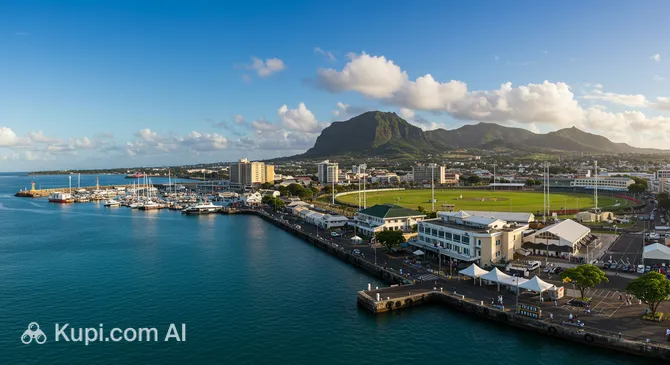
Port Louis. Source: Kupi.Binoculars

The city's character is deeply rooted in its past, serving as a major port of call in the Indian Ocean for centuries. Visitors eager to understand the foundations of this multicultural hub can delve into the history of Port Louis, discovering how French and British colonial influences have shaped its architecture and urban layout. From ancient stone cobblestones to historic government houses, the echoes of the past are visible at every turn.

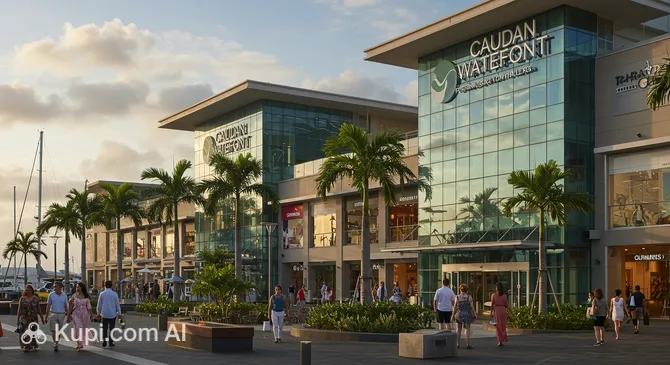
Travelers will find plenty to explore, starting with the famous Central Market. This sensory explosion of colors and scents is the perfect place to buy fresh tropical fruits, vegetables, and local spices. For a more modern experience, the Caudan Waterfront offers excellent shopping, dining, and entertainment options right by the water. Additionally, the historic Fort Adelaide (La Citadelle) sits atop a hill, offering breathtaking panoramic views of the city and the ocean beyond.

Port Louis is more than just an administrative center; it is a lively destination that invites you to experience the authentic rhythm of island life. Whether you are strolling along the waterfront or exploring its historic streets, a visit here provides an unforgettable introduction to the rich culture of Mauritius.

Weather Overview

Understanding the local climate is key to planning a comfortable trip to the capital. The city generally enjoys a tropical environment with two distinct seasons, ensuring warm weather for most of the year. For a more detailed forecast and seasonal breakdown, you can consult the guide to the weather in Port Louis before your departure.

The summer months, particularly from January to March, are the warmest and wettest time of the year. During this period, average temperatures hover around 26.2°C, with daily highs reaching up to 27.8°C. Travelers should be prepared for frequent showers, as these months typically see between 22 and 24 wet days.

In contrast, the winter season from June to September brings milder and drier conditions. Average temperatures dip to approximately 21.5°C, with lows occasionally falling to around 19.7°C in August. Rainfall decreases significantly during this time, with only about 8 to 10 wet days per month, making it an excellent period for walking tours and outdoor activities.

Interesting Facts

Beyond the main attractions, Port Louis holds many fascinating secrets and historical footnotes that often escape the casual observer. Digging a little deeper reveals unique stories about its global significance and colonial past that make a visit even more rewarding.

Fort Adelaide (Citadel). Source: Kupi.Binoculars
  • The city is home to one of the most valuable items in the philatelic world. The Blue Penny Museum displays the original 1847 Blue Penny and Red Penny stamps, which are famous for a legendary printing error where the words "Post Office" were used instead of "Post Paid."

  • Port Louis hosts the oldest horse-racing track in the Southern Hemisphere. The Champ de Mars was inaugurated in 1812, shortly after the British took control of the island, and was intended to be a place where the French settlers and British administrators could socialize and reconcile.

  • The Aapravasi Ghat is not just a historic site but a location of global importance as the site of the "Great Experiment." This was the first place where the British government tested the use of indentured labor after the abolition of slavery, a system that eventually spread to other colonies around the world.

  • Although Fort Adelaide (Citadel) offers stunning views of the harbor today, its original purpose was quite different. It was built not only to defend against naval attacks but also to keep a watchful eye on the city's population and quell any potential uprisings during the transition of colonial power.

How to Get There

Reaching the capital of Mauritius is a straightforward experience for international travelers, with the island's main air hub serving as the primary gateway. Visitors can find detailed information on all available transport options, including transfers and local connections, by reading more about how to get to Port Louis.

The most convenient entry point is Sir Seewoosagur Ramgoolam International Airport (IATA: MRU), which handles the vast majority of international flights to the country. Although the data lists it under Port Louis, it is actually located in the southeast of the island, approximately 35 km from the capital. A journey by taxi or rental car from the airport to the city center typically takes around 75 minutes, depending on traffic conditions. As the island's premier aviation facility, it welcomes millions of passengers annually and offers a wide range of services.

For those traveling regionally in the Indian Ocean, Reunion Roland Garros Airport (IATA: RUN) serves as another significant hub. It is located in Saint-Denis on the neighboring island of Reunion, about 223 km away from Port Louis. While it does not offer direct ground access to Mauritius, it is a key connecting point for flights between the islands.

For clarity, here is a summary of the main airports in the region:

Airport Name City Passenger Traffic Km from City
Sir Seewoosagur Ramgoolam International Airport Port Louis High 35.4
Reunion Roland Garros Airport Saint-Denis High 222.7
Pierrefonds Airport Saint Pierre Small 251.6

Main Attractions

Port Louis is a city where history and modernity converge, offering travelers a rich tapestry of cultural heritage, shopping, and natural beauty. From UNESCO World Heritage sites to bustling local bazaars, the capital provides a diverse range of experiences that showcase the soul of Mauritius.

A designated UNESCO World Heritage site, the Aapravasi Ghat is one of the most historically significant locations on the island. This immigration depot served as the landing point for nearly half a million indentured laborers arriving from India between 1849 and 1923. For tourists, it offers a deeply moving insight into the "Great Experiment" that shaped the nation's demographics. The site features preserved stone buildings and an interpretation center that narrates the stories of the ancestors of the majority of the Mauritian population.

Aapravasi Ghat. Source: Kupi.Binoculars

For a lively atmosphere and scenic views, the Caudan Waterfront is the city's premier commercial and leisure hub. Located directly on the harbor, this vibrant complex is a stark contrast to the old stone buildings nearby, featuring modern architecture, a marina, and a wide array of restaurants and shops. Visitors flock here to stroll under the colorful canopy of the "Umbrella Square," buy local crafts, or simply enjoy a meal by the water while watching ships dock in the port.

Caudan Waterfront. Source: Kupi.Binoculars

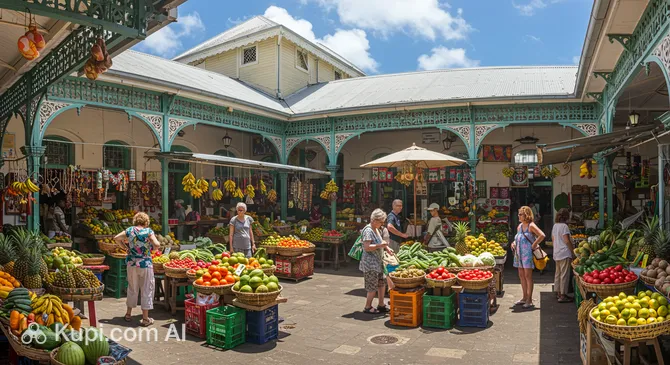
Those seeking an authentic taste of local life must visit the Central Market. Operating since the Victorian era, this bustling bazaar is a sensory explosion of colors and scents, where vendors sell everything from tropical fruits and herbal medicines to textiles. It is a fascinating place for tourists to interact with locals and try famous street foods like "dholl puri" and "alouda," offering a genuine glimpse into the daily rhythm of the city.

Central Market. Source: Kupi.Binoculars

Amidst the busy streets of the capital stands the majestic Jummah Mosque, an architectural gem dating back to the 1850s. The building is a beautiful blend of Indian, Creole, and Islamic design, characterized by its pristine white facade and heavy timber doors. It serves as a peaceful sanctuary away from the urban noise, allowing visitors to appreciate the island's religious harmony and the stunning craftsmanship of the structure.

Jummah Mosque. Source: Kupi.Binoculars

Nature enthusiasts and families will find the Odysseo Oceanarium to be a captivating destination. As the first oceanarium in the Mascarene Islands, it is dedicated to marine conservation and education. The facility features impressive tanks housing sharks, rays, and colorful coral fish, providing an immersive underwater experience that highlights the rich biodiversity of the Indian Ocean.

Local Cuisine

The culinary landscape of Port Louis is a delicious reflection of its multicultural history, blending Indian, Creole, Chinese, and French influences into a unique gastronomic experience. For food lovers, the city is a playground of flavors where spicy curries, fragrant briyanis, and fresh seafood are readily available around every corner. The food scene here is unpretentious yet incredibly rich, driven largely by a vibrant street food culture that locals cherish daily.

No visit to the capital is complete without trying Dholl Puri, which is widely considered the national street food of Mauritius. These soft, thin flatbreads stuffed with ground yellow split peas are typically served with bean curry, pickles, and chutney, offering a perfect balance of textures and spices. Another must-try snack is Gateaux Piments, or chili cakes. These crunchy, deep-fried balls made from split peas and chilies are often eaten hot inside a baguette or simply on their own as a savory treat.

To quench your thirst, look for a glass of Alouda, a refreshing local drink made with milk, basil seeds, agar-agar jelly, and vanilla or almond essence. It is particularly popular at the Central Market, where it serves as a sweet respite from the tropical heat. For those interested in alcoholic beverages, the locally brewed Phoenix Beer is a staple at gatherings, while Mauritian rum, often infused with vanilla or spices, is a perfect way to end a meal.

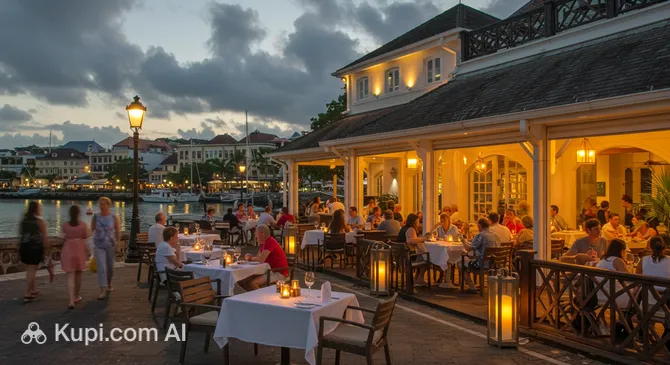
While street stalls offer quick and authentic bites, the city also boasts excellent sit-down venues that combine great food with atmosphere. A notable spot is Wapalapam La Place, known for its artisanal approach to local cuisine and relaxed setting. Here, visitors can enjoy refined versions of island classics in a charming environment tucked away from the busiest streets.

Wapalapam La Place. Source: Kupi.Binoculars

For those who prefer dining with a view, the Port Louis Waterfront provides a scenic backdrop of the harbor. This area is lined with various eateries ranging from fast food to upscale dining, making it a popular destination for both tourists and locals to enjoy a meal while watching the ships dock. Whether you are grabbing a bowl of Chinese-style Boulettes (dumplings) in broth or enjoying a seafood platter by the sea, Port Louis offers a feast for every palate.

Travel Tips

To ensure your visit to this bustling capital is as smooth and enjoyable as possible, we have compiled some essential advice for your journey. A little preparation goes a long way in helping you navigate the unique rhythm of Port Louis, allowing you to focus on the sights, sounds, and flavors of the city.

  1. Clothing and Gear: Given the tropical climate, lightweight and breathable fabrics like cotton or linen are your best friends. However, the weather can be unpredictable, so packing a compact umbrella or a light raincoat is wise for sudden showers. Comfortable walking shoes are a must for navigating the uneven pavements. If you plan to visit religious sites like the Jummah Mosque, remember to dress modestly; cover your shoulders and knees to show respect.

  2. Transportation: The city center is best explored on foot, but traffic can be heavy. For longer distances, the modern Metro Express is a comfortable and efficient way to travel between Port Louis and other major towns. Buses are an affordable option but can be crowded. If you take a taxi, ensure the driver uses the meter or agree on a fare before starting your journey. Car rental is generally not recommended for exploring the city itself due to limited parking and congestion.

  3. Finances: The local currency is the Mauritian Rupee (MUR). While credit cards are widely accepted at the Caudan Waterfront and major restaurants, cash is king at the Central Market and street food stalls. ATMs are plentiful throughout the city. Tipping is not mandatory but is appreciated for good service; leaving around 10% or rounding up the bill is a kind gesture.

  4. Health and Safety: Port Louis is generally safe for tourists, especially during the day. However, it is advisable to avoid walking alone in deserted areas after dark, as the business district empties out quickly in the evening. Pharmacies are easy to find for minor ailments, and major hospitals are available for emergencies. Always keep an eye on your belongings in crowded places like the market.

  5. Communication: English is the official language and is used in government and schools, so you will have no trouble reading signs or menus. However, French and Kreol Morisien are the primary languages of daily life. Most locals are bilingual or trilingual. Learning a simple "Bonjour" (Hello) or "Merci" (Thank you) will be warmly received. SIM cards from providers like Emtel or My.T are easily available with your passport.

  6. Local Etiquette: Mauritians are known for their warmth and politeness. A handshake is a common greeting. When visiting homes or places of worship, it is customary to remove your shoes. Always ask for permission before taking photos of locals, and use your right hand for eating or passing objects, as is the custom in many cultures represented here.

  7. What to Avoid: Do not wear beachwear or overly revealing clothing in the city center; reserve swimsuits for the beach resorts. Also, avoid planning a major shopping trip to the city center on a Sunday, as most shops and businesses (outside of the waterfront complex) are closed.

  8. Shop Hours Alert: Be aware that Port Louis is an "early to bed" city commercially. Most shops in the center close between 4:00 PM and 5:00 PM on weekdays and even earlier on Saturdays. Plan your shopping excursions for the morning or early afternoon to avoid disappointment.

By keeping these practical tips in mind, you will be well-equipped to embrace the diverse and energetic spirit of the city. Port Louis is a place that rewards the prepared traveler with rich cultural encounters and unforgettable memories.

Entertainment & Nightlife

While the coastal resort towns of Mauritius are famous for their energetic party scenes, Port Louis offers a more sophisticated and relaxed approach to nightlife. The capital does not bustle with wild nightclubs until dawn; instead, it provides a charming setting for evening dining, cultural performances, and sunset cocktails. The nightlife here is concentrated almost exclusively around the waterfront, where the cool sea breeze complements the urban atmosphere.

The heart of the city's evening entertainment is undoubtedly the Caudan Waterfront. As the sun sets, this area transforms into a lively social hub where locals and tourists gather to unwind. Visitors can stroll through Umbrella Square, admiring the colorful canopy overhead, or settle into one of the many marina-side bars. The vibe is distinctively "after-work," characterized by a smart-casual crowd enjoying live bands, happy hours, and the twinkling lights of the harbor.

For those seeking a touch of culture, the Caudan Arts Centre is a premier venue that frequently hosts concerts, theater productions, and art exhibitions. It is a state-of-the-art facility that adds a refined flavor to the city's nightlife, offering everything from local Sega performances to international shows. Checking their schedule in advance is highly recommended for travelers interested in the arts.

Caudan Arts Centre. Source: Kupi.Binoculars

Practicality is key when planning a night out in the capital. It is important to note that the central business district and the old streets of Port Louis tend to empty out rapidly after 5:00 PM, becoming very quiet and dark. Therefore, it is best to stick to the secure and well-lit precincts of the waterfront. Public buses stop running early in the evening, so arranging a private taxi for your return journey is essential. Taxis are readily available at the waterfront taxi stand, but negotiating the fare beforehand is standard practice.

Beyond the evening allure, the city offers engaging daytime entertainment for culture enthusiasts. History buffs can explore the Blue Penny Museum, which houses rare collections and provides a deep dive into the island's colonial past. Whether you are watching a show or simply enjoying a meal by the water, Port Louis provides a memorable, albeit more laid-back, alternative to the beach parties found elsewhere on the island.

Parks & Museums

To uncover the deeper layers of Mauritian history and enjoy moments of tranquility, visitors should explore the capital's dedicated cultural institutions and open spaces. Port Louis is home to several museums and parks that preserve the island's heritage and offer scenic spots for relaxation away from the busy streets.

One of the most prestigious cultural landmarks in the city is the Blue Penny Museum. Located at the waterfront, this facility is renowned far beyond the philatelic world. While famous for housing the rare 1847 "Post Office" stamps, the museum also presents a comprehensive collection of antique maps, engravings, and sculptures. These exhibits vividly narrate the history of exploration in the Indian Ocean and the colonial development of the island, making it an essential stop for history buffs.

Blue Penny Museum. Source: Kupi.Binoculars

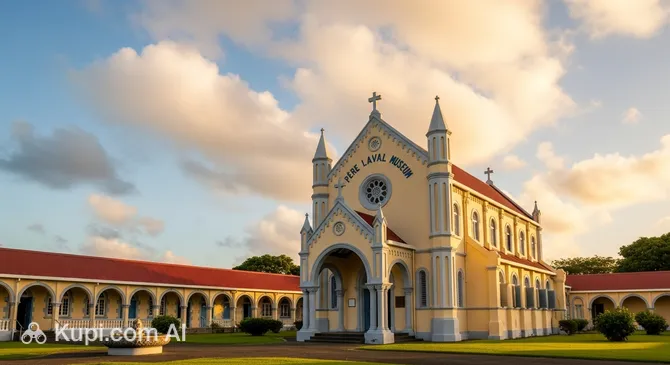
For a spiritual and historical experience, the Père Laval Museum offers a unique glimpse into the religious fabric of the country. Dedicated to Father Jacques-Désiré Laval, a French missionary known as the "Apostle of the Black People," this site is a major pilgrimage destination. The complex includes his shrine and a museum displaying his personal effects and letters. It stands as a testament to his work in alleviating the suffering of the newly freed slaves in the 19th century.

Père Laval Museum. Source: Kupi.Binoculars

Those seeking fresh air and panoramic views should visit Marie Reine de la Paix. Situated on the slopes of Signal Mountain, this open-air church and garden is a popular spot for both locals and tourists. A monumental statue of the Virgin Mary overlooks the city, and the terraced gardens provide a peaceful environment for a walk. The site offers one of the best vantage points to admire the city skyline and the harbor, especially during the cooler late afternoon hours.

Marie Reine de la Paix. Source: Kupi.Binoculars

In the heart of the city, the Jardin de la Compagnie serves as a vital green lung for the capital. This historic garden, filled with massive banyan trees and statues of prominent figures, is a favorite meeting place for office workers and students. It is an excellent spot to sit on a bench, enjoy the shade, and observe the daily life of Port Louis residents amidst the colonial statues and fountains.

Additionally, history enthusiasts can seek out the Martello Tower at Fort George. Although less visited than the main citadel, this fortification is a remnant of the British colonial defense system. These round stone towers were built in the 19th century to protect the coastline from naval attacks, and they remain fascinating examples of military architecture from that era.

Getting Around

Navigating the capital is an experience that blends modern efficiency with the traditional rhythms of island life. The public transport system in Port Louis serves as the central hub for the entire region, making it relatively easy for tourists to arrive from neighboring towns or explore the city itself. The two main modes of transportation are the newly established light rail system and the extensive, colorful bus network.

The Metro Express is the most comfortable and modern way to travel into and out of the city. This light rail transit system connects Port Louis (Victoria Station) with major residential towns like Rose Hill, Quatre Bornes, and Curepipe. The trains are air-conditioned, clean, and offer scenic views of the urban landscape and mountains. For visitors, this is often the preferred method for reaching the city center to avoid the heavy road traffic that characterizes the morning and afternoon rush hours.

For a more authentic local experience, the bus system is ubiquitous and affordable. Port Louis hosts two major bus terminals: Victoria Square (Gare du Sud), which serves routes to the south and east, and Immigration Square (Gare du Nord), serving the north. Buses range from "standard" vehicles, which are non-air-conditioned and often play lively local music, to "express" coaches that offer air conditioning for a slightly higher fare. While buses can be slower due to congestion, they provide a comprehensive network that reaches corners of the city not covered by the metro.

Payment methods differ depending on your choice of transport. For the Metro Express, you can purchase single-use paper tickets at vending machines located at every station. Alternatively, if you plan to use the metro frequently, you can buy a MECard, a contactless smart card that you tap in and out at the station gates. On buses, the system is more traditional. You typically pay the conductor in cash after boarding. It is essential to carry small change, as conductors may not always have change for large banknotes.

Taxis are widely available and can be found at designated stands, particularly near the waterfront and markets. Unlike in many other major cities, taxis here often do not use meters. It is crucial to negotiate and agree on the fare with the driver before getting into the car to avoid misunderstandings. For a more independent option, car rentals are available, but driving in the city center can be stressful due to narrow streets and limited parking. Walking remains the best way to explore the historic center once you have arrived.

Tourists should be aware of the operating hours to plan their days effectively. The Metro Express typically runs from 6:00 AM to around 7:00 PM or later, depending on the day of the week, while bus services usually wind down by early evening, around 6:30 PM to 7:00 PM. If you plan to stay in the city for dinner or nightlife, ensure you have a return plan, such as a pre-booked taxi, as public transport options become very limited after dark.

Accommodation

Accommodation in Port Louis differs significantly from the typical beach resort experience found elsewhere in Mauritius. As the commercial and administrative capital, the city primarily caters to business travelers and those seeking short stays. The available options generally range from modern business hotels and serviced apartments to modest guesthouses. While you will not find sprawling all-inclusive resorts within the city limits, the accommodation landscape is well-suited for travelers who prioritize convenience and urban accessibility.

The most popular and prestigious area to stay is the Caudan Waterfront district. This location offers upscale hotels that provide scenic views of the marina and easy access to shopping, dining, and the business center. Staying here ensures a comfortable environment with plenty of amenities right at your doorstep. In contrast, the inner city streets offer more budget-friendly options, though these areas tend to be very quiet after dark and offer fewer tourist-oriented services.

For many leisure tourists, a common strategy is to stay in the coastal resort towns of the north or west, such as Grand Baie or Flic-en-Flac, and visit Port Louis for day trips. However, choosing to stay in the capital itself offers a unique advantage: you can experience the city's authentic rhythm without the daily commute and enjoy the historical sites early in the morning before the crowds arrive.

In terms of pricing, hotels along the waterfront typically fall into the mid-to-high range due to their prime location and business facilities. Budget travelers can find affordable guesthouses and smaller hotels further inland. It is advisable to book accommodation in advance through online platforms, especially if you are visiting during the week, as the best hotels are often occupied by corporate travelers attending meetings and conferences.

Nearby Cities

For those looking to explore the surroundings, Port Louis serves as an excellent base for day trips to several interesting nearby locations:

Just a short drive towards the central plateau lies Curepipe, often referred to as the "City of Light." Known for its cooler climate, it offers a refreshing escape from the coastal heat. The town is famous for the Trou aux Cerfs, a dormant volcanic crater that provides spectacular panoramic views of the island. Visitors can also explore the historic botanical gardens or visit local workshops renowned for crafting intricate model ships.

Another vibrant town within easy reach is Quatre Bornes, popularly known as the "City of Flowers." It is a major commercial hub and a favorite destination for shoppers, particularly due to its famous market. Here, travelers can browse through colorful stalls selling textiles, clothing, and souvenirs at competitive prices, experiencing the energetic atmosphere of daily Mauritian life.

For a taste of the north, Goodlands offers a bustling environment deeply rooted in the island's culture. It is well-known for its lively fairs and proximity to historic colonial estates, such as the Demeure de Saint Antoine. A visit here provides a chance to see the more rural and traditional side of the country, distinct from the urban capital.

City Population Distance (km)
Curepipe 299975 17
Quatre Bornes 77308 12
Rodrigues 40000 622
Quartier Militaire 22745 14
Goodlands 20712 21

These nearby destinations offer a glimpse into the diverse culture and landscapes of the region.

Shopping & Souvenirs

Shopping in Port Louis offers a striking contrast between the traditional and the modern, serving as a microcosm of the island's diverse culture. Visitors can navigate between bustling street stalls filled with aromatic spices and sleek, air-conditioned boutiques selling international fashion. It is the primary commercial hub of Mauritius, making it the best place to find everything from authentic local handicrafts to duty-free luxury goods.

The most authentic shopping experience is found in the busy streets surrounding the city center. Farquhar Street and La Corderie Street are teeming with activity, lined with textile shops, haberdasheries, and hawkers selling clothing at bargain prices. A short walk away lies the Chinatown district, centered along Royal Road, where travelers can discover traditional Chinese herbal medicines, unique dried foods, and colorful trinkets in small, family-run stores.

For a more relaxed and upscale environment, the Caudan Waterfront is the undisputed highlight. This open-air complex features over 170 boutiques, offering high-end jewelry, beachwear, and books. It is also home to the Craft Market, where artisans sell higher-quality local products. Adjacent to this is the Port Louis Waterfront, which extends the shopping experience with additional retail outlets and a scenic promenade, perfect for a leisurely stroll between purchases.

Port Louis Waterfront. Source: Kupi.Binoculars

No shopping trip to the capital is complete without visiting the historic Central Market. This vibrant bazaar is the soul of the city's trade. The ground floor is a sensory explosion of fresh vegetables and exotic fruits, while the upper level is dedicated to handicrafts and souvenirs. It is the ideal place to practice your bargaining skills and engage with local vendors who are eager to show off their wares, from woven baskets to colorful textiles.

When looking for the perfect gift to take home, ship models are a quintessential Mauritian souvenir, renowned worldwide for their intricate detail. Other popular items include vanilla tea, locally produced rum, and packets of unrefined sugars. You will also find an abundance of dodo merchandise, ranging from magnets to plush toys, celebrating the island's famous extinct bird.

Travelers should be mindful of the city's operating hours. Most shops in the center open around 9:00 AM and close quite early, typically by 4:00 PM or 5:00 PM on weekdays. On Saturdays, many businesses close by 12:00 PM, and the city center is largely quiet on Sundays. However, the shops at the Caudan Waterfront generally stay open later, often until 9:00 PM on Fridays and Saturdays. While credit cards are widely accepted in malls, carrying cash is essential for street vendors and the market.

Mauritius offers a Tax Refund scheme for international visitors. When shopping at registered stores displaying the "Tax Refund" sign, tourists can claim back the Value Added Tax (VAT) on purchases exceeding a certain amount (typically 2,300 MUR) in a single store. Be sure to ask the shop assistant for the necessary VAT Paid 70 form and present your goods and receipts at the MRA counter at the airport before departure.

Nearby cities

Reached the end of the page?

That means the route is fully explored