Support

Rodrigues

About

Rodrigues is a captivating jewel in the Indian Ocean, offering a serene and authentic travel experience that feels worlds away from the hustle and bustle of modern life. As an autonomous outer island of Mauritius, it is renowned for its unspoiled beauty, rolling hills, and a vast turquoise lagoon that is twice the size of the land itself. The island is often affectionately referred to as the "Cinderella of the Mascarenes" due to its modest yet enchanting charm.
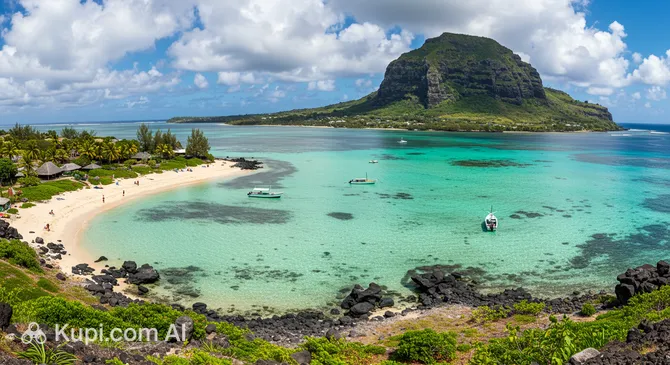
Rodrigues. Source: Kupi.Binoculars

Geographically, the island is of volcanic origin and is located approximately 560 kilometers east of the main Mauritian island. Despite its relatively small size, Rodrigues boasts a diverse landscape ranging from dramatic cliffs to secluded coves. It is home to a warm and welcoming population of around 40,000 people, whose lifestyle is deeply rooted in fishing, agriculture, and traditional craftsmanship.

The history of Rodrigues is a fascinating journey through maritime exploration and colonial eras, which has cultivated a unique Creole culture that is distinct from its neighbors. Visitors will find that the local traditions, music, and cuisine are proudly preserved and celebrated across the island.

For nature lovers and adventure seekers, Rodrigues is a paradise. One of the top attractions is the François Leguat Giant Tortoise and Cave Reserve, where you can walk among hundreds of giant tortoises and explore impressive limestone caves. The island is also famous for Trou d'Argent, a breathtaking beach accessible only by foot, offering secluded sands and crystal-clear waters. Additionally, the extensive lagoon makes it a world-class destination for kitesurfing and snorkeling.

If you are looking for a destination that combines natural splendor with genuine hospitality, Rodrigues is the perfect choice. Its slow pace of life invites you to disconnect, relax, and immerse yourself in the raw beauty of the Indian Ocean.
Weather Overview

Rodrigues generally experiences a pleasant tropical climate that makes it a viable destination throughout the year. The weather is characterized by consistent warmth, though it shifts between a hotter, more humid season and a cooler, fresher period. Understanding these seasonal variations can help you choose the best time for your island activities.

For a comprehensive breakdown of conditions and forecasts, you can consult the detailed guide to the weather in Rodrigues. The warmest months are typically from January to March, where average temperatures hover around 26°C to 27°C, with highs occasionally reaching nearly 28°C. This period is also when you are most likely to encounter rain; March, for instance, records approximately 23 wet days, suggesting that showers are a common occurrence during the summer peak.

From May onwards, the island transitions into a cooler season. August is generally the coolest month, with average temperatures dipping to around 22.6°C and minimums near 22°C. While rain is still possible, the frequency drops slightly during this time, with September seeing the fewest wet days of the year. This milder weather is often preferred by those looking to explore the island's trails without the intensity of the summer heat.

In summary, you can expect warm summers with frequent rainy days and mild, comfortable winters that are perfect for outdoor exploration.

Interesting Facts

Beyond the main attractions, Rodrigues holds many fascinating secrets that reveal the island's unique spirit and history. Here are a few surprising facts that make this destination truly special.
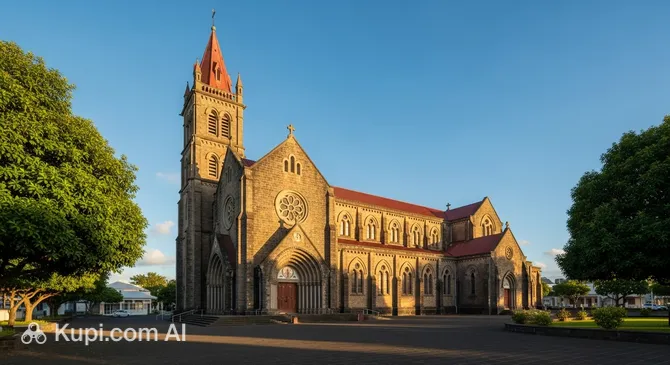
  • While exploring the interior, you might be surprised to learn that the St Gabriel Cathedral was built entirely by the hands of the faithful. Every Sunday, parishioners would carry heavy coral blocks and sand from the coast up to the construction site, creating what was for a long time the largest church in the Indian Ocean.

  • The island was once the exclusive home of the Rodrigues Solitaire, a flightless bird and a close genetic cousin to the famous Dodo of Mauritius. Although the species went extinct in the 18th century, its legacy is preserved in local museums and remains a symbol of the island's unique biodiversity.

  • Rodrigues is a regional pioneer in environmental stewardship, having banned the use of plastic bags and food containers long before many larger nations. This strict policy is rigorously enforced to maintain the pristine condition of its nature reserves and the massive lagoon that surrounds the island.

  • A unique cultural sight is the "drying of the octopus." If you drive along the coast, you will often see lines of octopus strung up in the sun like laundry. This delicacy is caught by "piqueuses d'ourite," local women who walk the reef at low tide using traditional techniques passed down through generations.

St Gabriel Cathedral. Source: Kupi.Binoculars

How to Get There

Reaching this secluded paradise is an adventure in itself, with air travel being the most popular and time-efficient method. Most travelers arrive via Rodrigues Island Airport (RRG), which is well-connected to the main island of Mauritius. The airport is located approximately 8 km from the center, making transfers quick and convenient. A taxi or hotel shuttle will typically get you to your destination in about 30 to 35 minutes, allowing you to start your vacation almost immediately upon landing.

While flying is the standard choice, adventurous travelers can also opt for a sea voyage. A ferry service operates between Mauritius and Rodrigues, offering a unique perspective of the Indian Ocean, though the journey takes considerably longer than a flight. For a detailed breakdown of schedules and tips, you can read more about how to get to Rodrigues.

For clarity, here is a summary of the main airport:

Airport Name City Passenger Traffic Km from City
Rodrigues Island Airport Rodrigues Medium 7.9

Main Attractions

Rodrigues may be small, but it is packed with natural wonders and cultural landmarks that offer a glimpse into its unique heritage. From architectural marvels to pristine nature reserves, the island provides a variety of experiences for every type of traveler. Here are some of the most captivating places to visit.

One of the most prominent landmarks on the island is the St Gabriel Cathedral. Located in the heart of Rodrigues, this imposing structure is renowned for being one of the largest churches in the Indian Ocean. Constructed between 1936 and 1939, it was built using coral and limestone laboriously hauled from the coast by the local community. Its grandeur and the sheer collective effort behind its construction make it a symbol of the island's deep religious faith and community spirit.

For those seeking to immerse themselves in the island's natural history, the François Leguat Giant Tortoise and Cave Reserve is an absolute must-visit. This conservation project has successfully reintroduced giant tortoises to the island, allowing visitors to walk amongst hundreds of these gentle giants in a restored native forest. The reserve also features spectacular limestone caves, offering a fascinating underground adventure that contrasts with the lush greenery above.

Another jewel in Rodrigues' crown is Trou d'Argent, often cited as one of the most beautiful beaches in the region. Accessible only by foot, this secluded cove is framed by high cliffs and offers a sense of isolation and tranquility that is hard to find elsewhere. The combination of white sands, crystal-clear waters, and the rhythmic sound of waves crashing against the rocks creates a mesmerizing atmosphere perfect for relaxation and photography.

La Case Mama Chez Paulina. Source: Kupi.Binoculars

To experience the true flavor of the island, a visit to La Case Mama Chez Paulina is highly recommended. More than just a dining spot, this establishment is a cultural institution located near the beach. It offers an authentic "feet in the sand" culinary experience where you can savor fresh local seafood and traditional dishes. The relaxed vibe and warm hospitality here perfectly encapsulate the welcoming spirit of the Rodriguans.

Finally, nature enthusiasts should not miss a boat trip to Ile aux Cocos. This small islet, located within the lagoon, is a protected bird sanctuary. It is home to thousands of seabirds, including noddies and terns, which can be observed in their natural habitat. The surrounding waters are also incredibly shallow and clear, making it a fantastic spot for wading and admiring the pristine marine environment.

Local Cuisine

The culinary landscape of Rodrigues is a delightful reflection of its rustic charm and abundant natural resources. Distinct from the cuisine of the main island of Mauritius, Rodriguan food is celebrated for its simplicity, freshness, and bold flavors. The island is known as the "pantry" of the region, producing high-quality ingredients that define its gastronomy, particularly seafood and organic produce.

The undisputed star of the local table is the octopus, or ourite as it is known locally. You cannot leave the island without trying a zesty octopus salad, marinated with lime, onions, and green chilies, or a rich octopus curry stewed with local spices. The unique flavor often comes from the traditional method of sun-drying the octopus before cooking, which concentrates the taste and gives the dishes a distinctive texture.

Beyond seafood, the island has several other culinary staples. Soupe maïs (corn soup) is a comforting traditional dish often served with red kidney beans and pickles. Speaking of pickles, Rodrigues is famous for its achards—condiments made from mango, lemon, or vegetables preserved in oil, turmeric, and chili. These jars of spicy goodness are found on almost every dining table and make for excellent souvenirs.

For those with a sweet tooth, the Tourte Rodriguaise is a must-try delicacy. This enclosed pie, typically filled with papaya, coconut, or cinnamon, is a dense and sweet treat perfect for breakfast or afternoon tea. To wash it all down, try the refreshing local limonade, a carbonated lime drink produced on the island, or sip on a glass of rhum arrangé, a rum infused with local fruits and spices that captures the tropical spirit.

Dining in Rodrigues is often a communal and homely affair. While there are restaurants, the true heart of the food culture lies in the "tables d'hôte" (guest tables), where locals open their homes to serve authentic home-cooked meals. For a more casual experience, the Saturday market in Port Mathurin is the best place to sample street food and buy local honey. If you are looking for a relaxed atmosphere by the sea, La Case Mama Chez Paulina is an excellent spot to enjoy fresh grilled fish and local specialties with your feet in the sand.

Travel Tips

Visiting Rodrigues is like stepping back in time to a place where life moves at a gentler, unhurried pace. To help you fully embrace the island's unique "anti-stress" lifestyle while ensuring a smooth journey, here are some practical tips tailored for your adventure.

  1. Clothing and Gear: While the climate is tropical, the island is known for its trade winds, especially between June and September. Pack light, breathable fabrics for the day, but definitely bring a windbreaker or light sweater for breezy evenings. Since the lagoon is a major highlight, bring sturdy reef shoes to protect your feet from sharp corals and stonefish while wading or snorkeling.
  2. Transportation: The terrain in Rodrigues is surprisingly hilly and winding. The most convenient way to explore is by renting a 4x4 vehicle or a pickup truck, which handles the steep roads better than a standard car. Public buses are colorful and an authentic experience, but they can be slow and stop running relatively early in the evening.
  3. Finances: The local currency is the Mauritian Rupee (MUR). While major hotels and restaurants accept credit cards, cash is absolute king in small shops, local eateries ("snacks"), and the famous Port Mathurin market. ATMs are available, primarily in Port Mathurin, Mont Lubin, and the airport, so withdraw enough cash when you are in these central hubs.
  4. Health and Safety: Rodrigues is one of the safest destinations in the Indian Ocean, with very low crime rates. However, basic precautions like locking your accommodation and vehicle are still advised. Pharmacies are mostly concentrated in Port Mathurin and may close for lunch or on Sundays. It is recommended to drink bottled or filtered water rather than tap water.
  5. Communication: English is the official language, but French and Rodriguan Creole are the languages of daily life. Most locals speak French fluently. Learning a simple "Bonjour" (Hello) and "Merci" (Thank you) goes a long way. Wi-Fi is standard in hotels, but for reliable mobile data while exploring, you can purchase a local SIM card (Emtel or My.t) in Port Mathurin.
  6. Local Etiquette: The island culture is warm but conservative. Always greet people when entering a shop or boarding a bus; it is considered polite and builds a connection. When visiting religious sites like St Gabriel Cathedral, ensure your shoulders and knees are covered. Public displays of affection should be modest.
  7. What to Avoid: Rodrigues has a strict ban on single-use plastics to protect its environment. Do not bring or use plastic bags; utilize reusable cloth bags instead. Also, avoid walking on the coral reefs to preserve the fragile marine ecosystem that the islanders work hard to protect.
  8. Shop Opening Hours: Be aware that the island wakes up early and closes early. Most shops and businesses in Port Mathurin close by 12:00 PM or 1:00 PM on Saturdays and remain closed on Sundays. Plan your grocery shopping and souvenir hunting for weekday mornings to avoid disappointment.

By keeping these practicalities in mind, you will be well-prepared to relax and sync your watch to "Rodrigues time." Enjoy the genuine hospitality and the raw natural beauty of this unforgettable island sanctuary.

Entertainment & Nightlife

Rodrigues offers a nightlife experience that is distinctly different from the high-energy club scenes found in many major tourist destinations. Here, the evening entertainment is defined by its authenticity, warmth, and relaxed island rhythm. Instead of neon-lit strip malls, you will find cozy local bars, vibrant hotel entertainment nights, and star-filled skies that provide the perfect backdrop for a laid-back night out. The atmosphere is incredibly casual, where flip-flops are the standard dress code and locals are eager to share a story or a dance.

The main hub for evening activity is generally concentrated around Port Mathurin and the nearby coastal village of Anse aux Anglais. This area is considered the closest thing to a "nightlife district" on the island. On weekends, particularly Friday and Saturday nights, the atmosphere here livens up considerably. You can find locals and visitors mingling at small bars and eateries, enjoying cold drinks and the sound of the ocean. It is the perfect place to experience the "Rodriguan vibe," which is friendly, safe, and unpretentious.

For a memorable evening combining food and atmosphere, La Case Mama Chez Paulina is an excellent choice. Located near the beach, this venue transforms as the sun sets, offering a rustic and charming setting where you can enjoy fresh seafood dinners often accompanied by the sound of waves or local tunes. Apart from standalone venues, much of the island's nightlife is hosted by hotels and guesthouses. Places like the Cotton Bay Hotel or Mourouk Ebony often organize Sega Tambour nights. These events are a cultural highlight, featuring traditional drumming and dancing that invite guests to join in around a campfire or on the sand.

Practical planning is essential for a night out in Rodrigues. The public bus system stops running relatively early, usually around sunset, so it is not a viable option for returning home after dinner or drinks. Taxis do not typically cruise the streets looking for passengers at night. It is crucial to pre-book your taxi for the return journey or arrange transport through your accommodation before you head out. Prices are reasonable, but agreeing on a fare beforehand is standard practice.

Safety is one of the island's greatest assets. Walking around at night in main areas like Anse aux Anglais is generally very safe, and the crime rate is low. However, street lighting can be sparse in rural areas, so carrying a torch or using your phone light is advisable if you are walking back to a guesthouse. The local crowd is welcoming, but as with any travel destination, it is wise to stay in groups and keep an eye on your belongings.

While the nights are for relaxing and soaking up the culture, daytime entertainment in Rodrigues offers its own charm. Visitors can explore local history at small heritage sites or engage in outdoor adventures. The island does not have large amusement parks or multiplex cinemas; instead, entertainment takes the form of exploring nature reserves, visiting artisanal workshops, or wandering through the bustling morning markets that showcase the island's vibrant daily life.

Parks & Museums

Rodrigues is an island where nature itself serves as the grandest park, and history is etched into the landscape rather than confined solely to glass cases. While you won't find manicured urban parks in the traditional sense, the island offers exceptional nature reserves and cultural sites that allow you to connect deeply with its unique environment and heritage.

For a true immersion into the island's original ecosystem, the Grande Montagne Nature Reserve is an essential stop. Located in the central highlands, this protected area is the "green lung" of Rodrigues and the site of an ambitious forest restoration project. It is one of the few places where you can walk through the remnants of the native forest that once covered the entire island. The reserve is particularly famous for being the sanctuary of the Rodrigues Fruit Bat and the Rodrigues Warbler, two endemic species saved from the brink of extinction. Guided tours here are highly educational, offering a glimpse into the delicate balance of this isolated ecosystem.

Another unique green space is the Jardin des 5 Sens (Garden of Five Senses), situated near Mont Bois Noir. As the name suggests, this botanical garden is designed to be an interactive experience where visitors are encouraged to touch, smell, and even taste parts of the collection. The garden showcases a variety of endemic plants, medicinal herbs, and fruit trees used in traditional Rodriguan culture. It is a peaceful and sensory-rich excursion that provides insight into the local flora and its daily uses by the islanders.

In terms of cultural history, the François Leguat Museum, located within the giant tortoise reserve, is arguably the most comprehensive historical venue on the island. The museum features well-curated galleries that chronicle the human and natural history of Rodrigues, from its volcanic formation to its discovery and settlement. A highlight for many is the exhibit on the Solitaire, the extinct flightless bird that was a cousin to the Dodo, as well as the history of the giant tortoises that once populated the island in the thousands. It provides crucial context that enriches the experience of exploring the rest of the reserve.

For a broader look at local heritage, the Rodrigues Museum at Baie Lascar serves as a key cultural hub. Housed in a location that reflects the island's colonial past, this museum preserves artifacts and stories related to the maritime history, slavery, and the unique Creole culture that evolved in isolation. It is a place where the soul of the island is preserved, offering visitors a deeper understanding of the resilience and traditions of the Rodriguan people.

For an insider experience, consider the coastal hiking trails, particularly closer to the east, as "linear parks." Walking from Graviers to Saint François offers a museum-like journey through geology and botany, where you can see basalt columns and rare coastal plants in their natural habitat, free of fences or tickets.

Getting Around

The public transport system in Rodrigues is refreshingly simple and revolves almost entirely around a network of buses. Unlike larger cities with complex metro or tram lines, this island relies on a fleet of colorful buses that serve as the primary lifeline for locals and visitors alike. The main hub for all routes is the central bus station in Port Mathurin, from where vehicles depart to various villages, coastal areas, and the airport.

One of the most charming features of transport here is the buses themselves. They are often painted in vibrant colors and bear unique, sometimes whimsical names like "King of the Road," "Superforce," or "King of Love." Riding one is more than just a commute; it is a cultural experience, often accompanied by local music playing over the speakers and a lively atmosphere as residents chat and transport their goods.

Payment is straightforward and old-school: cash is king. There are no travel cards, apps, or electronic passes. You simply board the bus, find a seat, and wait for the conductor to approach you. You pay the conductor directly for your journey. Fares are very affordable, typically ranging from 20 to 50 MUR depending on the distance. It is highly advisable to carry small change, as conductors may not always have enough coins for large banknotes.

For tourists, timing is everything. Buses generally operate from early morning (around 5:30 AM) until late afternoon. A crucial piece of advice is to be aware that services stop running quite early, often by 5:00 PM or 6:00 PM. On Sundays and public holidays, the frequency drops significantly, and you might wait much longer for a ride. If you plan to stay out for dinner or watch the sunset at a distant beach, you cannot rely on the bus to get you home.

Alternatives to the bus include taxis and rentals. Taxis are available but do not roam the streets looking for passengers like in major cities. You will mostly find them at the airport or the taxi stand in Port Mathurin. For trips at night or from remote locations, you must book a taxi in advance by phone or through your hotel. Be sure to negotiate and agree on the fare before starting the trip, as meters are rarely used.

Given the hilly terrain and the limited bus hours, many visitors prefer to rent their own transport. Renting a 4x4 vehicle or a pickup truck is a popular choice, allowing you to navigate the steep, winding roads with ease. For the more adventurous, scooters are also widely available and offer a fantastic way to explore the island's hidden coves at your own pace.

Accommodation

Where to Stay:

Accommodation in Rodrigues reflects the island's authentic and unpretentious character. Unlike the main island of Mauritius, you will not find high-rise mega-resorts or sprawling all-inclusive complexes here. Instead, the accommodation landscape is dominated by charming guesthouses (known locally as gîtes), bed and breakfasts, and intimate boutique hotels. These options offer a more personalized experience, often run by local families who are eager to share their culture and cuisine with guests.

When choosing an area to stay, your decision largely depends on the type of holiday you seek. Port Mathurin and the nearby Anse aux Anglais are convenient if you want easy access to shops, the market, and restaurants, making them a good base for cultural exploration. However, for a classic beach holiday, the coastal regions are superior. The eastern and southeastern coasts, particularly around Mourouk and Graviers, are highly favored by kitesurfers and nature lovers due to the stunning lagoon and proximity to hiking trails. For those seeking the finest stretch of white sand, the area around Pointe Coton on the east coast is a top choice.

The range of options caters to various budgets, though generally, prices are more affordable than in Mauritius. Budget travelers and backpackers will find plenty of clean and comfortable guesthouses and self-catering studios. Mid-range travelers can enjoy well-appointed lodges that blend into the natural landscape. There are also a few upscale hotels that offer amenities like swimming pools, spas, and organized excursions, providing a touch of luxury without losing the island's rustic charm.

Booking Tip: Because the island is small and the number of rooms is limited, accommodation can fill up quickly. It is highly recommended to book well in advance, especially if you plan to visit during the peak kitesurfing season (June to October) or the end-of-year holidays. While larger hotels can be booked via major online platforms, many smaller guesthouses prefer direct contact or booking through their own websites.

Nearby Cities

While Rodrigues offers a secluded and tranquil escape, the nearest major urban centers are located across the ocean on the main island of Mauritius. Separated by approximately 600 kilometers, these cities are not destinations for a quick afternoon drive but rather serve as significant hubs that are often explored in combination with a trip to Rodrigues. Most travelers connect through these bustling centers via inter-island flights, making them an integral part of the broader Mauritian experience.

The most prominent connection is with Port Louis, the vibrant capital of the nation. It stands in striking contrast to the quiet, rural charm of Rodrigues. Visitors often spend time here before or after their island hop to explore the bustling Central Market, the historic Aapravasi Ghat, or the modern Caudan Waterfront. As the economic and cultural heartbeat of the country, it offers a dose of urban energy and colonial history that complements the laid-back vibe of the outer island.

Another key city is Curepipe, situated in the central high plains of the main island. Known for its cooler climate and elegant colonial architecture, it provides a refreshing change of atmosphere. A major attraction here is the Trou aux Cerfs, a dormant volcanic crater offering panoramic views. The city is also a center for local craftsmanship, particularly famous for its model ship workshops, which are popular stops for travelers moving between the islands.

City Population Distance (km)
Curepipe 299,975 621
Port Louis 149,194 622
Quatre Bornes 77,308 625
Quartier Militaire 22,745 613
Goodlands 20,712 606

These destinations on the main island act as the primary gateways and urban counterparts to the serene environment of Rodrigues, offering a diverse travel experience within the same republic.

Shopping & Souvenirs

Shopping in Rodrigues is a delightful reflection of the island's authentic and unhurried lifestyle. You will not find sprawling shopping complexes, luxury fashion houses, or duty-free promenades here. Instead, the shopping experience is centered around small, family-run boutiques and vibrant open-air stalls that showcase the island's rich tradition of craftsmanship and agriculture. It is an opportunity to connect with local artisans and take home unique, handmade treasures rather than mass-produced goods.

The primary hub for commerce is Port Mathurin, the island's tiny capital. This is where the highest concentration of shops is located, lining the few streets that make up the town center. Here, you can find everything from clothing and textiles to hardware and local curios. The atmosphere is bustling yet friendly, with shopkeepers often taking the time to chat with customers. Outside of the capital, shopping options are limited to small convenience stores in villages like Mont Lubin or La Ferme, which mostly stock daily essentials.

Travelers looking for large shopping malls will find that they do not exist on the island. The retail landscape is defined by standalone shops and a few larger supermarkets that cater to grocery needs. If you require specific pharmacy items, electronics, or specialized gear, it is best to purchase them in Mauritius or bring them with you, as the selection in Rodrigues can be quite basic.

The absolute highlight of the shopping scene is the Port Mathurin Market, particularly on Saturday mornings. This is the cultural heartbeat of the island, where locals from all over Rodrigues gather to sell their produce. It is a sensory explosion of colorful vegetables, fresh fruits, and aromatic spices. Wandering through the stalls, you will find jars of spicy pickles, fresh fish, and a lively community atmosphere that offers a genuine glimpse into the daily life of the Rodriguans.

When it comes to souvenirs, Rodrigues is famous for its distinct local products. The most iconic items are those made from vacoas, a type of pandanus plant. Local artisans weave the dried leaves into sturdy and beautiful baskets, hats, and bags that are both practical and stylish. Food items are also top choices; do not leave without a jar of Rodrigues honey, renowned for its purity and awarded internationally. Other must-buys include achards (pickled vegetables or fruits), the dense and sweet Tourte Rodriguaise pie, and locally grown coffee.

Practicality is key when planning your shopping trips. Business hours are much shorter than in many other tourist destinations. Most shops in Port Mathurin open around 8:00 AM and close by 3:00 PM or 4:00 PM on weekdays. On Saturdays, the town winds down by 12:00 PM or 1:00 PM, and on Sundays, almost everything is closed. Payment is predominantly made in cash (Mauritian Rupees). While some larger supermarkets and hotels accept credit cards, market vendors and small artisans deal exclusively in cash, so ensure you have enough change on hand.

Reached the end of the page?

That means the route is fully explored