Support

Tourcoing

About

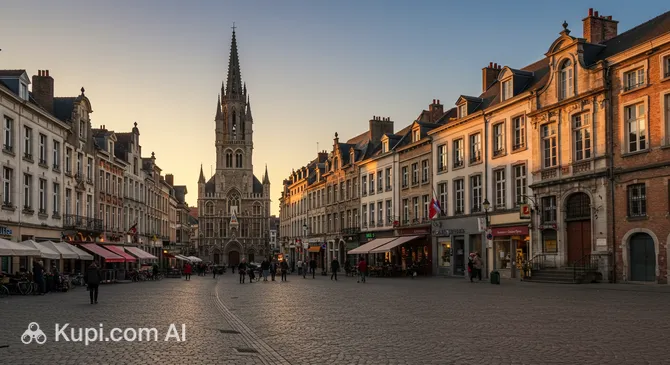
Tourcoing is a dynamic and often surprising destination located in the Hauts-de-France region of northern France. Situated just a stone's throw from the Belgian border, this city is an integral part of the Lille European Metropolis. With a population of approximately 98,000 inhabitants, it offers a lively urban atmosphere combined with a strong sense of local identity and cultural vibrancy.

The city is renowned for its impressive architectural heritage, much of which stems from its prosperous past as a major center for the textile industry. Visitors interested in the evolution of this industrial hub can delve deeper into the history of Tourcoing to understand how it shaped the modern cityscape. Today, the city successfully blends this historic legacy with contemporary culture and revitalized urban spaces.

Tourcoing. Source: Kupi.Binoculars

Among the must-see attractions is the majestic Church of Saint-Christophe, a neo-Gothic masterpiece that dominates the city center with its soaring spire. Art lovers will appreciate the MUba Eugène Leroy, a fine arts museum known for its unique dialogue between classical and contemporary works. For a breath of fresh air, the Jardin Botanique de Tourcoing offers a peaceful retreat with its historic greenhouses and diverse plant collections.

Whether you are exploring the wider Lille area or looking for a distinct cultural experience, Tourcoing welcomes travelers with open arms. Its combination of historic charm, artistic vitality, and friendly locals makes it a worthy stop on any itinerary in the region.

Weather Overview

The climate in Tourcoing is generally temperate and influenced by its proximity to the coast, resulting in mild weather that rarely reaches extreme highs or lows. Regardless of when you visit, it is wise to be prepared for some precipitation, as rainfall is fairly evenly distributed throughout the year. For a detailed breakdown of conditions for your specific travel dates, you can consult the guide to the weather in Tourcoing.

Summers are pleasant and comfortable, making this a popular season for outdoor activities. During July and August, average temperatures hover around 19°C, with daily maximums reaching approximately 23°C. While these months offer the best warmth, they still experience about 10 to 12 wet days on average. Winters are cool and damp, with January being the coldest month; average temperatures drop to around 4.8°C, and lows can dip to 2.5°C. December is particularly wet, with precipitation occurring on up to 16 days of the month.

Spring and autumn serve as mild transition periods, though they remain relatively rainy. May and September are often considered good times to visit, offering average highs of 17.8°C and 20.2°C respectively. Overall, you can expect warm, agreeable summers and cool winters, with a consistent chance of rain throughout the seasons.

Interesting Facts

Beyond the main attractions, Tourcoing holds many fascinating secrets that reflect its rich industrial past and vibrant cultural present. Here are a few intriguing details that make this city truly unique.

  • Residents of the city are historically known by the curious nickname "Broutteux," which translates to "wheelbarrow pushers." This moniker dates back to the era when local textile workers would transport their wool and finished goods to the nearby market in Lille using heavy wheelbarrows, symbolizing their industrious spirit.

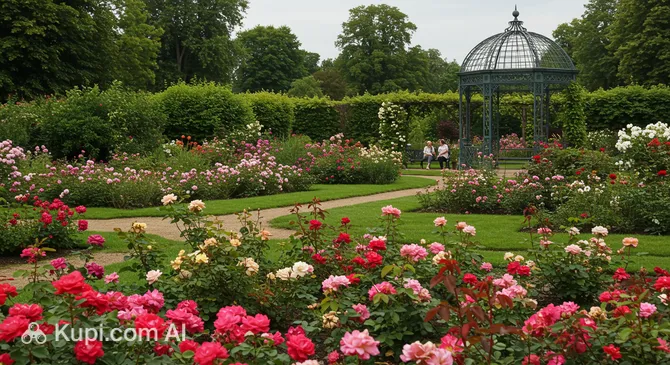
  • The Tourcoing Botanical Garden is more than just a green space; it was originally established in 1917 on the grounds of a private estate. Today, it still features elegant historic greenhouses and an English-style layout that offers a rare glimpse into the horticultural tastes of the early 20th century.

  • Despite its modest size compared to major capitals, the city is a legendary stop on the international indie and rock music circuit. The venue Le Grand Mix is famous among audiophiles for its exceptional acoustics and intimate setting, often hosting bands that typically play much larger arenas.

  • The MUba Eugène Leroy distinguishes itself by its setting as much as its collection. Unlike traditional museums with white-walled galleries, it is housed in the opulent Hôtel Roussel, a 19th-century mansion, allowing contemporary art to interact directly with the domestic architecture of a bygone era.

Tourcoing Botanical Garden. Source: Kupi.Binoculars

How to Get There

Reaching this northern French destination is quite convenient thanks to its strategic location within the Lille metropolitan area and its proximity to major transport hubs in Belgium. Whether you are arriving by air or rail, there are multiple efficient options to consider. For a comprehensive guide on all available transport methods, you can read more about how to get to Tourcoing.

The city of Tourcoing does not have its own airport, but the closest and most convenient option is Lille Airport (IATA: LIL), located in the neighboring city of Lille. It is situated approximately 18 km from Tourcoing, and the journey by taxi or shuttle generally takes around 47 minutes. For a wider range of international flights, many travelers choose Brussels Airport (IATA: BRU) in Brussels. Although it is about 95 km away, it serves as a major international gateway. The travel time from there is longer, taking approximately 2 hours and 45 minutes by road, depending on traffic.

For clarity, here is a summary of the main airports:

Airport Name City Passenger Traffic Km from City
Brussels AirportBrusselsLarge International95.1
Charleroi Brussels South AirportBrusselsLarge96.0
Lille AirportLilleMedium Regional17.7
Ostend-Bruges International AirportBrugesSmall56.6
Antwerp International AirportAntwerpSmall104.7

Traveling by train is an excellent option, as the city is well-integrated into the regional and national railway network. You can arrive directly at Tourcoing Station, which is conveniently located just over 1 km from the city center. Additionally, the major railway hubs of Lille Flandres Station and Lille Europe Station are located in the nearby city of Lille, only about 12 km away. These stations handle a vast volume of high-speed traffic, including Eurostar and TGV connections. From Lille, you can easily reach Tourcoing via a short metro ride or a taxi trip taking approximately 40 minutes.

Below is a list of the nearest railway stations:

Station City Passenger Traffic Km to Center
Lille Flandres StationLilleVery Large11.9
Lille Europe StationLilleLarge11.5
Douai StationDouaiMedium39.5
Tourcoing StationTourcoingMedium1.1
Roubaix StationRoubaixSmall3.3

Main Attractions

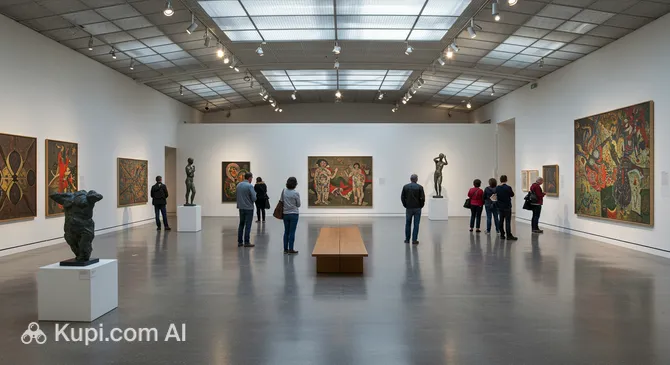
Art enthusiasts should not miss the MUba Eugène Leroy. Located in a splendid 19th-century mansion, this fine arts museum offers a refreshing approach to exhibiting culture. It is particularly known for creating a dialogue between classical masterpieces and contemporary art, with a special focus on the works of the painter Eugène Leroy. The intimate setting and curated exhibitions make it a standout cultural experience in the region.

MUba Eugène Leroy. Source: Kupi.Binoculars

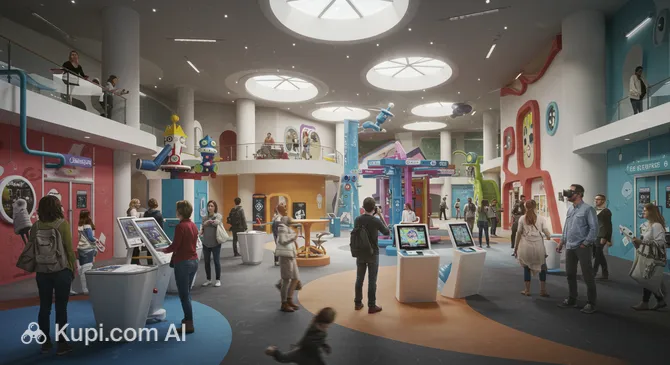
Families traveling with children will find endless entertainment at TFOU Park Lille Tourcoing. This indoor amusement center is designed to burn off energy and spark creativity. Filled with inflatable structures, trampoline zones, and interactive play areas, it provides a safe and exciting environment for younger visitors. It is an ideal spot for a fun afternoon, especially if the weather outside is less than perfect.

TFOU Park Lille Tourcoing. Source: Kupi.Binoculars

For a moment of tranquility, the Tourcoing Botanical Garden is a lush escape within the city. This beautifully maintained green space features historic greenhouses and a wide variety of plant species arranged in distinct thematic areas. It is a perfect location for a leisurely stroll, offering tourists a chance to admire exotic flora and enjoy the peaceful atmosphere of its English-style landscaping.

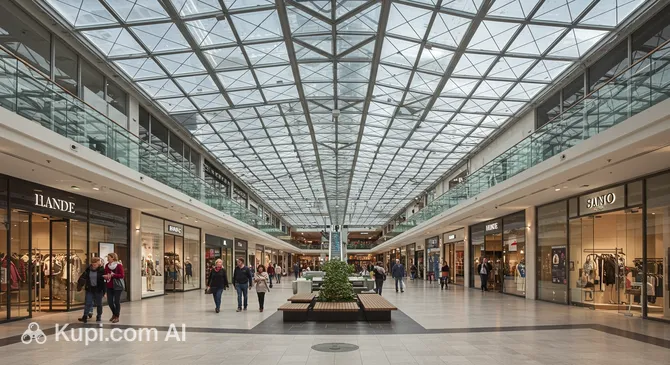
Shoppers looking for retail therapy should head to Promenade de Flandre. Situated on the edge of the city, this large commercial complex hosts a vast array of shops, ranging from fashion boutiques to home decor stores. It is a convenient destination for finding both international brands and local products, making it a bustling hub for visitors who want to take a piece of the French lifestyle home with them.

Promenade de Flandre. Source: Kupi.Binoculars

Local Cuisine

The culinary landscape of Tourcoing is deeply rooted in the traditions of the Hauts-de-France region, characterized by its hearty, comforting flavors and strong Flemish influences. The local cuisine is generous and convivial, designed to warm you up during the cooler months. Visitors will find that dining here is as much about the warm atmosphere as it is about the food itself, with portions that are famously substantial.

One of the absolute must-try dishes is Carbonnade Flamande, a rich and tender beef stew slow-cooked with local beer, gingerbread, and mustard. It is typically served with a side of crispy fries, another regional staple. For cheese lovers, the Welsh (or Welsh Rarebit) is an iconic local specialty. This dish consists of bread topped with ham and a generous amount of melted cheddar cheese boiled in beer, often crowned with a fried egg. It is a satisfying meal found in almost every traditional brasserie.

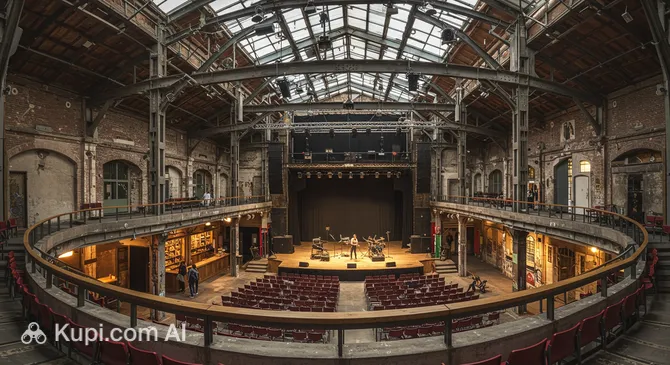
The city's proximity to Belgium means that beer is the undisputed king of beverages. The region boasts numerous local breweries producing distinctive ales, ranging from blonde to amber and dark varieties. A popular local aperitif is Picon Bière, a mix of lager and a bitter orange liqueur. If you are looking for a place to enjoy the local social vibe and perhaps a drink, venues like Le Grand Mix are central to the city's nightlife and cultural scene.

Le Grand Mix. Source: Kupi.Binoculars

For those with a sweet tooth, the local gaufres (waffles) are a delight. Unlike the light Brussels waffle, the local variety is often thinner and filled with a rich paste of vanilla and brown sugar (vergeoise). Food culture in Tourcoing revolves around estaminets, traditional rustic taverns that serve regional specialties in a cozy, vintage setting. Additionally, street food is dominated by friteries, stands dedicated to serving fresh, double-fried potatoes that are a source of local pride.

If you prefer a more casual dining experience or need a break while exploring, the area offers various modern options. For instance, you might stop for a quick bite at places like KF Burger, which reflects the city's evolving urban food scene. Whether you are sitting down for a three-course traditional meal or grabbing a snack on the go, Tourcoing's gastronomy promises to be a filling and memorable part of your trip.

Travel Tips

Preparing for a trip to Tourcoing means getting ready to explore a city that perfectly balances its rich industrial heritage with a vibrant contemporary spirit. To ensure your visit to this dynamic corner of the Hauts-de-France is as smooth and enjoyable as possible, here are some practical tips to help you navigate the local lifestyle with ease.

  1. Clothing and Gear: The weather in this region can be quite changeable, so the best strategy is to dress in layers. Even in summer, evenings can be cool, and rain is a possibility year-round, so packing a sturdy umbrella and a waterproof jacket is essential. Since you will likely be exploring the city center and museums on foot, bring comfortable walking shoes. If you plan to visit religious sites like the Church of Saint-Christophe, modest attire covering shoulders and knees is respectful.
  2. Transportation: Tourcoing is excellently connected to the wider metropolis via the Ilévia public transport network. The Metro Line 2 is particularly useful, offering a direct and fast link to Lille and neighboring Roubaix. Trams and buses are also reliable options for getting around locally. While taxis and ride-hailing apps like Uber are available, renting a car is generally unnecessary unless you plan to explore the rural countryside, as parking in the city center can be limited.
  3. Finances: The local currency is the Euro (€). Credit and debit cards (Visa and Mastercard) are widely accepted in hotels, restaurants, and larger shops. However, it is wise to carry some cash for small purchases at local boulangeries (bakeries), weekly markets, or cafes. ATMs are plentiful throughout the city. Tipping is not mandatory as a service charge is included in the bill, but leaving small change or rounding up the amount is a polite gesture if the service was good.
  4. Health and Safety: Tourcoing is generally a safe city for tourists, but standard precautions apply; keep an eye on your belongings in crowded areas and near the train station. Pharmacies are easily recognizable by a flashing green cross and are typically open during standard business hours, with a rotating system for nights and weekends. For any serious medical or police emergencies, dial 112, the universal European emergency number.
  5. Communication: French is the official language. While younger people and staff in the tourism sector often speak English, it is not universally spoken in smaller shops or by older residents. Learning a few basic phrases like Bonjour (Hello), S'il vous plaît (Please), and Merci (Thank you) is highly appreciated and will smooth your interactions. Free Wi-Fi is often available in public buildings and cafes, and prepaid SIM cards can be purchased at tobacco shops (Tabac) or mobile phone stores.
  6. Local Etiquette: Politeness is paramount in French culture. Always greet shopkeepers with a friendly "Bonjour" when entering a store and "Au revoir" when leaving; failing to do so can be seen as rude. In public transport, it is customary to keep your voice down and offer your seat to elderly passengers or pregnant women. When dining, meals are often a leisurely affair, so don't rush the staff—relax and enjoy the pace.
  7. What to Avoid: Avoid assuming that everyone speaks English immediately; asking "Parlez-vous anglais?" (Do you speak English?) first is much more polite. Also, be careful not to confuse the local culture with that of Belgium, despite the very close proximity. While they share many traits, locals are proud of their specific French regional identity.
  8. Additional Tip: Since Tourcoing is located right on the border, it is incredibly easy to hop over to Belgium for a quick visit. However, always carry your passport or ID card with you, even for short trips across the border. Additionally, keep an eye on the calendar: many shops and museums may be closed on Mondays or during lunch hours (typically 12:00 PM to 2:00 PM), so plan your day accordingly.

By keeping these practicalities in mind, you will be well-equipped to immerse yourself in the local culture and enjoy everything Tourcoing has to offer. Whether you are marveling at the architecture or enjoying a hearty local meal, a little preparation ensures your journey will be memorable for all the right reasons.

Entertainment & Nightlife

While Tourcoing is often quieter than its bustling neighbor Lille, it offers a distinct and enjoyable nightlife scene centered around conviviality, culture, and music. The evening atmosphere here is relaxed and welcoming, characterized by traditional brasseries and modern spots that reflect the city's youthful energy. The main hub for evening activity is the city center, particularly the area surrounding the Grand Place and the Church of Saint-Christophe, where locals gather to unwind after work or enjoy a night out with friends.

The crown jewel of the city's nightlife is undoubtedly Le Grand Mix. This venue is not just a concert hall but a cultural institution that puts Tourcoing on the map for music lovers across Europe. It hosts an eclectic lineup of indie, rock, pop, and electronic artists in an intimate setting that allows for a great connection between the performers and the audience. On concert nights, the atmosphere is electric, drawing a diverse crowd of students, locals, and visitors from across the border.

For those looking for a casual bite to eat during their evening explorations, the city offers various friendly options. KF Burger is a popular spot for a satisfying meal, serving up hearty burgers in a laid-back environment. It is a great example of the casual dining style that prevails in the city, where the focus is on good food and easy conversation rather than strict formalities.

Practicalities for a night out in Tourcoing are straightforward. The dress code is generally casual; jeans and a nice top are perfectly acceptable in almost all bars and venues. Prices are quite reasonable compared to larger French cities, with a pint of beer typically costing between €5 and €7. Most bars in the center stay open until around 1:00 AM or 2:00 AM on weekends, though things may wrap up earlier on weekdays. It is best to head out around 8:00 PM or 9:00 PM to catch the peak atmosphere.

Regarding safety and transport, the city center is generally safe for evening walks, especially in well-lit areas around the main square. However, as with any urban area, it is advisable to stay on main streets late at night. Public transport is convenient, with the Metro Line 2 connecting Tourcoing to Lille until around midnight. For later returns, ride-hailing apps like Uber are widely available and reliable, or you can call a local taxi service to get back to your accommodation safely.

Before the sun sets, Tourcoing offers plenty of daytime entertainment to fill your itinerary. Beyond the museums and parks, shopping enthusiasts can explore the Roncq Shopping Center. Located nearby, this large commercial hub features a wide range of stores and services, making it a perfect destination for a leisurely afternoon of browsing before the evening festivities begin.

Parks & Museums

Tourcoing surprises visitors with a diverse array of green spaces and cultural institutions that beautifully contrast with its industrial architecture. The city has invested significantly in preserving its natural areas and repurposing historic buildings into vibrant centers for art and history, offering travelers a rich tapestry of experiences.

For nature lovers, the Tourcoing Botanical Garden is the city's horticultural jewel. Spanning nearly two hectares, this garden is divided into distinct sections, including a French-style garden and an English-style landscape. It is particularly famous for its historic greenhouses, which house a collection of exotic plants and succulents. It serves as an educational hub and a serene sanctuary right in the heart of the city.

Another significant green space is Parc Clemenceau, the largest park in Tourcoing. Covering approximately 11 hectares, it is a favorite among locals for family outings and jogging. The park features wide lawns, a majestic bandstand, and a variety of century-old trees, providing a perfect setting for a picnic or a leisurely afternoon walk away from the urban bustle.

The cultural scene is headlined by the MUba Eugène Leroy. Housed in the elegant Hôtel Roussel, this museum is celebrated for its fine arts collection that spans centuries. It places a special emphasis on the work of Eugène Leroy, a locally born painter known for his thick, textured application of oil paint. The museum frequently hosts temporary exhibitions that create compelling dialogues between classical masters and contemporary artists.

For those interested in modern creativity, Le Fresnoy - Studio National des Arts Contemporains is a must-visit institution. Located in a renovated leisure complex, it is a postgraduate art and audiovisual research center that functions as a high-tech exhibition space. It is renowned internationally for its avant-garde installations, cinema screenings, and photography exhibitions, representing the cutting edge of the city's artistic evolution.

History enthusiasts should explore the Hospice d'Havré, founded in the 13th century. The current building, dating largely from the 17th century, is the oldest in Tourcoing. Today, it acts as a cultural center, hosting exhibitions and events within its cloister and chapel. Its "Maison Folie" status makes it a central venue for community arts and heritage appreciation.

Another unique historical site is the Musée du 5 Juin 1944, located in a former German bunker. This museum, also known as the "Message Verlaine" museum, played a crucial role during World War II as the site where the radio message signaling the start of the D-Day landings was intercepted. It offers a fascinating and immersive look into the local resistance movement and wartime communications.

For an authentic local experience, take a walk along the banks of the Canal de Tourcoing. This area has undergone significant regeneration and offers a scenic route that connects the city to the wider waterway network. It is a peaceful spot where you can observe the transformation of old industrial warehouses into trendy lofts and offices, perfectly encapsulating the city's forward-looking spirit.

Getting Around

Public transport in Tourcoing is part of the extensive and efficient Ilévia network, which serves the entire Lille European Metropolis. This integrated system makes it incredibly easy to navigate not just the city itself, but also to travel seamlessly to neighboring hubs like Roubaix and Lille. The backbone of the network consists of the metro, the tramway, and a comprehensive web of bus lines.

The Metro Line 2 is the most convenient way to travel for most tourists. It is an automated, driverless system (VAL) that runs frequently and connects Tourcoing directly to the Lille city center and major train stations in under 30 minutes. Another iconic mode of transport is the Tramway, often affectionately called the "Mongy" by locals. Dating back to the early 20th century, it is one of the oldest operating tram lines in the region and offers a scenic, albeit slightly slower, route connecting the city center to the wider metropolitan area.

For payment, the network uses a unified system based on the Pass Pass card. Occasional travelers can purchase a "rechargeable ticket" (a paper card) or use the Ilévia mobile app to buy digital tickets (M-Ticket). A single journey ticket typically costs around €1.80 and allows for transfers between the metro, tram, and bus within an hour. There are also cost-effective options like the "ZAP" ticket for very short trips (up to three stops) and day passes (24h or longer) which offer unlimited travel and are excellent value for tourists planning a full day of sightseeing.

Tickets can be purchased at automatic vending machines located at all metro and tram stations, as well as at authorized retailers (often indicated by an Ilévia logo). It is crucial to validate your ticket every time you board a bus or tram, and before entering the metro platforms. Look for the validation terminals; failing to scan your card can result in a fine, even if you have a valid ticket. The metro generally operates from around 5:30 AM until just after midnight, making it reliable for evening outings.

Beyond standard public transit, the city promotes eco-friendly mobility through the V'Lille bike-sharing service. You will find bright red bike stations scattered throughout the city, allowing you to rent a bicycle for a small fee—a great way to explore the local streets at your own pace. Taxis and ride-sharing apps are also readily available, though they are generally used as a secondary option given the density and reliability of the public transport network.

Accommodation

Finding accommodation in Tourcoing offers a practical and often more affordable alternative to staying in the bustling center of nearby Lille. The city generally caters to a mix of business travelers and tourists, providing a selection of lodgings that prioritize comfort and functionality over opulence. While you will not find sprawling luxury resorts, the hospitality landscape is well-populated with reliable mid-range hotels, reputable international chains, and an increasing number of furnished apartments and private rentals.

For the most convenient experience, it is best to look for accommodation in the City Center. Staying near the Grand Place or the Church of Saint-Christophe places you in the heart of the local action, with easy access to shops, restaurants, and the metro line that connects directly to Lille. Another strategic area is the vicinity of the Tourcoing Railway Station. This location is particularly advantageous for those arriving by train or planning to use the rail network for day trips to Belgium or other parts of the region.

Travelers seeking a more personal touch can also find charming bed and breakfast options, known locally as chambres d'hôtes. These are often situated in converted townhouses that reflect the city's architectural heritage, offering a cozy and authentic atmosphere. For families or longer stays, short-term apartment rentals have become widely available and provide excellent value for money.

When planning your trip, it is important to consider the regional calendar. Although Tourcoing is generally easy to book, availability tightens significantly during major events in the metropolitan area, such as the massive Braderie de Lille in September. During these peak times, prices can rise, and rooms fill up quickly across the entire metropolis, so securing your reservation several months in advance is highly recommended.

In terms of pricing, Tourcoing is typically budget-friendly to mid-range. Visitors can usually expect to pay less for a standard double room here than in the center of Lille, making it an attractive base for budget-conscious travelers. Booking is straightforward, with most establishments listed on major international online booking platforms, though contacting smaller guesthouses directly can sometimes yield better personalized service.

Nearby Cities

Tourcoing is an integral part of the Lille European Metropolis, a conurbation where city boundaries often blend seamlessly into one another. This dense urban fabric means that visitors are perfectly positioned to explore a cluster of fascinating neighboring towns, each with its own distinct character. The ease of movement between these municipalities, facilitated by an extensive public transport network, makes day trips and short excursions incredibly convenient.

The most significant neighbor is undoubtedly Roubaix, located just 4 km away. Like Tourcoing, it is a former textile giant that has successfully reinvented itself as a center of art and culture. It is world-famous for the "La Piscine" museum and as the finish line of the legendary Paris-Roubaix cycling race. Another close neighbor is Wattrelos, known for its festive traditions and community spirit. Slightly further out, you will find Marcq-en-Baroeul, a leafy and affluent suburb that offers a more residential atmosphere with beautiful parks and racecourses.

For those looking to explore the immediate surroundings, here is a list of the closest cities and towns:

City Population Distance (km)
Roubaix 98,828 4
Wattrelos 40,898 5
Marcq-en-Baroeul 38,570 8
La Madeleine 21,968 10
Lambersart 27,415 13

Exploring these nearby locations provides a broader understanding of the region's rich industrial heritage and its modern revitalization. Whether you are interested in the bustling markets of La Madeleine or the elegant architecture of Lambersart, the short distances ensure that you can easily fit multiple stops into your itinerary.

Shopping & Souvenirs

Shopping in Tourcoing offers a practical and varied experience that caters to both daily needs and leisure browsing. While it may not have the high-end luxury density of a capital city, it provides a mix of charming local boutiques, convenient city-center stores, and extensive commercial zones on the outskirts. The city is particularly well-regarded for its accessibility and the range of products available, from regional food specialties to affordable fashion.

For a traditional shopping atmosphere, the best place to start is the City Center, particularly around the Grand Place and the streets radiating from the Church of Saint-Christophe. Here, you will find independent clothing stores, florists, and artisan food shops nestled among the historic architecture. It is a pleasant area to walk around, allowing you to combine sightseeing with window shopping. The pedestrian-friendly zones make it easy to hop from one shop to another without the stress of heavy traffic.

If you are looking for a more comprehensive retail experience with major international brands, the area boasts significant commercial centers. Promenade de Flandre is a favorite destination for locals and visitors alike. Located on the edge of the city, this large retail park features a wide avenue of shops covering fashion, home decor, and sports equipment, all in an open-air setting that is easy to navigate. It is an excellent spot to find well-known labels and stock up on essentials.

Another major hub nearby is the Roncq Shopping Center. Situated just a short distance from the city limits, this massive commercial zone is anchored by a huge hypermarket and surrounded by a gallery of smaller stores and service providers. It is particularly convenient for travelers who need to buy groceries, electronics, or travel supplies in one go, offering ample parking and a bustling atmosphere.

Markets are an integral part of life in Tourcoing, reflecting the city's convivial spirit. The Grand Marché, held in the city center (typically on Monday and Thursday mornings), is one of the largest in the region. It is a vibrant place where you can find everything from fresh local produce, cheeses, and roasted chickens to textiles and household goods. wandering through the stalls is a great way to mingle with locals and discover the authentic flavors of the Hauts-de-France.

When it comes to souvenirs, edible treats are often the best choice. The region is famous for its gaufres fourrées (filled waffles), usually stuffed with vanilla or brown sugar paste. Local craft beers are also a popular gift, given the proximity to Belgium and the strong local brewing tradition. Additionally, keep an eye out for textile products, as they pay homage to the city's rich history as a wool and textile capital.

Store opening hours generally follow the standard French pattern. Most shops in the city center open around 10:00 AM and close between 7:00 PM and 7:30 PM, Monday through Saturday. Smaller boutiques may close for a lunch break between 12:00 PM and 2:00 PM, although larger malls and supermarkets usually stay open throughout the day. Sunday closures are the norm, except for some food markets and bakeries in the morning.

Payment methods are modern and convenient, with credit and debit cards (Visa and Mastercard) accepted almost everywhere. Contactless payment is widely used for smaller amounts. However, it is always useful to carry some cash, particularly for small purchases at the market or in smaller cafés. For non-EU residents, tax-free shopping (détaxe) is available at participating stores if you spend over a certain threshold (typically €100.01) in a single visit, so be sure to ask for a tax refund form at the checkout.
Reached the end of the page?

That means the route is fully explored