Support

Tours

About

Tours, often celebrated as the "Garden of France", is a captivating destination that serves as the primary gateway to the magnificent Loire Valley. Known for its youthful energy as a university town, the city offers a perfect blend of cultural richness, urban vitality, and a sophisticated atmosphere that appeals to travelers from around the world.

Geographically, Tours enjoys a privileged location in the Centre-Val de Loire region, nestled gracefully between the Loire and Cher rivers. With a population of approximately 137,000 residents, it maintains a welcoming, human-scale charm while providing all the amenities of a major regional hub. Its mild climate and lush surroundings make it an inviting place to explore year-round.

Tours. Source: Kupi.Binoculars

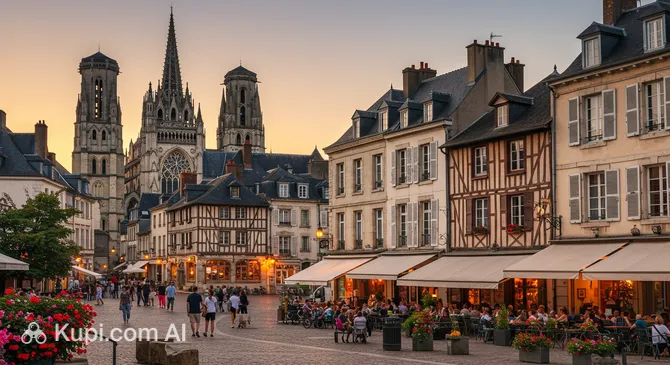
The history of Tours is deeply woven into the fabric of its streets, most notably in the famous Place Plumereau. This bustling square is lined with beautifully preserved medieval half-timbered houses and is the social heart of the city, filled with lively cafes and restaurants. Another architectural jewel is the Saint-Gatien Cathedral, a stunning example of Gothic art known for its intricate stained glass windows and imposing facade.

Beyond its historical monuments, the city invites visitors to enjoy its vibrant culinary scene and serene green spaces, such as the Prébendes d'Oé Garden. Whether you are passionate about architecture, gastronomy, or simply soaking up the local art de vivre, Tours welcomes you to experience the authentic spirit of the Loire Valley.

Weather Overview

The climate in Tours is generally mild and temperate, making it a pleasant destination for most of the year. For travelers planning their wardrobe and itinerary, checking the detailed weather in Tours is highly recommended. The city typically experiences warm summers with occasional showers and cool, damper winters.

During the peak summer months of July and August, the weather is delightful, with average temperatures hovering around 21°C and daily highs reaching approximately 26°C. These are also the driest months, seeing significantly fewer rainy days compared to the rest of the year. Conversely, the winter season from December to February sees temperatures drop, with January averages around 5.7°C and lows near 3.2°C.

Spring and autumn serve as mild transition periods, though rainfall is quite common; months like March and October can experience up to 14 wet days. Regardless of when you visit, it is wise to pack layers and an umbrella, as the region is known for its lush greenery fed by regular precipitation.

Interesting Facts

Beyond the main attractions, Tours holds many fascinating secrets and historical curiosities that surprise even the most seasoned travelers. From linguistic legends to unusual museum exhibits, the city's past is full of unique stories waiting to be discovered.

Basilica of Saint Martin of Tours. Source: Kupi.Binoculars
  • Tours is widely renowned for being the place where the "purest" French is spoken. For centuries, the accent in the Touraine region has been considered the standard for the French language, free from strong regional intonations, making it a preferred destination for language students.

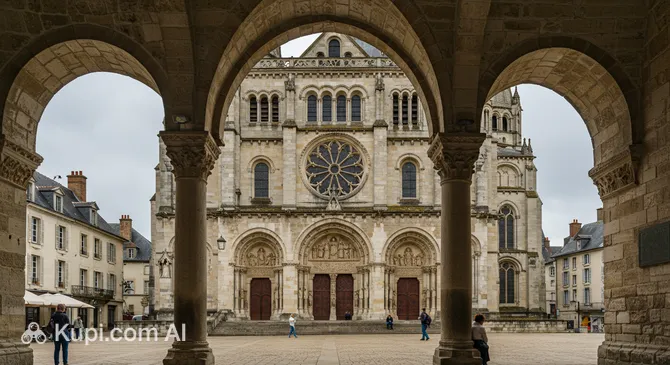
  • The word "chapel" actually traces its etymological roots to this city. It derives from the "cappa" (cloak) of Saint Martin, a Roman soldier who became the Bishop of Tours. He famously cut his cloak in half to share it with a beggar, and the remaining piece was kept as a relic in a sanctuary that became known as a "capella." Today, the Basilica of Saint Martin of Tours stands as a testament to his legacy.

  • An unexpected resident can be found in the gardens of the Museum of Fine Arts of Tours: a stuffed elephant named Fritz. He was part of the Barnum & Bailey circus and arrived in the city in 1902, but after becoming uncontrollable during a parade, he had to be put down and was subsequently preserved as a local curiosity.

  • The Old Town of Tours is home to Place Plumereau, a picturesque square that has been frequently voted as the best place in France for an aperitif. Its high concentration of bars and terraces set against medieval half-timbered houses creates an unmatched social atmosphere.

How to Get There

Reaching this charming city in the Loire Valley is convenient thanks to its central location and excellent transport connections. Whether you prefer flying or taking the train, there are several options to suit your itinerary. You can find more detailed information about all ways to reach the city on our dedicated page.

For those arriving by air, the most direct option is the Val de Loire Airport (IATA: TUF). Located directly in Tours, just 5.5 km from the city center, it offers a quick and easy arrival. The journey by taxi or shuttle bus is a brief trip, allowing you to start your vacation almost immediately. Although it is a smaller regional hub, it provides a hassle-free entry point for travelers coming from select destinations.

Alternatively, international travelers often fly into Paris Orly Airport (IATA: ORY) in the city of Paris. While it is situated approximately 193.8 km from Tours, it handles a massive volume of flights from around the globe. The travel time by road can take several hours, so many visitors choose to connect via the high-speed train network from Paris for a faster and more comfortable journey.

For clarity, here is a summary of the main airports:

Airport Name City Passenger Traffic Km from City
Paris Orly AirportParisLarge193.8
Nantes Atlantique AirportNantesLarge176.0
Bellegarde AirportLimogesSmall173.8
Val de Loire AirportToursSmall5.5
Poitiers-Biard AirportPoitiersSmall93.8

Traveling by train is one of the most popular ways to access the region. The city is served by the Tours Railway Station (IATA: XJT), which is conveniently located right in the heart of the city, just 0.5 km from the center. It is a major hub with high passenger traffic, making it easy to arrive directly downtown. A taxi or short walk from here puts you immediately in the midst of the action.

Another crucial rail hub is the Saint-Pierre-des-Corps Station (IATA: XSH), situated about 2.6 km from the center of Tours. This station is a key stop for high-speed TGV trains that might not enter the city center terminus. From here, a quick shuttle train or a short taxi ride will bring you to the main attractions of Tours in no time.

Below is a list of the nearest railway stations:

Station City Passenger Traffic Km to Center
Tours Railway StationToursLarge0.5
Angers Saint-Laud StationAngersLarge94.3
Le Mans Railway StationLe MansLarge77.0
Saint-Pierre-des-Corps StationToursLarge2.6
Poitiers Railway StationPoitiersMedium93.8

Main Attractions

The city offers a remarkable journey through time and nature, boasting landmarks that range from medieval architectural masterpieces to serene green sanctuaries. Whether you are an art lover, a history buff, or someone seeking a peaceful retreat, the main sights of the city provide a captivating glimpse into the rich heritage of the Loire Valley.

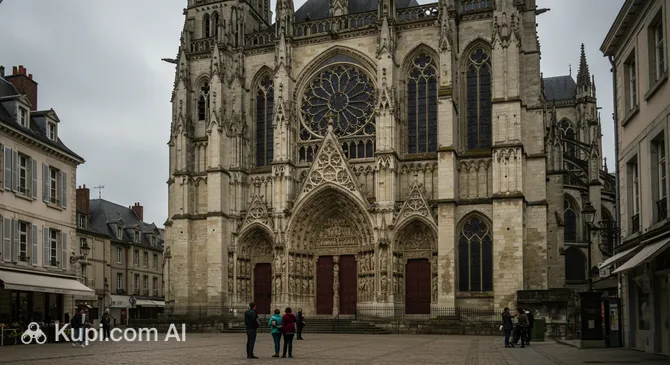
One of the most imposing structures in the city is Saint Gatien's Cathedral. This majestic Gothic edifice is renowned for its flamboyant facade and the stunning evolution of its architectural styles, which span from the 12th to the 16th centuries. Visitors are often mesmerized by the intricate stained glass windows that flood the interior with colorful light, as well as the beautifully preserved cloisters that offer a quiet moment of reflection amidst the grandeur.

Saint Gatien's Cathedral. Source: Kupi.Binoculars

Situated near the banks of the Loire River, the Château de Tours stands as a testament to the city's strategic importance throughout history. Although only two towers and a connecting building remain from the original medieval fortress, the site has been transformed into a vibrant cultural center. Today, it hosts contemporary art exhibitions and photography displays, making it a fascinating stop for those who wish to see how historical spaces can be repurposed for modern creativity.

For a breath of fresh air, the Botanical Garden of Tours is an absolute must-visit. Created in the mid-19th century, this lush expanse is not just a park but a living museum of plant diversity. It features an arboretum with rare tree species, exotic greenhouses, and a medicinal plant garden. It is the perfect spot for a leisurely stroll, offering a scenic escape from the urban bustle while educating visitors about global flora.

Just a short distance from the city center lies the Saint Cosme Priory, a site deeply connected to French literature. This former monastery was the final home of the celebrated poet Pierre de Ronsard. Tourists are drawn here not only to see the poet's tomb but also to wander through the remarkable gardens. Designed to reflect the themes of Ronsard's poetry, the gardens are filled with roses and pergolas, creating a romantic and spiritual atmosphere that changes with the seasons.

Local Cuisine

Gastronomy in Tours is a delightful reflection of its location in the "Garden of France," a region renowned for its fertile soil and exceptional produce. The local cuisine is characterized by hearty, rustic flavors and a deep respect for high-quality ingredients. Dining here is not just about sustenance; it is a celebration of the abundant harvest from the Loire Valley, ranging from fresh river fish to succulent meats.

Meat lovers will find themselves at home with the city's signature specialty, Rillettes de Tours. Awarded Protected Geographical Indication (PGI) status, this potted pork spread is distinct from its neighbors by being less fatty, with a coarser texture and a golden hue. It is best enjoyed spread generously over crusty baguette. Another must-try is Rillons, delicious cubes of pork belly that are marinated in wine and spices, then slow-cooked until they are tender on the inside and caramelized on the outside.

No meal in Tours is complete without a cheese course, and the undisputed star is Sainte-Maure de Touraine. This famous goat cheese log is easily recognized by its ash-coated rind and the single rye straw running through its center. For those with a sweet tooth, the Nougat de Tours is a pleasant surprise; despite its name, it is actually a cake filled with apricot jam and candied fruits, topped with a sweet almond macaroon layer.

To accompany these dishes, the region offers some of the finest wines in the country. The vineyards surrounding the city produce excellent whites, such as Vouvray and Montlouis-sur-Loire, which are typically made from Chenin Blanc grapes. Red wine enthusiasts should look for the light and fruity notes of Chinon or Bourgueil, which pair perfectly with the local charcuterie.

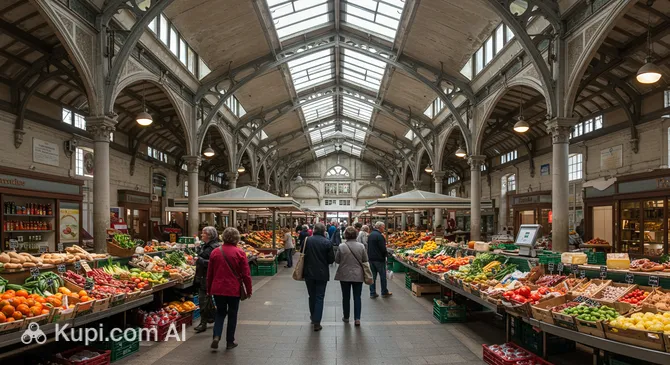
For the most authentic culinary experience, a visit to Les Halles de Tours is essential. This vibrant indoor market is considered the "belly" of the city, where locals flock to buy the freshest seasonal products. It is a sensory playground filled with the aromas of artisan cheeses, fresh breads, and local delicacies, making it the perfect spot to pick up supplies for a picnic.

Les Halles de Tours. Source: Kupi.Binoculars

When it comes to dining out, the options are diverse. For a cozy atmosphere and traditional French fare, you might visit Le Chien Fou, a restaurant known for its welcoming vibe. If you prefer a more modern setting with a variety of choices, the L'Heure Tranquille shopping district offers numerous restaurants with pleasant terraces. For a relaxed evening drink or a casual bite, popular local bars like Chez Madie and Cubrik provide a lively backdrop to enjoy the city's social scene.

Travel Tips

Tours is a welcoming and accessible city, but having a few practical insights can make your visit even smoother and more enjoyable. Here is some essential advice to help you blend in with the locals and navigate the "Garden of France" with ease.

  1. Clothing and Gear: The weather in the Loire Valley can be changeable, so it is wise to dress in layers. A waterproof jacket or a sturdy umbrella is recommended, especially if you are visiting in spring or autumn. Since the historic center, particularly around Place Plumereau, features charming but uneven cobblestone streets, comfortable walking shoes are a must. If you plan to enter religious sites like the cathedral, remember to dress modestly.
  2. Transportation: The city center is compact and best explored on foot. For longer distances, the Fil Bleu public transport network offers modern trams and buses; tickets can be easily purchased at machines at tram stops. You generally do not need a car within the city itself. In fact, Tours is very bike-friendly, so renting a bicycle to ride along the Loire River is a fantastic and popular way to get around.
  3. Finances: The local currency is the Euro (€). International credit and debit cards (Visa and Mastercard) are widely accepted in most shops, restaurants, and hotels. However, it is helpful to carry some cash for small purchases at markets like Les Halles or for buying public transport tickets on the bus. Tipping is not mandatory as a service charge is included in the bill, but rounding up or leaving a few coins is a polite gesture for good service.
  4. Health and Safety: Tours is considered a safe destination for travelers. Pharmacies are easily identified by a flashing green cross sign; pharmacists can often provide advice for minor health issues. For serious medical emergencies, dial 112. While the city is safe, always practice general caution with your personal belongings in crowded areas like the train station.
  5. Communication: French is the official language, and the accent in Tours is famously considered the standard for the country. While English is spoken by many people in the hospitality industry, it is not universal. Learning a few basic phrases such as "Bonjour" (Hello) and "S'il vous plaît" (Please) will be greatly appreciated. Free Wi-Fi is often available in cafes, hotels, and some public squares.
  6. Local Etiquette: Politeness is highly valued in French culture. It is customary to greet shopkeepers and staff with a friendly "Bonjour" upon entering an establishment and "Au revoir" when leaving. When dining out, wait to be seated by a host rather than choosing your own table. Also, try to maintain a moderate volume when speaking in public places to respect the local atmosphere.
  7. What to Avoid: Avoid rushing your dining experience. Meals in France are meant to be savored, and service may be slower than what you are used to; this is intentional to allow you to relax. Additionally, do not touch fresh produce at street markets without asking the vendor first, as they often prefer to select the best items for you personally.
  8. Local Insight: Do not miss the tradition of the apéro (aperitif). In the late afternoon or early evening, locals flock to the terraces of Place Plumereau to enjoy a drink and socialize before dinner. It is the perfect opportunity to soak up the city's vibrant energy and people-watch in one of the most picturesque squares in the country.

With these practical tips in mind, you are well-prepared to experience the authentic charm of Tours without any hassle. Whether you are cycling along the riverbanks or enjoying the local gastronomy, a little preparation ensures your trip will be as relaxing as it is memorable.

Entertainment & Nightlife

Entertainment and Nightlife:

As a vibrant university town, Tours boasts an energetic and diverse nightlife scene that rivals much larger cities. The presence of thousands of students ensures that the evenings are lively throughout the week, particularly on Thursdays, which are traditionally popular for student outings. The atmosphere is generally relaxed and welcoming, characterized by crowded terraces, laughter, and a "joie de vivre" that spills out onto the cobblestone streets.

The epicenter of nocturnal activity is undoubtedly the famous Place Plumereau in the Old Town. Often cited as the best square in France for an aperitif, it is surrounded by picturesque medieval half-timbered houses and packed with bars and restaurants. In the warmer months, the terraces merge into one giant social gathering, making it the perfect place to start the evening. Just a short walk away, Rue Colbert offers a slightly more mature vibe with a fantastic selection of wine bars and bistros.

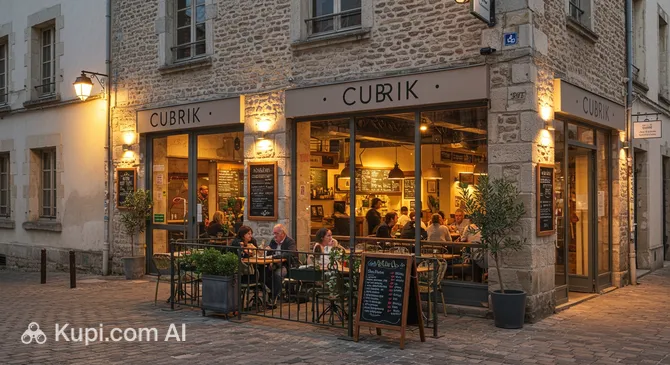
For those looking for specific venues to enjoy a drink, Cubrik is a popular choice located right in the heart of the action. Known for its quirky decor and extensive cocktail menu, it captures the youthful spirit of the city. If you are seeking a more interactive and high-energy evening, you might check out Axe Throwing, Karaoke Box & Blind Test. This venue offers a unique combination of activities that are perfect for groups of friends wanting to try something different before hitting the dance floor.

Cubrik. Source: Kupi.Binoculars

Practicality is key to enjoying a night out in Tours. Most bars stay open until 2:00 AM, while nightclubs may operate until dawn. The dress code is largely casual; you will feel comfortable in jeans and a nice top in almost all establishments. Prices are reasonable compared to Paris, with a pint of beer typically costing between 5 to 7 euros. While the city center is walkable, the "Fil Bleu" tram and bus network runs until late evening. For very late returns, it is advisable to book a taxi or use a ride-sharing app.

Safety in Tours is generally good, and the city center remains populated and well-lit into the night. However, as with any travel destination, it is wise to stick to main streets when walking alone and to keep an eye on your belongings in crowded bars. The areas around the train station and the edges of the city are quieter at night, so taking a cab is recommended if your accommodation is located there.

Before the sun sets, the city offers plenty of daytime entertainment to fill your itinerary. Culture enthusiasts can explore the Museum of Fine Arts of Tours or enjoy a performance at the Grand Théâtre. For families or those seeking a lighter afternoon, the city's parks and nearby amusement centers provide ample opportunity for relaxation and fun before the evening festivities begin.

Parks & Museums

Tours is a city where urban elegance seamlessly blends with nature, offering a rich tapestry of lush green spaces and prestigious cultural institutions. Visitors can easily transition from admiring masterful artworks to strolling under the canopy of centuries-old trees, making it a destination that caters to both the mind and the spirit.

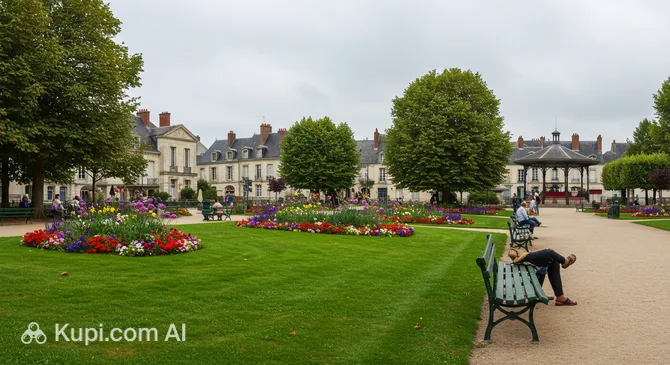
Among the city's most cherished green lungs is the Jardin des Prébendes d'Oé. Classified as a "Remarkable Garden," this English-style park is a peaceful sanctuary located just a short walk from the city center. It is famous for its majestic sequoias and cedars, as well as its winding paths and colorful flowerbeds that change with the seasons. It serves as a perfect spot for a quiet afternoon reading or a leisurely picnic away from the bustling streets.

Jardin des Prébendes d'Oé. Source: Kupi.Binoculars

For a more expansive natural experience, the Honoré de Balzac Park offers a unique setting on an artificial island in the Cher River. This vast recreational area is a favorite among families and joggers, featuring open meadows, wooded trails, and even an animal park with llamas and goats. Its location on the water provides a refreshing breeze and scenic views, making it an ideal escape for nature lovers seeking plenty of space.

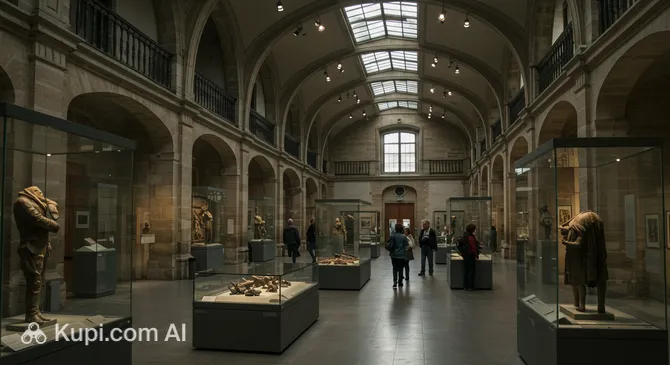
The cultural landscape of Tours is equally impressive, with museums that celebrate both local heritage and modern creativity. A truly unique institution is the Companions Museum (Musée du Compagnonnage), located in the former dormitory of the Saint-Julien Abbey. This museum pays tribute to the Compagnons du Tour de France, a French organization of craftsmen and artisans. The exhibits display breathtaking masterpieces of wood, stone, metal, and leather, showcasing the incredible skill and dedication of these tradespeople throughout history.

Companions Museum. Source: Kupi.Binoculars

In stark contrast to the historical collections, the Olivier Debré Contemporary Creation Center (CCC OD) stands as a beacon of modernity. Housed in a striking contemporary building, this art center hosts rotating exhibitions of abstract and avant-garde works. It is named after the painter Olivier Debré and focuses on disseminating contemporary art, offering a dynamic visual experience that challenges and inspires visitors.

History enthusiasts should not miss the Abbey of Saint-Julien. While parts of the complex house the aforementioned museum, the abbey church itself is a jewel of Romanesque and Gothic architecture. Its high vaulted ceilings and historical significance as one of the city's oldest religious sites make it a compelling stop for those interested in the medieval past of the region.

For a truly authentic experience, take a walk along the "Loire à Vélo" path near the Pont Wilson at sunset. While not a formal park, the riverbanks offer a raw, natural beauty and a stunning perspective of the city skyline reflecting on the water, a view that has inspired artists and travelers for centuries.

Getting Around

Navigating Tours is remarkably straightforward thanks to its efficient and modern public transport network, managed by Fil Bleu. The system is designed to be user-friendly for visitors, connecting the historic center with the railway stations, outlying neighborhoods, and major attractions. For most tourists, the backbone of getting around is the city's sleek tramway line, which cuts through the city from north to south, offering a reliable and scenic way to travel.

The tram is the most popular choice for short trips within the city. It runs frequently, often every 6 to 10 minutes during the day, and services key locations including the main train station, Place Jean Jaurès, and the historic quarters. Complementing the tram is an extensive bus network that covers areas not reached by the rail. The "Tempo" bus lines are particularly useful as they offer high-frequency service similar to the tram, making them a dependable alternative for reaching destinations further afield.

To use the public transport system, you will need to purchase a ticket. The system uses rechargeable magnetic tickets or contactless cards. A single journey typically costs around €1.70 and remains valid for one hour, allowing for transfers between trams and buses. For tourists planning a full day of sightseeing, a Day Pass (ticket journée) is an excellent value, offering unlimited travel for approximately €4.00. There are also passes available for groups or multiple days.

Tickets can be purchased easily at automatic vending machines located at every tram station; these machines accept coins and bank cards. You can also buy tickets at authorized retailers (often tobacco shops marked with a Fil Bleu logo) or directly from the bus driver, though buying on board usually incurs a small surcharge. A convenient digital alternative is the Fil Bleu mobile app, which allows you to buy and validate tickets directly from your smartphone.

It is crucial to remember to validate your ticket every time you board a bus or tram, even if you are transferring or using a pass. Validators are located inside the vehicles near the doors. Failure to validate can result in a fine if you are checked by inspectors. In terms of operating hours, the tram typically runs from around 5:00 AM until just after midnight (approximately 12:30 AM), while bus schedules vary, with most lines stopping earlier in the evening.

Given the flat terrain of the Loire Valley, cycling is a highly popular alternative to motorized transport. Tours is extremely bike-friendly, with dedicated lanes and paths throughout the city. You can rent bicycles from various shops or use the local bike-share services for short trips. This is often the most pleasant way to explore the riverbanks or travel between the city center and nearby parks.

For late-night travel or direct transfers with heavy luggage, taxis and ride-sharing services are available. While you may find taxis waiting at the train station, it is generally more reliable to book one in advance by phone or through an app, especially at night. However, the compact nature of the city center means that for many visitors, walking remains the most enjoyable way to soak up the atmosphere.
Accommodation

Finding the perfect place to stay in Tours is relatively easy, as the city offers a wide spectrum of accommodation options to suit every preference and budget. As a major tourist hub and the gateway to the Loire Valley, the hospitality sector here is well-developed. Visitors can choose from charming boutique hotels housed in historic buildings, reliable international chains, budget-friendly hostels, and an increasing number of private apartment rentals for a more "local" experience.

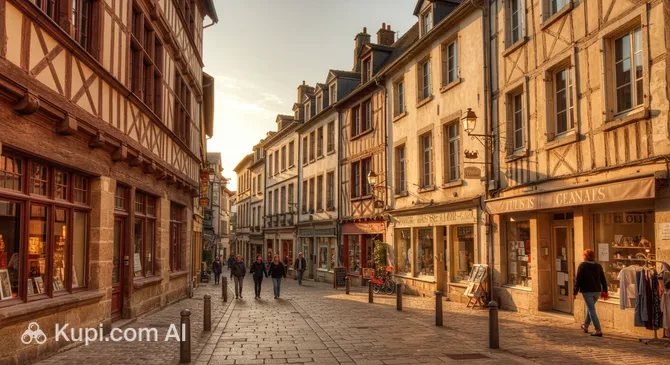
For those who want to be in the heart of the action, the Old Town (Vieux Tours) is the most popular area. Staying here puts you within walking distance of the vibrant Place Plumereau, numerous restaurants, and the city's medieval heritage. It is an ideal location for travelers who enjoy stepping out of their hotel directly into a lively atmosphere. Alternatively, the neighborhood around the Tours Railway Station is excellent for convenience, especially if you plan to take day trips to nearby châteaux by train. This area offers a mix of modern hotels and is just a short walk from the city center.

Old Town of Tours. Source: Kupi.Binoculars

Travelers seeking a quieter experience might prefer the residential districts just north of the Loire River or the southern neighborhoods near the Cher River. These areas often provide better value for money and a more relaxed pace, while still being connected to the center by the efficient tram system. For a truly unique experience, you can also find converted manor houses or "chambres d'hôtes" (guest houses) on the outskirts, offering a taste of the region's aristocratic charm.

Prices in Tours are generally reasonable compared to Paris, but there is a clear distinction between categories. Budget travelers can find hostels and economical hotels starting from around €50–€70 per night. Mid-range options, which make up the bulk of the market, typically range from €80 to €130. For luxury stays or high-end boutique experiences, expect to pay upwards of €150. Booking is most commonly done through major online platforms, though contacting smaller guesthouses directly can sometimes yield better rates or personalized service.

Booking Tip: Tours is a year-round destination, but it gets particularly busy during the summer months (June to August) and major French holidays. To secure the best rates and your preferred location, it is highly recommended to book your accommodation at least a few months in advance. If you are visiting during the low season, you may have more flexibility, but the most popular boutique hotels still tend to fill up quickly.

Nearby Cities

Tours serves as a fantastic starting point for exploring the wider Centre-Val de Loire region. Its central position allows travelers to easily reach several other fascinating cities and towns, each offering its own unique attractions and historical charm. Whether you are interested in the automotive heritage of Le Mans or the royal history of Blois, a variety of destinations are accessible within a short drive or train ride.

For those looking to expand their itinerary, the surrounding area is dotted with communities that range from bustling regional hubs to picturesque towns. A quick trip to Joué-lès-Tours takes only minutes, while other notable locations like Saumur offer a delightful change of scenery just an hour away. These nearby places are perfect for day trips, allowing you to experience the diversity of the Loire Valley without constant hotel changes.

Below is a list of cities located near Tours, including their population and distance from the city center:

City Population Distance (km)
Le Mans 143,847 78
Blois 45,898 53
Joué-lès-Tours 38,444 5
Châtellerault 31,733 65
Saumur 26,599 60

Shopping & Souvenirs

Shopping in Tours is a delightful experience that mirrors the city's blend of historic charm and modern vitality. From bustling pedestrian avenues lined with international brands to quaint boutiques hidden in medieval lanes, the city offers a diverse retail landscape. Whether you are looking for the latest fashion, artisanal crafts, or gastronomic treasures, the "Garden of France" provides ample opportunity to find the perfect item.

The primary shopping artery of the city is the lively Rue Nationale. Stretching through the heart of the center, this wide, partially pedestrianized street is home to major department stores and well-known fashion retailers. It is the perfect place for a leisurely stroll, with the tram gliding quietly by and plenty of cafes for a mid-shopping break. Nearby, the Rue de Bordeaux connects the railway station to the city center and is equally packed with shops, making it convenient for travelers arriving by train.

For a more unique and atmospheric experience, wander into the winding streets of the Old Town. Here, amidst the half-timbered houses, you will find independent boutiques, antique dealers, and bookshops. This area is ideal for hunting down distinctive gifts, handmade jewelry, and local art that captures the spirit of the Loire Valley.

No shopping trip to Tours would be complete without visiting Les Halles de Tours. This covered market is the gastronomic soul of the city, where the region's culinary heritage is on full display. Food lovers can browse stalls overflowing with fresh produce, local cheeses like Sainte-Maure de Touraine, and the famous Rillettes de Tours. It is the best spot to purchase edible souvenirs to take a taste of France home with you.

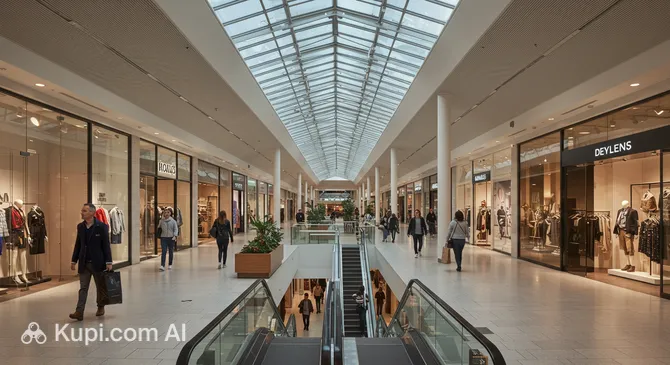
If you prefer a contemporary shopping environment, the city features several modern complexes. Located in the Deux-Lions district, L'Heure Tranquille is a popular open-air lifestyle center. Its modern architecture and relaxed vibe make it a favorite destination for both locals and visitors. The complex combines fashion boutiques with leisure facilities and restaurants, allowing you to enjoy a full day of entertainment and retail therapy.

L'Heure Tranquille. Source: Kupi.Binoculars

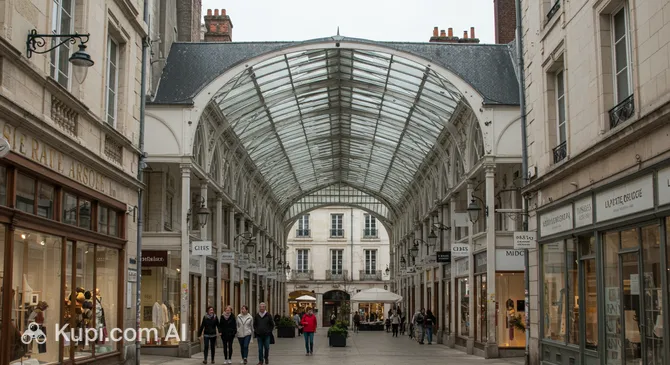
For a more extensive commercial experience, La Petite Arche is a significant shopping hub located in the northern part of the city. This large commercial zone hosts a variety of big-box retailers and specialized stores, covering everything from clothing and electronics to home goods. It is easily accessible and offers a practical solution for those looking for a wide range of products in one location.

La Petite Arche. Source: Kupi.Binoculars

When it comes to souvenirs, the region's specialties are the top choice. Beyond the food markets, look for local wines from the Vouvray or Chinon appellations in the city's wine cellars (caves). Sweet treats like the Nougat de Tours—a cake filled with candied fruits and apricot jam—also make for excellent gifts. Most shops in the city are open from Monday to Saturday, with many smaller boutiques closing for a lunch break, so plan your spree accordingly.

Reached the end of the page?

That means the route is fully explored