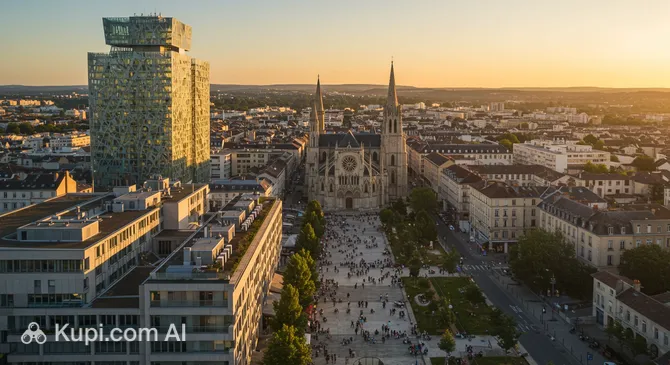
Saint-Étienne is a dynamic city that beautifully blends its rich industrial heritage with modern innovation. Often referred to as "Sainté" by locals, it offers a unique atmosphere where creativity thrives, having reinvented itself from a manufacturing hub into a visionary UNESCO City of Design.
Situated in the Massif Central within the Auvergne-Rhône-Alpes region, the city is home to approximately 173,000 residents. It serves as a gateway to the stunning Pilat Regional Natural Park, offering a mix of urban energy and access to nature. When planning a trip to France, this destination stands out for its hilly landscape, distinctive architecture, and authentic character.
Saint-Étienne. Illustration.
Source: Kupi.com AI
The history of Saint-Étienne is deeply rooted in coal mining, bicycle manufacturing, and ribbon making, a legacy that is proudly displayed throughout the town. Today, visitors are captivated by the Cité du Design, a hub of exhibitions and creativity, as well as the fascinating Musée d'Art et d'Industrie, which showcases the city's technical prowess and artistic evolution.
Beyond its cultural assets, the city is famous for its passionate football culture, centered around the legendary Stade Geoffroy-Guichard, known as "Le Chaudron" (The Cauldron). Whether you are an art lover, a sports fan, or an outdoor enthusiast, Saint-Étienne invites you to discover its reinvented identity and experience its warm hospitality.
Weather Overview
Saint-Étienne experiences a varied climate with distinct seasons, offering a mix of pleasant warmth and crisp, cooler periods. The summer months are typically the most inviting for exploration, with July and August seeing average temperatures of around 20.4°C and daytime highs reaching up to 26.0°C. However, travelers should note that even the warmest months can have between 8 and 11 wet days, so carrying a light raincoat is always a good idea.
Winters in the city are significantly colder, particularly from December to February, when average temperatures hover between 2.8°C and 4.6°C. January is often the coldest month, with lows dipping to around -0.2°C. Precipitation is a consistent factor year-round, with May and December seeing up to 16 wet days each. For a more comprehensive breakdown of what to expect during your specific travel dates, you can check the weather in Saint-Étienne.
Spring and autumn offer milder conditions, with temperatures gradually rising from 6.8°C in March to 13.1°C in May, and cooling down from 16.2°C in September. Expect warm summers with occasional rain and cold winters characterized by frequent damp days.
Average monthly temperature
Average monthly precipitation
Interesting Facts
Beyond its well-known landmarks, Saint-Étienne holds several pioneering titles and fascinating secrets that have shaped modern France. This city of invention offers unique stories that go far beyond its industrial exterior.
Saint-Étienne is the birthplace of the French railway. The very first railway line in France was inaugurated here in 1827 to transport coal from the local mines to the Loire River, marking the beginning of the rail era in continental Europe.
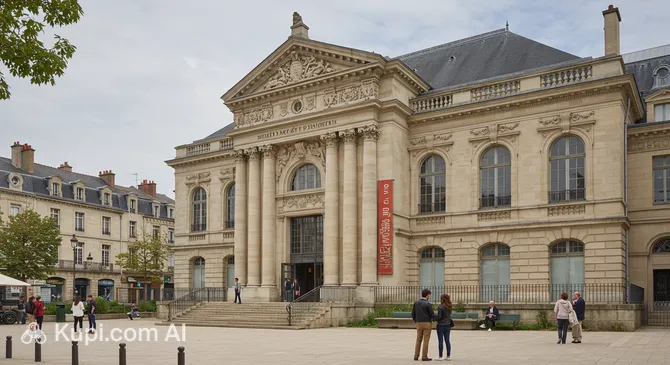
The city is the historic capital of the bicycle in France, having manufactured the country's first bicycle in 1886. This legacy, along with the city's dominance in ribbon-making and armaments, is extensively documented at the Museum of Art and Industry.
Football is treated with religious fervor here, and the city boasts the first museum in France dedicated entirely to a single football club. The Musée des Verts celebrates the legendary "Green Angels" who dominated French football in the 1970s.
The skyline is distinguished by two massive, pyramid-shaped slag heaps known as "crassiers." These twin peaks near the Couriot Mine Museum are remnants of the coal era that have become protected heritage sites, resembling natural volcanoes rising from the urban landscape.
Museum of Art and Industry. Illustration.
Source: Kupi.com AI
Traveler photos:
How to Get There
Saint-Étienne is strategically located in the Auvergne-Rhône-Alpes region, making it accessible via several major transport hubs in neighboring cities. While the city has its own local connections, international travelers often arrive through larger gateways nearby. You can read more about how to get to Saint-Étienne in our detailed guide to planning your journey.
The most significant air gateway for visitors is Lyon Saint-Exupéry International Airport (LYS). Located in the city of Lyon, it sits approximately 63.5 km from Saint-Étienne. From here, a transfer by car or taxi typically takes about an hour, while shuttle services may take slightly longer. This airport handles a large volume of passengers and offers numerous international connections. Alternatively, travelers can fly into Geneva Airport (GVA) in Geneva, Switzerland. Although it is further away—about 160.5 km from Saint-Étienne—it is a major international hub. The travel time by road from Geneva is approximately two hours.
For clarity, here is a summary of the main airports:
If you prefer traveling by train, the region is served by several key railway stations. The Lyon Part-Dieu Station in the city of Lyon is a primary hub situated about 51.3 km from Saint-Étienne. A direct regional train (TER) from this station usually reaches the city in roughly 45 to 50 minutes. Another important option in Lyon is the Gare de Lyon-Perrache, located 48.4 km away, with a similar travel time of under an hour. These stations provide extensive high-speed rail links to the rest of France and Europe.
Below is a list of the closest major railway stations:
Saint-Étienne offers a diverse range of attractions that reflect its transformation from an industrial powerhouse to a modern capital of design. Visitors can explore fascinating museums, architectural landmarks, and contemporary spaces that celebrate the city's unique heritage and vibrant culture.
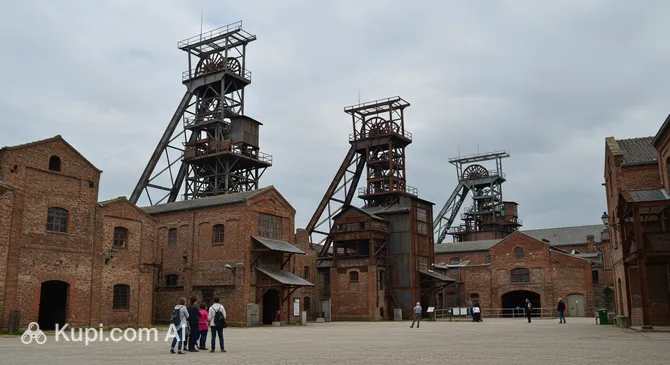
One of the most iconic sites is the Couriot Mine Museum. Located on the site of the last coal pit to close in the city, this museum offers an immersive journey into the daily lives of miners. Visitors can explore the impressive "salle des pendus" (hanging room), where miners' clothes still hang from the ceiling, and take a guided train ride into the reconstructed underground galleries. It is a moving tribute to the city's industrial past.
Couriot Mine Museum. Illustration.
Source: Kupi.com AI
Traveler photos:
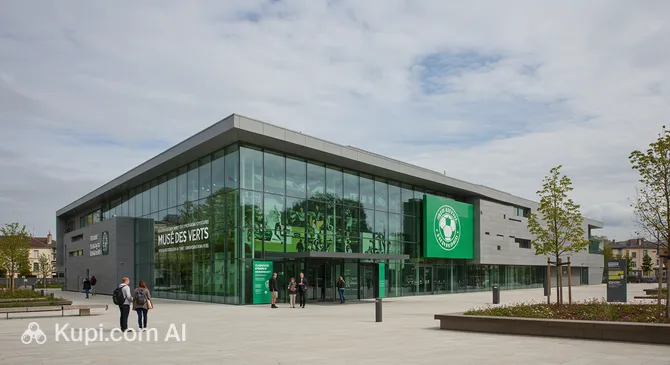
For sports enthusiasts, the Musée des Verts is an essential stop. Situated within the famous Geoffroy-Guichard Stadium, this is the first museum in France dedicated to a football club. It chronicles the legendary history of AS Saint-Étienne, displaying trophies, jerseys, and memorabilia that tell the story of the "Green Angels" and their impact on French football culture.
Musée des Verts. Illustration.
Source: Kupi.com AI
Traveler photos:
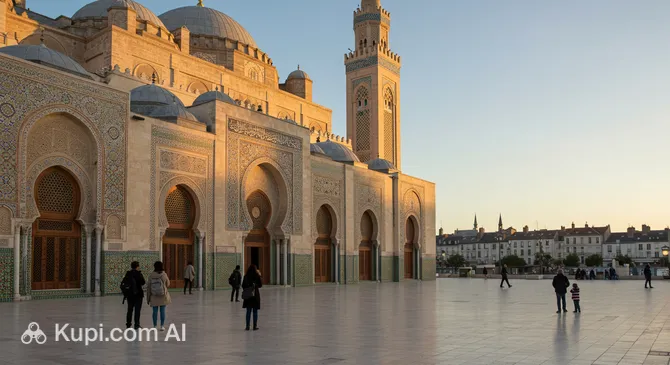
Architecture lovers should not miss the Mohammed VI Grand Mosque of Saint-Étienne. This stunning religious edifice blends traditional Moroccan craftsmanship with modern elements. Its intricate tile work, sculpted plaster, and peaceful courtyard make it a serene and visually captivating place to visit, reflecting the cultural diversity of the region.
Mohammed VI Grand Mosque of Saint-Étienne. Illustration.
Source: Kupi.com AI
Traveler photos:
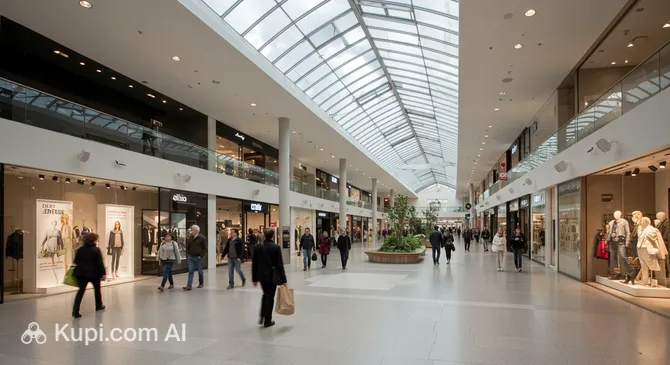
Reflecting the city's status as a UNESCO City of Design, Steel is more than just a shopping destination; it is an architectural landmark. This open-air lifestyle center is defined by its spectacular metal mesh roof that undulates like a ribbon, paying homage to the local ribbon-making industry. It offers a mix of shopping, dining, and leisure activities in a modern, aesthetically pleasing environment.
Steel. Illustration.
Source: Kupi.com AI
Traveler photos:
Those looking for a unique dining and cultural experience can visit La Fabuleuse Cantine. Often housed in repurposed spaces, this concept combines sustainable gastronomy with a creative atmosphere. It is a perfect example of how Saint-Étienne reinvents its spaces to offer social and culinary experiences that appeal to both locals and tourists.
Local Cuisine
The culinary scene in Saint-Étienne is a reflection of its warm, working-class heritage, characterized by hearty, comforting dishes meant to be shared. The undisputed star of local gastronomy is the râpée, a crispy, golden potato pancake made with grated raw potatoes and eggs. It is traditionally served with a fresh green salad or charcuterie and can be found in almost every traditional bistro in the city. Another savory staple is sarasson, a smooth white cheese beat with herbs, shallots, and vinegar, typically enjoyed as a refreshing accompaniment to steamed potatoes.
For those with a sweet tooth, Saint-Étienne offers delightful treats. The city is famous for its high-quality chocolate, particularly from the renowned Weiss chocolate factory, which has been a local institution since 1882. During carnival season and throughout the year, you might also encounter bugnes, light and airy fritters dusted with icing sugar that are a beloved regional specialty.
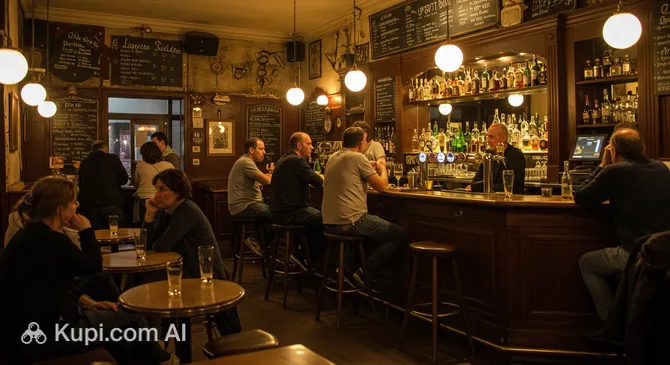
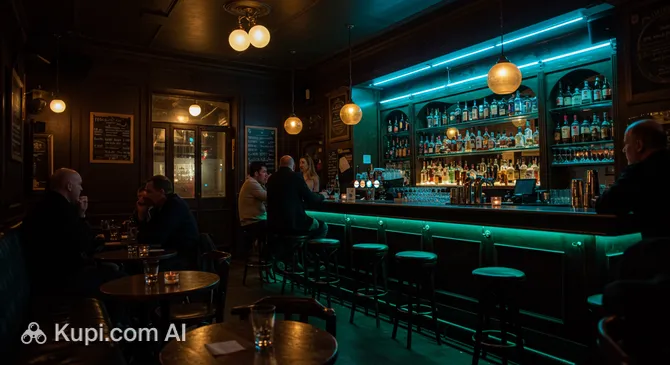
When it comes to beverages, the region takes pride in its local wines, specifically those from the nearby Côtes du Forez vineyards, which produce excellent Gamay wines. The city also boasts a vibrant nightlife with a variety of spots to enjoy a drink. You can visit the Lipopette Bar for a friendly atmosphere and creative beverages, or stop by The Blue Grotto, another popular local haunt for unwinding after a day of exploration.
Lipopette Bar. Illustration.
Source: Kupi.com AI
Traveler photos:
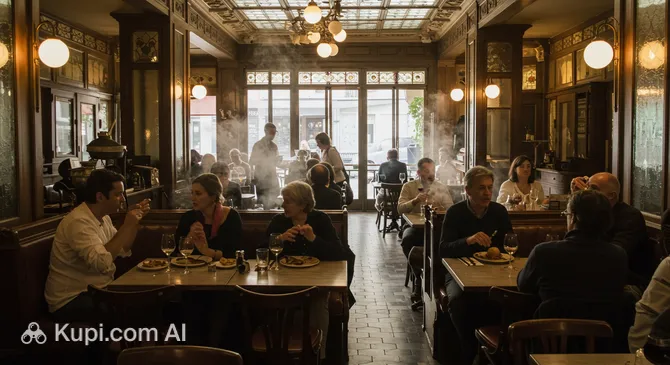
The dining culture here is unpretentious and convivial, with many locals frequenting traditional "guinguettes" and lively neighborhood restaurants. Whether you are looking for a quick bite at a market or a sit-down meal, the focus is always on quality ingredients and hospitality. A great place to experience this authentic vibe is La Java Bleue Restaurant, where you can savor classic French flavors in a charming and nostalgic setting.
La Java Bleue Restaurant. Illustration.
Source: Kupi.com AI
Traveler photos:
Travel Tips
Welcome to Saint-Étienne! To make the most of your visit to this UNESCO City of Design, a little practical knowledge goes a long way. Here are some essential tips to help you navigate the city’s hills, culture, and unique atmosphere like a local.
Clothing and Gear: Since Saint-Étienne is located near the Massif Central, the weather can be changeable. It is best to pack layers, as evenings can get cool even in summer. Most importantly, bring very comfortable walking shoes. The city is built on seven hills, meaning you will likely encounter steep streets and stairs while exploring.
Transportation: The city has an excellent public transport network known as STAS, which includes buses and an iconic tram system—the oldest in France still in continuous operation. Trams are the most convenient way to get around the center. You can buy tickets at vending machines at stops; remember to validate them upon boarding. For trips to the surrounding Pilat Natural Park, renting a car is recommended.
Finances: The currency is the Euro (€). Credit and debit cards (Visa and Mastercard) are widely accepted in shops, restaurants, and museums. However, it is wise to carry a small amount of cash for purchases at local bakeries or open-air markets. Tipping is not mandatory as a service charge is included in the bill, but leaving small change for good service is appreciated.
Health and Safety: Saint-Étienne is generally a safe city for tourists. Pharmacies are easily recognized by a flashing green cross sign and are well-stocked for minor ailments. In case of any serious emergency, dial 112 for universal European assistance. As in any urban area, keep an eye on your belongings in crowded places like tram stations.
Communication: The official language is French. While younger people and staff in the tourism industry often speak English, it is not universally spoken by the older generation. Learning a few basic phrases like "Bonjour" (Hello), "Merci" (Thank you), and "S'il vous plaît" (Please) will be greatly appreciated by locals and can open many doors.
Local Etiquette: Politeness is highly valued here. When entering a shop, café, or even a bus, it is customary to greet the staff or driver with a friendly "Bonjour." Failing to do so can be considered rude. In restaurants, dining is a leisurely activity; do not rush the staff, and ask for the bill ("L'addition, s'il vous plaît") when you are ready to leave.
What to Avoid: Be mindful of the intense football rivalry between Saint-Étienne (ASSE) and their neighbor, Lyon (OL). It is best to avoid wearing Olympique Lyonnais jerseys or gear while in Saint-Étienne, as the locals are incredibly passionate about their team, "Les Verts." Respecting this local loyalty ensures a friendly reception.
Additional Tip: Keep your eyes open for urban design elements. As a City of Design, Saint-Étienne frequently tests new street furniture and artistic installations in public spaces. You might find unique benches or experimental lighting fixtures that aren't found anywhere else, turning a simple walk into an open-air museum experience.
By keeping these practical tips in mind, you will be well-prepared to enjoy the warm hospitality and creative spirit of Saint-Étienne. Have a wonderful trip exploring the green heritage and modern innovations of this fascinating French city!
Entertainment & Nightlife
Saint-Étienne may have an industrial past, but its present is vibrant and youthful, largely driven by a significant student population. The nightlife here is less about exclusive, high-end clubs and more about conviviality, live music, and diverse atmospheres. The mood is generally relaxed and welcoming, reflecting the city’s friendly working-class roots. Evenings often start with an "apéro" (pre-dinner drink) on a terrace and can extend late into the night at one of the many lively pubs or cultural venues.
The epicenter of nightlife is undoubtedly the Rue des Martyrs de Vingré. Locals affectionately call it the "Rue de la Soif" (Thirst Street) due to its high concentration of bars and pubs. This pedestrian street buzzes with energy, especially from Thursday to Saturday night. Nearby, Place Jean Jaurès and the streets surrounding Place du Peuple also offer numerous spots to enjoy a drink. The Saint-Jacques district is another historic area that transforms at night, offering a mix of traditional cafes and trendy spots with a bohemian flair.
For a taste of the local bar scene, you can head to The Blue Grotto. This venue is well-regarded for its extensive selection of beers and its warm, pub-like atmosphere, making it a perfect spot to socialize with locals. If you are looking for something more eclectic, La Fabuleuse Cantine offers a unique blend of sustainable dining and cultural entertainment. Located in the creative Cité du Design district, it frequently hosts DJ sets, concerts, and artistic events in a repurposed industrial setting.
The Blue Grotto. Illustration.
Source: Kupi.com AI
Traveler photos:
Practicalities for a night out are simple. The dress code in most establishments is casual; you will feel comfortable in jeans and sneakers almost everywhere. Prices are generally reasonable compared to larger French cities, with a pint of beer costing between €5 and €7. Public transport (trams and buses) runs until around midnight or 1:00 AM depending on the line and day. After hours, it is best to call a taxi or use a ride-sharing app. The city center is generally safe for walking, but as with any urban area, it is advisable to stick to well-lit, populated streets late at night.
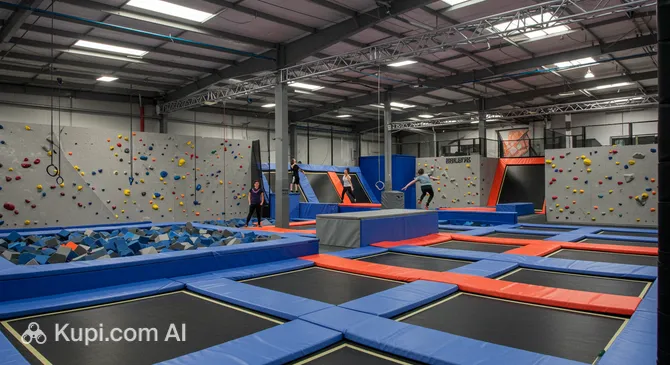
Daytime entertainment in Saint-Étienne caters to families and thrill-seekers alike. If you are looking to burn off some energy, the Yellow Jump Trampoline Park is a fantastic indoor activity center featuring interconnected trampolines and foam pits. It is an ideal spot for an active afternoon, especially if the weather is rainy. For a calmer experience, marine life enthusiasts can visit the Zoanthus Aquarium, which offers a glimpse into aquatic ecosystems.
Yellow Jump Trampoline Park. Illustration.
Source: Kupi.com AI
Traveler photos:
Parks & Museums
Saint-Étienne is a city that surprises visitors with its abundance of greenery and its dedication to preserving culture. Often celebrated for its industrial past, the city has successfully integrated nature into its urban landscape, boasting numerous parks and gardens that sit alongside world-class museums. Whether you are looking for a peaceful stroll among ancient trees or a deep dive into the region's artistic and technical history, the city offers a diverse range of experiences.
One of the most beloved green spaces in the city is the Parc de l'Europe. Located near the Rond-Point, this expansive park is a favorite among locals for its English-style landscaping, featuring winding paths, vast lawns, and a variety of tree species. It is an ideal spot for a relaxing afternoon, offering a miniature train for children and a perennial plant garden that bursts with color in the warmer months. The park's serene atmosphere makes it a perfect escape from the bustling city center.
For those seeking panoramic views, the Parc de Montaud is the largest park in the city, covering over 50 hectares on one of the seven hills. It offers a more rugged, natural experience with hiking trails that wind through forests and meadows. At the summit, visitors are rewarded with a breathtaking view of the city and the surrounding Pilat massif. The park is also home to several monumental sculptures, adding an artistic touch to the wilder landscape.
Saint-Étienne's cultural scene is anchored by the renowned Museum of Art and Industry. Housed in a magnificent 19th-century building, this institution is not just a museum but a testament to the city's creative DNA. Its collections are focused on three main industries that shaped the local economy: ribbons, weapons, and bicycles. Tourists are often fascinated by the extensive collection of rare bicycles and the intricate beauty of the silk ribbons, which demonstrate the high level of craftsmanship achieved in the region.
Another essential cultural stop is the Couriot Mine Museum. While it is a site of industrial memory, the surrounding area has been transformed into a landscaped park known as the Parc Joseph Sanguedolce. Visitors can explore the historic mining structures and then enjoy a walk in the park, which hosts festivals and open-air events during the summer. The contrast between the imposing headframe of the mine and the green lawns symbolizes the city's successful transition from industry to ecology.
Art lovers should also make time for the Museum of Modern and Contemporary Art (MAMC+). Although it is famous for holding one of the largest collections of contemporary art in France outside of Paris, its sleek, black-tiled architecture is an attraction in itself. The museum hosts rotating exhibitions featuring international artists, making every visit a unique experience.
In terms of historical architecture, the city center features hidden gems like the Maison François Ier. Built in the 16th century, this house is a rare example of Renaissance architecture in Saint-Étienne, featuring a distinctive façade adorned with medallions. It stands as a reminder of the city's long history before the industrial revolution.
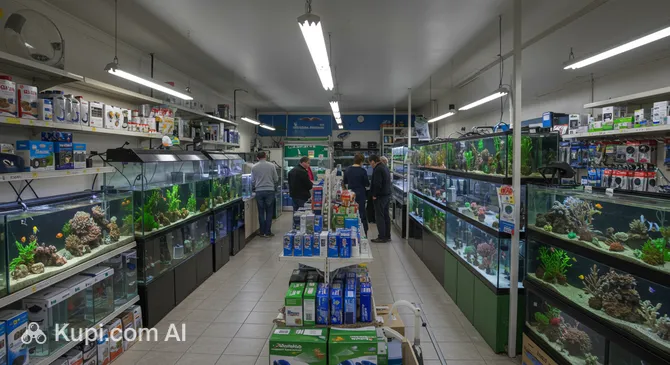
For a different kind of nature experience, marine life enthusiasts can visit the Zoanthus Aquarium. This facility allows visitors to discover aquatic ecosystems from around the world, focusing on conservation and education. It provides a fascinating glimpse into underwater life and is particularly engaging for families interested in biodiversity.
Zoanthus Aquarium. Illustration.
Source: Kupi.com AI
Traveler photos:
For an authentic insider experience, take a walk up the Crêt de Roch steps. This historic neighborhood on a hill offers a village-like atmosphere with narrow streets and community gardens. At the top, you will find a quiet spot to watch the sunset over the city rooftops, a view often missed by tourists who stick to the main avenues.
Getting Around
Getting around Saint-Étienne is both convenient and historically significant, thanks to the efficient public transport network managed by STAS. The city is famous for its tramway system, which is one of the few in France that has functioned continuously since 1881 without ever being dismantled. Today, three main tram lines (T1, T2, and T3) serve as the backbone of local transit, connecting major hubs such as the Châteaucreux railway station, the city center, and the Bellevue and Terrasse districts. For tourists, the tram is the easiest and most atmospheric way to navigate the main thoroughfares.
Complementing the trams is an extensive bus network that reaches into the city's seven hills and surrounding suburbs. Given the hilly topography, buses are often essential for reaching neighborhoods and attractions located away from the valley floor. The fleet includes modern electric trolleybuses, maintaining the city's long tradition of electric transport. Stops are well-marked, and digital displays at major stations provide real-time waiting times, making it easy to plan your journey across the metropolitan area.
The payment system is fully integrated, allowing you to use the same ticket for trams and buses. Single-trip tickets are affordable, typically costing around €1.60, and are valid for one hour with transfers allowed. For visitors planning a full day of sightseeing, a 24-hour pass is a highly economical option. Tickets can be purchased at automatic vending machines located at every tram station and major bus hubs; these machines generally accept both coins and credit cards. Additionally, the "Moovizy" mobile app allows you to buy and validate tickets directly from your smartphone, which is a convenient alternative to paper tickets.
A crucial rule for using public transport here is validation. Whether you have a paper ticket or a digital pass, you must validate it every time you board a vehicle, even when transferring between lines. Validators are located inside buses and trams near the doors, and failure to validate can result in a fine if inspectors check your ticket. In terms of operating hours, the trams run frequently from early morning, around 4:30 AM, until approximately midnight or 1:00 AM, ensuring you can easily return to your accommodation after a late dinner.
For those who prefer active travel, the city offers a bike-sharing service called Vélivert. With numerous stations scattered across the city, you can easily rent a classic or electric bike for short trips. Electric bikes are particularly recommended here due to the city's steep inclines. Alternatively, taxis and ride-sharing services are available but are less commonly hailed on the street; it is best to book them in advance or find them at designated ranks near the train station. While the pedestrianized city center is pleasant to explore on foot, the efficient tram system remains the most popular choice for saving time and energy.
Accommodation
Where to Stay:
Accommodation in Saint-Étienne is generally practical, affordable, and well-suited to a variety of travelers, from business visitors to football fans and design enthusiasts. The city does not typically feature ultra-luxury five-star resorts; instead, the accommodation landscape is dominated by reliable mid-range chain hotels, charming independent boutique hotels, and an increasing number of furnished apartments and aparthotels. Whether you are looking for a budget-friendly hostel or a comfortable modern suite, the city offers plenty of options that provide good value for money compared to larger French tourist hubs.
For most tourists, the best area to stay is the City Center (Centre-Ville), particularly around Place Jean Jaurès and the pedestrian streets like Rue des Martyrs de Vingré. Staying here places you within walking distance of the best restaurants, bars, and shops, as well as the main tram lines. It is the vibrant heart of the city, where you can easily soak up the local atmosphere. Another popular and strategic area is the Châteaucreux district, located around the main railway station. This area has undergone significant modernization and is ideal for travelers arriving by train or those on short business trips, offering modern hotels with easy access to transport links.
Travelers visiting specifically for events at the Stade Geoffroy-Guichard might consider looking for accommodation in the northern part of the city. While this area is further from the historic center, it offers convenience for match days. However, thanks to the efficient tram system, staying in the city center and commuting to the stadium is also a very viable and often more enjoyable option.
Booking Tip: Saint-Étienne is famous for its passionate football culture. If your visit coincides with a home match for AS Saint-Étienne ("Les Verts"), hotels can fill up very quickly, and prices may rise. It is highly recommended to check the match schedule and book your accommodation well in advance if you plan to visit during the football season.
In terms of pricing, Saint-Étienne is quite reasonable. Budget travelers can find comfortable rooms or studio rentals for moderate rates, while mid-range options offer excellent amenities without breaking the bank. Booking is easily done through major online travel platforms, though contacting smaller, independent hotels directly can sometimes yield better rates or special offers. For longer stays, the city's selection of aparthotels provides a convenient "home away from home" experience with kitchenette facilities.
Nearby Cities
For those looking to explore the surroundings, Saint-Étienne serves as an excellent base for day trips to several interesting nearby locations.
One of the most historically significant destinations nearby is Vienne. Known as a city of art and history, it boasts an impressive collection of Roman monuments, including the well-preserved Temple of Augustus and Livia and a vast Ancient Theatre that still hosts events today. It is also famous for its annual international jazz festival, making it a cultural hotspot in the region.
Closer to Saint-Étienne lies Saint-Chamond, situated at the gateway to the Pilat Regional Natural Park. This town offers a mix of industrial heritage and access to nature, making it a convenient stop for those wishing to explore the Gier Valley or enjoy outdoor activities in the nearby hills. It serves as a bridge between the urban environment and the lush landscapes of the department.
Travelers heading towards the Rhône River might also consider stopping in Givors. Located at the confluence of the Gier and Rhône rivers, it offers scenic views and serves as a transition point towards the greater Lyon metropolitan area, providing a glimpse into the river-based geography that shapes this part of France.
City
Population
Distance
Roche-la-Moliere
9 884
5 km
Le Chambon-Feugerolles
12 200
7 km
Firminy
16 981
10 km
Saint-Chamond
34 979
11 km
Veauche
8 976
16 km
These nearby destinations offer a glimpse into the diverse culture and landscapes of the region.
Shopping & Souvenirs
Shopping in Saint-Étienne offers a delightful mix of modern convenience and traditional charm, reflecting the city's identity as a creative and industrious hub. While it may not have the overwhelming scale of Paris, the city provides a diverse retail experience where visitors can find everything from international high-street brands to unique local crafts. The pedestrian-friendly city center makes window shopping a pleasant activity, allowing you to explore historic streets while browsing for fashion, design objects, and regional specialties.
The heart of the shopping action is located in the Centre-Ville (City Center). The main thoroughfare, Rue de la République, connects the Place Bellecour to the Place du Peuple and is lined with major clothing chains, beauty stores, and department stores. For a more boutique experience, wander into the pedestrian streets around Place du Peuple and Rue Michelet. Here, you will find independent shops selling clothing, jewelry, and home decor. The Rue des Martyrs de Vingré, although famous for its nightlife, also hosts charming small businesses and concept stores that showcase the city's creative spirit.
For a comprehensive shopping experience under one roof, the city boasts impressive malls. The most notable is Steel, a massive open-air lifestyle center located at the entrance of the city. Beyond its stunning architecture, it houses dozens of shops ranging from fashion and sports to home improvement, along with restaurants and leisure areas. Another key location is Centre Deux, a large indoor shopping mall situated near the Trefilerie district, which features a hypermarket and over 80 boutiques, making it a convenient stop for everyday needs.
Markets are an essential part of daily life in Saint-Étienne and offer a great way to discover local flavors. The Market at Place Albert Thomas is one of the most popular, bustling with vendors selling fresh produce, cheeses, and meats several mornings a week. For a lively Sunday morning atmosphere, the market in the Bellevue district is the place to be, offering a wide array of food items, clothes, and bric-a-brac.
When looking for souvenirs, there are a few local treasures you should consider. Saint-Étienne is renowned for its chocolate, particularly from the historic Chocolaterie Weiss. A box of their high-quality pralines or chocolate bars is a perfect gift. Given the city's passion for football, a green jersey or scarf from the ASSE (Saint-Étienne's football team) is a must-have for sports fans. Additionally, as a UNESCO City of Design, you can find unique design objects and stationery in museum shops or specialized boutiques like the one at the Cité du Design.
Standard store opening hours are generally from 10:00 AM to 7:00 PM, Monday through Saturday. Smaller independent shops may close for a lunch break between 12:00 PM and 2:00 PM. It is important to note that most shops are closed on Sundays, except for some food markets and bakeries in the morning. Credit and debit cards (Visa and Mastercard) are widely accepted everywhere, even for small amounts, though having some cash for markets is advisable.
For visitors residing outside the European Union, a tax refund (détaxe) is available on purchases over a certain amount (typically €100.01) made in a single store. Look for the "Tax-Free Shopping" sign in store windows and ask the staff for a tax refund form upon purchase to reclaim the VAT at the airport or border when leaving the EU.