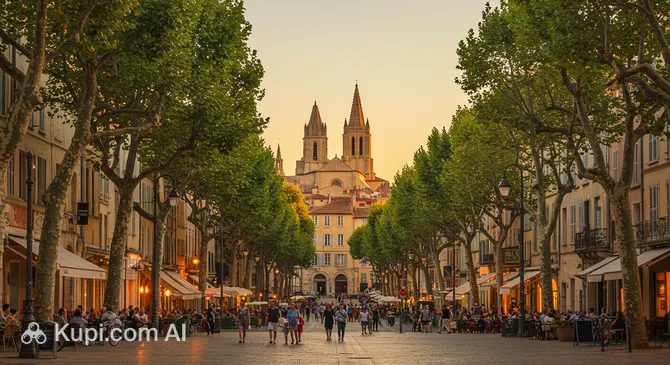
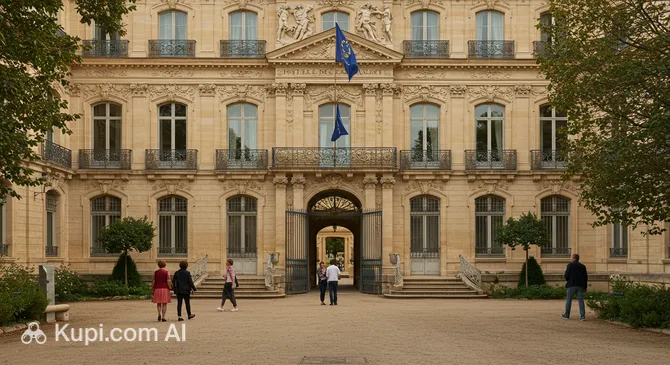
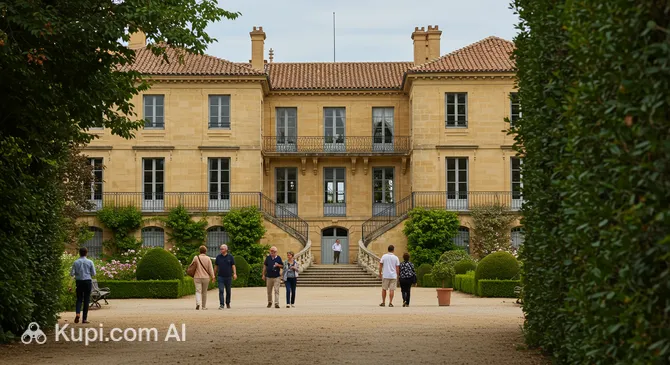
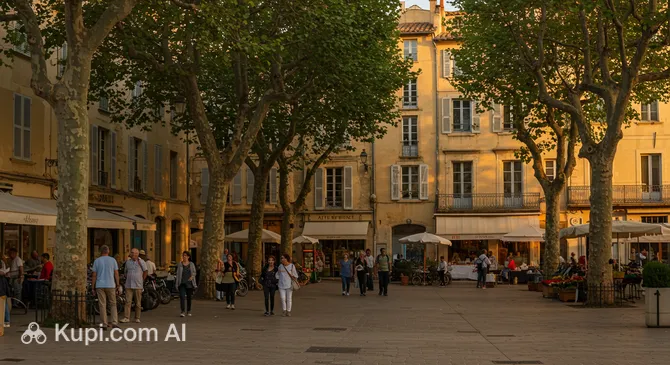
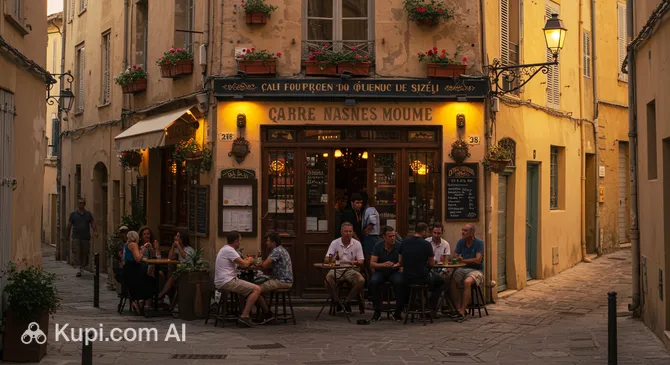
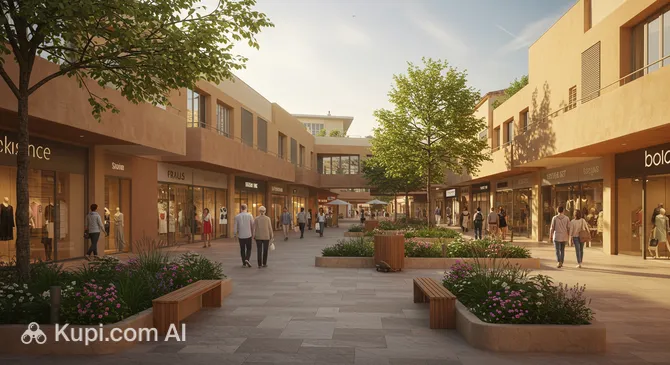
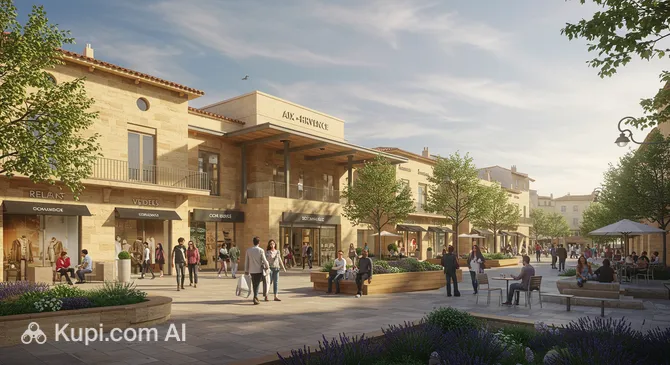
Welcome to Aix-en-Provence, a captivating city that perfectly embodies the elegance and charm of the Provençal lifestyle. Often referred to as the "City of a Thousand Fountains," it is renowned for its vibrant street life, golden stone architecture, and rich artistic heritage. Located in the sun-drenched region of Provence-Alpes-Côte d'Azur in southern France, this university town offers a seamless blend of historic grandeur and youthful energy.
Aix-en-Provence. Illustration.
Source: Kupi.com AI
With a population of approximately 145,000 residents, Aix-en-Provence feels both lively and intimate. The city enjoys a warm Mediterranean climate with abundant sunshine, making it a delightful destination throughout the year. Visitors can trace the history of Aix-en-Provence back to its Roman origins as a thermal spa town, evident in the ancient baths and the maze of narrow, winding streets in the Old Town.
The city is perhaps most famous as the birthplace of the Post-Impressionist painter Paul Cézanne, whose atelier remains a popular site for art lovers wishing to see where he created his masterpieces. Strolling down the majestic Cours Mirabeau, lined with towering plane trees and bustling cafes, is an essential experience for any traveler. Whether you are admiring the moss-covered fountains or exploring the colorful local markets, Aix invites you to slow down and savor the authentic art de vivre of the south.
Weather Overview
Aix-en-Provence enjoys a Mediterranean climate, characterized by distinct seasons that offer a variety of experiences for travelers. The summer months are typically hot and dry, particularly in July, when the average temperature is 25.2°C and highs frequently reach 31.4°C. With only about 3 wet days in July, this is the sunniest time of year, perfect for exploring the region's outdoor attractions.
In contrast, the winter season from December to February is cooler, with average temperatures hovering between 6°C and 8°C and nightly lows dipping to around 1.8°C in January. For those planning a trip, checking the weather in Aix-en-Provence is recommended to pack appropriately for the season. Expect hot, sunny summers and cool winters, with the highest frequency of rainy days occurring during the transitional months of May and November.
Average monthly temperature
Average monthly precipitation
Interesting Facts
Beyond the main attractions, Aix-en-Provence holds many fascinating secrets that reveal the city's deep historical and cultural layers. These unique details offer a glimpse into the quirky and romantic character of this Provençal gem.
The city's signature sweet, the Calisson, has a charming legend attached to its creation in the 15th century. It is said that the royal confectioner invented the almond and melon treat for the wedding of King René to make his solemn bride, Queen Jeanne, smile; when she asked what they were, he replied "di calin soun," which translates from Provençal as "they are little hugs."
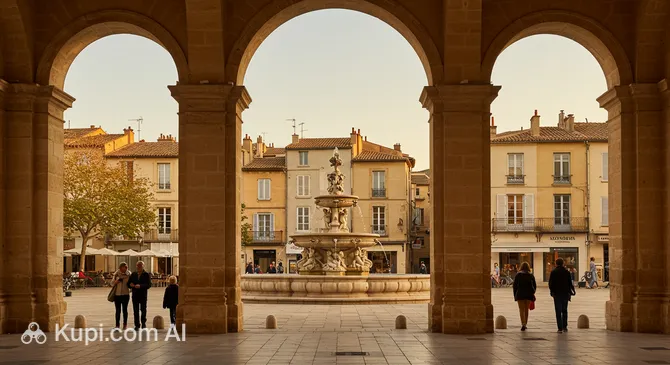
The elegant Place d'Albertas was not originally designed for the public, but rather as a private architectural fix. In 1745, the Marquis d'Albertas commissioned the square specifically to create a pleasing view from his mansion's windows and to hide the irregular facades of the houses across the street.
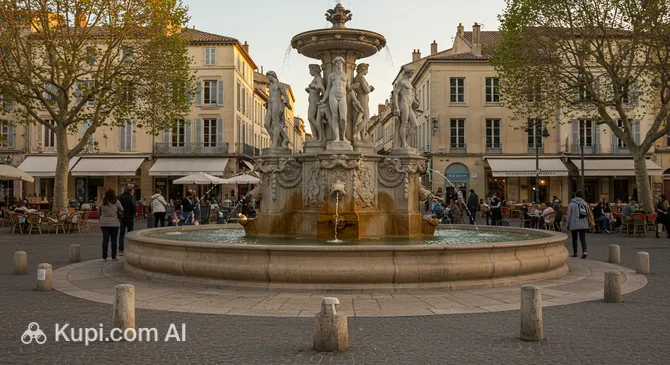
While the grand Fontaine de la Rotonde is the city's most famous landmark, the Fontaine Moussue on the Cours Mirabeau is a natural wonder. Fed by a thermal spring, the water flows at a constant warm temperature of 18°C, allowing thick green moss to thrive on the sculpture even in the depths of winter.
Art lovers can literally walk in the footsteps of the city's most famous son by following brass studs stamped with a "C" embedded in the sidewalks. This designated pedestrian trail guides visitors from the city center up to Cézanne's Studio, passing by the landmarks that influenced the painter's life and work.
Place d'Albertas. Illustration.
Source: Kupi.com AI
Traveler photos:
How to Get There
Reaching this charming Provençal destination is quite convenient thanks to its proximity to major transport hubs. Whether you are arriving by air or rail, the connections are efficient and frequent. For a comprehensive guide on all available travel options, you can read more about how to get to Aix-en-Provence.
The city of Aix-en-Provence does not have its own international airport, but you can fly into Marseille Provence Airport (IATA: MRS) in the city of Marseille, which is about 22 km from Aix-en-Provence. It is a major hub welcoming a large number of passengers annually. From the airport, the journey by taxi or bus takes approximately 55 minutes. Another option for travelers is Montpellier Mediterranee Airport (IATA: MPL) located in Montpellier, roughly 120 km away, though the transfer time will be significantly longer.
For clarity, here is a summary of the main airports:
Traveling by train is also a very popular choice. The city is served by the Aix-en-Provence TGV Railway Station (IATA: QXB), which is located approximately 7.4 km from the city center. It connects the region to high-speed lines from Paris and other major cities. Alternatively, you can arrive at the Marseille Saint-Charles Station in Marseille, located about 26 km away, and then transfer to a local train or bus to reach your final destination.
Aix-en-Provence is a city where history and art are woven into the very fabric of the streets. From the footsteps of legendary painters to the grandeur of aristocratic mansions, the city offers a wealth of cultural treasures. Exploring its main attractions provides a deep dive into the sophisticated Provençal way of life that has enchanted visitors for centuries.
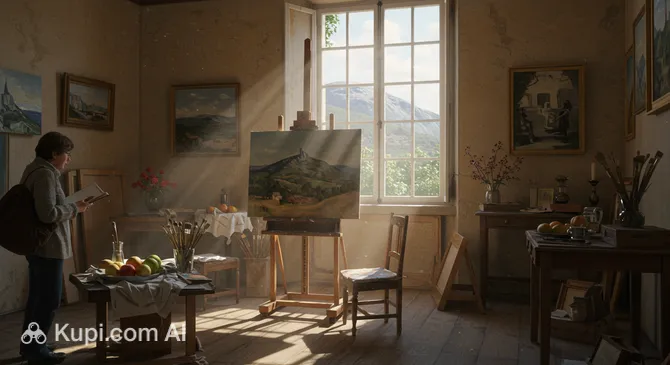
For art enthusiasts, a pilgrimage to Cézanne's Studio is an absolute must. Located on the Lauves hill, this preserved atelier offers a moving glimpse into the daily life of the father of modern art. Visitors can see his original furniture, work tools, and the actual objects that appeared in his famous still-life paintings, left exactly as if the artist had just stepped out. It provides a unique intimacy with Paul Cézanne's creative process.
Cézanne's Studio. Illustration.
Source: Kupi.com AI
Traveler photos:
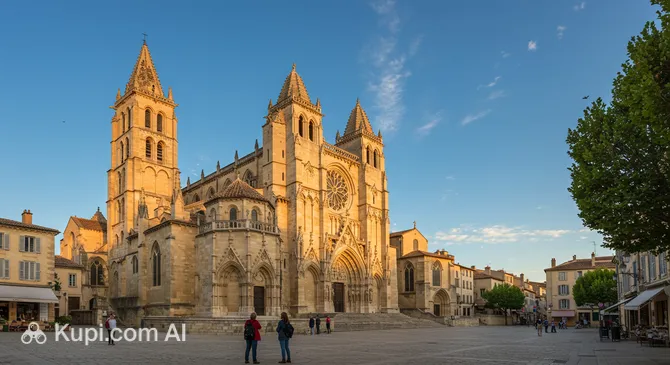
In the heart of the city stands the majestic Aix Cathedral (Cathédrale Saint-Sauveur). This religious landmark is fascinating because it is built on the site of a 1st-century Roman forum and features an eclectic mix of architectural styles from the 5th to the 17th centuries. Tourists are particularly drawn to the Romanesque cloister, a peaceful haven of slender columns, and the famous Triptych of the Burning Bush by Nicolas Froment.
Aix Cathedral. Illustration.
Source: Kupi.com AI
Traveler photos:
To experience the aristocratic grandeur of the 18th century, visit the Hôtel de Caumont. This stunning private mansion has been restored to its former glory, featuring lush French gardens and historically furnished rooms that transport you back in time. Today, it serves as a major art center, hosting prestigious temporary exhibitions dedicated to the great masters of art history, making it a cultural highlight of the city.
Hôtel de Caumont. Illustration.
Source: Kupi.com AI
Traveler photos:
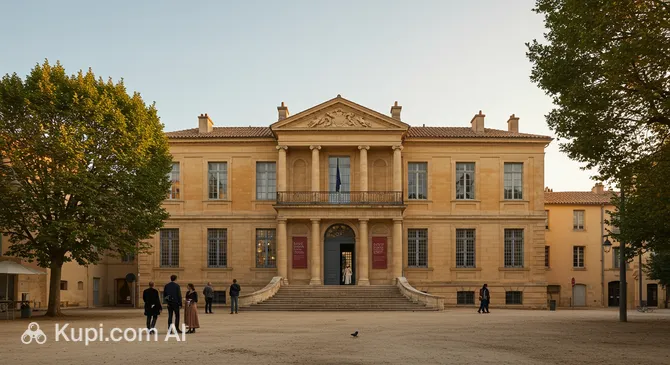
Another cultural gem is the Granet Museum, located in the former Priory of Malta. It houses an impressive collection of paintings, sculpture, and archaeology, including works by Rembrandt, Ingres, and of course, Cézanne. The museum is renowned for its comprehensive overview of European art and often features significant international exhibitions.
Finally, for a moment of tranquility, the Pavillon Vendôme offers a perfect escape. This 17th-century folly was built by the Duke of Vendôme to house his forbidden love. Surrounded by a beautiful French formal garden, the pavilion now houses a museum with furniture and paintings from the era, allowing visitors to enjoy both art and nature in a refined setting.
Pavillon Vendôme. Illustration.
Source: Kupi.com AI
Traveler photos:
Local Cuisine
The gastronomy of Aix-en-Provence is a celebration of Mediterranean flavors, relying heavily on sun-ripened vegetables, aromatic herbs, garlic, and high-quality olive oil. A meal here often begins with tapenade, a savory spread made from olives, capers, and anchovies, served on crusty bread. For a hearty main course, visitors should try the Daube Provençale, a rich beef stew slowly cooked in red wine with carrots, onions, and herbs. Another staple is Soupe au Pistou, a vibrant summer vegetable soup topped with a basil and garlic paste similar to pesto, which perfectly captures the essence of the region's produce.
No culinary journey in Aix is complete without exploring the local beverages. The region is world-famous for its Rosé wines, particularly those from the Coteaux d'Aix-en-Provence appellation, which are crisp, pale, and refreshing—ideal for a warm afternoon. For a truly authentic experience, join the locals for "l'apéro" (aperitif hour) and order a Pastis. This anise-flavored spirit is typically diluted with water and ice, turning a milky yellow color, and is considered the quintessential drink of the south of France.
The food culture in Aix-en-Provence revolves around its bustling markets and lively public squares. Markets like the one at Place Richelme offer a sensory overload of cheeses, cured meats, and fresh fruits, perfect for assembling a picnic. When it comes to dining out, the atmosphere is just as important as the food. The Place des Cardeurs is the beating heart of the city's restaurant scene. This vast, sunlit square is lined with numerous terraces where tourists and locals alike gather to enjoy long lunches and dinners under the open sky.
Place des Cardeurs. Illustration.
Source: Kupi.com AI
Traveler photos:
For those seeking a specific spot to enjoy local French cuisine, Le Ramus is a welcoming restaurant known for its pleasant ambiance. If you are looking to extend the evening with a drink in a trendy setting, Faubourg 46 is a popular brasserie and bar that captures the energetic nightlife of the city. Whether you are grabbing a quick bite of street food or sitting down for a three-course meal, the dining experience in Aix is always characterized by a relaxed pace and a focus on fresh, seasonal ingredients.
Travel Tips
Planning a trip to Aix-en-Provence is the start of a wonderful adventure, but knowing a few insider details can make your experience much smoother and more enjoyable. To help you navigate the "City of a Thousand Fountains" like a pro and embrace the local rhythm, here are some essential practical tips for your visit.
Clothing and Gear: The climate is typically Mediterranean, meaning hot, sunny summers and mild winters. In summer, bring light, breathable fabrics, a hat, and high-SPF sunscreen. However, be aware of the Mistral, a strong, cold wind that can blow through the region even on sunny days; a windbreaker or scarf is always a good idea. Most importantly, the historic center is paved with cobblestones, so leave the high heels at home and pack comfortable walking shoes or flat sandals.
Transportation: The best way to explore the city center is on foot, as much of it is pedestrianized. For getting around the inner streets, look out for La Diabline, a small electric shuttle bus that navigates the narrow lanes. If you arrive by TGV, remember that the station is outside the city; you will need to take a shuttle bus (Navette) or a taxi to reach the center. Avoid renting a car for use solely within the city, as traffic is restricted and parking can be expensive.
Finances: The currency is the Euro (€). Credit and debit cards (Visa and Mastercard) are widely accepted in shops and restaurants. However, it is highly recommended to carry some cash, particularly smaller bills and coins, for purchasing fresh produce at the open-air markets or grabbing a coffee at a small café. Service is legally included in the bill (service compris), but leaving small change or rounding up is a polite gesture if you enjoyed the service.
Health and Safety: Aix-en-Provence is generally a very safe city for tourists. Pharmacies are easily recognizable by a flashing green cross sign, and pharmacists can often provide advice for minor ailments. As in any popular tourist destination, keep an eye on your belongings in crowded areas, especially during market days. For emergencies, the universal European number is 112.
Communication: The official language is French. While English is widely spoken, especially by the younger population and in the hospitality sector, starting any interaction with a polite "Bonjour" (Good day) or "Bonsoir" (Good evening) is essential. It shows respect and often makes locals more willing to switch to English. Free Wi-Fi is available in many public squares and cafes, and buying a local SIM card is easy at tobacco shops (Tabac) or mobile provider stores.
Local Etiquette: Politeness is paramount in French culture. Always greet shopkeepers when entering a store and say "Au revoir" when leaving. When visiting the famous markets, avoid touching the produce unless you see a sign saying "Servez-vous" (Serve yourself); usually, the vendor will select the items for you. Aix is known for its chic style, often called the "21st arrondissement of Paris," so dressing smart-casual will help you blend in.
What to Avoid: Do not attempt to drive into the historic center unless you have specific access; the streets are narrow, often one-way, and protected by rising bollards. Also, avoid rushing your meals. Dining in Provence is a leisurely ritual meant to be savored, so don't be surprised if the waiter doesn't bring the check immediately after you finish eating—you usually have to ask for it.
Market Days: To truly experience the local lifestyle, plan your schedule around the market days. The Grand Marché takes place on Tuesdays, Thursdays, and Saturdays, transforming the city's squares into a vibrant tapestry of flowers, textiles, antiques, and food. It is the perfect opportunity to buy local specialties like lavender honey, olive oil, or the famous Calissons d'Aix candies.
With these practical tips in hand, you are ready to relax and soak up the sun in the heart of France without any stress. Enjoy the elegant architecture, the delicious cuisine, and the fantastic atmosphere of this timeless Provençal city!
Entertainment & Nightlife
Entertainment and Nightlife:
As the sun sets over the warm stone facades, Aix-en-Provence transitions from a sedate historical town into a vibrant hub of evening activity. Thanks to its large university population, the city boasts a spirited nightlife scene that balances youthful energy with Provençal elegance. The atmosphere is generally relaxed yet sophisticated, with locals preferring long, social evenings on outdoor terraces over raucous clubbing.
The epicenter of the city's nightlife is undoubtedly the Place des Cardeurs. This expansive square is lined with restaurants and bars that stay open late, creating a buzzing convivial atmosphere where tables spill out onto the cobblestones. It is the perfect spot to start the night with a glass of rosé or a craft beer. Just a short walk away, the Rue de la Verrerie serves as the city's "pub street," offering a row of lively bars and smaller clubs that attract a younger, more energetic crowd.
For those seeking a trendy setting for cocktails and music, Faubourg 46 is a standout venue. Located on the bustling Cours Mirabeau, this brasserie transforms into a festive spot in the evenings, often hosting DJ sets and themed parties. It embodies the chic style of Aix, where the dress code is typically "smart casual"—stylish but comfortable enough for walking on the paving stones.
Faubourg 46. Illustration.
Source: Kupi.com AI
Traveler photos:
Nightlife in Aix typically begins with "l'apéro" around 7:00 PM, with bars staying busy until 1:00 or 2:00 AM. Prices are comparable to other major French cities; expect to pay around €8–€12 for a cocktail. The city center is compact and pedestrian-friendly, making it safe and easy to walk between venues. However, if you need to travel further or return to a hotel on the outskirts, taxis are available, and ride-sharing apps operate in the area. A common meeting point and taxi rank can be found near the majestic Fontaine de la Rotonde, which is beautifully illuminated at night.
Fontaine de la Rotonde. Illustration.
Source: Kupi.com AI
Traveler photos:
Beyond the bars and clubs, Aix offers diverse entertainment options. During the day and early evening, culture lovers can enjoy performances at the Grand Théâtre de Provence or explore the shops at Les Allées, an open-air shopping district that connects the historic center with the modern town. Whether you prefer a quiet evening promenade under the plane trees or a lively night out with friends, Aix-en-Provence offers a memorable experience after dark.
Parks & Museums
Aix-en-Provence is not only a city of stone fountains and historic mansions; it is also a place where culture and nature coexist in harmony. Beyond the bustling city center, visitors can find serene green spaces that offer a breath of fresh air, alongside world-class institutions that preserve the region's artistic legacy. Whether you are looking to stroll through manicured gardens or admire masterpieces of optical art, the city provides a diverse array of experiences for every traveler.
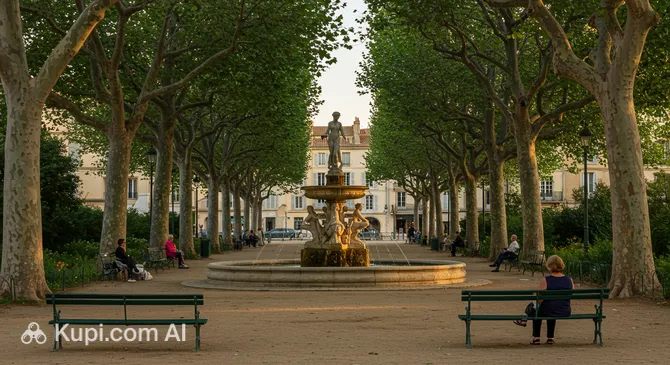
For a relaxing break near the city center, Parc Jourdan is the largest and most popular public park in town. Spanning roughly 4 hectares, it serves as a green bridge between the historic district and the newer university areas. The park is split into two distinct levels: the lower part features a classic French garden style with geometric layouts and lime trees, while the upper level offers a more open, recreational space. It is a favorite spot for students and families to picnic, play pétanque, or simply enjoy the sun on the wide lawns.
Parc Jourdan. Illustration.
Source: Kupi.com AI
Traveler photos:
Those seeking a more natural setting should head to the Promenade de la Torse. Located to the southeast of the center, this 8-hectare park follows the course of the Torse river. It feels less like a city park and more like a countryside escape, with weeping willows dipping into the water, large grassy areas, and a path perfect for jogging or a leisurely walk. It is a haven of biodiversity and a peaceful retreat where the noise of the city fades away entirely.
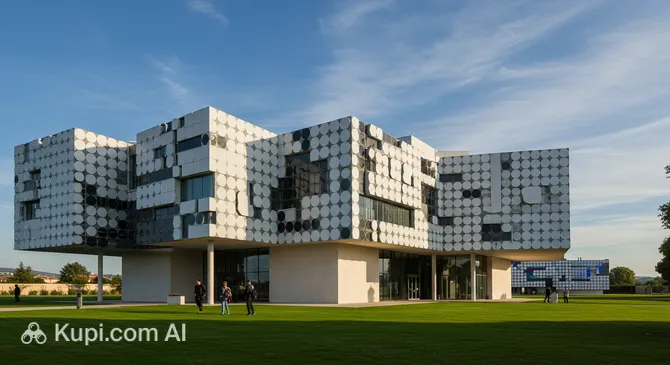
Art enthusiasts will find the city's museum offerings exceptional. A standout attraction that contrasts sharply with the city's baroque architecture is the Vasarely Foundation. Housed in a striking building composed of black and white geometric shapes, this architectural center was designed by Victor Vasarely, the father of Op Art. Inside, visitors are immersed in a world of optical illusions and monumental integrations where art and architecture merge. It offers a fascinating, interactive experience that explores the relationship between shapes, colors, and space.
Vasarely Foundation. Illustration.
Source: Kupi.com AI
Traveler photos:
While the city has many historic venues, the Granet Museum remains the heavyweight of fine arts in the region. Although mentioned among the main attractions, it deserves special attention for the sheer breadth of its collection, which ranges from archaeological finds to the 20th century. For modern art lovers, the nearby Granet Museum – Jean Planque Collection is an essential stop. Located in the renovated Chapel of the White Penitents, this extension houses the personal collection of the Swiss painter and collector Jean Planque, featuring works by Picasso, Dubuffet, and Klee.
Granet Museum. Illustration.
Source: Kupi.com AI
Traveler photos:
Finally, for a unique blend of nature and art history, visit the Painters' Field (Terrain des Peintres). This terraced garden located on a hill just outside the center was a favorite painting spot for Paul Cézanne. From here, you can admire the iconic view of the Mont Sainte-Victoire exactly as the artist saw it. Reproductions of his canvases are placed along the path, allowing you to compare his brushstrokes with the real landscape before you.
Getting Around
Navigating Aix-en-Provence is remarkably stress-free, largely because the city center is compact and best explored on foot. However, for reaching the outer districts, university campuses, or nearby villages, the city offers an efficient and clean public transport network. Unlike larger metropolises, Aix does not have an underground metro or a traditional rail tram system. Instead, it relies on a comprehensive bus network that caters well to both locals and visitors.
The backbone of the local transport is the Aix en Bus network, which covers the city and its immediate suburbs. A standout feature of this system is L'Aixpress, a modern Bus Rapid Transit (BHNS) line. While it runs on tires, L'Aixpress functions much like a tram: it has its own dedicated lanes to bypass traffic, runs frequently (every 7 minutes during peak times), and connects key locations such as the cryptic Saint-Mitre district, the city center, and the university areas. It is a reliable option for moving quickly across town.
For tourists exploring the historic center, the most charming mode of transport is La Diabline. These small, eco-friendly electric shuttles are designed specifically to navigate the narrow, pedestrianized streets of the Old Town where standard buses cannot fit. They operate on a loop, allowing you to hop on and off at various points. It is a perfect solution if you want to save your legs while moving between the main squares and markets. These shuttles typically run from Monday to Saturday, ending their service in the early evening around 7:30 PM.
The payment system is integrated under the La Métropole Mobilité brand, which covers the entire Aix-Marseille-Provence region. For a casual visitor, a single-trip ticket is affordable (usually around €1.20 to €1.30) and is valid for one hour, including transfers. You can purchase tickets directly from the driver (bring exact change), at automatic vending machines located at major stops (especially along the L'Aixpress route), or via the official mobile app. If you plan to stay longer, a reloadable transport card or a 10-trip pass offers better value. Always remember to validate your ticket immediately upon boarding to avoid fines.
Beyond buses, alternatives are available but often less necessary for short stays. Taxis are generally reliable but can be expensive; they typically do not cruise for passengers, so you must find a designated rank (the main one is at the Rotonde) or book by phone. Ride-sharing apps are also active in the city. For those who enjoy cycling, the city is becoming more bike-friendly, with rental schemes available, though the cobblestones in the historic core can make cycling a bit bumpy. Ultimately, walking remains the most popular and pleasant way to experience the heart of Aix.
Accommodation
Finding the perfect place to stay in Aix-en-Provence is part of the charm of visiting this elegant city. The accommodation landscape offers a delightful mix of options, ranging from historic boutique hotels housed in 17th-century mansions to modern apartments and charming bed-and-breakfasts. Whether you are looking for a luxurious resort experience or a budget-friendly hostel, the city caters to various travel styles, though the overall leaning is towards mid-range and upscale comfort that reflects the sophisticated Provençal lifestyle.
For most travelers, the best area to stay is within the historic city center (Vieil Aix) or the Mazarin District. Staying here places you within walking distance of the vibrant markets, the Cours Mirabeau, and the numerous museums. The pedestrian-friendly streets mean you can easily step out for a morning coffee or an evening aperitif without worrying about transportation. Alternatively, if you prefer a quieter, more rustic experience, the surrounding countryside is dotted with traditional "bastides" (country houses) that have been converted into guest houses, offering a peaceful retreat with gardens and pools just a short drive from the town center.
Among the notable establishments in the city, the Aquabella Hotel & Spa stands out for its unique blend of modern comfort and historical setting. Located at the foot of the ancient fortifications, it is surrounded by a beautiful Mediterranean garden and offers a resort-style experience right in the heart of the city. It is particularly well-regarded for its spa facilities, which pay homage to the city's origins as a Roman thermal town.
Aquabella Hotel & Spa. Illustration.
Source: Kupi.com AI
Traveler photos:
When planning your trip, keep in mind that Aix-en-Provence is a highly sought-after destination, especially during the peak summer months and the opera festival season in July. Prices tend to rise significantly during these times, and the best rooms fill up quickly. Therefore, it is highly recommended to book your accommodation several months in advance to secure your preferred location and rate. While direct booking with hotels is common, many visitors find it convenient to use major online booking platforms to compare prices and check availability across the city's diverse lodging options.
Nearby Cities
For those looking to explore the surroundings, Aix-en-Provence serves as an excellent base for day trips to several interesting nearby locations:
One charming option is Allauch, a picturesque Provençal town perched on the hills overlooking Marseille. Known for its preserved windmills and traditional sweets, it offers a peaceful village atmosphere and stunning panoramic views of the Mediterranean coast. It is also famous for its connection to the writer Marcel Pagnol, making it a delightful spot for culture and nature lovers alike.
Closer to home lies Gardanne, a town with a unique character that blends industrial history with artistic heritage. It is particularly significant for art enthusiasts, as Paul Cézanne lived here for a period and produced several paintings of the village's tiered architecture. Visitors can explore the open-air museum dedicated to the painter or hike up the Colline des Frères for a great view of the Montagne Sainte-Victoire.
Another interesting stop is Vitrolles, easily recognizable by its massive pink limestone rock, "Le Rocher," which towers over the medieval old town. A climb to the top of this geological landmark rewards travelers with a sweeping 360-degree view over the Étang de Berre and the surrounding plains, offering a distinct perspective of the region's geography.
City
Population
Distance
Gardanne
21 521
9 km
Bouc-Bel-Air
14 838
10 km
Cabries
9 918
12 km
Fuveau
10 161
12 km
Velaux
8 616
16 km
These nearby destinations offer a glimpse into the diverse culture and landscapes of the region.
Shopping & Souvenirs
Shopping in Aix-en-Provence is widely considered one of the most delightful experiences in southern France. Often described as the "21st arrondissement of Paris," the city exudes a sense of chic elegance that is reflected in its retail scene. Visitors will find a sophisticated blend of high-end fashion boutiques, independent artisan shops, and traditional Provençal outlets. Whether you are looking for luxury brands, unique home decor, or local gastronomy, the pedestrian-friendly streets of the historic center offer a relaxed yet upscale atmosphere perfect for window shopping and serious buying alike.
The heart of the shopping action lies within the Vieil Aix (Old Town) and the pedestrian zone surrounding the Cours Mirabeau. Streets such as Rue Espariat, Rue Marius Reynaud, and Rue Thiers are lined with a mix of famous international labels and trendy concept stores. This area is particularly known for its fashion, jewelry, and interior design shops. Walking through these narrow, sunlit lanes allows you to discover small, family-run boutiques that have been selling quality goods for generations, offering a distinct alternative to mass-market retail.
For those who prefer a more concentrated selection of modern brands, Les Allées (often called Les Allées Provençales) is the city's premier open-air shopping district. Located just steps from the Rotonde fountain, this beautifully designed extension of the city center features wide promenades and hosts major retailers like FNAC, H&M, and Zara, alongside upscale French chains. It seamlessly connects the historic town with the modern districts, providing a convenient and pleasant environment for shoppers.
Les Allées. Illustration.
Source: Kupi.com AI
Traveler photos:
If you are looking for a larger commercial complex with a wider variety of practical stores and hypermarkets, the La Pioline Shopping Center is situated on the outskirts of the city. Accessible by bus or car, it houses numerous fashion outlets, sports stores, and a large supermarket, making it a good destination for travelers who need to stock up on supplies or browse extensive collections away from the tourist center.
La Pioline Shopping Center. Illustration.
Source: Kupi.com AI
Traveler photos:
No shopping trip to Aix is complete without visiting its famous open-air markets, which are an integral part of the local culture. The daily food market on Place Richelme is a sensory delight, offering fresh fruits, vegetables, and cheeses under the shade of plane trees. On Tuesdays, Thursdays, and Saturdays, the larger markets take over the Place des Prêcheurs and Place de Verdun, selling everything from textiles and antiques to flowers. These markets are the best places to find authentic regional products and interact with local producers.
When it comes to souvenirs, the undisputed star is the Calisson d'Aix, a diamond-shaped candy made from melon, orange peel, and ground almonds, topped with royal icing. You can buy them in beautiful tins that make perfect gifts. Other excellent keepsakes include Savon de Marseille (traditional soap), sachets of dried lavender, high-quality olive oil, and colorful Provençal fabrics known as "Indiennes." Pottery and "Santons" (hand-painted clay figurines) are also cherished local crafts.
Store hours in Aix-en-Provence typically run from 10:00 AM to 7:00 PM, Monday through Saturday. While major chains and department stores stay open all day, smaller independent boutiques may close for a lunch break between 1:00 PM and 2:00 PM or 3:00 PM. Most shops are closed on Sundays, although some souvenir stores and food markets remain open in the morning. Payment by credit card (Visa and Mastercard) is widely accepted, even for small amounts, though it is advisable to carry cash for market stalls and small purchases.
International travelers residing outside the European Union should be aware of the tax-free shopping (détaxe) opportunity. If you spend more than €100.01 in a single store on the same day, you may be eligible for a VAT refund. Look for the "Tax Free" sign in shop windows and ask the staff for a tax refund form at the time of purchase, which you will need to validate at customs upon leaving the EU.