Support

Aurillac

About

Nestled at the foot of the majestic Monts du Cantal, Aurillac is a charming commune that serves as the historical and administrative capital of the Cantal department. Located in the Auvergne-Rhône-Alpes region of France, this city offers a delightful blend of authentic rural atmosphere and lively urban culture. With a population of approximately 25,000 residents, it maintains a welcoming, human-scale environment while acting as a gateway to the rugged beauty of the surrounding volcanic landscapes.
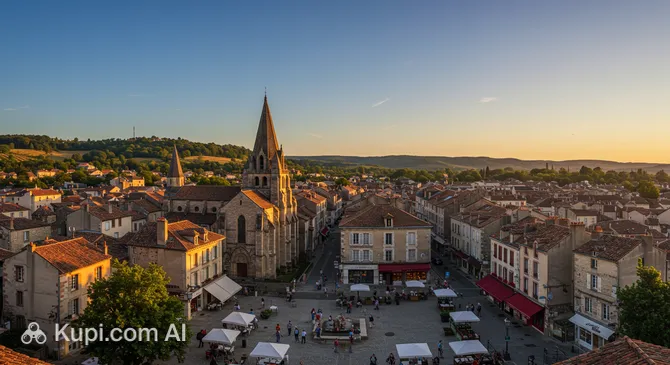
Aurillac. Source: Kupi.Binoculars

The city is geographically distinct, situated at an altitude of over 600 meters on the banks of the Jordanne River. While it is sometimes jokingly referred to as a reference point for cool temperatures in national weather reports, Aurillac actually enjoys a surprising amount of sunshine, often exceeding that of coastal regions. The history of Aurillac is deeply rooted in the Middle Ages, having grown around a legendary abbey founded by Saint Géraud in the 9th century, leaving behind a legacy visible in its winding streets and ancient architecture.

Travelers are often surprised to learn that Aurillac is the French capital of the umbrella. The city has a long tradition of manufacturing high-quality umbrellas, producing more than half of the nation's supply, a heritage celebrated in local shops. Culturally, the city comes alive every August with the renowned Festival d'Aurillac, an international street theater festival that transforms the streets into a vibrant open-air stage. Visitors should also not miss the Château de Saint-Étienne, which overlooks the town and houses a fascinating Museum of Volcanoes, connecting the city's heritage with the geological wonders of the region.

Whether you are a lover of nature, history, or the performing arts, Aurillac provides a perfect base for exploration. Its proximity to the extinct volcanoes of Auvergne makes it an ideal destination for hikers and outdoor enthusiasts looking to experience the serene beauty of central France.

Weather Overview

Aurillac experiences a climate that is distinctively influenced by its elevation and proximity to the Monts du Cantal. The weather in Aurillac is characterized by well-defined seasons, offering travelers a variety of atmospheric backdrops depending on when they visit. Summers are typically the most popular time for tourism, bringing pleasant warmth without extreme heat. During July and August, average temperatures hover around 19.3°C, with daily highs comfortably reaching 24.5°C, making it an ideal period for exploring the outdoors.

In contrast, the winter months bring a crisp chill to the city. January is generally the coldest month, with average temperatures dropping to 3.4°C and minimums often nearing the freezing point. The transitional seasons of spring and autumn offer milder conditions, though layers are recommended as temperatures climb from an average of 6.8°C in March to 12.6°C in May, and cool down again from 15.7°C in September to 7.0°C in November.

Rainfall is a regular occurrence throughout the year, which contributes to the region's lush greenery. The city sees a consistent number of wet days, ranging from a low of 10 days in the peak of summer to about 17 days in December. Expect warm summers with occasional rain and cold winters where precipitation is more frequent, so keeping an umbrella handy is always a wise choice.

Interesting Facts

Beyond its scenic setting and cultural festivals, Aurillac shelters fascinating stories that are often overlooked by casual passersby. The city's rich past is woven with legends of scholars, hidden treasures, and dramatic historical turns that add depth to its charming streets.

  • The Magician Pope: One of the most famous figures associated with the city is Gerbert d'Aurillac, who became Pope Sylvester II in the year 999. Known as the first French Pope, he was a brilliant mathematician and astronomer who introduced Arabic numerals to the West, sparking rumors among his superstitious contemporaries that he possessed magical powers or had made a pact with the devil.

  • Gold in the Waters: The Jordanne River, which flows through the heart of the town, holds a glittering secret in its history. In ancient times, the river was known to be auriferous, and gold washers would diligently sift through its sediments to find precious flakes eroded from the surrounding volcanic mountains of the Cantal.

  • A Lost Architectural Giant: The present-day city grew around the Abbey of Saint-Géraud, which was once one of the most powerful intellectual centers in Europe, comparable to the famous Cluny Abbey. Tragically, much of this magnificent complex was destroyed by Calvinists in 1569 during the French Wars of Religion, leaving only traces of its former grandeur for history enthusiasts to discover today.

How to Get There

Reaching this scenic destination in the heart of the Auvergne-Rhône-Alpes region requires a bit of planning, as it is tucked away in the mountainous Cantal department. To help you organize your trip, you can read more about how to get to Aurillac and explore the various transport options available.

For those traveling by air, the city is conveniently served by its own local airport, Aurillac Airport (AUR). Located just 5.1 km from the center, a transfer by taxi or shuttle takes approximately 30 minutes. Alternatively, you can fly into Marcillac Airport (RDZ) in the city of Rodez, which is about 58.4 km away; the drive from there takes around 1 hour and 50 minutes. Another viable option is Laroche Airport (BVE) in Brive-la-Gaillarde, situated 76.8 km from Aurillac, with a travel time of roughly 2 hours and 15 minutes by road.

For clarity, here is a summary of the main airports:

Airport Name City Passenger Traffic Km from City
Aurillac AirportAurillacSmall5.1
Marcillac AirportRodezMedium58.4
Laroche AirportBrive-la-GaillardeSmall76.8
Clermont-Ferrand Auvergne AirportClermont-FerrandMedium110.4
Bellegarde AirportLimogesMedium143.3

If you are arriving by major rail lines, please note that the most significant high-speed hubs are located in neighboring cities. You can arrive at Montauban Railway Station in the city of Montauban, which is approximately 132 km from Aurillac. From there, you can get a taxi or bus, which takes about 3 hours and 40 minutes. Another major hub is Matabiau Station (TXQ) in Toulouse, located about 167 km away. Travelers often rent a car or take connecting regional transport from these larger stations to reach the Cantal area.

Below is an overview of the major railway stations in the wider region:

Station City Passenger Traffic Km to Center
Montauban Railway StationMontaubanMedium132.0
Agen Railway StationAgenMedium166.0
Matabiau StationToulouseLarge167.0
Montpellier Railway StationMontpellierLarge186.7
Nîmes Railway StationNimesLarge195.7

Main Attractions

While the city is compact, the variety of sites makes it a fascinating destination for cultural exploration. Visitors can delve into the region's geological past, admire medieval architecture, or simply wander through centuries-old streets. Here are the main places that define the character of the city.

Dominating the skyline, the Château de Saint-Étienne is one of the most iconic landmarks in the area. Perched on a hill overlooking the Jordanne valley, this medieval fortress dates back to the 9th century and has served various roles throughout history. Today, it is best known for housing the Muséum des Volcans (Museum of Volcanoes). This unique institution is dedicated to earth sciences and the environment, offering interactive exhibits that explain the formation of the Cantal volcano, the largest stratovolcano in Europe. It is a must-visit for families and nature lovers who want to understand the dramatic landscapes surrounding the city.

In the heart of the historic center stands the Abbatiale Saint-Géraud. This abbey church is the spiritual foundation of the city, built on the site where Saint Géraud founded his monastery in 894 AD. Although the original complex suffered damage during the Wars of Religion, the current structure showcases a blend of architectural styles, including Romanesque elements and later Gothic additions. The interior is renowned for its serene atmosphere and the impressive organ, making it a peaceful retreat for those interested in religious history and architecture.

For a deep dive into local heritage, the Musée d'Art et d'Archéologie is an essential stop. Located in a beautifully preserved 17th-century convent of the Visitandines, the museum presents a diverse collection ranging from prehistoric archaeology to fine arts. Notably, it features a dedicated section to the city's industrial fame: the umbrella. Visitors can admire historic umbrellas and learn about the craftsmanship that earned the city its reputation as the French capital of umbrella manufacturing. The museum also recreates a traditional Cantal interior, offering a glimpse into domestic life of the past.

Finally, no visit is complete without a stroll through the Old Town. The historic streets around the Place Saint-Géraud and along the Jordanne River are lined with charming half-timbered houses and ancient washhouses. Exploring these winding alleys reveals the authentic medieval soul of the city, with plenty of small boutiques and cafes where you can soak in the local ambiance.

Local Cuisine

The gastronomy of Aurillac is a true reflection of the Auvergne region: generous, rustic, and deeply rooted in the agricultural traditions of the Cantal mountains. Food here is not just sustenance but a way of life, centered around high-quality local ingredients, particularly cheese and meat. The city serves as a perfect introduction to the hearty "mountain cuisine" that sustains locals through the cold winters and fuels hikers exploring the nearby volcanoes.

Cheese is undoubtedly the cornerstone of the local diet. The region is famous for its Cantal cheese, a semi-hard cheese that comes in three varieties depending on its age: "jeune" (young and sweet), "entre-deux" (medium), and "vieux" (strong and spicy). Visitors should also look for Salers cheese, a distinct variety made only from the milk of Salers cows grazing on summer pastures. These cheeses are not only eaten on their own but serve as the base for the city's most iconic dish, Truffade. This comforting meal consists of sliced potatoes sautéed in goose or duck fat, then mixed with fresh tome cheese (tomme fraîche) until it forms a melting, stringy delight, typically served with a side of cured ham.

For those seeking unique local flavors, Pounti is a must-try specialty. It is a savory-sweet loaf made from a batter of wheat flour, eggs, and milk, mixed with Swiss chard, bacon, and prunes. It is often served warm as a starter or a light main course. Meat lovers will appreciate the renowned Salers beef, celebrated for its rich flavor and tenderness, often featured on restaurant menus as grilled steaks or in slow-cooked stews. Another traditional, albeit more acquired taste, is Tripoux, a dish of sheep tripe braised with herbs and vegetables.

To accompany these rich meals, locals often turn to Gentiane, a bright yellow, bitter liqueur made from the roots of the gentian plant which grows wild in the surrounding mountains. It is typically enjoyed as an aperitif on ice or with a splash of blackcurrant syrup. For a sweeter finish to a meal, look for Bourriols, which are buckwheat pancakes often eaten with butter or jam, or the simple yet delicious fruit tarts made with seasonal blueberries or apples.

The food culture in Aurillac is best experienced in its lively markets and traditional brasseries. The covered market and the bi-weekly outdoor markets are vibrant hubs where you can buy direct from producers, including artisanal sausages, honey, and the famous cheeses. Dining out is generally a casual and convivial affair, with many establishments offering "menus du terroir" that allow tourists to sample a variety of these regional classics at a reasonable price.

Travel Tips

Planning a trip to the heart of the Cantal requires a bit of preparation to fully enjoy its authentic charm and mountainous setting. Here is a practical guide to help you navigate Aurillac with ease, from packing the right gear to understanding local customs.

  1. Clothing and Gear: Given the city's location near the mountains, the weather can be quite changeable. It is essential to pack layers, even in summer, as evenings can get cool. Since Aurillac is historically known as the French capital of the umbrella, it is no surprise that rain is frequent; bringing a sturdy raincoat or purchasing a high-quality local umbrella upon arrival is a wise move. Comfortable, flat walking shoes are a must for exploring the cobblestone streets of the historic center.
  2. Transportation: The city center is compact and best explored on foot. For longer distances within the urban area, the local bus network, Trans'cab, is reliable and affordable. However, if you plan to explore the surrounding volcanoes or the beautiful villages of the Cantal department, renting a car is highly recommended, as public transport to rural areas can be sparse.
  3. Finances: The currency is the Euro (€). While most restaurants, hotels, and larger shops accept credit cards (Visa and Mastercard), smaller boutiques and stalls at the weekly markets may prefer cash. ATMs are widely available throughout the town center. Tipping is not mandatory as a service charge is included in the bill, but leaving small change or rounding up is a polite gesture for good service.
  4. Health and Safety: Aurillac is generally a very safe city for tourists. Pharmacies are easily recognizable by their flashing green cross signs and can provide advice for minor ailments. For serious medical emergencies, dial 112. The tap water is safe to drink and of good quality, hailing from the nearby mountains.
  5. Communication: The official language is French. While younger generations and tourism professionals often speak English, it is less widely spoken here than in Paris or the French Riviera. Learning a few basic phrases like "Bonjour" (Hello), "Merci" (Thank you), and "S'il vous plaît" (Please) will be greatly appreciated by locals. Free Wi-Fi is often available in cafes and at the tourist office.
  6. Local Etiquette: Politeness is paramount in this region. Always greet shopkeepers or staff with a friendly "Bonjour" when entering an establishment and "Au revoir" when leaving. It is considered rude to browse without acknowledging the staff. In restaurants, dining is often a leisurely affair; do not rush the waiters, as the meal is meant to be enjoyed slowly.
  7. What to Avoid: Do not expect shops and businesses to be open continuously throughout the day. Many smaller establishments close for a lunch break, typically between 12:00 PM and 2:00 PM. Avoid trying to handle produce at the market stalls yourself; instead, wait for the vendor to serve you, as this ensures hygiene and shows respect for their goods.
  8. Festival Insight: If you are visiting in late August during the Festival d'Aurillac, be prepared for the city to transform completely. The population swells significantly with street theater performers and spectators. During this time, booking accommodation months in advance is crucial, and you should be ready for a lively, boisterous atmosphere that contrasts with the town's usual quiet demeanor.

By keeping these practical tips in mind, you will be well-equipped to experience the genuine warmth and heritage of this unique region. Whether you are here for the dramatic landscapes or the cultural festivities, Aurillac is ready to offer you a memorable stay.

Entertainment & Nightlife

Entertainment and nightlife in Aurillac reflect the city's warm and convivial spirit, offering a relaxed alternative to the high-paced clubbing scenes of larger metropolises. The evening atmosphere here is driven by a mix of local residents, students, and outdoor enthusiasts, creating a vibe that is friendly, unpretentious, and deeply welcoming. Instead of exclusive velvet-rope nightclubs, you will find lively pubs, terrace bars, and cultural venues where the emphasis is on good conversation, music, and socializing.

The hub of the city's nightlife is concentrated within the historic center, particularly along the pedestrian streets near Place Saint-Géraud and the Place de l'Hôtel de Ville. As the sun sets, these areas come alive with people gathering on heated terraces or inside cozy establishments. The dress code is almost universally casual; comfortable attire suitable for the mountain climate is the norm, so you can leave the formal wear at home. The peak times for going out are Thursday through Saturday nights, with evenings starting around 9:00 PM and winding down around 2:00 AM for most bars.

For specific venues, locals often flock to places that offer a mix of drinks and ambiance. L'Arsène is a popular spot known for its pleasant atmosphere and selection of drinks, making it a great place to start the evening. For those seeking live entertainment or larger shows, Le Prisme is the city's premier event venue, hosting everything from music concerts to comedy acts. Another notable mention is the Théâtre d'Aurillac, which, while primarily a cultural institution, contributes significantly to the evening entertainment landscape with its high-quality programming of plays and performances.

From a practical standpoint, enjoying a night out in Aurillac is affordable and safe. Drink prices are generally lower than the national average, and happy hours are common. Getting around is best done on foot, as the main entertainment districts are clustered close together. The city is very safe for night walks, even in the late hours. However, public transport stops running in the evening, and taxis can be scarce if not booked ahead. It is highly recommended to keep the number of a local taxi service handy if you are staying outside the immediate town center.

During the day, entertainment options continue to cater to a variety of tastes. Aside from exploring the museums, visitors can catch a movie at the modern Le Cristal cinema located in the city center. For families or those looking to relax, the Centre Aquatique du Bassin d'Aurillac offers excellent pools and wellness facilities. Of course, if you are visiting in August, the entire city transforms into a massive open-air stage for the International Street Theatre Festival, which provides non-stop entertainment from morning until late into the night.

Parks & Museums

While Aurillac is renowned for its medieval architecture and vibrant street theater, it is also a city that deeply values its connection to nature and heritage. Visitors will find a refreshing balance here, where lush green spaces offer a respite from urban exploration, and unique museums provide a window into the geological and industrial soul of the Cantal region.

Parc Hélitas is widely considered the green lung of the city and is a favorite among locals for family outings and leisurely strolls. Situated along the banks of the Jordanne River, this expansive park features well-maintained lawns, shaded paths, and a variety of sports facilities, including tennis courts and a rugby pitch. It is an ideal spot for a picnic on a sunny afternoon, offering a peaceful atmosphere where you can watch the river flow by while enjoying views of the distant mountains.

For a more intimate natural setting within the city center, Square Arsène Vermenouze offers a charming retreat. Named after a beloved local poet, this garden is a quiet haven filled with colorful flower beds and mature trees that provide ample shade. It serves as a perfect pause point for tourists exploring the historic district, offering benches where you can rest and soak in the slow-paced rhythm of Auvergne life away from the busier shopping streets.

The city's cultural landscape is anchored by the Muséum des Volcans, located within a wing of the Château de Saint-Étienne. This fascinating institution is unique in France, dedicated entirely to earth sciences and the mysteries of volcanism. Through interactive exhibits, rocks, and minerals, it explains the formation of the massive Cantal stratovolcano upon which the region sits. It is particularly interesting for families, as it transforms complex geological history into an accessible narrative about how the local landscape was forged by fire and ice.

Another essential cultural stop is the Musée d'Art et d'Archéologie, housed in a 17th-century former convent. This museum is a treasure trove of local history, but it is perhaps most famous for its collection dedicated to the umbrella. As the historic capital of umbrella manufacturing in France, Aurillac celebrates this heritage with displays of craftsmanship that date back centuries. Beyond umbrellas, the museum features a reconstructed traditional Cantal interior (a "cantou") and fine art collections, offering a comprehensive look at the domestic and artistic life of the region.

For those interested in equestrian traditions, the Haras National d'Aurillac is a significant site that reflects the importance of the horse in rural French history. Established in the 19th century, this National Stud Farm is dedicated to the breeding and promotion of draft horses and sport horses. During the summer months, visitors can often take guided tours to see the stables, carriages, and the magnificent animals, gaining insight into a trade that has shaped the agricultural identity of the area.

An insider tip for a truly authentic experience is to take a walk along the Banks of the Jordanne at sunset. The riverside path, often less crowded than the main parks, offers a different perspective of the city's old bridges and washhouses. It is a favorite route for local joggers and offers a serene way to end your day, listening to the water and admiring the silhouette of the old town against the darkening sky.

Getting Around

Navigating Aurillac is a straightforward and stress-free experience, thanks to its compact size and well-organized public transportation network. As a city nestled in the mountains, it does not rely on heavy infrastructure like subways or trams; instead, the backbone of local mobility is the Trans'cab bus network. This system efficiently connects the city center with the surrounding neighborhoods and the nearby train station, making it easy for visitors to move between their accommodation, major sights, and transit hubs without needing a personal vehicle.

The Trans'cab network consists of several urban bus lines that operate regularly throughout the day, typically from early morning until the early evening, Monday through Saturday. Service is generally reduced on weekends and public holidays, so it is advisable to check the timetables in advance if you are planning a trip on a Sunday. For tourists staying within the heart of the town, the most convenient feature is undoubtedly the free city shuttle (Navette Centre-Ville). These small, electric buses loop around the historic district, allowing you to hop on and off at key locations without purchasing a ticket, which is perfect for saving energy while sightseeing.

Regarding payment, the system is designed to be user-friendly. For the standard urban bus lines, you can purchase a single-trip ticket directly from the driver upon boarding, though it is recommended to have small change ready. If you plan to use the bus frequently, it is more economical to buy a "carnet" (a book of 10 tickets) or a day pass. These can be purchased at the Espace Trans'cab located at the main bus station (Gare Routière) or at authorized tobacco shops (tabacs) displaying the Trans'cab logo. Remember to always validate your ticket immediately upon entering the bus to avoid fines.

Given the hilly terrain of the region, cycling has become an increasingly popular alternative, especially with the introduction of Vélo'Cab. This service offers electric bikes for rent, which are a game-changer for tackling the city's slopes without exhaustion. You can rent these bikes for a day or longer periods, providing a flexible and eco-friendly way to explore the scenic banks of the Jordanne River or venture slightly further afield to the city outskirts.

For those who prefer to travel on their own schedule or need to move around late at night when bus services have ceased, taxis are the primary option. Unlike in major metropolises, you cannot always rely on hailing a cab on the street; it is best to book one by phone or head to the designated taxi rank near the train station. While walking is the best way to enjoy the medieval charm of the pedestrian center, renting a car is highly recommended if you intend to leave the city limits to explore the magnificent volcanic landscapes of the department.

Accommodation

Finding a place to stay in Aurillac is generally a straightforward affair, with options that reflect the city's modest size and welcoming nature. The accommodation landscape is dominated by independent, family-run establishments that offer a personal touch, alongside a few well-known national hotel chains that provide reliable standards. Visitors can choose from cozy bed and breakfasts (chambres d'hôtes) nestled in old stone buildings, practical mid-range hotels perfect for short stays, or campsites on the outskirts for those who want to be closer to the lush Cantal countryside.

For the most atmospheric experience, the historic center is the best area to base yourself. Staying near the Place Saint-Géraud or the pedestrian streets allows you to step out of your door and immediately be amidst the medieval architecture, shops, and restaurants. This location is ideal for those who want to explore the city on foot. Alternatively, the area surrounding the train station (Gare d'Aurillac) offers practical convenience, particularly for travelers arriving by rail or those planning to use the bus network to explore the wider region. It is a quieter zone but remains within easy walking distance of the main sights.

A crucial tip for booking accommodation in Aurillac concerns the month of August. During the annual International Street Theatre Festival, the city's population swells dramatically, and every available room is often booked months in advance. If you plan to visit during this vibrant period, it is essential to secure your reservation as early as possible. Conversely, outside of the summer peak and festival dates, finding a room is much easier, and you can often find excellent value for money.

In terms of pricing, Aurillac is generally more affordable than larger French tourist hubs. You can expect a good selection of budget to mid-range options, with luxury accommodations being less common. Booking can be easily done through major online travel platforms, but for smaller guesthouses and independent hotels, contacting the establishment directly can sometimes yield better rates or a more personalized service.

Nearby Cities

For those looking to explore the surroundings, Aurillac serves as an excellent base for day trips to several interesting nearby locations.

Located approximately an hour away, Rodez is a cultural gem in the Aveyron department. It is renowned for its stunning Notre-Dame Cathedral, built from distinctive pink sandstone, and the Pierre Soulages Museum, which houses the works of the famous contemporary painter. The city offers a perfect mix of medieval history and modern art.

To the north lies Clermont-Ferrand, the vibrant historical capital of Auvergne. Known for its dramatic Gothic cathedral constructed from black volcanic lava stone, the city sits at the foot of the Chaîne des Puys. It is an ideal destination for those wishing to combine urban exploration with a visit to the iconic Puy de Dôme volcano.

Another notable stop is Millau, famous worldwide for its record-breaking viaduct that spans the valley. Beyond this architectural marvel, the town serves as a gateway to the spectacular Gorges du Tarn, offering breathtaking scenery and numerous outdoor activities for nature enthusiasts.

City Population Distance (km)
Clermont-Ferrand147865108
Bellevue57699111
Brive-la-Gaillarde4663077
Rodez2447566
Millau22002105

These nearby destinations offer a glimpse into the diverse culture and landscapes of the region.

Shopping & Souvenirs

Shopping in Aurillac offers a delightful departure from the generic experience of mega-malls, inviting visitors to explore a world of independent boutiques, artisan craftsmanship, and regional gastronomy. The city’s commercial life is concentrated in its pedestrian-friendly historic center, where the charm of medieval streets complements the search for unique items. While you will find standard national clothing chains, the real joy lies in discovering local specialty shops that take pride in the Cantal department's heritage, particularly its leather goods and famous umbrellas.

The heart of the shopping district beats around the Place de l'Hôtel de Ville and extends through the winding streets of the old town. Rue des Carmes and Rue de l'Hôtel de Ville are among the busiest thoroughfares, lined with a mix of fashion boutiques, bookstores, and home decor shops. Strolling down Rue Émile Duclaux or exploring the area around Place du Square reveals smaller, family-run establishments where customer service is personal and welcoming. This walkable core allows for a relaxed shopping spree interspersed with coffee breaks on sunny terraces.

For those seeking larger retail chains and supermarkets, the city has developed commercial zones on its periphery. The most notable is the Zone Commerciale de la Ponétie, located just a short drive from the center. Here, you will find larger hypermarkets, sports stores, and electronics retailers that cater to practical needs. While these areas lack the architectural charm of the town center, they provide a convenient one-stop solution for travelers needing to restock on supplies or camping gear.

A true highlight of the local culture is the Marché Couvert (Covered Market), situated near the town hall. This bustling hub is the epicenter of local gastronomy, open several mornings a week, typically with a major focus on Wednesdays and Saturdays. Here, producers from the surrounding mountains sell fresh vegetables, cured meats, and the region's prized cheeses. It is an olfactory and visual feast where you can sample goods before you buy, making it an essential stop for food lovers.

When it comes to souvenirs, Aurillac has one undisputed icon: the umbrella. As the historical French capital of umbrella manufacturing, the city is home to the prestigious Maison Piganiol, which has been crafting high-quality umbrellas since 1884. Buying a sturdy, handcrafted umbrella here is not just a practical purchase for the changing weather but a piece of local history. Gastronomic souvenirs are also highly recommended; a vacuum-packed wedge of Cantal or Salers cheese, a bottle of Gentiane liqueur, or a tin of traditional Tripoux make for excellent gifts that bring the flavors of Auvergne home.

Store hours in Aurillac follow the traditional French provincial rhythm. Most shops open around 9:30 AM or 10:00 AM and close around 7:00 PM. Crucially, many smaller independent boutiques close for a lunch break, typically between 12:00 PM and 2:00 PM. On Sundays, the vast majority of shops are closed, although some food markets and bakeries may be open in the morning. Payment by credit card (Visa and Mastercard) is widely accepted, though it is always wise to carry some cash for small purchases at market stalls or cafes.

For visitors residing outside the European Union, a tax refund (détaxe) may be available on purchases exceeding €100.01 in a single store. Look for the "Tax-Free Shopping" sign in window displays and be sure to ask the shopkeeper for the necessary VAT refund forms at the checkout, which you will need to validate at customs upon leaving the EU.

Reached the end of the page?

That means the route is fully explored