Support

Lourdes

About

Nestled in the foothills of the Pyrenees in southwestern France, Lourdes is a destination that resonates with profound spirituality and natural beauty. While it is globally renowned as a major pilgrimage site, the city also captivates visitors with its stunning mountainous backdrop and the tranquil flow of the Gave de Pau river.

Lourdes. Source: Kupi.Binoculars

Though it has a modest permanent population of approximately 13,000 residents, this town in the Occitanie region possesses an energy that far exceeds its size, welcoming millions of travelers from around the world each year. The history of Lourdes was forever transformed in the mid-19th century, evolving from a quiet market town into a beacon of hope and faith.

Visitors are primarily drawn to the Sanctuary of Our Lady of Lourdes, a sprawling complex that includes the famous Grotto of Massabielle. Beyond its religious heritage, the city boasts the impressive Château fort de Lourdes, a thousand-year-old fortress offering panoramic views of the city and the surrounding peaks. Whether you are seeking spiritual reflection or simply wish to explore the scenic charm of the Pyrenees, Lourdes offers a unique and memorable experience.

Weather Overview

The weather in Lourdes is heavily influenced by its location at the foot of the Pyrenees, resulting in a temperate climate with mild temperatures and regular precipitation year-round. Conditions are generally comfortable for visitors, avoiding extreme heat or biting cold, though carrying an umbrella is recommended regardless of the season.

Summers are pleasant and warm, with average temperatures ranging from 19°C to 24°C during the peak months of July and August. This creates an ideal environment for outdoor activities, although rainfall remains frequent; June is often the wettest month, seeing up to 21 wet days. Winters are cool rather than freezing, with average temperatures usually sitting between 4°C and 6°C, while nighttime lows can drop to around 1°C.

Interesting Facts

Beyond the spiritual atmosphere and the famous grotto, Lourdes holds several fascinating secrets and impressive records that often surprise visitors. This small town in the Pyrenees is not just a religious center but a place rich in history and unique features.

Château Fort and Pyrenean Museum. Source: Kupi.Binoculars
  • Despite having a population of only around 13,000 people, Lourdes boasts the second-largest number of hotels in France, trailing only behind Paris. This extraordinary capacity was developed to accommodate the millions of pilgrims and tourists who visit the city annually.

  • The city is home to an architectural marvel located entirely underground: the Basilica of St. Pius X. Completed in 1958, this massive concrete oval is one of the world's largest churches by capacity, capable of holding up to 25,000 worshippers at a time.

  • Standing guard over the town is the Château Fort and Pyrenean Museum, a fortress with a history spanning a thousand years. Remarkably, this strategic stronghold was never conquered by military force, earning a legendary reputation for being impregnable.

  • For a unique cultural experience, the Lourdes Wax Museum presents the history of Saint Bernadette and Jesus Christ through more than 100 life-size wax figures. Many of these figures were crafted by artists from the prestigious Musée Grévin in Paris.

How to Get There

Reaching this spiritual sanctuary in the heart of the Pyrenees is relatively straightforward, with several transport options available to suit different itineraries. For those who wish to learn more about how to get to Lourdes, detailed routes are available, but air travel remains a popular choice for international visitors. The most convenient entry point is the Tarbes Ossun Lourdes Airport (LDE), which is located directly in Lourdes, just 11 km from the city center. The transfer by taxi or shuttle is quick, typically taking around 20 minutes.

For travelers seeking a wider range of international connections, the Toulouse-Blagnac Airport (TLS) is a major regional hub. It is situated in the city of Toulouse, approximately 129 km from Lourdes. Despite the distance, the journey by road generally takes about 2 hours. Another viable option is the Pau Pyrénées International Airport (PUF) in the city of Pau. Located about 44 km away, it offers a shorter transfer time of roughly 45 to 50 minutes.

For clarity, here is a summary of the main airports:

Airport Name City Passenger Traffic Km from City
Toulouse-Blagnac Airport Toulouse Large 128.9
Biarritz - Anglet - Bayonne Airport Biarritz Medium 127.0
Tarbes Ossun Lourdes Airport Lourdes Medium 11.0
Pau Pyrénées International Airport Pau Small 44.1
Pamplona Airport Pamplona Small 135.5

Travelers exploring the wider Occitanie region often utilize the extensive rail network to reach the vicinity of the Pyrenees. A key transit hub in the area is the Matabiau Station (TXQ). It is important to note that this station is located in Toulouse, not in Lourdes itself, which is approximately 135 km away. From this major station, visitors can arrange a rental car or taxi, with the drive taking around 2 hours, or connect to regional transport services.

Below is a list of nearby railway stations:

Station City Passenger Traffic Km to Center
Matabiau Station Toulouse Large 134.6
Agen Railway Station Agen Large 135.2
Pamplona Railway Station Pamplona Medium 135.1
St-Jean-de-Luz-Ciboure Railway Station Saint-Jean-de-Luz Medium 135.2
Huesca Railway Station Huesca Small 110.6

Main Attractions

Lourdes is a destination where spirituality and natural splendor converge, offering visitors a profound sense of peace and history. While the city is world-famous for its religious significance, it also serves as a gateway to the stunning landscapes of the Pyrenees, providing a diverse range of experiences for every traveler.

The spiritual heart of the city is undoubtedly the Sanctuary of Our Lady of Lourdes. This expansive domain encompasses the famous Grotto of Massabielle, where the apparitions are said to have occurred, as well as several churches and the water taps used by pilgrims. It is a place of profound silence and prayer, welcoming millions of visitors annually regardless of their faith, who come to experience its unique atmosphere of serenity.

Sanctuary of Our Lady of Lourdes. Source: Kupi.Binoculars

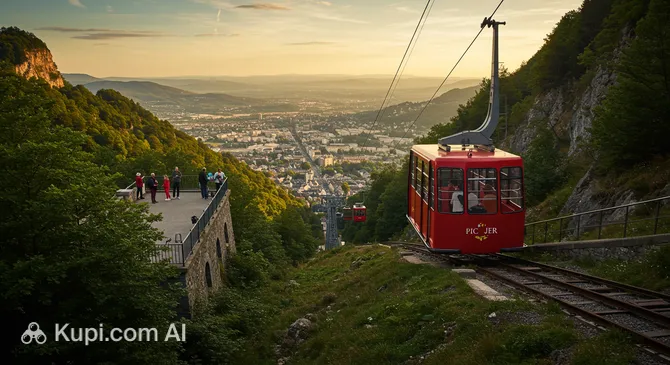
For the most spectacular panoramic views of the region, a trip on the Pic du Jer Funicular is a must. This charming century-old railway transports visitors to the summit of the Pic du Jer in just a few minutes. Once at the top, you are rewarded with a breathtaking 360-degree vista over Lourdes, Tarbes, Pau, and the majestic peaks of the central Pyrenees, making it a perfect spot for nature lovers and photographers.

Pic du Jer Funicular. Source: Kupi.Binoculars

Architecturally stunning, the Basilica of Our Lady of the Rosary sits at the base of the Upper Basilica within the Sanctuary complex. Completed in 1889, it is renowned for its Neo-Byzantine style and the magnificent Venetian mosaics that adorn its interior, depicting the Joyful, Sorrowful, and Glorious Mysteries. The building’s two curving ramps embrace the esplanade, creating a welcoming gesture to all who approach.

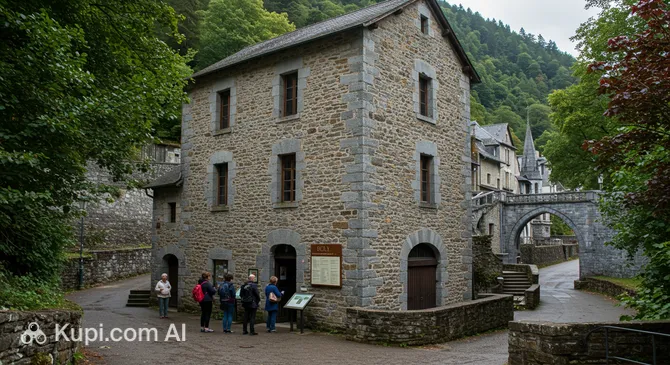
To understand the human story behind the spiritual significance of the town, visitors should explore the Birthplace of Bernadette / Boly Mill. This water mill was the childhood home of Saint Bernadette Soubirous and her family before they fell on hard times. It has been preserved to reflect the domestic life of the 19th century, offering an intimate glimpse into the humble beginnings of the figure who shaped the city's history.

Birthplace of Bernadette / Boly Mill. Source: Kupi.Binoculars

Local Cuisine

The gastronomy of Lourdes is deeply rooted in the traditions of the Bigorre region and the Pyrenees, offering hearty, rustic flavors designed to comfort and sustain. The local cuisine relies heavily on high-quality farm products, including duck, black pork, and mountain cheeses. Dining here is an opportunity to savor authentic French country cooking, characterized by generous portions and rich, savory ingredients.

One of the most iconic dishes you must try is the Garbure Bigourdane. This thick, hearty soup is a meal in itself, typically made with cabbage, white beans, potatoes, and various vegetables, then simmered slowly with confit duck or ham hock. Another staple of the region is duck confit (confit de canard) and magret de canard (duck breast), often served with potatoes sautéed in duck fat. These dishes reflect the area's strong agricultural heritage and are found on menus throughout the city.

For those with a sweet tooth, the local specialty is the Gâteau à la broche. This unique cake is cooked on a spit over an open fire, resulting in a conical shape with distinctive layers and a subtle smoky flavor. It is often enjoyed at celebrations or bought as a souvenir. Cheese lovers should not miss the Tomme des Pyrénées, a cow's or sheep's milk cheese with a black wax coating, known for its mild and creamy taste.

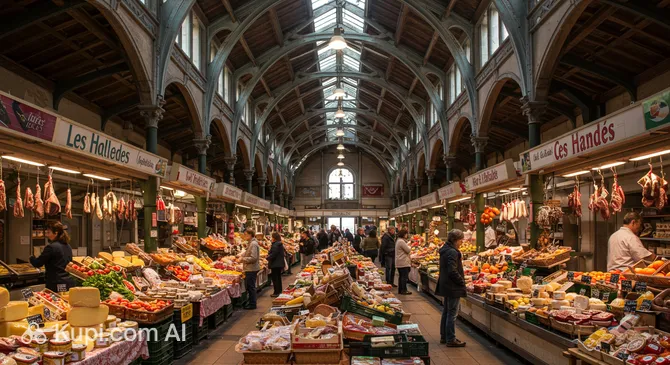
Les Halles Market. Source: Kupi.Binoculars

To truly experience the local food culture, a visit to Les Halles Market is essential. Located in the city center, this covered market is a vibrant hub where local producers sell fresh vegetables, artisanal cheeses, cured meats, and regional honey. It is the perfect place to mingle with locals and pick up authentic ingredients for a picnic or gifts to take home.

When it comes to drinks, the region is famous for its robust red wines, particularly those from the nearby Madiran appellation. These tannic wines pair perfectly with the rich duck dishes and cheeses of the area. For a lighter option, you might try a glass of Pacherenc du Vic-Bilh, a local white wine that can be dry or sweet. To finish a meal, locals might sip on a herbal liqueur like Génépi or Izarra, which are popular in the Pyrenees.

Travel Tips

Welcome to the spiritual heart of the Pyrenees, where preparation ensures a peaceful and fulfilling journey. To help you focus on the serenity and beauty of Lourdes rather than logistical worries, here are some essential practical tips for your visit.

  1. Clothing and Gear: Given the proximity to the mountains, the weather can change rapidly, so packing layers and a waterproof jacket or umbrella is highly recommended year-round. Comfortable walking shoes are essential, as you will likely spend much of your time on foot. Crucially, remember that the Sanctuary has a strict dress code: shoulders and knees must be covered to enter religious sites, so avoid sleeveless tops and short shorts.
  2. Transportation: The city center and the Sanctuary area are compact and best explored by walking. For longer distances or if you have limited mobility, the local CityBus network is efficient, and the "Little Tourist Train" offers a convenient loop around the main sites. Taxis are available at the train station and near the Sanctuary gates, but car rental is generally unnecessary unless you plan to explore the surrounding Pyrenean countryside.
  3. Finances: The local currency is the Euro (€). While credit and debit cards are widely accepted in hotels, restaurants, and larger stores, it is wise to carry cash for small purchases, candles, or donations. ATMs are plentiful throughout the town. Tipping is not mandatory in France as service is included, but rounding up the bill or leaving a few coins is a polite gesture for good service.
  4. Health and Safety: Lourdes is generally a very safe city for tourists. Pharmacies are easily identifiable by a flashing green cross sign and can assist with minor ailments. For emergencies, dial 112, the universal European emergency number. While the town is safe, always keep an eye on your personal belongings in crowded areas, especially during major processions or at the train station.
  5. Communication: The official language is French, but due to the international nature of the pilgrimage site, English, Italian, and Spanish are widely spoken in the hospitality sector. Learning a few basic French phrases like "Bonjour" (Hello) and "Merci" (Thank you) will go a long way in showing respect. Free Wi-Fi is standard in most hotels and cafes, and local SIM cards can be purchased at tobacco shops (Tabac) or supermarkets.
  6. Local Etiquette: Politeness is highly valued in French culture; always greet shopkeepers or staff with a "Bonjour" when entering an establishment. Within the Sanctuary domain, maintaining a respectful silence is expected, particularly near the Grotto of Massabielle. If you wish to take photos, do so discreetly and avoid photographing people who are in deep prayer or distress.
  7. What to Avoid: Avoid treating the Sanctuary complex solely as a tourist attraction; it is a functioning place of worship and healing for millions. Consequently, loud conversations, eating, or running within the consecrated grounds are considered disrespectful. Also, avoid wearing beachwear or overly revealing clothing even in the town center, as the atmosphere is generally conservative.
  8. Additional Tip: Don't forget to bring an empty water bottle or purchase a specific container from the souvenir shops to collect water from the taps at the Grotto, a tradition for many visitors. Additionally, if you are staying overnight, the Torchlight Marian Procession, usually held at 9:00 PM, is a moving experience that unites visitors from all over the world, regardless of their personal beliefs.

With these practical details in hand, you are ready to fully immerse yourself in the unique atmosphere of Lourdes. Whether you are here for spiritual reflection or to admire the majestic Pyrenean landscapes, may your stay be smooth, inspiring, and truly memorable.

Entertainment & Nightlife

Entertainment and Nightlife:

Unlike the bustling metropolises of France, the nightlife in Lourdes is characterized by a calm and convivial atmosphere rather than high-energy clubs or late-night parties. Given the city's spiritual focus, the evening entertainment tends to be relaxed, centering around social gatherings in brasseries, hotel lounges, and local pubs. The vibe is welcoming and casual, offering visitors a chance to unwind after a day of walking or pilgrimage, usually ending relatively early compared to other French cities.

The main hub for evening activity is the area surrounding the Boulevard de la Grotte and the streets leading down to the Sanctuary. Here, you will find numerous terraces where tourists and locals alike gather to enjoy a glass of local wine or a cold beer. The dress code is almost universally casual, though a respectful appearance is maintained throughout the town. Most venues close around midnight or 1:00 AM, even on weekends, reflecting the town's peaceful rhythm.

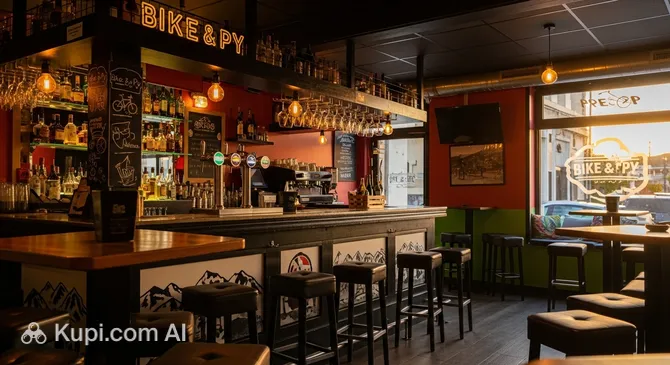
For a unique and trendy experience, travelers should visit Bike & Py. This establishment is a hybrid concept—part bicycle shop, part bar—that has become a favorite meeting spot. It offers a selection of local craft beers and tapas in a modern, friendly setting, making it perfect for those looking to mingle with a younger, active crowd.

Bike & Py. Source: Kupi.Binoculars

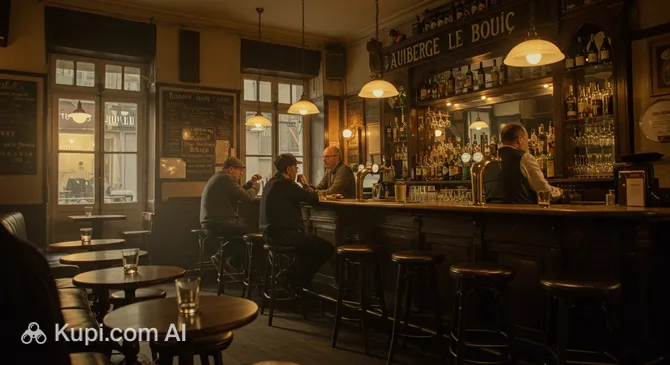
Another excellent option for a drink is Auberge Le Bouic. This venue captures the traditional charm of the region, providing a cozy atmosphere where you can enjoy local beverages. It is a great place to experience the authentic hospitality of the Pyrenees away from the larger hotel crowds. If you are looking for a more refined evening setting, the lounge bar at Hôtel Astrid offers a comfortable space to relax with a cocktail or a hot drink in an elegant environment.

Auberge Le Bouic. Source: Kupi.Binoculars

When it comes to safety and logistics, Lourdes is exceptionally safe for night walks, with well-lit streets in the tourist zones. However, public transport services like the bus network stop running in the early evening. If you are staying far from the center, it is advisable to book a taxi in advance, as hailing one on the street at night can be difficult. Prices are reasonable, but availability can be limited after dark.

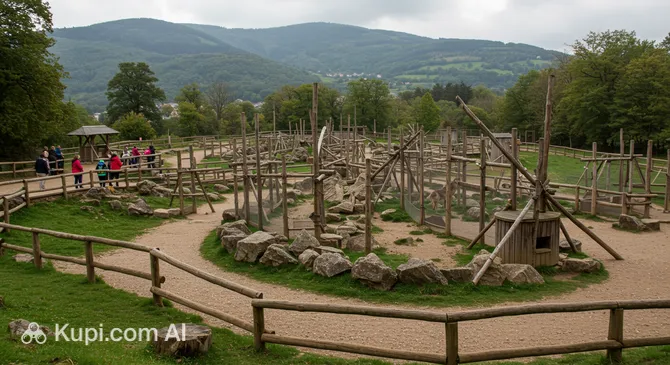
During the day, entertainment options expand significantly beyond the religious sites. Families will enjoy the Pyrenees Animal Park (Parc Animalier des Pyrénées), located just outside the city, which showcases the wildlife of the mountains, including bears and wolves. For a fun aquatic experience, Les 3 Vallées Water Park offers pools and slides ideal for cooling off in summer. Culture enthusiasts can also visit the Petit Lourdes Museum, which features a charming miniature reproduction of the village as it appeared in 1858.

Pyrenees Animal Park. Source: Kupi.Binoculars

Parks & Museums

While Lourdes is primarily defined by its spiritual significance, the city and its surroundings offer serene green spaces and cultural institutions that provide a deeper understanding of the region's history. Beyond the sanctuaries, visitors can discover tranquil lakes, immersive museums, and historical sites that paint a vivid picture of life in the Pyrenees.

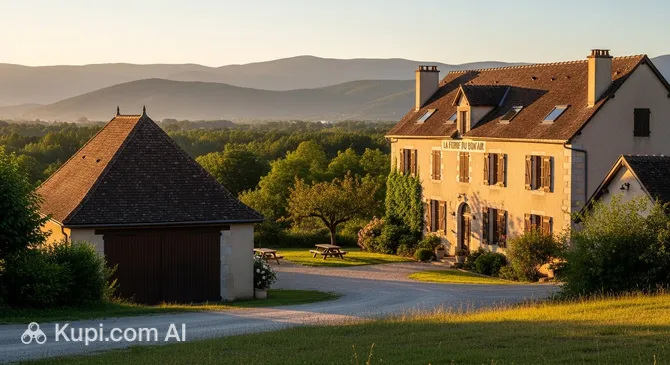
For a refreshing escape into nature, the Lac de Lourdes is a glacial lake located just a few kilometers from the city center. Surrounded by dense forests and rolling hills, it is an ideal spot for walking, fishing, or simply enjoying a picnic in a peaceful setting. Families traveling with children will particularly enjoy La Ferme Du Bon'Air. This charming educational farm allows visitors to interact with domestic animals in a semi-free environment, offering a delightful break from the crowds while surrounded by the natural beauty of the countryside.

La Ferme Du Bon'Air. Source: Kupi.Binoculars

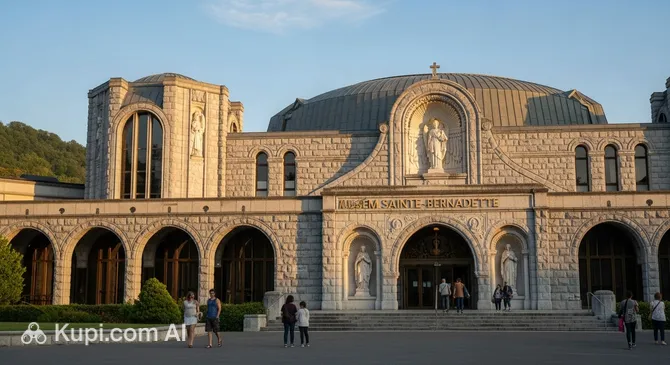
The city's cultural landscape is anchored by the Château Fort and Pyrenean Museum. Housed within the walls of the ancient fortress, the museum is dedicated to the arts and traditions of the Pyrenees. It features an extensive collection of local costumes, furniture, and agricultural tools, offering a fascinating glimpse into the daily life of the region's inhabitants over the centuries. Another significant institution is the Sainte-Bernadette Museum, which provides a comprehensive educational journey through the life of the saint, helping visitors understand her story within the context of the 19th century.

Sainte-Bernadette Museum. Source: Kupi.Binoculars

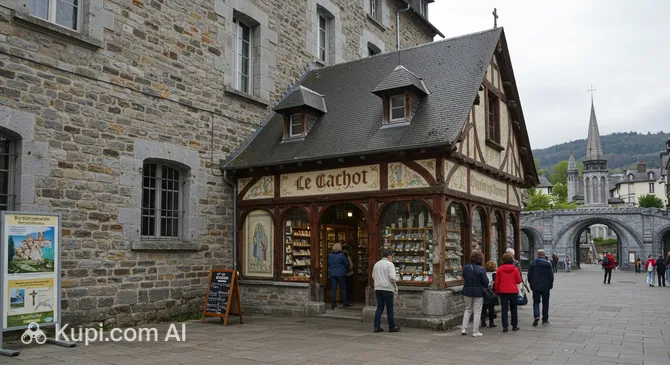
Among the most moving historical sites in the city is Le Cachot. This tiny, dark room, which was formerly a dungeon, served as the home for the Soubirous family during the time of the apparitions. Visiting this humble dwelling offers a stark and poignant perspective on the poverty and simplicity that characterized Bernadette's life. In contrast to this historical site, the Church of Saint Bernadette stands as a piece of modern architecture on the opposite bank of the river. Built on the spot where Bernadette stood during the final apparition, its design is functional and contemporary, featuring partition walls that allow the space to be adapted for various gatherings.

Le Cachot. Source: Kupi.Binoculars

For a quiet moment away from the main pilgrim routes, consider taking a walk along the Chemin de Croix (Way of the Cross) on the Espélugues hill. While it is a religious path, the winding trail through the trees offers a steep but rewarding hike with beautiful views and a sense of isolation that can be hard to find in the bustling city center.

Getting Around

Navigating Lourdes is remarkably convenient, as the city is compact and designed to accommodate large numbers of visitors. While walking is often the most practical way to move between the hotels and the Sanctuary, the city offers a reliable public transport network known as CityBus. This system consists of several lines that connect key locations, including the railway station, the city center, the Sanctuary gates, and the scenic Lourdes Lake. The buses are modern, accessible for passengers with reduced mobility, and provide a comfortable respite for those needing a break from walking.

For a more leisurely and scenic mode of transport, the Little Tourist Train (Petit Train Touristique) is a popular choice. This charming vehicle operates a circular route that covers the main points of interest, including the old town and the upper city. It serves as both a transport link and a sightseeing tour, offering commentary in multiple languages. It is particularly useful for visitors who wish to orient themselves or travel between the distinct upper and lower parts of the town without tackling the steep inclines on foot.

A standout feature of the local transport infrastructure is the historic Pic du Jer Funicular. Operating since 1900, this railway is more than just a tourist attraction; it is a functional link to the summit overlooking the city. In just a few minutes, it transports passengers up the mountain, offering a unique journey that combines vintage engineering with spectacular views. It runs frequently throughout the day, though schedules can vary depending on the season.

The payment system for the CityBus network is straightforward and tourist-friendly. Single tickets are affordable, typically costing around €1.20, and can often be purchased directly from the driver upon boarding. It is advisable to have small change or coins ready, as drivers may not always have change for large bills. For those planning to stay longer or use the bus frequently, multi-ride passes or weekly cards may be available at the main bus office or the tourist office.

Taxis are another viable alternative, especially for travelers arriving with heavy luggage or those needing to travel outside of standard bus hours. Taxi ranks are conveniently located at the railway station (Gare SNCF) and near the main entrances of the Sanctuary. Unlike in some larger metropolises, ride-sharing apps are less prevalent here, so relying on official taxi stands or asking your hotel reception to book a ride is the most effective method. Cycling is also an option, with bike rentals available for those wishing to explore the surrounding countryside.

Tourists should be aware that transport schedules in Lourdes are highly seasonal. The frequency of buses and the operating hours of the Little Train and Funicular are significantly reduced during the winter months (November to March) compared to the peak pilgrimage season (April to October). Always check the latest timetables at your hotel or the local tourist office upon arrival. Additionally, remember to validate your ticket immediately upon boarding the bus to avoid fines, and keep it with you for the duration of your journey.

Accommodation

Lourdes offers an impressive array of accommodation options, catering to the millions of pilgrims and visitors who flock to the city annually. Remarkably, this small town holds the second-largest hotel capacity in France, surpassed only by Paris. This abundance ensures that travelers of all budgets and preferences can find a suitable place to stay, ranging from modest guesthouses and religious hospices to comfortable four-star establishments.

For those seeking proximity to the spiritual sites, the area closest to the Sanctuary is the most popular choice. The streets surrounding the Boulevard de la Grotte are lined with numerous hotels, allowing visitors to reach the Grotto of Massabielle within a few minutes' walk. This area is bustling and convenient, especially for those with limited mobility or those wishing to attend early morning or late evening ceremonies. The atmosphere here is vibrant, with souvenir shops and cafes catering to the steady stream of international visitors.

Alternatively, the Upper Town and the area near the train station offer a slightly different perspective. Staying here can be quieter and provides easier access to the city's historic castle and local daily life. It is also a practical location for travelers arriving by rail, as it minimizes the need for taxi transfers upon arrival. For those who prefer a more independent stay or wish to be closer to nature, there are campsites and rental apartments available on the outskirts, often offering scenic views of the Pyrenees.

Prices in Lourdes are generally very competitive due to the high number of rooms available. Budget travelers can find excellent value in the many two-star hotels and family-run pensions, while mid-range options often include half-board or full-board meal plans, which are a traditional and convenient choice in the city. Most accommodations are designed to be practical and welcoming, often equipped with facilities to assist elderly or disabled guests.

Booking Tip: While finding a room is usually straightforward, the city becomes extremely busy during major religious holidays, particularly around Easter and the Feast of the Assumption on August 15th. During these peak times, and throughout the main pilgrimage season from April to October, it is highly advisable to book your accommodation well in advance to secure your preferred location and rate.

Nearby Cities

For those looking to explore the surroundings, Lourdes serves as an excellent base for day trips to several interesting nearby locations:

One of the most appealing destinations is Pau, located just a short distance away. This elegant city is celebrated for its royal history as the birthplace of King Henry IV, with his impressive castle dominating the center. Visitors should not miss a stroll along the Boulevard des Pyrénées, a stunning promenade that offers breathtaking panoramic views of the mountain range, often compared to the Promenade des Anglais in Nice but with a mountainous backdrop.

Even closer lies Tarbes, the historical capital of the Bigorre region. It provides a delightful change of pace with its refined architecture and the magnificent Jardin Massey, a 19th-century public garden that is designated as one of the "Remarkable Gardens of France." Tarbes is also deeply connected to equestrian traditions, home to a National Stud Farm founded by Napoleon, which attracts horse lovers from all over.

For those willing to venture a bit further into the heart of Gascony, Auch offers a rich cultural experience. Famous for its gastronomy and its association with the Three Musketeers—featuring a statue of d'Artagnan on its monumental staircase—the city is anchored by the UNESCO-listed Sainte-Marie Cathedral, known for its exceptional stained-glass windows and carved choir stalls.

City Population Distance (km)
Pau 76275 35
Tarbes 42758 19
Mont-de-Marsan 29807 96
Muret 24813 119
Auch 22200 80

These nearby destinations offer a glimpse into the diverse culture and landscapes of the region, allowing travelers to experience the distinct heritage of southwestern France beyond the sanctuary walls.

Shopping & Souvenirs

Shopping in Lourdes is a unique experience that reflects the dual nature of the city as both a spiritual sanctuary and a gateway to the Pyrenees. While you will not find sprawling luxury fashion districts, the town is densely packed with specialized boutiques offering everything from devotional items to high-quality regional products. The shopping atmosphere is lively and welcoming, particularly during the pilgrimage season, with many store owners fluent in multiple languages to assist international visitors.

The primary shopping artery for visitors is the Boulevard de la Grotte. This bustling street descends from the upper town towards the Sanctuary and is lined with hundreds of souvenir shops displaying an endless array of religious articles. For a more traditional atmosphere, the Rue de la Grotte connects the historic center with the religious domain, offering a mix of souvenir stores, clothing boutiques, and shops selling local crafts. Walking down these streets offers a vibrant immersion into the commercial life of the town.

Given its modest size, Lourdes does not have large shopping malls within the historic city center. Visitors looking for extensive retail chains or large supermarkets will find them on the outskirts of the town. However, the city center itself functions as an open-air shopping gallery, where independent retailers and family-run businesses take precedence over large commercial complexes.

For a taste of authentic local life, a visit to Les Halles Market is essential. Located in the heart of the city, this covered market is an architectural gem from the late 19th century. Inside, stalls overflow with fresh produce from the Bigorre region, including the famous black pork ham, mountain cheeses like Tomme des Pyrénées, and artisanal jams. It is the perfect place to purchase edible souvenirs or ingredients for a picnic.

When it comes to souvenirs, religious items are the most popular purchase. Visitors can find rosaries made from various materials, statues of the Virgin Mary, and, most importantly, specific containers for collecting water from the Grotto. These water bottles range from simple plastic versions to decorative glass vessels. Beyond religious artifacts, look for Pyrenean wool garments, traditional berets, and local sweets such as "Cailloux du Gave" (chocolate pebbles) or fruit candies known as Berlingots.

Opening hours in Lourdes can differ significantly from the rest of France. Shops located near the Sanctuary and along the main tourist routes often stay open late, sometimes until 9:00 PM or 10:00 PM during the peak season, and many remain open on Sundays to accommodate pilgrims. In contrast, standard boutiques and services in the upper town typically follow traditional French hours, opening from 9:00 AM to 12:00 PM and reopening from 2:00 PM to 7:00 PM, with Sunday closures being the norm.

Payment methods are modern and convenient. Credit and debit cards (Visa and Mastercard) are widely accepted even for small purchases. However, carrying some cash is advisable for very small items like candles or postcards, or when shopping at smaller market stalls. Visitors from outside the European Union may be eligible for a VAT refund (détaxe) on purchases exceeding a certain amount in a single store, so it is worth asking for a tax-free form when buying higher-value gifts.

Reached the end of the page?

That means the route is fully explored