Support

Logroño

About

Welcome to Logroño, the vibrant capital of the La Rioja province and a city that perfectly blends tradition with modern life. Known worldwide as a hub for wine lovers and food enthusiasts, this charming destination offers a warm atmosphere where visitors are treated like locals. Situated in northern Spain on the banks of the Ebro River, Logroño serves as a major commercial and cultural center for the region.
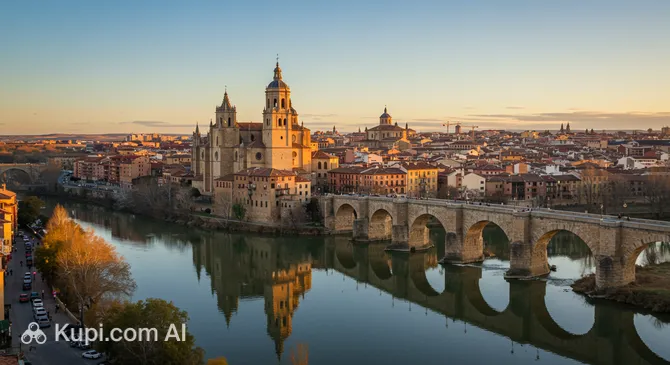
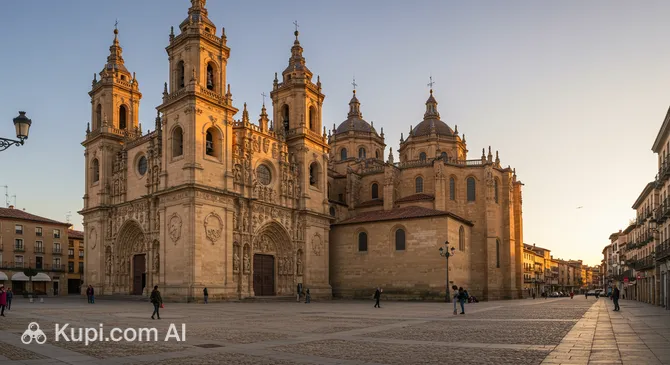
Logroño. Source: Kupi.Binoculars

With a population of approximately 150,000 people, the city maintains a lively yet relaxed pace. The history of Logroño has been significantly shaped by its strategic location on the Camino de Santiago (Way of St. James), which has brought pilgrims and diverse cultural influences to its streets for centuries. Walking through the Old Town, you can still feel the medieval spirit that coexists harmoniously with contemporary architecture and green spaces.

One of the city's most famous features is its incredible gastronomy. A visit to the legendary Calle Laurel is an absolute must; this narrow street is packed with bars serving exquisite pinchos (tapas) and local Rioja wines, creating a culinary experience you won't soon forget. Beyond the food scene, visitors can admire the majestic Concatedral de Santa María de la Redonda with its iconic twin towers, or take a relaxing stroll through the Parque del Ebro.

Whether you are a pilgrim passing through, a wine connoisseur exploring La Rioja, or simply a traveler seeking authentic Spanish culture, Logroño invites you to explore its streets and savor its unique flavors. It is a destination that promises to delight all your senses.
Weather Overview

Logroño experiences a climate with distinct seasonal changes, offering a varied atmosphere throughout the year. To help you pack appropriately for your trip, it is always a good idea to check the detailed weather in Logroño before you arrive.

Summers are generally warm and inviting, making them a popular time for visitors. August is typically the hottest month, with average maximum temperatures reaching 28.1°C, while July and August are the driest months, seeing only about 6 to 7 wet days each. In contrast, winters are brisk, with January being the coldest month where average temperatures hover around 5.2°C and lows can dip to 1.5°C.

Spring and autumn offer milder temperatures but tend to be damper than the summer months. March and November are particularly notable for their frequency of rain, often recording up to 14 wet days. Overall, you can expect warm, relatively dry summers and cool winters with frequent days of light precipitation.

Interesting Facts

Beyond the main attractions, Logroño holds many fascinating secrets and legends that add depth to its rich history. From hidden artistic masterpieces to curious local nicknames, the city offers plenty of surprises for the observant traveler.
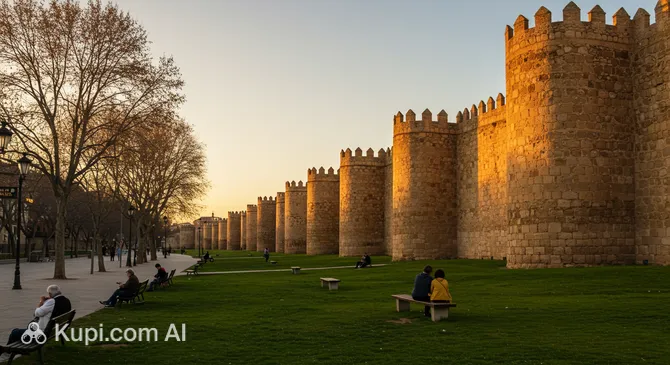
Revellín Wall. Source: Kupi.Binoculars
  • Hidden behind the main altar of the Co-Cathedral of Santa María de la Redonda lies a small but significant painting of the Crucifixion. It is widely attributed to the Renaissance master Michelangelo Buonarroti, a rare treasure that often goes unnoticed by casual visitors.

  • The famous Calle Laurel is affectionately known by locals as the "Path of the Elephants" (La Senda de los Elefantes). The humor behind the nickname suggests that if you try to have a wine in every bar, you will exit the street walking with a heavy sway and a "trunk" (a Spanish slang term for being tipsy), much like an elephant.

  • The city's patron saint festivities commemorate a legendary resistance against a French siege in 1521. It is said that the citizens survived inside the fortified Revellín Wall by eating bread made from the last of their wheat and fish caught secretly in the river at night, a story now celebrated annually with the distribution of fish and bread.

  • In the square outside the Church of Santiago el Real, you can find a giant floor mosaic of the "Game of the Goose." Many historians believe this classic board game was originally invented by the Knights Templar as a coded map for pilgrims navigating the Camino de Santiago.

How to Get There

Reaching the capital of La Rioja is an essential part of planning your trip, and there are several convenient options available depending on your starting point. Whether you prefer flying into a nearby hub or taking a scenic train ride directly into the city, you can find all ways to reach the city detailed below to help you organize your journey.

The city of Logroño does not have its own major international airport, but you can fly into Bilbao Airport (IATA: BIO) in the city of Bilbao, which is about 100.6 km from Logroño. As a significant regional hub, it handles a large volume of passengers and offers numerous connections. The travel time from the airport to Logroño allows for a scenic drive through the Basque Country and Rioja regions, typically taking around an hour and a half by road.

Another option is Vitoria Airport (IATA: VIT), located in the city of Vitoria-Gasteiz. This airport is closer, situated about 52.0 km from Logroño. Although it serves fewer passengers compared to Bilbao, its proximity makes it a practical choice. The journey from Vitoria-Gasteiz to Logroño usually takes less than an hour.

For clarity, here is a summary of the main airports:

Airport Name City Passenger Traffic Km from City
Bilbao AirportBilbaoLarge100.6
Biarritz - Anglet - Bayonne AirportBiarritzMedium134.7
San Sebastian AirportSan SebastianMedium112.8
Vitoria AirportVitoria-GasteizSmall52.0
Pamplona AirportPamplonaSmall73.9

If you prefer traveling by train, you can arrive directly at Logroño Railway Station. Unlike the airports listed above, this station is conveniently located within Logroño itself, just 0.6 km from the city center. This makes it an excellent option for travelers who want to arrive right in the heart of the action without the need for long transfers.

Alternatively, if you are coming from the Basque Country, you might pass through Abando Railway Station in Bilbao. Located 97.0 km from Logroño, this major station connects to various national lines. From there, you would need to arrange further transport, such as a bus or a connecting train, to reach your final destination in La Rioja.

Below is a list of relevant railway stations and their distances to the center of Logroño:

Station City Passenger Traffic Km to Center
Abando Railway StationBilbaoLarge97.0
Pamplona Railway StationPamplonaMedium75.8
Vitoria Railway StationVitoria-GasteizMedium46.0
Logroño Railway StationLogroñoMedium0.6
Soria Railway StationSoriaSmall78.6

Main Attractions

Logroño is a city best explored on foot, where centuries of history meet a lively modern culture. The city center is dotted with impressive landmarks that tell the story of its significance along the Camino de Santiago and its status as a wine capital. From grand religious monuments to historic bridges, the streets invite travelers to discover the unique heritage of La Rioja.

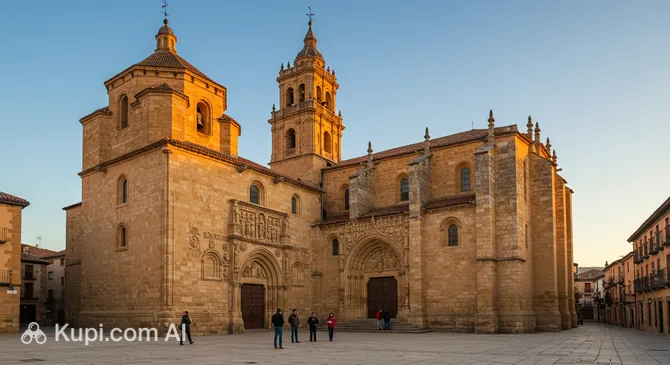
Dominating the market square is the magnificent Co-Cathedral of Santa María de la Redonda. Built over several centuries, this imposing structure is famous for its two ornate baroque towers, affectionately known as "The Twins." Visitors are often struck by the grand entrance and the spacious interior, which serves as a central meeting point in the Old Town. It is a stunning example of Riojan religious architecture that commands attention from every angle.

Co-Cathedral of Santa María de la Redonda. Source: Kupi.Binoculars

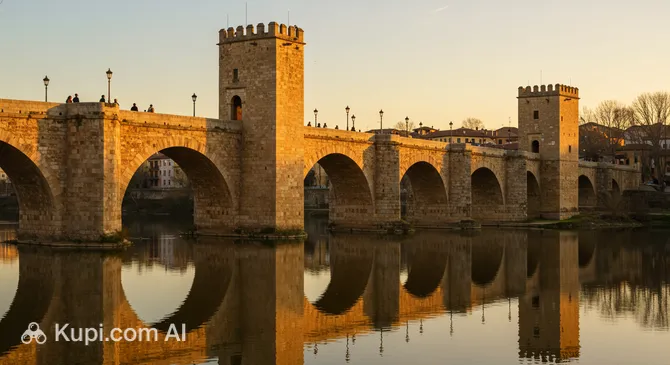
A short walk away lies the historic Stone Bridge (Puente de Piedra), one of the city's most enduring symbols. Spanning the Ebro River, this bridge serves as the traditional entry point for pilgrims walking the Camino de Santiago into the city. Walking across it offers panoramic views of the riverbanks and the city skyline, making it a perfect spot for photography and a peaceful stroll away from the bustling streets.

Stone Bridge. Source: Kupi.Binoculars

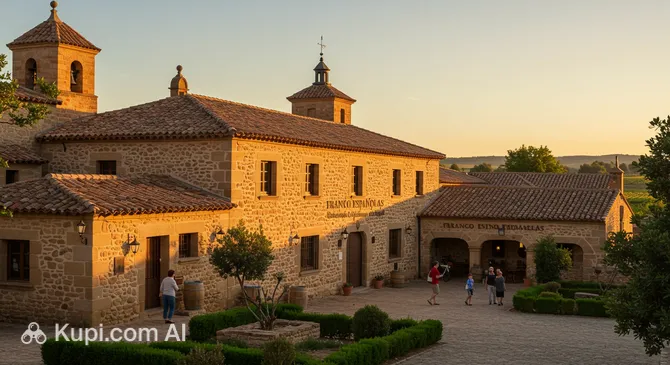
No visit to the capital of La Rioja would be complete without exploring its winemaking heritage. Just across the river, you will find the Franco Españolas Winery. Founded in 1890, this historic bodega is one of the few located within walking distance of the city center. It offers fascinating tours where visitors can learn about the aging process in oak barrels and enjoy tastings of their celebrated wines in a classic setting rich with history.

Franco Españolas Winery. Source: Kupi.Binoculars

For those interested in diving deeper into the region's past, the Museum of La Rioja is an essential stop. Housed in the majestic Palace of Espartero, a baroque building from the 18th century, the museum showcases a comprehensive collection ranging from prehistoric artifacts to fine arts. It provides a well-curated journey through the cultural evolution of the area, all within a beautifully preserved architectural gem.

Local Cuisine

Logroño is widely regarded as one of the culinary capitals of northern Spain, where excellent produce from the fertile Ebro valley meets a deeply rooted passion for gastronomy. The local cuisine is characterized by its honesty and quality, focusing on fresh vegetables, succulent meats, and, of course, the world-famous wines of the region. A classic dish you must try is Patatas a la Riojana, a comforting stew made with potatoes, spicy chorizo, and dried peppers that perfectly embodies the rustic flavors of the area.

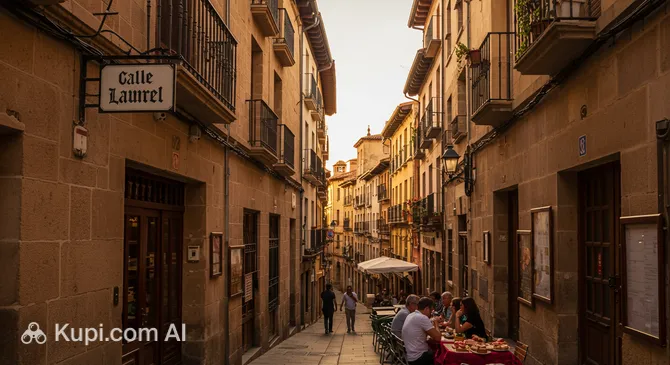
The true heart of the city's social life beats in its famous "pincho" (tapas) culture. Locals and visitors alike flock to Calle Laurel, a bustling street packed with bars where the tradition is to move from place to place, enjoying a small glass of wine and a specific snack at each stop. This gastronomic pilgrimage is not just about eating; it is a lively social ritual that defines the atmosphere of the city.

Calle Laurel. Source: Kupi.Binoculars

Each establishment often specializes in a single delicacy. For instance, the legendary Bar Soriano is celebrated for serving just one thing: a grilled mushroom topped with a shrimp and a secret buttery garlic sauce. It is a simple yet unforgettable bite that has become an institution in itself. For those preferring a sit-down meal, restaurants like Mesón Egüés offer masterfully grilled meats and fish, showcasing the region's love for charcoal cooking.

Another signature dish to look out for is Chuletillas al sarmiento. These are tender lamb chops grilled over the embers of dried grapevine shoots, which impart a unique smoky flavor that you won't find elsewhere. To see where the fresh ingredients come from, a visit to the San Blas Market offers a colorful display of the region's agricultural bounty, from artichokes to peppers.

No culinary journey here is complete without the local drinks. While the red Rioja wines are the standard accompaniment to any meal, you might also encounter Zurracapote during festivals. This popular local beverage is similar to sangria, made from red wine mixed with peaches, lemons, sugar, and cinnamon, and is a staple of street celebrations. For a more refined experience, visiting a nearby producer such as the Campo Viejo Winery allows you to taste the vintages right where they are created.

Travel Tips

To help you make the most of your visit to this charming wine capital, we have compiled a list of essential practical tips. Logroño is a welcoming and safe city, but knowing a few local customs and logistical details will ensure your trip runs smoothly and allows you to enjoy the Riojan lifestyle like a true local.

  1. Clothing and Gear: Comfort is key in Logroño, especially regarding footwear. You will likely be doing a lot of walking on cobblestone streets, particularly in the Old Town, so bring supportive walking shoes. The climate can be variable; summers are hot, but evenings can cool down, so a light jacket is useful. If you visit in winter, bring a warm coat. Spain uses standard European Type F or C plugs, so bring an adapter if your devices require one.
  2. Transportation: The city center is compact and pedestrian-friendly, making walking the best way to get around. Most major attractions and the famous tapas streets are within easy walking distance of each other. For trips to wineries on the outskirts or nearby towns, the local bus system is reliable, and taxis are readily available and affordable. You generally do not need a rental car unless you plan to tour the wider La Rioja region.
  3. Finances: The local currency is the Euro (€). While credit and debit cards are widely accepted in most restaurants and shops, it is highly advisable to carry cash, especially coins and small bills. This is particularly useful when "pincho hopping" on Calle Laurel, where paying small amounts quickly in cash is the norm. ATMs are plentiful throughout the city. Tipping is not mandatory but rounding up the bill or leaving small change is appreciated for good service.
  4. Health and Safety: Logroño is considered a very safe city for tourists, with low crime rates. Standard precautions against pickpocketing in crowded areas are sufficient. Pharmacies are easily recognized by a flashing green cross; they are well-stocked, and there is always one on "guardia" (duty) 24/7. For any emergencies, the general number to dial is 112, which has English-speaking operators available.
  5. Communication: Spanish is the primary language. While staff in hotels and major tourist attractions often speak English, it is less common in smaller traditional bars and shops. Learning a few basic phrases like "Hola" (Hello), "Por favor" (Please), and "Gracias" (Thank you) will go a long way. Free Wi-Fi is often available in public squares and cafes, but having a SIM card with data is recommended for using maps and translation apps.
  6. Local Etiquette: Dining times in Spain are later than in many other countries. Lunch is typically the main meal, served between 2:00 PM and 3:30 PM, while dinner is rarely eaten before 9:00 PM. In pincho bars, it is customary to stand at the bar or high tables rather than sit. Don't be surprised by the noise level in bars; a loud, buzzing atmosphere is a sign of a good place. Greeting locals usually involves a handshake or, among friends, two kisses on the cheeks.
  7. What to Avoid: Try not to limit yourself to just one bar for the entire evening. The local custom, known as chiquiteo, involves having one drink and one pincho at a bar before moving on to the next one. Also, avoid trying to eat dinner at 6:00 PM or 7:00 PM; most kitchens will be closed. Embrace the local schedule and enjoy a late afternoon snack (merienda) to bridge the gap.
  8. Siesta Hours: Be aware that many smaller shops and businesses close for a mid-day break, typically from 1:30 PM to 4:30 PM or 5:00 PM. This is the perfect time to enjoy a long, leisurely lunch or take a rest before the city comes alive again in the evening. Large supermarkets and major chains usually stay open all day.

By keeping these simple tips in mind, you will be well-prepared to navigate the streets of Logroño with confidence and ease. Embrace the relaxed pace, savor the incredible food, and enjoy the warm hospitality that makes this city such a memorable destination for travelers.

Entertainment & Nightlife

The nightlife in Logroño is legendary, not for thumping mega-clubs, but for its incredibly social and gastronomic nature. As the sun sets, the streets of the Old Town fill with people of all ages, creating a buzzing atmosphere that is welcoming and safe. The evening typically begins with the famous chiquiteo—hopping from bar to bar to enjoy small glasses of wine and delicious bites—before transitioning into a night of music and cocktails.

The epicenter of this activity is undoubtedly Calle Laurel and its surrounding streets. This area is packed with more than 60 venues, each offering its own specialty. While it is famous for food, as the night progresses, many of these spots become lively meeting points for drinks. For a classic experience, you might start near Bar Soriano, where the energy is palpable, and the crowds spill out onto the pavement. The dress code here is generally smart-casual; locals tend to look neat but comfortable, ready for an evening spent standing and socializing.

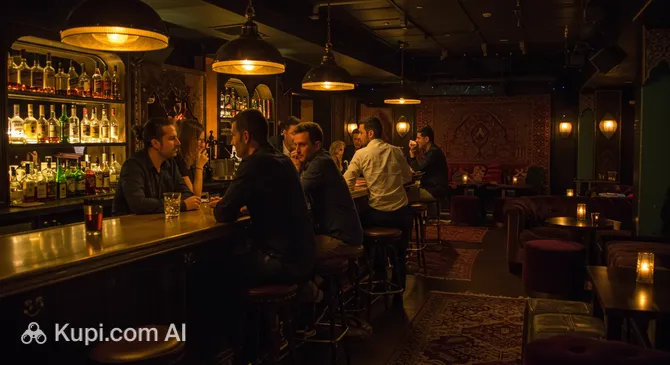
For those looking to extend the night beyond tapas and wine, the city offers several excellent options for cocktails and dancing. The Casablanca Cocktail Pub is a standout venue known for its sophisticated atmosphere and expertly crafted drinks. It is the perfect place to enjoy a gin and tonic prepared with care or to listen to good music in a stylish setting. Another great option for wine enthusiasts who want a more relaxed late-night vibe is the Tasting Room, where you can sample a wide variety of local vintages.

Casablanca Cocktail Pub. Source: Kupi.Binoculars

Practicalities are simple in this walkable city. The best time to head out is around 8:30 PM or 9:00 PM for the start of the tapas rounds. Bars and pubs stay open late, often until 3:00 AM or 4:00 AM on weekends. Prices are very reasonable compared to larger Spanish cities, with wines and beers often costing between €1.50 and €3.00. Logroño is very safe for night walks, even in the early hours. However, if you need a ride, taxis are readily available at designated ranks or can be called via local Radio Taxi services.

While the nights are lively, Logroño also offers engaging entertainment during the day. Families and curious minds will love the Casa de las Ciencias, located just across the river. This interactive science museum offers fascinating exhibitions and a planetarium. For a more leisurely afternoon, Ebro Park provides a vast green space perfect for cycling, walking, or simply relaxing by the water before the evening festivities begin again.

Casa de las Ciencias. Source: Kupi.Binoculars

Parks & Museums

Logroño offers a delightful balance between urban vitality and serene natural spaces, boasting lush green areas and cultural institutions that celebrate its rich heritage. Visitors can easily transition from exploring historical exhibits to relaxing in expansive parks that line the riverbanks, making the city a perfect destination for those who appreciate both culture and nature.

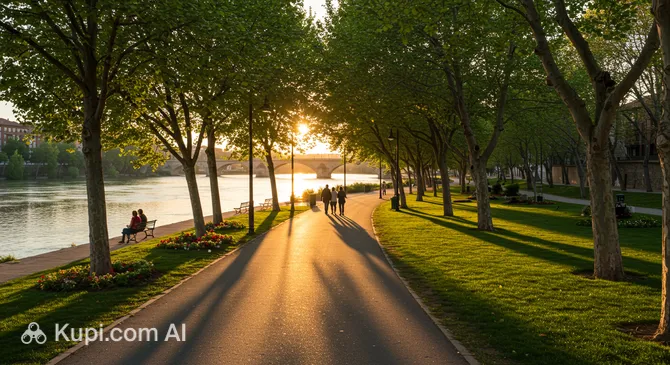
The most prominent green space in the city is Ebro Park, a sprawling natural area that hugs the banks of the river. It serves as the city's "green lung," offering kilometers of walking and cycling paths that provide stunning views of the historic skyline and the famous Stone Bridge. It is a favorite spot for locals to jog, picnic, or simply watch the storks nesting on the chimneys of the old industrial buildings nearby.

Ebro Park. Source: Kupi.Binoculars

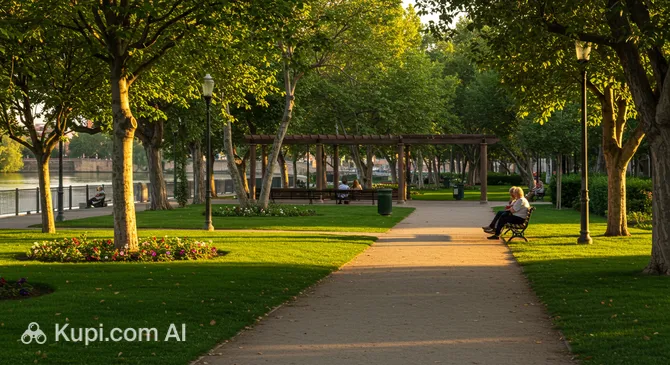
Another significant green oasis is La Ribera Park, located to the east of the city center. This modern park is designed with varied landscapes, including a large artificial lake, rose gardens, and extensive lawns perfect for relaxation. It connects the urban area with the natural river environment and is a peaceful retreat where visitors can escape the bustle of the town center while remaining close to major amenities.

La Ribera Park. Source: Kupi.Binoculars

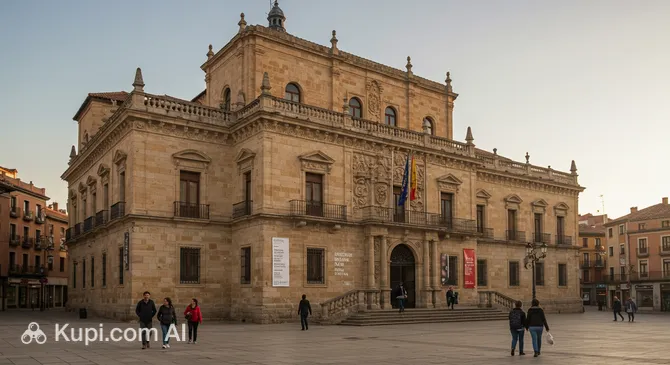
For a deep dive into the region's history, the Museum of La Rioja is an essential stop. Housed in the magnificent 18th-century Palace of Espartero, the building itself is a baroque masterpiece. Inside, the collections span from prehistoric times to the 19th century, featuring archaeological finds, fine arts, and ethnography that tell the story of the people of La Rioja. It is particularly interesting for its section on the Roman era and the medieval importance of the region.

Museum of La Rioja. Source: Kupi.Binoculars

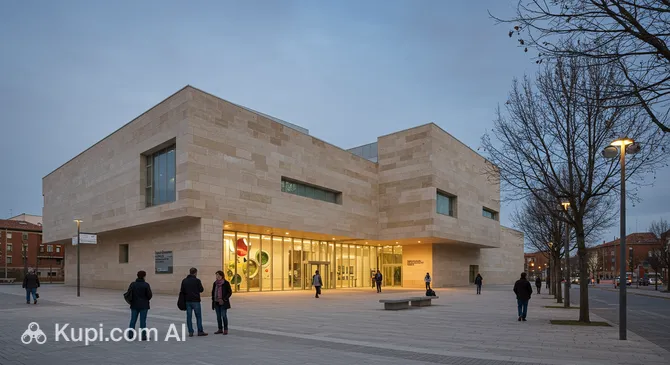
On the northern bank of the river, housed in a beautifully renovated former slaughterhouse, you will find the Casa de las Ciencias. This interactive science museum is fantastic for visitors of all ages, offering hands-on exhibitions about physics, geology, and nature. The exterior grounds feature a "Garden of Sciences" where you can experiment with sound and mechanics in the open air, making it a unique educational experience.

For a lesser-known cultural gem, look for the exhibition space inside the Revellín Wall. While primarily a fortification, the interior often hosts displays regarding the siege of 1521 and local history. Additionally, art lovers should keep an eye out for temporary exhibitions often held in the cultural centers like the Sala Amós Salvador, located in an old tobacco factory, which frequently showcases contemporary art.

Getting Around

Logroño is a compact and pedestrian-friendly city where most major attractions are located within a short walking distance of each other. However, for those looking to reach the outskirts or travel with ease, the city offers an efficient and reliable public transport system. The network is straightforward, making it easy for visitors to navigate without the complexity found in larger metropolises.

The backbone of the local public transport is the urban bus service. There is no metro or tram system in the city; instead, a fleet of modern buses connects all neighborhoods with the city center. There are approximately ten daytime lines that operate with good frequency, usually running every 15 to 30 minutes depending on the route and the time of day. The buses are generally comfortable, clean, and accessible for passengers with reduced mobility.

For payment, the system is quite user-friendly. You can purchase a single ticket directly from the driver when you board the bus; it is advisable to carry small change, as drivers may not be able to change large bills. The price for a single trip is very affordable, typically costing around €1.00. If you plan to use the bus frequently during your stay, you might consider purchasing a "Bonobús" card. This rechargeable card significantly reduces the cost per trip and can be bought at local newsstands, tobacconists, or authorized kiosks, though for a short tourist visit, paying cash on board is often the most convenient option.

The operating hours for standard bus lines generally run from approximately 7:00 AM to 10:30 PM. On weekends and holidays, the city operates special night buses known as "Búhos" (Owls). These lines run late into the night, providing a safe and convenient way to return to your accommodation after enjoying the local nightlife. Information regarding routes and timetables is displayed at bus stops and is also available through official mobile apps dedicated to the city's transport.

Cycling is another excellent alternative for getting around, thanks to the city's relatively flat terrain and expanding network of bike lanes. Logroño offers a public bike rental service called BiciLog. This system allows users to pick up a bicycle at one station and drop it off at another, making it a fun and eco-friendly way to explore the parks and riverbanks. Temporary passes for tourists are available, usually requiring a quick registration at the tourist office or online.

Taxis are also widely available and offer a comfortable alternative for direct travel. You can easily spot them by their white color and the city coat of arms. Taxis can be hailed on the street if the green light is on, found at designated ranks in busy areas like the bus and train stations, or booked via telephone. They operate on a meter system with regulated fares, ensuring a fair price for your journey.

Accommodation

Finding the perfect place to stay in Logroño is relatively easy, as the city offers a welcoming variety of accommodation options to suit every type of traveler. As a key stop on the Camino de Santiago and a major wine tourism destination, the hospitality sector is well-developed. Visitors can choose from traditional pilgrim hostels (albergues) that foster a communal spirit, modern mid-range hotels perfect for business or leisure, and charming boutique establishments located in renovated historic buildings. In recent years, there has also been a rise in high-quality tourist apartments, offering a "home away from home" experience for families or longer stays.

For those who want to be in the heart of the action, the Old Town (Casco Antiguo) is the most popular area to stay. Booking a room here places you just steps away from the famous tapas bars of Calle Laurel and major landmarks like the Co-Cathedral of Santa María de la Redonda. The atmosphere in this district is vibrant and historic, making it ideal for travelers who want to immerse themselves in the local culture and nightlife without needing public transport.

Church of Santiago el Real. Source: Kupi.Binoculars

If you prefer a slightly quieter environment while remaining central, the modern city center around the Gran Vía and the pedestrianized Paseo del Espolón is an excellent choice. This area offers wider streets, excellent shopping opportunities, and easy access to green spaces like Ebro Park. For travelers arriving by car or those seeking more budget-friendly rates, the neighborhoods slightly further from the center provide modern facilities and easier parking, all while being just a short walk or bus ride from the main attractions.

Booking Tips: While Logroño generally has good availability, it is highly recommended to book your accommodation well in advance if you plan to visit during the San Mateo festivities (the Rioja Wine Harvest Festival) in late September. During this week, the city fills up with visitors, and prices can rise significantly. Similarly, weekends in spring and autumn are popular for wine tourism, so securing your room a few weeks ahead is a wise decision.

Prices and Reservations: The cost of accommodation in Logroño is generally quite reasonable compared to larger Spanish cities.

  • Budget: Pilgrim hostels and simple guest houses typically range from €15 to €50 per night.
  • Mid-Range: Standard 3-star and 4-star hotels usually offer rooms between €60 and €120 per night.
  • Luxury: Upscale boutique hotels or premium apartments can cost €120 and above.
Most accommodations can be easily booked through major online travel platforms, though contacting smaller, family-run establishments directly can sometimes yield better rates or personalized service.

Nearby Cities

For those looking to explore the surroundings, Logroño serves as an excellent base for day trips to several interesting nearby locations:

City Population Distance (km)
Vitoria-Gasteiz25399847
Pamplona20341876
Soria3969577
Miranda de Ebro3552848
Durango2993580

Just a short drive to the north lies Vitoria-Gasteiz, the administrative capital of the Basque Country. Known for its high quality of life and commitment to sustainability, it was named a European Green Capital. The city features a beautifully preserved medieval center, often called the "Almond" due to its shape, where visitors can explore the Gothic Cathedral of Santa María, a building that famously inspired the author Ken Follett.

Heading east, you will reach Pamplona, the historic capital of Navarre. While it is globally renowned for the San Fermín festival and the Running of the Bulls, the city offers much more throughout the year. It boasts an impressive citadel, ancient city walls, and a charming old town filled with history. Following the footsteps of Ernest Hemingway through its streets and cafés provides a fascinating cultural experience.

To the south is Soria, a city celebrated for its literary connections and Romanesque architecture. Situated on the banks of the Duero River, it has a quieter, more poetic atmosphere that inspired writers like Antonio Machado. Key attractions include the unique arches of the Monastery of San Juan de Duero and the hermitage of San Saturio, which is dramatically built over a cave by the river.

These nearby destinations offer a glimpse into the diverse culture and landscapes of the region.

Shopping & Souvenirs

Shopping in Logroño is a delightful experience that mirrors the city's character, blending long-standing traditions with modern convenience. As the commercial capital of La Rioja, the city offers a wide range of options, from charming artisan boutiques tucked away in historic streets to contemporary retail hubs. Whether you are looking for the latest fashion trends or seeking out authentic local products, the city provides a relaxed and accessible shopping environment.

The main retail activity is concentrated in the city center, particularly in the area known as the "Paseo de las Cien Tiendas" (Walk of the Hundred Shops). This pedestrian-friendly district, which includes streets like Calvo Sotelo and Juan XXIII, is bustling with shoe shops, fashion boutiques, and perfumeries. For a more traditional atmosphere, a stroll down Calle Portales in the Old Town is essential. Here, under the shelter of historic arcades, you can find shops selling classic souvenirs, local sweets, and handcrafted goods.

For those who prefer having everything under one roof, the Berceo Mall is the city's premier shopping destination. This spacious and modern complex hosts a vast array of international fashion brands, electronics stores, and leisure facilities. Alternatively, the Parque Rioja Shopping Center offers a practical mix of specialty shops and a large hypermarket, making it a convenient stop for travelers needing to stock up on supplies.

Berceo Mall. Source: Kupi.Binoculars

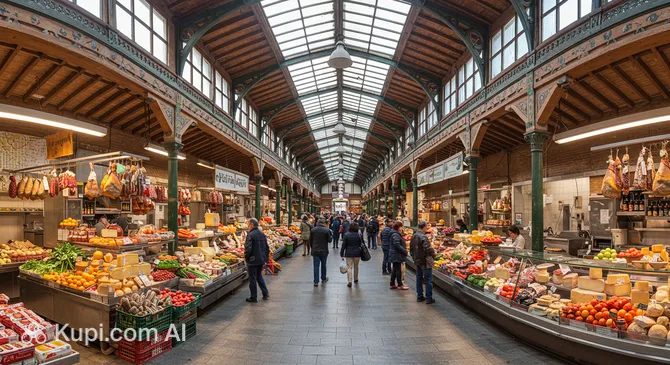
To truly connect with the local lifestyle, a visit to the San Blas Market is highly recommended. Housed in an architecturally significant building in the center of town, this market is the best place to discover the region's agricultural richness. Stalls overflow with fresh vegetables from the fertile Ebro valley, high-quality meats, and regional cheeses, offering a sensory feast for food lovers.

San Blas Market. Source: Kupi.Binoculars

When it comes to souvenirs, Logroño is synonymous with wine. Specialized wine shops, or vinotecas, are scattered throughout the city, offering expert advice and vintages that are difficult to find elsewhere. Beyond wine, a "bota de vino" (a traditional leather wine skin) makes for a unique and culturally significant gift. You might also consider buying artisanal blankets from the nearby town of Ezcaray, which are often sold in high-end textile shops in the capital.

Opening hours in Logroño generally follow the traditional Spanish schedule. Small shops and boutiques typically open from 10:00 AM to 1:30 PM and reopen from 5:00 PM to 8:00 PM, remaining closed on Sundays. However, major shopping malls and department stores stay open continuously from 10:00 AM to 10:00 PM, Monday through Saturday. Credit and debit cards are widely accepted everywhere, although carrying a small amount of cash is useful for small purchases in the market. Visitors from outside the European Union should remember to ask for a Tax-Free form at participating stores to claim a VAT refund upon departure.

Reached the end of the page?

That means the route is fully explored