Support

Santander

About

Santander is a captivating blend of aristocratic charm and maritime tradition, serving as the elegant capital of the Cantabria region. Situated along one of the most beautiful bays in the world, the city offers a relaxed yet sophisticated atmosphere that has long attracted travelers seeking both culture and natural beauty.

Located on the northern coast of Spain, Santander is home to approximately 172,000 inhabitants. Unlike the arid landscapes found in the south, this area enjoys a mild oceanic climate characterized by lush greenery and refreshing breezes. Its geography is defined by the sweeping coastline, where the city stretches across a peninsula, offering stunning sea views from almost every angle.
Santander. Source: Kupi.Binoculars

Although the city center was significantly modernized after a major fire in 1941, the history of Santander is still deeply felt in its grand architecture and maritime heritage. For decades, it served as the preferred summer retreat for the Spanish royal family, a legacy that has left the city with a distinct air of regality and numerous Belle Époque buildings.

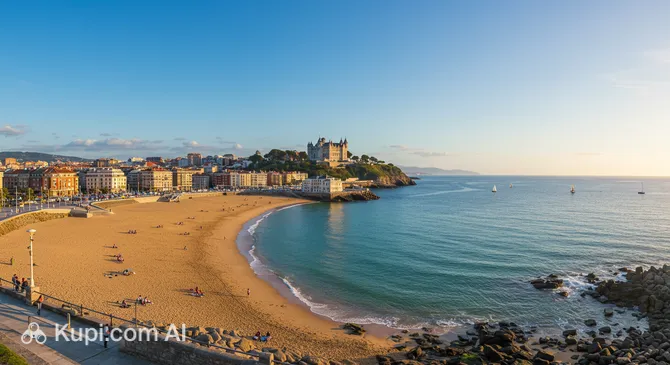
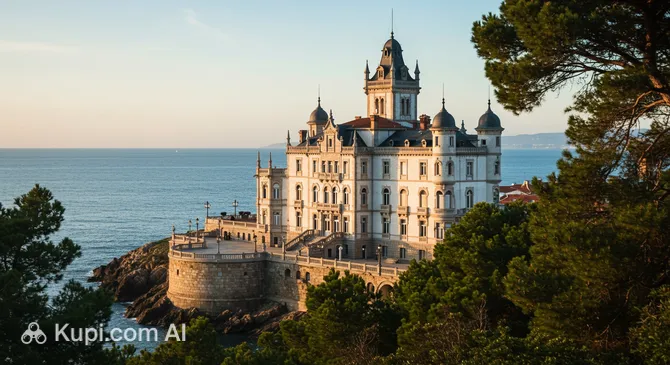
Visitors are spoiled for choice when it comes to attractions. The iconic Palacio de la Magdalena, perched on a scenic peninsula, is the crown jewel of the city, surrounded by extensive parks and rugged cliffs. For beach lovers, the golden sands of El Sardinero offer a perfect spot for relaxation, while the futuristic Centro Botín serves as a modern cultural hub, suspended dramatically over the water.

Whether you are strolling along the picturesque Paseo de Pereda or enjoying fresh seafood in a local tavern, Santander promises a delightful escape. It is a destination that perfectly balances its historic grandeur with a vibrant, modern lifestyle, inviting everyone to explore its unique northern Spanish character.
Weather Overview

Santander is known for its mild oceanic climate, characterized by moderate temperatures and lush green landscapes throughout the year. Unlike the sweltering heat often found in southern Spain, this northern city enjoys a refreshing atmosphere perfect for outdoor exploration. For a comprehensive forecast and seasonal details, you can consult the guide to the weather in Santander.

The summer months are warm and pleasant, with August being the hottest time of the year, averaging around 20.5°C and seeing highs of up to 23.9°C. Winters are generally cool but gentle, with average temperatures in January dipping to roughly 9.0°C and rarely falling below 6°C. Rainfall is a constant companion in this region; visitors should be prepared for frequent showers, as the city typically experiences between 12 and 16 wet days per month year-round.

Interesting Facts

Beyond the scenic bays and elegant streets, Santander holds fascinating stories that define its unique character and resilience. Here are some intriguing details that reveal the hidden side of this northern Spanish city.

Los Raqueros. Source: Kupi.Binoculars
  • While the city feels historic, its center is surprisingly modern due to the Great Fire of 1941. This devastating event raged for two days, destroying the majority of the medieval Old Town and the original cathedral, which led to a complete urban reconstruction that gave the city its current spacious layout.

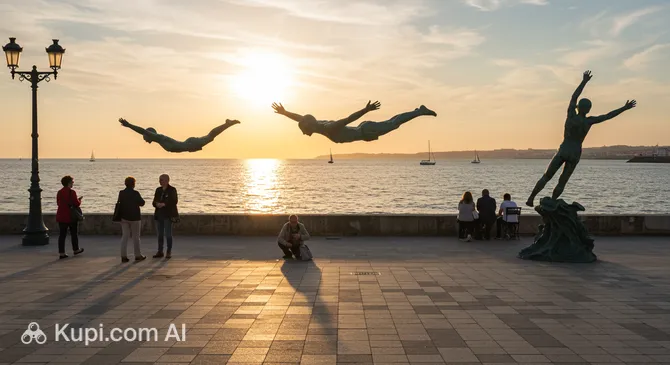
  • Walking along the waterfront, you will encounter the bronze statues of Los Raqueros. These figures pay homage to the "raqueros," poor children from the 19th and early 20th centuries who would dive into the bay to retrieve coins thrown by wealthy passengers and tourists.

  • The iconic Magdalena Palace was actually a crowdsourced gift. It was built between 1909 and 1911 using funds voluntarily contributed by the local residents to provide a summer residence for King Alfonso XIII and Queen Victoria Eugenia, cementing the city's status as a royal retreat.

  • Art lovers might be surprised to find a museum inside a functioning signal tower at the Cabo Mayor Lighthouse Art Center. It is one of the few cultural centers in the world dedicated entirely to art inspired by lighthouses and the sea, featuring the works of artist Eduardo Sanz.

How to Get There

Reaching this northern Spanish gem is convenient thanks to its well-connected transport network. Whether you prefer flying or taking the train, there are several options to suit your itinerary. You can read more about how to get to Santander in our detailed guide, but the following overview covers the primary arrival points.

The most direct way to arrive is via Santander Airport (IATA: SDR), also known as Seve Ballesteros-Santander Airport. Located just 4 km from the city center, it is a convenient regional hub handling medium passenger traffic. The short distance makes the commute very quick; a taxi or bus ride typically takes about 25 minutes to reach the heart of the city.

Alternatively, many travelers choose to fly into Bilbao Airport (IATA: BIO), located in the neighboring city of Bilbao, approximately 76 km from Santander. As a large international airport, it offers a wider range of flight connections. From there, you can take a bus or taxi to Santander, a journey that generally takes around 2 hours and 15 minutes depending on traffic and the mode of transport.

For clarity, here is a summary of the main airports:

Airport Name City Passenger Traffic Km from City
Bilbao Airport Bilbao Large 76.1
Santander Airport Santander Medium 4.0
San Sebastian Airport San Sebastian Small 165.0
Vitoria Airport Vitoria-Gasteiz Small 110.2
Leon Airport Leon Small 178.2

If you prefer traveling by rail, the city is well-served by the Santander Railway Station. Situated right in the city, just 1 km from the center, it is a major transport hub for the region with significant passenger traffic. Arriving here places you directly in the urban area, allowing you to reach most central hotels and attractions within a very short taxi or bus ride, often taking less than 20 minutes.

Below is a list of the nearest and most significant railway stations:

Station City Passenger Traffic Km to Center
Abando Railway Station Bilbao Large 75.9
Santander Railway Station Santander Medium 1.0
Gijón Railway Station Gijon Medium 150.1
Vitoria Railway Station Vitoria-Gasteiz Small 116.3
Burgos Railway Station Burgos Small 122.0

Main Attractions

Santander is a city where history, nature, and modernity converge, offering visitors a diverse range of sights. From royal residences to futuristic art centers, the main attractions reflect the city's evolution from a fishing port to an aristocratic summer retreat and a contemporary cultural hub.

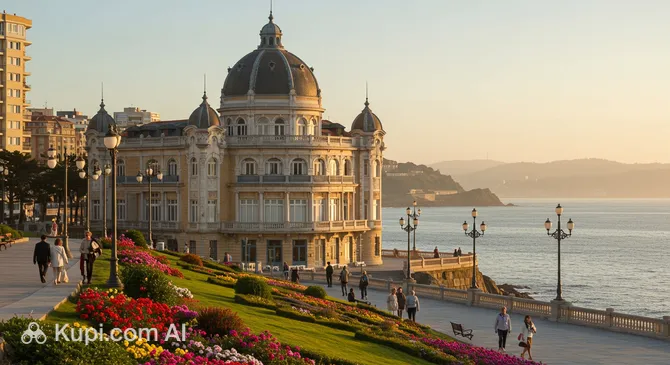
Undoubtedly the most recognizable landmark is the Magdalena Palace. Situated on the spectacular Magdalena Peninsula, this early 20th-century eclectic palace was once the summer residence of the Spanish royal family. Today, it is a must-visit for its majestic architecture and the surrounding park, which features scenic walking paths, a mini-zoo, and breathtaking views of the coastline and the bay.

Magdalena Palace. Source: Kupi.Binoculars

For a striking contrast to the classic architecture, the Centro Botín stands as a symbol of modern Santander. Designed by the renowned architect Renzo Piano, this arts center is suspended partially over the sea, creating a unique connection between the city and the bay. It hosts world-class art exhibitions and cultural events, but many tourists visit simply to admire the building itself and enjoy the panoramic vistas from its rooftop terraces.

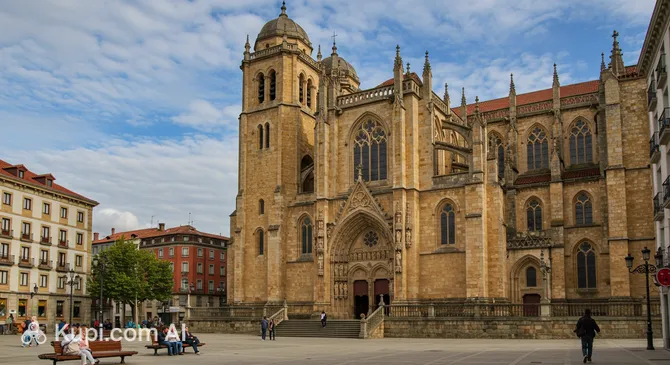
In the heart of the city lies the Santander Cathedral. Although it was severely damaged during the fire of 1941, it has been beautifully restored and remains a vital piece of the city's heritage. The complex actually consists of two churches: the lower 12th-century Church of El Cristo and the upper Gothic-style cathedral. Visitors appreciate the serene cloister and the sense of history that permeates the stone walls.

Santander Cathedral. Source: Kupi.Binoculars

Reflecting the elegance of the Belle Époque era, the Gran Casino del Sardinero dominates the Plaza de Italia. Overlooking the famous Sardinero beach, this grand white building is more than just a place for gaming; it is an architectural gem that evokes the glamour of the early 1900s. The surrounding area is perfect for a leisurely promenade, lined with terraces and ice cream shops.

Gran Casino del Sardinero. Source: Kupi.Binoculars

Given the city's deep connection to the ocean, the Cantabrian Maritime Museum is a fascinating stop for families and history enthusiasts. Located on the edge of the bay, it offers a comprehensive look at marine biology, maritime history, and fishing traditions. The museum features large aquariums and impressive skeletons of whale species, providing an educational insight into the life of the Cantabrian Sea.

Local Cuisine

The gastronomy of Santander is a delicious reflection of its geography, perfectly balancing the fresh bounty of the Cantabrian Sea with the hearty flavors of the nearby mountains. Known for the exceptional quality of its raw ingredients, the local cuisine is simple yet sophisticated, focusing on preserving natural tastes rather than masking them with heavy sauces.

No visit to the city is complete without trying rabas, the undisputed king of Santander's appetizers. These fried squid rings are tender, crispy, and served in almost every bar, typically enjoyed with a glass of vermouth or white wine before lunch. For a heartier meal, especially on cooler days, the Cocido Montañés is a must-try. Unlike other Spanish stews, this rich dish combines white beans, collard greens, and "compango" (pork ribs, chorizo, and blood sausage) without using chickpeas, creating a comforting and flavorful experience.

Those with a sweet tooth will delight in the region's dairy-based desserts. Quesada Pasiega, a creamy cheesecake-like pudding, and Sobaos Pasiegos, buttery sponge cakes, are local icons often enjoyed with breakfast or as a snack. To finish off a meal, locals often sip on Orujo, a traditional pomace brandy from the Liébana valley, which comes in various varieties such as herbal, honey, or cream.

Mercado del Este. Source: Kupi.Binoculars

The dining culture in Santander revolves around socializing and sharing. "Ir de pinchos" (going for tapas) is a popular pastime, where friends hop from bar to bar sampling small bites. A fantastic place to experience this culinary vibe is the Mercado del Este. This historic market has been transformed into a gourmet hub where you can browse high-end local products and enjoy pinchos in a lively, elegant setting.

For a more formal dining experience, the city offers numerous options ranging from Michelin-starred establishments to traditional taverns. If you are looking to savor authentic regional dishes in a welcoming atmosphere, El Figón is a notable spot to consider. Alternatively, for those seeking a modern twist on local ingredients, La Ventana Restaurant provides a contemporary setting to explore the evolving tastes of Cantabria.

Travel Tips

Welcome to Santander! To ensure your visit to this sophisticated Cantabrian city is as smooth as the waves in its famous bay, we have compiled a list of essential practical tips to help you navigate the local lifestyle with ease.

  1. Clothing and Gear: Given the oceanic climate, the weather can be unpredictable. Even in summer, it is wise to pack a lightweight raincoat or a sturdy umbrella, as showers are common. Locals in Santander tend to dress quite smartly, often in a "smart-casual" style, so you might feel out of place in very relaxed beachwear away from the sand. Comfortable walking shoes are a must, as the city has several hills and steep streets.

  2. Transportation: The city center is compact and best explored on foot. For longer distances, the local bus network, known as TUS (Transporte Urbano de Santander), is efficient and reliable; look for the red buses. Taxis are also readily available and reasonably priced. Unless you plan to explore the wider Cantabria region, a rental car is unnecessary within the city and can be a hassle due to limited parking.

  3. Finances: The official currency is the Euro (€). Credit and debit cards are widely accepted in shops, restaurants, and supermarkets. However, it is recommended to carry some cash for small purchases in traditional bars or kiosks. Tipping is not mandatory but is appreciated; rounding up the bill or leaving a few coins is a common gesture for good service.

  4. Health and Safety: Santander is considered one of the safest cities in Spain, with low crime rates. Standard precautions against pickpocketing in crowded areas are sufficient. Pharmacies are marked with a green cross ("Farmacia"), and there is always one on duty 24/7 in each neighborhood for emergencies. The general emergency number for police, fire, or ambulance is 112.

  5. Communication: Spanish is the primary language. While staff in major hotels and tourist attractions usually speak English, it is less common in smaller local taverns and shops. Learning a few basic phrases like "Hola" (Hello), "Por favor" (Please), and "Gracias" (Thank you) will go a long way in interacting with the friendly locals. Free Wi-Fi is often available in public spaces and cafes.

  6. Local Etiquette: Dining times are typically Spanish, meaning they are later than in many other countries. Lunch is usually served between 2:00 PM and 3:30 PM, and dinner often starts after 9:00 PM. When entering a shop or elevator, it is polite to greet others with a simple "Hola" or "Buenos días".

  7. What to Avoid: Do not expect to find full dinner menus available at 6:00 PM or 7:00 PM; kitchens are often closed during these hours, though you can usually find tapas (pinchos) at the bar. Also, avoid comparing the local culture too heavily with southern Spanish stereotypes (like flamenco), as northern Spain has its own distinct Celtic-influenced identity.

  8. Local Insight: To save your legs from the city's steep inclines, make use of the free mechanical ramps and escalators scattered throughout the streets. A hidden gem is the Funicular del Río de la Pila; it is free to use and whisks you up to a viewpoint that offers one of the best panoramas of the city and the bay, especially at sunset.

By keeping these practical tips in mind, you will be well-prepared to enjoy everything Santander has to offer. Embrace the relaxed northern rhythm, indulge in the local flavors, and have a wonderful trip!

Entertainment & Nightlife

Entertainment and Nightlife:

Santander boasts a vibrant and sophisticated nightlife scene that perfectly complements its elegant daytime persona. The city comes alive after sunset, offering a diverse range of options from bustling tapas bars and traditional taverns to chic cocktail lounges and lively nightclubs. The local culture of "salir de marcha" (going out) typically involves hopping from one venue to another, socializing in the streets, and enjoying the spirited atmosphere that permeates the city center.

The epicenter of Santander's nightlife is undoubtedly the Plaza de Cañadío. Located in the heart of the city, this square is packed with bars and fills up with locals and tourists alike, especially on Friday and Saturday nights. The crowd here is mixed and energetic, often spilling out onto the terraces and the square itself to chat and drink. Just a short walk away, the Río de la Pila street offers a slightly more bohemian and alternative vibe, known for its steep incline and late-night music venues that stay open until the early hours.

For those seeking a more relaxed and upscale experience, the Puerto Chico district provides a selection of refined bars and wine cellars, popular among a slightly more mature crowd. During the summer months, the action often shifts towards El Sardinero. This area, famous for its beaches and the casino, hosts elegant terraces where you can enjoy a drink with a sea breeze. A great spot to experience this seaside atmosphere is the Abra Sardinero Resto-Bar, which offers a stylish setting to unwind with a cocktail while overlooking the coast.

Abra Sardinero Resto-Bar. Source: Kupi.Binoculars

If you are interested in larger events or concerts, the Palace of Sports of Santander is the city's premier indoor arena. It frequently hosts musical performances, sporting events, and large-scale shows, contributing significantly to the city's entertainment calendar. For a more casual start to the evening, Pombo Square is another charming location surrounded by cafes and venues, perfect for an early evening drink before heading to the busier nightlife zones.

Practical advice for enjoying Santander at night includes adjusting to the local schedule. The nightlife starts late; bars typically don't get busy until after 11:00 PM, and clubs often remain empty until 2:00 AM or 3:00 AM. The dress code is generally "smart casual"—locals tend to dress well when going out, so avoiding beachwear is recommended. Average prices are reasonable compared to larger Spanish cities, with a beer or wine costing a few euros and mixed drinks slightly more.

Santander is a very safe city for night walks, and the main nightlife areas are well-lit and populated. However, standard precautions should always be taken. Getting around is easy; the distances between Cañadío, Río de la Pila, and Puerto Chico are walkable. If you are staying in El Sardinero or further afield, white taxis are readily available and can be hailed on the street or found at designated ranks.

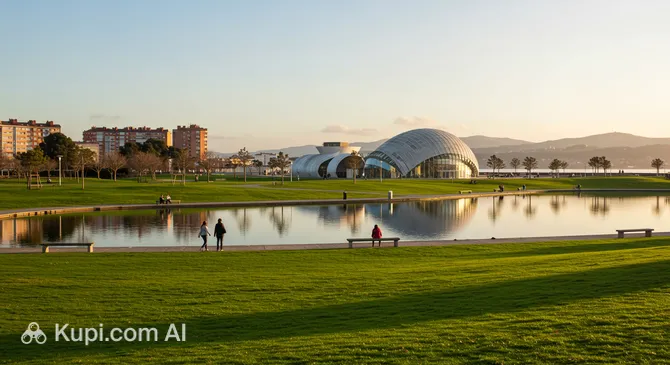
Beyond the nightlife, Santander offers plenty of daytime entertainment. Cultural enthusiasts should not miss the Museum of Prehistory and Archaeology of Cantabria, which houses an impressive collection of Paleolithic artifacts. For those who prefer outdoor activities, Las Llamas Atlantic Park provides a vast green space featuring wetlands and walking paths, ideal for a relaxing afternoon away from the urban bustle.

Las Llamas Atlantic Park. Source: Kupi.Binoculars

Parks & Museums

Santander is a city that breathes through its verdant gardens and preserves its rich heritage in exceptional cultural venues. Beyond its sandy shores, the Cantabrian capital offers a wealth of green spaces perfect for relaxation and museums that delve deep into the region's fascinating history and artistic soul.

One of the most significant environmental projects in the city is Las Llamas Atlantic Park. This extensive urban wetland acts as a green lung for Santander, focusing on the conservation of local flora and fauna. It features a network of paths and wooden walkways that allow visitors to observe various bird species and aquatic plants in their natural habitat. It is an ideal spot for a peaceful stroll or a bicycle ride, offering a stark yet harmonious contrast to the nearby urban architecture.

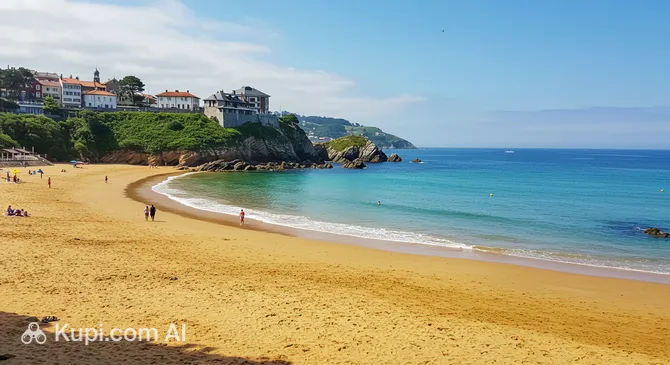
For those seeking spectacular coastal views combined with greenery, the area around Mataleñas Beach is unmatched. The park located here sits atop the cliffs, offering panoramic vistas of the entrance to the bay and the open sea. A walk along the cliffside path provides a refreshing experience with the scent of the ocean and pine trees, making it a favorite among locals for sunset promenades.

Mataleñas Beach. Source: Kupi.Binoculars

Travelers looking for a more active nature experience should visit the Santander Forest Adventure Park. Located near the lighthouse, this park offers a different kind of greenery, featuring exciting treetop courses, zip lines, and obstacles suitable for both children and adults. It is a fantastic way to enjoy the outdoors while adding a bit of adrenaline to your trip.

When it comes to culture, the region's prehistoric legacy is world-renowned, and the Museum of Prehistory and Archaeology of Cantabria (MUPAC) is the best place to explore it. This museum houses an extensive collection of artifacts from the Paleolithic era, including tools and art found in the many caves of Cantabria, such as Altamira. It provides a comprehensive context that helps visitors understand the lives of the early humans who inhabited this northern coast thousands of years ago.

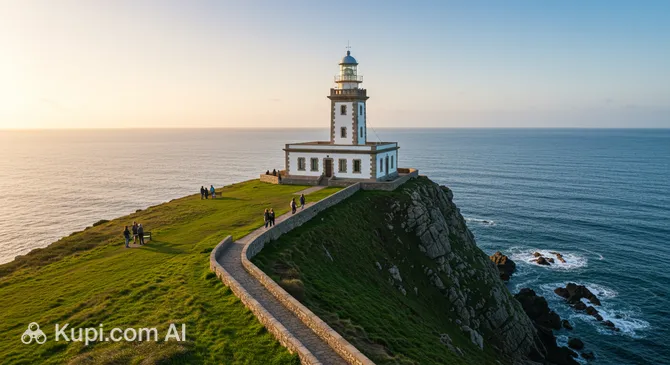
A truly unique cultural venue is the Cabo Mayor Lighthouse Art Center. Situated inside an active lighthouse that has guided ships since 1839, this center is dedicated to art inspired by the sea and lighthouses. The collection includes hundreds of works by the artist Eduardo Sanz, but the location itself—perched on dramatic cliffs with crashing waves below—is as compelling as the art inside.

Cabo Mayor Lighthouse Art Center. Source: Kupi.Binoculars

For a lesser-known cultural gem, take a moment to explore the Menéndez Pelayo Library. While often overlooked by tourists rushing to the beaches, this historic library houses a magnificent collection of rare books and manuscripts in a building with a charming garden, offering a quiet retreat for literature and history lovers.

Getting Around

Navigating Santander is remarkably straightforward, as the city is compact and pedestrian-friendly. While there is no metro or tram system, the public transport network is efficient and well-adapted to the city's unique topography. The primary mode of transit is the municipal bus service, known as TUS (Transporte Urbano de Santander). These distinctive red buses cover the entire city, providing frequent connections between the historic center, the train stations, and the popular beaches of El Sardinero.

Due to the city's hilly geography, Santander has implemented a unique network of "vertical transport" to help pedestrians tackle steep inclines without exhaustion. This includes a series of free mechanical ramps, escalators, and elevators scattered throughout the streets. A highlight for visitors is the Funicular del Río de la Pila. Not only is it a practical way to reach the upper neighborhoods, but it is also free of charge and offers spectacular panoramic views of the bay from the top station, making it a sightseeing experience in itself.

For travel across the bay, the maritime transport system is an essential and scenic alternative. The iconic "Los Reginas" ferries operate from the Palacete del Embarcadero in the city center, connecting Santander with the nearby towns of Somo and Pedreña. These boats are widely used by locals commuting to the beaches and by tourists enjoying the sea breeze. It is an affordable way to enjoy a mini-cruise while getting from point A to point B.

Regarding payment, you can purchase a single ticket directly from the bus driver using cash, though it is best to carry small change. The price for a single journey is approximately €1.30. If you plan to use the bus frequently, it is highly recommended to buy a rechargeable transport card (Tarjeta Transporte) at a local tobacco shop ("estanco") or a kiosk. Using this card significantly reduces the fare to around €0.66 per trip. You must validate your card on the reader next to the driver when boarding.

The bus service typically operates from around 6:00 AM to midnight. On Fridays, Saturdays, and the eves of public holidays, special night buses (Nocturnos) run on the main lines, allowing you to enjoy the nightlife without worrying about a ride home. Information on routes and schedules is available via the TUS mobile app or on digital panels at most bus stops.

For alternatives, taxis are readily available and can be identified by their white color; they can be hailed on the street or found at designated ranks. The city also offers a public bike-rental system called TusBic, with stations located throughout the urban area. However, given the steep slopes in some districts, casual cyclists often stick to the flat promenades along the waterfront and the Sardinero coast.

Accommodation

Where to Stay:

Finding the perfect place to stay in Santander is relatively easy, as the city offers a wide spectrum of accommodation options to suit various budgets and travel styles. Visitors can choose from grand historic hotels that evoke the city's aristocratic past, modern mid-range establishments, comfortable vacation rentals, and budget-friendly hostels perfect for backpackers.

When choosing a location, most travelers decide between two distinct areas: the City Center and El Sardinero. Staying in the city center places you close to the main shopping streets, the cathedral, and the transport hubs, making it convenient for dining out and exploring the historic sites on foot. In contrast, the El Sardinero district is the ideal choice for beach lovers and those seeking a resort-like atmosphere. This area is more spacious and elegant, offering immediate access to the golden sands and the famous casino, though it requires a short bus or taxi ride to reach the downtown core.

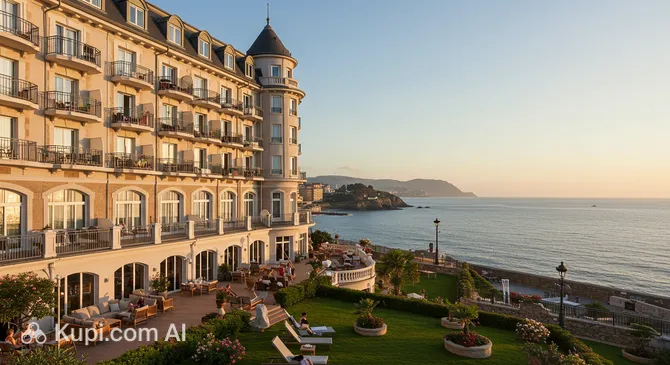
For travelers looking for a stay that combines comfort with proximity to the famous beaches, the Don Carlos Hotel is a well-known option. Located just steps from the Sardinero beach, this establishment offers a classic and relaxing environment, making it a popular choice for those who want to wake up near the sea while still being within easy reach of the city's attractions.

Don Carlos Hotel. Source: Kupi.Binoculars

Regarding costs and planning, prices in Santander can vary significantly depending on the season. During the peak summer months of July and August, the city is a highly sought-after destination, and rates for all types of accommodation tend to rise. It is strongly recommended to book your room several months in advance if you plan to visit during this period to secure the best availability and prices. In the shoulder seasons of spring and autumn, you can often find excellent value for money. Most accommodations can be easily booked via major online platforms, though contacting smaller guesthouses directly can sometimes yield better deals.

Nearby Cities

For those looking to explore the surroundings, Santander serves as an excellent base for day trips to several interesting nearby locations:

Bilbao is undoubtedly the most prominent destination for a day trip. Located approximately an hour's drive away in the neighboring Basque Country, it is a vibrant cultural hub famous for the iconic Guggenheim Museum and its lively Old Town (Casco Viejo), where visitors can enjoy traditional "pintxos". It offers a striking contrast of modern architecture and historical charm.

Portugalete, situated near Bilbao at the mouth of the estuary, is another fascinating stop. It is home to the Vizcaya Bridge (Puente Colgante), a UNESCO World Heritage site and the world's oldest transporter bridge. Visitors can cross the river on its hanging gondola or walk across the upper walkway for panoramic views of the industrial landscape and the sea.

Closer to Santander lies Torrelavega, the second-largest city in Cantabria. While primarily a commercial and industrial center, its strategic location makes it a gateway to the region's interior. It is known for its lively weekly market and serves as a convenient stopover for those heading towards the Picos de Europa mountains or the medieval village of Santillana del Mar.

City Population Distance (km)
Bilbao 775000 75
Barakaldo 100907 70
Torrelavega 51237 22
Santurtzi 46085 66
Portugalete 45285 67

These nearby destinations offer a glimpse into the diverse culture and landscapes of the region, ranging from the industrial heritage of the Basque Country to the green valleys of inland Cantabria.

Shopping & Souvenirs

Shopping in Santander offers a delightful mix of elegant boutiques, traditional markets, and modern commercial centers. The city’s layout, with its pedestrian-friendly streets and compact center, makes browsing for fashion and local treasures a pleasant activity that can easily be combined with sightseeing.

The heart of the shopping district lies in the city center, particularly along the pedestrianized Calle Burgos and Calle San Francisco, as well as the bustling Calle Jesús de Monasterio. Here, visitors will find a wide array of stores ranging from popular Spanish high-street fashion brands to small, independent boutiques selling shoes, accessories, and jewelry. The architecture in this area adds a touch of charm to the experience, with covered arcades and historic facades lining the streets.

For those interested in gastronomy and local products, a visit to the city's markets is essential. The historic Mercado de la Esperanza (Market of Hope), located behind the Town Hall, is the place to go for fresh produce. It is a stunning example of modernist iron architecture where stalls overflow with the freshest fish from the Cantabrian Sea, local cheeses, and meats. Just a short walk away is the Mercado del Este. Unlike a traditional wet market, this beautifully restored building functions more like a gallery, housing gourmet shops, florists, and cafes perfect for picking up high-quality souvenirs like canned anchovies or regional wines.

If you prefer having everything under one roof, Santander is well-served by several large shopping malls located just outside the city center. Valle Real is one of the most popular destinations, situated near the airport. It features a vast selection of international fashion chains, a hypermarket, and a cinema, making it a convenient option for a rainy day.

Valle Real. Source: Kupi.Binoculars

Another significant commercial hub is the Bahía de Santander Shopping Center, located in the Peñacastillo district. It offers a comprehensive retail experience with numerous clothing stores, electronics shops, and a large food court. Both malls are easily accessible by car or local bus connections from the city center.

When looking for souvenirs to take home, consider the region's culinary specialties. Cantabria is famous for its sobaos pasiegos (buttery sponge cakes) and quesadas (cheesecake pudding), which can be found in pastry shops throughout the city. Additionally, high-quality tinned seafood, particularly tuna and anchovies from nearby Santoña, makes for an excellent and authentic gift.

Reached the end of the page?

That means the route is fully explored