Support

Valladolid

About

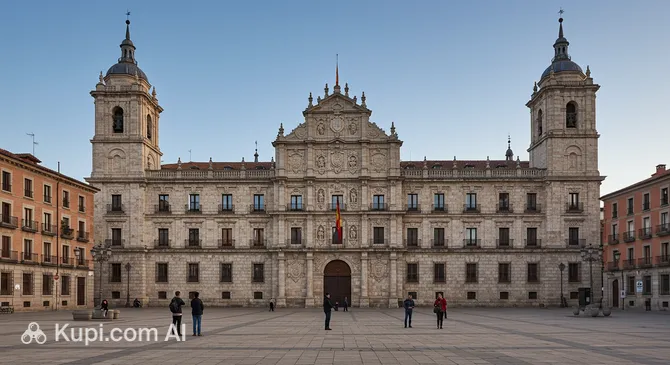
Welcome to Valladolid, a city that effortlessly blends regal history with a vibrant, modern energy. Located in the heart of the Castile and León region in northwest Spain, this elegant destination sits upon the confluence of the Pisuerga and Esgueva rivers. Known for its sophisticated atmosphere and architectural grandeur, Valladolid offers travelers an authentic taste of Castilian culture away from the most crowded tourist paths.
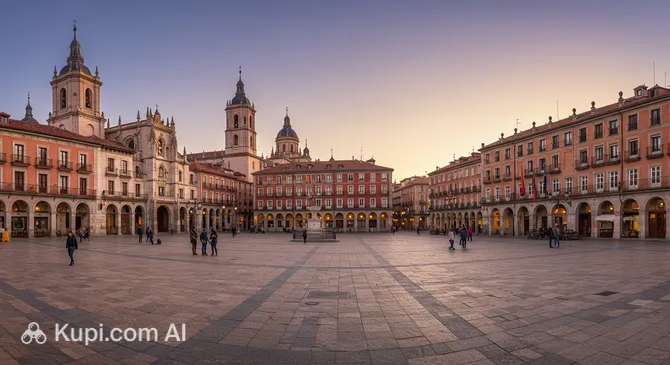
Valladolid. Source: Kupi.Binoculars

With a population of approximately 297,775 inhabitants, it serves as a bustling provincial capital and an important economic hub. The city experiences a continental Mediterranean climate, characterized by cold winters and hot, dry summers, making spring and autumn ideal times for exploring its streets. As you wander through the old quarter, the history of Valladolid reveals itself at every corner, reminding visitors of the time when this city was the seat of the Spanish court and home to literary giants like Cervantes.

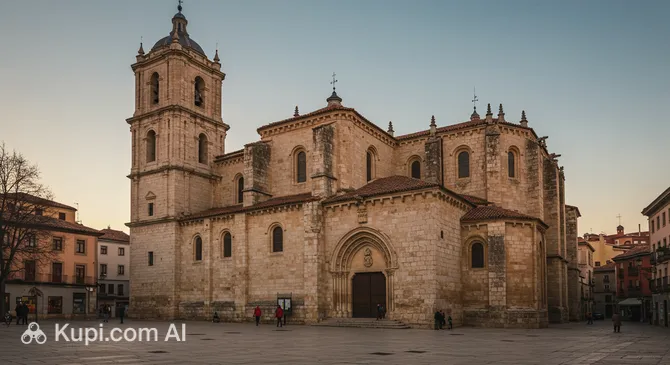
The city is renowned for its monumental heritage. At its heart lies the majestic Plaza Mayor, a spacious and harmonious square that served as the model for others across the Spanish-speaking world. Art lovers should not miss the National Sculpture Museum, which houses one of Europe's most impressive collections of polychrome wood sculptures. Another striking landmark is the Cathedral of Valladolid, designed by Juan de Herrera, which remains unfinished but is famously known as "The Unfinished One."

Whether you are admiring the intricate facade of the San Pablo Church or indulging in the city's famous tapas culture, Valladolid promises a memorable experience. It is a perfect destination for those seeking a rich blend of art, history, and gastronomy, inviting you to discover the authentic soul of the Castilian heartland.
Weather Overview

The climate in Valladolid is defined by significant contrasts between the seasons, featuring hot, dry summers and cold winters. During the peak of summer in July and August, the weather is typically sunny with very little rainfall; average temperatures hover around 23.5°C, while daily highs often reach nearly 31°C. These months have the fewest wet days, usually recording only about three per month.

In contrast, the winter months bring much cooler air. January is generally the coldest time of year, with an average temperature of 4.6°C and lows dropping to around 0.7°C. Spring and autumn offer milder temperatures but see more frequent precipitation; April and November are among the wettest months, each experiencing up to 12 days with rain. For a more comprehensive breakdown of monthly conditions, you can check the detailed report on the weather in Valladolid. Overall, visitors should expect scorching heat in the summer and crisp, chilly days during the winter season.

Interesting Facts

Beyond its stately avenues and historic facades, Valladolid hides a treasure trove of stories that shaped the course of Spanish history. From serving as the heart of an empire to hosting the final days of legendary figures, the city’s past is full of surprising details waiting to be discovered.

  • A Two-Time Capital: Before Madrid took the spotlight, Valladolid was the capital of the Spanish Empire on two separate occasions. The Royal Palace of Valladolid served as the official residence for Spanish monarchs, and it was within these walls that King Philip IV was born.

  • The Explorer's Last Stop: The famous navigator Christopher Columbus passed away in Valladolid in 1506. While his remains were later moved across the ocean, the Columbus House Museum stands as a testament to his final days in the city, offering a glimpse into his life and voyages.

  • Literary History: Miguel de Cervantes, the author of Don Quixote, lived in this city when the first part of his masterpiece was published in 1605. Visitors can step back in time at the Casa de Cervantes, the very house where the literary giant resided during this pivotal period.

  • A Touch of Paris: The city boasts one of the few surviving 19th-century commercial galleries in Spain. The Gutiérrez Passage, with its elegant glass roof and allegorical statues, was built in 1886 and offers a charming atmosphere reminiscent of the Belle Époque arcades found in Paris.

Royal Palace of Valladolid. Source: Kupi.Binoculars

How to Get There

Reaching this historic Castilian city is quite convenient thanks to its central location and excellent transport connections. Whether you are flying from abroad or traveling within the country, there are several options to suit your itinerary. For a complete overview of routes and tips, you can read all ways to reach the city.

If you are planning to fly, the most significant international gateway nearby is Adolfo Suárez Madrid-Barajas Airport (IATA: MAD). Although this major hub is located in Madrid, about 161.4 km from Valladolid, it offers extensive global connections that make it a popular entry point. From there, the city is easily accessible via a high-speed train connection or a drive by road. Another option for travelers is the local Valladolid Airport (IATA: VLL), situated directly in Valladolid, just 12.2 km from the city center. While much smaller in scale, it offers convenience for specific domestic or European flights, with a short transfer to the downtown area.

For clarity, here is a summary of the main airports:

Airport Name City Passenger Traffic Km from City
Adolfo Suárez Madrid-Barajas Airport Madrid Very Large 161.4
Santander Airport Santander Medium 210.3
Vitoria Airport Vitoria-Gasteiz Small 214.0
Valladolid Airport Valladolid Small 12.2
Leon Airport Leon Small 129.4

Traveling by train is often the preferred method for many visitors due to the speed and comfort of the Spanish rail network. You can arrive directly at Campo Grande Station (IATA: XIV), which is the main railway hub located within Valladolid itself. It is extremely central, situated only 1.4 km from the heart of the city, making the final leg of your journey a quick trip by taxi or bus. This station handles a high volume of passengers and connects the city efficiently with Madrid and other northern destinations.

Below is a list of the nearest and most relevant railway stations:

Station City Passenger Traffic Km to Center
Campo Grande Station Valladolid High 1.4
Segovia Guiomar Railway Station Segovia Medium 97.9
Palencia Railway Station Palencia Medium 43.1
Zamora Railway Station Zamora Medium 86.2
Salamanca Railway Station Salamanca - 108.5

Main Attractions

Valladolid is a city best explored on foot, where centuries of heritage stand side by side with vibrant modern life. While the city center is compact, it is packed with architectural gems and cultural institutions that reflect its status as a former royal capital. From world-class museums to tranquil green spaces, here are some of the essential places to visit.

Widely regarded as one of the most important museums of its kind in Europe, the National Museum of Sculpture is a must-see for art enthusiasts. It is housed in the Colegio de San Gregorio, a building that is itself a masterpiece of Isabelline Gothic architecture with an intricately carved facade. Inside, visitors can admire an extensive collection of polychrome wood sculptures ranging from the Middle Ages to the Baroque period, featuring works by masters like Alonso Berruguete and Gregorio Fernández that convey powerful emotional intensity.

One of the most iconic symbols of the city is the Church of Saint Mary the Ancient. Known locally as "La Antigua," this church is famous for its stunning Romanesque bell tower and portico, which date back to the 12th century and stand in elegant contrast to the rest of the Gothic structure built later. Its slender, pyramidal-topped tower is often featured on postcards and offers a picturesque glimpse into the city's medieval past, making it a favorite spot for photographers.

Church of Saint Mary the Ancient. Source: Kupi.Binoculars

For a relaxing break from sightseeing, the Campo Grande Park serves as the city's main urban lung. This triangular park, created in the 19th century, is designed in a romantic style with winding paths, ornamental fountains, and a variety of tree species. It is particularly famous for the free-roaming peacocks that wander the grounds, delighting visitors of all ages. A stroll here offers a peaceful retreat and a chance to enjoy a boat ride on the small lake or simply sit by the waterfall.

Art lovers looking for something more modern should visit the Patio Herreriano Museum of Spanish Contemporary Art. Located in the renovated cloister of the Monastery of San Benito, the museum beautifully merges history with modernity. It houses a significant collection of Spanish art from 1918 to the present day, featuring works by artists such as Dalí, Miró, and Chillida. The restoration of the Renaissance courtyard provides a luminous and serene setting for appreciating the avant-garde exhibits.

Another fascinating stop is the Valladolid Science Museum, situated on the banks of the Pisuerga River. Housed in a striking modern complex that incorporates an old flour mill, the museum features a planetarium and interactive exhibits dedicated to neuroscience, energy, and the elements. It is an educational and entertaining destination, particularly suitable for families or anyone interested in the intersection of science and architecture.

Local Cuisine

Valladolid is widely considered one of the premier gastronomic destinations in the Castile and León region, offering a culinary experience deeply rooted in tradition and high-quality ingredients. The local cuisine is characterized by hearty, honest flavors, with a strong focus on roasted meats, artisan breads, and exceptional wines. For visitors, dining here is not just about sustenance but a cultural immersion into the authentic tastes of the Spanish heartland.

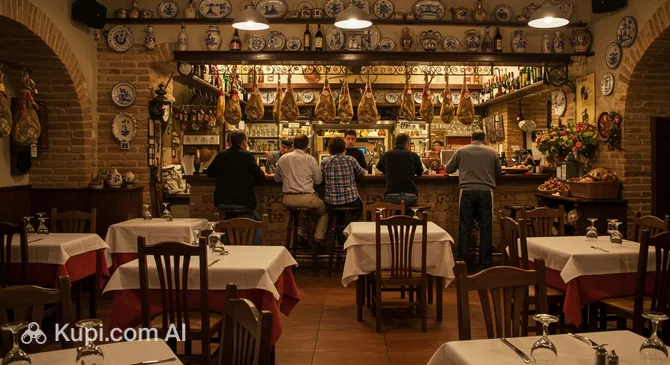
The undisputed star of the local menu is lechazo asado (roast suckling lamb). This signature dish is prepared in traditional wood-fired ovens, resulting in meat that is incredibly tender on the inside with a perfectly crispy, golden skin. To experience this classic dish in a historic setting, travelers often visit La Parrilla de San Lorenzo, a renowned restaurant located within a former monastery that captures the essence of Castilian hospitality. Another staple worth trying, especially during the cooler months, is sopa de ajo (garlic soup), a comforting peasant dish made with bread, garlic, paprika, and poached eggs.

La Parrilla de San Lorenzo. Source: Kupi.Binoculars

Beyond formal sit-down meals, the city is famous for its vibrant tapas culture. Valladolid hosts the National Pincho and Tapas Competition annually, which has elevated the local bar scene to a high art form. Locals frequently engage in the ritual of el tapeo, moving from bar to bar to sample miniature culinary creations ranging from classic bites to avant-garde experiments. A prime spot to taste award-winning tapas is Villa Paramesa, known for its innovative approach to these small dishes.

No meal in Valladolid is complete without the local wine. The province is unique in being surrounded by five different Designations of Origin (DO), including the world-famous Ribera del Duero for full-bodied reds and Rueda for crisp, aromatic white wines made from the Verdejo grape. Whether you are enjoying a chilled glass of Rueda with fresh appetizers or a robust red with a plate of cured sheep cheese, the local vintages provide the perfect accompaniment to the region's rich flavors.

Travel Tips

To ensure your visit to Valladolid is as smooth and enjoyable as possible, we have compiled a list of essential travel advice. While the city is welcoming and easy to navigate, keeping these practical details in mind will help you experience the local lifestyle with confidence and ease.

  1. Clothing and Gear: Valladolid experiences a continental climate with significant temperature variations. If visiting in winter, bring a heavy coat, scarf, and gloves, as the city is known for its cold, foggy mornings. In summer, lightweight clothing and sun protection are essential for the dry heat. Since the historic center is best explored on foot, pack comfortable walking shoes. When visiting religious sites like the Cathedral, ensure your shoulders and knees are covered as a sign of respect.

  2. Transportation: The city center is compact and very walkable, so you likely won't need a vehicle for sightseeing. For longer distances, the local bus network, managed by Auvasa, is efficient and affordable. Taxis are white with a diagonal purple stripe and can be hailed on the street or found at designated ranks. Rideshare apps are available but less commonly used than standard taxis for short hops.

  3. Finances: The currency is the Euro (€). Credit and debit cards (Visa and Mastercard) are widely accepted in hotels, restaurants, and most shops. However, it is wise to carry some cash for small purchases in traditional bars or for buying bus tickets. ATMs are plentiful throughout the city. Tipping is not mandatory; locals typically round up the bill or leave small change for good service.

  4. Health and Safety: Valladolid is generally a very safe city for tourists. Pharmacies are identified by a flashing green cross; look for a Farmacia de Guardia list on the door of any pharmacy to find one open after hours. For any emergencies, dial 112, which is the general European emergency number. Tap water is safe to drink and of good quality.

  5. Communication: As the heartland of the Castilian language, Spanish here is spoken clearly and is a point of local pride. While staff in hotels and major museums usually speak English, it may be less common in smaller local taverns or shops. Learning a few basic phrases like "Hola" (Hello) and "Gracias" (Thank you) will be greatly appreciated. Free Wi-Fi is often available in public squares and cafes.

  6. Local Etiquette: Dining times in Spain are later than in many other countries. Lunch is typically the main meal, served between 2:00 PM and 3:30 PM, while dinner is rarely eaten before 9:00 PM. When entering a shop or elevator, it is polite to greet others with a "Buenos días" or "Buenas tardes."

  7. What to Avoid: Avoid expecting full restaurant service between 4:00 PM and 8:00 PM. Most kitchens close during the late afternoon, although you can usually find cold tapas or sandwiches. Also, try not to be visibly impatient with service; the pace of life here is relaxed, especially during meals, which are meant to be enjoyed slowly.

  8. Local Insight: Pay attention to the "Siesta" hours. Many smaller boutiques and independent businesses close from approximately 2:00 PM to 5:00 PM and reopen in the evening until 8:30 PM or 9:00 PM. Plan your shopping or museum visits accordingly, and use the afternoon break to relax or enjoy a coffee like a local.

By keeping these tips in mind, you will be well-prepared to embrace the rhythm of Valladolid. Whether you are navigating its historic streets or adjusting to the local dining schedule, these small insights will help you blend in and make the most of your Castilian adventure.

Entertainment & Nightlife

Entertainment and Nightlife:

As a vibrant university city, Valladolid comes alive when the sun goes down, offering a nightlife scene that rivals larger Spanish capitals. The atmosphere is energetic yet welcoming, characterized by a mix of sophisticated cocktail lounges, lively student bars, and pulsating clubs. The action typically starts late, with locals heading out for drinks around 11:00 PM or midnight, and continues well into the early morning hours.

The city's nightlife is divided into distinct zones, each with its own personality. For those seeking a chic and upscale environment, the area around Plaza de Martí y Monsó, locally known as the "Coca" zone, is the place to be. Here, you will find well-dressed crowds enjoying elaborate gin and tonics in stylish venues. A popular spot in this district is Masai Cafe y Copas, which offers a relaxed yet trendy setting perfect for starting the night with a premium drink and good conversation.

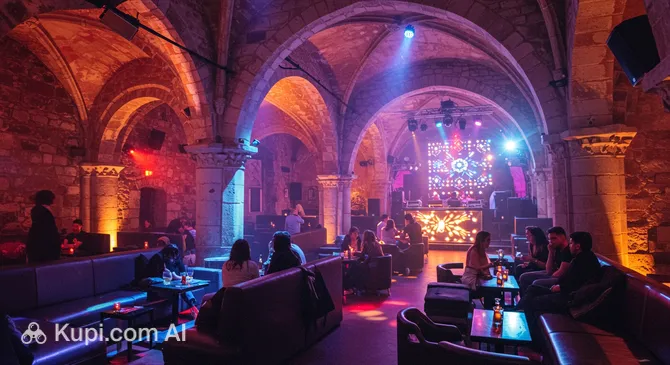
If you prefer a more bohemian or alternative vibe, head towards the area surrounding the Cathedral and Plaza de Cantarranas. This district is the heart of the university scene, filled with indie music, rock bars, and a younger, more casual crowd. It is a fantastic place to hop from bar to bar without spending a fortune. Nearby, Monasterio Café stands out as a unique venue; housed in a building with historic charm, it transitions from a cozy café by day to a lively nightlife spot by night, often featuring spirited crowds and great music.

Monasterio Café. Source: Kupi.Binoculars

For music lovers and those who want to dance until dawn, the city offers several venues that host live performances and DJ sets. Café Berlín is a staple of the local scene, known for its eclectic programming that ranges from live concerts to late-night parties. It attracts a diverse audience and is an excellent choice if you want to experience the authentic rhythm of Valladolid's night.

Practical advice for a night out includes dressing according to your destination: "smart casual" works best for the Coca area, while jeans and sneakers are perfectly acceptable in Cantarranas. Prices are generally affordable compared to Madrid or Barcelona, with beers and mixed drinks being reasonably priced. The city center is very safe for walking at night, and most nightlife districts are within walking distance of each other. If you need to return to your hotel late, official white taxis with a purple stripe are easy to flag down or call.

While the night steals the show, daytime entertainment in Valladolid is equally engaging. The city boasts a rich cultural agenda with historic theaters like the Teatro Calderón hosting plays, operas, and dance performances throughout the year. For a more leisurely afternoon, visitors can explore the shopping streets around Calle Santiago or enjoy the green expanses of the city's parks, which often host open-air events and fairs during the warmer months.

Parks & Museums

Valladolid offers a delightful balance between urban sophistication and natural serenity, inviting visitors to explore its verdant riverbanks and rich cultural institutions. Beyond its famous squares, the city hides tranquil gardens and unique museum collections that provide a deeper understanding of its artistic and historical legacy.

For a refreshing escape from the stone streets, locals flock to Las Moreras Park. Situated along the banks of the Pisuerga River, this extensive green space is unique for featuring a river beach, complete with sand and amenities, which becomes a lively spot during the warm summer months. It is an excellent place for a leisurely walk, a picnic under the shade of poplar trees, or simply watching the river flow by. Just a short distance away, the historic Campo Grande Park remains the city's most romantic garden, home to diverse botanical species and its famous peacocks.

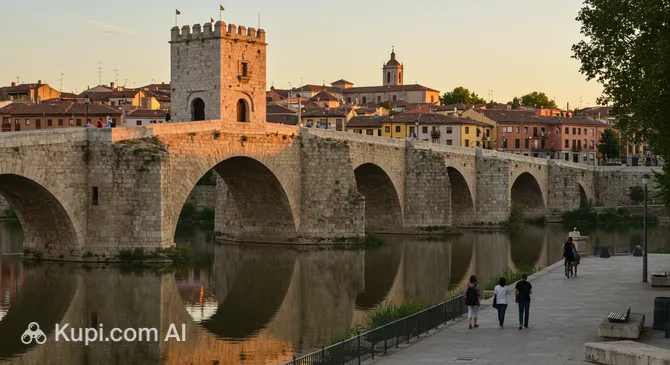
Connecting the city across the river is the imposing Puente Mayor. This ancient stone bridge, with origins dating back to the Middle Ages, offers one of the best vantage points for viewing the city's skyline and the river's ecosystem. A walk across this bridge provides a seamless link between the historic center and the natural beauty of the riverbanks.

Puente Mayor. Source: Kupi.Binoculars

Valladolid's museum scene goes far beyond its renowned sculpture collection. A true hidden gem is the Oriental Museum, located within the Royal College of the Augustinian Fathers. It houses one of Spain's best collections of Asian art, featuring exquisite pieces from China, the Philippines, and Japan, brought back by missionaries over centuries. Visitors can admire intricate ivory carvings, porcelain, and traditional costumes in a quiet, contemplative atmosphere.

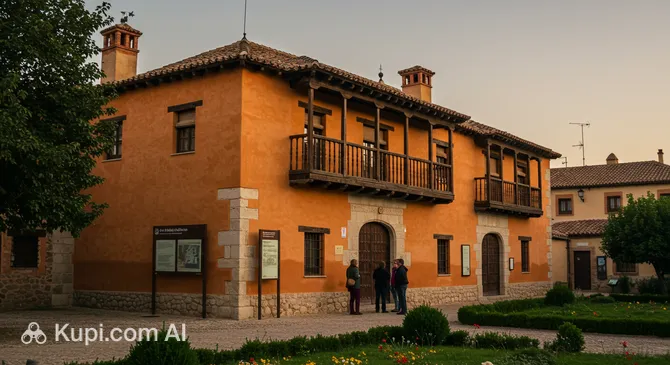
Literature enthusiasts will find the José Zorrilla House Museum fascinating. This preserved 19th-century home was the birthplace of the famous romantic poet and author of Don Juan Tenorio. Stepping inside feels like traveling back in time, with original furniture, personal effects, and a charming garden that reflects the domestic life of the era.

José Zorrilla House Museum. Source: Kupi.Binoculars

For those interested in art housed within historic architecture, the Municipal Exhibition Hall (SME) of the Museo de la Pasión is a must-visit. Located in a former 16th-century church, this venue now hosts rotating contemporary art exhibitions, creating a striking contrast between the sacred baroque surroundings and modern artistic expressions.

Another intriguing site is the Old Bullring Square. No longer used for bullfighting, this octagonal plaza has been transformed into a residential and leisure area. Its unique shape and history make it an architectural curiosity, and today it serves as a quiet spot to admire the transformation of urban spaces.

Insider Tip: If you visit Las Moreras Park in the evening, look for the "Chiringuito" (beach bar) near the river beach. It is a favorite local spot to enjoy a cold drink while watching the sunset over the Pisuerga, offering a beach-like vibe right in the middle of the Castilian plateau.

Getting Around

Getting around Valladolid is straightforward and convenient, as the city boasts a well-organized public transport network that complements its pedestrian-friendly layout. Since the city does not have a metro or tram system, the urban bus service, managed by the company Auvasa, serves as the primary mode of transportation for locals and visitors alike. The buses are modern, frequent, and cover the entire city, including the historic center, residential neighborhoods, and the train station.

For tourists, the bus system is easy to use. Regular lines typically operate from approximately 7:00 AM to 11:00 PM. If you are out enjoying the city's nightlife on Fridays, Saturdays, or the eves of public holidays, you can rely on the Búho (Owl) night bus lines. These special routes usually run from midnight until around 3:00 AM, providing a safe and affordable way to return to your accommodation after hours.

Regarding payment, you have several options. While you can purchase a single ticket directly from the driver using cash (ensure you have small change, as large bills are often not accepted), this is the most expensive option, usually costing around €1.50. For a more economical stay, it is highly recommended to use a rechargeable travel card (Bonobús) or the official mobile app (Auvasa Pay). These options significantly reduce the fare per trip. Physical cards can be purchased at tobacco shops (estancos) and authorized kiosks throughout the city.

Valladolid is also an exceptionally bike-friendly city due to its flat terrain and extensive network of cycle lanes. The municipal bike-sharing system, known as Biki, offers a fantastic alternative for active travelers. You can rent both mechanical and electric bicycles from numerous docking stations scattered across the city. To use this service, you typically need to register via their dedicated app and choose a subscription plan or a pay-per-ride option suited for temporary visitors.

If you prefer a more direct route, taxis are widely available and can be identified by their white color with a diagonal purple stripe on the front doors. They can be hailed on the street if the green light is on, found at designated ranks, or booked via telephone and apps. For a sightseeing-focused experience, look out for the Tourist Bus. This double-decker bus operates on weekends and holidays, taking you on a guided loop past the city's most significant monuments, allowing you to hop on and off to explore at your own pace.

Accommodation

Valladolid offers a welcoming array of accommodation options that cater to every type of traveler, from those seeking luxury in restored historical buildings to visitors looking for modern efficiency. Compared to larger Spanish tourist hubs, the city provides excellent value for money, allowing you to enjoy high-quality services and comfortable rooms at competitive rates. Some establishments are even culinary landmarks in their own right, such as the Colón Plaza Hotel Restaurant, where guests can experience the region's rich gastronomy without leaving the comfort of their accommodation.

For those who want to be in the heart of the action, the historic center is the ideal choice. Staying near the main squares and the Cathedral places you within walking distance of the city's most significant monuments, tapas bars, and museums. Many hotels in this area are housed in beautifully renovated palaces or former convents, blending centuries-old architecture with contemporary amenities. This location is perfect for travelers who wish to immerse themselves in the city's vibrant atmosphere from the moment they step outside.

Another popular area for accommodation is the district surrounding the high-speed railway station and the Campo Grande Park. This zone is particularly convenient for those arriving by train or business travelers seeking quick connections. It offers a sophisticated environment with wide avenues and elegant buildings. The proximity to the park provides a peaceful setting for a morning jog or an evening stroll, while still being just a short walk from the main commercial streets.

Campo Grande Park. Source: Kupi.Binoculars

If you are traveling by car or prefer a quieter, more modern setting, the neighborhoods across the Pisuerga River, such as Parquesol, are excellent alternatives. This elevated district offers panoramic views of the city and is home to the Parquesol Shopping Center, providing ample dining and retail options nearby. While further from the historic core, these areas are well-connected by public transport and often offer hotels with easier parking facilities and spacious modern rooms.

A practical tip for planning your stay is to book well in advance if you intend to visit during the Holy Week (Semana Santa). This is Valladolid's most important cultural event, declared of International Tourist Interest, and hotels tend to fill up months ahead. For the rest of the year, availability is generally good, but securing your reservation early is always recommended to get the best choice of location and price.

Nearby Cities

For those looking to explore the surroundings, Valladolid serves as an excellent base for day trips to several interesting nearby locations:

City Population Distance (km)
Burgos 174,051 115
Salamanca 143,269 109
Palencia 77,090 43
Zamora 60,297 87
Avila 57,949 111

One of the most popular excursions is to Salamanca, known as the "Golden City" due to the glowing sandstone used in its architecture. It is home to the oldest university in Spain and features a Plaza Mayor that is widely considered one of the most beautiful squares in the country. The vibrant student atmosphere mixed with Renaissance splendor makes it a lively and visually stunning destination.

Another unmissable stop is Avila, famous for its magnificent medieval walls. These fortifications are among the best-preserved in the world, completely encircling the old town with 88 towers and nine gates. Walking along the ramparts offers spectacular views and a deep sense of history, transporting visitors back to the Middle Ages.

For a closer trip, Palencia offers a quieter but equally rewarding experience. Dominated by the immense statue of Cristo del Otero, one of the tallest of its kind in the world, the city also boasts a Gothic cathedral known as "The Unknown Beauty" for the richness of its artistic treasures hidden within an austere exterior.

These nearby destinations offer a glimpse into the diverse culture and landscapes of the region.

Shopping & Souvenirs

Shopping in Valladolid offers a delightful mix of traditional charm and modern convenience. The city serves as a major commercial hub for the region, boasting a wide array of options ranging from high-end fashion boutiques and bustling high streets to historic markets and large shopping centers. Whether you are looking for the latest trends, unique local crafts, or exquisite gastronomic products, the city provides a relaxed and walkable environment to find exactly what you need.

The heart of the city's retail scene is undoubtedly Calle Santiago. This elegant pedestrian avenue connects the Plaza Mayor with Plaza de Zorrilla and is lined with popular international fashion chains and stylish boutiques. Walking along this street is a favorite pastime for locals, especially during the evening promenade. Just a short distance away, you will find the Gutiérrez Passage, a stunning 19th-century commercial gallery. With its glass roof and Parisian-style atmosphere, it offers a unique shopping experience for those seeking specialty items or simply wanting to admire the architecture.

Gutiérrez Passage. Source: Kupi.Binoculars

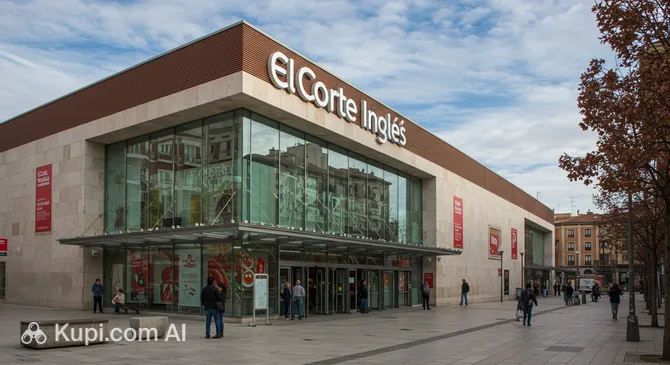
For those who prefer having everything under one roof, Valladolid has several excellent options. The El Corte Inglés department store, located on the majestic Paseo de Zorrilla, is a landmark for luxury brands, electronics, and gourmet food. If you are staying across the river or looking for a wider variety of leisure and retail facilities, the Parquesol Shopping Center is a convenient destination situated in one of the city's modern residential districts.

El Corte Inglés. Source: Kupi.Binoculars

To experience the authentic flavors of the region, a visit to the local markets is essential. The Mercado del Val, an architectural gem inspired by Les Halles in Paris, has been beautifully renovated to host stalls selling fresh produce alongside gourmet gastro-bars. It is the perfect place to buy high-quality ingredients or enjoy a quick bite. The Sunday open-air market, held near the José Zorrilla Stadium, is also popular for hunting down bargains, clothes, and antiques.

When it comes to souvenirs, Valladolid is best remembered through its palate. The province is famous for its wines, particularly those from the Ribera del Duero and Rueda appellations, which make for excellent gifts. Other typical products include mantecados (traditional crumbles), cured sheep cheese, and artisan leather goods. These items can be found in specialized shops throughout the historic center, allowing you to take a piece of Castilian culture home with you.

Store opening hours typically follow the traditional Spanish schedule. Small independent shops usually open from 10:00 AM to 2:00 PM and reopen from 5:00 PM to 8:30 PM, closing for a "siesta" in the afternoon. However, major franchises, department stores, and shopping malls generally stay open continuously from 10:00 AM to 10:00 PM. Most shops are closed on Sundays, except during specific holiday periods. Credit and debit cards are widely accepted, even for small amounts.

Travelers residing outside the European Union are eligible for VAT refunds (Tax-Free) on purchases of personal goods. Look for the "Tax Free" sign in store windows and ask for the electronic tax-free form (DIVA) at the checkout. You can then validate this form at the airport or customs before leaving the EU to claim your refund.

Reached the end of the page?

That means the route is fully explored