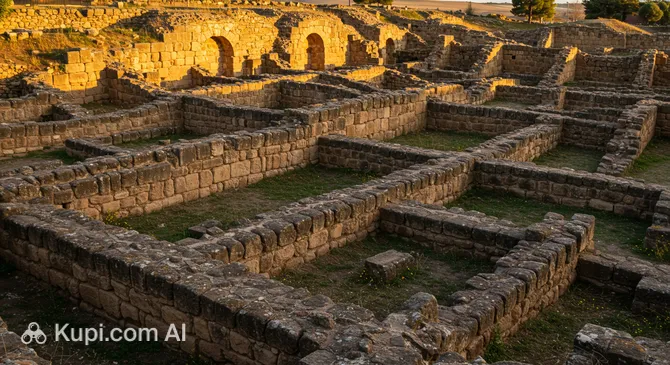
Known as La Dorada, or the "Golden City," because of the unique sandstone that glows warmly during sunset, Salamanca is one of the most enchanting destinations in Europe. This vibrant city is renowned for its youthful energy, driven by a large student population, yet it remains deeply rooted in tradition and architectural splendor.
Located in the western part of Spain within the autonomous community of Castile and León, Salamanca sits approximately 200 kilometers west of Madrid and close to the border with Portugal. With a population of around 143,000 residents, it offers the amenities of a modern urban center while maintaining a walkable and intimate scale.
Salamanca. Source: Kupi.Binoculars
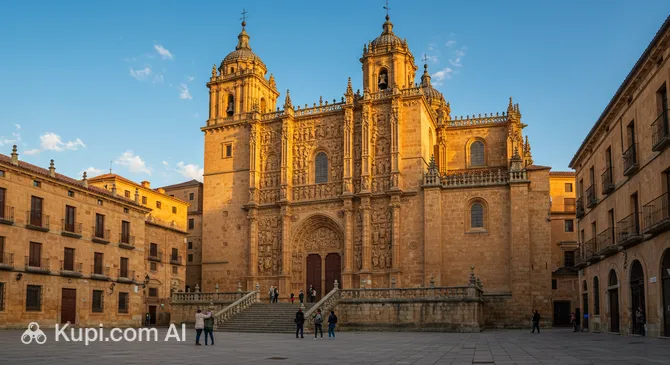
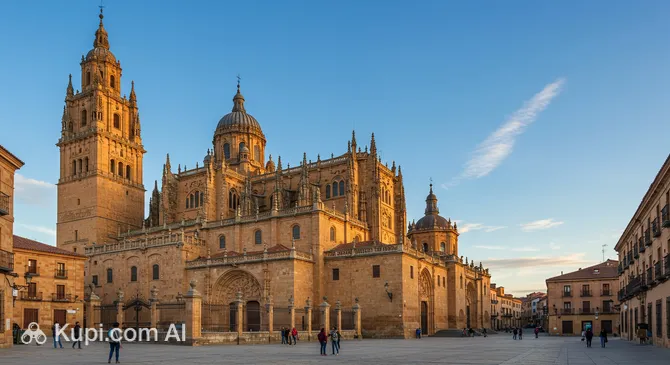
The city is home to the University of Salamanca, founded in 1218, making it the oldest university in the Hispanic world. As you explore the streets, the deep history of Salamanca comes alive through its preserved medieval and Renaissance buildings. Visitors are often captivated by the stunning Plaza Mayor, widely considered one of the most beautiful squares in the country, and the magnificent complex of the New and Old Cathedrals which stand side by side.
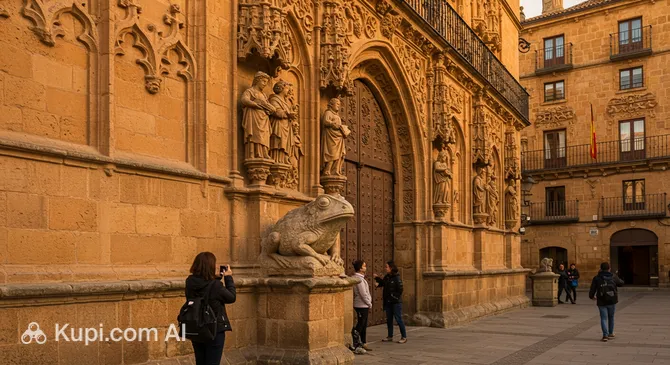
Whether you are searching for the famous "frog" hidden on the university's façade or enjoying tapas in a bustling square, Salamanca offers an unforgettable experience. It is a place where knowledge and leisure blend perfectly, inviting travelers to immerse themselves in its timeless charm.
Weather Overview
The climate in Salamanca is characterized by distinct seasonal changes, offering a true continental experience. Summers are typically hot and dry, particularly in July and August, when average maximum temperatures reach around 30°C and rainfall is almost non-existent, with only 2 to 3 wet days per month.
In contrast, the winter months bring a noticeable chill, with average minimum temperatures dropping to approximately 1°C in January. Expect hot, sunny summers and cold winters with frequent damp days. The transitional seasons of spring and autumn are milder but wetter; April and November are generally the rainiest months, averaging about 12 wet days each. To help plan your visit around these patterns, check the detailed weather in Salamanca.
Interesting Facts
Beyond the main attractions, Salamanca holds many fascinating secrets and legends that add a layer of mystery to its golden streets.
The Frog of Salamanca. Source: Kupi.Binoculars
The most famous challenge for visitors is finding The Frog of Salamanca. Hidden intricately within the plateresque façade of the University, this tiny skull-topped amphibian is the subject of a popular legend: it is said that students who spot it without help will pass their exams with flying colors.
While admiring the ancient architecture of the Salamanca Cathedral, look closely at the Puerta de Ramos to spot a surprising anachronism. During a 1992 restoration, stonemasons carved a figure of a modern astronaut floating in space, fully geared up, alongside a dragon eating an ice cream cone.
Local folklore suggests that the devil himself once taught classes on dark magic in the Cave of Salamanca. This crypt of the former church of San Cebrián is rumored to be the spot where seven students studied the occult for seven years, a legend that even inspired literary works by Cervantes.
The stunning House of Shells is adorned with over 300 stone scallop shells, the symbol of the Order of Santiago. A tantalizing urban myth claims that the noble family who built the palace hid a gold coin beneath one of these shells to bring good fortune to whoever finds it.
How to Get There
Reaching this historic Castilian city is straightforward, thanks to its proximity to major transport hubs in Spain and neighboring Portugal. Whether you prefer flying or taking the train, there are convenient options to suit your itinerary. For a complete overview of routes and travel tips, you can read more about how to get to Salamanca in our detailed guide.
The city of Salamanca does not have its own major international airport for regular commercial flights, so most visitors fly into nearby cities and continue their journey by road or rail. The most significant gateway is Adolfo Suárez Madrid-Barajas Airport (IATA: MAD) in Madrid, located approximately 185 km away. As one of Europe's busiest hubs, it offers connections to destinations worldwide. From the airport, you can reach Salamanca by bus or rental car in about 2.5 hours.
Another convenient option is Valladolid Airport (IATA: VLL), situated in the city of Valladolid, roughly 106 km from Salamanca. While smaller, it serves several domestic and European routes; the travel time by taxi or bus from here is approximately 1 hour and 30 minutes. Travelers might also consider Porto Airport (IATA: OPO) in Porto, Portugal, which is about 255 km away and serves as a major entry point for the region, with a travel time of around 3 hours to Salamanca.
For clarity, here is a summary of the main airports:
Airport Name
City
Passenger Traffic
Km from City
Adolfo Suárez Madrid-Barajas Airport
Madrid
Very High
184.7
Porto Airport
Porto
High
255.3
Valladolid Airport
Valladolid
Medium
106.3
Badajoz Airport
Badajoz
Low
251.1
Leon Airport
Leon
Low
179.8
Traveling by train is an excellent way to arrive, as the city is well-connected to the national railway network. You can arrive directly at Salamanca Railway Station (IATA: SEJ), which is conveniently located just 1.2 km from the city center. It offers regular services, including high-speed Alvia trains from Madrid, making the trip comfortable and efficient.
If you are exploring the wider region, you might also pass through Campo Grande Station (IATA: XIV) in Valladolid, located about 108 km away. This is a major railway hub in Castile and León, offering frequent connections to Salamanca, which takes roughly an hour by train. Other nearby stations like Zamora and Avila also provide regional connectivity.
Below is a list of the nearest railway stations:
Station
City
Passenger Traffic
Km to Center
Campo Grande Station
Valladolid
High
108.4
Segovia Guiomar Railway Station
Segovia
Medium
132.2
Ávila Railway Station
Avila
Medium
89.7
Zamora Railway Station
Zamora
Medium
61.0
Salamanca Railway Station
Salamanca
N/A
1.2
Main Attractions
Salamanca is a city best explored on foot, where every corner reveals a piece of history carved in golden stone. From grand squares to intricate museums, the city's landmarks offer a journey through time, blending medieval heritage with artistic brilliance. Here are some of the must-visit places that define the spirit of this Castilian gem.
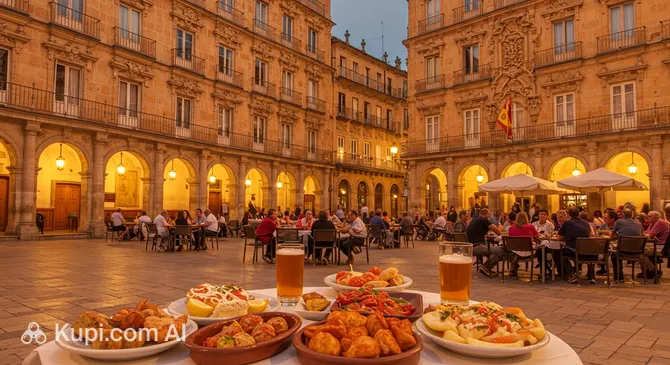
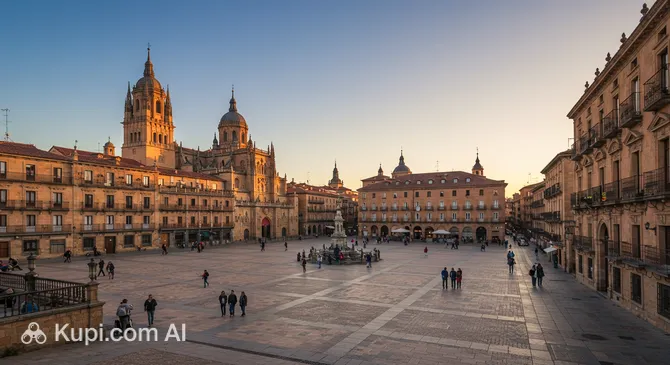
No visit to the city is complete without spending time in the Plaza Mayor. Often cited as one of the most beautiful squares in Spain, this Baroque masterpiece serves as the city's "living room." Built in the 18th century, it is lined with elegant arcades and adorned with medallions of Spanish monarchs and historical figures. By day, it is a bustling hub for coffee and conversation; by night, it transforms into a magical, illuminated meeting point for locals and tourists alike.
Plaza Mayor. Source: Kupi.Binoculars
For a stunning example of religious architecture, the Convent of San Esteban is truly breathtaking. Belonging to the Dominican order, this building is famous for its magnificent Plateresque façade, which is so intricately carved it resembles an altarpiece made of stone. Inside, visitors can explore the serene cloisters and the chapter house where Christopher Columbus is said to have sought support for his voyage to the New World.
Convent of San Esteban. Source: Kupi.Binoculars
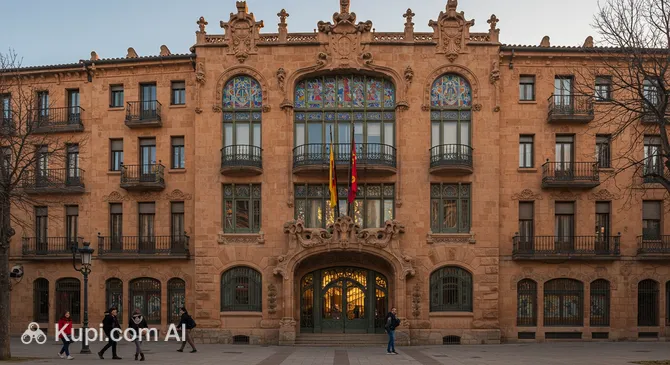
A striking contrast to the city's sandstone architecture is the Casa Lis Art Nouveau and Art Deco Museum. Perched atop the ancient city walls, this modernist mansion features a spectacular stained-glass façade that overlooks the river. The museum houses an impressive collection of decorative arts, including porcelain, glass, and dolls, all bathed in the colorful light filtering through its magnificent glass ceiling.
Casa Lis Art Nouveau and Art Deco Museum. Source: Kupi.Binoculars
To appreciate the city's Roman origins, take a walk across the Roman Bridge of Salamanca. Spanning the Tormes River, this ancient structure was once part of the Vía de la Plata, a major Roman road connecting the north and south of Spain. While only the arches closest to the city are original Roman construction, the bridge offers one of the most photogenic views of the cathedral rising majestically above the riverbanks.
Local Cuisine
The gastronomy of Salamanca is a true reflection of the Castilian spirit: hearty, meat-centric, and deeply rooted in tradition. Known as the "pantry of Castile," the province is famous for its exceptional cured meats. No visit is complete without tasting the renowned Jamón de Guijuelo, a cured ham produced in the nearby town of Guijuelo, which is celebrated across Spain for its sweet, delicate flavor and melt-in-the-mouth texture.
One of the most iconic local dishes is the Hornazo. This savory meat pie is stuffed with layers of pork loin, chorizo, ham, and hard-boiled eggs, all encased in a golden, yeast-leavened dough. While it is traditionally associated with the local festival of Lunes de Aguas, you can find it in bakeries throughout the city year-round. Another unique specialty is Farinato, a horseshoe-shaped sausage made from breadcrumbs, pork fat, onion, and anise, typically served with fried eggs in a dish known as huevos con farinato.
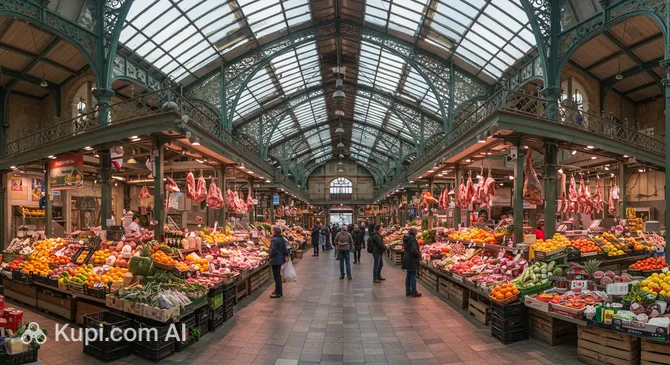
For those who enjoy snacking, Salamanca offers a vibrant tapas culture, particularly around the city center. A favorite local tapa is Jeta, roasted pork snout that is cooked until incredibly crunchy and seasoned with paprika. To see the source of these fresh ingredients, a visit to the Central Market of Salamanca is highly recommended. Located in a historic modernist building, it is the perfect place to explore the region's cheeses, meats, and fresh produce.
Central Market of Salamanca. Source: Kupi.Binoculars
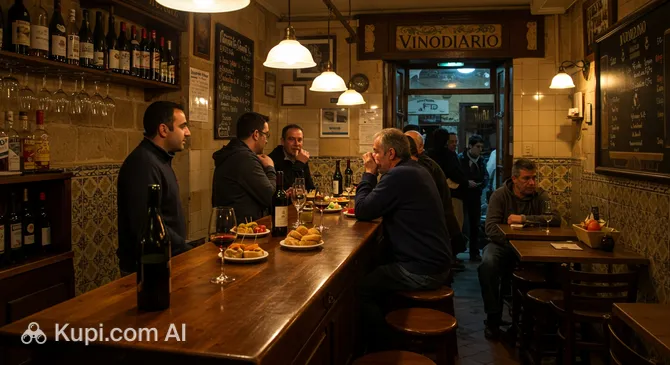
When it comes to drinks, the region produces excellent wines, particularly those from the Sierra de Salamanca denomination, known for the indigenous Rufete grape. The city's dining scene ranges from traditional roasting houses serving tostón (roast suckling pig) to modern wine bars. For a cozy atmosphere with a great selection of wines and seasonal tapas, Vinodiario is a popular choice among locals. If you prefer a classic sit-down meal featuring traditional Castilian recipes, Restaurante Isidro offers an authentic culinary experience in the heart of the city.
Vinodiario. Source: Kupi.Binoculars
Travel Tips
Welcome to Salamanca! To ensure your visit to this UNESCO World Heritage city is as golden as its famous sandstone buildings, we have compiled a set of essential travel tips. These practical insights will help you navigate local customs and logistics with ease, allowing you to focus on enjoying the vibrant atmosphere.
Clothing and Gear: Salamanca is a city best explored on foot, so comfortable walking shoes are an absolute must for navigating the cobblestone streets of the historic center. The climate varies significantly; in summer, bring light, breathable clothing, a hat, and sunscreen to handle the dry heat. In winter, you will need a warm coat, scarf, and gloves as temperatures can drop near freezing. If you plan to visit the cathedrals or the Convent of San Esteban, remember to dress modestly—shoulders should be covered.
Transportation: The historic center of Salamanca is compact and pedestrian-friendly, making walking the best way to get around. Public buses are efficient for reaching outer neighborhoods or the train station, but they are rarely needed for sightseeing. Avoid renting a car for exploring the city itself; the old town has restricted access and parking is scarce and expensive. If you arrive by car, it is best to park it in a garage and leave it there for the duration of your stay.
Finances: The official currency is the Euro (€). Credit and debit cards (Visa and Mastercard) are widely accepted in hotels, restaurants, and most shops. However, it is advisable to carry some cash for small purchases in traditional tapas bars, buying souvenirs, or paying for small entry fees. ATMs are plentiful throughout the city. Tipping is not mandatory but is appreciated; rounding up the bill or leaving 5-10% for good service is standard practice.
Health and Safety: Salamanca is generally a very safe city for tourists, thanks in part to its lively student population that keeps the streets busy. However, always keep an eye on your belongings in crowded areas like the Plaza Mayor. Pharmacies are marked with a glowing green cross; if you need one after hours, look for a list of farmacias de guardia (on-duty pharmacies) displayed on the door of any pharmacy. The general emergency number for police, fire, or ambulance is 112.
Communication: The primary language is Spanish (Castilian). As a university city, you will find that many younger people and workers in the tourism industry speak English, but it is not universally spoken by the older generation. Learning a few basic phrases like "Hola" (Hello), "Por favor" (Please), and "Gracias" (Thank you) will go a long way. Free Wi-Fi is often available in cafes and public squares, and SIM cards can easily be purchased at phone shops in the center.
Local Etiquette: Spaniards value politeness; it is customary to greet the shopkeeper with a "Buenos días" or "Buenas tardes" when entering a store. Dining times are much later than in many other countries. Lunch is the main meal of the day, typically served between 2:00 PM and 4:00 PM, while dinner usually starts after 9:00 PM. Trying to dine at 6:00 PM often means finding closed kitchens or empty restaurants.
What to Avoid: Do not expect shops to be open all day. Many smaller local businesses observe the traditional mid-day break (siesta) and close from approximately 2:00 PM to 5:00 PM, reopening in the evening. Also, avoid being loud or disrespectful inside religious sites; while they are major tourist attractions, they are also active places of worship.
Additional Tip: Embrace the tapeo culture! In Salamanca, it is common to receive a free pincho (small snack) when you order a drink in a bar. Do not settle for the first place you see; move from bar to bar around the Van Dyck area or near the Plaza Mayor to experience a variety of local specialties like jeta or farinato just like a local.
By keeping these tips in mind, you will be well-prepared to immerse yourself in the rich history and youthful energy of Salamanca. Enjoy your journey through one of Spain's most captivating and welcoming cities!
Entertainment & Nightlife
Driven by its massive international student population, Salamanca boasts one of the most energetic and affordable nightlife scenes in Spain. The city is famous for its Nochevieja Universitaria (University New Year's Eve), but the festive spirit is alive almost every weekend of the year. Whether you prefer a quiet glass of wine in a historic setting or dancing until dawn, the city's compact center makes it easy to experience it all in a single night.
The nightlife geography is distinct and walkable. For a relaxed start, the area around Plaza Mayor is perfect for enjoying a drink on a terrace while watching the world go by. However, for a more authentic local experience, head to Calle Van Dyck. This street is legendary for its tapas culture, where groups of friends hop from bar to bar, enjoying substantial snacks often included with the price of a drink. As the night progresses, the crowds migrate towards Gran Vía and the streets of Bordadores and Prior, which are densely packed with pubs, themed bars, and clubs.
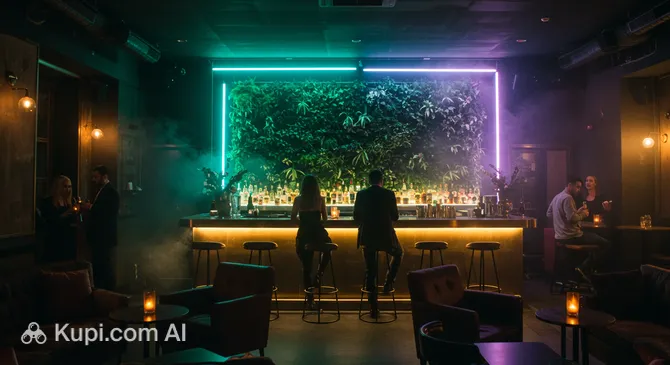
If you are looking for a sophisticated atmosphere and high-quality drinks, Niebla Cocktail Bar is a standout choice. Known for its modern aesthetic and expert mixologists, it offers a refined break from the more raucous student bars. It is an excellent spot to start your evening with a creative cocktail in a chill environment.
Niebla Cocktail Bar. Source: Kupi.Binoculars
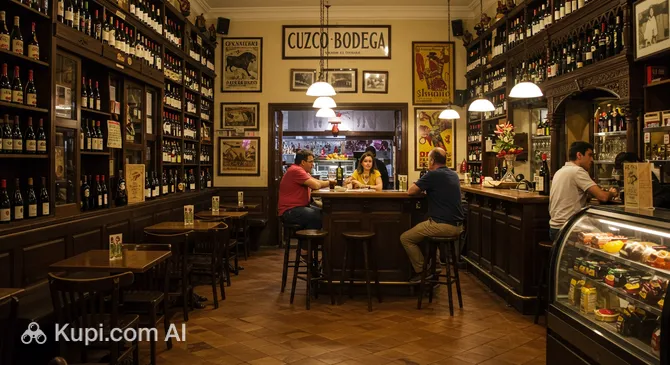
For those who prefer a lively pub vibe with great music, Cuzco Bodega is a popular fixture in the local scene. Located near the main nightlife arteries, it attracts a diverse crowd and serves as a great meeting point before heading to larger clubs. The atmosphere here is typically welcoming, reflecting the friendly nature of the city's residents.
Cuzco Bodega. Source: Kupi.Binoculars
The timing in Salamanca follows the typical Spanish rhythm—late. Bars start filling up around 11:00 PM, and nightclubs (discotecas) often don't get busy until 2:00 AM or 3:00 AM, staying open until 6:00 AM or later. The dress code is generally casual to smart-casual; most places are relaxed, but some upscale clubs might frown upon sportswear. Prices are very reasonable compared to Madrid or Barcelona, with beer and mixed drinks being wallet-friendly, catering to the student budget.
Safety is rarely a concern in Salamanca. The city center is well-lit and populated throughout the night, making it safe to walk back to your accommodation. However, if you are staying further out or are tired, white taxis with a green light on the roof are readily available at designated ranks or can be hailed on the street. Rides within the city are short and inexpensive.
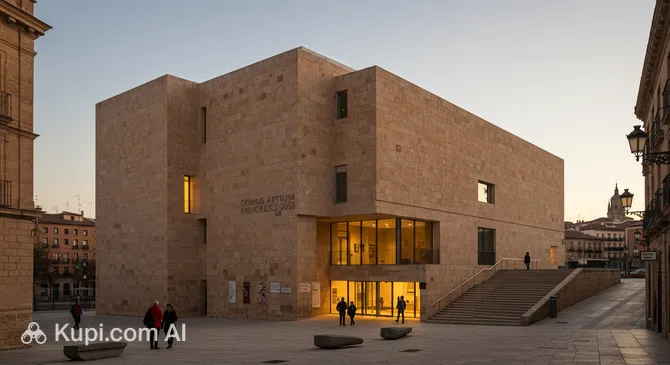
While the nights are for partying, the daytime offers its own forms of entertainment. Culture enthusiasts should visit Domus Artium 2002 (DA2), a contemporary art center built in a former prison, which hosts cutting-edge exhibitions and film screenings. For families or those seeking a different pace, the Museum of Automotive History offers a fascinating look at vintage vehicles. If shopping is your preferred pastime, the El Tormes Mall provides a modern retail experience with cinema screens and restaurants just across the river.
Domus Artium 2002. Source: Kupi.Binoculars
Parks & Museums
While Salamanca is globally famous for its golden sandstone architecture, the city also offers serene green spaces and a rich array of museums that delve deeper into its cultural heritage. Beyond the bustling plazas, visitors can find romantic gardens, historical exhibitions, and unique architectural gems that provide a quieter, yet equally captivating, perspective of the city.
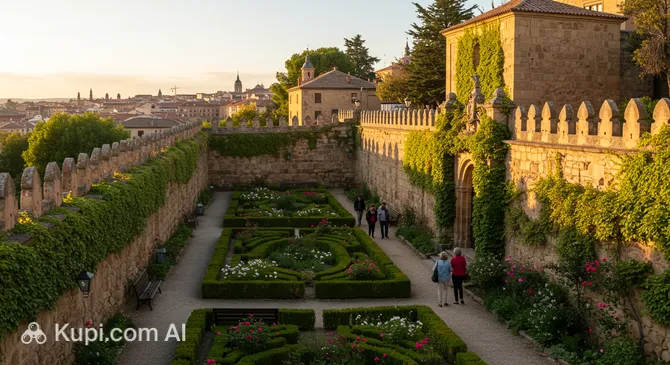
One of the most beloved green spaces in the city is the Calixto and Melibea Garden. Located on the ancient city walls near the cathedrals, this small but enchanting garden is steeped in literary history. It is said to be the setting for the tragic love story La Celestina by Fernando de Rojas. With its fragrant flowers, shaded paths, and a wishing well, it offers a romantic atmosphere and provides stunning views of the Tormes River and the cathedral's imposing silhouette.
Calixto and Melibea Garden. Source: Kupi.Binoculars
For those seeking a more expansive natural area, Huerta Otea Park is an excellent choice. Situated along the riverbanks, this park is perfect for a leisurely stroll or a picnic away from the city center's stone streets. It features walking paths, educational botanical areas, and open spaces where locals go to relax and enjoy the fresh air by the water.
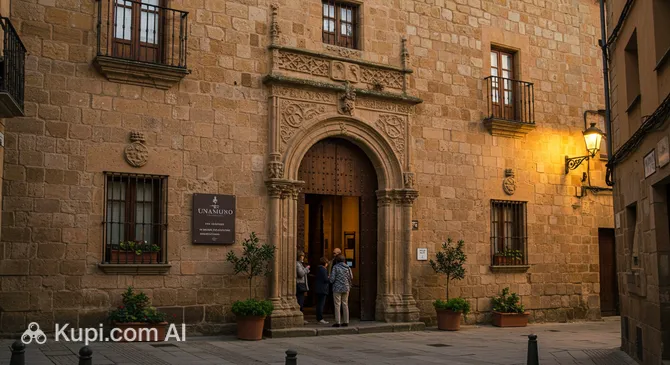
Delving into the city's intellectual past, the Unamuno House Museum is a must-visit for history and literature enthusiasts. This 18th-century building was the home of Miguel de Unamuno, the renowned philosopher and rector of the University of Salamanca. Preserved much as he left it, the museum houses his personal library, furniture, and letters, offering an intimate glimpse into the life of one of Spain's most important thinkers.
Unamuno House Museum. Source: Kupi.Binoculars
Another fascinating cultural venue is the Museum of Commerce. Located in the former water cisterns of the city, this museum explores the economic history of Salamanca and its province. Through vintage advertisements, reconstructed shops, and historical artifacts, it tells the story of local trade and industry. It also houses a unique collection of old radios, making it an unexpected delight for visitors interested in everyday history.
Salamanca's skyline is defined by its religious architecture, and climbing the Ieronimus Towers (Old Cathedral) offers a unique way to experience it. This tour allows you to walk among the gargoyles and pinnacles of the cathedral, exploring the triforium and the terraces. The ascent provides not only a lesson in medieval construction but also unparalleled panoramic views of the entire city and the surrounding countryside.
Just across from the House of Shells stands the majestic Clerecía Church, a masterpiece of Baroque architecture. Part of the Pontifical University, visitors can climb its towers, known as the Scala Coeli (Stairway to Heaven), for what is arguably the best view of the cathedral complex. The perspective from here highlights the sheer scale and beauty of Salamanca's "golden" skyline.
For a truly authentic and lesser-known experience, seek out the Pozo de las Nieves. This "Snow Well" is a fascinating archaeological site that was once part of the Convent of San Andrés. It was used in the 18th century to store snow brought from the mountains to preserve food and cool drinks. Restored and opened to the public, it offers a cool, underground journey into the city's domestic history that many tourists overlook.
Getting Around
The public transport system in Salamanca is efficient, affordable, and tailored to the city's compact size. Since the historic center is largely pedestrianized and best explored on foot, you will likely find that walking is your primary mode of travel. However, for reaching the train station, outer neighborhoods, or simply resting your feet, the city offers a reliable network of urban buses.
There is no metro or tram system in Salamanca. Instead, the public transportation relies entirely on a fleet of urban buses managed by Salamanca de Transportes. These buses are modern, comfortable, and cover approximately 15 different lines that connect all major areas of the city, including the university campuses, hospitals, and shopping centers. The buses are easily recognizable, typically white with red or maroon branding.
For most tourists, the standard single ticket is the most convenient option. You can purchase this directly from the driver when you board the bus. It costs approximately €1.15. If you plan to use the bus frequently during a longer stay, you might consider purchasing a rechargeable bus card (Tarjeta Bus Ciudad). This card significantly lowers the cost per trip to around €0.37. These cards cannot be bought on the bus; instead, you must purchase and recharge them at local tobacco shops (estancos) or authorized kiosks.
The buses generally operate from around 7:00 AM to 11:00 PM, with frequencies ranging between 10 to 20 minutes depending on the line. On weekends and holidays, the frequency may be slightly lower. For late-night revelers, the city operates a "Night Owl" service (Servicio Búho) on weekends and holidays, consisting of two circular lines that run from midnight until roughly 3:00 AM or 4:00 AM, ensuring a safe way home after enjoying the nightlife.
When using the bus, always enter through the front door and exit through the rear. If you are paying in cash, try to carry small change, as drivers may not be able to change bills larger than €10 or €20. If you have a travel card, simply validate it by tapping it on the reader located near the driver. Stops are well-marked, and many feature digital displays indicating the waiting time for the next arrival.
As an alternative to buses, taxis are plentiful and reasonably priced. Official taxis are white, often displaying the city coat of arms on the front door, and feature a green light on the roof that is illuminated when they are available. You can hail them on the street, find them at designated ranks (stops), or book one via telephone or app. They are particularly useful for travel to the train station with heavy luggage or for returning to your accommodation late at night.
For a more active way to get around, Salamanca offers a public bicycle rental system known as SALenBICI. There are various docking stations scattered throughout the city. While primarily designed for residents with an annual membership, short-term options are sometimes available, or you can rent bikes from private shops to ride along the scenic paths near the Tormes River.
Finally, a popular option for visitors is the Tourist Train. This rubber-tired train starts its route near the Plaza de Anaya and offers a leisurely loop around the city's most significant monuments. It provides an excellent overview of the main sights without the need for walking, making it a favorite for families with young children or those with limited mobility.
Accommodation
Finding the perfect place to stay in Salamanca is relatively easy, as the city offers a diverse range of accommodation options to suit every budget and travel style. From luxury hotels housed in converted medieval palaces and convents to budget-friendly hostels catering to the large student population, there is something for everyone. Visitors can also find numerous modern apartments and guesthouses that provide a more independent "home away from home" experience.
The most popular area for tourists is undoubtedly the Historic Center (Casco Histórico). Staying within the ancient city walls puts you just steps away from the Plaza Mayor, the cathedrals, and the university. This area is incredibly atmospheric, allowing you to walk everywhere, though it can be a bit noisier and more expensive. For a quieter and often more affordable alternative, consider the neighborhoods just outside the center, such as the area around the Railway Station or the Van Dyck district, which is famous for its tapas scene and is still within comfortable walking distance of the main sights.
For travelers looking for a comfortable stay with a range of amenities, the city has several established hotels. One notable example is the Helmántico. This hotel is well-regarded for its services and provides a solid base for exploring the region, particularly for those arriving by car who wish to avoid the traffic restrictions of the old town.
Helmántico. Source: Kupi.Binoculars
When planning your trip, keep in mind that Salamanca is a very popular destination, especially during university events, Easter (Semana Santa), and the September fair. Therefore, it is highly recommended to book your accommodation well in advance to secure the best rates and availability. If you plan to visit during these peak times, trying to find a room at the last minute can be difficult and costly.
In terms of pricing, Salamanca is generally more affordable than Madrid or Barcelona. Budget travelers can find hostel beds or simple rooms for around €25–€50 per night. Mid-range hotels typically charge between €60 and €100, while luxury establishments and boutique hotels in historic buildings can range from €120 upwards. Booking is most conveniently done through major online platforms, though contacting smaller guesthouses directly can sometimes yield a better deal.
Nearby Cities
For those looking to explore the surroundings, Salamanca serves as an excellent base for day trips to several interesting nearby locations:
Located just a short distance away, Avila is a stunning UNESCO World Heritage site known for its intact medieval walls. These magnificent fortifications completely encircle the old town, offering visitors the chance to walk along the ramparts for breathtaking views. The city is also deeply connected to Saint Teresa, adding a spiritual dimension to its historic charm.
Another captivating destination is Zamora, situated on the banks of the Duero River. Often referred to as the "Museum of Romanesque Art," this quiet city boasts the highest concentration of Romanesque churches in Europe. Its compact historic center and the beautiful cathedral make it a perfect spot for a relaxed cultural visit.
For those willing to venture a bit further, Segovia offers an unforgettable experience. The city is famous for its colossal Roman aqueduct, which slices through the urban center, and the fairytale-like Alcázar castle. These iconic monuments, combined with its rich royal history, make it one of the most popular day trips in the region.
These nearby destinations offer a glimpse into the diverse culture and landscapes of the region.
Shopping & Souvenirs
Shopping in Salamanca is a delightful experience that combines the charm of strolling through historic streets with the convenience of modern retail. The city center is compact and pedestrian-friendly, allowing visitors to easily browse through high-end fashion boutiques, traditional craft workshops, and souvenir stores while admiring the golden sandstone architecture. Whether you are looking for international brands or unique local artisans, the city offers a diverse range of options.
The primary shopping arteries radiate north from the Plaza Mayor, making them very easy to locate. Calle Toro and Calle Zamora are the two most bustling pedestrian streets, lined with popular Spanish and international fashion chains, shoe stores, and perfumeries. For more exclusive boutiques and independent shops, exploring the smaller side streets connecting these avenues, such as Calle Concejo, reveals unique local finds and hidden gems.
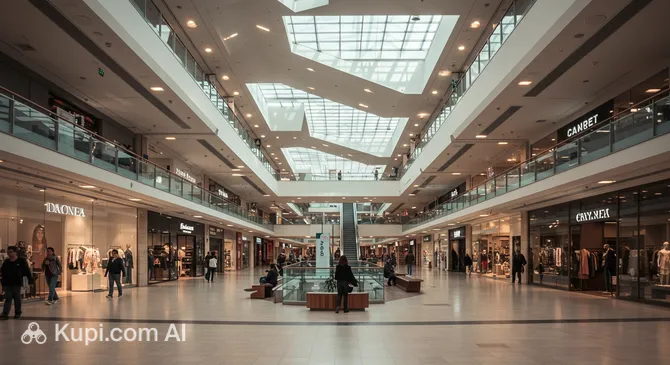
For a comprehensive shopping experience under one roof, the El Tormes Mall is the city's premier destination. Located just across the river in Santa Marta de Tormes, it features a wide range of fashion brands, a cinema, and a food court, making it a favorite spot for families and locals alike.
El Tormes Mall. Source: Kupi.Binoculars
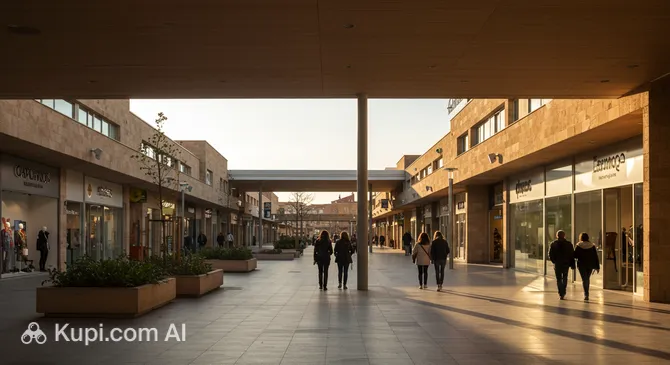
Another option for larger retail needs is the Capuchinos Shopping Park, situated on the outskirts of the city. This area hosts large-format stores, electronics retailers, and supermarkets, offering a different style of shopping convenience away from the historic center.
Capuchinos Shopping Park. Source: Kupi.Binoculars
To immerse yourself in local life, a visit to the Central Market of Salamanca is essential. Housed in a beautiful modernist building near the Plaza Mayor, it is the perfect place to buy fresh regional produce, cheeses, and the famous cured meats of the province. On Sundays, the vast open-air flea market known as "El Rastro" takes place in the La Aldehuela area, offering everything from clothes and books to antiques.
When looking for the perfect keepsake, the Botón Charro (Charro Button) is the most iconic choice. This intricate silver filigree jewelry is a symbol of Salamanca's folklore and makes for an elegant gift. Of course, you will also find countless items featuring the "Frog of Salamanca"—from keychains to t-shirts—referencing the university's famous legend. For edible souvenirs, vacuum-packed Jamón de Guijuelo or a traditional Hornazo pie are excellent choices to bring a taste of Spain home.
Shopping hours depend on the type of store. Major chains and shopping malls typically stay open continuously from 10:00 AM to 10:00 PM. However, smaller local shops and boutiques usually observe the traditional siesta, opening from 10:00 AM to 2:00 PM and reopening from 5:00 PM to 8:30 PM. Credit and debit cards are widely accepted, though carrying some cash is useful for small purchases at markets.
Travelers from outside the European Union are eligible for a VAT refund on purchases. Look for stores displaying the "Tax-Free" sign and ask for the refund form at the checkout. Spain has no minimum purchase amount for tax-free claiming, making it easier to save on your shopping.