Support

Caceres

About

Stepping into Caceres feels like taking a journey back in time. Located in the autonomous community of Extremadura in western Spain, this captivating city is renowned for its incredibly well-preserved medieval architecture. With a population of approximately 95,000 inhabitants, it offers a lively yet relaxed atmosphere, blending modern Spanish life with a deep respect for its heritage. The city serves as a cultural bridge, geographically situated relatively close to the border with Portugal.

The history of Caceres is a fascinating tapestry woven from Roman, Islamic, Gothic, and Renaissance influences. This unique blend of styles is most visible in the Ciudad Monumental (Old Town), which was declared a UNESCO World Heritage Site in 1986. Walking through its narrow, cobbled streets, visitors are surrounded by fortified homes, palaces, and towers that have stood for centuries, largely untouched by modern development.
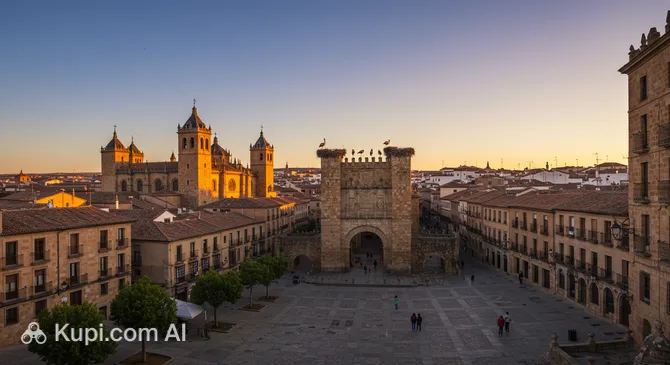
Caceres. Source: Kupi.Binoculars

Among the city's highlights is the bustling Plaza Mayor, a perfect spot to enjoy local cuisine while admiring the ancient walls and the iconic Torre de Bujaco. Birdwatchers and nature lovers will also be delighted to see the many white storks that nest atop the historic towers and church spires, becoming a charming symbol of the city. Recently, Caceres has also gained fame as a filming location for major television series, attracting fans of fantasy and history alike.

Whether you are an architecture enthusiast, a history buff, or simply a traveler seeking an authentic Spanish experience, Caceres is a destination that should not be missed. Its magical evening illumination and rich cultural calendar make it an unforgettable stop on any itinerary.
Weather Overview

Travelers planning a trip to this historic region can expect a climate defined by distinct seasons, ranging from cool, damp winters to hot, dry summers. To choose the best time for your visit, it is helpful to review the current weather in Caceres, as conditions vary significantly throughout the year. Generally, the city experiences its highest temperatures in July and August, while the winter months bring brisk air and more frequent cloud cover.

Summer in Caceres is characterized by intense heat and clear skies. During the peak months of July and August, average temperatures hover around 27°C to 28°C, with daily maximums frequently reaching nearly 35°C. Rainfall is virtually non-existent during this period, making it perfect for sun-seekers, though afternoon sightseeing may require seeking shade.

Conversely, the winter season is mild but cooler. January is typically the coldest month, with an average temperature of 8.5°C and lows dipping to around 4.3°C. While precipitation volume remains relatively low, the frequency of wet days increases in the transitional seasons; April, for instance, can see up to 12 days with some rain, so packing an umbrella for spring visits is often a wise decision.

Interesting Facts

Beyond the main attractions, Caceres holds many fascinating secrets that peel back the layers of its rich history. From cinematic fame to ancient legends, here are a few things you might not know about this Extremaduran gem.
  • The Old Town of Cáceres is so impeccably preserved that it serves as a ready-made set for period productions without the need for extensive CGI. It famously stood in for King's Landing in the hit series Game of Thrones and House of the Dragon, as well as appearing in other major historical dramas.

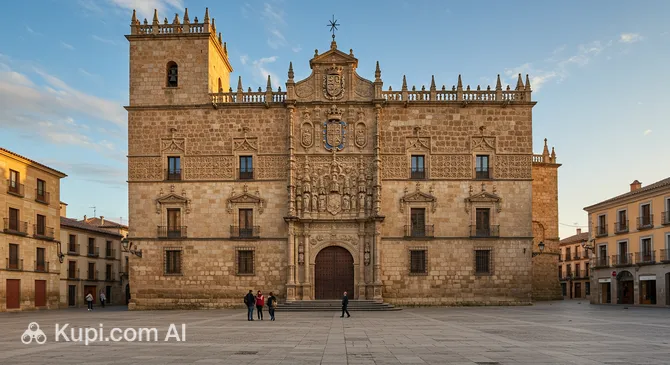
  • You might notice that many medieval towers in the city lack traditional battlements and appear flat-topped. This is the result of an order by Queen Isabella I of Castile, who commanded the "decapitation" of towers belonging to nobles who opposed her rise to the throne. One of the few exceptions allowed to keep its defensive crenellations was the Palace of the Golfines de Abajo, as the family remained loyal to the crown.

  • The Yusuf Al-Burch Arab House Museum was discovered largely by accident. In the 1960s, a local resident purchased the property and began renovations, only to uncover fully intact 12th-century Arab baths and walls hidden beneath layers of modern plaster, revealing a hidden piece of the city's Islamic past.

  • Local folklore is deeply intertwined with the "Lizard of San Jorge," a legend often associated with a tragic romance between a Moorish princess and a Christian captain. The story is kept alive by a real crocodile skin brought from the Americas centuries ago, which is displayed in the church near San Jorge Square.

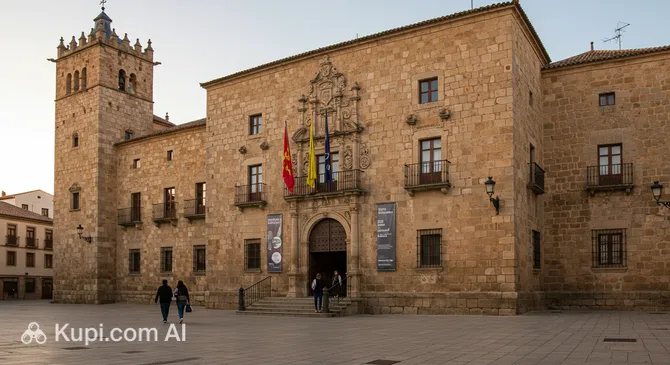
Palace of the Golfines de Abajo. Source: Kupi.Binoculars

How to Get There

Reaching this UNESCO World Heritage city is part of the journey, offering travelers a chance to traverse the scenic landscapes of Extremadura. While the city itself does not host a large international transport hub, it is accessible via several major gateways in Spain and neighboring Portugal. For detailed routes and planning advice, you can read more about how to get to Caceres in our dedicated guide.

The city of Caceres does not have its own international airport, but you can fly into Adolfo Suárez Madrid-Barajas Airport (IATA: MAD) in Madrid, which is approximately 265 km away. As one of Europe's busiest hubs, it offers excellent global connections. From there, the travel time by taxi or rental car is typically around 3 hours. Alternatively, Lisbon Portela Airport (IATA: LIS) in Lisbon, Portugal, is located about 251 km from Caceres, with a similar transfer time of roughly 3 hours by road. For a closer regional option, you might consider Badajoz Airport in the city of Badajoz, situated just 76 km away, which takes about an hour to reach by car.

For clarity, here is a summary of the main airports facilitating travel to the region:

Airport Name City Passenger Traffic Km from City
Adolfo Suárez Madrid-Barajas AirportMadridVery High264.7
Lisbon Portela AirportLisbonHigh251.0
Porto AirportPortoHigh277.8
Seville AirportSevilleMedium232.2
Badajoz AirportBadajozSmall75.5

Travelers preferring rail transport will find the city well-integrated into the national network. You can arrive directly at Cáceres Railway Station, which is conveniently located just 2.0 km from the city center. This station connects the city with Madrid and other regional destinations. Additionally, the Mérida Railway Station in the nearby city of Merida serves as another important transit point, located approximately 62 km away, offering further connections across the region.

Below is a list of railway stations that serve the area or act as nearby connection points:

Station City Passenger Traffic Km to Center
Ávila Railway StationAvilaMedium194.9
Mérida Railway StationMeridaMedium61.5
Cáceres Railway StationCaceresMedium2.0
Badajoz Railway StationBadajozSmall83.5
Salamanca Railway StationSalamanca-177.2

Main Attractions

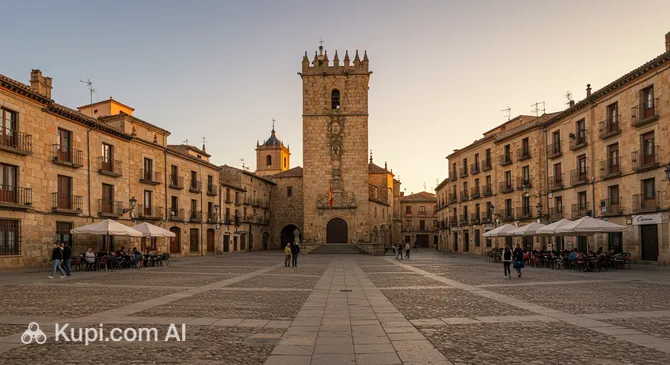
The heartbeat of the city is undoubtedly the Plaza Mayor of Cáceres. This expansive, elongated square serves as the primary meeting point for locals and visitors alike, bustling with activity day and night. It is the perfect place to begin your exploration, offering a lively atmosphere with numerous cafes and terraces where you can enjoy local cuisine while admiring the formidable medieval walls that frame the space.

Plaza Mayor of Cáceres. Source: Kupi.Binoculars

Standing guard over the main square is the iconic Bujaco Tower. Built in the 12th century upon Roman foundations, this Almohad fortification is one of the most recognizable landmarks in the city. Visitors can climb to the top to walk along the battlements, which offer spectacular panoramic views of the Old Town's rooftops and the sanctuary of the Virgin of the Mountain. Inside, a small interpretation center provides insight into the history of the varied cultures that have inhabited the city.

For those interested in diving deeper into the region's rich heritage, the Cáceres Museum is a must-visit. Located in the historic House of the Veletas, the museum houses an impressive collection of archaeology, ethnography, and fine arts. Its most famous feature, however, is the magnificent Almohad cistern preserved in the basement—one of the finest examples of its kind in the Iberian Peninsula, still collecting rainwater as it did centuries ago.

Cáceres Museum. Source: Kupi.Binoculars

Adding a modern twist to this historic setting is the Helga de Alvear Museum of Contemporary Art. This world-class institution showcases one of the most significant private collections of contemporary art in Europe. The building itself is an architectural gem, and the rotating exhibitions feature works by renowned international artists, offering a refreshing cultural contrast to the medieval streets that surround it.

Local Cuisine

The culinary landscape of Caceres is a delicious reflection of the wider Extremadura region, characterized by honest, hearty flavors and exceptional local produce. The undisputed star of the local table is the Iberian pig, raised in the surrounding oak pastures (dehesas). Visitors simply cannot leave without tasting the world-renowned Jamón Ibérico de Bellota, a cured ham known for its rich, nutty flavor. Another gastronomic icon is the Torta del Casar, a creamy, pungent sheep's milk cheese protected by a Designation of Origin, traditionally eaten by slicing off the top and scooping out the soft interior with bread.

For a warm and comforting meal, look for migas extremeñas, a traditional shepherd's dish made from fried breadcrumbs, garlic, olive oil, and chunks of chorizo or bacon, often topped with a fried egg. Meat lovers will appreciate cochifrito, succulent pieces of suckling pig fried to crisp perfection, or caldereta de cordero, a flavorful lamb stew seasoned with paprika. To accompany these robust dishes, locals often choose wines from the Ribera del Guadiana Designation of Origin, which produces excellent reds and whites that perfectly complement the regional flavors.

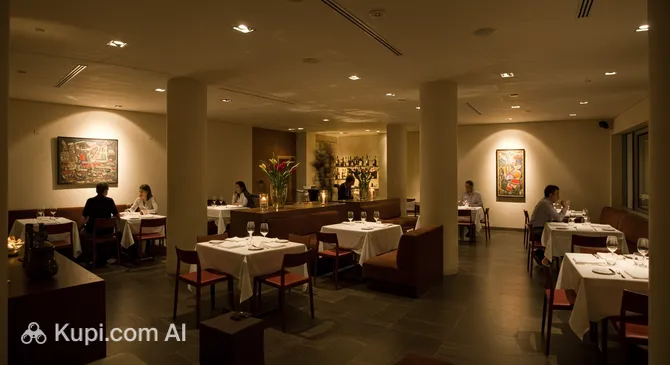
Atrio. Source: Kupi.Binoculars

The city offers a diverse dining scene that ranges from casual tapas bars to world-class gastronomy. For an unforgettable fine dining experience, Atrio is the crown jewel of the city, holding Michelin stars and boasting one of the best wine cellars in the world. If you prefer a more relaxed atmosphere to enjoy small plates and local wines, Trinidad Tapas is a popular spot in the historic center where you can sample a variety of regional specialties.

The culture of "tapeo" (going for tapas) is deeply rooted here, especially around the Plaza Mayor and the San Juan district. It is common to hop from one bar to another, enjoying a drink and a small bite at each stop. For a unique mix of food, drink, and ambiance, El Corral de las Cigüeñas offers a charming courtyard setting where you can enjoy local beverages, including the sweet and distinctive acorn liqueur (licor de bellota), often served as a digestif to round off a memorable meal.

Travel Tips

Visiting Caceres is a delightful experience, but a little preparation goes a long way in navigating its medieval streets and enjoying the local lifestyle to the fullest. To help you make the most of your journey into the heart of Extremadura, we have compiled a list of essential practicalities.

  1. Clothing and Gear: The most critical item to pack is a pair of sturdy, flat walking shoes. The Old Town is paved with uneven cobblestones and includes several slopes, making heels or flimsy sandals impractical. In summer, the sun can be intense, so a hat, sunglasses, and high-SPF sunscreen are mandatory. If you visit in winter or spring, bring layers and a compact umbrella, as the weather can be changeable. When visiting churches, remember to dress modestly by covering your shoulders.

  2. Transportation: The best way to explore the city, especially the historic center, is on foot; in fact, vehicles are restricted in the monumental area. For reaching the newer parts of the city or the train station, the local bus network is reliable and affordable. Taxis are easily available at designated stands. While you don't need a car to see the city itself, renting one is highly recommended if you plan to explore the surrounding Extremadura countryside.

  3. Finances: The currency used is the Euro (€). Credit and debit cards are widely accepted in hotels, restaurants, and most shops. However, it is wise to carry some cash for small purchases in traditional tapas bars, buying souvenirs, or paying for bus fares. ATMs are plentiful in the modern city center. Tipping is not mandatory but appreciated; rounding up the bill or leaving 5-10% for good service is standard practice.

  4. Health and Safety: Caceres is generally a very safe city for tourists, with low crime rates. Standard precautions against pickpocketing in crowded areas are sufficient. Pharmacies are marked with a green cross ("Farmacia"); they usually operate on a rotation system for 24-hour service, which is posted on their doors. The general emergency number for police, fire, or ambulance is 112.

  5. Communication: The primary language is Spanish. While staff in major hotels and tourist attractions often speak English, it is less common in smaller local bars or among the older population. Learning a few basic phrases like "Hola" (Hello), "Por favor" (Please), and "Gracias" (Thank you) will be warmly received. SIM cards can be purchased at mobile phone shops or "Estancos" (tobacco shops) in the modern city center.

  6. Local Etiquette: Spaniards generally have a relaxed approach to time. Lunch is typically the main meal of the day, served between 2:00 PM and 4:00 PM, while dinner is rarely eaten before 9:00 PM. When entering a shop or elevator, it is polite to greet others with a simple "Hola" or "Buenos días". In social settings, the atmosphere is warm, but loud behavior in religious sites or quiet residential streets is frowned upon.

  7. What to Avoid: Do not attempt to drive into the medieval Old Town unless you have specific authorization from your hotel; the streets are incredibly narrow, and you risk fines or getting stuck. Also, avoid expecting full restaurant service between 5:00 PM and 8:00 PM; kitchens often close during this afternoon break, though you can usually still find cold tapas or drinks.

  8. Siesta Hours: Be aware of the "siesta" schedule, particularly in the summer months. Many smaller shops and businesses close from approximately 2:00 PM to 5:00 PM to avoid the midday heat. Use this time to relax, enjoy a long lunch, or visit the parks, as the city comes back to life in the cool of the evening.

By keeping these tips in mind, you will be well-equipped to blend in with the locals and enjoy the timeless rhythm of Caceres. Whether you are navigating the ancient cobblestones or savoring a late-night dinner, a little local knowledge ensures a smooth and memorable adventure.

Entertainment & Nightlife

Entertainment:

Beyond its historical allure, Caceres offers a variety of leisure activities ranging from relaxing green spaces to vibrant modern shopping and entertainment venues. For a change of pace from the medieval streets, visitors can explore the city's parks, which provide a refreshing escape and a glimpse into local daily life.

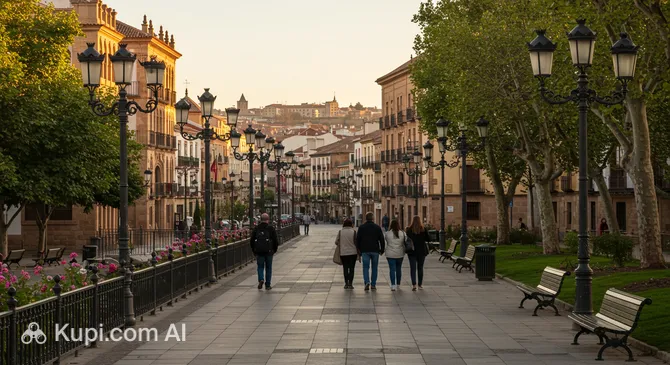
One of the most popular green lungs in the city is the Parque del Príncipe. This extensive park functions as an open-air botanical garden and sculpture museum, featuring a wide variety of tree species and artistic installations. It is an ideal spot for a morning jog, a leisurely picnic, or birdwatching. Closer to the modern center lies the Paseo de Cánovas, a lively landscaped avenue that serves as a social hub. Lined with kiosks and benches, it is the perfect place to engage in the traditional Spanish custom of the evening stroll.

Paseo de Cánovas. Source: Kupi.Binoculars

Those interested in the local arts scene should check the schedule at the San Francisco Cultural Complex. Housed in a beautifully restored 15th-century Franciscan monastery, this venue bridges the gap between the past and present by hosting concerts, theater performances, and art exhibitions within its historic cloisters.

For shopping enthusiasts, the city offers modern amenities alongside its traditional craft shops. The Ruta de la Plata Shopping Center is the primary destination for retail therapy, housing a wide selection of international fashion brands, accessories, and a cinema. Another option for commercial services is the Cáceres Shopping Center. In contrast, the streets surrounding the Plaza Mayor are best for finding unique souvenirs, such as local ceramics and regional delicacies.

Ruta de la Plata Shopping Center. Source: Kupi.Binoculars

As the sun sets, the city's energy shifts to its bars and nightlife venues. While the Old Town offers atmospheric terraces, the modern district provides a more contemporary vibe. Places like Café Bar Carpe Diem are popular among locals for enjoying cocktails and music in a spirited setting, rounding off a day of exploration with lively entertainment.

Parks & Museums

While Caceres is globally famous for its "stone city" aesthetic, the urban landscape is pleasantly broken up by serene gardens and cultural spaces that offer a deeper understanding of its heritage. Beyond the well-known promenades, the city hides charming green corners and specialized museums that allow visitors to step inside the history that the stone walls silently guard.

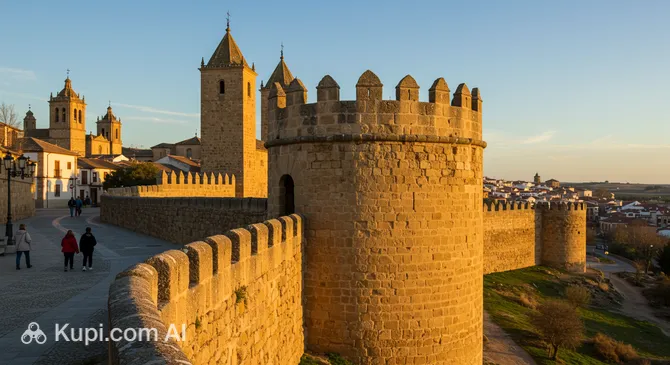
For a unique blend of nature and military history, the Bastion of the Wells (Baluarte de los Pozos) is an exceptional stop. Located in the Jewish Quarter, this 12th-century Almohad fortification includes a small but delightful garden and a tower that once guarded the city's water supply. It is one of the few places in the Old Town where you can sit among greenery while enjoying sweeping views over the Ribera del Marco and the sanctuary on the hill.

Bastion of the Wells. Source: Kupi.Binoculars

Nature lovers looking for a more expansive experience should explore the Ribera del Marco. This green corridor runs along the eastern side of the monumental city and has been the lifeblood of Caceres since ancient times. It is a peaceful area characterized by urban orchards, historic fountains, and walking paths, offering a rustic contrast to the fortified center and a perfect route for a relaxing morning walk.

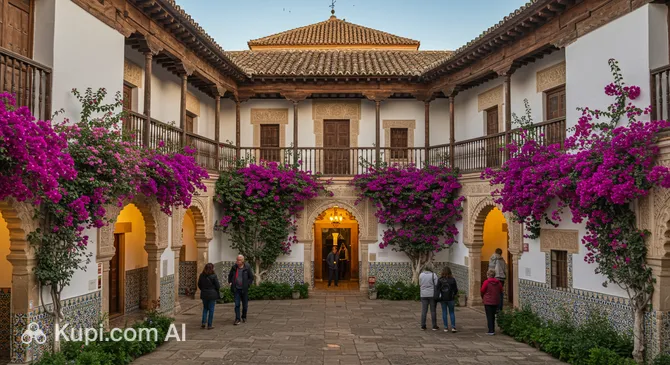
The city's museums are small but incredibly atmospheric, often housed within the very palaces that defined the local nobility. The Yusuf Al-Burch Arab House Museum offers an immersive sensory experience. Unlike typical museums with glass cases, this fully furnished house invites you to step into the daily life of the 12th century. Visitors can wander through tea rooms, bedrooms, and the kitchen, smelling the scent of incense and admiring the intricate plasterwork that survived centuries of change.

Yusuf Al-Burch Arab House Museum. Source: Kupi.Binoculars

Another essential cultural visit is the Palace of the Golfines de Abajo. While its facade is a familiar landmark, the interior offers a guided tour through the opulent lifestyle of Extremaduran aristocracy. The halls are adorned with Flemish tapestries, a vast armory, and family portraits, providing a tangible connection to the era when the Catholic Monarchs stayed here as guests.

In terms of architectural grandeur, San Jorge Square stands out as a theatrical masterpiece of the cityscape. Dominated by the twin white towers of the Church of San Francisco Javier, the square is framed by a sweeping stone staircase that serves as a dramatic pedestal for the monument. It is a favorite spot for photographers, capturing the contrast between the dark medieval stone and the bright Baroque church.

For an authentic insider experience, seek out the Maltravieso Cave Interpretation Center located in the modern part of the city. Though less visited than the Old Town, it provides fascinating context about the very first inhabitants of the area, featuring replicas of Paleolithic hand stencils that date back tens of thousands of years.

Getting Around

Navigating Caceres is remarkably straightforward, as the city is relatively compact and well-connected. While the historic Old Town is best explored on foot due to its narrow, pedestrianized streets and traffic restrictions, the modern part of the city is served by an efficient network of urban buses. This system is the primary mode of public transportation, connecting residential neighborhoods, the university campus, and the railway station with the city center.

The bus network is operated by a local concessionaire, currently Vectalia, and consists of several lines that cover the entire urban area. Buses are modern, comfortable, and generally punctual. For tourists, the most useful lines are those connecting the train and bus stations to the central hubs, such as Plaza de América or Plaza Obispo Galarza, which serve as the main gateways to the monumental district. Stops are clearly marked with shelters or poles displaying route maps and timetables.

Regarding payment, the system is user-friendly. You can purchase a single ticket (billete ordinario) directly from the driver when boarding; it is highly recommended to carry small change or coins, as drivers may not be able to change large bills. The price for a single trip is very affordable, typically just over one euro. For those planning to stay longer or use the bus frequently, a rechargeable travel card (Bonobús) is available. These cards significantly reduce the cost per trip and can be purchased and topped up at local tobacco shops (estancos) and authorized kiosks.

Buses generally operate from approximately 7:00 AM to 10:30 PM or 11:00 PM on weekdays, with slightly reduced frequencies on weekends and public holidays. It is important to remember that buses do not enter the walled Old Town. Instead, they drop passengers off at strategic points along the perimeter, requiring a short walk to reach the main historic attractions.

For a more direct and private option, taxis are widely available and reasonably priced. Official taxis are white, often displaying the city coat of arms and a green light on the roof when available. You can find taxi ranks at key locations like the bus and train stations, Plaza de América, and the Gran Vía. Alternatively, you can book one by phone or via local apps. This is often the best choice if you are traveling with heavy luggage or returning to your accommodation late at night.

A unique feature for visitors is the Tourist Train, which offers a fun and effortless way to see the sights without navigating the steep cobblestone slopes on foot. This service typically departs from the Plaza Mayor and follows a circular route around the exterior of the medieval walls, providing audio commentary about the city's history and landmarks. It is an excellent option for families or those with limited mobility who wish to enjoy panoramic views of the monumental complex.

Accommodation

Finding the perfect place to stay in Caceres is largely a choice between immersing yourself in medieval history or enjoying modern conveniences. The city offers a wide spectrum of accommodation options, ranging from luxurious hotels housed in converted 16th-century palaces to functional modern establishments and budget-friendly hostels. In recent years, there has also been a surge in high-quality tourist apartments, which are ideal for families or those seeking a longer stay.

For a truly atmospheric experience, many travelers prefer to stay within or immediately around the Old Town of Cáceres. Accommodations here are often boutique-style, featuring stone walls, interior courtyards, and antique furnishings. Staying inside the walls allows you to experience the silence and magic of the city after the day-trippers have left. However, keep in mind that vehicle access is severely restricted, so this area is best for those traveling light or willing to park outside the walls and walk.

The area surrounding the Plaza Mayor of Cáceres serves as a strategic middle ground. Hotels here offer spectacular views of the historic skyline while keeping you close to the main dining and social hub of the city. If you prefer easy access to shops, parking, and wider avenues, the modern city center—particularly around the Paseo de Cánovas—is an excellent choice. This district offers more spacious modern hotels, often at a better value, and is just a short walk from the historic gates.

Regarding costs, Caceres is generally quite affordable compared to Spain's major capitals. Budget travelers can find pensions and hostels ranging from €40 to €70 per night. Mid-range hotels typically charge between €70 and €120, while luxury options and exclusive historic properties can start from €150 upwards. Most accommodations can be easily secured through major online booking platforms, though booking directly is also common.

Booking Tip: While accommodation is usually easy to find, the city fills up completely during specific events. If you plan to visit during the Easter processions (Semana Santa) or the WOMAD music festival in May, it is essential to book your room several months in advance, as prices rise significantly and availability becomes scarce.

Nearby Cities

While Caceres itself offers days of exploration, its location in the heart of Extremadura makes it an excellent base for discovering other historic gems in western Spain. The surrounding region is dotted with ancient Roman settlements, medieval market towns, and strategic border cities, all within a comfortable driving distance. A short trip from the capital allows travelers to experience the diverse landscapes and rich cultural heritage that define this unique part of the Iberian Peninsula.

Below is a list of notable cities located relatively close to Caceres, perfect for day trips or extending your itinerary:

City Population Distance (km)
Merida59,42462
Plasencia39,55868
Don Benito37,31073
Badajoz150,61084
Talavera de la Reina83,477143

Among these, Merida is arguably the most significant for history enthusiasts. Located just an hour's drive south, it was the capital of the Roman province of Lusitania and boasts Spain's finest collection of Roman ruins, including a magnificent theater that is still in use today. To the north lies Plasencia, a fortified city on the banks of the Jerte River, known for its double line of walls and two cathedrals. For those interested in border history, Badajoz offers a mix of Spanish and Portuguese influences, featuring a massive Moorish citadel (Alcazaba) and a vibrant modern atmosphere.

Shopping & Souvenirs

Shopping in Caceres offers a delightful balance between traditional charm and modern convenience. The city is an excellent place to discover the authentic flavors and crafts of Extremadura. Visitors exploring the areas around the Old Town will find numerous small boutiques and artisan workshops selling unique local products. Among the most prized handicrafts are ceramics and pottery, which reflect the region's artistic heritage, as well as high-quality leather goods and items made from locally harvested cork.

For food enthusiasts, the city is a treasure trove of gastronomic souvenirs. The region is famous for its exceptional produce, and no trip is complete without purchasing some Pimentón de la Vera (smoked paprika) or a wheel of the renowned Torta del Casar cheese. Gourmet shops near the main squares also offer varying grades of acorn-fed Iberian ham and bottles of wine from the Ribera del Guadiana, allowing travelers to take a taste of Spain home with them.

The heartbeat of the city's commercial life is Calle Pintores. This lively pedestrian street, located just outside the monumental center, is lined with a mix of well-known Spanish fashion brands, shoe stores, and independent shops. It serves as a connecting thread between the historic district and the modern city, making it a perfect spot for a leisurely afternoon of window shopping.

For a more extensive retail experience, the city features fully equipped commercial hubs. The Ruta de la Plata Shopping Center is a popular destination for locals and tourists alike, housing a wide array of international clothing chains, a supermarket, and leisure facilities under one roof. Similarly, the Cáceres Shopping Center provides a modern environment with various stores and amenities, ensuring that visitors have access to everything they might need during their stay.

Reached the end of the page?

That means the route is fully explored