Support

Viseu

About

Welcome to Viseu, a city that effortlessly blends ancient heritage with a vibrant, modern quality of life. Often recognized as one of the best places to live in the region, it offers visitors a relaxed atmosphere, impeccably clean streets, and a rich cultural tapestry. Located in the heart of the Dão wine region, this charming destination is a perfect stop for those seeking authentic experiences in central Portugal.
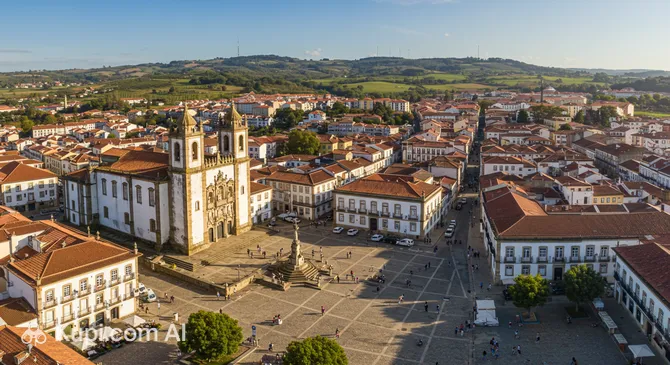
Situated on a high plateau surrounded by mountain ranges, Viseu enjoys a strategic position that has made it an important crossroads for centuries. With a population of approximately 99,000 inhabitants, it maintains the cozy feel of a smaller town while providing all the amenities of a regional capital. The city is deeply connected to its past, and exploring the history of Viseu reveals a fascinating timeline stretching back to Roman times and the legendary Lusitanian warrior, Viriato, who is celebrated here as a local hero.

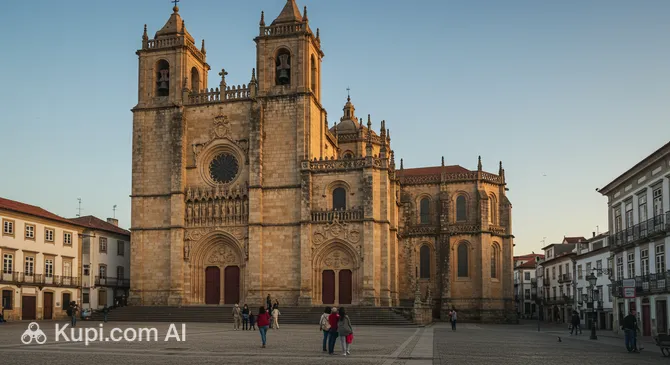
Travelers are drawn to the stunning Viseu Cathedral (Sé de Viseu), which dominates the historic center with its impressive mix of architectural styles. Art lovers should not miss the Grão Vasco Museum, home to masterpieces by the renowned Renaissance painter Vasco Fernandes. Additionally, the city serves as an excellent base for exploring the surrounding vineyards, where you can taste the exquisite red wines of the Dão region.

Whether you are wandering through its well-preserved medieval quarters or enjoying the lush green parks that give it the well-deserved nickname "Garden City" (Cidade-Jardim), Viseu promises a memorable visit. It is a destination that invites you to slow down, savor the local flavors, and immerse yourself in genuine hospitality.
Weather Overview

The climate in Viseu is generally mild, characterized by warm, dry summers and cool, wetter winters. If you visit during the peak summer months of July and August, you can expect plenty of sunshine and average temperatures around 22°C, with daytime highs often reaching nearly 29°C. This period is remarkably dry, with data showing almost no precipitation, making it an excellent time for exploring the city's parks and outdoor attractions.

As the seasons change, the weather becomes cooler and damper. January is typically the coldest month, with average temperatures dropping to 7.3°C and lows hovering around 3.4°C. Rainfall is more common from late autumn through early spring; for instance, months like November, December, and March can see up to 14 wet days. To help you pack appropriately for your specific travel dates, be sure to check the current weather in Viseu. Spring is also a lovely time to visit, as temperatures comfortably rise from roughly 10°C in March to nearly 16°C by May.

Interesting Facts

Beyond the main attractions, Viseu holds many fascinating secrets and historical curiosities that surprise even the most seasoned travelers. From ancient mysteries to record-breaking events, the city offers unique stories waiting to be discovered.
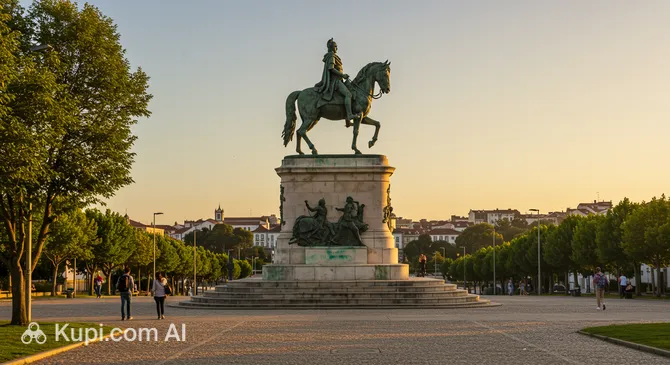
  • The city is home to a puzzling archaeological site known as the Cava de Viriato. This immense octagonal earthwork was long believed to be a Roman military camp where the Lusitanian leader Viriato hid, but modern research suggests it might actually be an incomplete fortress-city from the Islamic period. Today, the site is guarded by the imposing Viriato Monument, a tribute to the local hero.

  • Viseu hosts the Feira de São Mateus, which is widely considered the oldest surviving fair in the Iberian Peninsula. Established by King João I in 1392, this vibrant event has been running for over 600 years, transforming the city every summer with music, handicrafts, and gastronomy.

  • Art history enthusiasts might be interested to know that Viseu gave its name to a significant school of Renaissance painting. The famous 15th-century artist Vasco Fernandes, known as "Grão Vasco," was born here, and his masterpieces are the centerpiece of the Grão Vasco National Museum, located right next to the cathedral.

  • Despite its ancient roots, Viseu is a modern champion of quality of life. It has been repeatedly voted as one of the best cities to live in Portugal due to its high safety standards, cleanliness, and abundance of green spaces, earning it the nickname "The Garden City."

Viriato Monument. Source: Kupi.Binoculars

How to Get There

Planning a trip to the heart of the Dão wine region requires considering your travel options, as the city is located inland and relies heavily on road connections. For a comprehensive guide on the best routes and transport methods, you can read more about how to get to Viseu.

The city of Viseu does not have its own airport, but you can fly into Porto Airport (IATA: OPO) in the city of Porto, which is about 92 km from Viseu. It is the most convenient international gateway for travelers heading to this part of the country. From there, you can get a taxi or bus; the drive typically takes approximately 1.5 hours. Another option is the Lisbon Portela Airport (IATA: LIS) in Lisbon, situated approximately 233 km away. The journey from the capital by road is longer, generally estimated at around 3 to 3.5 hours.

For clarity, here is a summary of the main airports in the wider region:

Airport Name City Passengers (Yearly) Distance (km)
Lisbon Portela Airport Lisbon 35,093,000 233.1
Porto Airport Porto 15,900,000 92.2
Santiago de Compostela Airport Santiago de Compostela 3,640,664 252.4
Vigo Airport Vigo 1,128,578 184.8
Badajoz Airport Badajoz 75,416 217.2

Viseu is often noted for being one of the largest cities in Europe without a direct train connection to the city center. While the nearest railway stations listed in regional databases include Ourense Railway Station and Cáceres Railway Station, it is important to note that these are located across the border in Spain and are not practical for reaching Viseu. Instead, travelers arriving by train typically use the nearby Portuguese stations of Nelas or Mangualde, which are just a short drive away, or rely on the extensive express bus network that connects Viseu directly to major Portuguese cities.

Below is a list of the technically nearest railway stations found in the wider radius, though they are primarily located in Spain:

Station City Passengers (Yearly) Distance (km)
Ourense Railway Station Ourense 2,205,864 186.2
Pontevedra Railway Station Pontevedra 1,586,245 205.2
Vigo Railway Station Vigo 1,310,827 187.6
Cáceres Railway Station Caceres 426,505 186.0
Salamanca Railway Station Salamanca - 194.1

Main Attractions

One of the most emblematic landmarks in the city is the Viseu Cathedral. Situated in the majestic Adro da Sé square, this imposing structure is a fascinating blend of architectural styles, featuring Gothic, Manueline, and Baroque elements. Visitors are often captivated by the intricate stone vaulting resembling knotted ropes—a hallmark of the Manueline style—and the peaceful cloister. It serves as a perfect starting point for exploring the historic center, offering a glimpse into the religious and artistic heritage of the region.

Viseu Cathedral. Source: Kupi.Binoculars

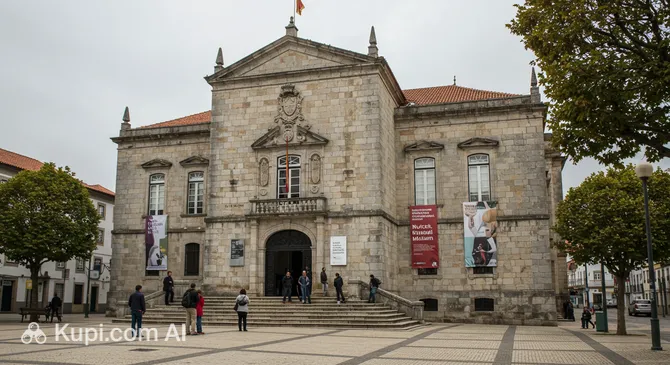
Directly adjacent to the cathedral lies the Grão Vasco National Museum, a cultural treasure housed in the former Bishop's Palace. This museum is essential for art enthusiasts, as it holds a significant collection of Portuguese Renaissance painting, including the masterpieces of Vasco Fernandes, also known as Grão Vasco. The exhibits provide a deep dive into the artistic evolution of the 15th and 16th centuries, displayed within a building that is an architectural gem in its own right.

Grão Vasco National Museum. Source: Kupi.Binoculars

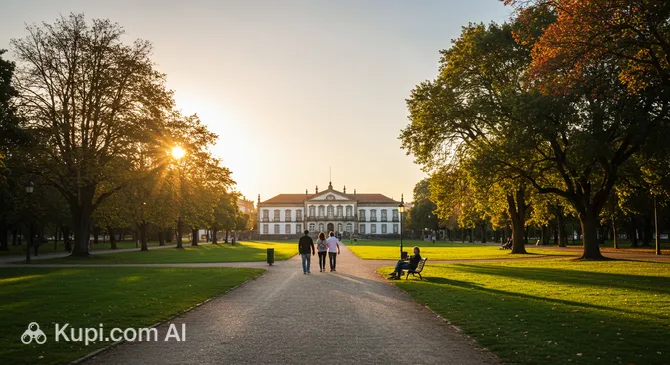
For a change of pace, Fontelo Park offers a lush, green escape just a short walk from the city center. Originally created as a recreational estate for bishops in the Renaissance, it remains one of the city's most beloved green spaces. Tourists can wander through manicured gardens, admire ancient fountains, and enjoy the tranquil atmosphere. It is an ideal spot for a leisurely afternoon stroll or a picnic, embodying Viseu's reputation as a "Garden City."

Fontelo Park. Source: Kupi.Binoculars

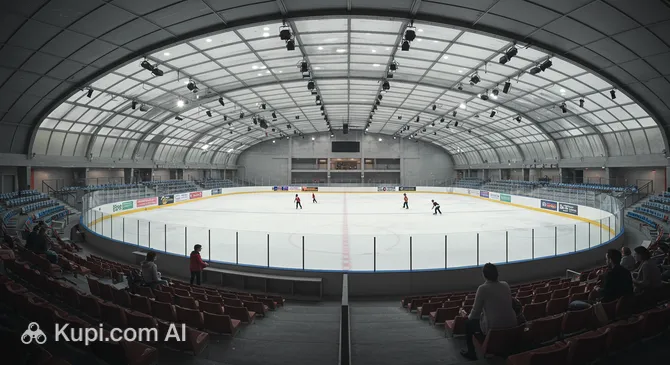
Those looking for modern entertainment and shopping should visit the Palácio do Gelo. This large shopping complex is famous for housing a unique attraction: a bar made entirely of ice, where temperatures are kept permanently below freezing. Besides the ice bar, the mall features a wide range of shops, a cinema, and a food court, making it a lively hub for contemporary leisure and a stark contrast to the city's medieval charm.

Palácio do Gelo. Source: Kupi.Binoculars

Another inviting green space is Aquilino Ribeiro Park, located in the heart of the city. Named after the famous local writer, this park is a favorite among locals for its serene lake, towering trees, and beautifully maintained paths. It frequently hosts cultural events and book fairs, offering visitors a chance to mingle with residents and experience the community spirit of Viseu in a relaxed, natural setting.

Local Cuisine

The gastronomy of Viseu is a reflection of its location in the heart of central Portugal: hearty, flavorful, and deeply connected to the land. As the capital of the Dão wine region, the city offers a culinary experience where every meal is perfectly paired with some of the country's finest wines. The local food scene is characterized by generous portions and traditional recipes that have been passed down through generations, making it a true paradise for comfort food lovers.

One dish you absolutely cannot miss is the famous Rancho à Moda de Viseu. Unlike other versions of "rancho" found in Portugal, the Viseu variety is a rich stew made with two types of pasta (macaroni and shell pasta), potatoes, chickpeas, cabbage, and a variety of meats including beef, pork, and chorizo. Another staple of the region is Vitela de Lafões, a succulent roasted veal dish that is celebrated for its tenderness and flavor, typically seasoned with white wine and olive oil.

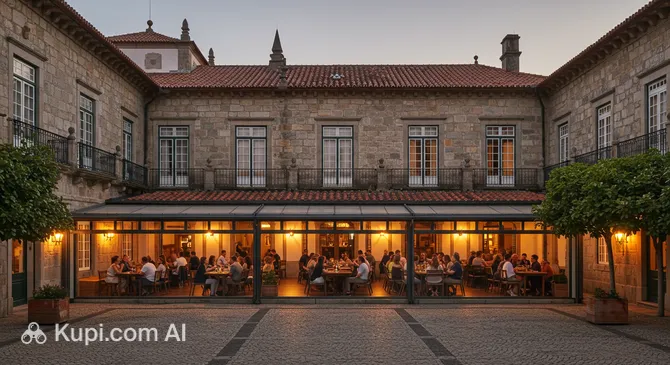
Pousada Viseu. Source: Kupi.Binoculars

For those with a sweet tooth, the city has a signature pastry known as the Viriato. Named after the legendary Lusitanian warrior, this V-shaped cake is made from brioche-like dough filled with egg custard and dusted with coconut. It is the perfect accompaniment to a coffee during a mid-afternoon break at one of the many historic cafés or pastelarias scattered throughout the city center.

Dining in Viseu ranges from humble, family-run taverns (tascas) serving the daily specials to elegant establishments housed in historic buildings. For a sophisticated dining experience set within a monumental landmark, visitors often head to Pousada Viseu, which is located in a beautifully restored 19th-century hospital. Alternatively, for a charming atmosphere in the city, Vintage Maison offers a delightful setting to enjoy local flavors. No meal here is complete without a glass of the local Dão wine, renowned for its elegance and velvety texture.

Travel Tips

To ensure your visit to Viseu is as smooth and enjoyable as possible, a little local insight goes a long way. Here are some practical tips to help you navigate this historic "Garden City" and make the most of your time in the heart of the Dão region.

  1. Clothing and Gear: Viseu is best explored on foot, and the historic center features traditional Portuguese cobblestones (calçada). Bring sturdy, comfortable walking shoes with good grip to handle the uneven surfaces. Since the city sits on a plateau, the weather can be changeable; pack layers, as evenings can get chilly even after a warm summer day. If you plan to visit the Cathedral, remember to dress modestly (covering shoulders and knees).
  2. Transportation: The city center is compact and walkable. To save energy on the steep hills, utilize the Funicular de Viseu, a free cable railway that connects the lower city (near the fairgrounds) to the upper historic district near the Cathedral. For trips outside the center, the local "MUV" buses are efficient, and ride-hailing apps are widely available. Remember that Viseu does not have a train station; if you want to explore the surrounding vineyards, renting a car is highly recommended.
  3. Finances: The currency is the Euro (€). While most hotels, shops, and restaurants accept international credit and debit cards, smaller cafés and traditional tascas may prefer cash. ATMs, known as "Multibanco," are easy to find throughout the city. Tipping is not mandatory but is appreciated; rounding up the bill or leaving 5-10% for good service is standard practice.
  4. Health and Safety: Viseu is consistently ranked as one of the safest cities in Portugal, making it very comfortable for solo travelers and families. Pharmacies are marked with a green cross and are well-stocked. There is always one pharmacy open 24/7 on a rotating schedule, which is usually posted on the door of every pharmacy in town. In case of a serious emergency, dial 112.
  5. Communication: The official language is Portuguese. While younger locals and tourism staff generally speak good English, older residents may not. Learning a few polite phrases like "Bom dia" (Good morning) and "Obrigado/a" (Thank you) is well-received. Free Wi-Fi is often available in public squares and parks, and you can easily purchase SIM cards at telecom shops in the city center or at the Palácio do Gelo shopping mall.
  6. Local Etiquette: Portuguese culture is polite and somewhat formal. It is customary to greet shopkeepers when entering or leaving a store. Lunch is a sacred time, typically enjoyed between 1:00 PM and 2:00 PM. Service in restaurants is meant to be relaxed, so do not try to rush your meal; sit back and enjoy the pace of life.
  7. What to Avoid: Avoid speaking Spanish to locals under the assumption that it is the same language. While many people understand it, they prefer you to try English or broken Portuguese first. Also, avoid making loud noises inside the Cathedral or during religious services, as this is considered disrespectful in a largely Catholic country.
  8. Seasonal Highlight: If you are visiting in August or September, check the dates for the Feira de São Mateus. As one of the oldest fairs in the Iberian Peninsula, it brings huge crowds, concerts, and diversions to the city. If you prefer a quiet trip, you might want to avoid these weeks, but if you love festivities, it is the best time to be in Viseu.

By keeping these tips in mind, you will be well-prepared to experience the authentic charm and hospitality of Viseu. Whether you are sipping Dão wine or wandering the medieval streets, you are sure to feel right at home in this welcoming Portuguese city.

Entertainment & Nightlife

While Viseu is deeply rooted in history, it also offers a vibrant modern lifestyle with plenty of options for entertainment, shopping, and leisure. The city's atmosphere is generally relaxed, favoring social gatherings on open-air terraces and leisurely strolls over frantic nightlife, making it a pleasant destination for travelers of all ages.

For those looking to enjoy the evening, the historic center and the area around the Rossio are the main hubs. Here, you can find a variety of cozy pubs and cafés that stay open late. A popular spot among locals and visitors alike is the Irish Bar. Known for its welcoming ambiance and wide selection of drinks, it is an excellent place to unwind after a day of sightseeing and mingle with the friendly local crowd.

Shopping enthusiasts will find Viseu to be a delightful mix of traditional commerce and modern conveniences. The narrow streets of the old town are lined with independent boutiques selling local handicrafts, wines, and fashion. For a more contemporary experience, the Forum Viseu is a must-visit. Located conveniently close to the city center, this shopping mall stands out for its elegant architecture and open spaces, housing a wide range of international brands, a cinema, and dining options.

True to its nickname, the "Garden City," Viseu offers numerous green spaces that serve as perfect venues for relaxation and family activities. Mothers' Garden (Jardim das Mães) is a beautifully landscaped gem located near the Rossio, featuring colorful flowerbeds and a serene atmosphere. It is an idyllic spot for a quiet break or a leisurely read in the shade.

Another lovely green area is Santiago Park, which offers more space for walking and enjoying the outdoors. Whether you are exploring the expansive shopping complexes like the Palácio do Gelo with its famous ice bar or simply enjoying a sunset in one of the many parks, Viseu ensures that your leisure time is well spent.

Parks & Museums

Viseu is widely celebrated as the "Garden City" of Portugal, a title it earns through its abundance of manicured green spaces and a deep respect for its natural surroundings. Beyond its leafy avenues, the city offers a compelling cultural journey, boasting museums that range from world-class art collections to unique geological exhibits found nowhere else on the globe.

For outdoor enthusiasts, the Ecopista do Dão is an unmissable highlight. This 49-kilometer cycling and walking path, built along a former railway line, is often cited as one of the most beautiful in Portugal. It starts in Viseu and winds through the stunning landscapes of the Dão wine region, offering a flat, paved, and traffic-free route that is perfect for families and nature lovers. The trail takes you through forests, over old railway bridges, and past vineyards, providing a peaceful way to experience the countryside.

Another significant green space is the mysterious Cava de Viriato. While it is technically a National Monument, this vast octagonal earthwork—covering about 38 hectares—functions as a serene park shaded by majestic, century-old trees. Its origins remain a subject of debate among historians, with theories ranging from a Roman military camp to an Islamic fortress-city. Today, it is a favorite spot for joggers and walkers who enjoy the perimeter paths. Standing guard at the entrance is the iconic Viriato Monument, a bronze statue dedicated to the legendary Lusitanian leader who fought against the Romans.

In terms of culture, the city's crown jewel is undoubtedly the Grão Vasco National Museum. Housed in the magnificent Paço dos Três Escalões next to the cathedral, it preserves the legacy of Vasco Fernandes, the master of the Portuguese Renaissance. The museum displays a remarkable collection of retables and paintings that are essential for understanding the artistic history of the country, all set within a building that is an architectural masterpiece in itself.

Grão Vasco National Museum. Source: Kupi.Binoculars

For a completely different cultural experience, visitors should head to the Museu do Quartzo (Quartz Museum). Located on the Monte de Santa Luzia, a former quarry site, it is the only museum in the world exclusively dedicated to this mineral. The interactive exhibits take you on a geological journey, explaining the importance of quartz in nature and technology, making it a fascinating stop for both science buffs and curious travelers.

Closer to the city center, the Museu Almeida Moreira offers an intimate glimpse into the life of a local art patron. This house-museum, once the home of the founder of the Grão Vasco Museum, is filled with antique furniture, ceramics, and fine art, preserved exactly as they were in the early 20th century. It provides a charming atmosphere that feels more like visiting a private residence than a formal institution.

Insider Tip: If you are interested in local traditions, take a short walk to the Casa da Ribeira near the Pavia River. This former mill has been converted into a handicraft center where you can see traditional artisans at work and discover the rural heritage of the Viseu region.

Getting Around

Navigating Viseu is relatively straightforward, as the city is compact and well-organized. While the historic center is best explored on foot, the city offers a modernized public transport system known as MUV (Mobilidade Urbana de Viseu). This network of buses connects the residential outskirts, the city center, and key locations like the hospital and shopping malls. The buses are easily recognizable by their distinctive branding and are a reliable way to get around if you plan to venture beyond the medieval walls.

One of the most unique and tourist-friendly features of the local transport system is the Funicular de Viseu. This electric funicular connects the lower part of the city, near the Cava de Viriato and the fairgrounds, to the upper historic center close to the Cathedral. It is not only a practical way to avoid a steep uphill climb but also offers a scenic and silent journey. Best of all, the funicular is completely free of charge for all passengers, making it a favorite among visitors.

For the bus network, tickets can be purchased directly from the driver using cash, though this is the most expensive option, typically costing around €1.50 to €2.00 per trip. If you plan to use the buses frequently, it is advisable to purchase a pre-paid MUV card or a pass at the Mobility Center (Loja da Mobilidade) located at the central bus station or authorized kiosks. These cards offer significantly reduced fares and allow for transfers between lines within a certain time window.

Taxis are widely available and are a convenient alternative for getting around, especially late at night when bus services reduce their frequency. You can find taxi ranks at major squares, such as the Rossio and near the hospital. Ride-hailing apps are also active in the city, providing a transparent and often cashless way to travel. Given the relatively short distances within Viseu, fares are generally affordable compared to larger metropolitan areas.

For those who prefer active travel, the city is becoming increasingly bike-friendly, particularly with the famous Ecopista do Dão starting here. While bike rentals are mostly geared towards leisure rides on the ecotrail rather than urban commuting, the city center's pedestrian zones are pleasant for walking. However, be prepared for some hilly terrain, which is why combining walking with the free funicular is often the best strategy for tourists.

Accommodation

Finding the perfect place to stay in Viseu is relatively easy, as the city offers a welcoming range of accommodation options that cater to various tastes and budgets. Visitors can choose from charming local guesthouses (alojamento local), modern business hotels, and elegantly restored historic properties. Unlike the crowded tourist hubs of coastal Portugal, Viseu maintains a relaxed atmosphere, allowing for high-quality stays at generally more affordable prices.

For those who want to be in the center of the action, the areas surrounding the Rossio and the historic Old Town are the most popular choices. Staying here puts you within walking distance of the major landmarks, such as the Viseu Cathedral and the museums, as well as a variety of restaurants and cafés. Alternatively, the newer districts near the ring road and shopping destinations like Palácio do Gelo offer modern hotels with easy access to main highways, which is convenient for travelers exploring the wider Dão region by car.

One of the unique aspects of accommodation in Viseu is the opportunity to stay in buildings rich with history. The city is known for converting monumental structures into luxurious lodgings, offering a blend of ancient architecture and contemporary comfort. While there are plenty of standard mid-range options, these heritage hotels provide a more immersive cultural experience.

Booking Tips: While it is usually possible to find a room without booking months in advance, the city fills up quickly during the summer, particularly in August and September when the famous Feira de São Mateus takes place. During this period, it is highly recommended to secure your reservation well ahead of time. Prices are generally reasonable, with budget options available for backpackers and mid-range hotels offering excellent value. Most accommodations can be easily booked via major online platforms.

Nearby Cities

For those looking to explore the surroundings, Viseu serves as an excellent base for day trips to several interesting nearby locations:

Just a short drive away lies Mangualde, a town celebrated for the magnificent 18th-century Palace of the Counts of Anadia and its popular artificial beach, which comes alive during the summer months. For those seeking alpine scenery, Seia acts as a primary gateway to the Serra da Estrela Natural Park, offering opportunities for hiking, tasting the famous local cheese, and visiting the unique Bread Museum. Adventure enthusiasts might prefer a trip to Arouca, home to the UNESCO Arouca Geopark and the breathtaking Paiva Walkways, known for their wooden suspension bridges and stunning river views.

City Population Distance (km)
Tondela 28,946 21
Seia 24,702 32
Arouca 22,359 41
Oliveira do Hospital 20,855 33
Mangualde 19,880 14

These nearby destinations offer a glimpse into the diverse culture and landscapes of the region.

Shopping & Souvenirs

Shopping:

Shopping in Viseu offers a delightful balance between traditional charm and modern convenience. The city caters to a wide range of tastes, allowing visitors to browse through centuries-old streets lined with family-run businesses or explore contemporary retail complexes filled with international brands. Whether you are looking for local handicrafts, high-end fashion, or regional gastronomic treasures, the city provides a relaxed and enjoyable shopping experience.

The heart of traditional commerce lies in the historic center, particularly along the famous Rua Direita. This narrow, pedestrian-friendly street has been the city's main commercial artery since medieval times. Here, you can find a variety of local shops selling everything from clothing and shoes to jewelry and typical Portuguese products. Walking through this area not only offers great shopping opportunities but also allows you to admire the beautiful facades and iron balconies that characterize the old town.

For those who prefer a modern shopping environment, the city boasts impressive facilities. Forum Viseu is a standout location, situated close to the city center. It is known for its elegant, open-air architectural design which blends seamlessly with the surrounding urban landscape, offering a mix of fashion chains, a cinema, and dining options. Another major destination is Palácio do Gelo, a large shopping mall that goes beyond retail. Besides housing numerous well-known brands and a hypermarket, it is famous for its entertainment facilities, including an ice rink and the unique ice bar, making it a favorite spot for families and groups of friends.

To experience the local flavor, a visit to the Municipal Market (Mercado Municipal) is highly recommended. Located in the city center, this daily market is the place to find fresh produce, including locally grown fruits, vegetables, and flowers. It is an excellent spot to mingle with residents and observe the daily rhythm of the city. Distinct from this daily commerce is the weekly fair, traditionally held on Tuesdays at the fairgrounds. This bustling event brings vendors selling clothes, household goods, and rustic items, offering a lively atmosphere and the chance to find unique bargains.

When it comes to souvenirs, Viseu has several signature items worth bringing home. The region is the heart of the Dão wine zone, so a bottle of red or white Dão wine is a top choice for oenophiles. You can purchase these at specialized wine shops (garrafeiras) or local grocery stores. Another sweet memento is the "Viriato," a V-shaped coconut-dusted pastry that travels relatively well if packed carefully. For handicrafts, look for traditional linen embroidery or the distinctive black pottery from the nearby village of Molelos, which can often be found in artisan shops within the city center.

Store opening hours in Viseu generally follow the standard Portuguese schedule. Street shops typically open around 9:30 AM or 10:00 AM, close for lunch between 1:00 PM and 3:00 PM, and remain open until 7:00 PM. However, the large shopping malls like Forum Viseu and Palácio do Gelo operate with extended hours, usually remaining open from 10:00 AM until 10:00 PM or 11:00 PM, without a lunch break. Major credit and debit cards are widely accepted, though it is always useful to carry some cash for small purchases at markets or traditional kiosks. Visitors residing outside the European Union may also be eligible for VAT refunds on purchases over a certain amount at participating stores displaying the "Tax Free" sign.

Reached the end of the page?

That means the route is fully explored