Support

Madalena

About

Madalena is a delightful coastal retreat situated in the municipality of Vila Nova de Gaia. Known for its extensive sandy shorelines and relaxed atmosphere, this charming parish offers visitors a perfect escape from the hustle and bustle of city life while remaining conveniently close to major urban centers. Located in the Porto District of Portugal, it serves as an idyllic destination for beach lovers and nature enthusiasts alike.

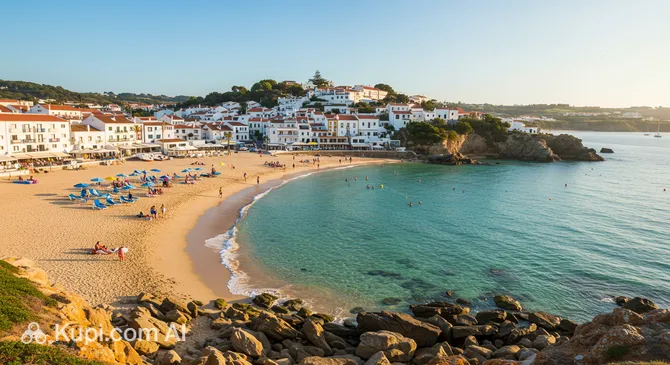
Madalena. Source: Kupi.Binoculars

With a population of approximately 4,200 residents, the town maintains a welcoming and intimate community feel. The area is characterized by its scenic Atlantic coastline and a temperate climate that makes outdoor activities enjoyable throughout much of the year. Those interested in the past will find that the history of Madalena offers fascinating insights into its development from a quiet settlement to a beloved seaside destination.

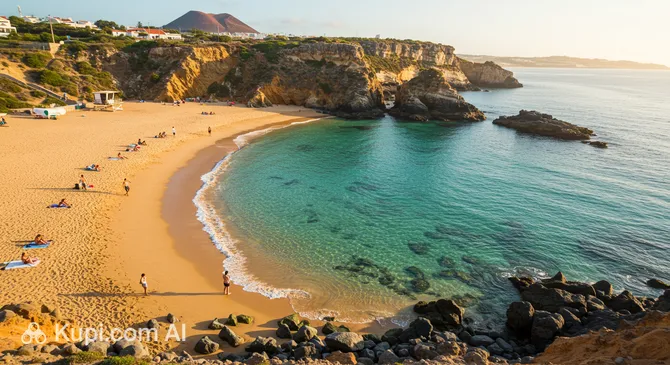
One of the main draws for tourists is Praia da Madalena, a beautiful beach known for its golden sands and rocky outcrops. It is a popular spot for sunbathing, surfing, and enjoying the sunset. The area also features an extensive network of wooden walkways that meander through the dunes, protecting the local ecosystem while providing a picturesque route for walking or cycling along the coast. Additionally, the town is home to well-equipped camping facilities, making it a favorite stop for travelers exploring the region by road.

Whether you are looking to unwind by the ocean, enjoy fresh seafood at a local eatery, or simply take a refreshing walk along the boardwalks, Madalena invites you to experience its serene beauty and warm hospitality.

Weather Overview

Madalena enjoys a temperate coastal climate, characterized by warm, dry summers and mild, relatively wet winters. The influence of the Atlantic Ocean ensures that temperatures remain moderate year-round, making it a comfortable destination for outdoor activities in almost any season.

The summer months of July and August are the warmest and driest, with average temperatures hovering around 21.5°C and daily highs reaching approximately 25°C. Rainfall is scarce during this period, with only about 4 wet days per month, which is perfect for beach days. In contrast, the winter season brings cooler air and more frequent showers. January is typically the coolest month with lows around 8°C, while December can see up to 15 days with precipitation. For the most accurate packing advice, we recommend checking the detailed weather in Madalena before your trip.

Spring and autumn offer a pleasant balance, though visitors should be prepared for mixed conditions. May begins to feel quite warm with highs near 20°C, while October sees temperatures cooling to an average of 17.5°C accompanied by an increase in rainy days. Overall, visitors can expect pleasant summers ideal for sunbathing and mild winters that rarely see freezing temperatures.

Interesting Facts

Beyond the sunny shores and inviting waves, Madalena holds several fascinating details that add character to its coastal charm. From whimsical local legends to geological curiosities, there is more to discover here than just a day at the beach.
Mermaid Beach. Source: Kupi.Binoculars
  • The evocative name of Mermaid Beach (Praia da Sereia) is said to originate from a distinctive rock formation on the shoreline. Locals claim that when the tide is right, the silhouette of the rock resembles a mermaid gazing out to sea, adding a touch of mythology to the landscape.

  • Madalena is historically renowned for the high iodine concentration in its waters and air. For decades, this specific quality drew visitors not just for leisure, but for thalassotherapy, as the local sea breeze was believed to offer significant respiratory and health benefits.

  • While today it is a bustling seaside resort, the parish has deep agricultural roots. If you explore the streets slightly inland from the coast, you can still observe the transition from a traditional farming community to a modern tourist hub, with older rural architecture standing alongside contemporary vacation homes.

  • The coastline here serves as a geological transition zone. Moving south from Salgueiros Beach towards Madalena, the rocky outcrops typical of the northern Gaia coast begin to yield to the expansive, continuous sandy stretches that characterize the southern beaches leading to Espinho.

How to Get There

Reaching this coastal parish is relatively straightforward, thanks to its proximity to major transport hubs in northern Portugal. Whether you are arriving from within the country or flying in from abroad, you have several options to consider. For a complete guide on travel options and routes, read more about how to get to Madalena.

The most convenient entry point for air travelers is Porto Airport (IATA: OPO), also known as Francisco Sá Carneiro Airport. Located in the city of Porto, it is situated just 16.4 km from Madalena. This international airport serves as a major gateway to the region, handling a large volume of passengers annually. The journey from the airport to Madalena by taxi or car typically takes around 45 minutes, making it an exceptionally quick transfer. Another significant option is Lisbon Portela Airport (IATA: LIS) in Lisbon. Although it is approximately 261 km away, it is the country's largest international hub and offers a wider range of long-haul connections.

For clarity, here is a summary of the main airports:

Airport Name City Passenger Traffic Km from City
Lisbon Portela Airport Lisbon Very Large 261.1
Porto Airport Porto Large 16.4
Santiago de Compostela Airport Santiago de Compostela Medium 200.3
A Coruna Airport A Coruña Medium 245.3
Vigo Airport Vigo Medium 125.4

Travelers arriving by rail from neighboring Spain may find connections through regional hubs across the border. The city of Madalena does not have a major international railway station of its own, but you can arrive at Vigo Railway Station in the city of Vigo, which is about 125.8 km from Madalena. From there, you would need to arrange an extended transfer by bus or rental car to cross the border and reach the coast. Another option for those exploring the wider Iberian region is Ourense Railway Station, located approximately 151.5 km away in Ourense.

Below is a list of the closest regional railway hubs listed:

Station City Passenger Traffic Km to Center
Ourense Railway Station Ourense Medium 151.5
Pontevedra Railway Station Pontevedra Medium 146.6
Vigo Railway Station Vigo Medium 125.8
Zamora Railway Station Zamora Small 248.0
Lugo Railway Station Lugo Small 231.1

Main Attractions

Attractions:

Madalena is primarily celebrated for its stunning coastline, which offers a variety of beaches and seaside leisure spots catering to different tastes. Whether you are seeking a lively atmosphere with beach sports or a quiet corner to admire the dunes, the local shoreline is the main protagonist of the town's tourism scene. Here are some of the top places to visit.

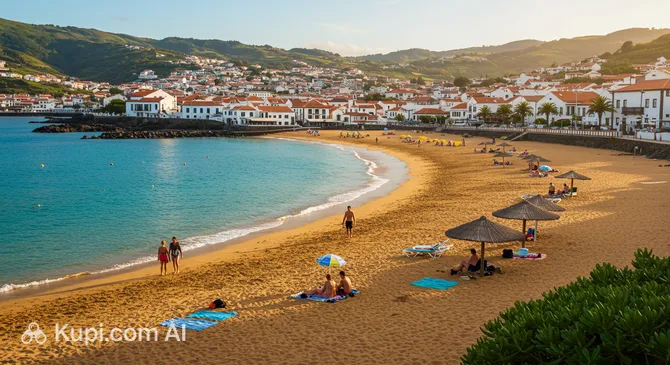
The most iconic spot in the area is undoubtedly Madalena Beach. This extensive stretch of golden sand is a favorite among families and groups of friends due to its accessibility and excellent facilities. It is flanked by the famous wooden walkways that run along the Gaia coast, making it perfect for long, scenic strolls. The beach is well-protected and offers plenty of space for volleyball and sunbathing, serving as the vibrant heart of the town's summer life.

Madalena Beach. Source: Kupi.Binoculars

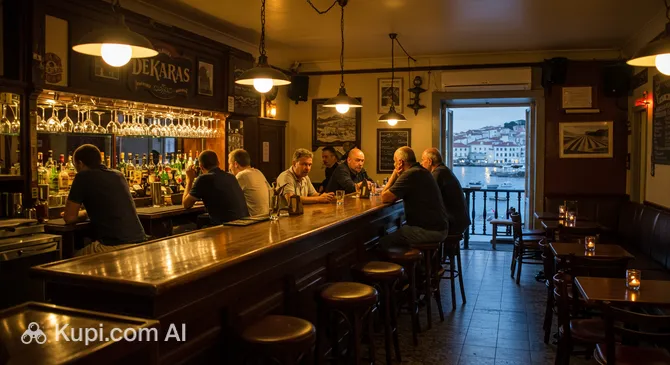
For those who enjoy combining a day at the beach with a relaxed social atmosphere, DeKaras Bar is a must-visit destination. Located right by the ocean, this establishment is more than just a place to grab a drink; it is a prime viewing spot for the region's spectacular sunsets. Visitors often gather here to unwind with a cocktail in hand, enjoying the laid-back vibe and the soothing sound of the waves crashing nearby.

DeKaras Bar. Source: Kupi.Binoculars

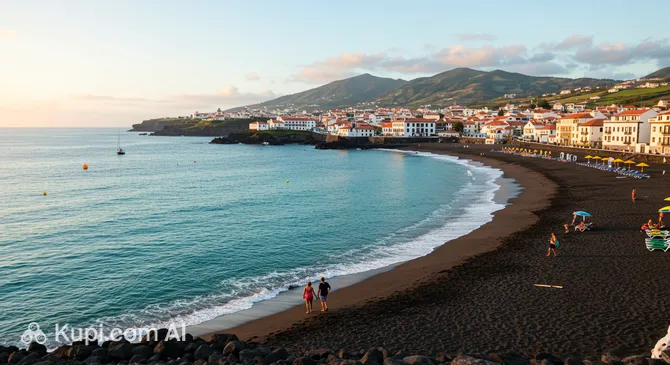
Just a short distance away lies Valadares Norte Beach. This beach is often appreciated by those looking for a slightly more rugged natural setting. It is known for its strong Atlantic waves, which frequently attract surfers and bodyboarders. The iodine-rich waters here have historically been associated with health benefits, keeping alive the tradition of therapeutic seaside visits that the region is famous for.

Valadares Norte Beach. Source: Kupi.Binoculars

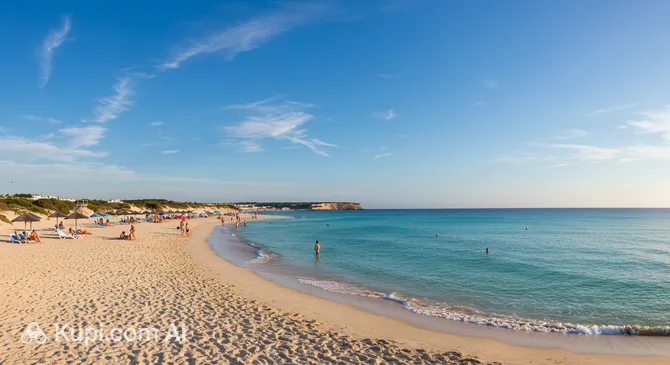
Nature lovers will find Dunas Mar Beach particularly appealing. As the name suggests, this area is characterized by its preserved dune systems, which provide a beautiful, wilder backdrop compared to the more urbanized sections of the coast. It is an excellent choice for travelers seeking tranquility and a closer connection to the natural landscape, away from the larger crowds.

Dunas Mar Beach. Source: Kupi.Binoculars

Another gem along this coastal stretch is Atlantic Beach. This spot embodies the classic charm of the northern Portuguese coast with its rocky formations interspersed with sand. It is a wonderful location for photography enthusiasts or anyone wishing to simply sit and watch the power of the ocean. The nearby cafes and amenities ensure that you can stay comfortable while enjoying the fresh sea breeze.

Local Cuisine

The culinary scene in Madalena is deeply influenced by its coastal location and its proximity to the heart of the Porto District. As you might expect from a seaside parish, fresh seafood takes center stage on many menus. Visitors should definitely try the grilled fish, particularly sea bass (*robalo*) or golden bream (*dourada*), which are often served simply with roasted potatoes and vegetables to highlight their natural freshness. In the summer months, the aroma of grilled sardines (*sardinhas assadas*) fills the air, a traditional delight best enjoyed at a terrace overlooking the ocean.

For a heartier meal, you cannot leave the municipality of Vila Nova de Gaia without tasting the iconic Francesinha. This indulgent sandwich is stacked with cured ham, linguiça, fresh sausage, and steak, covered in melted cheese, and drenched in a thick, spicy tomato and beer sauce. It is often served with a side of french fries and is a true symbol of the region's comfort food culture. Another local favorite is Polvo à Lagareiro, a dish of tender octopus roasted with generous amounts of olive oil and garlic.

When it comes to drinks, the region offers exceptional choices. A glass of crisp, chilled Vinho Verde is the perfect accompaniment to a seafood lunch, offering a light and refreshing contrast to the salty sea breeze. Since Madalena is part of Gaia, the home of the famous wine cellars, a glass of Port Wine is an essential way to end a meal. Locals also enjoy sipping on a cold fino (draft beer) while watching the sunset.

The dining atmosphere in Madalena is relaxed and scenic, with many establishments located right along the waterfront. You will find a mix of traditional tascas serving homemade dishes and modern beach bars offering snacks and cocktails. For a laid-back evening drink by the water, DeKaras Bar is a popular spot where the vibe perfectly captures the town's easygoing seaside spirit.

Travel Tips

Planning a trip to Madalena? This charming seaside parish offers a perfect mix of relaxation and local culture, but a few insider tips can make your visit even smoother. Here is some practical advice to help you navigate the local lifestyle and make the most of your time by the Atlantic.

  1. Clothing and Gear: Since Madalena lies on the Atlantic coast, the weather can be changeable. Even in summer, a cool breeze often blows off the ocean, so bring a light jacket or windbreaker for the evenings. Comfortable walking shoes are essential, especially if you plan to explore the extensive wooden walkways (*passadiços*) that run along the dunes.

  2. Transportation: The most convenient way to reach Madalena from Porto is by train; the local station connects you quickly to the city center (São Bento or Campanhã). Ride-hailing apps like Uber and Bolt are also very popular, affordable, and reliable for getting around Vila Nova de Gaia. While renting a car offers freedom to explore the coast, parking near the beaches can be scarce on sunny weekends.

  3. Finances: The currency is the Euro (€). While most restaurants and beach bars accept credit and debit cards, it is wise to carry some cash for smaller purchases at kiosks or local bakeries. ATMs (marked Multibanco) are widely available. Tipping is not mandatory but is appreciated; leaving a few coins or rounding up the bill is a nice gesture for good service.

  4. Health and Safety: Madalena is a safe destination, but standard precautions apply. The most important safety tip concerns the ocean: the Atlantic currents can be very strong. Always swim in areas supervised by lifeguards and respect the flag system—never swim if the flag is red. Pharmacies (Farmácia) are easily found in the town center for minor health needs.

  5. Communication: The official language is Portuguese. However, English is widely spoken, particularly in restaurants, hotels, and tourist spots. Learning a few basic phrases like Olá (Hello) and Obrigado/a (Thank you) will go a long way with the locals. Free Wi-Fi is often available in cafes, and EU citizens can use their mobile data at no extra cost.

  6. Local Etiquette: The atmosphere here is laid-back and family-oriented. When entering a shop or café, a friendly greeting is customary. Portuguese people are generally polite and helpful; if you need directions, don't hesitate to ask. On public transport, it is polite to give up your seat to elderly passengers or pregnant women.

  7. What to Avoid: Avoid assuming the sea temperature is warm like the Mediterranean; the water here is refreshing and can be quite cold, even in summer. Also, try not to walk on the protected sand dunes outside of the designated wooden paths, as this damages the fragile coastal ecosystem.

  8. Local Insight: Take advantage of the Passadiços de Gaia. These wooden boardwalks are not just for getting to the beach; they are a social hub where locals jog, walk their dogs, and watch the sunset. It is the best way to see the coastline without getting sand in your shoes.

With these tips in hand, you are ready to enjoy the relaxed rhythm of Madalena. Whether you are catching the train for a day trip or settling in for a longer beach holiday, you will find this coastal community welcoming and easy to navigate.

Entertainment & Nightlife

Entertainment and nightlife in Madalena reflect the town's laid-back, coastal character. Unlike the high-energy clubbing scene found in nearby Porto, the evenings here are defined by relaxed vibes, ocean sunsets, and socializing at beachside venues. The nightlife is concentrated almost entirely along the waterfront, where the "esplanadas" (beach bars) transition from daytime cafes to lively evening spots. It is the perfect destination for those who prefer sipping a cocktail with sand between their toes over crowded dance floors.

The heartbeat of Madalena's evening scene is the coastline. As the sun begins to dip below the horizon, locals and tourists alike flock to the wooden boardwalks and beach bars. One of the most popular venues to experience this atmosphere is DeKaras Bar. Situated right on the dunes, it offers a front-row seat to spectacular sunsets. The vibe here is effortlessly cool, often featuring ambient music or DJ sets that complement the sound of the crashing waves. It is an ideal spot to start the night with a gin and tonic or a cold beer.

Moving along the coast, the area around Madalena Beach remains active well into the evening, especially during the summer months. While it doesn't host large nightclubs, the promenade serves as a social hub where groups gather for night walks and late-night conversations. Further south, Salgueiros Beach attracts a slightly younger crowd. The bars and cafes in this vicinity often stay open late, creating a festive environment where the party spills out onto the terraces.

Salgueiros Beach. Source: Kupi.Binoculars

For practical advice, the dress code in Madalena is distinctly casual; smart-casual beachwear is acceptable almost everywhere. The best time to head out is around 8:00 PM to catch the sunset, with venues staying lively until around 1:00 AM or 2:00 AM on weekends. Prices are generally moderate compared to the city center of Porto. Since public transport frequencies drop at night, the best way to get around or return to your accommodation is by using ride-hailing apps like Uber or Bolt, which are plentiful and affordable in the area.

Safety is rarely a concern in Madalena, as it is a peaceful residential area. The waterfront and main streets are well-lit and safe for night walks, though it is always wise to stay near populated areas and avoid unlit stretches of the dunes late at night. If you crave a more intense nightlife experience with thumping nightclubs, a short taxi ride will take you to the Ribeira district in Porto or the center of Vila Nova de Gaia.

Regarding daytime entertainment, Madalena focuses on outdoor leisure. The town does not have large theaters or amusement parks, but it offers excellent conditions for surfing and bodyboarding. For a dose of culture, visitors often take a quick trip to the famous Port wine cellars in Gaia or the museums in Porto, returning to the tranquility of Madalena for the evening.

Parks & Museums

While Madalena is primarily recognized as a coastal retreat rather than a hub of urban museums, its cultural and natural heritage is deeply intertwined with the landscape. The "parks" here are defined by the preserved Atlantic dunes and the vast oceanfront, while the local history is best explored through its architectural landmarks and the nearby cultural estates of Vila Nova de Gaia.

The most significant natural area in the parish is the extensive dune system that borders the ocean. Unlike traditional manicured city parks, these protected landscapes offer a raw and serene environment for recreation. Francelos Beach is a prime example of this natural beauty. Situated just south of the main town center, it is renowned for its wide sandy stretches and the therapeutic quality of its iodine-rich waters. The area is backed by dunes and vegetation, providing a peaceful setting that feels worlds away from the urban bustle.

Francelos Beach. Source: Kupi.Binoculars

Another key spot for nature enthusiasts is Marbelo Beach. This area serves as a continuation of the region's "linear park"—the wooden walkways that connect the entire coastline. It is an excellent location for observing the local coastal flora and enjoying long, revitalizing walks by the sea. The preservation of these dunes is a priority for the community, acting as a living museum of the region's geological history.

regarding cultural institutions, the parish itself is quiet, but it sits on the doorstep of one of the municipality's most important cultural venues. Just a stone's throw from the Madalena border in the neighboring parish of Canidelo lies the Solar dos Condes de Resende. This historical manor house is a must-visit for history buffs. It features a museum dedicated to the writer Eça de Queirós and boasts magnificent gardens famous for their camellias. It offers a glimpse into the aristocratic past of the region and frequently hosts art exhibitions.

Within Madalena itself, the Igreja Paroquial da Madalena (Parish Church) stands as the central architectural landmark. Built in the 19th century, it reflects the religious traditions of the community. While not a museum in the strict sense, its facade and interior offer insight into the local heritage and the importance of faith in this seaside town.

For a truly authentic experience, take a walk along the Ribeira da Madalena. This small stream flows into the ocean and creates a charming natural corridor that is often overlooked by tourists who stick strictly to the main beaches. It is a quiet corner where you can appreciate the transition from the rural hinterland to the coast.

Getting Around

Public transport in Madalena is efficient and well-integrated into the wider network of the Porto Metropolitan Area, making it easy for visitors to navigate without a car. The system is designed to connect this coastal parish with the city center of Vila Nova de Gaia, the heart of Porto, and nearby seaside resorts like Espinho.

The most convenient and popular option for tourists is the train. Madalena has its own railway station (Madalena Station), which serves the suburban "Urbanos do Porto" lines operated by CP (Comboios de Portugal). Trains run frequently, typically every 30 to 60 minutes, connecting passengers directly to the historic Porto São Bento station in about 15 to 20 minutes. This line also heads south towards the beach towns of Miramar and Espinho. It is the fastest way to travel between the quiet coast and the bustling city centers.

Complementing the railway is an extensive bus network. The blue and white STCP buses and the metropolitan UNIR buses operate several routes through the parish. Bus line 906 is particularly useful for tourists, as it connects the Madalena beachfront directly to the Trindade hub in downtown Porto. While buses can be slower than trains due to traffic, they offer better coverage of the interior streets and direct access to the beach areas that the train station does not reach immediately.

The payment system is unified under the Andante brand, which is used across trains, buses, and the metro in the region. Tourists should purchase a blue rechargeable Andante Azul card (costing roughly €0.60) at any station machine or Payshop agent. You then load "travel titles" (trips) onto it. Fares are based on zones; a trip from Madalena to the Porto city center typically requires a two-zone ticket (Z2). For unlimited travel, you can opt for the Andante Tour card, available for 24 or 72 hours, which is an excellent value if you plan to explore extensively.

A critical rule for using the Andante system is validation. You must validate your card before every single trip and every time you change vehicles. On trains and the metro, utilize the yellow validators found on the platforms or at station entrances before boarding. On buses, the validators are located inside the vehicle near the driver. Failure to validate can result in a hefty fine, even if you have valid trips loaded on your card.

While there is no metro station located directly in Madalena, the public transport network allows for easy transfers. You can take the train to General Torres station in Gaia, which sits directly above a metro station of the same name, allowing for a seamless switch to the yellow Metro line (Line D) that crosses the iconic Luís I Bridge.

For those who prefer more flexibility, ride-hailing apps like Uber and Bolt are extremely popular, reliable, and relatively inexpensive in the area. They are a great alternative for late-night travel when public transport frequency decreases, or for carrying luggage directly to your accommodation. Traditional beige or black-and-green taxis are also available at designated ranks, particularly near the train station.

Finally, Madalena offers a unique "transport" alternative in the form of its extensive network of wooden walkways and cycle paths. While not motorized, these paths are a legitimate and popular way to travel along the coast. You can easily rent a bicycle and ride safely from Madalena all the way to the Douro River estuary or south to Espinho, enjoying the ocean view the entire way.

Accommodation

Accommodation in Madalena caters largely to travelers seeking a quieter, more authentic seaside experience rather than the high-rise hotel environment found in major resort cities. The options here are predominantly characterized by vacation rentals, charming guesthouses, and private apartments. These choices allow visitors to live like a local, often providing more space and kitchen facilities, which is ideal for families or those planning a longer stay by the coast.

For those who enjoy being close to nature, the area is well-known for its excellent camping facilities. The local campsite is a popular choice during the summer months, offering a budget-friendly way to stay within walking distance of the ocean. While you won't find large luxury hotel chains directly within the parish limits, the short distance to the center of Vila Nova de Gaia and Porto means that high-end accommodation is easily accessible if you prefer to base yourself in the city and visit the beach for the day.

Atlantic Beach. Source: Kupi.Binoculars

When choosing where to stay, location is key. The most coveted spots are naturally along the waterfront near Madalena Beach. Properties here often boast stunning sea views and immediate access to the wooden boardwalks and beach bars. Alternatively, staying slightly inland near the Madalena Train Station is a strategic move for travelers without a car. This area offers a quieter residential atmosphere and provides a direct, quick rail link to downtown Porto, giving you the best of both worlds: days by the sea and evenings in the city.

Booking Tips and Prices: Prices in Madalena are generally mid-range, offering better value for money compared to the historic center of Porto. However, because the inventory of rental apartments and guesthouses is smaller than in a major city, availability can tighten quickly. July and August are the peak months; it is highly recommended to book your accommodation at least two to three months in advance if you plan to travel during this period. Reservations are typically made through major online booking platforms, which offer the widest selection of local rentals.

Nearby Cities

For those looking to explore the surroundings, Madalena serves as an excellent base for day trips to several interesting nearby locations:

Porto is the most obvious and exciting choice for a day trip. Located just a few kilometers away, it is one of Europe's most charismatic cities. Visitors can explore the UNESCO-listed historic center, walk across the iconic Dom Luís I Bridge, or get lost in the winding streets of the Ribeira district. It offers a rich mix of history, culture, and vibrant urban life that contrasts perfectly with the quiet beaches of Madalena.

Vila Nova de Gaia, the municipality to which Madalena belongs, has a bustling city center worth visiting. It is world-famous for its historic Port wine cellars located along the riverbank. A trip here allows you to taste the region's most famous export, take a scenic cable car ride for panoramic views of the Douro River, and enjoy a stroll along the Cais de Gaia, looking back at the stunning Porto skyline.

Matosinhos offers a different coastal experience. Known as the land of fish and seafood, it is the perfect place to enjoy a fresh lunch at one of the many restaurants where grills are set up right on the street. It is also a major surfing destination and features contemporary architecture, such as the Cruise Terminal and the "She Changes" sculpture, making it a dynamic spot for a short visit.

City Population Distance (km)
Porto 1,278,210 6
Vila Nova de Gaia 302,295 4
Matosinhos 175,478 10
Gondomar 168,027 13
Maia 135,306 15

These nearby destinations offer a glimpse into the diverse culture and landscapes of the region, providing plenty of options for travelers who wish to see more of northern Portugal beyond the immediate coastline.

Shopping & Souvenirs

Shopping in Madalena is a low-key and relaxed affair, reflecting the parish's status as a peaceful coastal retreat rather than a commercial hub. Visitors should not expect bustling high streets filled with international fashion chains or luxury boutiques within the town itself. Instead, the local shopping scene focuses on convenience, offering essential goods, beach gear, and traditional Portuguese products. For serious retail therapy, the extensive commercial centers of Vila Nova de Gaia and Porto are just a short drive or train ride away.

Main Shopping Areas

In Madalena, commercial activity is generally concentrated along the main roads leading to the coast and in the center of the parish. You will find small, family-run businesses including bakeries (padarias), pharmacies, and mini-markets that cater to daily needs. Near the waterfront, particularly around Madalena Beach, there are small shops and kiosks selling sunscreen, swimwear, surf equipment, and beach toys. These are perfect for picking up any items you might have forgotten for your day by the sea.

Shopping Malls

While there are no large shopping malls located directly within the parish of Madalena, visitors are strategically placed near some of the best shopping destinations in the region. A short drive or taxi ride will take you to ArrábidaShopping or GaiaShopping in the main part of Vila Nova de Gaia. These are large modern complexes featuring a vast array of international brands, cinemas, supermarkets, and food courts. They offer a complete shopping experience and are the go-to places for clothing, electronics, and major grocery hauls.

Markets

For a more traditional shopping experience, it is highly recommended to take the train south to the nearby town of Espinho. Here, you can visit the famous Feira de Espinho, one of the largest weekly markets in Portugal, held every Monday. It is a vibrant and chaotic spectacle where you can buy everything from fresh local produce, cheese, and sausages to textiles, leather goods, and handicrafts. Within Madalena itself, you may find smaller local vendors selling fresh fruit or fish, but the Espinho market is the true highlight for bargain hunters in the area.

Souvenirs

When looking for gifts to take home, focus on authentic Portuguese products. Since Madalena is part of the Vila Nova de Gaia municipality, famous for its wine cellars, a bottle of Port Wine is an essential purchase. You can also look for conservas (gourmet canned fish), locally produced honey, or traditional ceramics. Items made from cork—such as bags, wallets, or coasters—are also popular, lightweight, and uniquely Portuguese souvenirs widely available in the region.

Opening Hours and Payment

Small local shops in Madalena typically operate from 9:00 AM to 1:00 PM and reopen from 3:00 PM to 7:00 PM, closing for a lunch break. However, supermarkets and the large shopping malls in nearby Gaia usually stay open continuously from 10:00 AM until 10:00 PM or 11:00 PM. Regarding payment, major credit and debit cards are accepted in malls and supermarkets. However, for smaller beach kiosks, local cafes, or markets like the one in Espinho, it is advisable to carry cash (Euros), as electronic payment may not always be available.

Tax-Free Shopping

Travelers from outside the European Union are eligible for a VAT (sales tax) refund on purchases over a certain amount (typically around €50 or more in a single store). Look for the "Tax-Free Shopping" signage in store windows. This is most applicable when shopping at the larger malls in Gaia or branded stores in Porto. Be sure to ask for a tax-free form at the checkout and present your passport.
Reached the end of the page?

That means the route is fully explored