Support

Zamora

About

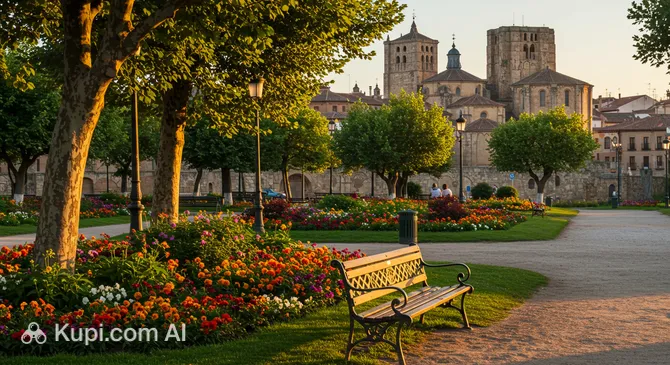
Welcome to Zamora, a captivating city that serves as a living museum of medieval architecture and timeless charm. Located in the northwest of Spain, within the autonomous community of Castile and León, this city is often overlooked by the masses, making it a perfect destination for travelers seeking an authentic and tranquil experience. Known as the "Capital of the Romanesque," Zamora boasts a unique atmosphere where every stone seems to whisper stories from the past.
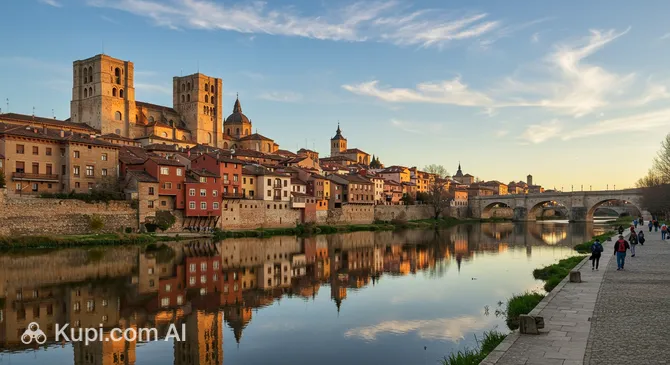
Zamora. Source: Kupi.Binoculars

Geographically, the city sits on a rocky hill overlooking the majestic Duero River, just a short distance from the Portuguese border. With a population of around 60,000 people, it offers the amenities of a modern urban center while retaining the cozy, walkable feel of a smaller town. The climate here is continental, characterized by cold winters and hot, dry summers, making spring and autumn ideal times for exploring its winding streets.

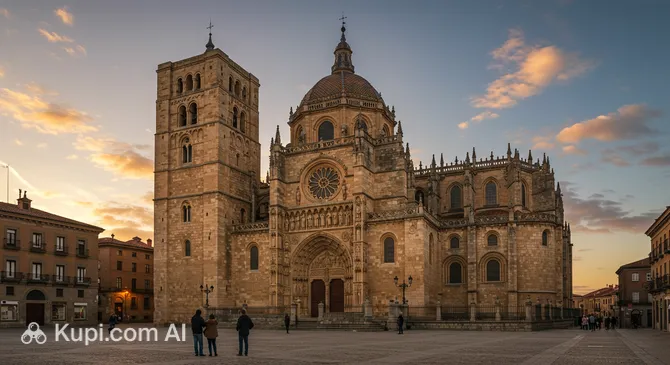
The history of Zamora is deeply etched into its urban landscape. The city is renowned for having the highest concentration of Romanesque churches in all of Europe, with over 20 well-preserved examples scattered throughout the historic center. Among its architectural jewels is the Zamora Cathedral, famous for its distinctive Byzantine-style dome covered in stone scales, which has become a symbol of the city.

Visitors should not miss a walk across the medieval Puente de Piedra (Stone Bridge), which offers stunning views of the river and the city walls. Another highlight is the Castle of Zamora, surrounded by lush gardens, providing a panoramic vantage point over the cathedral and the surrounding plains. Whether you are an art lover, a history buff, or simply looking for a peaceful getaway, Zamora invites you to lose yourself in its ancient heritage and enjoy its rich local gastronomy.
Weather Overview

The climate in Zamora is characterized by distinct seasonal contrasts, typical of a continental environment. Summers are generally hot and dry, particularly in July and August, when average temperatures sit around 23.4°C and daily highs frequently exceed 30°C. Winters, on the other hand, are quite cold, with January seeing average temperatures drop to approximately 5.0°C and lows nearing freezing.

Rainfall is unevenly distributed throughout the year, with the summer months being notably arid. The transitional seasons of spring and autumn tend to bring more frequent showers; for instance, April typically experiences about 12 wet days. To help you pack appropriately for your trip, you can consult the detailed guide to the weather in Zamora. In general, expect warm summers with minimal rain and cold winters, while spring brings milder temperatures mixed with occasional precipitation.

Interesting Facts

Beyond the main attractions, Zamora holds many fascinating secrets and historical curiosities that often escape the casual visitor's eye. From legendary riots to unexpected architectural styles, the city offers a deeper layer of culture to explore.

  • A Modernist Surprise: While the city is world-renowned for its Romanesque heritage, it is also a hidden gem of Art Nouveau. Zamora is one of the few municipalities included in the European Route of Modernism, boasting around 19 stunning modernist buildings. Many were designed by the architect Francesc Ferriol, creating a delightful and unexpected contrast with the medieval stone streets.

  • The Trout Mutiny: One of the city's most enduring legends is the "Motín de la Trucha" (Mutiny of the Trout) from 1158. According to the story, a dispute between a commoner and a nobleman over the purchase of a single trout at the market escalated into a massive riot. The conflict ended tragically with the nobility being trapped and burned inside a local church, an event that profoundly marked the city's social history.

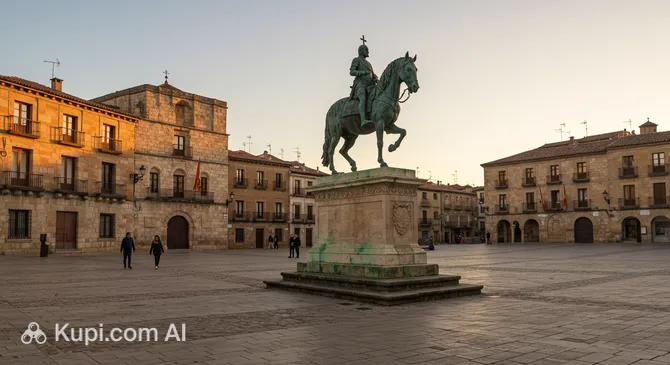
  • The Shepherd Who Defied Rome: In the heart of the city stands the Statue of Viriato, a tribute to the legendary Lusitanian leader. This shepherd-turned-warrior is celebrated for his brilliant guerrilla tactics that held off the Roman legions for years. The monument captures the leader in a powerful, defiant pose, symbolizing the unyielding spirit of the local resistance against the Roman Empire.

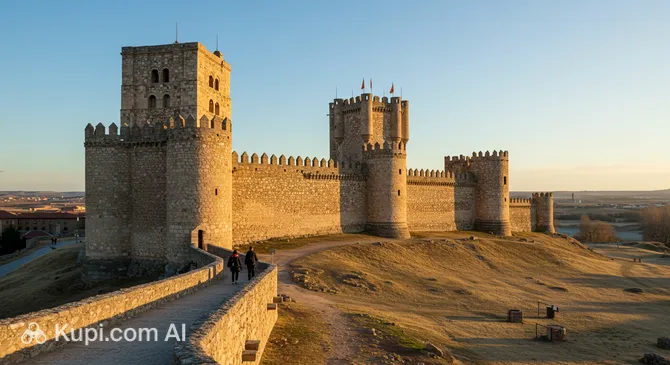
  • The Well-Enclosed City: Zamora famously earned the nickname "La Bien Cercada" (The Well-Enclosed) due to its formidable defensive systems. The Zamora Castle and its surrounding three rings of walls made the city nearly impregnable during the Middle Ages. A popular Spanish saying, "No se ganó Zamora en una hora" (Zamora wasn't won in an hour), references the long and difficult sieges the city withstood.

Zamora Castle. Source: Kupi.Binoculars

How to Get There

Reaching this historic city is relatively straightforward, thanks to its proximity to several major transport hubs in Spain. Whether you are arriving from international destinations or traveling within the country, you have multiple options to choose from. For a detailed breakdown of routes and tips, you can read more about how to get to Zamora.

The city of Zamora does not have its own airport, but it is well-connected to the rest of the world via nearby cities. The most significant international gateway is Adolfo Suárez Madrid-Barajas Airport (MAD) in Madrid, located approximately 215 km away. As one of Europe's busiest airports, it offers flights from virtually anywhere. From Madrid, the journey to Zamora takes about 2 hours and 30 minutes by car or taxi. For a closer option, you can fly into Valladolid Airport (VLL) in Valladolid, which is situated just 78 km from Zamora. The drive from there is quick, taking roughly 1 hour. Another viable alternative for international travelers is Porto Airport (OPO) in Porto, Portugal, located about 247 km away.

For clarity, here is a summary of the main airports serving the region:

Airport Name City Passenger Traffic Km from City
Adolfo Suárez Madrid-Barajas Airport Madrid Very Large 214.9
Porto Airport Porto Large 247.1
Asturias Airport Medium 230.1
Valladolid Airport Valladolid Small 77.9
Leon Airport Leon Small 120.8

Traveling by train is often the most convenient way to arrive, as the city is directly served by the Zamora Railway Station. Located just 1.5 km from the city center, this station connects Zamora to the high-speed rail network, making trips from Madrid fast and comfortable. If you are coming from other parts of the region, you might also pass through Campo Grande Station in Valladolid, a major rail hub about 86 km away, which offers extensive connections to northern Spain.

Below is a list of the nearest and most relevant railway stations:

Station City Passenger Traffic Km to Center
Campo Grande Station Valladolid High 86.5
León Railway Station Leon Medium 122.0
Palencia Railway Station Palencia Medium 115.8
Zamora Railway Station Zamora Medium 1.5
Salamanca Railway Station Salamanca 59.7

Main Attractions

Zamora is often celebrated as the "Museum of Romanesque Art," and exploring its streets feels like stepping back in time. The city's compact historic center is packed with architectural marvels, ancient fortifications, and scenic viewpoints that showcase its rich heritage. Whether you are interested in religious history, medieval engineering, or local culture, the main sights are conveniently located within walking distance of each other.

One of the most iconic landmarks is the Zamora Cathedral, a masterpiece of Romanesque architecture dating back to the 12th century. It is famous for its distinctive dome, covered in stone scales that resemble fish scales, a unique feature influenced by Byzantine styles. Inside, visitors can admire the intricate choir stalls and a museum housing an impressive collection of Flemish tapestries, making it a must-visit for art and history enthusiasts.

Zamora Cathedral. Source: Kupi.Binoculars

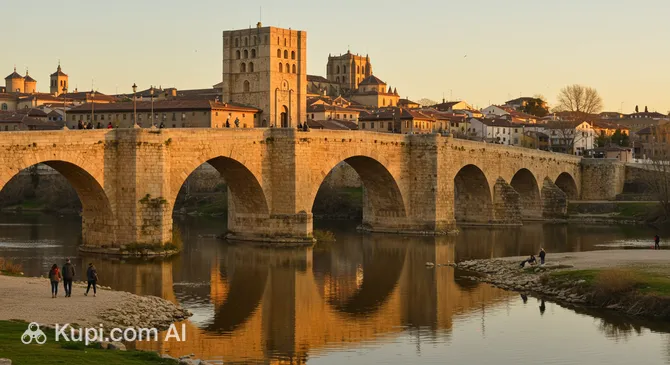
Spanning the majestic Duero River, the Stone Bridge is another symbol of the city. Built in the Middle Ages, this robust structure features 16 arches and served for centuries as a vital crossing point for people and goods. Today, it is pedestrian-only, offering a perfect spot for a leisurely stroll while enjoying panoramic views of the city walls and the riverbanks, especially during sunset.

Stone Bridge. Source: Kupi.Binoculars

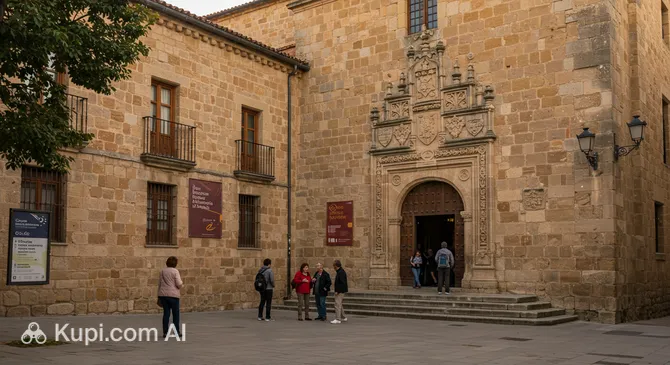
For a deep dive into the region's traditions, the Ethnographic Museum of Castile and León offers a modern contrast to the city's ancient stones. Housed in a contemporary building that integrates parts of the old city wall, the museum showcases thousands of artifacts related to the daily life, folklore, and customs of the people of Castile and León. It is an excellent place to understand the human side of the region's history beyond its battles and kings.

Ethnographic Museum of Castile and León. Source: Kupi.Binoculars

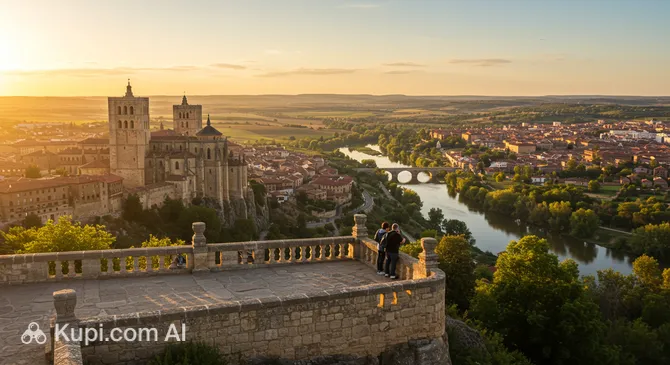
If you are looking for the best vantage point in the city, head to the Troncoso Viewpoint. Perched on the edge of the rocky cliffs near the cathedral, this small, romantic balcony offers breathtaking views of the river and the Stone Bridge below. It is a quiet, atmospheric corner often frequented by poets and painters seeking inspiration from the serene landscape.

Troncoso Viewpoint. Source: Kupi.Binoculars

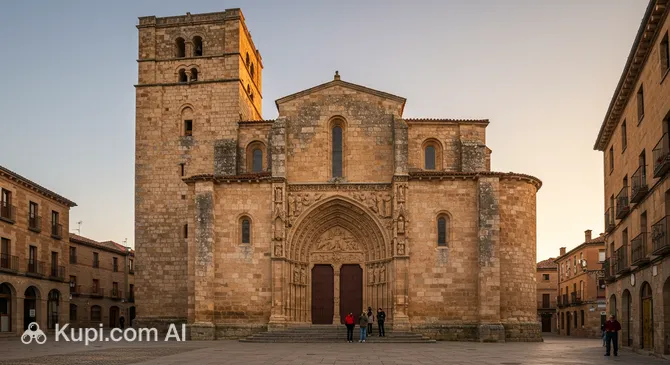
Another gem in the city's crown of religious buildings is the Church of San Pedro and San Ildefonso. This Romanesque church, built over Visigothic remains, is the largest in the city after the cathedral. It holds the remains of San Ildefonso, a patron saint of Zamora, and features a beautiful mix of architectural styles due to various renovations over the centuries, including a Gothic apse and a Baroque doorway.

Church of San Pedro and San Ildefonso. Source: Kupi.Binoculars

Local Cuisine

The cuisine of Zamora is a reflection of its land and history: hearty, unpretentious, and deeply flavorful. Rooted in traditional Castilian cooking, the local gastronomy relies heavily on high-quality ingredients sourced from the surrounding plains and valleys. Visitors can expect a culinary experience defined by roasted meats, legumes, and exceptional cheeses, making it a true paradise for lovers of rustic comfort food.

One of the city's absolute must-try dishes is Arroz a la Zamorana. Unlike the seafood paellas found on the coast, this rice dish is rich and meaty, typically cooked with pork ear, snout, and bacon, and seasoned with local paprika to give it a reddish hue and a soft, melting texture. Another staple is Bacalao a la Tranca, a cod dish prepared with potatoes, garlic, and paprika, often served with sliced boiled eggs and roasted peppers. For those visiting during Holy Week, the traditional Dos y Pingada—fried eggs with ham and chorizo—is a cultural icon.

The region is also famous for its exceptional produce. The Zamorano Cheese (Queso Zamorano), made from raw sheep's milk, has a Protected Designation of Origin and is renowned for its buttery texture and intense nutty flavor. It pairs perfectly with Chorizo Zamorano, a cured sausage that is a staple in every local pantry. If you have a sweet tooth, do not leave without trying the Cañas Zamoranas, puff pastry cylinders filled with rich custard cream.

No meal in Zamora is complete without a glass of local wine. The province is home to the prestigious Toro Designation of Origin (D.O.), known for producing powerful, full-bodied red wines made from the Tinta de Toro grape. These wines have gained international acclaim and are the perfect accompaniment to the region's robust meat dishes. For a lighter option, wines from the Arribes or Tierra del Vino regions offer excellent alternatives.

The dining culture in Zamora is vibrant, particularly the tradition of "tapeo" (going for tapas). The area around Calle de los Herreros, locally known as "Los Lobos," is the heart of this social ritual, where locals hop from bar to bar enjoying small bites. For a sit-down meal that captures the essence of the city, El Mesón del Zorro Restaurant serves traditional recipes in a welcoming setting.

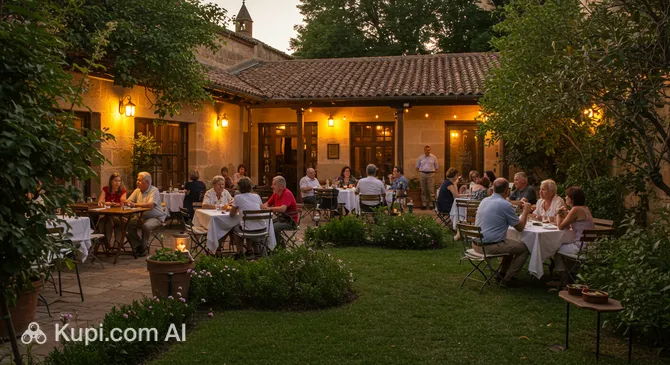
El Mesón del Zorro Restaurant. Source: Kupi.Binoculars

For a more atmospheric experience, you can visit La Bodega Del Arrabal, where you can dine in a rustic environment that feels like a step back in time. Those looking for casual bites and a friendly vibe might enjoy Mesón Bayadoliz, a great spot to sample local flavors. If you want to end your evening with a drink and some music, The Live Jazz Cave offers a unique setting to relax after a day of culinary exploration.

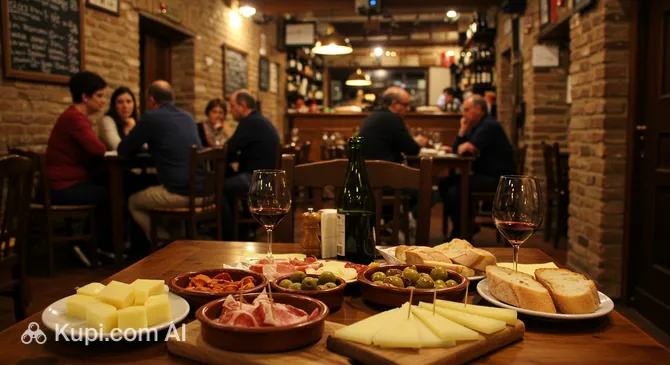
La Bodega Del Arrabal. Source: Kupi.Binoculars

Travel Tips

To help you make the most of your visit to this architectural jewel on the banks of the Duero, we have compiled a list of essential travel advice. Whether you are here for the history, the food, or the peaceful atmosphere, these practical tips will ensure your trip to Zamora is smooth and enjoyable.

  1. Clothing and Gear: Zamora is a city best explored on foot, and its historic center is paved with cobblestones, so bringing comfortable, sturdy walking shoes is the most important packing tip. The climate varies significantly; if you visit in summer, pack light, breathable clothing, sunglasses, and a hat to handle the heat. In winter, heavy coats and layers are necessary as temperatures drop near freezing. Remember that to enter the cathedral and other active churches, you should dress modestly, covering your shoulders and knees.

  2. Transportation: The historic center of Zamora is compact and largely pedestrian-friendly, making walking the best way to get around. You likely won't need public transport for sightseeing within the old town. Taxis are available and affordable if you need to get to the train station or the outskirts. Car rental is only recommended if you plan to explore the wider province, such as the Arribes del Duero or the Toro wine region; keep in mind that parking within the medieval walls can be difficult, so look for public parking lots just outside the historic perimeter.

  3. Finances: The local currency is the Euro (€). While credit and debit cards are widely accepted in hotels, restaurants, and larger shops, it is highly advisable to carry some cash. Smaller tapas bars, bakeries, or souvenir shops might not accept cards for small amounts. ATMs are plentiful throughout the city. Tipping is not mandatory in Spain, but it is polite to round up the bill or leave some loose change at bars and cafes if the service was good.

  4. Health and Safety: Zamora is one of the safest cities in Spain, with very low crime rates, making it comfortable to walk around even at night. However, always exercise standard common sense regarding personal belongings. Pharmacies are marked with a green cross; if you need one outside of standard hours, look for the "Farmacia de Guardia" (duty pharmacy) schedule displayed on their doors. For any serious emergencies, dial 112, which is the general European emergency number.

  5. Communication: The official language is Spanish (Castilian). While staff in hotels and major tourist attractions usually speak English, it is less common among older locals or in traditional neighborhood bars. Learning a few basic phrases like "Hola" (Hello), "Gracias" (Thank you), and "La cuenta, por favor" (The bill, please) will go a long way. Free Wi-Fi is often available in public squares and cafes, but for reliable connectivity, EU citizens can use their home data plans, while others might consider buying a local prepaid SIM card.

  6. Local Etiquette: Spaniards generally eat later than many other Europeans. Lunch is typically the main meal of the day, served between 2:00 PM and 3:30 PM, while dinner is rarely eaten before 9:00 PM. When entering a shop or elevator, it is polite to greet others with a "Buenos días" or "Buenas tardes." In tapas bars, it is customary to stand at the counter and enjoy your drink and bite in a lively, social atmosphere.

  7. What to Avoid: Do not expect to find kitchens open for dinner at 6:00 PM or 7:00 PM; most restaurants will be closed or only serving drinks at that time. Also, try to avoid being loud inside churches, especially if a service is taking place. The locals take their religious heritage seriously, particularly during the solemn processions of Holy Week (Semana Santa).

  8. Siesta Hours: Be aware of the "siesta" schedule. Many smaller shops, local businesses, and even some churches close in the afternoon, roughly from 2:00 PM to 5:00 PM, before reopening for the evening. Plan your shopping or church visits for the morning or late afternoon to avoid finding closed doors.

Armed with these tips, you are all set to navigate the winding streets and rich culture of Zamora with confidence. Embrace the local rhythm, enjoy the stunning sunsets over the Duero, and let the city's timeless charm create unforgettable memories for you.

Entertainment & Nightlife

Entertainment and Leisure:

Beyond its impressive monumental heritage, Zamora offers a relaxed atmosphere with excellent options for shopping and enjoying the outdoors. For those who wish to indulge in some retail therapy, the city features modern facilities that complement its traditional small commerce. The Vista Alegre Shopping Center is a popular destination, offering a variety of fashion stores and services. Similarly, the Valderaduey Shopping Center provides a comprehensive shopping experience with a hypermarket and diverse shops, ideal for travelers needing to purchase supplies or gifts.

Vista Alegre Shopping Center. Source: Kupi.Binoculars

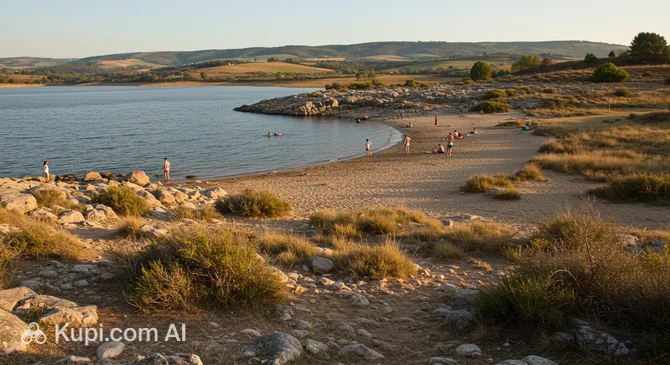
Nature lovers will find the banks of the Duero River to be the perfect playground for leisure. Pelambres Beach, situated on the river's left bank, is a standout location. Although it is not a swimming beach in the traditional sense, its expansive grassy areas and shaded spots make it a favorite for picnics, sunbathing, and admiring the stunning skyline of the cathedral and castle from across the water.

Pelambres Beach. Source: Kupi.Binoculars

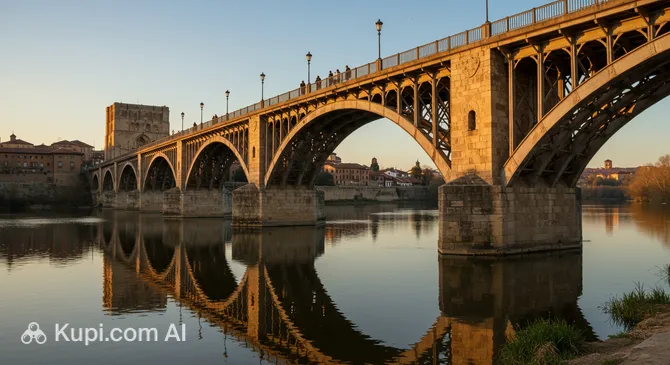
For a change of pace and scenery, a walk to the Iron Bridge is highly recommended. This 19th-century engineering marvel offers a striking contrast to the city's medieval stone structures and provides a unique vantage point over the river. Nearby, San Martín Park serves as a quiet green oasis, inviting visitors to take a leisurely stroll and enjoy the serene ambiance of this historic city.

Iron Bridge. Source: Kupi.Binoculars

Parks & Museums

While Zamora is renowned for its stone architecture, the city also offers delightful green spaces and cultural institutions that provide a deeper understanding of its heritage. Visitors looking to take a break from the medieval streets can find solace in the city's parks, while those eager to explore the local artistic legacy will find several unique museums worth visiting.

The most significant natural area in the city is the Valorio Forest (Bosque de Valorio), often described as the "green lung" of Zamora. Located just on the outskirts of the urban center, this expansive park covers roughly 80 hectares and serves as a favorite recreational spot for locals. It features a network of walking paths, a small stream, and picnic areas shaded by tall trees, making it an ideal destination for a morning jog or a relaxing afternoon escape from the summer heat.

Closer to the historic heart, San Martín Park offers a charming and quiet retreat. Situated near the medieval walls, this park provides a peaceful atmosphere where visitors can rest after a day of sightseeing. Its well-maintained pathways and greenery make it a lovely spot to enjoy the fresh air while remaining within walking distance of the main landmarks.

San Martín Park. Source: Kupi.Binoculars

Another essential green space is the Castle Gardens (Parque del Castillo). Surrounding the ancient fortress, these gardens are beautifully landscaped and offer some of the best panoramic views in the city. Walking through the manicured lawns while looking out over the cathedral dome and the Duero River is a highlight of any trip to Zamora. Within the castle grounds, art lovers will find a hidden gem: the Baltasar Lobo Museum. Dedicated to the Zamoran sculptor Baltasar Lobo, this museum displays a fascinating collection of contemporary sculptures that create a striking contrast against the medieval stone walls of the fortress.

For a deep dive into the city's most fervent tradition, the Holy Week Museum (Museo de Semana Santa) is an absolute must-visit. Zamora's Holy Week is declared of International Tourist Interest, and this museum houses the magnificent "pasos" (processional floats) used during the celebrations. It allows visitors to admire the intricate wood carvings and religious artistry up close, regardless of the season. Additionally, the Museum of Zamora, located in the Renaissance-style Palace of the Cordón, offers a comprehensive journey through the province's history, featuring archaeological finds ranging from the Roman era to fine arts.

Finally, no cultural tour is complete without pausing at the Plaza de Viriato. This central square is dominated by the iconic Statue of Viriato, a monument dedicated to the shepherd-warrior who resisted Roman conquest. The square itself is a pleasant urban space, shaded by large plane trees, where the history of the land meets the daily life of its residents.

Statue of Viriato. Source: Kupi.Binoculars

Getting Around

Navigating Zamora is delightfully simple, as the city’s compact size and pedestrian-friendly layout make it easy to explore. Unlike larger metropolises, Zamora does not have a metro, tram, or trolleybus system. Instead, the public transport network consists entirely of an efficient urban bus service that connects the historic center with the residential neighborhoods, the railway station, and the hospital. For most visitors, the historic core is best explored on foot, but the buses provide a convenient option for reaching the outskirts or traveling with luggage.

The bus network, operated by SemuraBus, consists of several lines that crisscross the city. The most useful routes for tourists are those connecting the train station and the bus station to the main squares, such as Plaza de la Marina or Plaza de Alemania. The buses are modern, comfortable, and generally punctual. You can easily identify them by their distinct branding, and stops are clearly marked with route maps and schedules, making it straightforward to figure out your journey.

Regarding payment, the system is user-friendly for short-term visitors. You can purchase a single ticket directly from the driver when boarding the bus; it is advisable to carry small change or coins, as drivers may not be able to change large banknotes. The price for a single trip is very affordable, typically costing just over one euro. If you plan to stay longer or use the bus frequently, rechargeable travel cards (Bonobús) are available at authorized kiosks and tobacco shops, offering a significantly reduced fare per ride, though this is rarely necessary for a typical tourist visit.

Buses generally operate from early morning, around 7:00 AM, until approximately 10:30 PM on weekdays. On weekends and public holidays, the frequency is reduced, and service hours may start later and end earlier. It is important to check the specific schedule at the bus stop or via the operator's website if you are traveling on a Sunday. Once on board, remember to validate your ticket or tap your card if you have purchased a pass.

For alternatives to the bus, taxis are readily available and relatively inexpensive compared to larger European cities. You can find taxi ranks at strategic locations like the train station, bus station, and major plazas. Taxis are white and can be hailed on the street if the green light on the roof is lit, or booked via telephone. While car-sharing apps are not as prevalent here as in major capitals, the local taxi service is reliable and sufficient for most needs. Additionally, the city is gradually becoming more bike-friendly, with some rental options available for those who prefer to cycle along the riverbanks.

A special feature worth mentioning for visitors is the "Tren Turístico" (Tourist Train), which operates primarily during the peak summer season and holidays. While not a mode of public transport for commuting, this wheeled train offers a guided tour through the narrow, cobbled streets of the old town, providing a relaxing way to see the main monuments without walking up the steep hills. It is a fantastic option for families or those who want a quick overview of the city's architectural highlights before diving in on foot.

Accommodation

Finding the perfect place to stay in Zamora is relatively easy, as the city offers a welcoming range of accommodation options that cater to various tastes and budgets. Unlike vast tourist metropolises, Zamora’s hospitality scene is characterized by a more intimate and personal touch. Travelers can choose from upscale hotels housed in beautifully restored historic buildings—such as Renaissance palaces or convents—to modern, functional hotels located in the commercial center. For those seeking a more economical or authentic experience, there are numerous "hostals" (guesthouses) and an increasing number of tourist apartments that allow visitors to live like locals.

When it comes to choosing a location, the Historic Center (Casco Antiguo) is undoubtedly the most atmospheric choice. Staying within the medieval walls places you just steps away from major landmarks like the Zamora Castle and the Zamora Cathedral. This area is perfect for those who want to immerse themselves in the city’s Romanesque charm and enjoy the vibrant tapas scene right at their doorstep. However, keep in mind that parking in this zone can be restricted due to narrow, pedestrianized streets.

Alternatively, the Modern City Center, expanding around Plaza de la Marina and Calle Santa Clara, offers a convenient blend of accessibility and comfort. This area is ideal for travelers who prefer easy access to shops, services, and the main bus routes while still being just a short walk from the historic sights. For those arriving by train or planning to explore the surrounding province by car, accommodations near the railway station or the outer avenues provide easier parking facilities and quick access to the main highways.

A crucial tip for booking accommodation in Zamora revolves around the city's calendar of events. If you plan to visit during Holy Week (Semana Santa), which is the city's most significant and famous celebration, it is essential to book months in advance. During this period, the city fills to capacity, and prices rise significantly. Similarly, summer weekends can be busy, so securing your reservation early is always recommended to ensure the best choice of rooms.

In terms of pricing, Zamora is generally quite affordable compared to Spain's larger tourist hubs. Visitors can often find excellent value for money, with mid-range hotels offering high-quality amenities at reasonable rates. Booking is straightforward, with most establishments listed on major online platforms, though contacting smaller guesthouses directly can sometimes yield better deals or more personalized service.

Nearby Cities

For those looking to explore the surroundings, Zamora serves as an excellent base for day trips to several interesting nearby locations:

One of the most compelling destinations is Salamanca, located just an hour away. Known as the "Golden City" due to the glowing sandstone used in its construction, it is a UNESCO World Heritage site famous for housing one of the oldest universities in Europe. Visitors can marvel at the intricate façade of the university, relax in the magnificent Plaza Mayor, and enjoy the lively atmosphere created by the large student population.

To the east lies Valladolid, the vibrant capital of the Castile and León region. This city blends rich history with modern urban life, boasting impressive Renaissance architecture and the renowned National Sculpture Museum. It is also a fantastic spot for gastronomy lovers, offering excellent tapas bars and proximity to some of Spain's most prestigious wine regions.

For those willing to travel a bit further, Leon offers a breathtaking experience with its majestic Gothic cathedral, celebrated for having some of the finest stained glass windows in the world. The city is also home to the Basilica of San Isidoro and the Casa Botines, a modernist building designed by Antoni Gaudí, making it a cultural treasure trove worth the journey.

City Population Distance (km)
Valladolid 297775 87
Salamanca 143269 60
Leon 122051 122
Palencia 77090 116
Avila 57949 130

These nearby destinations offer a glimpse into the diverse culture and landscapes of the region.

Shopping & Souvenirs

Shopping in Zamora is a pleasant and unhurried activity that allows visitors to discover the essence of the province. The city does not boast the frantic pace of large capitals, but rather offers a curated selection of shops where quality and tradition take precedence. It is particularly famous for its high-quality food products and artisan crafts, making it a paradise for those who wish to take a taste of authentic Spain back home.

The commercial life of the city revolves around Calle Santa Clara. This bustling pedestrian street acts as the spine of the modern center, lined with well-known international fashion brands, historic pharmacies, and local boutiques. As you walk from the Parque de la Marina towards the Plaza Mayor, you will pass through Calle San Torcuato, another key thoroughfare where you can find everything from footwear to books and accessories. These streets offer a lively atmosphere, perfect for window shopping while enjoying the local architecture.

If you prefer having everything under one roof, the city is served by accessible shopping centers. The Valderaduey Shopping Center is a primary destination for locals, housing a large hypermarket and a variety of stores selling clothing, electronics, and home goods. Nearby, the Vista Alegre Shopping Center offers additional retail options, making it easy to find daily necessities and travel supplies in a comfortable, climate-controlled environment.

Valderaduey Shopping Center. Source: Kupi.Binoculars

For a truly authentic experience, head to the Mercado de Abastos (Central Market). Located in a beautiful modernist building made of brick and iron, this market is where residents buy their daily groceries. It is the perfect place to see the vibrant colors of fresh vegetables from the nearby valleys and to purchase high-quality meats. Additionally, a weekly street market is typically held on Tuesdays, usually in the area near the train station or fairgrounds, offering clothes, shoes, and miscellaneous items at bargain prices.

When it comes to souvenirs, Zamora excels in gastronomy. The star product is undoubtedly Queso Zamorano, a protected sheep's milk cheese with a distinct, intense flavor. Cured meats, especially Chorizo Zamorano, are also essential buys. For non-food items, look for traditional pottery from the nearby village of Pereruela, known for its refractory clay pots that are used in kitchens across Spain. You can also find intricate textile crafts and jewelry in the small artisan shops scattered around the historic center.

Store hours in Zamora generally follow the traditional Spanish schedule. Small shops typically open from 10:00 AM to 2:00 PM, close for the afternoon "siesta," and reopen from 5:00 PM to 8:30 PM. Larger shopping centers and supermarkets, however, usually remain open all day from 10:00 AM to 10:00 PM. Most establishments accept credit and debit cards, but it is always useful to carry some cash for small purchases at markets or kiosks. Sundays are generally quiet, with most shops closed except for some bakeries and convenience stores.

Travelers residing outside the European Union are eligible for a VAT refund on purchases made in Spain. Look for the "Tax-Free" sign in store windows. If you spend over a certain amount, you can request a tax-free form (DIVA) at the checkout, which you will need to validate at customs upon leaving the EU to receive your refund.

Reached the end of the page?

That means the route is fully explored