Support

Vitoria-Gasteiz

About

Vitoria-Gasteiz is a captivating city that serves as the seat of government for the Basque Country and the capital of the Álava province. Located in northern Spain, this vibrant destination offers a perfect blend of medieval charm and modern sustainability. Often praised for its high quality of life and welcoming atmosphere, it is a place where history and innovation coexist harmoniously.

Geographically, the city sits on a plain surrounded by mountains, providing a scenic backdrop for its residents and visitors. With a population of approximately 254,000 people, Vitoria-Gasteiz maintains a lively urban energy without losing its tight-knit community feel. Its strategic location makes it an important crossroads, while the climate offers a pleasant transition between the oceanic weather of the north and the Mediterranean influences of the interior.
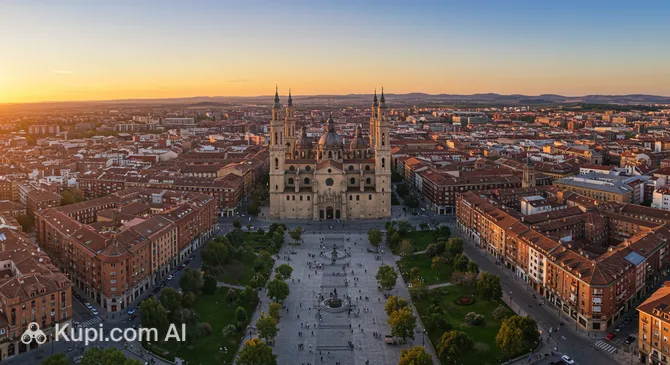
Vitoria-Gasteiz. Source: Kupi.Binoculars

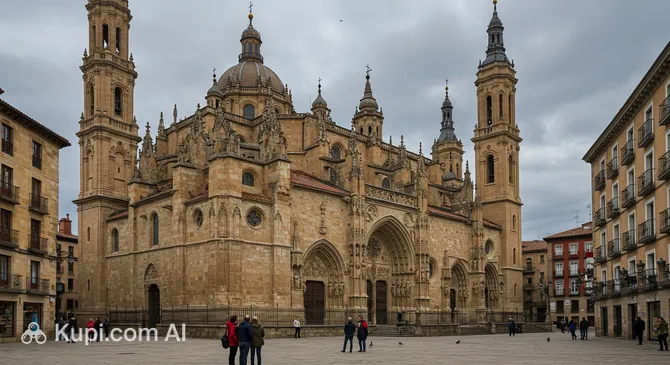
One of the city's most striking features is its well-preserved medieval quarter, affectionately known as the Almond due to its distinctive oval shape. As you wander through its ancient streets, you can delve into the fascinating history of Vitoria-Gasteiz, tracing its origins back to the 12th century. A standout landmark within this historic core is the Cathedral of Santa Maria, a Gothic masterpiece that is famous for being "open for works," allowing visitors to see its restoration process up close.

Nature lovers will be particularly drawn to the city's renowned Green Belt (Anillo Verde), a network of parks and green spaces that encircle the urban area. This exceptional commitment to the environment earned Vitoria-Gasteiz the title of European Green Capital in 2012. Whether you are interested in exploring rich heritage, tasting delicious Basque cuisine, or enjoying outdoor activities, this city invites you to discover its unique character and hidden treasures.
Weather Overview

The climate in this region offers distinct seasons, generally characterized by cool winters and mild, comfortable summers. To ensure you are prepared for your visit, it is a good idea to check the detailed weather in Vitoria-Gasteiz when planning your itinerary.

Summer is the warmest time of year, particularly in August, when average temperatures hover around 19.9°C and daytime highs can reach up to 25.2°C. While this season is the driest, rain is still a possibility, with July seeing approximately 9 wet days.

In contrast, winters are colder and damper. January is typically the chilliest month, with average temperatures dropping to 5.4°C and minimums around 2.0°C. Rainfall is a consistent feature throughout the year, peaking at 16 wet days in months like March and November. Expect warm summers with occasional showers and cold winters with frequent rainfall.

Interesting Facts

Beyond its medieval streets and green accolades, Vitoria-Gasteiz holds fascinating secrets that link it to world-famous literature and music.
Cathedral of Santa María of Vitoria. Source: Kupi.Binoculars
  • The Cathedral of Santa María of Vitoria served as a key inspiration for the best-selling author Ken Follett. The writer was so captivated by the cathedral's unique restoration process and history that he used it as a muse for his novel World Without End; today, a statue of the author stands near the entrance to honor this connection.

  • This city is arguably the world capital of Spanish playing cards. The Fournier Playing Card Museum – BIBAT houses one of the most significant card collections globally, celebrating the legacy of Heraclio Fournier, who established his printing factory here and created the iconic deck designs still used in Spain today.

  • A decisive historical moment in the city inspired a musical masterpiece by Ludwig van Beethoven. The Battle of Vitoria in 1813, which saw the defeat of Napoleon's troops, prompted the composer to write his orchestral work Wellington's Victory (or the Battle Symphony) to celebrate the triumph.

  • Nature is so integrated into the urban fabric that you can observe wild deer just a few steps from the city outskirts. The wetlands of Salburua Park are home to a thriving population of deer and European mink, offering a rare wildlife safari experience within walking distance of residential areas.

How to Get There

Reaching this Basque capital is straightforward, thanks to its strategic location and excellent transport connections. Whether you prefer flying or taking the train, there are several convenient options to suit your itinerary. For a complete overview of all travel methods and detailed routes, you can read more about how to get to Vitoria-Gasteiz.

If you plan to arrive by air, the most convenient option is the local Vitoria Airport (VIT). Located just 5.3 km from the city center, it is a small but efficient hub. A taxi or bus ride from here typically takes around 30 minutes. Alternatively, many international travelers choose to fly into Bilbao Airport (BIO), which is the largest facility in the region. Situated in the city of Bilbao, approximately 53 km away, it offers a much wider range of flight connections. The journey from Bilbao Airport to Vitoria-Gasteiz by road takes about 1 hour and 40 minutes.

For clarity, here is a summary of the main airports:

Airport Name City Passenger Traffic Km from City
Bilbao Airport Bilbao High 53.4
Santander Airport Santander Medium 113.2
San Sebastian Airport San Sebastian Medium 91.0
Vitoria Airport Vitoria-Gasteiz Low 5.3
Pamplona Airport Pamplona Low 84.5

Traveling by train is another excellent way to reach the city. The Vitoria Railway Station is centrally located within Vitoria-Gasteiz itself, just 1.3 km from the main attractions. This makes arrival extremely convenient, with a transfer time of roughly 20 minutes to most hotels in the center. The station connects the city with major Spanish destinations, offering a comfortable and scenic journey.

Below is a list of the nearest railway stations:

Station City Passenger Traffic Km to Center
Abando Railway Station Bilbao High 49.7
San Sebastian Railway Station San Sebastian High 76.6
Pamplona Railway Station Pamplona Medium 82.8
Vitoria Railway Station Vitoria-Gasteiz Medium 1.3
Logroño Railway Station Logroño Medium 47.9

Main Attractions

Vitoria-Gasteiz is a city that rewards those who take the time to explore its streets, offering a mix of historic grandeur, modern art, and lush green spaces. While the Old Cathedral often takes the spotlight, the city is packed with other remarkable sites that define its character. Here are some of the top places you should not miss during your visit.

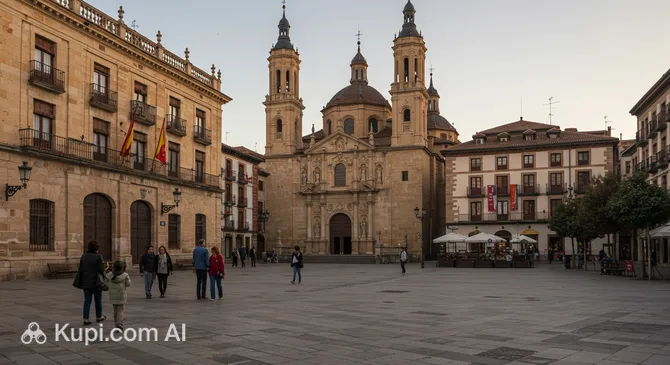
The beating heart of the city is undoubtedly Virgen Blanca Square. This bustling plaza is the central meeting point for locals and the perfect spot to begin your tour. Dominated by a monument commemorating the Battle of Vitoria, it is surrounded by traditional houses with white glazed balconies known as miradors. It is a lively space where you can soak up the local atmosphere, enjoy a coffee on a terrace, or take a photo with the iconic green "Vitoria-Gasteiz" sculpture located nearby.

Virgen Blanca Square. Source: Kupi.Binoculars

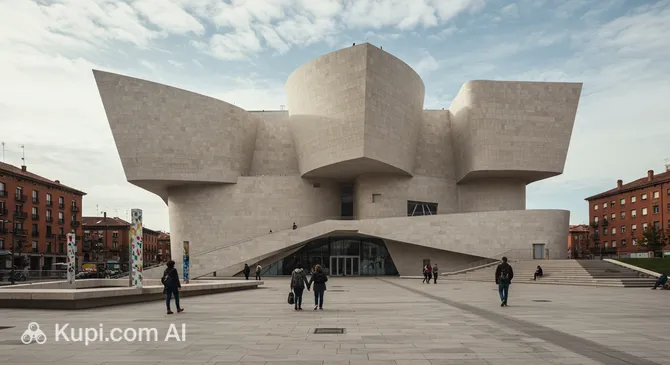
For art enthusiasts, the Artium Museum is an essential stop. As the Basque Centre-Museum of Contemporary Art, it houses an impressive collection of modern works by Basque and Spanish artists. The building itself is a unique architectural statement, with much of its exhibition space located underground. It offers a dynamic cultural experience with rotating exhibitions, ensuring there is always something new and thought-provoking to discover.

Artium Museum. Source: Kupi.Binoculars

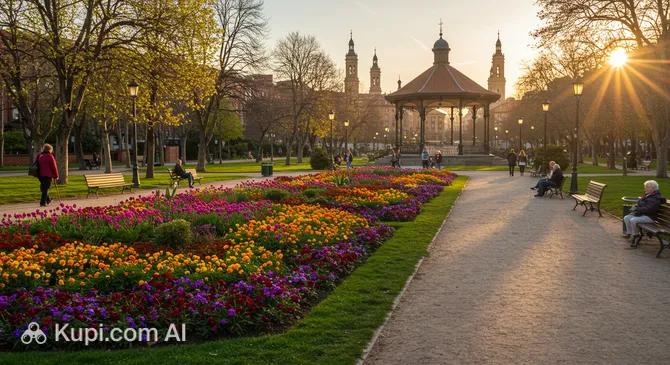
If you are looking for a peaceful retreat in the city center, head to Florida Park. Established in the 19th century, this romantic garden was inspired by French landscape design and remains the city's most emblematic green space. Walking through its winding paths, you will find a charming bandstand, statues of Gothic kings, and a variety of botanical species. It is a favorite spot for a relaxing stroll or a quiet break from sightseeing.

Florida Park. Source: Kupi.Binoculars

Architecture lovers should also visit the Cathedral of Mary Immaculate, often referred to as the New Cathedral. Built in a striking Neo-Gothic style, this imposing structure contrasts beautifully with the medieval Old Cathedral. Its high naves and intricate stained glass windows are captivating, and the building also houses the Museum of Sacred Art of Álava, where you can admire religious sculptures, paintings, and silverware from the region's history.

Local Cuisine

The culinary scene in Vitoria-Gasteiz is a reflection of the Basque Country's renowned gastronomic reputation, characterized by high-quality local ingredients and a passion for good food. As the former Spanish Capital of Gastronomy, the city takes pride in its seasonal produce, from fresh vegetables grown in the nearby plains to savory meats. The most famous way to experience this culture is through pintxos, small gourmet snacks served on bread, which line the counters of almost every bar in the city.

When it comes to signature dishes, you must try perretxikos (St. George's mushrooms), a delicacy particularly prized in this region, often scrambled with eggs to highlight their earthy flavor. Another traditional specialty, especially during the festival of San Prudencio, is caracoles a la alavesa (snails Álava style), cooked in a rich sauce with tomato, peppers, and chorizo. For dessert, the local favorite is undoubtedly goxua, a decadent layered sweet made with whipped cream, sponge cake, pastry cream, and caramelized sugar, which originated in this very city.

No meal in Vitoria-Gasteiz is complete without the appropriate local drink. The region of Álava is famous for its vineyards, particularly those in the Rioja Alavesa area, which produce some of the finest red wines in the world. If you prefer white wine, try Txakoli, a slightly sparkling, dry wine that pairs perfectly with seafood and pintxos. The culture of poteo—moving from bar to bar to have a small drink and a pintxo—is the best way to mingle with locals and enjoy the vibrant atmosphere.

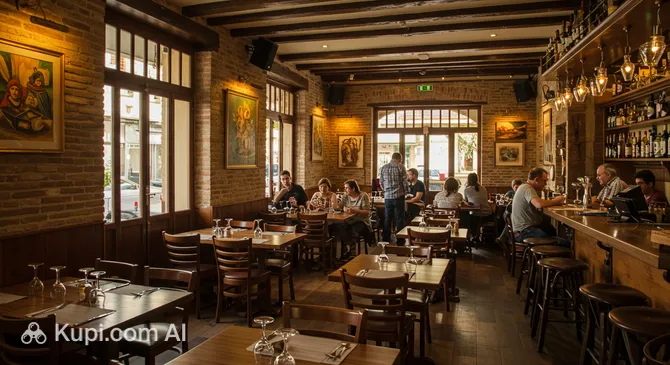
Sukalki Restaurant. Source: Kupi.Binoculars

Visitors will find a wide array of dining options ranging from casual taverns to upscale establishments. For a taste of creative cuisine that respects tradition, you might visit Sukalki Restaurant, known for its hearty dishes and welcoming vibe. Alternatively, if you are looking to experience the lively tapas culture, Manaos Tapas Bar is a great spot to sample a variety of flavors in a relaxed setting. Whether you are seated at a table or standing at a bar, the food here is sure to be a highlight of your trip.

Travel Tips

To ensure your visit to Vitoria-Gasteiz is as smooth and enjoyable as possible, we have compiled a list of practical advice covering everything from local customs to logistics. These tips will help you navigate the city like a local, allowing you to focus on exploring its green parks and historic streets without any unexpected hiccups.

  1. Prepare for changeable weather. The climate in the Basque Country can be unpredictable, with rain being a possibility throughout the year. It is essential to pack a waterproof jacket or a sturdy umbrella, even in summer. Since the best way to see the city is on foot, bring comfortable, non-slip walking shoes to navigate the cobblestone streets of the Medieval Almond. For religious sites like the cathedrals, ensure your shoulders and knees are covered.

  2. Embrace sustainable transport. Vitoria-Gasteiz is a European Green Capital, and its design reflects this. The city is incredibly walkable and flat, making it perfect for exploring on foot or by bicycle. The public transport system includes an efficient network of trams (Euskotren) and buses (Tuvisa) that connect all major neighborhoods. You likely won't need a car within the city center; in fact, parking can be difficult and expensive in the historic core.

  3. Keep some cash handy. While credit and debit cards (Visa and Mastercard) are widely accepted in hotels, restaurants, and shops, carrying some cash in Euros (€) is highly recommended. You will need it for small purchases, such as paying for a quick coffee or a single pintxo in a traditional bar. ATMs are plentiful, and tipping is not mandatory but appreciated; rounding up the bill or leaving some loose change is the standard practice.

  4. Stay safe and healthy. Vitoria-Gasteiz is considered one of the safest cities in Spain, but it is always wise to keep an eye on your belongings in crowded areas. Pharmacies are marked with a green cross; if you need one after hours, look for a sign indicating the farmacia de guardia (duty pharmacy). For any emergencies, the universal number to dial is 112, which works for police, fire, and medical assistance.

  5. Navigate the language landscape. Spanish and Basque (Euskera) are co-official languages. While everyone speaks Spanish, locals appreciate it if you know a few words of Basque, such as Kaixo (Hello) and Eskerrik asko (Thank you). English is generally understood in tourist offices and major hotels, but proficiency may be lower in smaller local bars and shops, so having a translation app downloaded can be very useful.

  6. Adapt to local schedules. Life here follows a later rhythm compared to much of Europe. Lunch is typically the main meal of the day, served between 2:00 PM and 3:30 PM, while dinner is rarely eaten before 9:00 PM. If you try to find a full meal at 6:00 PM, kitchens will likely be closed. Instead, do as the locals do and enjoy some pintxos at the bar to tide you over until dinner time.

  7. Avoid sensitive topics. The Basque Country has a unique political history and a strong sense of identity. As a visitor, it is best to avoid initiating intense political discussions or making comparisons with other regions, as these can be sensitive subjects. Focus instead on the shared love for culture, nature, and gastronomy, which are great conversation starters.

  8. Join the "Pintxo-Pote" tradition. If you are in the city on a Thursday (and sometimes Friday) evening, look out for the Pintxo-Pote. This is a popular local custom where bars offer a drink (wine, beer, or cider) accompanied by a small snack for a specifically discounted price. It is a fantastic, budget-friendly way to experience the social atmosphere and taste various local bites.

By keeping these practical tips in mind, you will be well-equipped to experience the authentic lifestyle of Vitoria-Gasteiz. Whether you are cycling through the Green Belt or enjoying the lively ambiance of a Thursday evening, you are sure to feel right at home in this welcoming Basque city.

Entertainment & Nightlife

Vitoria-Gasteiz offers a vibrant array of entertainment options that extend well beyond its historical sightseeing. The city is a dynamic cultural hub, hosting internationally renowned events such as the Vitoria-Gasteiz Jazz Festival and the Azkena Rock Festival, which fill the streets with music and energy every summer. Whether you are looking for modern shopping experiences, exciting sports events, or a lively night out, the city has something to suit every taste.

For those who enjoy retail therapy, the Boulevard Shopping Center is the premier destination. Located just north of the city center on the site of a former steelworks, this expansive mall features a wide variety of fashion brands, restaurants, and a cinema complex. Alternatively, for a classic department store experience, El Corte Inglés offers everything from high-end clothing to gourmet local products in the heart of the commercial district.

Sports enthusiasts will find themselves right at home, as basketball is a major passion in this region. The impressive Fernando Buesa Arena is the fortress of the local team, Saski Baskonia. Catching a game here is an electrifying experience due to the devoted fanbase, but the venue also serves as a major multipurpose hall for large-scale concerts and cultural shows throughout the year.

As evening falls, the city's nightlife invites visitors to relax and socialize. The atmosphere is particularly engaging in the pedestrian-friendly streets, where locals gather for drinks and conversation. For a spot with a distinct character, the Dublin Café offers a welcoming pub environment with good music, making it a popular choice for those wanting to experience the local night scene.

If you prefer active leisure in nature, the Olarizu park provides a perfect escape. Part of the Green Belt, this area features a botanical garden and a hill topped with a large cross. A hike to the summit rewards you with panoramic views of Vitoria-Gasteiz and the surrounding plains, offering a peaceful counterpoint to the urban buzz.

Parks & Museums

Vitoria-Gasteiz is widely celebrated as a European Green Capital, offering a seamless integration of urban living and natural landscapes. Beyond its environmental accolades, the city boasts a sophisticated network of museums that preserve its artistic and historical heritage, making it a destination where culture and nature go hand in hand.

The crown jewel of the city's environmental efforts is the Salburua Park. This extensive wetland area is a vital part of the Vitoria-Gasteiz Green Belt and serves as a sanctuary for diverse wildlife, including nesting birds and the endangered European mink. It is an ideal spot for nature lovers to walk or cycle along the flat paths that crisscross the marshes. Inside the park, you will find the Ataria Interpretation Centre, a modern facility with a cantilevered viewing platform that offers spectacular vistas of the ecosystem and educational exhibits about the local biodiversity.

Salburua Park. Source: Kupi.Binoculars

For those seeking a spacious green retreat closer to the urban core, the San Juan Park of Arriaga is the largest city park in Vitoria-Gasteiz. Covering nearly 19 hectares, this area is dominated by majestic horse chestnut and acacia trees, providing ample shade for picnics and leisurely strolls. It is a favorite among local families and features wide avenues, a lake, and plenty of recreational space, offering a peaceful atmosphere distinct from the more manicured gardens of the city center.

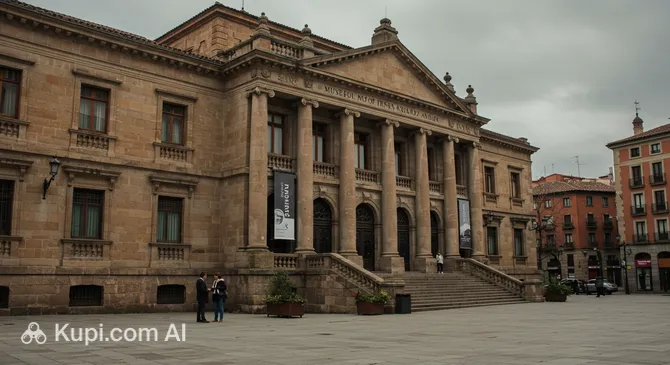
Turning to culture, the Museum of Fine Arts of Álava is a must-visit for art enthusiasts. Housed in the stunning Augustin-Zulueta Palace, a beautiful example of eclectic architecture, the museum displays a rich collection of Spanish art from the 18th and 19th centuries, as well as Basque regional art from 1850 to 1950. The building itself is a masterpiece, and the surrounding gardens add to the charm of the visit, creating a refined setting to appreciate works by masters such as Ignacio Zuloaga and Joaquín Sorolla.

Museum of Fine Arts of Álava. Source: Kupi.Binoculars

Another fascinating cultural venue is the Álava Museum of Natural Sciences. Located within the medieval Torre de Doña Ochanda, a fortified tower that dates back to the 15th century, this museum offers a deep dive into the region's geological and biological history. Its collections include impressive paleontological findings and one of the most significant amber deposits in the world, containing perfectly preserved prehistoric insects.

For a truly local experience, take a walk through Judimendi Park. Historically a Jewish cemetery until the expulsion in 1492, it is now a serene park known for its beautiful white poplars and the large sculpture "Monolith" recalling its past. It is particularly lively during the summer solstice, as it is the traditional site for the city's St. John's Eve bonfires.

Getting Around

Public transport in Vitoria-Gasteiz is efficient, modern, and designed with sustainability in mind, reflecting the city’s status as a green capital. The system is compact and easy to navigate, primarily relying on a network of trams and buses that connect the city center with residential neighborhoods and industrial areas. While the city is very walkable, these options provide a convenient alternative for reaching destinations further afield or when the weather is less than ideal.

The tram system, operated by Euskotren, is the most popular choice for visitors. The distinctive green trams run on two main lines that cross the city, linking the northern and southern districts with the center. It is a fast and comfortable way to travel, with frequent services throughout the day. Complementing the trams is the comprehensive bus network managed by TUVISA. These yellow buses cover virtually every corner of the city that the tram does not reach. On weekends and public holidays, a special night bus service known as Gautxori operates, ensuring safe travel for those enjoying the city's nightlife.

For payment, the most convenient and cost-effective option is the BAT card. This contactless travel card significantly reduces the fare compared to purchasing single tickets. You can buy and top up the BAT card at automatic machines located at every tram stop. Interestingly, the transport system in the Basque Country is highly integrated; if you are traveling from Bilbao or San Sebastian, their respective travel cards (Barik and Mugi) are also valid on the tram and bus networks in Vitoria-Gasteiz.

If you prefer not to get a card, you can purchase single tickets. For the tram, tickets must be bought from the machines at the stop before boarding. For buses, you can usually buy a single ticket directly from the driver, though carrying small change is highly recommended. Remember to validate your ticket or tap your card upon entering the bus or on the platform before boarding the tram to avoid fines.

Beyond motorized transport, Vitoria-Gasteiz is arguably one of the most bicycle-friendly cities in the region. The terrain is largely flat, and an extensive network of bike lanes (bidegorris) makes cycling a safe and popular alternative for locals and tourists alike. Bike rental services are available, allowing you to explore the Green Belt at your own pace. Taxis are also readily available at designated stands or via phone apps, offering a reliable option for direct transfers or late-night travel.

A unique feature of the city's transport infrastructure is the system of mechanical ramps and elevators installed in the Medieval Almond. Since the historic quarter is situated on a hill, these moving walkways help pedestrians navigate the steep incline effortlessly. They are free to use and function like an outdoor escalator system, making the heritage sites at the top of the hill accessible to everyone without the physical strain of a steep climb.

Accommodation

Where to Stay:

Finding the perfect place to stay in Vitoria-Gasteiz is relatively straightforward, as the city offers a welcoming range of accommodation options that cater to various budgets and preferences. Visitors can choose from modern hotels equipped with full amenities, charming boutique guesthouses located in renovated historic buildings, or functional hostels ideal for backpackers. For those seeking a more home-like experience, there is also a growing selection of tourist apartments, which are particularly convenient for families or travelers planning a longer stay.

The most popular area for tourists is the city center, specifically the zone bridging the medieval quarter and the 19th-century expansion known as the Ensanche. Staying near Virgen Blanca Square places you right in the heart of the action, with immediate access to the main historical sights and the best streets for enjoying local pintxos. However, if you prefer a slightly quieter environment while remaining central, the neighborhoods surrounding Florida Park offer a greener, more relaxed atmosphere that is still just a few minutes' walk from the historic core.

Regarding costs, accommodation in Vitoria-Gasteiz is generally more affordable than in neighboring coastal cities like San Sebastian. Prices tend to be reasonable, with mid-range options offering excellent value for money. However, a crucial booking tip is to plan well in advance if you intend to visit during major local events. The city reaches full capacity quickly during the International Jazz Festival in July and the Festival of the Virgin Blanca in early August. To secure the best rates and availability during these peak times, it is highly recommended to reserve your room months ahead through online booking platforms.

Nearby Cities

For those looking to explore the surroundings, Vitoria-Gasteiz serves as an excellent base for day trips to several interesting nearby locations.

Bilbao is the largest city in the Basque Country and a major cultural hub located just a short drive away. It is world-famous for the iconic Guggenheim Museum, a masterpiece of contemporary architecture that transformed the city's skyline. Visitors can wander through the charming streets of the Casco Viejo (Old Town), enjoy the riverside promenade, and indulge in the city's renowned culinary scene.

Logroño, situated to the south, is the capital of the La Rioja region and a paradise for wine lovers. The city is celebrated for its vibrant atmosphere, particularly along the famous Calle Laurel, where the tradition of hopping from bar to bar to taste local wines and tapas is a way of life. It serves as a perfect gateway to explore the prestigious vineyards of the area.

Durango offers a more scenic and historical experience, nestled in a valley surrounded by impressive limestone mountains. It is an ideal destination for nature enthusiasts, providing easy access to the stunning Urkiola Natural Park. The town itself boasts a rich heritage with a well-preserved historic center, making it a pleasant spot for a relaxed afternoon.

City Population Distance (km)
Bilbao 775,000 50
Logroño 150,808 47
Barakaldo 100,907 55
Miranda de Ebro 35,528 29
Durango 29,935 36

These nearby destinations offer a glimpse into the diverse culture and landscapes of the region.

Shopping & Souvenirs

Shopping:

Shopping in Vitoria-Gasteiz is a delightful experience that mirrors the city's relaxed and pedestrian-friendly character. The commercial heart of the city is compact and easy to navigate on foot, offering a mix of traditional family-run boutiques, high-end fashion brands, and specialty stores. Whether you are looking for the latest trends or unique local craftsmanship, the city provides a diverse retail scene that caters to all tastes without the overwhelming crowds found in larger metropolises.

The primary shopping district is located in the Ensanche area, with Calle Eduardo Dato serving as the main artery. This lively pedestrian street is lined with elegant buildings, cafes, and a variety of clothing and shoe stores. Adjacent streets such as Calle Postas and Calle San Prudencio are also bustling with activity, featuring major international chains alongside historic local establishments. Walking through this area allows you to combine window shopping with admiring the city's 19th-century architecture.

For those who prefer having everything under one roof, the city offers excellent department stores and malls. Located conveniently in the city center near the market, El Corte Inglés is the go-to destination for luxury goods, cosmetics, electronics, and fashion. It is a staple of Spanish retail and provides a comprehensive shopping experience. On the northern edge of the city, the Boulevard Shopping Center stands as the largest mall in the region, hosting over 150 shops, a hypermarket, and numerous leisure options.

A highlight for foodies is the Mercado de Abastos (Central Market). Recently renovated, this building preserves its traditional function as a fresh produce market while incorporating a modern gastro-market concept. Here, you can buy high-quality local ingredients like Idiazabal cheese and fresh vegetables, or simply enjoy a glass of wine and some tapas at one of the tasting counters. It is a vibrant spot where the daily life of locals intersects with culinary tourism.

When searching for the perfect souvenir, Vitoria-Gasteiz has several signature items. The city is famous for its sweets, particularly chocolate truffles and the artisanal chocolates known as Vasquitos y Nesquitas. Another iconic gift is a deck of Spanish playing cards; the city is the home of Heraclio Fournier, the world-renowned card manufacturer. You can learn about this heritage at the Fournier Playing Card Museum – BIBAT and purchase a unique deck in local shops. Additionally, a bottle of red wine from the nearby Rioja Alavesa region is always a welcome gift.

Store hours typically follow the traditional Spanish schedule. Small shops usually open from 10:00 AM to 1:30 PM, close for a midday break, and reopen from 5:00 PM to 8:00 PM. However, major franchises, shopping malls, and department stores generally remain open all day from 10:00 AM to 9:00 PM or 10:00 PM. Sundays are quiet, with most shops closed, although bakeries and some souvenir stores may remain open.

Payment is convenient, with credit and debit cards widely accepted even for small amounts. Contactless payment is the norm. For visitors residing outside the European Union, tax-free shopping is available. Look for the "Tax Free" sign in store windows; if you spend over a certain amount, you can request a VAT refund form to process at the airport or border before leaving the EU.

Reached the end of the page?

That means the route is fully explored