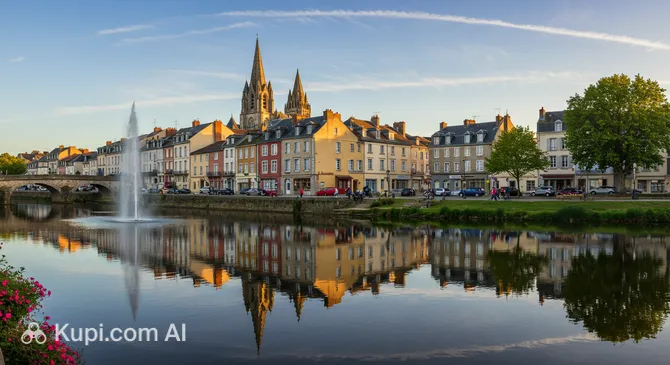
Dax is a captivating destination renowned as the premier thermal spa town in the country. Nestled in the Nouvelle-Aquitaine region of France, it sits gracefully on the banks of the Adour River, offering a perfect blend of relaxation and vitality. With a population of approximately 20,000 residents, the city maintains a welcoming atmosphere that balances lively urban energy with the charm of a historic community.
Dax. Illustration.
Source: Kupi.com AI
The town's identity is deeply rooted in its geothermal resources. The history of Dax dates back to Roman times when the therapeutic properties of its hot springs and river mud were first discovered. This ancient legacy continues to thrive today, making it a top choice for travelers seeking health and wellness treatments in a picturesque setting.
Beyond its famous spas, Dax offers intriguing sights for explorers. The Fontaine Chaude (Hot Fountain) stands as the symbolic heart of the city, where water naturally flows at 64°C (147°F). Visitors are also drawn to the impressive Arènes de Dax, a bullring that serves as the center stage for the city's vibrant festivals and cultural celebrations.
Whether you are looking to rejuvenate in world-class thermal baths or immerse yourself in the festive spirit of the southwest, Dax promises a memorable and restorative experience. It is an ideal stop for those wishing to discover the authentic lifestyle of the Landes department.
Weather Overview
The climate in this region is generally mild and influenced by the nearby Atlantic Ocean, creating comfortable conditions for visitors throughout most of the year. To plan your trip effectively, it is helpful to check the current weather in Dax, as the city experiences distinct seasonal variations. Summers are typically warm and sunny, while winters remain relatively gentle compared to other parts of the country.
During the peak summer months of July and August, the city sees its highest temperatures, with average daily highs reaching approximately 26.7°C. This is also the driest period, with July recording the fewest rainy days, making it an excellent time for outdoor exploration. In contrast, the winter season from December to January brings cooler air, with average temperatures hovering around 8°C to 10°C and lows rarely dropping below 5°C.
Rainfall is a regular feature of the local climate, particularly in the cooler months. December is typically the wettest month in terms of frequency, experiencing about 16 wet days, while the spring months of March and May also see frequent showers with around 15 rainy days each. Travelers should expect warm summers with occasional rain and mild, damp winters, so packing layers and a waterproof jacket is recommended for off-season visits.
Average monthly temperature
Average monthly precipitation
Interesting Facts
Beyond the main attractions, Dax holds many fascinating secrets that reveal a deeper layer of history and culture. From ancient legends to unexpected modern achievements, the city offers unique stories that surprise even the most seasoned travelers.
A popular local legend attributes the discovery of the city's thermal virtues to a Roman soldier's dog. It is said that the legionary left his rheumatic dog in the mud along the Adour River, only to find the animal completely cured upon his return, which supposedly launched the reputation of the thermal waters.
The famous therapeutic mud of Dax, known as Pelose, is a unique living product found nowhere else. It is created through a specific natural fermentation process that combines silt from the Adour River with a rare blue algae that thrives in the town's hot thermal springs.
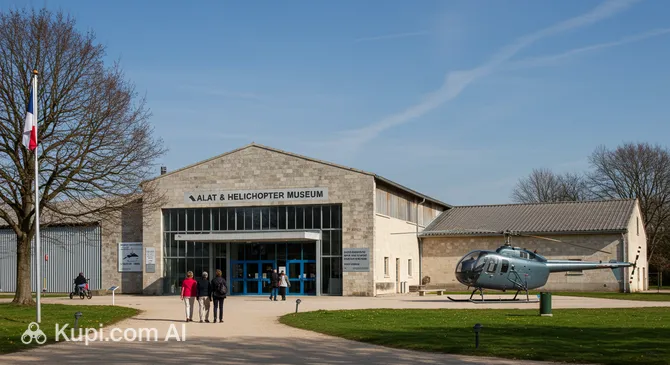
In a surprising contrast to its ancient Roman heritage, the city is a key location for aviation history. It is home to the ALAT and Helicopter Museum, which houses one of the finest collections of combat helicopters and military aircraft in Europe.
Dax is one of the few places in France where the ancient tradition of the Course Landaise is fervently celebrated. Unlike traditional bullfighting, this Gascon sport involves dodging a charging cow without killing the animal, and the Dax Arena serves as a prestigious venue for these daring events.
ALAT and Helicopter Museum. Illustration.
Source: Kupi.com AI
Traveler photos:
How to Get There
Reaching this charming thermal town in Nouvelle-Aquitaine is relatively straightforward, with several transport options connecting it to the rest of the country and neighboring Spain. Whether you prefer flying or taking the train, you can find convenient routes to suit your itinerary. For a detailed breakdown of all available travel methods, you can read more about how to get to Dax.
The city of Dax does not have its own airport, but travelers can easily fly into Biarritz - Anglet - Bayonne Airport (IATA: BIQ), located in the city of Biarritz. This is the closest major air hub, situated approximately 46.5 km away. The journey by taxi or shuttle bus typically takes around 50 minutes, depending on traffic conditions. It serves as a convenient gateway for visitors coming from various European destinations.
Another viable option is the Pau Pyrénées International Airport (IATA: PUF), situated in the city of Pau, about 62.9 km from Dax. While slightly further afield, it offers additional connections for regional travelers. A drive from this airport to the city center generally takes approximately 1 hour.
For clarity, here is a summary of the main airports:
Regarding rail transport, while Dax is well-connected to the national network, major international arrivals often route through larger regional hubs. The most significant nearby hub is Bordeaux Saint-Jean Station, located in the city of Bordeaux. It sits approximately 130 km from Dax and serves as a major interchange for high-speed trains (TGV) coming from Paris and other major cities. From Bordeaux, travelers can connect to regional services or arrange road transport, which takes about 1 hour and 40 minutes by car.
Below is a list of significant railway stations in the wider region:
While the city is famous for its thermal waters, it also boasts impressive architectural and cultural landmarks. One of the most striking sights is the Dax Arena. Built in 1913, this magnificent structure stands out with its white façade and distinctive Neo-Moorish style. It serves as the epicenter of local festivities, hosting bullfights, concerts, and the traditional Course Landaise, making it a vital stop for understanding the region's heritage.
Dax Arena. Illustration.
Source: Kupi.com AI
Traveler photos:
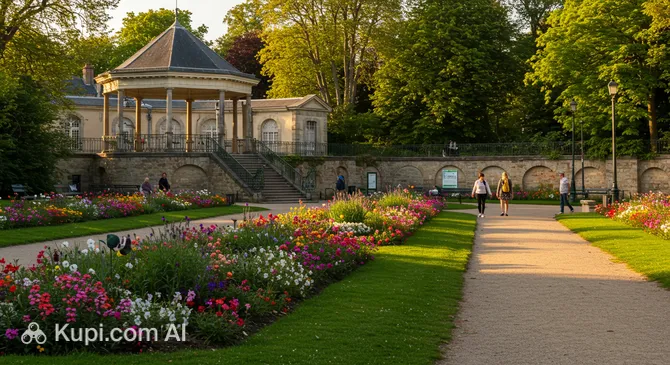
Directly adjacent to the stadium, visitors can enjoy a peaceful retreat at the Dax Arena Park. This expansive green space wraps around the arena, offering a scenic environment for leisurely strolls and relaxation. With its well-kept paths and proximity to the Adour River, it provides a perfect vantage point to admire the arena's architecture from a calm, natural setting.
Dax Arena Park. Illustration.
Source: Kupi.com AI
Traveler photos:
For families and nature enthusiasts, the Saint-Paul-lès-Dax Aquarium is a delightful destination located just a short distance away. This facility invites guests to explore the underwater world, showcasing a variety of freshwater and marine species. It is an educational and entertaining stop, ideal for a quiet afternoon discovering colorful fish and aquatic habitats.
Saint-Paul-lès-Dax Aquarium. Illustration.
Source: Kupi.com AI
Traveler photos:
Those looking for a modern shopping experience should visit Le Grand Mail Shopping Center. As one of the largest retail complexes in the area, it features a wide array of boutiques, fashion stores, and dining options. It is a bustling hub where tourists can find everything from local souvenirs to international brands, offering a lively contrast to the town's historical sites.
Local Cuisine
The culinary landscape of Dax is a true reflection of the generous spirit of the Gascony region. Deeply rooted in the traditions of the Landes department, the local cuisine is famous for its richness and reliance on high-quality farm products. The undisputed star of the menu is the farm-raised duck, which appears in various celebrated forms. Visitors should not miss the opportunity to taste magret de canard (seared duck breast) or the melt-in-the-mouth confit de canard (duck leg slow-cooked in its own fat). Another staple is the Salade Landaise, a hearty dish typically featuring duck gizzards, cured ham, pine nuts, and often a slice of foie gras.
For those with a sweet tooth, the city offers a unique local specialty known as the Madeleine de Dax. These delicate cakes are a beloved daily treat for residents and are best enjoyed fresh from a local bakery, serving as a perfect emblem of the town’s confectionery heritage. Additionally, the Pastis Landais, a dense and flavorful brioche cake scented with vanilla, rum, and anise, is a classic dessert often served at family gatherings and festive occasions.
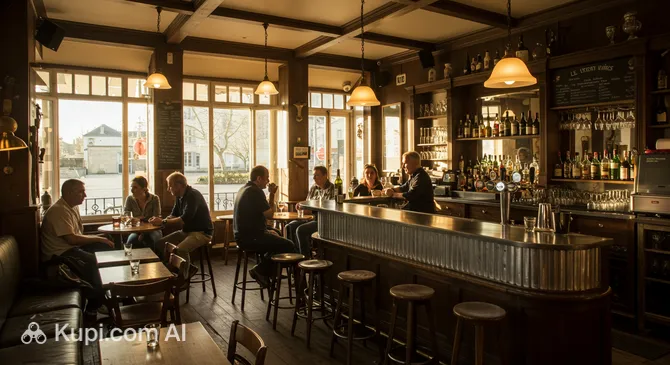
To accompany these robust dishes, the region offers excellent beverages. The nearby vineyards of Tursan produce distinctive red, white, and rosé wines that pair perfectly with Gascon fare. A popular local aperitif is Floc de Gascogne, a sweet fortified wine made by blending fresh grape juice with young Armagnac. For a relaxing evening sampling wines in a friendly atmosphere, travelers might visit Le Bistrot des Vignes, a venue that captures the essence of French wine culture.
Le Bistrot des Vignes. Illustration.
Source: Kupi.com AI
Traveler photos:
The dining culture in Dax is vibrant and social, blending traditional French etiquette with the festive energy of the southwest. The covered markets are central hubs where locals purchase fresh ingredients like "asparagus of the sands" and Chalosse beef. In the evenings, the influence of nearby Spain is evident in the popular tapas culture. Friends often gather at bars to share small plates and drinks, making places like Chez Les Garçons lively spots to experience the local nightlife and hospitality.
Chez Les Garçons. Illustration.
Source: Kupi.com AI
Traveler photos:
While traditional regional cuisine is the main attraction, the city's food scene is diverse enough to cater to various tastes. Alongside rustic inns serving duck and foie gras, you can find modern establishments offering international flavors. For instance, Habibi S provides a delicious alternative for those looking to explore different culinary traditions during their stay. Whether you are dining in a historic restaurant or grabbing a quick bite at a market stall, the food in Dax is sure to be a highlight of your trip.
Travel Tips
Preparing for a trip to Dax is straightforward, but a few local insights can ensure your visit to this historic thermal town is as relaxing as the waters themselves. Here is some practical advice to help you navigate the city with ease and confidence.
Clothing and Gear: The climate in the Landes region is generally mild, but weather can be changeable. In summer, light clothing is perfect, though a light jacket is wise for cooler evenings. If visiting in late autumn or spring, a waterproof coat and umbrella are essential due to frequent showers. Since the historic center is best explored on foot, bring comfortable walking shoes.
Transportation: Dax is a compact city, and walking is often the most pleasant way to see the sights. For longer distances, the local Couralin bus network is reliable and affordable. The city also offers a convenient free shuttle service called Vitenville, which connects the main parking areas with the town center. Taxis are available but less frequent than in major capitals, so booking in advance is recommended.
Finances: The currency is the Euro (€). Credit and debit cards (Visa and Mastercard) are widely accepted in hotels, restaurants, and most shops. However, it is useful to carry some cash for small purchases, especially at the bustling local markets or for small tips. ATMs are plentiful throughout the town.
Health and Safety: Dax is a safe destination for tourists with a low crime rate. Pharmacies are easily recognized by a flashing green cross sign and can assist with minor ailments. For serious medical emergencies, the pan-European number is 112. If visiting in summer, ensure you use sun protection, as the sun in southwest France can be quite strong.
Communication: The official language is French. While staff in major hotels, spas, and tourist attractions often speak English, it is less common in smaller shops or traditional bakeries. Learning a few basic phrases like "Bonjour" (Hello) and "Merci" (Thank you) is highly appreciated by locals and opens many doors. Free Wi-Fi is often available in public squares and at the tourist office.
Local Etiquette: Politeness is highly valued in French culture. Always greet shopkeepers or staff when entering an establishment with a friendly "Bonjour". When dining out, service is generally relaxed; do not rush the waitstaff, as meals are meant to be enjoyed at a leisurely pace.
What to Avoid: Avoid being loud or disruptive near the thermal establishments. Many visitors come to Dax specifically for medical treatments and relaxation, so maintaining a quiet demeanor in these zones is a sign of respect. Additionally, do not assume everyone speaks English; asking "Parlez-vous anglais?" is a polite way to start a conversation.
Local Insight: If you plan to visit during the famous Feria de Dax in mid-August, be prepared to dress the part. The traditional attire consists of white clothing with a red scarf and red sash. Wearing this "uniform" will help you blend in with the locals and fully immerse yourself in the festive spirit.
By keeping these practical tips in mind, you will be well-prepared to enjoy everything Dax has to offer, from its soothing thermal waters to its vibrant local culture. A little preparation goes a long way in ensuring a smooth and unforgettable travel experience in this charming corner of Nouvelle-Aquitaine.
Entertainment & Nightlife
Entertainment in Dax is a vibrant mix of traditional festivities, relaxing leisure activities, and a welcoming nightlife. The city is widely known for its spirited "Feria" culture, which brings the streets to life with music and joy. The most famous event is the Feria de Dax in August, where the town dons red and white colors for several days of parades, concerts, and bullfighting events. In September, the rhythm changes with the Toros y Salsa festival, filling the air with Latin beats and offering free salsa concerts that attract dance enthusiasts from all over.
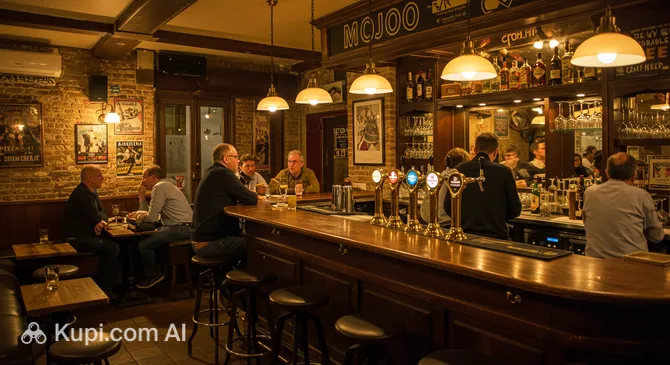
For those looking to enjoy the evening atmosphere, the city center features a variety of bars and lounges perfect for socializing. A standout venue is Mojo, a stylish bar known for its friendly ambiance and extensive drink menu. It is an excellent place to gather with friends, enjoy a cocktail, and soak in the local vibe after a day of exploring the thermal sights.
Mojo. Illustration.
Source: Kupi.com AI
Traveler photos:
Beyond festivals and bars, the city offers classic entertainment options suited to its status as a resort town. The Casino de Dax, located near the Adour River, invites visitors to try their luck at slot machines and table games in an elegant setting. Additionally, the surrounding nature provides a peaceful escape; the Bois de Boulogne offers scenic trails for walking and cycling, allowing travelers to unwind in a lush, green environment just minutes from the urban center.
Parks & Museums
Dax offers a refreshing balance between its thermal heritage and a rich array of green spaces and cultural institutions. Visitors can easily transition from a relaxing stroll under ancient trees to an immersive journey through local history and technical innovation, making the city a delightful destination for nature lovers and curious minds alike.
One of the most remarkable green sanctuaries in the city is the Parc du Sarrat. This botanical garden, listed as a "Remarkable Garden of France," covers over three hectares and surrounds a stunning architect's house from the 1950s. It features a harmonious blend of a structured French garden and a wilder English-style landscape, hosting over a thousand trees and protected plant species. For those seeking a more expansive natural retreat, the Bois de Boulogne provides a vast area of woodlands along the Adour River. It is a favorite among locals for jogging, fishing, and picnicking, offering a true breath of fresh air just minutes from the urban center.
In the heart of the town, the Dax Arena Park serves as a beautifully landscaped promenade. Located adjacent to the bullring, this park is perfect for a leisurely walk after visiting the architectural landmarks, providing scenic views of the river and a peaceful atmosphere amidst the city's lively events.
Culturally, the city punches above its weight with unique museums. The ALAT and Helicopter Museum is a must-visit attraction, even for those not typically interested in aviation. It preserves the history of French Army Light Aviation and displays an exceptional collection of over 70 legendary aircraft and helicopters. The museum offers an educational experience that highlights the technological evolution and human stories behind these machines.
For a dive into the region's ancient past, the Musée de Borda is the cultural flagship of Dax. Housed in the Chapel of the Carmelites, it showcases archaeological treasures, including bronzes and artifacts from the Gallo-Roman era when the city was known as Aquae Tarbellicae. Another fascinating stop for nature enthusiasts is the Saint-Paul-lès-Dax Aquarium. Although technically in the neighboring commune, it functions as a living museum of aquatic life, featuring diverse ecosystems from tropical waters to local river habitats.
For a truly authentic and lesser-known experience, take a walk along the Gallo-Roman Ramparts. These 4th-century fortifications are among the best-preserved in France and are often overlooked by casual tourists. Exploring these ancient walls offers a quiet, open-air history lesson and a tangible connection to the city's Roman origins without the need for a ticket.
Getting Around
Navigating Dax is straightforward and convenient, thanks to its compact size and well-organized public transport options. Since the city center is relatively small, many visitors find that walking is the most pleasant way to explore the historic streets and thermal districts. However, for those wishing to travel further afield or reach the suburbs, the local transport network offers reliable and efficient services.
The backbone of the city's public transportation is the Couralin bus network. It consists of several regular lines that connect the downtown area with key locations such as the train station, the hospital, and the neighboring commune of Saint-Paul-lès-Dax. These buses are modern, comfortable, and generally run from early morning until the evening. There is no metro or tram system in the city, as the bus network effectively covers the needs of both residents and tourists.
A highlight for visitors is the Vitenville service, a free electric shuttle system designed specifically for the city center. These small, agile minibuses are perfect for hopping between main attractions, shopping areas, and car parks without spending a cent. They run frequently throughout the day, roughly every 10 to 15 minutes, making them an excellent resource for those who want to save energy between sightseeing stops.
The payment system for the regular Couralin buses is user-friendly and affordable. A single trip ticket typically costs around 1 Euro. Tickets can be purchased directly from the driver upon boarding (it is best to have exact change) or at the multimodal exchange hub located at the train station. For those planning to stay longer or use the bus frequently, a booklet of 10 trips offers a discounted rate. Remember to validate your ticket immediately upon entering the bus to avoid fines.
Practical advice for tourists includes checking the operating hours, as services are often reduced on Sundays and public holidays. Most lines operate from approximately 7:00 AM to 8:00 PM on weekdays. Detailed timetables and route maps are available at the tourist office or the transportation agency at the station. If you are using the bus to reach a specific thermal spa or the hospital, verify the route number in advance, as multiple lines may serve these popular destinations.
Alternative modes of transport are also popular. Given the flat terrain of the Landes region, cycling is a favorite way to get around. There are several bike rental shops in the city, and dedicated cycle paths make it safe and enjoyable to ride along the banks of the Adour River. Taxis are available but are not typically hailed on the street; it is recommended to book one by phone or find them at the designated rank outside the train station, especially if you need transport late at night when buses are not running.
Accommodation
Finding the perfect place to stay in Dax is generally a straightforward experience, as the city is well-equipped to welcome visitors year-round. As France's premier thermal spa destination, the accommodation landscape is uniquely tailored to its guests, offering a mix of traditional hotels, modern residences, and furnished apartments. Whether you are visiting for a weekend getaway or a three-week thermal cure, you will find options ranging from budget-friendly lodgings to more comfortable, mid-range establishments.
Because of the city's reputation for wellness, many accommodation providers specialize in long-term stays. It is very common to find "appart-hotels" or residences that offer hotel-like services combined with the convenience of a kitchenette. These are particularly popular among those seeking independence during their stay. For shorter visits, standard hotels are plentiful, with many located in historic buildings that reflect the charm of the Nouvelle-Aquitaine region.
When choosing an area to stay, the City Center is often the most convenient choice for tourists. Staying near the pedestrian zone or the Fontaine Chaude places you within walking distance of the main shops, restaurants, and the bullring. This area allows you to immerse yourself in the local atmosphere without needing a car. Alternatively, the neighboring commune of Saint-Paul-lès-Dax, located just across the Adour River, offers a slightly quieter environment. It is easily accessible and often provides lodgings with more space and proximity to nature, including the Christus Lake.
For travelers keeping an eye on their budget, the price range in Dax is generally more affordable than the coastal resorts of the Basque Country or the Landes coast. Mid-range options are the standard here, offering good value for money. Booking can be done easily through major online platforms, but contacting residences directly is also a common practice, especially if you are negotiating a longer stay for a thermal treatment.
Booking Tip: While finding a room is usually easy, the city transforms completely during the Feria de Dax in mid-August. During this festival, the town attracts hundreds of thousands of visitors, and accommodation is booked out months in advance. If you plan to visit during this festive period, it is essential to secure your reservation as early as possible. Similarly, the peak thermal seasons in spring and autumn can see high occupancy in specialized residences, so planning ahead is always recommended.
Nearby Cities
For those looking to explore the surroundings, Dax serves as an excellent base for day trips to several interesting nearby locations:
City
Population
Distance
Saint-Paul-les-Dax
13 436
2 km
Capbreton
9 037
31 km
Orthez
10 515
33 km
Tarnos
12 634
38 km
Boucau
8 627
41 km
Just a short drive from Dax, Bayonne stands as the cultural capital of the French Basque Country. It is a city of art and history, famous for its narrow medieval streets, half-timbered houses, and the magnificent Sainte-Marie Cathedral. Bayonne is also celebrated for its gastronomy, particularly its cured ham and rich tradition of chocolate making, making it a delightful stop for food lovers.
For those seeking the ocean breeze, Biarritz offers a prestigious seaside experience on the Atlantic coast. Known for its imperial history and surfing culture, this resort town features elegant architecture and rugged coastal scenery. Visitors can stroll to the iconic Rocher de la Vierge for panoramic views or relax on the Grand Plage, enjoying the blend of luxury and natural beauty.
Further inland towards the mountains lies Pau, a city that offers breathtaking views of the Pyrenees range from its famous Boulevard des Pyrénées. Rich in history, it is the birthplace of King Henry IV, and his castle remains a beautifully preserved landmark open to the public. The city's English-style parks and mild climate make it a pleasant destination for a relaxed day of sightseeing.
These nearby destinations offer a glimpse into the diverse culture and landscapes of the region.
Shopping & Souvenirs
Shopping in Dax offers a delightful mix of traditional charm and modern convenience. As a bustling thermal spa town, the retail scene caters to both the practical needs of residents and the leisure of visitors. You will find a pleasant balance between independent boutiques nestled in the historic center and larger commercial areas on the outskirts. Whether you are looking for high-quality regional gastronomy, local crafts, or standard fashion brands, the city provides a relaxed environment to browse and buy.
The heart of the shopping experience lies in the pedestrian streets of the city center. Areas such as Rue Saint-Vincent and the streets surrounding the Cathedral and the Fontaine Chaude are lined with a variety of small shops. Here, you can discover clothing boutiques, bookstores, shoe stores, and artisanal shops selling jewelry or home decor. The atmosphere is calm and inviting, perfect for a leisurely stroll between treatments or sightseeing stops.
For a more extensive retail experience, visitors often head to the commercial zones located just outside the historic core. One of the most prominent destinations is Le Grand Mail Shopping Center. Situated in the adjacent area of Saint-Paul-lès-Dax, this large complex is a major hub for the region. It features a vast array of international brands, fashion chains, sports outlets, and a large supermarket, making it the go-to spot for one-stop shopping.
Le Grand Mail Shopping Center. Illustration.
Source: Kupi.com AI
Traveler photos:
Markets are an essential part of the local lifestyle and offer the most authentic shopping experience. The traditional Saturday morning market is a vibrant event that takes over the city center, particularly around Place Roger Ducos and Place de la Fontaine Chaude. It is the perfect place to mingle with locals and purchase fresh produce, flowers, and regional specialties. Additionally, the covered market (Les Halles) provides a daily venue (except usually on Sundays and Mondays) to buy high-quality meats, cheeses, and artisanal products.
When it comes to souvenirs, Dax has several unique options that reflect its heritage. The most iconic gift is the Madeleine de Dax, a soft, lemon-flavored sponge cake that has been a local tradition for generations. Another excellent choice is products derived from the thermal waters; many shops sell cosmetics, soaps, and skincare items made with the famous local thermal mud or salt. For food lovers, a bottle of Floc de Gascogne or a jar of locally produced foie gras makes for a delicious reminder of your trip.
Store opening hours generally follow the standard French pattern. Most shops in the city center open around 9:30 AM or 10:00 AM and close at 7:00 PM. It is common for smaller, independent boutiques to close for a lunch break between 12:30 PM and 2:00 PM, although larger chains and malls like Le Grand Mail usually stay open throughout the day. Sunday closures are standard, except for food markets and some bakeries in the morning. Payment by credit card (Visa and Mastercard) is widely accepted, though carrying some cash is advisable for small market purchases.
For visitors residing outside the European Union, tax-free shopping (détaxe) is available at participating stores for purchases exceeding a certain amount (typically €100.01). Look for the "Tax Free" sign in shop windows and be sure to ask the merchant for the necessary VAT refund documents at the time of purchase to process them at customs upon your departure.