Support

Castres

About

Castres is a captivating destination nestled in the Occitanie region of southern France. Known for its unique riverfront architecture and vibrant cultural scene, this town offers a perfect blend of historic charm and modern liveliness. Situated along the banks of the Agout River, it serves as a significant economic and cultural hub within the Tarn department.
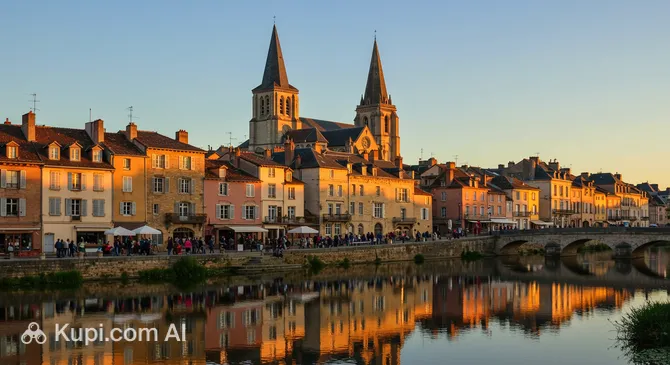
Castres. Source: Kupi.Binoculars

Walking through the streets, visitors can easily sense the deep history of Castres, particularly when admiring the iconic old tanners' houses. These colourful buildings, known as the Maisons sur l'Agout, overhang the river and create a picturesque scene that is often compared to Venice. The city, with a population of approximately 42,000, maintains a welcoming and authentic atmosphere that invites exploration.

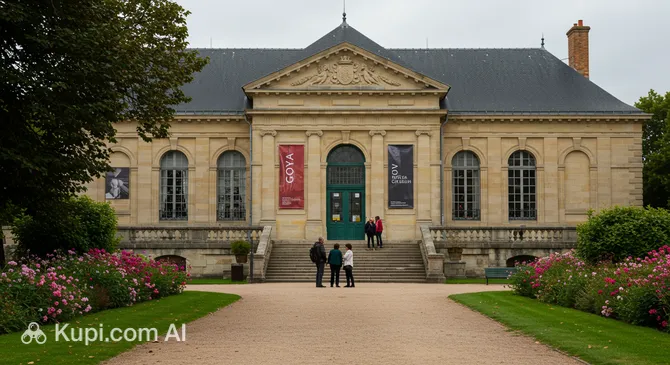
Art enthusiasts will find a surprising treasure here: the renowned Goya Museum. Located in the former Bishop's Palace, it houses a prestigious collection of Spanish art, including works by Francisco Goya, making it a unique cultural landmark outside of Spain. Additionally, the town is proud of its connection to the famous political figure Jean Jaurès, who was born here, and visitors can learn more about his life at the dedicated National Center.

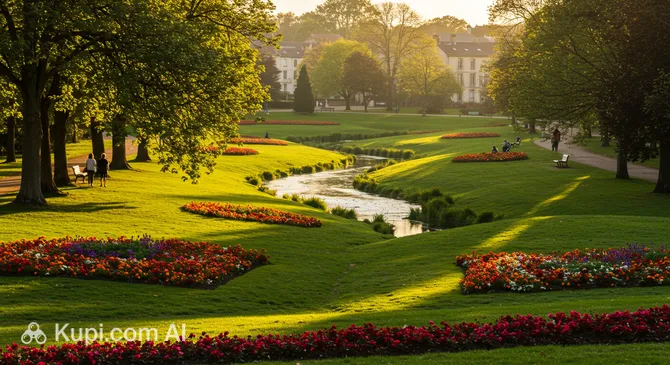
Whether you are strolling through the beautifully designed gardens of the Bishop's Palace, designed by André Le Nôtre, or enjoying a boat trip on the river, Castres promises a memorable experience. It is an ideal stop for travelers seeking to discover the distinctive character and heritage of the south of France.
Weather Overview

The climate in Castres is generally temperate, offering distinct seasons that appeal to different types of travelers. Summers are typically warm and invite exploration, with July and August reaching average maximum temperatures of around 27.9°C. These months are also the driest, usually experiencing about 8 wet days per month, making them ideal for walking tours and river activities.

As the season shifts to winter, the weather cools significantly. January is the coldest month, with average temperatures hovering around 5.5°C and lows dropping to 2.6°C. Precipitation frequency increases during this time; visitors should anticipate roughly 14 wet days in both December and January. For those planning a trip, checking the current weather in Castres is recommended to ensure you pack suitable clothing for the conditions.

Spring and autumn serve as mild transition periods, with average temperatures rising to 15.0°C in May and settling at 15.2°C in October. However, these seasons can be quite damp, with March seeing up to 15 wet days. Overall, you can expect warm, pleasant summers and cool winters with frequent rainfall throughout the cooler months.

Interesting Facts

Beyond the well-known riverfront views, Castres holds fascinating secrets and historical footnotes that add depth to its charm. Here are a few unique aspects of the city that often escape the casual observer.
Goya Museum. Source: Kupi.Binoculars
  • The renowned Goya Museum exists largely thanks to a local painter named Marcel Briguiboul. In the late 19th century, he bequeathed his personal collection, including masterpieces by Francisco Goya, to the city, effectively creating a major hub of Spanish art in the heart of France.

  • The illustrious mathematician Pierre de Fermat, famous for his "Last Theorem," spent his final days in Castres. He passed away here in 1665 while attending a session of the Chamber of the Edict, marking a significant connection between the town and mathematical history.

  • Gourjade Park is home to a delightful local feature known as "Le Petit Train." This miniature railway winds through the sprawling 53-hectare estate, which was once a private domain, offering a nostalgic and leisurely way to explore the greenery.

  • Rugby is more than just a sport here; it is a way of life. The local team, Castres Olympique, is a source of immense pride, and the city's atmosphere transforms with palpable energy and fervor whenever a match is played.

How to Get There

Reaching this charming town in the Occitanie region is quite straightforward, thanks to its proximity to several major transport hubs in southern France. While the town itself is tucked away in the countryside, it remains well-connected to the broader travel network. For a comprehensive guide on planning your journey, you can read more about how to get to Castres and explore the best routes for your itinerary.

Travelers arriving by air often choose Toulouse-Blagnac Airport (TLS) as their primary gateway. Located in the city of Toulouse, this major international airport is approximately 71 km from Castres. It handles a large volume of passengers and offers a wide range of flight connections. The journey from the airport to Castres by taxi or shuttle generally takes about 125 minutes. Another convenient option is Carcassonne Airport (CCF), situated in Carcassonne. Although it is a smaller regional facility, it is closer, lying just 44 km away. The drive from Carcassonne to Castres typically takes around 85 minutes.

For clarity, here is a summary of the main airports:

Airport Name City Passenger Traffic Km from City
Toulouse-Blagnac Airport Toulouse High 70.9
Llabanère Airport Perpignan Medium 109.1
Carcassonne Airport Carcassonne Medium 43.8
Beziers Vias Airport Béziers Medium 95.4
Marcillac Airport Rodez Small 91.0

If you prefer traveling by rail, you can utilize the major train lines serving the region. A significant hub for long-distance travelers is Matabiau Station in the city of Toulouse. It is located approximately 64 km from Castres and serves as a key transit point with high passenger traffic. From Matabiau Station, you can continue your journey to Castres by taxi or bus, which takes about 115 minutes. This station connects travelers to major French cities, making it a vital link for those visiting the area.

Below is a list of significant railway stations in the vicinity:

Station City Passenger Traffic Km to Center
Matabiau Station Toulouse High 63.6
Montpellier Railway Station Montpellier High 132.3
Perpignan Station Perpignan High 113.8
Montauban Railway Station Montauban Medium 83.7
Agde Station Agde Medium 104.1

Main Attractions

Castres offers a delightful mix of cultural heritage and natural beauty, making it a rewarding destination for visitors. From prestigious art collections to expansive green spaces, the city provides varied experiences that cater to both history buffs and those seeking relaxation.

One of the most significant cultural landmarks in the city is the Goya Museum. Housed within the majestic former Bishop's Palace, this institution is unique in France for its exclusive focus on Spanish art. Visitors can admire an impressive collection that includes masterpieces by Francisco Goya, as well as works by other renowned artists such as Velázquez and Murillo. The museum not only offers a visual feast of paintings but also provides a deep dive into the artistic dialogue between France and Spain.

For those who prefer outdoor activities, Gourjade Park is the perfect escape. This vast estate, stretching over 53 hectares, serves as the city's green lung and is a favorite among locals and tourists alike. It features a variety of attractions, including playgrounds, a golf course, and peaceful walking trails along the river. It is an ideal spot for a family picnic or a leisurely afternoon stroll surrounded by nature.

Gourjade Park. Source: Kupi.Binoculars

After exploring the sights, you might want to indulge in the local culinary scene. Ô Victoria is a notable establishment where visitors can enjoy a meal in a pleasant setting. Dining here offers a chance to relax and savor dishes that reflect the flavors of the region, rounding out a day of sightseeing with a taste of Castres' hospitality.

Local Cuisine

The culinary landscape of Castres is deeply rooted in the traditions of the Tarn department and the wider Occitanie region. This area of southwest France is famous for its hearty, rustic fare that prioritizes flavor and generosity. Local cooking relies heavily on the rich agricultural bounty of the surrounding countryside, with duck, pork, and the renowned pink garlic of Lautrec playing starring roles in many recipes.

Visitors eager to taste authentic local specialties should look for Bougnette, a savory dumpling made from pork belly, bread, and eggs, which is typically fried and served warm. Another staple of the Castres gastronomy is the Melsat, a distinctive white sausage crafted from pork meat, spleen, and bread, offering a unique texture that pairs beautifully with a fresh salad. For a main course, the region is celebrated for its Cassoulet, a slow-cooked bean stew with duck confit and sausage that is the ultimate comfort food.

Steak Factory Grill House. Source: Kupi.Binoculars

No meal in Castres is complete without exploring the local beverage options. The vineyards of Gaillac are located just a short distance away, producing a variety of red, white, and sparkling wines that are the perfect accompaniment to the rich local dishes. For a non-alcoholic option, the region is also known for its sparkling mineral waters, sourced from the nearby Haut-Languedoc Regional Nature Park.

The dining culture here is relaxed and convivial, with a mix of traditional bistros and modern eateries. Locals often frequent the fresh food markets, such as the one at Place Jean Jaurès, to pick up seasonal ingredients. For those looking to enjoy a satisfying meal out, the city offers diverse options ranging from classic French establishments to spots like the Steak Factory Grill House, where meat lovers can indulge in grilled dishes in a welcoming atmosphere. To finish on a sweet note, be sure to try the Poumpet, a rectangular pastry flavored with lemon and bergamot that is a cherished treat in the Tarn.

Travel Tips

Welcome to Castres! To help you make the most of your visit to this charming "Little Venice" of the Languedoc, we have compiled some essential practical advice. These tips will ensure your stay is smooth, comfortable, and full of delightful discoveries.

  1. Pack for the Season: The climate in Castres is temperate, but conditions vary. In summer, light and breathable clothing is perfect for the warm days, while winters can be damp and cool, requiring a waterproof coat and layers. Since exploring the historic center and the iconic Maisons sur l'Agout involves walking on cobblestones, comfortable walking shoes are absolutely essential.
  2. Getting Around: The city center is compact and best explored on foot. For longer distances, Castres offers a fantastic perk for visitors: the Libellus bus network, which is entirely free for everyone. Taxis are available but less frequent than in major cities, so it is advisable to book them in advance if needed.
  3. Money Matters: The local currency is the Euro (€). While credit and debit cards (Visa and Mastercard) are widely accepted in hotels, restaurants, and supermarkets, it is wise to carry some cash. You may need small change for purchases at local bakeries, cafes, or the open-air markets where card machines are not always available.
  4. Stay Safe and Healthy: Castres is a safe and peaceful town with a low crime rate. Pharmacies are easily identifiable by a flashing green cross; if you need one after hours, look for the "Pharmacie de Garde" (on-duty pharmacy). For general emergencies, dial 112, which is the standard number across Europe.
  5. Language Basics: French is the official language. While staff at major tourist sites and larger hotels often speak English, it is less common in smaller local shops. Learning a few basic phrases like Bonjour (Hello) and Merci (Thank you) will go a long way in earning a warm smile and better service from the locals.
  6. Mind Your Manners: Politeness is highly valued in French culture. Always greet shopkeepers with a polite "Bonjour" upon entering a store and "Au revoir" when leaving. When dining out, remember that service is often more relaxed than in other countries; you will usually need to ask for the bill (l'addition) when you are ready to leave.
  7. Market Etiquette: If you visit the vibrant markets at Place Jean Jaurès, avoid touching the fresh produce without permission. It is customary to let the vendor select the fruit or vegetables for you unless the stall is clearly marked as self-service. This is considered a sign of respect for the merchant's goods.
  8. Respect the Lunch Hour: Life in Castres follows a traditional rhythm. Many independent shops, boutiques, and even some public services close for a lunch break, typically between 12:00 PM and 2:00 PM. Plan your shopping for the morning or late afternoon, and use midday to enjoy a leisurely lunch at a local bistro.

With these practical tips in hand, you are ready to immerse yourself in the authentic atmosphere of Castres without any hassles. Enjoy your journey through the heart of Occitanie and the unique memories waiting to be made!

Entertainment & Nightlife

Entertainment in Castres is characterized by a warm, convivial atmosphere that reflects the friendly spirit of the Occitanie region. While it may not have the frenetic pace of a large metropolis, the city offers a delightful nightlife scene centered around socializing, dining, and enjoying the picturesque surroundings. The evening typically revolves around the bustling Place Jean Jaurès and the scenic quays along the Agout River, where locals gather on terraces to unwind.

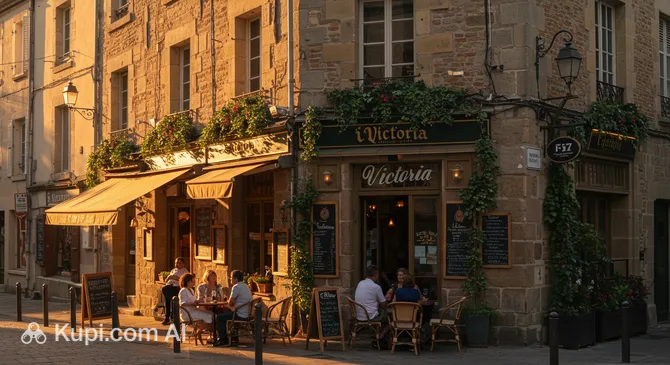
A perfect night out often begins with a leisurely dinner at one of the city's welcoming establishments. Ô Victoria is a standout venue, offering a refined yet relaxed setting that is ideal for enjoying a meal with friends or a partner. It is a great place to soak in the local ambiance before moving on to other spots.

Ô Victoria. Source: Kupi.Binoculars

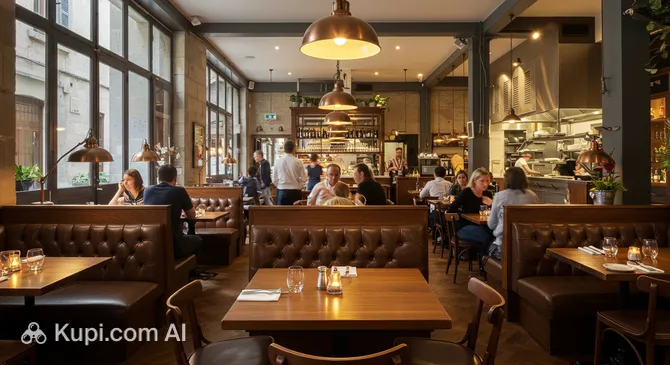
For those seeking a heartier dining experience to kick off the night, the Steak Factory Grill House provides a lively environment with a robust menu. The crowd here is often a mix of families and groups of friends, creating a buzzing atmosphere that sets a positive tone for the evening. The dress code across most venues in Castres is casual to smart-casual, so you will feel comfortable in relaxed attire.

After dinner, the nightlife shifts to the various bars and pubs scattered around the city center. You can find everything from traditional French cafés serving wine and cheese to energetic pubs where the younger crowd gathers. The action usually peaks between 9:00 PM and 1:00 AM. Prices for drinks and entertainment are generally moderate, offering good value compared to larger tourist hubs.

Regarding safety and logistics, Castres is a safe city for evening strolls, especially in the well-lit center. However, if you plan to stay out late or are located on the outskirts, it is advisable to book a taxi in advance, as night bus services are limited. Walking along the river at night offers a beautiful view of the illuminated tanners' houses, a romantic and peaceful way to end the evening.

Before the sun sets, the city offers diverse daytime entertainment options. Cultural enthusiasts can explore the prestigious Goya Museum, home to a remarkable collection of Spanish art. For those who prefer the outdoors, Gourjade Park is a massive green space offering sports facilities and relaxation, making it easy to fill your day with activity before enjoying the town's nightlife.

Parks & Museums

Castres is a city where cultural heritage and natural beauty coexist harmoniously, offering visitors a delightful mix of artistic discovery and outdoor relaxation. From prestigious galleries housing international masterpieces to historic gardens designed by royal landscapers, the city provides a rich variety of experiences for travelers who appreciate both art and nature.

For those seeking fresh air and greenery, Gourjade Park is the undisputed jewel of the city. Located on a vast 53-hectare estate nestled in a loop of the Agout River, this park is much more than just a green space. It features a golf course, playgrounds, and the CERAC archaeology center, making it a versatile destination for families and nature lovers. Another horticultural masterpiece is the Jardin de l'Évêché (Bishop's Palace Garden). Designed in the 17th century by André Le Nôtre, the famous gardener of King Louis XIV, this formal French garden delights visitors with its precise boxwood embroidery and colorful flowerbeds, offering a classic and elegant atmosphere right in the city center.

The city's cultural landscape is dominated by the renowned Goya Museum, situated within the majestic Bishop's Palace. This institution is celebrated for holding the second-largest collection of Spanish art in France, surpassed only by the Louvre. Art enthusiasts can explore works by Francisco Goya, Velázquez, and Murillo, tracing the artistic history of Spain from the Middle Ages to the modern era. Additionally, history buffs should visit the Jean Jaurès National Center. Dedicated to the famous politician and orator born in Castres, this museum offers a fascinating insight into his life and the social history of the late 19th and early 20th centuries through exhibitions and archives.

Beyond the museums and parks, the architectural heritage of Castres is captivating. The iconic Maisons sur l'Agout are a must-see; these colorful, cantilevered houses were once home to tanners and weavers and now provide the city with its unique "Venetian" character. Nearby, the Cathedral of Saint-Benoît stands as a testament to the city's religious history. Built on the foundations of an old Benedictine abbey, this Baroque structure is notable for its austere facade which contrasts with the richness of its interior decor.

For a truly authentic experience, take a moment to listen to the Carillon of Notre-Dame de la Platé. It is one of the few carillons in the region that is still played manually by a carillonneur. If you happen to be visiting during a recital, the melodic chiming of the bells echoing through the old streets creates a magical and timeless atmosphere that few tourists expect.

Getting Around

Navigating Castres is a straightforward and pleasant experience, largely due to its compact size and traveler-friendly policies. The city does not have a metro, tram, or trolleybus system; instead, public transportation relies entirely on a well-organized bus network known as Libellus. This network connects the city center with the surrounding suburbs and key locations, making it easy for visitors to reach major points of interest without needing a car.

One of the most remarkable features of the transport system in Castres is that it is entirely free for everyone. Whether you are a local resident or a tourist, you do not need to buy tickets, travel passes, or download complex apps to pay for fares. This initiative is designed to encourage eco-friendly travel and makes exploring the area incredibly budget-friendly. You simply wait at a designated bus stop and board the vehicle without the hassle of validating a ticket or searching for loose change.

For a truly unique way to travel, visitors should take advantage of the Coche d'Eau, specifically the boat named Le Miredames. This traditional wooden boat serves as a river shuttle connecting the city center to Gourjade Park. It offers a scenic and leisurely alternative to the road, allowing you to admire the historic tanners' houses from the water. While the bus network operates year-round, the water taxi typically runs seasonally, so it is wise to check the schedule during your visit.

While the free bus service is convenient, tourists should be aware of its operating hours. Buses generally run from early morning until around 7:30 PM or 8:00 PM, and service is significantly reduced or unavailable on Sundays and public holidays. Since there is no night bus service, walking is often the best option for late evenings, as the city center is pedestrian-friendly and safe. Alternatively, you can find taxi ranks at strategic locations, such as the train station, or book a ride by phone if you need to travel late at night.

For those who prefer more active mobility, the city facilitates cycling through its electric bike rental service, often referred to as Libellus vélos. These electric bikes are available for rent and provide an effortless way to explore the hilly surroundings or ride along the riverbanks. Whether you choose to walk, take the free bus, or glide down the river on the wooden boat, getting around Castres is stress-free and accessible.

Accommodation

Finding accommodation in Castres is a relatively stress-free experience, as the city offers a welcoming variety of options to suit different preferences and budgets. Unlike major tourist hubs that are dominated by sprawling luxury resorts, the lodging landscape here is characterized by charm and authenticity. Visitors can choose from historic hotels located in renovated buildings, cozy bed and breakfasts—known locally as chambres d'hôtes—and practical modern chain hotels situated on the outskirts. For those seeking a more independent stay, there is also a good selection of furnished apartments and vacation rentals available throughout the town.

The most popular area for tourists to stay is undoubtedly the historic city center, locally referred to as the Écusson. staying here places you within walking distance of the main sights, such as the famous houses along the Agout River and the vibrant Place Jean Jaurès. Accommodation in this district often offers a unique atmosphere, with some establishments housed in centuries-old structures that reflect the town's rich heritage. If you are traveling by car and prioritize easy parking and quick access to main roads, the commercial zones on the periphery of the city provide reliable and often more spacious lodging options.

In terms of pricing, Castres is generally more affordable than larger regional neighbors like Toulouse or Montpellier. Budget travelers can find economical rooms in smaller hotels or guesthouses, while mid-range options offer excellent value with comfortable amenities. Although the city does not feature ultra-luxury five-star palaces, the higher-end hotels provide refined service and often boast excellent on-site dining. Booking can typically be done easily through major online platforms or directly with the proprietors, which is often appreciated by smaller, family-run businesses.

A helpful tip for planning your stay is to book well in advance if you intend to visit during the summer months or around major local events. While accommodation is generally available, the most charming spots in the city center tend to fill up quickly during the peak tourist season in July and August. Securing your reservation early ensures you get the best choice of location, allowing you to enjoy the picturesque mornings and lively evenings right at your doorstep.

Nearby Cities

For those looking to explore the surroundings, Castres serves as an excellent base for day trips to several interesting nearby locations:

City Population Distance (km)
Bellevue 57699 38
Albi 48993 36
Carcassonne 46825 44
Balma 16625 60
Gaillac 15345 43

Among the most compelling options for a day trip is Albi, a UNESCO World Heritage site located just a short drive away. Known as the "Red City" due to its distinctive brick architecture, it is home to the imposing Cathedral of Sainte-Cécile, a masterpiece of Southern Gothic style. Visitors can also explore the Toulouse-Lautrec Museum, which houses an extensive collection of works by the famous locally-born artist.

Another unmissable destination is Carcassonne, famous worldwide for its medieval citadel, La Cité. This fortified city looks like something out of a fairy tale, with its double ring of ramparts and numerous watchtowers. Walking through its ancient cobblestone streets offers a unique journey back in time and provides spectacular views over the Aude valley.

For wine enthusiasts, the town of Gaillac offers a delightful escape into one of France's oldest wine-growing regions. Nestled along the Tarn River, it is the perfect place to discover local vineyards, taste regional varietals, and enjoy the peaceful atmosphere of its historic abbey and town center.

These nearby destinations offer a glimpse into the diverse culture and landscapes of the region.

Shopping & Souvenirs

Shopping in Castres offers a delightful blend of traditional charm and modern convenience, allowing visitors to explore the local lifestyle at a relaxed pace. The city center, particularly the pedestrian areas around the historic district, is lined with a variety of independent boutiques, artisan workshops, and specialty stores. Strolling through streets such as Rue Villegoudou and Rue Sabatier, you can find everything from trendy fashion and home decor to unique gifts that reflect the character of the Occitanie region.

For a truly authentic experience, the local markets are an unmissable part of the weekly routine. The Marché de l'Albinque, housed in a covered hall on Place Pierre-Fabre, is a hub of activity where locals gather to purchase fresh produce, cheeses, and meats. On Saturday mornings, the market expands into the open air on Place Jean Jaurès, creating a vibrant atmosphere filled with the scents of roasted chicken and seasonal fruits. These markets are the perfect places to pick up edible souvenirs, such as the famous pink garlic of Lautrec or artisanal charcuterie from the nearby Lacaune mountains.

When searching for distinctive keepsakes, visitors should look for products related to the region's "blue gold"—Pastel. This plant, which brought wealth to the area during the Renaissance, is used to create a distinctive blue dye. Today, you can find a range of pastel-themed items, including cosmetics, soaps, and textiles, which make for beautiful and meaningful gifts. Additionally, given the town's history of tanning, high-quality leather goods are also a traditional specialty worth seeking out in the local craft shops.

For those in need of more extensive retail therapy or practical items, the commercial zones on the outskirts of the city, such as the Zone du Mélou, host larger supermarkets, sports stores, and well-known national chains. However, the true charm of shopping in Castres lies in its downtown core, where the warm welcome of local shopkeepers adds a personal touch to every purchase.

Reached the end of the page?

That means the route is fully explored