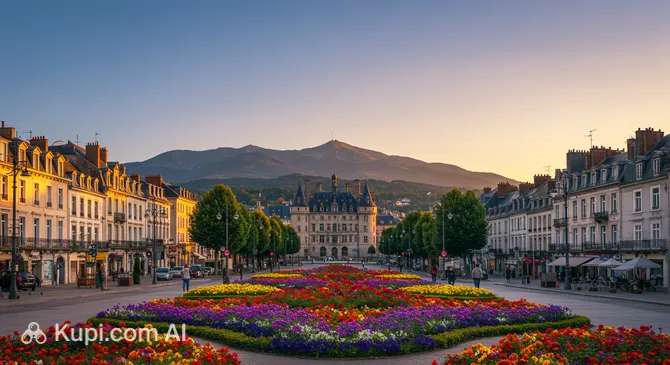
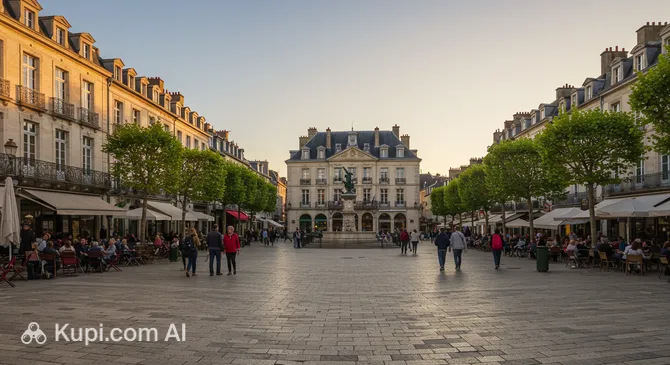
Pau is a captivating destination located in the southwest of France, celebrated for its elegant architecture and breathtaking natural surroundings. As the capital of the Béarn region within the Nouvelle-Aquitaine province, this city offers a perfect blend of aristocratic heritage and a relaxed, welcoming atmosphere. With a population of approximately 76,000 residents, it provides the amenities of a modern urban center while maintaining a charming, human-scale environment.
Pau. Illustration.
Source: Kupi.com AI
Geographically, the city is perched on a ridge overlooking the Gave de Pau river, famously designated as a "City of Art and History." One of its most striking features is the magnificent view of the Pyrenees mountain range, which dominates the southern horizon. The local climate is notoriously mild and notably windless, a characteristic that historically attracted wealthy European tourists in the 19th century who sought out its therapeutic air.
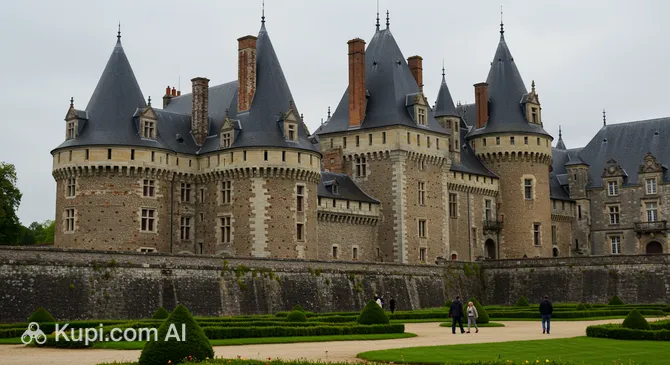
The city's royal legacy is a major draw for visitors. It is the birthplace of King Henry IV, and travelers can delve into the fascinating history of Pau by visiting the iconic Château de Pau. Another unmissable highlight is the Boulevard des Pyrénées, a stunning promenade that offers panoramic views often compared to the Bay of Naples. Whether you are strolling through the palm-lined gardens or exploring the historic streets, Pau promises an unforgettable experience for every traveler.
Weather Overview
The climate in this region is generally mild, influenced by its proximity to both the Atlantic Ocean and the Pyrenees mountains. To pack appropriately for your trip, it is helpful to review the detailed weather in Pau before you travel. The city enjoys four distinct seasons, though extreme temperatures are relatively rare, making it a year-round destination.
Summers are warm and enjoyable, with July and August seeing average temperatures around 21.5°C and highs reaching approximately 26.5°C. This is often considered the best time to explore the outdoor attractions. Winters are cool but not harsh; January is typically the coldest month with an average temperature of 6.5°C and lows dipping to around 3.0°C.
Rainfall is a consistent part of the local weather pattern. The number of wet days remains significant throughout the year, ranging from 11 to 18 days per month, with May often seeing the highest frequency of precipitation. Expect warm summers with occasional rain and cool, damp winters.
Average monthly temperature
Average monthly precipitation
Interesting Facts
Beyond the main attractions, Pau holds many fascinating secrets and historical firsts that surprise even seasoned travelers. From pioneering aviation milestones to curious royal legends, the city offers a rich tapestry of stories waiting to be discovered.
Pau is historically significant in the world of sports, as it is home to the very first golf course ever built in continental Europe. Established in 1856 by British residents who flocked to the city for its mild climate, the Pau Golf Club remains a testament to the city's strong historical ties with England.
A quirky local legend surrounds the birth of King Henry IV at the Château de Pau National Museum. It is said that immediately after his birth, his grandfather rubbed the infant's lips with a clove of garlic and a drop of Jurançon wine to ensure he would grow up strong and vigorous.
The city played a pivotal role in the history of aviation, hosting the world's first flight school founded by the Wright brothers in 1909. This legacy established Pau as a major center for early aeronautics, training many of the pioneers who would later define the industry.
Motorsport enthusiasts might be surprised to learn that Pau hosts one of the oldest street circuits in the world. The term "Grand Prix" was notably used here for the first time in 1901, and the city continues to host the famous Grand Prix de Pau on its winding streets.
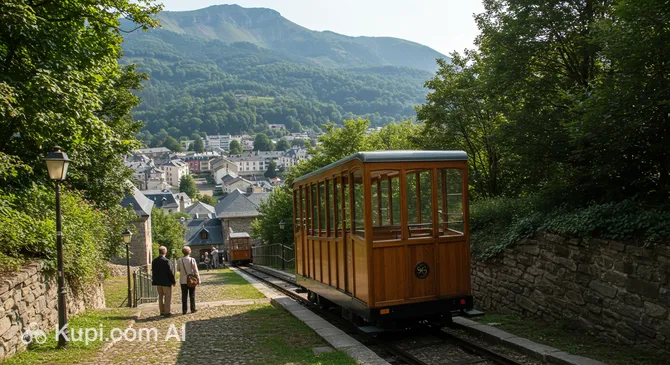
For a charming and practical way to navigate the city's geography, the Pau Funicular has been transporting passengers since 1908. This vintage railway connects the station in the valley to the Boulevard des Pyrénées on the ridge, offering a free and nostalgic ride.
Château de Pau National Museum. Illustration.
Source: Kupi.com AI
Traveler photos:
How to Get There
Reaching this charming destination in the Nouvelle-Aquitaine region is relatively straightforward, thanks to its own airport and proximity to other transport hubs. Whether you prefer flying directly or combining your journey with a scenic drive, there are several options available. For a comprehensive overview of all travel methods, you can read more about how to get to Pau and plan your route accordingly.
The most convenient entry point is the Pau Pyrénées International Airport (PUF), which is located directly in the city of Pau, just 10.2 km from the center. This proximity makes it an ideal choice for travelers, with a short commute of approximately 20 to 30 minutes by taxi or shuttle bus. Although it is a smaller regional facility with an annual traffic of around 345,000 passengers, it offers essential connections. You can find more details about the Pau Pyrénées International Airport to help schedule your arrival.
Another excellent option nearby is the Tarbes Ossun Lourdes Airport (LDE), situated in the city of Lourdes. It is approximately 32.3 km away from Pau. The journey from this airport to Pau typically takes about 50 to 60 minutes by road. It serves a similar volume of passengers and can be a strategic alternative if flights to Pau are unavailable. More information is available on the page for Tarbes Ossun Lourdes Airport.
For clarity, here is a summary of the main airports:
If you are traveling by train, please note that while Pau is well-connected to the French railway network, some travelers may arrive via major hubs in the wider region. For instance, the San Sebastian Railway Station is a significant node, though it is located in the city of San Sebastian (Spain), approximately 130.3 km from Pau. The transfer from there would involve a cross-border journey taking roughly 2 hours by road.
Alternatively, the Agen Railway Station is another major regional stop. Located in the city of Agen, it is about 129.1 km from Pau. Travelers arriving here can expect a travel time of around 2 hours to reach their final destination by car or connecting transport. These stations serve as important gateways for those exploring the broader southwest France and northern Spain area.
Below is a list of railway stations in the surrounding region:
Pau is a city that effortlessly blends regal history with breathtaking natural scenery. Its compact center is perfect for exploring on foot, offering a variety of cultural and historical landmarks that captivate visitors. Below are some of the most significant places to discover during your stay.
The crown jewel of the city is undoubtedly the Château de Pau National Museum. This imposing fortress is famous as the birthplace of King Henry IV of France and Navarre. Visitors can tour the beautifully preserved royal apartments and admire an extensive collection of tapestries. It is a fascinating site not only for its Renaissance architecture but also for its deep connection to French history, making it an essential stop for any traveler.
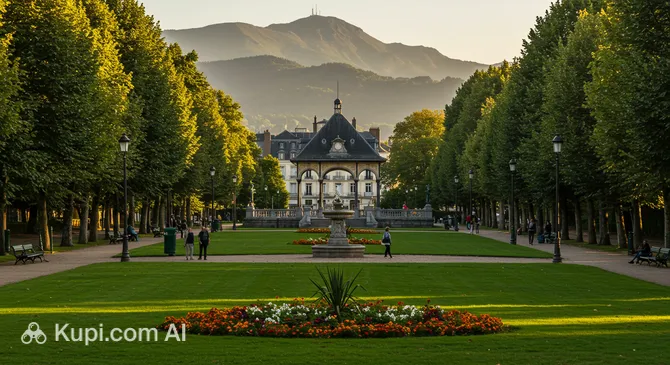
Nature lovers will find a peaceful retreat at Beaumont Park. This lush, English-style garden offers wide walking paths, century-old trees, and a picturesque lake. It is particularly loved for its stunning views of the Pyrenees mountains, which serve as a dramatic backdrop on clear days. Whether you want to enjoy a leisurely stroll or relax by the open-air theater, the park provides a serene escape right in the city center.
Beaumont Park. Illustration.
Source: Kupi.com AI
Traveler photos:
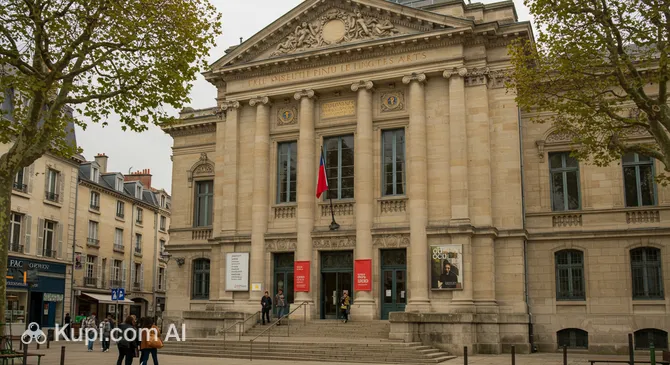
For those interested in art, the Pau Museum of Fine Arts is a cultural treasure. It houses one of the largest collections in the region, featuring works that span from the 15th century to the contemporary era. Highlights include masterpieces by Rubens, Degas, and El Greco. The museum is celebrated for its diverse selection and well-curated exhibitions, offering a rich artistic experience in a refined setting.
Pau Museum of Fine Arts. Illustration.
Source: Kupi.com AI
Traveler photos:
A unique symbol of the city is the Pau Funicular. Operating since 1908, this charming railway connects the railway station in the valley to the Boulevard des Pyrénées on the upper level of the city. It is not just a convenient mode of transport but a nostalgic journey that offers great photo opportunities. The ride is free and provides a quick, scenic way to access the city's famous promenade.
Pau Funicular. Illustration.
Source: Kupi.com AI
Traveler photos:
Finally, the heartbeat of local life can be felt at Place Clemenceau. This central square is the perfect starting point for shopping and dining, surrounded by elegant buildings and lively fountains. It hosts various events and markets throughout the year, making it a vibrant spot to observe the local atmosphere and enjoy a coffee on a terrace.
Local Cuisine
The local cuisine in Pau is a proud reflection of the Béarn region, known for its hearty, rustic, and generous character. Food here is deeply rooted in tradition, utilizing high-quality ingredients from the surrounding farmland and the Pyrenees mountains. The gastronomy is centered around conviviality, with meals often serving as a time for long, lively gatherings.
One of the most iconic dishes you must try is the famous Poule au Pot (chicken in the pot). This dish is historically linked to King Henry IV, who famously declared that every peasant in his kingdom should have a chicken in their pot on Sundays. It consists of a whole chicken stuffed and boiled with vegetables, creating a rich and comforting broth. Another staple of the region is Garbure, a thick, nourishing soup made with cabbage, white beans, vegetables, and preserved meats like duck confit or ham. It is the ultimate comfort food, especially during the cooler months.
Duck and goose are ubiquitous in the local diet. You will frequently find Confit de Canard (duck leg slow-cooked in its own fat) and Magret de Canard (duck breast) on menus. For those with a sweet tooth, the city offers the delightful Coucougnettes du Vert Galant. These are roasted almonds coated in dark chocolate and raspberry marzipan, named in honor of Henry IV's reputation as a ladies' man. They are often sold in local confectionery shops and make for a perfect edible souvenir.
No meal in Pau is complete without a glass of Jurançon wine. Produced in the nearby vineyards facing the Pyrenees, this wine comes in two main varieties: a dry white that pairs beautifully with seafood and cheese, and a sweet, golden variety (moelleux) often served as an aperitif or with foie gras. Legend has it that at his baptism, the infant Henry IV's lips were rubbed with a clove of garlic and a drop of Jurançon wine to give him strength and vitality.
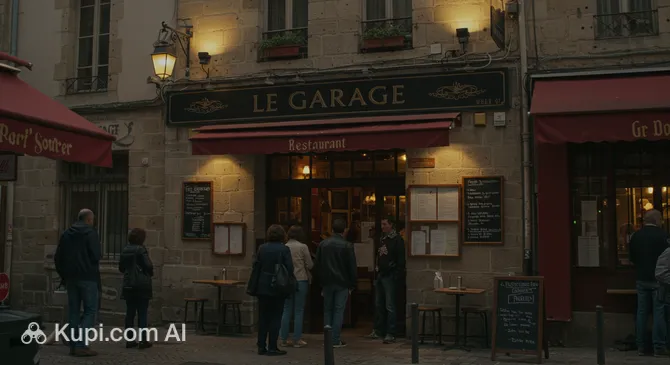
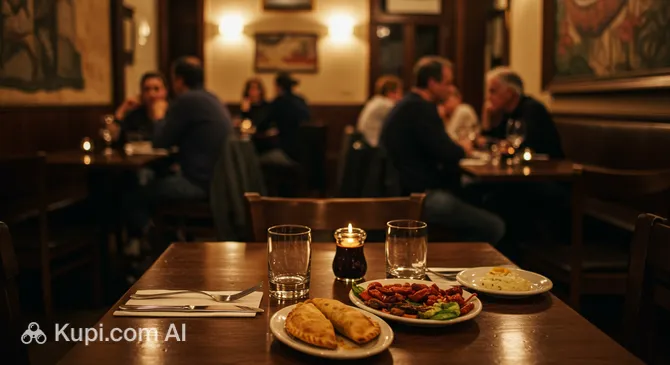
The dining scene in the city is diverse, ranging from traditional brasseries to modern establishments. Locals love to gather in places that combine good food with a vibrant atmosphere. For a trendy dining experience, you might visit Le Garage, a popular spot known for its unique setting and lively ambiance. It is an excellent example of how the city blends contemporary style with social dining.
Le Garage. Illustration.
Source: Kupi.com AI
Traveler photos:
For those looking to explore the evening culture, the city has a welcoming array of venues. You can enjoy tapas and drinks at spirited bars like El Alguazil, which offers a relaxed environment to unwind after a day of sightseeing. Whether you are exploring the bustling stalls of the local markets or sitting down for a multi-course dinner, the food culture in Pau is sure to leave a lasting impression.
Travel Tips
Visiting Pau is a delightful experience, blending royal history with the relaxed pace of southern France. To help you make the most of your stay in the capital of Béarn, here are some practical tips to ensure a smooth and enjoyable trip.
Clothing and Gear: Given the proximity to the Pyrenees and the Atlantic, the weather can be changeable. Even in summer, it is wise to pack a light raincoat or umbrella, as showers are frequent. Comfortable walking shoes are essential for strolling along the Boulevard des Pyrénées and the cobbled streets of the historic center. If you plan to visit religious sites, modest dress is appreciated.
Transportation: The city center is compact and best explored on foot. For moving between the lower town (near the station) and the upper town, use the famous and free Funicular. For longer distances, the local Idelis bus network is reliable and affordable. You generally do not need a car unless you plan to explore the surrounding mountains or vineyards.
Finances: The currency is the Euro (€). Credit cards (Visa and Mastercard) are widely accepted in most restaurants and shops. However, it is advisable to carry some cash for small purchases at local markets or bakeries. Tipping is not mandatory as service is included in the bill, but leaving small change or rounding up for good service is a polite and common gesture.
Health and Safety: Pau is a safe city with a relaxed atmosphere, but standard travel precautions regarding personal belongings apply. Pharmacies are easily identified by a glowing green cross and are well-stocked for minor ailments. For any serious emergencies, dial 112, the universal European emergency number.
Communication: While younger generations and tourism staff often speak English, French is the primary language. Locals appreciate it when you start a conversation with a polite “Bonjour” (Good day) or “Bonsoir” (Good evening) before switching to English. A translation app can be helpful for reading menus in smaller, traditional bistros.
Local Etiquette: Politeness is highly valued here. Always greet shopkeepers when entering a store and say “Au revoir” when leaving. Lunch is typically served strictly between 12:00 PM and 2:00 PM; trying to find a full meal outside these hours can be difficult, so plan your day accordingly.
What to Avoid: Do not expect shops to be open during the lunch break. Many smaller boutiques and independent businesses close from noon until 2:00 PM. Also, avoid being loud or rushing through meals; dining in the southwest is a leisurely social activity meant to be savored, not hurried.
Local Insight: If you are a food lover, visit the Halles de Pau (covered market) in the morning. It is the best place to mingle with locals and taste regional specialties like cheese and charcuterie directly from the producers. It is especially vibrant on weekends.
By keeping these simple tips in mind, you will be well-prepared to embrace the local lifestyle and navigate the city with ease. Enjoy the stunning mountain views and the warm hospitality that make Pau such a special destination in Nouvelle-Aquitaine.
Entertainment & Nightlife
As the sun sets over the Pyrenees, Pau transforms into a lively hub of activity, driven by its vibrant student population and a culture that cherishes social gatherings. The nightlife here is friendly and accessible, often centered around the historic streets and the scenic boulevards. For those looking to experience the city after dark, the area known as "Le Triangle"—encompassing Rue Émile Garet, Rue Lespy, and Rue Castetnau—is the beating heart of the action, packed with spirited bars and pubs.
One of the most popular venues for a fun night out is the New Red Lion. Located near the city center, this establishment combines the cozy atmosphere of a traditional English pub with a modern twist. It is a favorite among locals for playing pool or darts early in the evening, but as the night progresses, it often hosts lively DJ sets and dance parties, including salsa and bachata nights. It is an excellent place to meet people and enjoy a wide selection of beers in a relaxed setting.
New Red Lion. Illustration.
Source: Kupi.com AI
Traveler photos:
For a taste of the region's proximity to Spain, El Alguazil offers a distinctively warm and festive ambiance. This bar is renowned for its authentic tapas and extensive drink menu, making it a perfect spot to start your evening or linger late into the night. The crowd here is diverse, ranging from students to professionals, all drawn by the friendly service and the animated chatter that spills out onto the street.
El Alguazil. Illustration.
Source: Kupi.com AI
Traveler photos:
If you prefer a night of dining and socializing in a unique setting, the district around the Boulevard des Pyrénées also offers numerous options where you can enjoy a drink with a view. Practical advice for night owls: Thursday nights are typically "student nights" and can be quite busy, while weekends attract a broader crowd. The dress code is generally casual to smart-casual. Most bars stay open until 2:00 AM. The city is safe for walking, but for late-night returns, it is advisable to book a taxi or use a ride-sharing app, as hailing a cab on the street can be difficult.
Beyond the nightlife, Pau offers thrilling daytime entertainment for those seeking adventure. A standout attraction is the Pau-Pyrénées Whitewater Stadium. This world-class facility, used for training Olympic athletes, is open to the public and offers adrenaline-pumping activities like rafting and kayaking on its artificial rapids. It is a fantastic way to spend an active afternoon before heading out for the evening.
Pau-Pyrénées Whitewater Stadium. Illustration.
Source: Kupi.com AI
Traveler photos:
For a more relaxed daytime experience, visitors can explore the local shopping scene. The Aushopping Pau center provides a comprehensive retail experience with a variety of stores and eateries, perfect for a leisurely day indoors. Whether you are navigating the rapids or the dance floor, the city offers a dynamic mix of entertainment to suit every pace.
Parks & Museums
Pau is widely recognized as one of the greenest cities in Europe, often referred to as a "Garden City" due to its abundance of parks, flowered promenades, and manicured landscapes. The city's cultural heritage is equally impressive, with a collection of museums that trace its royal lineage and artistic sensibilities. Whether you are looking for a peaceful stroll among century-old trees or a deep dive into French history, Pau offers a refined selection of venues to explore.
Among the city's green spaces, Beaumont Park stands out as a favorite for both locals and visitors. Designed in the English style, this park is a lush retreat featuring exotic trees, a serene lake, and an open-air theater. It is the perfect spot for a leisurely afternoon walk, offering magnificent views of the Pyrenees that have captivated travelers for generations. Just a short distance away, the National Domain of the Château offers a different experience with its vast 22-hectare parkland. This area, which was once the royal hunting ground, provides a more natural setting with wooded paths and Renaissance-style gardens that beautifully frame the castle.
For those interested in botany and exotic flora, the Japanese Garden (Jardin de Kofu) near the station is a hidden gem, symbolizing the sister-city relationship between Pau and Kofu, Japan. It offers a moment of Zen tranquility amidst the urban environment.
The city's museums are headlined by the magnificent Château de Pau National Museum. While the architecture itself is stunning, the museum within is renowned for housing one of France's finest collections of tapestries, primarily from the 17th and 18th centuries. The exhibits also provide an intimate look at the life of Henry IV, the beloved King of France born here, through preserved royal apartments and historical artifacts.
Art enthusiasts should not miss the Pau Museum of Fine Arts, located near Beaumont Park. It is celebrated for its eclectic collection that spans several centuries, featuring works from the Flemish, Dutch, Italian, and Spanish schools, as well as French masterpieces from the 19th century. The museum frequently hosts temporary exhibitions that bring contemporary perspectives to its classical halls.
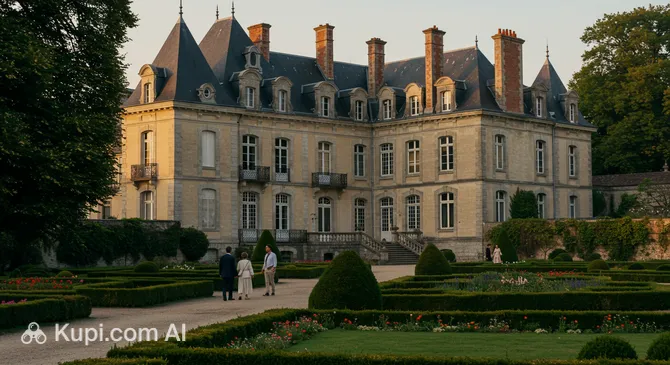
Beyond the central museums, the city is dotted with significant historical and architectural landmarks. A notable site on the outskirts is the Château de Franqueville. Perched on a hill in the neighboring area of Bizanos, this heritage site offers not only historical architecture but also one of the most spectacular panoramic views of Pau and the mountain range beyond. It is a popular venue for events and a lovely destination for a scenic walk.
Château de Franqueville. Illustration.
Source: Kupi.com AI
Traveler photos:
Back in the heart of the city, Place Clemenceau serves as the architectural and social focal point. Recently renovated, this central square is surrounded by elegant Belle Époque buildings and modern fountains, bridging the gap between the city's historic charm and its contemporary vitality. It is the ideal starting point for admiring the city's urban design.
Place Clemenceau. Illustration.
Source: Kupi.com AI
Traveler photos:
For a truly authentic experience, take a walk through the Hédas district. This is the oldest part of Pau, located in a ravine below the main city level. Once a neglected area, it has been beautifully revitalized into a pedestrian-friendly zone with artistic lighting and charming bridges. It offers a unique "village within a city" atmosphere that feels worlds away from the busy boulevards above.
Getting Around
Navigating Pau is remarkably easy and convenient, thanks to its compact size and efficient public transport network. The city is designed to be pedestrian-friendly, but for longer distances or trips to the outskirts, the local transit system, operated under the name Idelis, provides comprehensive coverage. The backbone of this system is the bus network, which connects the historic center with residential areas, the university, and commercial zones.
A standout feature of the local transport is the Fébus, a high-level service bus (BHNS) that runs on hydrogen. This eco-friendly vehicle operates on a dedicated lane, ensuring punctuality and speed similar to a tram. It connects key locations such as the hospital, the university, and the railway station. In addition to the Fébus, a fleet of standard buses services numerous routes throughout the city and neighboring communes. For late-night travelers, an on-demand transport service is often available when regular lines stop running.
One of the most unique and beloved modes of transport is the Funicular. While often viewed as a tourist attraction, it serves a vital practical purpose by linking the railway station in the valley to the Boulevard des Pyrénées in the city center. It runs frequently from early morning until late evening and, best of all, it is completely free of charge. This makes it the preferred method for commuters arriving by train to reach the upper town without tackling the steep incline.
The payment system is straightforward and user-friendly. A standard single-trip ticket typically costs around €1.30 and is valid for one hour, allowing for transfers. Tickets can be purchased from automatic vending machines at major stops (like those for the Fébus), at the Idelis agency, or directly from the driver on standard buses (though carrying small change is advisable). For added convenience, you can buy tickets via the Idelis app or by sending an SMS if you have a local SIM card. Day passes and 10-trip cards are also available for those planning extensive travel.
For those who prefer active travel, the city offers a bike-sharing service known as IDEcycle. You can rent classic or electric bicycles from various self-service stations scattered across the town. This is an excellent alternative for exploring the flatter parts of the city or enjoying a ride through the parks. Taxis are also available but are less commonly hailed on the street; it is recommended to book one in advance or find them at designated ranks, such as outside the railway station or the airport.
Tourists should be aware that bus services are generally reduced on Sundays and public holidays. It is always wise to check the latest timetables on the official website or mobile app before planning a weekend trip. Remember to validate your ticket immediately upon boarding to avoid fines. With the combination of the free funicular, the modern Fébus, and a walkable city center, getting around is both stress-free and affordable.
Accommodation
Finding the perfect place to stay in Pau is relatively easy, as the city offers a diverse range of accommodation options to suit various budgets and preferences. Visitors can choose from charming boutique hotels housed in historic 19th-century buildings, reliable international chains, and cozy bed-and-breakfasts. For those seeking a more home-like experience, there is also a growing selection of furnished apartments and vacation rentals available throughout the city.
The most popular area for tourists is undoubtedly the city center, particularly the "Upper Town" near the Boulevard des Pyrénées and the Château de Pau National Museum. Staying here places you within walking distance of the main historical sites, restaurants, and the lively Place Clemenceau. The atmosphere here is elegant and vibrant, making it ideal for first-time visitors who want to be in the heart of the action. Alternatively, the area near the railway station in the "Lower Town" offers convenient access for those traveling by train, with the free Pau Funicular providing a quick connection to the city center.
When planning your trip, it is highly recommended to book your accommodation in advance, especially if you are visiting during the summer months or in May, when the city hosts the famous Grand Prix de Pau. During these peak times, occupancy rates soar, and the best locations fill up quickly.
In terms of pricing, Pau is generally more affordable than major French tourist hubs like Paris or Nice. Budget travelers can find comfortable rooms starting from approximately €50 to €70 per night. Mid-range hotels typically charge between €80 and €130, while high-end establishments offering luxury amenities and views of the mountains can exceed €150 per night. Booking is most commonly done through major online travel platforms, though contacting smaller guesthouses directly can sometimes yield better rates or personalized service.
Nearby Cities
For those looking to explore the surroundings, Pau serves as an excellent base for day trips to several interesting nearby locations:
Among these options, Biarritz stands out as a must-visit destination on the Atlantic coast. Known worldwide for its surfing culture and imperial history, this elegant seaside resort offers stunning beaches and the famous Rocher de la Vierge. It is a perfect spot for travelers seeking ocean views and a touch of luxury.
Just a short distance from the coast lies Bayonne, the cultural capital of the French Basque Country. Visitors are charmed by its colorful half-timbered houses, the Gothic Sainte-Marie Cathedral, and its vibrant riverside atmosphere. The city is also renowned for its gastronomy, particularly its delicious chocolate and cured ham.
Closer to Pau, Tarbes offers a relaxing escape with its beautiful Jardin Massey, a 19th-century park classified as a "Remarkable Garden." As the historical capital of the Bigorre region, it provides a peaceful setting with spectacular views of the Pyrenees, making it an easy and enjoyable short trip.
These nearby destinations offer a glimpse into the diverse culture and landscapes of the region.
Shopping & Souvenirs
Shopping in Pau is a delightful experience that mirrors the city’s elegant and relaxed character. Visitors will find a pleasing balance between sophisticated international brands, charming independent boutiques, and traditional shops showcasing regional craftsmanship. Whether you are looking for the latest fashion trends or authentic local products, the city center offers a walkable and scenic retail environment.
The heart of the shopping district beats around Place Clemenceau. From this central square, several pedestrian-friendly streets radiate outwards, inviting exploration. Rue Serviez and Rue des Cordeliers are particularly popular for clothing and accessories, lined with well-known French and European labels. For a more unique experience, the historic streets surrounding the castle offer antique shops and artisan galleries where you can find one-of-a-kind treasures.
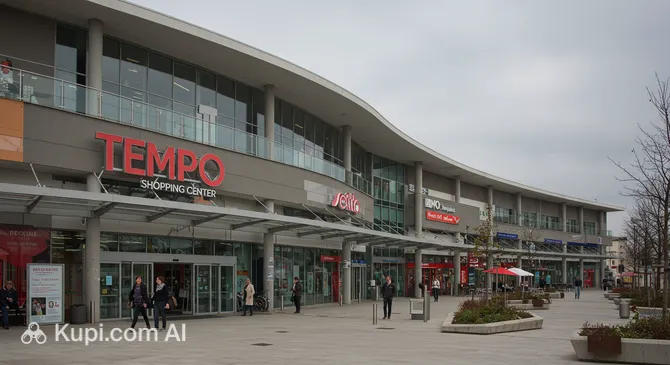
For those who prefer a modern, all-in-one shopping experience, the city has several large commercial centers. The TEMPO Shopping Center is a major destination, housing a hypermarket and a wide array of fashion, beauty, and lifestyle stores under one roof. Similarly, Aushopping Pau offers an extensive selection of retailers and dining options, making it a convenient stop for families or those looking to accomplish multiple errands in a single trip.
TEMPO Shopping Center. Illustration.
Source: Kupi.com AI
Traveler photos:
To truly understand the local culture, a visit to the city's markets is essential. The Halles de Pau is a modern, covered market complex that serves as the gastronomic soul of the city. Here, you can wander among stalls piling high with fresh produce, regional cheeses, and cured meats. It is also a fantastic place to observe the daily life of the locals and perhaps pick up some picnic supplies for a day in the park.
When it comes to souvenirs, Pau offers items deeply rooted in the Béarn tradition. The famous French beret originated in this region, and buying an authentic one here is a classic choice. Food lovers should look for bottles of golden Jurançon wine or a box of "Coucougnettes," the city’s award-winning almond and chocolate sweets. Another unique local item is the shepherd's umbrella, known for its durability and distinct blue canvas, traditionally used by shepherds in the Pyrenees.
Store hours typically follow the traditional French schedule. Most shops open around 10:00 AM and close by 7:00 PM, with a closure for lunch often observed between 12:00 PM and 2:00 PM, especially in smaller boutiques. Larger shopping malls and supermarkets generally stay open throughout the day without a break. Payment by credit card (Visa and Mastercard) is widely accepted, even for small amounts, though carrying some cash is useful for market stalls.
Travelers residing outside the European Union may be eligible for a VAT refund on purchases exceeding a certain amount, typically around €100 in a single store. Look for the "Tax-Free" signage in shop windows and remember to ask for a refund form (détaxe) at the checkout, which you will need to validate at customs upon leaving the EU.