Support

Vigo

About

Vigo is a vibrant and energetic city located in the northwest of the Iberian Peninsula, serving as the industrial and economic engine of the Galicia region. Known for its deep connection to the sea, it boasts one of the largest fishing ports in the world, which heavily influences its culture, gastronomy, and daily life. Unlike typical tourist resorts, this city offers an authentic glimpse into a working maritime metropolis that harmoniously blends urban dynamism with breathtaking natural landscapes.

Situated in the province of Pontevedra, Vigo is a unique destination in Spain that surprises visitors with its lush green surroundings and oceanic climate. The city is built on the slopes of Monte O Castro, cascading down towards the magnificent Ría de Vigo, a vast estuary that protects the harbor from the Atlantic's full force. With a population of nearly 300,000, it is the most populous municipality in Galicia, offering a lively atmosphere regardless of the season.
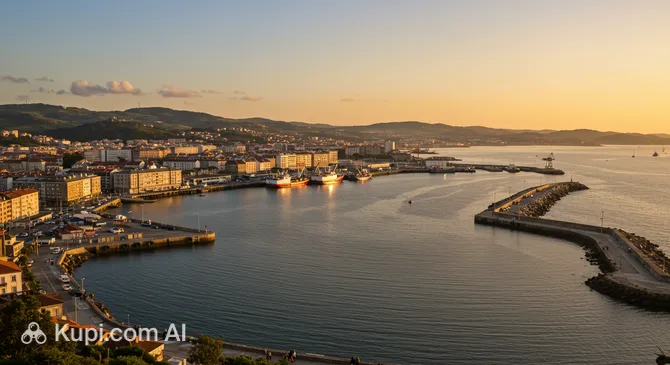
Vigo. Source: Kupi.Binoculars

While the city is modern and forward-looking, it preserves a rich heritage. You can delve into the history of Vigo by exploring the Casco Vello, the charming old town. This area is a labyrinth of narrow stone streets and squares that lead down to the port, filled with traditional taverns and historical architecture. A climb to the Castro Fortress offers not only a lesson in the city's defensive past but also the best panoramic views of the bay and the urban sprawl below.

Travelers are drawn here for several standout features, most notably the Cíes Islands, part of the Atlantic Islands of Galicia National Park. Just a short boat ride away, these islands are home to Rodas Beach, often acclaimed as one of the most beautiful beaches in the world. Back on the mainland, the famous Rúa das Ostras (Oyster Street) invites food lovers to taste fresh oysters right on the street, a quintessential local experience.

Whether you are seeking outdoor adventures, exceptional seafood, or a dive into authentic Galician culture, Vigo is a compelling choice. Its mix of rugged coastal beauty and urban sophistication makes it an unforgettable stop for any traveler exploring the northern coast.
Weather Overview

Vigo experiences a mild oceanic climate, characterized by moderate temperatures and distinct seasonal changes in rainfall. Because of its coastal location, the city avoids the extreme heat found in southern Spain, offering a refreshing and comfortable atmosphere for visitors. Expect warm summers with occasional rain and cool, damp winters that keep the region lush and green.

The summer months are generally the most popular time to visit. In August, the average temperature sits around 20.0°C, with daily highs reaching a pleasant 23.8°C. This is also the driest period of the year; July and August typically see only 5 to 6 wet days per month, making them perfect for beach outings and exploring the city's outdoor attractions.

Winters are cooler and significantly wetter. January is usually the coldest month, with average temperatures of 9.4°C and lows dipping to 6.4°C. Rainfall becomes much more frequent during this season, with December seeing up to 17 wet days. Travelers planning a trip during the colder months should definitely pack waterproof clothing to stay comfortable while touring.

Spring and autumn offer a balance between the two, with moderate temperatures ranging from 11.0°C in March to 15.9°C in October. For a detailed forecast and monthly breakdown to help you pack, you can check the weather in Vigo before your journey.

Interesting Facts

Beyond the main attractions, Vigo holds many fascinating secrets and curious details that add depth to its maritime character. From literary legends to unique urban planning, here are some surprising facts about this Galician city.
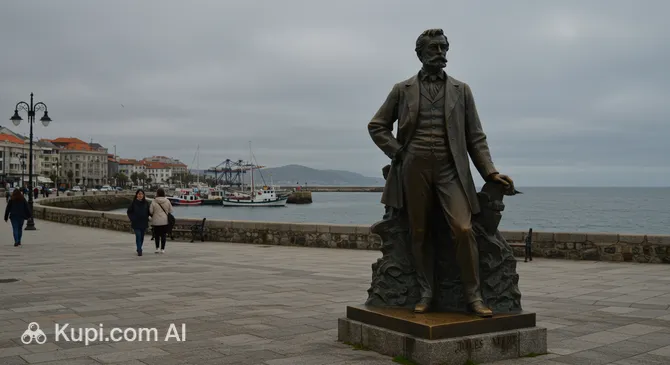
Jules Verne Monument. Source: Kupi.Binoculars
  • The city has a profound connection to the classic novel 20,000 Leagues Under the Sea. The author, Jules Verne, devoted a chapter to the "Bay of Vigo," where Captain Nemo’s submarine, the Nautilus, dives to recover gold from Spanish galleons sunk during the Battle of Rande. To honor this literary bond, the Jules Verne Monument sits by the harbor, featuring the writer sitting atop giant squid tentacles.

  • Vigo is widely known by the nickname "The City of the Olive Tree" (A cidade olívica). This moniker stems from a historical symbol of peace and sacredness planted by Knights Templar centuries ago. Today, the descendant of that original tree, the Olive Tree of Vigo, stands proudly on the Paseo de Alfonso XII, protected by an iron fence and serving as a living emblem of the city's coat of arms.

  • In recent years, the city has transformed into a global Christmas sensation. It hosts one of the most extravagant holiday light displays in the world, with millions of LED lights, giant illuminated figures, and a massive Ferris wheel. The spectacle is so vast that local officials playfully challenge cities like New York and London to compete with their festive brightness.

  • Due to its steep, amphitheater-like geography, Vigo has developed a unique solution for pedestrians: it is becoming a "vertical city." An extensive network of outdoor escalators, mechanical ramps, and futuristic elevators connects the lower port areas to the upper neighborhoods, allowing residents to scale the hills effortlessly without breaking a sweat.

How to Get There

Reaching this Galician gem is convenient due to its well-connected transport network, offering multiple entry points for travelers. Whether you prefer flying or taking the train, there are efficient routes to suit your itinerary. You can find more about how to get to Vigo and plan your journey in detail below.

The most direct way to arrive by air is via Vigo Airport (IATA: VGO), conveniently located within the city limits, just 7.8 km from the center. It typically handles domestic flights and select European connections. The trip to the downtown area is quick, taking approximately 30 minutes by taxi or bus. For a wider range of international connections, many travelers choose Porto Airport (IATA: OPO), located in the city of Porto (Portugal), about 110.3 km away. It is a large international hub, and the transfer to Vigo takes around 2 to 2.5 hours by road. Another excellent option is Santiago de Compostela Airport (IATA: SCQ) in the city of Santiago de Compostela, situated 77.1 km from Vigo. The journey from there usually takes about 1.5 hours.

For clarity, here is a summary of the main airports:

Airport Name City Passenger Traffic Km from City
Porto Airport Porto Large 110.3
Santiago de Compostela Airport Santiago de Compostela Medium 77.1
A Coruna Airport A Coruña Medium 121.2
Vigo Airport Vigo Medium 7.8
Leon Airport Leon Small 255.2

Traveling by train is another scenic and efficient way to reach the city. The main hub is Vigo Railway Station (IATA: YJR), located directly in Vigo, just 0.9 km from the city center. This station connects the city with major destinations across Spain and neighboring Portugal. Arriving here places you right in the heart of the action, with most hotels and attractions just a short taxi ride or walk away. For those exploring the wider region, Pontevedra Railway Station in the city of Pontevedra is also nearby, approximately 21.3 km from Vigo, offering additional regional connectivity.

Below is a list of the nearest railway stations:

Station City Passenger Traffic Km to Center
Ourense Railway Station Ourense High 71.6
A Coruña Railway Station A Coruña Medium 126.1
Pontevedra Railway Station Pontevedra Medium 21.3
Vigo Railway Station Vigo Medium 0.9
Lugo Railway Station Lugo Small 128.8

Main Attractions

Vigo is a city that rewards exploration, offering a mix of historical landmarks, lush parks, and cultural institutions. From the ancient stone streets of the old quarter to the expansive views from its hilltops, the city's main sights reflect its maritime heritage and vibrant contemporary life.

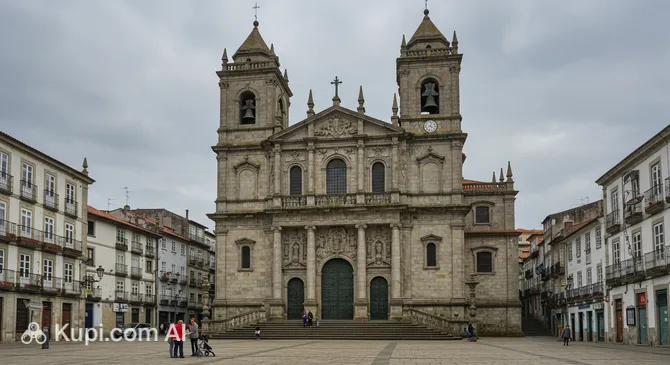
One of the most iconic buildings in the city is the Co-Cathedral Basilica of Saint Mary of Vigo. Located in the heart of the Casco Vello, this Neoclassical temple, often referred to as "La Colegiata," was built in the early 19th century to replace a Gothic church destroyed by the pirate Francis Drake. It is the most important religious site in Vigo and houses the revered statue of the Christ of Victory, which holds great significance for the locals. The church's robust architecture and twin towers make it a distinctive feature of the city's skyline.

Co-Cathedral Basilica of Saint Mary of Vigo. Source: Kupi.Binoculars

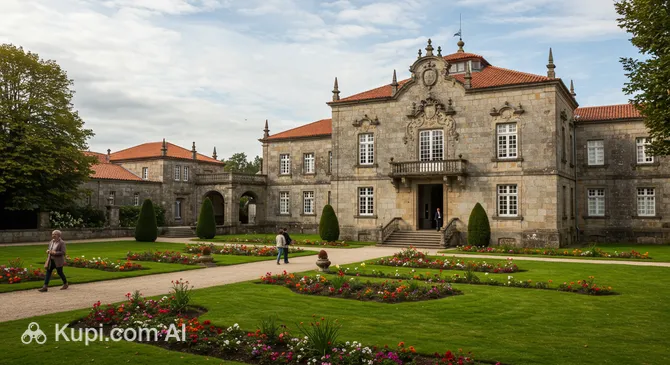
For a deep dive into local history and art, a visit to the Quiñones de León Museum is essential. Situated within the magnificent Pazo de Castrelos, a 17th-century manor house, the museum displays an impressive collection of Galician art, archaeology, and decorative arts. However, the attraction extends beyond the building itself; the surrounding gardens are a masterpiece in their own right. Visitors can stroll through the French garden, with its symmetrical hedges, and the romantic English garden, making it a perfect spot for a relaxing afternoon.

Quiñones de León Museum. Source: Kupi.Binoculars

Nature lovers and history enthusiasts will find common ground at Castro Hill Park. While the fortress at the summit offers panoramic views, the park itself is a lush, botanical haven located right in the city center. It is also home to the archaeological site of the Celtic settlement that gave birth to the city. Walking through its winding paths, you can see the reconstructed round stone huts of the ancient inhabitants, providing a tangible link to Vigo's origins dating back to the Iron Age.

If you are interested in modern culture, the MARCO (Museum of Contemporary Art) is a must-see. Interestingly, this dynamic art center is housed in the city's former courthouse and jail, a building that has been beautifully repurposed. Located on the bustling pedestrian street of Rúa do Príncipe, it hosts temporary exhibitions that focus on avant-garde artistic production, offering a sharp contrast to the city's traditional granite architecture.

MARCO (Museum of Contemporary Art). Source: Kupi.Binoculars

Finally, for a different perspective of the Ría de Vigo, make your way to Mount O Guia in the Teis neighborhood. Dominating this hill is the Hermitage of Nosa Señora da Guía, and the surrounding park offers some of the finest views of the estuary and the Cíes Islands. It is a peaceful retreat away from the city center's hustle, ideal for watching the sunset over the Atlantic.

Local Cuisine

Vigo is widely considered one of the seafood capitals of Spain, and for good reason. As home to one of the world's most significant fishing ports, the city's gastronomy is defined by the incredible freshness and variety of its marine products. The local cuisine is simple yet exquisite, relying heavily on the quality of ingredients sourced daily from the nearby Ría de Vigo. For any visitor, dining here is not just a necessity but a central part of the cultural experience.

The absolute protagonist of Vigo’s culinary scene is the oyster. A visit to the city is incomplete without strolling down the famous Rúa das Ostras (Oyster Street), where expert oyster shuckers prepare these delicacies right on the sidewalk. Beyond oysters, you must try pulpo á feira (octopus prepared with paprika, olive oil, and salt), which is a staple across Galicia. Another local favorite is the empanada gallega, a savory pie filled with tuna, cod, or meat, perfect for a quick snack or a light meal.

To accompany these dishes, the local choice is almost invariably Albariño. This crisp, aromatic white wine is produced in the nearby Rías Baixas region and pairs perfectly with seafood. For beer lovers, Estrella Galicia is the beloved regional brand found in every bar. To finish a meal, locals often sip on licor café, a strong coffee liqueur that is a traditional digestive in this part of Spain.

The dining culture in Vigo ranges from lively tapas bars to sophisticated restaurants. A popular custom is to go for "tapas" in the Old Town (Casco Vello), hopping from one venue to another. For a modern take on traditional ingredients, you might visit Othilio Bar, known for its creative dishes and vibrant atmosphere. If you are looking for classic empanadas and casual bites, A tapa do barril Bar is a well-regarded stop among locals.

Casa Marco Restaurant. Source: Kupi.Binoculars

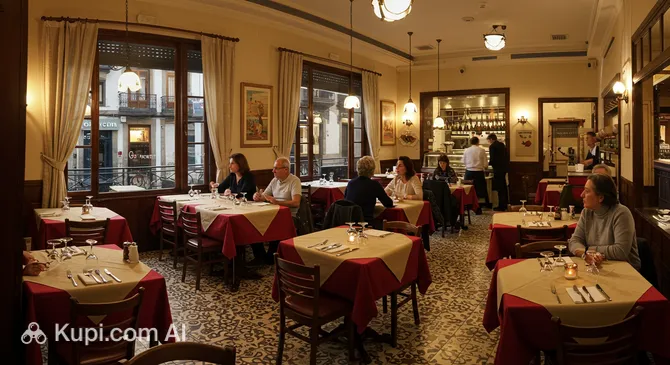
For a more formal dining experience that highlights the best of Galician produce, Casa Marco Restaurant is a standout choice. Located centrally, it offers a refined menu that respects traditional flavors while providing excellent service. Whether you are grabbing a quick bite at a market stall or enjoying a multi-course dinner, the food in Vigo is sure to be a highlight of your trip.

Travel Tips

Welcome to Vigo, the bustling gateway to the Atlantic! To help you navigate this unique Galician city, known for its steep hills and incredible seafood, we have compiled a list of essential practical advice. These tips will ensure you experience the local lifestyle smoothly and make the most of your visit to the "Olive City."

  1. Pack for the "Galician Weather". This region is famous for being greener and wetter than the rest of Spain. Even in summer, evenings can be cool, and rain showers can appear unexpectedly. Bring a light waterproof jacket or an umbrella, and definitely pack comfortable walking shoes. Vigo is built on slopes, and you will likely be walking up and down steep streets regularly.

  2. Master the "Vigo Vertical". Getting around can be a workout due to the city's geography, but locals have a secret weapon. Look for the network of outdoor escalators, mechanical ramps, and elevators (like the futuristic "Halo" lift) that connect the lower port areas to the upper neighborhoods. For longer distances, the local bus service, Vitrasa, is efficient and covers the entire city. Taxis and ride-hailing apps are also readily available.

  3. Cash and Cards. The currency is the Euro (€). While credit and debit cards are widely accepted in shops, restaurants, and supermarkets, it is wise to carry some cash. Smaller bars, traditional taverns, or buying small items like a newspaper might require coins or small bills. Tipping is not mandatory, but leaving small change or rounding up the bill is a polite gesture if the service was good.

  4. Health and Safety. Vigo is generally a very safe city for tourists. Pharmacies are easily identified by a flashing green cross; they are well-stocked, and pharmacists can often provide advice for minor ailments. In case of any serious emergency, dial 112, which is the general emergency number for police, fire, and ambulance services throughout Spain.

  5. Language and Communication. The official languages are Spanish and Galician (Gallego). While many people in the tourism industry speak English, it is less common in neighborhood bars or among older residents. Learning a few basic phrases like "Hola" (Hello), "Gracias" (Thank you), and "Por favor" (Please) will go a long way. Free Wi-Fi is available in many public spaces and cafes.

  6. Adjust to Local Schedules. Life in Vigo follows a relaxed, later schedule compared to many other countries. Lunch is typically the main meal of the day, served between 2:00 PM and 3:30 PM, while dinner is a lighter affair often starting after 9:00 PM. Trying to find a full restaurant meal at 6:00 PM can be difficult, so embrace the local rhythm or grab a snack (tapa) in the late afternoon.

  7. What to Avoid. Do not assume that "siesta" means everyone is sleeping, but do respect the midday break. Many small shops and local businesses close roughly between 2:00 PM and 5:00 PM to rest and reopen later in the evening. Plan your shopping for the morning or late afternoon to avoid finding closed doors.

  8. Bonus Tip: Cíes Islands Authorization. If you plan to visit the stunning Cíes Islands (home to Rodas Beach), you cannot just show up at the ferry. During high season, you must obtain a free authorization permit online from the Xunta de Galicia government website before buying your boat ticket. These spots fill up weeks in advance, so book early!

With these practical tips in hand, you are ready to explore the charming streets and breathtaking views of Vigo with confidence. Embrace the local pace, enjoy the fresh ocean air, and let this dynamic maritime city surprise you at every corner!

Entertainment & Nightlife

Vigo is famous throughout Spain for its indefatigable energy and a nightlife scene that rivals larger capitals. Known locally as the city that never sleeps, it offers a diverse array of options ranging from laid-back traditional taverns to high-energy nightclubs that stay open until dawn. The "movida viguesa," a cultural explosion from the 1980s, has left a lasting legacy, ensuring that music and socializing remain the heartbeat of the city after dark.

The night typically begins in the Casco Vello (Old Town). This historic quarter is perfect for the early evening, where locals gather for "tapas" and wines in the bustling squares. As the night progresses, the crowds shift to different zones depending on their musical taste. The Churruca district surrounding Plaza de Portugal is the hub for indie, rock, and alternative music lovers. It has a bohemian vibe, filled with small concert venues and bars where live bands often perform. In contrast, the Areal district offers a more sophisticated atmosphere. Here, you will find upscale cocktail bars and larger clubs playing commercial house and pop music, often requiring a slightly smarter dress code.

Mais Palá. Source: Kupi.Binoculars

For those looking to experience specific local favorites, Mais Palá is a well-known spot that captures the city's vibrant spirit, offering a great mix of music and drinks. If you prefer to dance late into the night, La Goulette is another popular venue where the party continues well into the early morning hours. These clubs usually start filling up after 2:00 AM, as the Spanish nightlife schedule is notoriously late.

Beyond the clubs, modern leisure centers have transformed the city's entertainment landscape. The Vialia Vigo complex, located at the train station, is a massive hub for both shopping and evening entertainment. It features a cinema, numerous restaurants, and a large public square with ocean views, making it an excellent starting point for families or those seeking a more relaxed evening before hitting the town.

Vialia Vigo. Source: Kupi.Binoculars

During the daytime, entertainment in Vigo is equally varied. Shopaholics can explore the Pizarro Shopping Center or wander through the pedestrian streets near the Porta do Atlántico, a monument that symbolizes the city's connection to the Americas. For a touch of culture, the city's theaters offer a steady program of plays and concerts, while the seaside promenades provide a lively backdrop for street performers and daytime fairs.

Practical Advice for Night Owls: In Vigo, the "night" starts late. Dinner is rarely before 9:30 PM, and bars don't get busy until midnight. Drinks are generally affordable compared to other European cities, with a beer often costing between €2.50 and €4.00. The city is very safe to walk around at night, but if you need to travel between districts, taxis are readily available and can be hailed on the street or via apps. There is also a night bus service (Nocturno) operated by Vitrasa that runs on weekends and holidays.

Parks & Museums

Vigo offers a refreshing balance between urban energy and natural tranquility, boasting a variety of green spaces and cultural institutions that celebrate its rich heritage. Visitors can easily transition from exploring ancient fortifications and lush gardens to immersing themselves in contemporary art and historical exhibitions, all within the city limits.

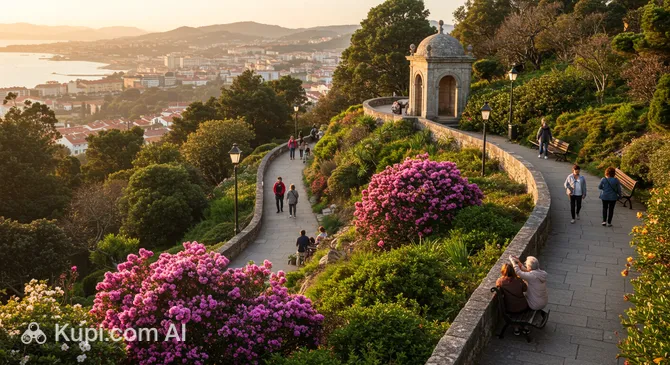
One of the most significant green lungs of the city is Castro Hill Park. Located right in the center, this botanical haven offers more than just a break from the bustling streets; it is the birthplace of the city itself. Visitors can walk through its winding paths lined with exotic species and enjoy unparalleled panoramic views of the estuary. Another essential outdoor spot is Castrelos Park, the largest urban park in Vigo. It features a diverse landscape ranging from auditorium spaces for concerts to beautifully manicured French and English gardens that invite leisurely strolls.

Castro Hill Park. Source: Kupi.Binoculars

For those seeking a connection with the sea in a more natural setting, Punta Beach provides a serene escape. Located in the Teis neighborhood, this sandy stretch is popular among locals for its calm waters and views of the coastline, making it a perfect spot for a relaxing afternoon by the ocean without leaving the municipality.

The city's museums are equally compelling, reflecting both its ancient roots and its modern spirit. The Quiñones de León Museum, situated within a 17th-century manor in Castrelos Park, is a treasure trove of Galician archaeology, painting, and decorative arts. In stark contrast, the MARCO (Museum of Contemporary Art) occupies the former courthouse and jail in the city center. It has been transformed into a dynamic space for avant-garde exhibitions, cultural events, and workshops, serving as a beacon of modernity in the heart of the shopping district.

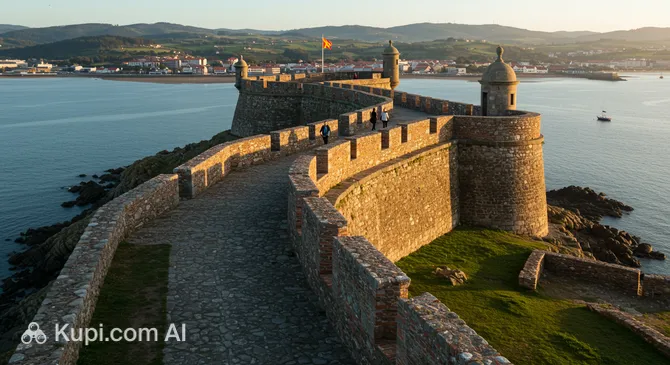
Vigo's history is written in stone across its landscape. Dominating the skyline is the Castro Fortress, part of the defensive network built in the 17th century to protect the city from maritime attacks. Walking along its preserved walls offers a glimpse into the city's strategic military past. In the city center, the Porta do Atlántico stands as a modern tribute to the thousands of Galicians who emigrated to the Americas, symbolizing the city's enduring connection across the ocean.

Castro Fortress. Source: Kupi.Binoculars

Other notable landmarks include the Olive Tree of Vigo, a living symbol of the city's coat of arms located on the Paseo de Alfonso XII, and the grand Spain Square, which serves as a major connective hub featuring a striking sculpture of wild horses ascending to the sky. These sites provide excellent photo opportunities and are easily accessible during a city tour.

For a truly authentic experience, take a moment to explore the archaeological site within Castro Hill Park. Seeing the reconstructed Celtic roundhouses (castros) gives you a tangible sense of how the earliest inhabitants lived over two thousand years ago, a quiet and fascinating contrast to the modern city below.

Getting Around

Public transport in Vigo is primarily based on an extensive bus network and a unique system of mechanical mobility aids designed to conquer the city's steep hills. Unlike some larger metropolitan areas, the city does not have a metro or tram system. Instead, it relies on a fleet of urban buses and a growing collection of outdoor elevators and escalators that function as a vertical street network, making navigation significantly easier for pedestrians.

The urban bus service is operated by Vitrasa and covers virtually every neighborhood, beach, and point of interest. The buses are modern and efficient, operating from early morning, typically around 6:00 AM, until approximately 11:00 PM. For those enjoying the nightlife, there is a special night service known as the "Nocturno" that runs on weekends and the eves of public holidays, ensuring safe travel after regular hours.

A standout feature of getting around is the "Vigo Vertical" program. Because the city is built on the slopes of a mountain, the municipality has installed numerous outdoor escalators, moving ramps, and elevators to help residents and tourists move between the lower port area and the upper city center without physical exertion. The most famous of these is the futuristic Halo elevator, which connects the train station area with the lower streets, offering spectacular views while serving a practical purpose. These mechanical aids are completely free to use.

Given the maritime location, sea transport is also a key component of the local system. Regular ferries connect the city center with the towns of Cangas and Moaña on the opposite side of the estuary. These ferries are not just for commuters; they offer a scenic and affordable way to see the bay. Additionally, during the summer season and Easter, boats depart for the Cíes Islands, though these require advance booking and a separate authorization permit.

Regarding payment, the system is straightforward for short-term visitors. The standard single bus ticket costs approximately €1.57 and can be purchased directly from the driver upon boarding. It is highly recommended to carry cash, particularly coins or small bills, as drivers may not be able to change large notes. While there is a rechargeable transport card called "PassVigo" that offers discounted fares, it is primarily designed for residents. For most tourists, paying for a single ticket is the most convenient option.

Taxis are a reliable alternative and are plentiful throughout the city. They are white vehicles, easily identified by a green light on the roof when available. You can hail them on the street or find them at designated ranks near major attractions and transport hubs. Ride-hailing apps are also operational, but traditional taxis remain very popular and cost-effective for short trips across the steep terrain.

Accommodation

Finding the perfect place to stay in Vigo is relatively easy, as the city offers a wide spectrum of accommodation options to suit every budget and travel style. From modern business hotels and charming boutique guesthouses to beachfront resorts and budget-friendly hostels, the local hospitality sector is well-equipped to welcome visitors. Whether you prefer the convenience of the city center or the relaxing atmosphere of the coast, there is something for everyone.

For those who want to be in the heart of the action, the City Center and the area around Areal and García Barbón are the most convenient choices. Staying here places you within walking distance of the main shopping streets, the financial district, and major transport hubs like the train station. This area is populated by numerous mid-range and upscale hotels that offer modern amenities, making it an ideal base for short stays and business travelers who value accessibility.

Travelers seeking a more atmospheric and traditional experience should consider the Casco Vello (Old Town). This historic quarter is a labyrinth of stone streets filled with tapas bars and restaurants. Accommodation here often consists of renovated apartments, small pensions, and boutique hotels housed in historic buildings. It is the perfect location for food lovers who want to be steps away from the famous Oyster Street and the port, immersing themselves in the city's maritime soul.

If your priority is relaxation and sea views, the Samil and Alcabre neighborhoods are the best options. Located a few kilometers from the center, these areas are home to larger, resort-style hotels and luxury establishments situated right next to the city's most popular beaches. Staying here allows you to enjoy a vacation vibe with easy access to the ocean, while still being connected to the downtown area by a short bus or taxi ride.

Booking Tips: Vigo has become a year-round destination, but there are two specific periods when booking in advance is essential. The summer months, particularly July and August, draw crowds for the beaches and the Cíes Islands. Additionally, the Christmas season has exploded in popularity due to the city's famous holiday lights display, with hotels often filling up weeks or even months ahead for December weekends.

Price Range: generally, accommodation prices in Vigo are competitive compared to major Spanish capitals like Madrid or Barcelona. You can find excellent value in the mid-range category, while budget travelers have plenty of options among hostels and tourist apartments. Luxury options are available but limited, so they tend to command higher prices during peak seasons. Booking via major online platforms is the standard method, though contacting smaller guesthouses directly can sometimes yield better rates.

Nearby Cities

For those looking to explore the surroundings, Vigo serves as an excellent base for day trips to several interesting nearby locations:

One of the most highly recommended excursions is to Pontevedra, the provincial capital located just a short drive or train ride away. This city is internationally renowned for its beautifully preserved historic center, which is largely pedestrianized. It invites visitors to wander through its labyrinth of granite squares and stone arcades, enjoying a relaxed atmosphere filled with history and architecture.

For a different perspective of the region, a trip across the bay to Cangas is a must. Easily accessible by a scenic ferry ride from Vigo's port, this town on the Morrazo peninsula offers stunning beaches and a rugged coastline. It is an ideal destination for those seeking nature, fresh seafood, and a glimpse into the traditional maritime lifestyle of Galicia.

Travelers interested in unique landmarks might enjoy visiting Redondela, known as the "Village of the Viaducts." The town is dominated by two impressive 19th-century railway viaducts that tower over the houses, creating a distinctive skyline. It is also a significant meeting point on the Portuguese Way of the Camino de Santiago, adding a vibrant pilgrim atmosphere to its streets.

City Population Distance (km)
Pontevedra 83114 22
Vilagarcia de Arousa 37677 40
Redondela 29192 10
Cangas 26832 6
Marín 24248 17

These nearby destinations offer a glimpse into the diverse culture and landscapes of the region.

Shopping & Souvenirs

As the industrial and economic capital of Galicia, Vigo is undoubtedly the region's premier destination for shopping. The city offers a dynamic mix of experiences, ranging from bustling pedestrian streets lined with international fashion chains to sophisticated commercial centers and traditional markets brimming with local charm. Whether you are looking for the latest trends, unique artisanal crafts, or gastronomic souvenirs, the city provides endless opportunities for retail therapy.

The heart of the city's shopping district is the "Golden Mile," centered around the pedestrianized Rúa do Príncipe. Located near the cultural hub of the city, this lively street is home to major Spanish and international brands, jewelry stores, and shoe boutiques. It connects to the Porta do Sol and leads towards the historic quarter, making it a perfect area to stroll and browse. Just a short walk away, the streets of Urzáiz and Gran Vía offer further options, featuring large department stores and exclusive boutiques that cater to a variety of tastes.

For those who prefer a modern, all-in-one shopping experience, the city boasts impressive facilities. The most prominent addition to the retail landscape is Vialia Vigo. Designed by the Pritzker Prize-winning architect Thom Mayne, this avant-garde complex is integrated with the railway station and features a vast array of shops, restaurants, and leisure activities, all housed within a striking architectural landmark that opens up to a public square with sea views.

Another key destination for shoppers is the Pizarro Shopping Center. Situated conveniently within the urban area, it provides a comfortable environment with a diverse selection of fashion retailers, supermarkets, and services. It is a practical choice for visitors who want to find everything under one roof without leaving the city center.

Beyond modern fashion, no trip is complete without exploring the traditional side of local commerce. The historic Mercado da Pedra remains a curious stop for travelers, historically famous for tobacco and electronics but now a place to find varied goods near the port. For authentic souvenirs, look for Sargadelos ceramics, a quintessential Galician porcelain known for its distinctive blue and white geometric designs. Additionally, gastronomic gifts are highly recommended; a bottle of Albariño wine or premium canned seafood (conservas) allows you to take a taste of the Rías Baixas home with you.

Reached the end of the page?

That means the route is fully explored