Support

Ciudad Real

About

Welcome to Ciudad Real, a captivating city located in the autonomous community of Castilla-La Mancha. Often celebrated for its deep connection to the literary world of Don Quixote, this destination captures the authentic essence of central Spain. Its strategic position between Madrid and Andalusia makes it a convenient and intriguing stop for travelers seeking to explore the heart of the Iberian Peninsula.

The city is situated on the vast plains of the Campo de Calatrava, characterized by a continental climate and unique volcanic landscapes nearby. With a population of approximately 75,000 residents, it strikes a perfect balance between a lively urban center and a relaxed provincial capital. The history of Ciudad Real is rich with royal heritage, having been founded by King Alfonso X "The Wise" in the 13th century as a royal stronghold.

Ciudad Real. Source: Kupi.Binoculars

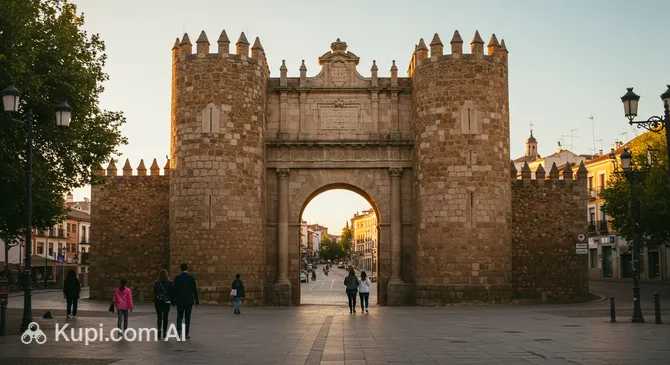
Visitors are often drawn to the charming Plaza Mayor, where a whimsical carillon clock features figures of Miguel de Cervantes, Don Quixote, and Sancho Panza appearing at specific times of the day. Architecture enthusiasts should not miss the Catedral de Santa María del Prado, a stunning example of Gothic architecture known for its impressive single nave. The city also boasts the Puerta de Toledo, a mudejar-style gate that stands as a national monument and a testament to the city's medieval fortifications.

Whether you are a literature fan tracing the steps of the famous knight-errant or a foodie eager to taste authentic Manchego cheese and local tapas, Ciudad Real offers a delightful experience. It is a destination that invites you to slow down, explore its welcoming streets, and immerse yourself in the traditional rhythm of Spanish life.

Weather Overview

Travelers visiting the city will encounter a climate defined by distinct seasonal changes. For a more comprehensive breakdown, you can view the current weather in Ciudad Real, but generally, the area experiences hot, dry summers and cool winters. July and August are the peak of heat, with average maximum temperatures reaching approximately 35°C and virtually no rain, making sunscreen and hydration essential.

As the seasons shift, temperatures drop significantly. January is typically the coldest month, with average lows around 2.2°C and daily averages sitting near 6.8°C. While heavy rainfall is rare, spring is the most frequent time for showers, with March and April seeing about 10 to 11 wet days each. Expect scorching summers with clear blue skies and brisk winters that call for warm layers.

Interesting Facts

Beyond the main attractions, Ciudad Real holds many fascinating secrets that reveal its strategic importance and unique geological setting. From royal rivalries to ancient volcanic activity, the city's backstory is as compelling as the literary legends that surround it.
  • The city was originally founded as "Villa Real" by King Alfonso X the Wise in 1255 with a very specific political purpose. It was established to establish a royal presence and check the growing power of the Military Order of Calatrava, which controlled much of the surrounding territory.

  • Although it appears to be a typical flat plain, the region is actually part of the Campo de Calatrava, a dormant volcanic field. The landscape is dotted with over 300 volcanic structures, including "maars" (craters) that turn into lagoons during the rainy season.

  • The Puerta de Toledo is the only survivor of the city’s medieval fortifications. At its peak, the defensive wall boasted eight gates and over 100 towers, but this stunning Mudejar-style structure is the last one standing today.

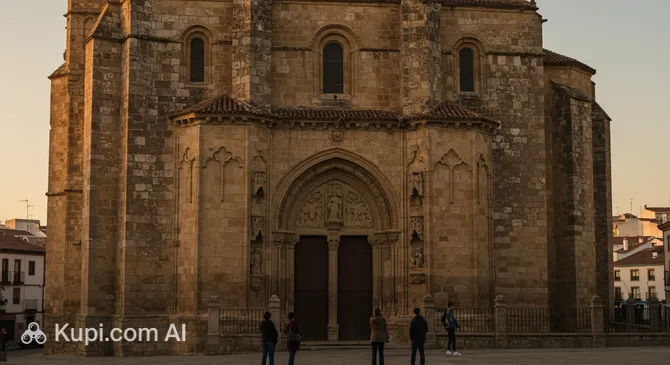
  • The Church of San Pedro is not just a place of worship but a reflection of the city's turbulent past. Built in the 14th and 15th centuries, its robust, fortress-like exterior and lack of a transept suggest it was designed to serve a defensive role if necessary.

  • While many cities claim Don Quixote, Ciudad Real dedicates a unique space to him at the Quixote Museum – Cervantes Library. This facility combines a museum with a study center, housing a significant collection of artwork and editions of the novel, simulating the atmosphere of a traditional printing press from Cervantes' era.

Puerta de Toledo. Source: Kupi.Binoculars

How to Get There

Reaching this Manchego capital is relatively straightforward thanks to its central location and excellent transport connections. While the city itself is quiet, it sits on a major high-speed rail line, making it easily accessible from the Spanish capital and the south. For a detailed breakdown of routes and options, you can read more about how to get to Ciudad Real.

The city of Ciudad Real does not have its own active commercial airport for regular passenger flights. The most convenient gateway for international and domestic travelers is Adolfo Suárez Madrid-Barajas Airport (IATA: MAD), located in Madrid, approximately 170 km away. As one of Europe's busiest hubs, it offers connections to destinations worldwide. From the airport, reaching Ciudad Real takes about 2 hours by car or taxi, though many travelers prefer to transfer to Madrid's train system for a faster connection. Another option, though further away, is Granada Airport (IATA: GRX) in Granada, situated roughly 200 km from the city.

For clarity, here is a summary of the main airports:

Airport Name City Passenger Traffic Km from City
Adolfo Suárez Madrid-Barajas Airport Madrid Very High 170.1
Malaga Airport Malaga High 261.3
Seville Airport Seville Medium 244.7
Granada Airport Granada Medium 199.8
Badajoz Airport Badajoz Low 251.1

Travel by train is often the most efficient method to arrive. The Ciudad Real Railway Station is conveniently located within the city limits, just 1.2 km from the center. It is a significant stop on the AVE high-speed line connecting Madrid and Seville, allowing for very quick travel times. For those coming from the capital, trains depart from the Atocha Railway Station in Madrid, which is the primary rail hub in the region, located about 159 km away.

Below is an overview of the nearest and most significant railway stations:

Station City Passenger Traffic Km to Center
Atocha Railway Station Madrid Very High 158.9
Cordoba Central Railway Station Cordoba High 143.1
Toledo Railway Station Toledo Medium 97.7
Ciudad Real Railway Station Ciudad Real Medium 1.2
Jaén Railway Station Jaén Low 134.3

Main Attractions

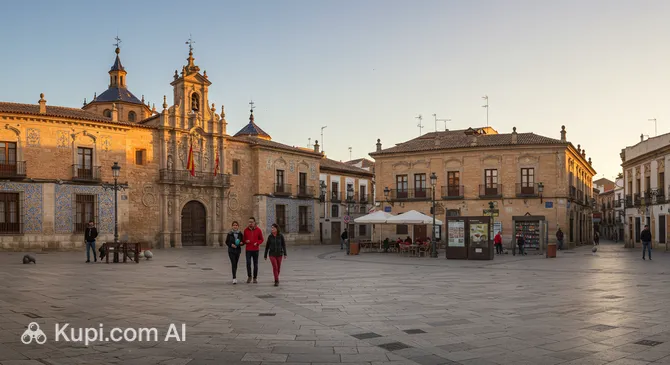
Exploring Ciudad Real reveals a city that proudly showcases its history and cultural heritage through its landmarks. While the famous Puerta de Toledo and the Cathedral are often the first stops, the city center offers several other captivating sites that define its character. A stroll through the streets brings you to the vibrant Plaza del Pilar. As one of the main urban hubs, this square is a lively meeting point for locals and visitors alike, surrounded by cafes and modern buildings that contrast with the city's older architecture. It serves as a perfect starting point for a walking tour and features the iconic statue of Don Quixote, reminding travelers of the region's literary fame.

Plaza del Pilar. Source: Kupi.Binoculars

For those interested in religious history and medieval architecture, the Church of Santiago is an essential visit. Dating back to the late 13th century, it is considered the oldest church in Ciudad Real. Its design is a fascinating blend of styles, primarily Gothic but with clear Romanesque influences that hint at its antiquity. Inside, visitors are often impressed by the beautifully preserved 14th-century mural in the apse, depicting a dragon with seven heads, a unique artistic treasure that stands out among the city's religious art.

Church of Santiago. Source: Kupi.Binoculars

A short distance from the bustling squares, you can find tranquility in the Prado Gardens. Located at the foot of the Cathedral, this beautifully landscaped park is a favorite spot for a leisurely walk. The elevated promenade offers a lovely perspective of the Cathedral's tower and the surrounding area. With its well-kept paths, statues, and shaded areas, it provides a peaceful green escape in the heart of the city, perfect for resting after a day of sightseeing.

Another architectural gem worth noting is the Former Casino of Ciudad Real. This striking building, constructed in the late 19th century, showcases an eclectic style with classicist tendencies that reflects the bourgeois society of that era. Today, it serves as a cultural center hosting various events and exhibitions. Its elegant façade and historical significance make it a standout structure that adds a touch of 19th-century grandeur to the cityscape.

Local Cuisine

The gastronomy of Ciudad Real is a reflection of its landscape and history—hearty, simple, and deeply flavorful. Rooted in shepherd traditions and the rural lifestyle of La Mancha, the local cuisine relies heavily on high-quality ingredients like game, vegetables, and olive oil. A staple dish found on almost every menu is Pisto Manchego, a rich vegetable stew made with tomatoes, peppers, and zucchini, often served with a fried egg on top. Another classic is Migas del Pastor, a comforting dish made from breadcrumbs, garlic, chorizo, and bacon, traditionally eaten by shepherds during cold winters.

No culinary journey here would be complete without tasting the world-renowned Manchego cheese. Made from the milk of sheep that graze on the local plains, this cheese varies in flavor from mild and creamy to sharp and spicy, depending on its aging. Literature lovers will appreciate trying Duelos y Quebrantos, a scrambled egg dish with chorizo and bacon that was famously mentioned in the opening pages of Don Quixote. Game meat is also a highlight, with Pickled Partridge (Perdiz en Escabeche) being a sophisticated local delicacy.

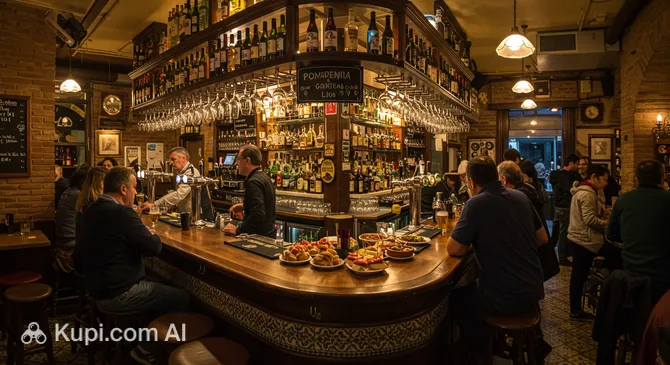
When it comes to drinks, the region is a powerhouse of viticulture, situated within the vast La Mancha wine appellation. Local wines are excellent and affordable, ranging from robust reds to crisp whites. For a refreshing local specialty, try Zurra, a punch similar to sangria but prepared with white wine, sugar, lemon, and macerated fruits, often enjoyed during festivals.

La Pajarería Wine Bar and Brewery. Source: Kupi.Binoculars

The dining culture in Ciudad Real revolves around the beloved tradition of "el tapeo." Unlike in some other parts of Spain, here it is customary to receive a generous free tapa with every drink you order in a bar. This makes hopping from place to place a fun and filling way to dine. For those looking to explore local wines and craft beers in a vibrant setting, La Pajarería Wine Bar and Brewery is a popular spot to relax and enjoy the city's spirited atmosphere.

Travel Tips

Planning a trip to Ciudad Real is the first step toward an unforgettable adventure in the land of Don Quixote. To help you navigate the city with ease and confidence, here are some essential practical tips tailored for your visit.

  1. Clothing and Gear: The climate in Ciudad Real is continental, meaning extremes are common. In summer, lightweight, breathable clothing and a good hat are mandatory due to the intense heat, while winters require warm coats and scarves. Since the city center is best explored on foot, bring comfortable walking shoes. If you plan to visit religious sites like the Cathedral, remember to dress modestly, covering shoulders and knees.

  2. Transportation: Ciudad Real is a compact, walkable city, and you can easily reach most major attractions on foot. While there is a network of urban buses, you will rarely need them within the historic center. Taxis are available at designated ranks or by phone. Car rental is generally not necessary for the city itself but is highly recommended if you plan to explore the surrounding windmills or the nearby town of Almagro.

  3. Finances: The local currency is the Euro (€). Credit and debit cards are widely accepted in hotels, shops, and most restaurants. However, it is advisable to carry some cash, particularly small bills and coins, for paying in smaller traditional bars or for small purchases. ATMs are easy to find throughout the city. Tipping is not mandatory, but rounding up the bill or leaving a few coins is a polite gesture for good service.

  4. Health and Safety: Ciudad Real is a very safe city for tourists, with low crime rates. Standard precautions with personal belongings in crowded areas are sufficient. Pharmacies are marked with a glowing green cross; if you need one outside of regular hours, look for a "Farmacia de Guardia" (duty pharmacy). For any serious emergencies, the general number for police, fire, and ambulance is 112.

  5. Communication: The official language is Spanish. While younger people and staff in major hotels may speak English, it is less common among the older generation and in smaller local establishments. Learning a few basic phrases like "Hola" (Hello), "Gracias" (Thank you), and "La cuenta, por favor" (The bill, please) will go a long way. Wi-Fi is generally available in hotels and many cafes, and prepaid SIM cards can be bought at phone shops in the center.

  6. Local Etiquette: Spaniards are warm and social. When entering a shop or elevator, it is polite to say "Hola" or "Buenos días". Dining schedules are later than in many other countries; locals typically eat lunch between 2:00 PM and 4:00 PM and dinner after 9:00 PM. Attempting to dine at 6:00 PM might leave you with few options other than cold tapas.

  7. What to Avoid: Avoid rushing your meals or the service staff. Dining in Spain is a leisurely social activity, and asking for the bill immediately after eating is not the norm—you usually have to signal for it. Also, try not to plan shopping trips during the "siesta" hours (roughly 2:00 PM to 5:00 PM), as many smaller local shops close for a midday break.

  8. Additional Tip: Take advantage of the free tapas culture. In Ciudad Real, when you order a drink (beer, wine, or soda) in a bar, it almost always comes with a complimentary small plate of food. It is a fantastic and budget-friendly way to sample local cuisine like migas or Manchego cheese without ordering a full meal.

Armed with these tips, you are ready to immerse yourself in the authentic culture of Ciudad Real. Enjoy the warmth of the locals, the delicious Manchego cuisine, and the timeless charm of this historic Spanish city.

Entertainment & Nightlife

Entertainment in Ciudad Real reflects the city's friendly and laid-back character. As a university town, it possesses a youthful energy that comes alive particularly in the evenings. The nightlife is centered around the concept of socializing in the streets and bars, with the area known as "El Torreón" and the streets surrounding Plaza Mayor being popular gathering spots. Here, the evening often begins with the traditional tapeo before transitioning into a relaxed night of drinks and conversation.

For those seeking a specific venue to enjoy the local ambiance, Orosia is a well-regarded establishment. It offers a comfortable setting for enjoying cocktails and mixed drinks, making it a favorite among locals looking to unwind. The city’s bar scene is diverse, allowing visitors to hop from one place to another, experiencing the lively chatter and hospitality that defines the region.

Dining out is a major form of entertainment here, often blurring the lines between a meal and a social event. Travelers looking for a modern culinary experience might enjoy Chotomate, a restaurant known for its stylish atmosphere and appetizing dishes. If you are in the mood for something more casual, Cronicass Burger Bar serves gourmet burgers in a vibrant setting, perfect for a fun dinner with friends.

Shopping provides another leisure avenue, with a mix of high-street brands and local boutiques found along pedestrian thoroughfares like Calle General Aguilera. For a more concentrated shopping experience, El Parque Shopping Center is a convenient destination. It houses a variety of fashion stores and services under one roof, situated next to the lush Gasset Park. Additionally, for general needs and a wide selection of products, the Hypermarket Ciudad Real offers extensive retail options.

Cultural festivities play a significant role in the city's entertainment calendar. The most famous event is La Pandorga, held annually on July 31st. This festival is a massive declaration of local pride, featuring traditional costumes, music, and the "zurra" (a wine-based drink) competition. Carnival is another highlight, celebrated with great enthusiasm and parades that showcase the region's creativity and humor.

Parks & Museums

Ciudad Real offers a refreshing blend of urban greenery and cultural depth, providing visitors with ample opportunities to relax in nature or dive into the region's rich artistic and literary heritage. From historic gardens that have served the city for over a century to museums dedicated to the world's most famous knight, the city's leisure offerings are diverse and engaging.

Among the city's green spaces, Gasset Park stands out as the oldest and most emblematic. Inaugurated in 1915, this lush park is filled with tree-lined avenues, ornamental fountains, and statues, including the famous "La Talaverana" fountain. It is the perfect spot for a quiet afternoon stroll. For those already exploring the city center, the Prado Gardens offer a convenient and scenic escape. Located right next to the Cathedral, this elevated landscaped area provides beautiful views of the temple's tower and is a favorite meeting place for locals seeking a moment of tranquility amidst their daily routine.

Another significant natural area is the Parque del Pilar, a modern and expansive green lung in the city. It features a large artificial lake, extensive walking paths, and sports facilities, making it ideal for families and active travelers. The park's open design contrasts with the more traditional layout of Gasset Park, showcasing the city's commitment to modern urban living.

When it comes to museums, the city is inextricably linked to Miguel de Cervantes. The Quixote Museum – Cervantes Library is a must-visit cultural venue. This unique institution is dedicated to the study and exhibition of works related to the immortal character of Don Quixote. Visitors can explore a fascinating collection of art and editions of the novel, as well as a reproduction of a 17th-century printing press, offering a tangible connection to the Golden Age of Spanish literature.

For art and history enthusiasts, the Museo de Ciudad Real (Provincial Museum) is another key stop. Housed in a striking modern building designed by architect Helio Piñón, it holds extensive archaeological and paleontological collections that trace the region's history from prehistoric times to the Middle Ages. Additionally, the Museo Elisa Cendrero offers a glimpse into the life of the local bourgeoisie in the early 20th century, displaying period furniture, ceramics, and paintings within a beautifully preserved family home.

A notable architectural and cultural landmark is the Former Casino of Ciudad Real. This elegant building, with its classicist style and decorative details, was once the social hub for the city's elite. Today, it has been transformed into a dynamic cultural center that hosts conferences, exhibitions, and official events, allowing visitors to admire its grand interior while enjoying contemporary cultural programming.

For an authentic experience slightly off the beaten path, head to the Atalaya Forest Park (Parque Forestal de la Atalaya), located just a few kilometers outside the city. It is a vast natural space of pine forests and walking trails that offers panoramic views of Ciudad Real and the surrounding volcanic fields, perfect for a picnic or a sunset hike.

Getting Around

Navigating Ciudad Real is remarkably stress-free compared to larger Spanish metropolises. Due to its compact size and flat terrain, the city is designed for pedestrians, and most visitors find that walking is the most efficient and enjoyable way to explore the historic center. However, for reaching points of interest further afield, such as the university campus, the general hospital, or the high-speed railway station, the city offers a reliable and straightforward public transport system.

The urban transport network consists exclusively of a fleet of buses that cover the entire city through several well-connected lines. These buses are modern, comfortable, and generally painted in blue and white livery. They operate frequently throughout the day, connecting residential neighborhoods with the commercial center and key transport hubs. For tourists, the most relevant routes are those linking the Plaza Mayor and the city center with the Ciudad Real Railway Station, ensuring a smooth transfer for those arriving by AVE trains.

The payment system is simple and user-friendly. For a single journey, you can purchase a ticket directly from the driver upon boarding; it is advisable to carry small change or coins, as drivers may not be able to change large banknotes. If you plan to stay longer or use the bus frequently, you can opt for a multi-trip travel card, often referred to as a "Bono". These rechargeable cards significantly reduce the cost per trip and can typically be purchased at tobacco shops (estancos) or authorized kiosks throughout the city.

Buses generally operate from early morning, around 7:00 AM, until approximately 10:30 PM, though schedules may be reduced on weekends and public holidays. It is important to check the specific timetable at the bus stop, as frequencies can vary depending on the line. Validating your trip is easy; if you have a travel card, simply tap it on the reader near the driver's cabin. If you are buying a single ticket, the driver will issue you a paper receipt which you should keep until the end of your journey.

For those who prefer a more direct mode of transport, taxis are a convenient alternative. You can easily identify them as white vehicles, usually displaying the city coat of arms. Taxis can be found at designated ranks (paradas) located at strategic points like the railway station, bus station, and near the Plaza del Pilar. They operate on a metered system with regulated fares, and while some accept credit cards, carrying cash is always a safe bet. Ride-hailing apps are less prevalent here than in Madrid or Barcelona, so relying on official taxi ranks or telephone booking is standard.

Given the city's layout, cycling is also a viable option, though there is no large-scale public bike-sharing scheme aimed specifically at short-term tourists. However, the flat landscape makes it an effortless place to ride if you can rent a bike privately. Ultimately, the charm of Ciudad Real lies in its accessibility; you can cross the entire city center on foot in under 30 minutes, allowing you to soak in the atmosphere without worrying about complex transit maps or zones.

Accommodation

Finding the perfect place to stay in Ciudad Real is a straightforward and pleasant task, mirroring the city's welcoming and manageable nature. Unlike the sprawling metropolises of Spain, this provincial capital offers a concentrated selection of accommodation options that generally provide excellent value for money. Most hotels are situated within or just outside the circular ring road that defines the city center, meaning that wherever you choose to book, you are likely to be within walking distance of the main attractions and tapas bars.

For travelers who want to be in the thick of the action, the historic center is the ideal choice. Hotels located near the Plaza Mayor and the Cathedral allow guests to step out directly into the lively streets, surrounded by historic architecture and the city's famous culinary scene. Staying in this area offers the charm of evening strolls through the pedestrianized zones and easy access to monuments like the Puerta de Toledo without the need for public transport.

Alternatively, the area surrounding the Ciudad Real Railway Station and the university campus offers more modern accommodation options. This district is perfect for those arriving by high-speed train or business travelers seeking easy access to the main roads. Hotels here tend to be newer, often featuring spacious rooms, on-site parking, and sometimes amenities like swimming pools, which can be a relief during the hot La Mancha summers. Despite being "outside" the medieval core, it is still only a 15-minute walk to the Plaza del Pilar.

While the city does not have an extensive range of five-star luxury resorts, it boasts a solid selection of four-star hotels that deliver high standards of comfort and service at competitive prices. During major local festivities, such as the Pandorga in late July or the solemn processions of Holy Week (Semana Santa), occupancy rates rise significantly. It is highly advisable to book well in advance if your visit coincides with these dates to secure the best locations and rates.

Nearby Cities

For those looking to explore the surroundings, Ciudad Real serves as an excellent base for day trips to several interesting nearby locations:

Just a short drive away lies the historic town of Almagro, famous for its stunning Plaza Mayor and the Corral de Comedias, a 17th-century open-air theater that is the only one of its kind still active today. It offers a perfect immersion into the Golden Age of Spanish theater. Wine enthusiasts will find their paradise in Valdepeñas, a city renowned worldwide for its wine appellation. Visitors can tour traditional bodegas, visit the Wine Museum, and taste some of the best vintages the region has to offer.

Another captivating destination is Alcázar de San Juan, located in the heart of La Mancha. This town is deeply connected to the legacy of Cervantes and features a picturesque set of windmills on the Hill of San Antón, providing the classic landscape associated with Don Quixote. It is also known for its railway history and delicious local pastries.

City Population Distance (km)
Puertollano 46,036 36
Tomelloso 36,024 81
Alcázar de San Juan 30,548 77
Valdepeñas 30,218 53
Manzanares 17,845 48

These nearby destinations offer a glimpse into the diverse culture and landscapes of the region, from industrial heritage to literary legends and gastronomic delights.

Shopping & Souvenirs

Shopping in Ciudad Real offers a relaxed and accessible experience, far removed from the frenetic pace of larger capitals. The city center is compact and pedestrian-friendly, allowing visitors to browse through a mix of well-known international fashion chains and charming local boutiques without the need for public transport. Whether you are looking for the latest trends, traditional handicrafts, or exquisite local delicacies, the city provides a pleasant retail atmosphere tailored to a leisurely pace.

The main commercial activity is concentrated in the pedestrian streets radiating from the Plaza Mayor. Calle General Aguilera and Calle de la Cruz are the bustling arteries where you will find popular Spanish high-street brands and clothing stores. A stroll down these thoroughfares offers a vibrant window-shopping experience, with plenty of cafes nearby to take a break. For more traditional shops and smaller independent businesses, the streets surrounding the Plaza del Pilar provide a diverse selection of shoes, accessories, and gifts.

For those who prefer a concentrated shopping experience under one roof, the El Parque Shopping Center is the primary destination. Located near the high-speed railway station and the lush Gasset Park, it houses a variety of fashion retailers, leisure facilities, and a cinema. It is a convenient spot for families or travelers looking for specific items in a modern setting. Additionally, the Hypermarket Ciudad Real covers all general needs, from groceries to electronics, making it useful for stocking up on supplies during your stay.

To immerse yourself in the local lifestyle, a visit to the street markets is highly recommended. The weekly Mercadillo, typically held on Saturdays at the fairgrounds (Recinto Ferial), is a lively event where locals gather to buy everything from fresh fruit and vegetables to clothes and textiles at bargain prices. For daily fresh produce, the Mercado de Abastos in the city center showcases the high quality of Manchego ingredients, including meats, fish, and seasonal vegetables.

When it comes to souvenirs, Ciudad Real is best remembered through its flavors and literary connections. The region is famous for its Manchego cheese, so buying a wedge (or a whole wheel) of cured or semi-cured cheese is a must. Saffron from La Mancha, often called "red gold," is another prized purchase. Wine lovers should look for bottles with the D.O. La Mancha or Valdepeñas labels. On the non-edible side, ceramics and crafts depicting Don Quixote and Sancho Panza are classic keepsakes that celebrate the city's identity.

Opening hours in Ciudad Real follow the traditional Spanish schedule. Small shops and boutiques generally open from 10:00 AM to 2:00 PM and reopen from 5:00 PM to 8:30 PM, closing for the midday "siesta." Major supermarkets and shopping centers, however, usually remain open continuously from 10:00 AM to 10:00 PM. Most stores are closed on Sundays and public holidays.

Payment methods are modern and convenient. Credit and debit cards (Visa and Mastercard) are widely accepted even for small amounts. However, carrying some cash is advisable for small purchases at street markets or older traditional kiosks. Travelers residing outside the European Union are eligible for a VAT refund on purchases made in stores that offer tax-free shopping, which can be processed via the DIVA system upon departure.
Reached the end of the page?

That means the route is fully explored