Support

Teruel

About

Nestled in the mountainous region of Aragon, Teruel is a captivating city that offers a unique blend of architectural splendor and romantic legend. As the capital of its namesake province, it holds the distinction of being the least populated provincial capital in Spain, providing a tranquil yet culturally rich atmosphere that feels refreshingly authentic and uncrowded. Situated at a high altitude, the city is known for its crisp climate and stunning surrounding landscapes.

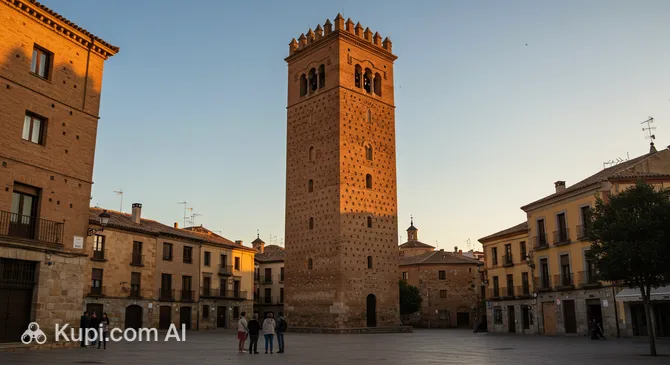
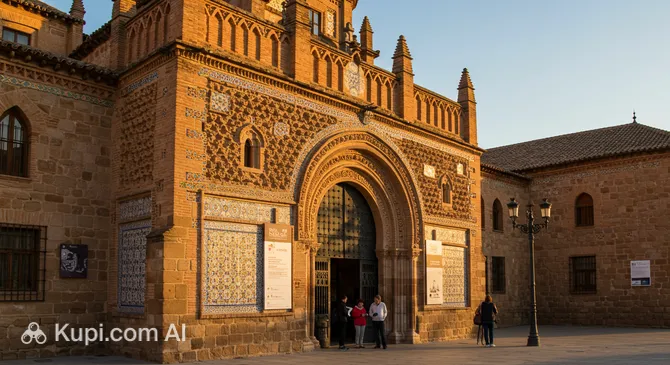
The city is globally renowned for its exceptional Mudéjar architecture, a style that harmoniously fuses Islamic and Christian artistic traditions. This heritage is so significant that the Mudéjar Architecture of Aragon, centered in Teruel, has been declared a UNESCO World Heritage Site. Visitors exploring the history of Teruel will discover a fascinating past marked by the coexistence of different cultures, which is vividly reflected in the intricate brickwork and ceramic glazes of iconic towers like El Salvador and San Martín.
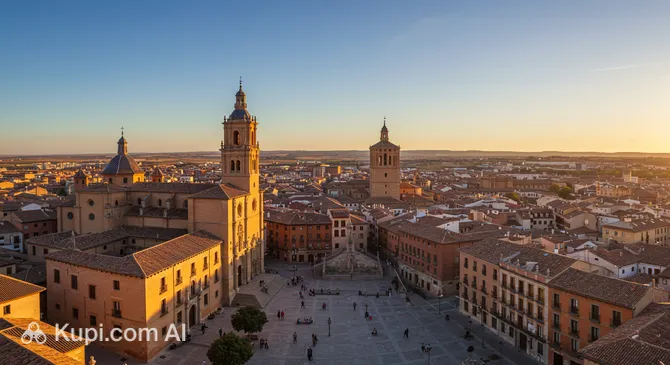
Teruel. Source: Kupi.Binoculars

Beyond its architectural feats, the city is famous for the tragic and timeless story of the Lovers of Teruel (Los Amantes de Teruel). Often compared to Romeo and Juliet, this legend draws many visitors to the Mausoleum of the Lovers. Another highlight is the lively Plaza del Torico, the heart of the city, recognizable by the small bull statue atop a column that serves as the city's symbol.

Whether you are an architecture enthusiast, a history buff, or a romantic at heart, Teruel promises an unforgettable experience off the beaten path. Its charm lies in its ability to transport you back in time while offering the warm hospitality typical of the Aragonese region.
Weather Overview

The climate in Teruel is defined by its high altitude, resulting in distinct seasonal contrasts that shape the local atmosphere. Generally, you can expect warm summers with occasional rain and cold winters where temperatures often drop significantly. For those planning a trip and needing precise forecasts, the weather in Teruel guide provides comprehensive monthly breakdowns.

During the peak summer months of July and August, the weather is typically warm and inviting, with average temperatures around 22°C and daytime highs reaching nearly 30°C. In contrast, winters are brisk, with January usually being the coldest month, featuring average temperatures of just 3.6°C and minimums that can fall below freezing. Spring tends to be the most active season for rainfall frequency, with March and April seeing about 11 wet days each, while the winter months remain relatively drier.

Interesting Facts

Beyond the main attractions, Teruel holds many fascinating secrets and specific details that often surprise visitors. Here are some intriguing facts about this unique Aragonese city:
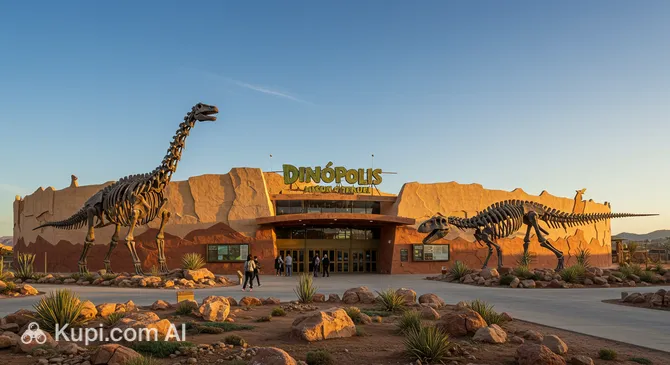
  • Teruel is not just about medieval history; it is a major hub for paleontology. The city hosts Dinopolis, a massive cultural, scientific, and leisure park dedicated to dinosaurs. It was established here because the province has yielded some of the most significant fossil discoveries in Europe, including the Turiasaurus riodevensis, one of the largest dinosaurs ever found.

  • The city boasts the oldest ham designation in the country. Jamón de Teruel was the very first cured ham in Spain to be awarded a Protected Designation of Origin (PDO) in 1984, acknowledging its superior quality and the unique dry, cold climate that is perfect for the curing process.

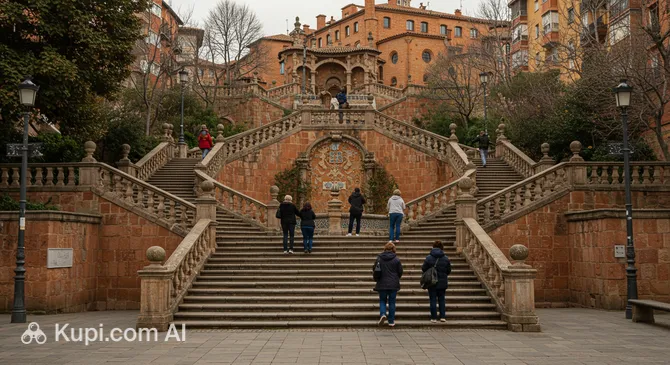
  • Urban planning meets art in the spectacular Óvalo Staircase. Built in the early 20th century to connect the railway station with the city center, this Neo-Mudéjar masterpiece is a stunning display of brickwork and ceramics that turns a simple climb into a visual journey.

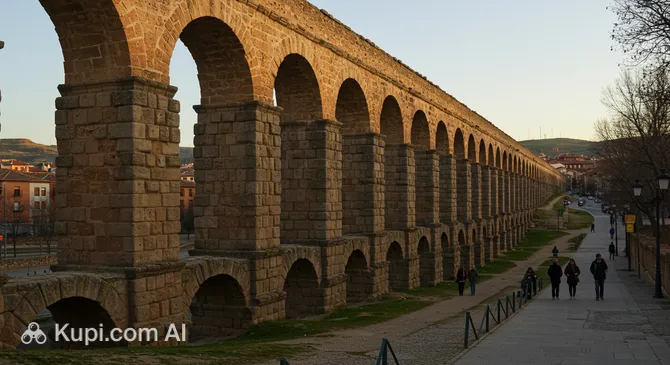
  • The Los Arcos Aqueduct is a rare architectural gem from the Renaissance period. Constructed in the 16th century, it served a dual purpose: bringing water to the city and acting as a pedestrian viaduct, a clever engineering solution that remains an impressive sight today.

Óvalo Staircase. Source: Kupi.Binoculars

How to Get There

Reaching this Aragonese gem involves a journey through some of Spain's most picturesque landscapes. While the city is tucked away in the mountains, it remains accessible via several major transport hubs. For a detailed breakdown of all travel options, you can read more about how to get to Teruel in our dedicated guide.

The city of Teruel does not have its own airport, but you can fly into Valencia Airport (VLC) in the city of Valencia, which is about 109 km from Teruel. This is often the most convenient option for travelers, with a transfer time of approximately 1.5 to 2 hours by road. Valencia handles a large volume of passengers and offers good connections to various European destinations.

Another major alternative is Adolfo Suárez Madrid-Barajas Airport (MAD) in Madrid. Although it is located about 210 km from Teruel, it is the busiest international gateway in the country. The drive from Madrid typically takes around 3.5 to 4 hours. Travelers can also consider Zaragoza Airport (ZAZ), situated roughly 147 km to the north, which serves as a regional entry point.

For clarity, here is a summary of the main airports:

Airport Name City Passenger Traffic Km from City
Adolfo Suárez Madrid-Barajas AirportMadridVery Large209.7
Valencia AirportValenciaLarge109.1
Reus AirportReusMedium211.6
Zaragoza AirportZaragozaMedium146.8
Castellon AirportCastellón de la PlanaSmall101.2

Traveling by train is a comfortable way to arrive directly in the city. Teruel is served by Teruel Railway Station, which is conveniently located just 0.7 km from the city center, allowing for easy access to local accommodations. The station operates on the line connecting Valencia and Zaragoza, offering a scenic route through the region.

If you are traveling from further away, you will likely transit through Valencia Railway Station or Zaragoza-Delicias Station. These major hubs in Valencia and Zaragoza handle millions of passengers annually and provide frequent connections to Teruel. From either city, you can catch a direct train or a bus to complete your journey.

Below is a summary of the relevant railway stations:

Station City Passenger Traffic Km to Center
Valencia Railway StationValenciaVery High115.9
Zaragoza-Delicias StationZaragozaHigh146.7
Castellón de la Plana Railway StationCastellón de la PlanaMedium98.5
Albacete Railway StationAlbaceteMedium162.3
Teruel Railway StationTeruelSmall0.7

Main Attractions

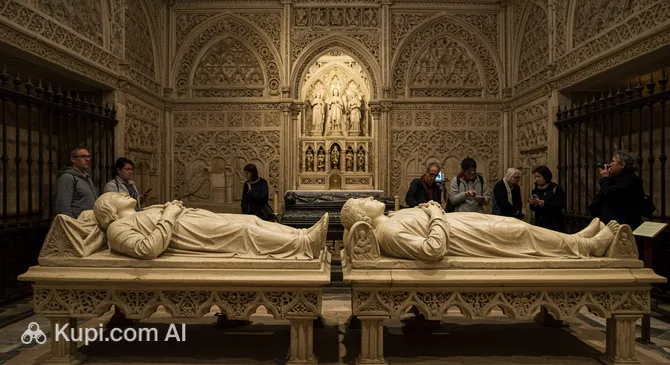
Exploring this city offers a journey through time, where medieval legends and architectural mastery come to life. The Mausoleum of the Lovers of Teruel is arguably the most emotive site in the region. Attached to the Church of San Pedro, this space is dedicated to the tragic love story of Isabel de Segura and Juan Diego de Marcilla, often referred to as the "Romeo and Juliet" of Spain. Visitors can view the beautifully sculpted alabaster tombs designed by Juan de Ávalos, which depict the lovers reaching out to hold hands for eternity.

Mausoleum of the Lovers of Teruel. Source: Kupi.Binoculars

For admirers of the city's UNESCO-listed heritage, the Torre de El Salvador is an essential stop. This 14th-century tower is a prime example of Mudéjar architecture, characterized by its intricate brickwork and green and white ceramic glaze tiles. Unlike some other towers, this one is accessible to the public; you can climb its narrow stairs to reach the bell chamber, which offers panoramic views over the rooftops and the surrounding landscape.

Torre de El Salvador. Source: Kupi.Binoculars

To delve deeper into the local culture, the Provincial Museum of Teruel provides a comprehensive overview of the province's history. Housed in the impressive 16th-century Casa de la Comunidad, the museum spans several floors covering archaeology, ethnography, and fine arts. It is particularly noted for its collection of traditional ceramics and artifacts that trace the region's evolution from prehistoric times to the present day.

If you are looking for a break from sightseeing, Fueros de Teruel Park offers a lush, green retreat. It is a spacious urban park ideal for a leisurely stroll or a picnic. With its well-maintained paths, playgrounds, and sports facilities, it serves as a popular gathering spot for locals and provides a refreshing contrast to the stone architecture of the historic center.

Another notable engineering feat is the Fernando Hué Viaduct. Built in the mid-20th century, this structure was crucial for the city's expansion, connecting the medieval walled city with the modern district known as Ensanche. Its imposing arches and stone construction make it a striking landmark that complements the city's historical aesthetic while facilitating modern movement.

Local Cuisine

The gastronomy of Teruel is a reflection of its rugged landscape and climate—hearty, flavorful, and deeply rooted in tradition. Known for its high-quality local produce, the city offers a culinary experience that centers on simple ingredients transformed into exquisite dishes. The absolute star of the local table is the famous Jamón de Teruel. While its Protected Designation of Origin status is a point of pride, the real joy lies in tasting its delicate, slightly salty flavor, often served in thin, hand-cut slices or atop pan con tomate (bread with tomato).

Beyond the cured ham, visitors must try the Ternasco de Aragón, a tender roast lamb dish that is a staple of Aragonese cuisine. Another classic comfort food is Migas turolenses. Originally a humble shepherd's meal made from stale bread, garlic, and pork, it is now a celebrated delicacy, often topped with grapes or a fried egg to balance the savory flavors. For a quick savory snack, look for Regañaos, a type of flatbread or pastry typically topped with sardines, peppers, or ham, which is perfect for eating on the go.

Teruel is also one of the world's leading producers of black truffles (Tuber melanosporum). During the season, the earthy aroma of this "black diamond" infuses many local dishes, from scrambled eggs to pasta and heavy sauces. Dining out here often involves a mix of seated meals and the lively culture of tapeo—hopping from bar to bar to enjoy small plates.

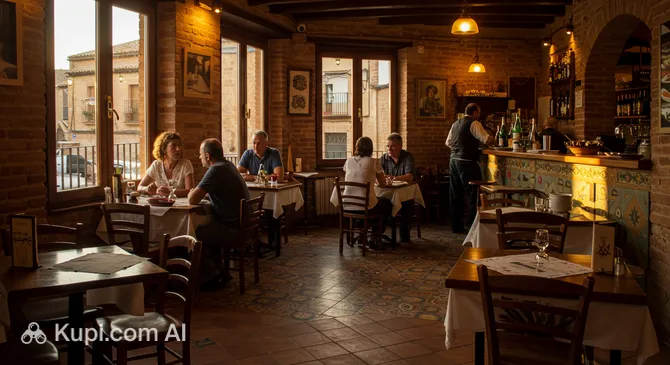
For those seeking a refined dining experience with an emphasis on wine pairing, Restaurante Yain is a standout choice. It is well-regarded for its extensive wine cellar and a menu that creatively interprets traditional flavors.

Restaurante Yain. Source: Kupi.Binoculars

If you prefer a focus on seasonal and locally sourced ingredients, the Locavore Restaurant offers a modern approach to regional cooking, highlighting the freshness of Teruel's produce. For a more casual atmosphere where you can mingle with locals over tapas, Bar Serruchi is a popular spot known for its variety of bite-sized treats. Nearby, Bar Torreón provides another excellent setting to enjoy a cold beer or a glass of regional wine while soaking in the city's relaxed vibe.

To accompany these meals, locals often enjoy wines from the broader Aragon region, such as those from Somontano or Cariñena, though Teruel has its own emerging wine producers. Vermouth is also a popular aperitif before lunch. Whether you are sitting down for a truffle-infused feast or grabbing a regañao in the plaza, the food in Teruel is sure to be a highlight of your visit.

Travel Tips

To ensure your visit to this enchanting Aragonese city is as smooth and enjoyable as possible, we have compiled a set of practical guidelines. While Teruel is a welcoming and safe destination, knowing a few local nuances regarding the climate, schedule, and customs will help you experience the city like a true insider.

  1. Clothing and Gear: Teruel is situated at a high altitude, which means the weather can be quite variable. Even in summer, the evenings can get chilly, so it is wise to bring layers and a light jacket. If you visit in winter, be prepared for very cold temperatures; a heavy coat, scarf, and gloves are essential. Since the historic center features cobblestone streets and some steep areas, comfortable walking shoes are a must. When visiting religious sites like the Cathedral or the Church of San Pedro, ensure your shoulders and knees are covered.
  2. Transportation: The best way to explore Teruel is on foot. The historic center is compact, and most major attractions, including the Mudéjar towers and the Mausoleum, are within walking distance of each other. Public buses are available but rarely necessary for tourists unless you are staying on the outskirts. Taxis are easy to find at designated ranks or can be called by phone. If you plan to visit the surrounding province (such as Albarracín or the Dinopolis park), renting a car is highly recommended for flexibility.
  3. Finances: The official currency is the Euro (€). Credit and debit cards are widely accepted in hotels, restaurants, and larger shops. However, it is advisable to carry some cash for small purchases in local bars, bakeries, or souvenir kiosks. ATMs are readily available throughout the city center. Tipping is not mandatory but is appreciated; rounding up the bill or leaving a few coins for good service is the standard practice.
  4. Health and Safety: Teruel is one of the safest cities in Spain, with very low crime rates. Standard precautions, such as keeping an eye on your belongings in crowded areas, are sufficient. Pharmacies are marked with a green cross (Farmacia); if one is closed, there is always a designated "farmacia de guardia" open 24/7, with the location usually posted on the door of other pharmacies. The emergency number for police, fire, or medical assistance is 112.
  5. Communication: The primary language is Spanish. While staff in hotels and major tourist attractions often speak English, it may be less common in smaller local bars or shops. Learning a few basic phrases like "Hola" (Hello), "Por favor" (Please), and "Gracias" (Thank you) will be warmly received. Free Wi-Fi is often available in public squares and cafes, but for reliable connectivity, you can purchase a prepaid SIM card at mobile phone shops or tobacco kiosks (Estancos).
  6. Local Etiquette: Spaniards are generally warm and informal. The standard greeting is a handshake or, among friends, two kisses on the cheeks. When entering a shop or elevator, it is polite to say "Hola" or "Buenos días" to those present. Dining times are typically later than in many other countries; lunch is usually served between 13:30 and 15:30, and dinner often starts after 20:30.
  7. What to Avoid: Avoid expecting businesses to be open during the mid-day break. Many smaller shops and local businesses close for siesta roughly between 14:00 and 17:00. Plan your shopping or museum visits around this schedule, and use this time to enjoy a leisurely lunch as the locals do. Also, avoid being loud or disruptive inside churches, especially during mass.
  8. Additional Tip: Keep an eye out for the Torico statue in the main square. It is much smaller than most visitors expect, situated atop a tall column. It is a local tradition and a fun challenge to spot it immediately. Also, if you visit on a Thursday, you might catch the weekly street market, which is a great place to buy local produce and textiles.

By keeping these simple tips in mind, you will be well-prepared to navigate the charming streets of Teruel with confidence. Embrace the relaxed pace of life, enjoy the crisp mountain air, and let the city's unique history and hospitality create lasting memories for your trip.

Entertainment & Nightlife

While Teruel is known for its tranquil and romantic atmosphere during the day, the city transforms as the sun sets, offering a vibrant nightlife scene that surprises many visitors. Thanks to its university population, the evenings here are lively and spirited, particularly from Thursday through Saturday. The nightlife culture in Teruel is less about massive nightclubs and more about the social tradition of bar-hopping, enjoying good music, and socializing in the streets of the historic center.

The heart of the action is undoubtedly the Casco Histórico (Historic Center), specifically the area known locally as "La Zona." The narrow streets surrounding Plaza del Torico and Calle San Juan are packed with pubs, taverns, and bars where locals gather to enjoy the "tardeo"—an afternoon activity that often stretches late into the night. The atmosphere is casual and welcoming, with no strict dress codes; smart-casual attire is perfectly suitable for almost any venue in town.

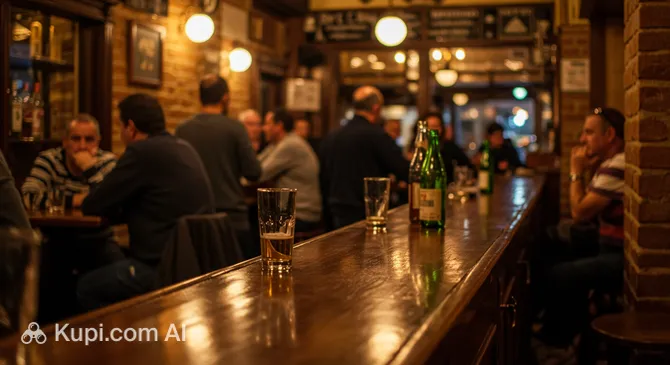
For those looking to experience the local bar scene, Bar El Refugio is a staple of Teruel's nightlife. This venue is well-regarded for its eclectic atmosphere and often hosts live music or DJ sets, making it a popular meeting point for both students and visitors. It is an excellent place to grab a drink, listen to rock or pop classics, and mingle with the friendly local crowd.

Bar El Refugio. Source: Kupi.Binoculars

If you prefer a more relaxing evening after a day of sightseeing, you might opt for a different kind of entertainment at the Ciudad de Teruel Spa Hotel. Located just a short distance from the city center, this facility offers a "DinoSpa" and general wellness circuits that are perfect for unwinding. It provides a serene alternative to the bustling bars, allowing travelers to recharge in thermal pools before calling it a night.

Regarding safety and logistics, Teruel is an incredibly safe city for night walks. You can comfortably stroll through the illuminated medieval streets without worry. Since the main nightlife district is concentrated in the pedestrian-friendly center, you likely won't need public transport. However, if your accommodation is on the outskirts, taxis are available at designated ranks or can be ordered by phone. Prices are reasonable, and drivers are generally reliable.

During the daylight hours, entertainment in Teruel shifts towards cultural and family-friendly activities. The city is famous for Dinopolis, a large paleontological park that combines science and amusement, making it a top draw for families. Additionally, theater lovers can check the schedule at the Teatro Marín, which hosts a variety of plays, concerts, and cultural performances throughout the year.

Parks & Museums

While Teruel is globally recognized for its Mudéjar towers and romantic legends, the city also boasts a surprising variety of museums and natural spaces that offer a deeper understanding of its culture and geography. Visitors can easily alternate between exploring specialized collections and enjoying the unique landscapes that surround the urban center.

For those interested in religious history and art, the Museum of Sacred Art is a must-visit. Located inside the Episcopal Palace, this institution displays an exquisite collection of silverware, paintings, and sculptures that trace the artistic evolution of the diocese. Another unique cultural stop is the Museo de la Vaquilla, dedicated to the city's most famous festival, the Vaquilla del Ángel. This small museum offers insight into the deep-rooted traditions and the festive spirit that defines the local identity during the summer celebrations.

Although the Provincial Museum of Teruel is a major attraction, it is worth visiting specifically for its ethnographic section. Beyond the archaeological treasures, the museum features fascinating recreations of traditional Aragonese life, including fully furnished rooms and ancient farming tools that provide a vivid picture of the region's rural past.

Provincial Museum of Teruel. Source: Kupi.Binoculars

Families and thrill-seekers should not overlook the entertainment side of Dinopolis. While its scientific importance is well-documented, the park also features immersive attractions like "The Last Minute," a boat ride that takes visitors through the final moments of the dinosaurs, and animatronic shows that bring these prehistoric giants to life in a way that static exhibits cannot.

Dinopolis. Source: Kupi.Binoculars

Nature lovers will find a landscape unlike any other at the Parque de las Arcillas. Located on the outskirts of the city, this natural area is characterized by its reddish clay formations and ravines. It offers a network of trails perfect for hiking or mountain biking and features several viewpoints (miradores) that provide spectacular panoramic views of Teruel against the backdrop of its rugged geology.

Closer to the city center, the Los Arcos Aqueduct offers a unique walking experience. Visitors can traverse the upper level of this Renaissance engineering marvel, enjoying a pleasant stroll that combines historical sightseeing with fresh air. For a more conventional park experience, the Fueros de Teruel Park remains the city's primary recreational hub, featuring sports courts and an open-air auditorium that often hosts events during the warmer months.

Los Arcos Aqueduct. Source: Kupi.Binoculars

Getting Around

Navigating Teruel is a pleasant and stress-free experience, largely because the city is compact and pedestrian-friendly. For the vast majority of visitors, the most efficient way to explore the historic center is simply by walking. The main attractions, such as the Mudéjar towers and the Plaza del Torico, are situated close to one another within the medieval heart of the city. However, for those looking to reach outlying areas or simply rest their legs, the city offers a reliable public transport network.

The urban bus system is the primary mode of motorized public transport. It consists of a few strategic lines that connect the city center with key locations such as the university, the hospital, and the popular Dinopolis theme park. The buses are modern, comfortable, and recognizable by their distinctive municipal branding. While the frequency is not as high as in larger metropolises, service is generally punctual, with intervals typically ranging between 15 and 30 minutes during weekdays.

The payment system for the bus is straightforward and old-fashioned, which is convenient for short-term visitors. You can purchase a single ticket directly from the driver when boarding. It is highly recommended to carry cash, specifically coins or small bills, as drivers may not have change for large denominations. The fare is very affordable, usually costing around €1.00 per trip. While there are travel cards available for residents, they are generally not necessary for tourists given the low cost of single tickets and the walkability of the city.

Operating hours for the buses typically run from approximately 7:00 AM to 10:00 PM on weekdays. On weekends and public holidays, the service schedule is reduced, with buses running less frequently. If you are planning to visit Dinopolis, check the specific bus schedule (often Line A or a special seasonal service) to ensure you have a ride back, especially in the late afternoon.

A unique and practical feature of Teruel's transport infrastructure is the public elevator system, designed to bridge the gap between the lower part of the city (near the railway station) and the historic center located on the plateau. The San Julián Elevator (Ascensor de San Julián) is a favorite among travelers arriving by train, as it saves them a steep uphill climb with luggage. It is generally free to use and operates throughout the day.

For a more personalized service, taxis are readily available and offer a comfortable alternative. You can find taxi ranks at strategic points like the Railway Station, the Bus Station, and near the Plaza del Torico. Taxis are metered, safe, and reasonably priced. They are particularly useful if you need to travel late at night when bus services have ceased or if you wish to visit nearby towns without renting a car.

During the peak tourist seasons, you may also encounter a Tourist Train. This road-based train offers a leisurely loop around the city's main landmarks, providing an excellent overview for families with children or those with limited mobility. It typically departs from the main square and offers commentary on the sights, making it both a transport option and an entertaining activity in itself.

Accommodation

Where to Stay:

Accommodation in Teruel is characterized by its hospitality and value for money, offering a range of options that cater to different travel styles. While the city does not have the vast hotel capacity of major metropolises, it provides a well-curated selection of places to stay. Visitors can choose from charming boutique hotels housed in restored historic buildings, reliable mid-range establishments, and an increasing number of modern tourist apartments that offer a "home away from home" experience. For budget travelers, there are also hostels and guesthouses that provide basic but comfortable amenities.

The most popular area to stay is undoubtedly the Historic Center (Casco Histórico). Staying here places you within walking distance of the iconic Mudéjar towers, the Plaza del Torico, and the Mausoleum of the Lovers. It is the perfect location for those who want to immerse themselves in the city's medieval atmosphere and enjoy the convenience of having restaurants and monuments right on their doorstep. Alternatively, the Ensanche district and the outskirts offer more modern facilities, often with the added benefit of on-site parking, which can be scarce in the narrow streets of the old town.

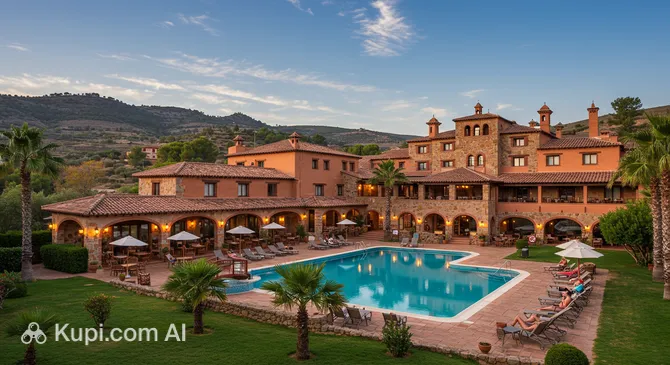
For travelers seeking a blend of comfort and leisure, the Ciudad de Teruel Spa Hotel is a standout option located just a short drive from the city center. This establishment is particularly well-suited for families and those looking to relax, as it features a dedicated "DinoSpa" for children and extensive wellness circuits for adults. It serves as an excellent base for exploring the region while ensuring a restful end to the day.

Ciudad de Teruel Spa Hotel. Source: Kupi.Binoculars

When planning your trip, it is highly recommended to book in advance, especially if you are visiting during major local festivals such as "Las Bodas de Isabel de Segura" in February or "La Vaquilla del Ángel" in July. During these events, the city's population swells, and finding last-minute accommodation can be nearly impossible.

In terms of pricing, Teruel is generally affordable compared to Spain's larger tourist hubs. You can typically find excellent mid-range options without breaking the bank. Reservations can be easily made through major online booking platforms, though contacting smaller guesthouses directly can sometimes yield better rates or more personalized service.

Nearby Cities

For those looking to explore the surroundings, Teruel serves as an excellent base for day trips to several interesting nearby locations. The region offers a fascinating mix of landscapes, ranging from the rugged interior mountains to the sunny Mediterranean coast.

One of the most notable destinations is Cuenca, located just under 100 kilometers away. Famous for its gravity-defying Hanging Houses (Casas Colgadas) perched on the edge of a gorge, this UNESCO World Heritage city offers a stunning historic center and dramatic scenery. Heading towards the coast, Sagunto is a treasure trove for history buffs, boasting an immense Roman fortress and a well-preserved Roman theater. Alternatively, travelers can visit Castellón de la Plana to enjoy a relaxed atmosphere, beautiful squares, and proximity to the beaches of the Costa del Azahar.

City Population Distance (km)
Castellón de la Plana 172,589 99
Sagunto 68,066 102
Cuenca 53,988 93
Villarreal 51,369 97
Burriana 35,019 101

These nearby destinations offer a glimpse into the diverse culture and landscapes of the region, allowing visitors to easily combine mountain adventures with historical tours or coastal relaxation.

Shopping & Souvenirs

Shopping in Teruel offers a relaxed and authentic experience that contrasts sharply with the frantic pace of larger metropolitan areas. Rather than massive department stores and international fashion chains, the city prides itself on small, family-run businesses and traditional boutiques. The shopping scene here is deeply connected to the local culture, with a strong emphasis on artisanal crafts and high-quality gastronomic products that reflect the rich heritage of the Aragon region.

The heart of the commercial activity is found in the Historic Center (Casco Histórico). The main artery for shoppers is Calle San Juan, along with the picturesque Plaza del Torico and the surrounding pedestrian streets like Calle del Salvador. This area functions as a "Centro Comercial Abierto" (Open Shopping Center), where you can stroll comfortably past shoe stores, clothing boutiques, and specialty food shops while admiring the stunning Mudéjar architecture. It is the perfect place to find unique items while soaking in the lively atmosphere of the city.

Unlike larger Spanish cities, Teruel does not have enormous shopping malls in the city center. For those needing large supermarkets or big-box retailers, commercial activity is concentrated in the outskirts, particularly in the areas connecting to the national roads. However, for the average tourist, the charm lies entirely in the downtown area, where the personalized service and unique selection of goods provide a much more memorable experience.

For a taste of local life, the weekly street market (mercadillo) is a popular event held every Thursday. Located typically in the Ensanche area near the park, this market features dozens of stalls selling everything from fresh fruits and vegetables to textiles, footwear, and household goods. It is a bustling, colorful environment where locals gather to stock up on essentials and where visitors can often find affordable clothing or simply enjoy the vibrant energy.

When it comes to souvenirs, Teruel is famous for its exceptional local products. The most iconic item to bring home is undoubtedly Jamón de Teruel (cured ham), which can be vacuum-packed for travel at many local delicatessens. Another gourmet treasure is the black truffle (Tuber melanosporum), as the province is one of the world's leading producers. For those with a sweet tooth, look for Suspiros de Amante, delicious cheese-based tartlets named after the city's famous lovers. On the artistic side, traditional Teruel ceramics, characterized by their distinctive green and manganese (purple/black) decoration, make for beautiful and enduring gifts.

Store opening hours in Teruel generally follow the traditional Spanish schedule. Shops typically open from 10:00 AM to 1:30 PM and reopen in the afternoon from 5:00 PM to 8:30 PM. Many smaller businesses close on Saturday afternoons and all day Sunday, so it is wise to plan your shopping for weekdays or Saturday mornings. Major credit and debit cards are widely accepted, though carrying some cash is recommended for small purchases at the market or in older, traditional kiosks.

Travelers residing outside the European Union are eligible for a VAT refund (tax-free shopping) on purchases that meet the minimum spend requirement. Look for the "Tax Free" sign in shop windows and ask for the electronic tax-free form (DIVA) at the checkout. You can then validate this form at customs upon your final departure from the EU to reclaim the tax.

Reached the end of the page?

That means the route is fully explored