Support

Toulon

About

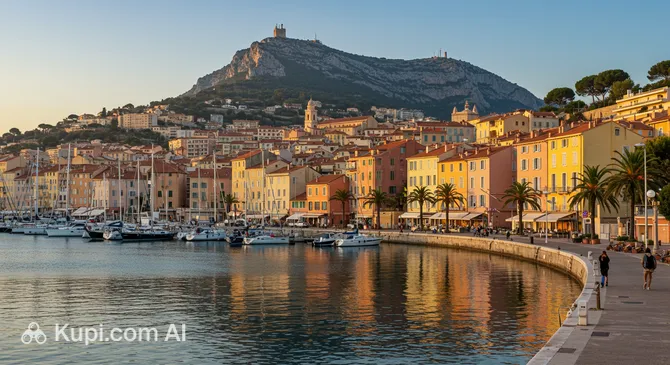
Welcome to Toulon, a vibrant port city nestled along the Mediterranean coast of France. Known for its significant naval base and rugged beauty, this destination offers a perfect blend of maritime heritage and Provencal charm. With a population of approximately 178,000, it serves as a bustling hub in the Provence-Alpes-Côte d'Azur region, boasting a sunny climate that invites exploration throughout the year.

Toulon. Source: Kupi.Binoculars

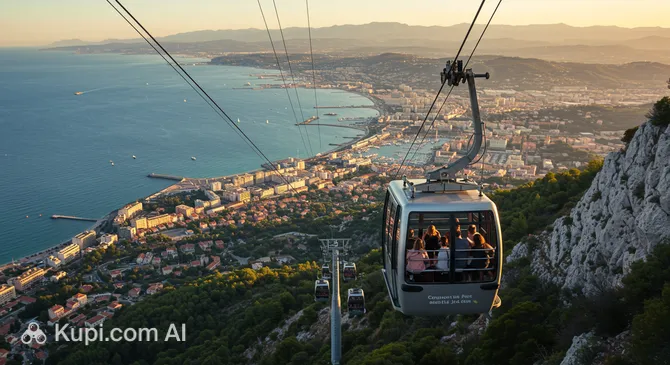
The city is geographically defined by its stunning natural harbor, one of the largest in Europe, and the limestone mountains that surround it. Visitors can delve into the fascinating history of Toulon by wandering through the Old Town, where narrow streets open up to lively squares adorned with fountains and olive trees. A major highlight for many is taking the famous red cable car up Mount Faron, which offers breathtaking panoramic views of the bay and the hinterland.

Beyond its scenic vistas, Toulon is celebrated for its authentic atmosphere, featuring bustling daily markets like the one on Cours Lafayette. Whether you are interested in visiting the National Navy Museum or relaxing on the sandy beaches of the Mourillon district, this city promises a memorable experience. It is a captivating destination that truly deserves a spot on your travel itinerary.

Weather Overview

Toulon enjoys a classic Mediterranean climate, characterized by abundant sunshine and generally mild conditions throughout the year. The city typically experiences hot, dry summers and cool, slightly wetter winters, making it an attractive destination regardless of the season. To help plan your activities, it is useful to review the weather in Toulon before your arrival.

The summer months of July and August are ideal for sun-seekers, with average temperatures hovering around 24°C and daytime highs reaching up to 28.5°C. These months are the driest of the year, usually seeing only about 2 wet days per month, which guarantees plenty of clear skies for enjoying the beaches and outdoor cafes.

Winters are gentle compared to much of Europe, with average temperatures in January and December sitting around 8°C to 9°C and lows rarely dropping below 5°C. The transitional seasons of spring and autumn offer pleasant weather, though they can be wetter; for example, May and November are among the rainiest times, with up to 11 wet days recorded on average. Despite the occasional showers, the climate remains comfortable for exploring the historic port and surrounding nature.

Interesting Facts

Beyond the main attractions, Toulon holds many fascinating secrets that reveal its quirky character and deep maritime roots. From humorous local legends to unique sporting traditions, there is much more to this city than meets the eye.
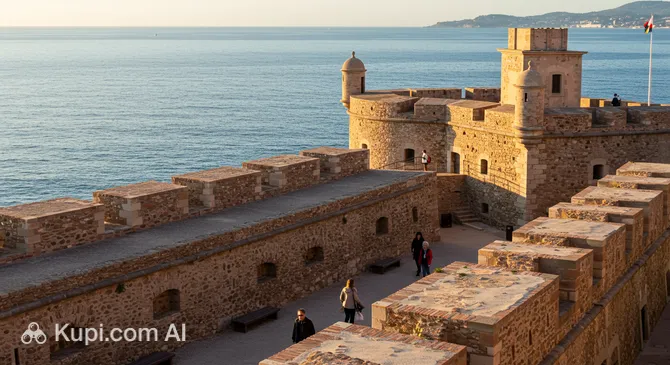
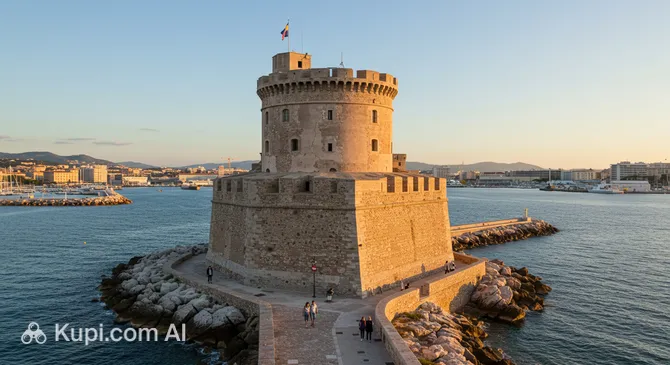
Tour Royale. Source: Kupi.Binoculars
  • The "Cuverville" Statue: The imposing statue of the Genius of Navigation overlooking the port has a cheeky nickname among locals. Residents affectionately call it "Cuverville" (a pun meaning "bottom-to-town") because the figure points its backside toward the city while facing the sea, a detail that has amused the population for over a century.

  • A Rugby Fortress: In Toulon, rugby is more than just a sport; it is a religion. The Stade Mayol is one of the few major stadiums in Europe located right in the heart of the city center. On match days, the streets echo with the fierce "Pilou-Pilou" chant, a warrior-like anthem performed by fans to encourage their team.

  • Big Cats with a View: While many visitors take the Mont Faron Cable Car for the panorama, few know it leads to a unique breeding center for big cats. The summit hosts a specialized zoo dedicated to the conservation of endangered felines, allowing you to see lions and tigers against the backdrop of the Mediterranean.

  • Innovation at the Tour Royale: Built in the 16th century, this fortification was an engineering marvel of its time. It was the first cannon tower constructed at the harbor's entrance and was designed with thick walls partially submerged in the rock, allowing its cannons to fire just above the water level for maximum impact against enemy ships.

How to Get There

Reaching this Mediterranean port city is straightforward thanks to its excellent transport connections. Whether you prefer flying or taking the train, you have several options to choose from. For a comprehensive overview of all travel methods, you can read more about how to get to Toulon in our detailed guide.

The most convenient entry point for air travelers is Hyeres Airport (IATA: TLN). Although it is the primary airport serving the area, it is located approximately 18 km from the city center. A taxi or shuttle transfer from here is quick, typically taking around 30 minutes. This facility handles a moderate volume of regional and international flights, making it a user-friendly option for direct arrivals.

For a wider range of international connections, many visitors choose Marseille Provence Airport (IATA: MRS). Please note that this major hub is not in Toulon itself but near Marseille, situated about 67.5 km away. The journey by road usually takes approximately 1 hour, depending on traffic. As a large international airport, it offers extensive flight schedules from numerous global destinations.

Another alternative is Nice Côte d'Azur Airport (IATA: NCE), located in Nice, roughly 119.6 km from Toulon. While it is further away, requiring a travel time of about 1.5 hours by car via the highway, it is one of the busiest airports in France and provides a vast array of long-haul flight options.

For clarity, here is a summary of the main airports:

Airport Name City Passenger Traffic Km from City
Nice Côte d'Azur Airport Nice Very High 119.6
Marseille Provence Airport Marseille High 67.5
Hyeres Airport Toulon Medium 18.0
Garons Airport Nimes Low 141.1
Avignon-Caumont Airport Avignon Low 120.1

Traveling by train is also a highly efficient way to arrive. The city is served by the Toulon Railway Station (IATA: XZV), which is conveniently located just 0.3 km from the city center. This major station handles significant passenger traffic and connects the city to the high-speed TGV network, allowing for quick travel from Paris and other major French hubs directly into the heart of town.

If you are exploring the broader region, you might also pass through Marseille Saint-Charles Station (IATA: XRF). Located in Marseille, about 48.7 km away, it is a key transit point for the south of France. From there, frequent regional trains can connect you to Toulon in under an hour.

Below is a list of the nearest railway stations:

Station City Passenger Traffic Km to Center
Marseille Saint-Charles Station Marseille Very High 48.7
Avignon Railway Station Avignon High 127.9
Toulon Railway Station Toulon High 0.3
Aix-en-Provence TGV Railway Station Aix-en-Provence High 62.0
Nîmes Pont du Gard Station Nimes Medium 138.3

Main Attractions

Toulon offers a diverse array of sights, ranging from its rich naval history to stunning natural landscapes. Whether you are interested in exploring maritime heritage, relaxing by the sea, or taking in panoramic views, the city has something to captivate every traveler.

One of the most iconic experiences in the city is a ride on the Mont Faron Cable Car. This famous red cable car whisks visitors up to the summit of Mont Faron, which stands at 584 meters. The journey itself provides spectacular aerial views of the bay, often cited as one of the most beautiful in Europe. Once at the top, you can explore hiking trails, enjoy a picnic, or simply admire the sweeping panorama of the coastline and the azure Mediterranean Sea.

Mont Faron Cable Car. Source: Kupi.Binoculars

Located right by the arsenal gate, the National Maritime Museum is a must-visit for history enthusiasts. This impressive institution chronicles the city's long-standing relationship with the French Navy. Inside, visitors will find an exceptional collection of large-scale model ships, intricate figureheads, and paintings that tell the story of the port's development from the 17th century to the present day.

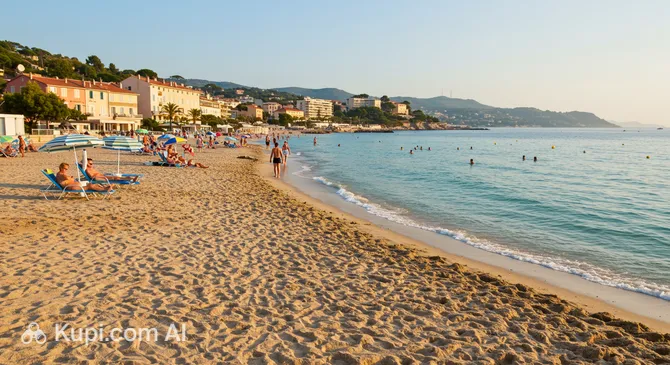
For those seeking relaxation, the Mourillon Beaches offer a perfect escape just a short distance from the city center. These well-maintained, man-made beaches feature wide sandy shores, grassy areas, and playgrounds, making them ideal for families. A vibrant promenade lined with restaurants and bars runs along the waterfront, providing a lively atmosphere where you can enjoy a meal with a sea view.

Mourillon Beaches. Source: Kupi.Binoculars

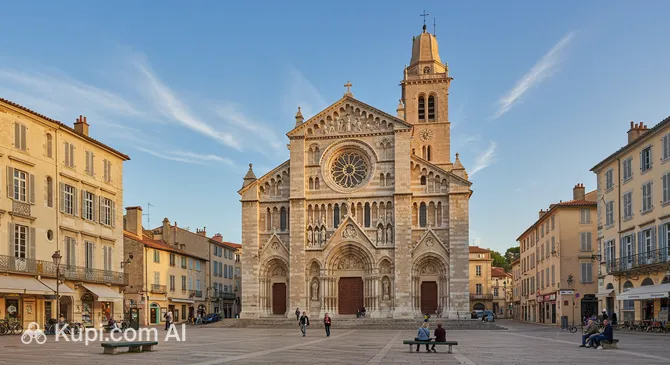
In the heart of the picturesque Old Town stands the Toulon Cathedral, also known as Sainte-Marie-Majeure. This architectural gem is fascinating due to its unique mix of styles; it features a Romanesque facade that contrasts with a Gothic interior and a bell tower dating back to the 18th century. It serves as a peaceful retreat from the bustling market streets nearby and houses beautiful baroque artwork.

History buffs should also make time for the Provence Landing and Liberation Memorial, located on the summit of Mont Faron. This moving museum is dedicated to the Allied landings in Provence in August 1944. Through detailed exhibits including maps, uniforms, and weapons, it provides deep insight into the liberation of southeastern France and highlights the region's strategic importance during World War II.

Local Cuisine

The culinary landscape of Toulon is a delightful reflection of its position between the mountains of Provence and the Mediterranean Sea. The city's gastronomy is characterized by sun-drenched ingredients, aromatic herbs, and the freshest seafood. A true local icon that every visitor must try is the Cade toulonnaise. This savory pancake, made from chickpea flour, water, and olive oil, is baked in large copper plates in wood-fired ovens. It is best enjoyed hot and sprinkled with pepper, typically bought from vendors in the bustling markets or street stalls.

Given its status as a major naval port, it comes as no surprise that seafood plays a starring role on local menus. You will find excellent renditions of the classic Bouillabaisse, a rich fish stew traditionally served with croutons and rouille sauce. Other Provencal staples are also widely available, such as Daube Provençale (a slow-cooked beef stew with wine) and Anchoïade, a punchy anchovy paste served with raw vegetables. The influence of nearby Italy is also palpable, with high-quality pasta and pizza featuring prominently in the city's dining scene.

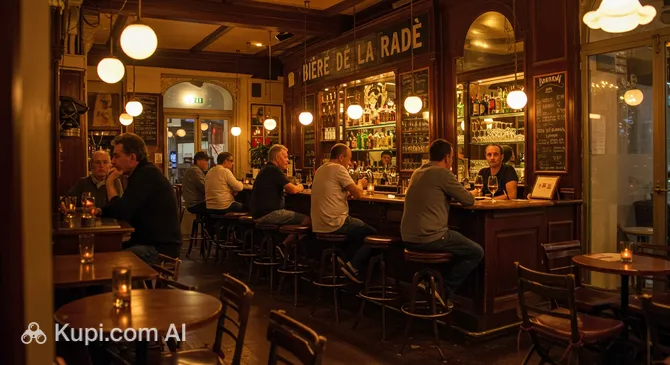
Bière de la Rade. Source: Kupi.Binoculars

When it comes to drinks, the region is world-famous for its Rosé wines from the Côtes de Provence vineyards. A chilled glass of rosé is the standard accompaniment to almost any meal during the warmer months. For an authentic aperitif experience, join the locals in sipping a Pastis, an anise-flavored spirit that turns milky when mixed with water. The craft beer scene is also growing; beer enthusiasts should look out for Bière de la Rade, a local microbrewery creating artisanal beers that capture the spirit of the port.

The dining culture in Toulon is relaxed and social, often centered around the vibrant Mourillon district or the harbor front. The daily market on the Cours Lafayette is a sensory explosion where you can grab fresh produce and local snacks. For a sit-down meal with a view of the boats, the harbor area offers numerous options, such as Manofica – Port of Toulon, where you can enjoy delicious food in a lively maritime setting. Whether snacking on street food or dining in a seaside restaurant, the flavors of Toulon are sure to leave a lasting impression.

Travel Tips

To ensure your visit to Toulon is as smooth and enjoyable as possible, we have compiled a list of essential practical advice. Whether you are here for the naval history, the beaches, or the Provencal culture, these tips will help you navigate the city like a local and avoid common tourist pitfalls.

  1. Clothing and Gear: Toulon enjoys a sunny Mediterranean climate, so lightweight, breathable clothing is essential for summer, along with a good hat and high-SPF sunscreen. However, the region is subject to the Mistral, a strong, cold wind that can blow even on sunny days; bringing a windbreaker or a light jacket is smart regardless of the season. Comfortable walking shoes are a must for exploring the cobblestone streets of the Old Town and the trails of Mount Faron.

  2. Transportation: The city center is compact and best explored on foot. For longer distances, the Réseau Mistral public transport system is excellent, combining buses and unique "bateaux-bus" (boat buses). These boats crisscross the harbor and are the most scenic way to travel between the center and neighborhoods like La Seyne-sur-Mer or Les Sablettes. Avoid renting a car if you plan to stay within the city, as traffic can be dense and parking is often difficult.

  3. Finances: The currency is the Euro (€). While credit and debit cards (Visa and Mastercard) are widely accepted in hotels, restaurants, and larger shops, it is highly recommended to carry some cash. You will need small bills and coins for the famous Cours Lafayette market, small bakeries, or for buying a bus ticket on board if you haven't purchased one in advance. Service is included in restaurant bills, but leaving small change as a tip is a polite gesture.

  4. Health and Safety: Toulon is generally a safe city for tourists. Pharmacies are easily identifiable by a flashing green cross and are well-stocked for minor ailments. In case of an emergency, dial 112 for universal assistance. While the city is secure, exercise standard caution with your belongings in crowded areas like the daily market or on public transport to prevent pickpocketing.

  5. Communication: The official language is French. While staff in the tourism industry and younger locals often speak English, it is not guaranteed everywhere. Learning a few basic phrases—such as "Parlez-vous anglais ?" (Do you speak English?)—can go a long way. Free Wi-Fi is available in many public squares and cafes, but buying a local SIM card at a "Tabac" (tobacconist) or a mobile provider shop is the most reliable option for staying connected.

  6. Local Etiquette: Politeness is paramount in French culture. Always greet shopkeepers or staff with a friendly "Bonjour" (or "Bonsoir" in the evening) when entering an establishment and say "Au revoir" when leaving. Skipping this step is considered quite rude. When dining, remember that lunch is typically served between 12:00 PM and 2:00 PM; finding a full meal outside these hours can be challenging as many kitchens close until dinner.

  7. What to Avoid: Do not handle produce at the market stalls unless you see a sign saying "Servez-vous" (Help yourself). It is customary to let the vendor select the fruits and vegetables for you. Additionally, avoid criticizing the local rugby team, RCT (Rugby Club Toulonnais); the locals are incredibly passionate about their team, and rugby is a source of immense local pride.

  8. Local Travel Hack: Treat yourself to a harbor cruise for the price of a public transport ticket! The line 18M boat bus offers stunning views of the military port and the aircraft carrier (if it is in dock) as it crosses the bay. It is one of the cheapest and most authentic ways to see the city from the water.

Armed with these practical tips, you are all set to experience the authentic charm of Toulon without the stress. Embrace the laid-back Provencal lifestyle, enjoy the sea breeze, and let this fascinating port city reveal its many treasures to you.

Entertainment & Nightlife

As the sun sets over the harbor, Toulon transforms from a bustling naval hub into a lively destination with a vibrant nightlife scene. While it may not have the glitz of its Riviera neighbors like Saint-Tropez, the city offers a more authentic and relaxed atmosphere where locals and visitors mingle freely. The nightlife here is diverse, ranging from laid-back beach bars to energetic nightclubs, ensuring there is something for every taste.

The epicenter of Toulon's evening entertainment is undoubtedly the Mourillon district. Located just east of the city center, this area comes alive after dark, particularly along the beachfront and the streets adjacent to it. Here, you will find a dense concentration of pubs, cocktail lounges, and restaurants with terraces overlooking the sea. The vibe is generally casual but stylish; "smart casual" is the standard dress code for most venues, though beach bars are naturally more relaxed during the summer months.

For those looking to enjoy a drink in a trendy setting, the Street Bar is a popular choice among the local crowd. Known for its eclectic decor and extensive cocktail menu, it offers a spirited atmosphere that often spills out onto the sidewalk. If you are in the mood for dancing late into the night, Dakota is a well-known nightclub where DJs spin a mix of current hits and electronic music, keeping the energy high until the early hours.

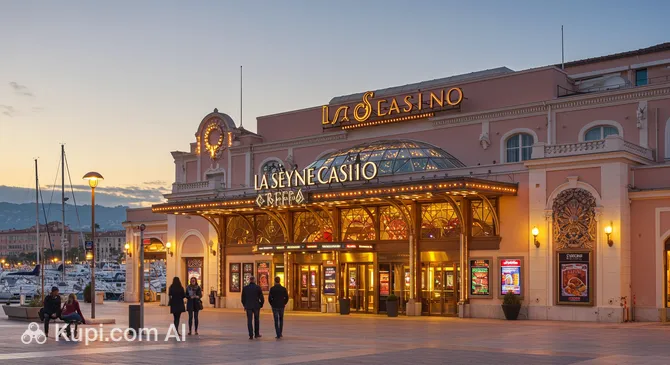
Just across the bay, easily accessible by car or taxi, lies another major entertainment hub. The La Seyne Casino offers a sophisticated night out with a different flavor. Beyond its gaming tables and slot machines, the complex features restaurants and often hosts live shows and concerts, making it a comprehensive entertainment destination for those feeling lucky or simply seeking a glamorous evening.

La Seyne Casino. Source: Kupi.Binoculars

From a practical standpoint, nightlife in Toulon is relatively affordable compared to other Côte d'Azur cities. A pint of beer or a glass of wine typically costs between €5 and €8. While the city center and Mourillon are generally safe for walking at night, it is advisable to stick to well-lit main streets. Public transport slows down significantly after midnight, so using a taxi or a ride-sharing app is the safest and most convenient way to return to your accommodation, especially if you are crossing between the port area and Mourillon.

Before the sun goes down, Toulon offers plenty of cultural diversions to fill your day. The city is home to the stunning Toulon Opera House, one of the finest in France, which hosts regular matinee and evening performances. Art lovers should not miss the Hotel des Arts, a center for contemporary art that showcases fascinating exhibitions in a beautiful heritage building. Additionally, the Toulon Museum of Art boasts an impressive collection ranging from contemporary works to Provencal landscapes, providing a perfect cultural prelude to your evening adventures.

Parks & Museums

Toulon seamlessly blends its maritime heritage with refreshing green spaces, offering visitors a chance to explore both culture and nature within the city limits. Whether you are looking to delve deeper into the region's history or simply find a quiet spot to relax under the Provencal sun, the city's parks and museums provide a perfect diverse itinerary.

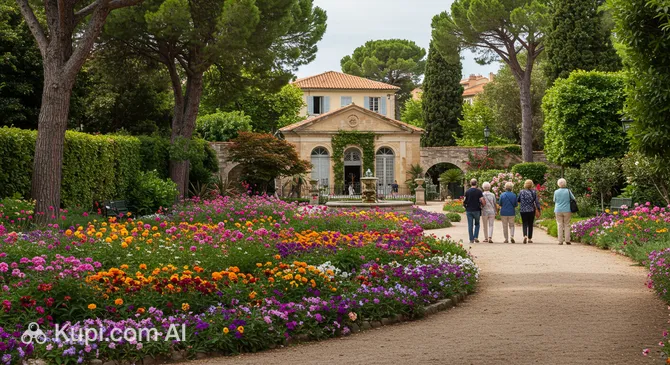
For a peaceful escape in the heart of the city, the Alexandre I Garden is a favorite among locals. Located near the Chalucet district, this historic park has been beautifully revitalized to feature Mediterranean plant species, shaded walkways, and water features. It serves as a central green lung where you can enjoy a leisurely stroll or a quiet picnic away from the bustling port area.

Alexandre I Garden. Source: Kupi.Binoculars

Nature enthusiasts should not miss the Las Garden (Jardin du Las), situated at the foot of Mount Faron. This remarkable botanical garden is classified as a "Sensitive Natural Area" and boasts a collection of exotic plants from around the world. Inside the park, you will find the Var Departmental Museum (Muséum départemental du Var). This natural history museum offers fascinating exhibits on the local biodiversity, geology, and prehistoric eras of the Var region, making it an educational stop for families.

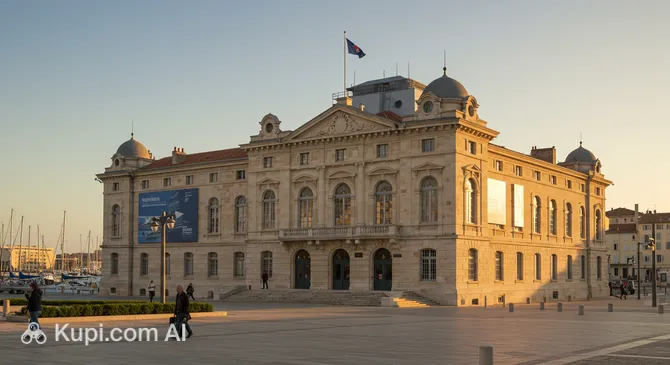
Given the city's naval importance, the National Maritime Museum remains a cornerstone of Toulon's cultural scene. Housed near the Arsenal, it preserves the memory of the arsenal's activity and the port's strategic role throughout history. Art lovers will appreciate the Toulon Museum of Art, which holds an extensive collection of works ranging from the 17th century to contemporary art, with a special focus on Provencal landscapes.

National Maritime Museum. Source: Kupi.Binoculars

For a mix of history and scenic views, head across the bay to the Balaguier Museum. Located in a 17th-century fortification in La Seyne-sur-Mer, it focuses on maritime and local history, offering exhibitions on the naval prison era and model ships. Back on the Toulon side, the Tour Royale Park surrounds the iconic tower, providing a vast grassy area right by the sea where you can watch ferries pass by and enjoy the sea breeze.

Getting Around

Navigating Toulon is both efficient and scenic, thanks to the comprehensive public transport network managed by Réseau Mistral. Unlike many other major cities, Toulon does not rely on a metro or tram system. Instead, it features a well-integrated combination of bus lines and maritime shuttles. This multimodal approach is designed to connect the city center with the suburbs and the various towns scattered around the bay, making it easy for visitors to explore the region without a car.

The most distinctive feature of the city's transport is undoubtedly the "Bateaux-Bus" (boat bus) service. These maritime shuttles function exactly like regular buses but travel across the water. They connect the port of Toulon with destinations such as La Seyne-sur-Mer, Les Sablettes, and the peninsula of Saint-Mandrier. Using the boat bus is not only practical but also offers a delightful travel experience, providing passengers with sweeping views of the harbor and the naval base for the price of a standard ticket.

The payment system is unified, meaning a single ticket is valid for both land buses and boat buses. For tourists, the most convenient option is often the 1-Day Pass, which allows unlimited travel on the entire network for 24 hours at a very reasonable price (approximately €4). Single-trip tickets are also available and are valid for one hour, allowing for transfers between different lines. If you plan to stay longer, a 7-day pass offers excellent value.

Tickets can be purchased at "Relais Vente" points (often tobacconists or newsstands), at automatic vending machines located at major stops and maritime terminals, or at the Réseau Mistral sales offices. You can also buy a single ticket directly from the bus driver, but be aware that this carries a surcharge and requires cash. To avoid fines, you must validate your ticket every time you board a bus or boat, even if you are just transferring from one line to another.

In terms of schedule, the network generally operates from around 6:00 AM to 9:00 PM. However, on Fridays and Saturdays, and daily during the summer months, special "Nocturnes" (night lines) extend services until roughly 1:00 AM, allowing you to enjoy the nightlife without worrying about the ride home. It is highly recommended to download the official Réseau Mistral app to check real-time schedules and route maps.

If you prefer alternatives to public transit, taxis are available 24/7, with main ranks located at the Toulon Railway Station and near the port. Ride-hailing apps are also operational in the city. For those looking to visit nearby coastal towns like Hyères or Sanary-sur-Mer, the regional TER trains are a fast and comfortable alternative to the bus. While Toulon does not have a large-scale public bike-sharing scheme, the city center is compact enough to be easily explored on foot, and private bike rentals are available for day trips.

Finally, although it operates independently of the main transit network, the Mont Faron Cable Car deserves a mention as a unique mode of transport. It serves as the primary link between the city and the summit of Mount Faron. While it requires a separate ticket, this red cable car is essential for reaching the memorial and zoo at the top, offering a spectacular aerial journey that complements the maritime experience of the boat buses.
Accommodation

Finding the perfect place to stay in Toulon is straightforward, as the city offers a diverse range of options to suit various tastes and budgets. Whether you are looking for a modern hotel in the city center, a charming guesthouse, or a seaside rental, this Mediterranean hub provides an excellent base for exploring the region.

For those who value convenience and history, the City Center and the Port district are the ideal locations. Staying here puts you within walking distance of the main transport hubs, including the railway station and the ferry terminal for Corsica. You will also be immersed in the city's heritage, close to landmarks like the Toulon Cathedral and the lively morning market. This area is perfect for travelers who want to be in the heart of the action, with easy access to shops, museums, and restaurants.

Toulon Cathedral. Source: Kupi.Binoculars

If your priority is relaxation and beach access, the Mourillon neighborhood is the top choice. Located just east of the center, this district feels like a village within the city and is famous for its family-friendly atmosphere. Hotels here are situated just steps away from the Mourillon Beaches, allowing you to enjoy the sea breeze and a vibrant nightlife scene along the littoral promenade. It is the best spot for summer vacations, offering a mix of seaside charm and urban amenities.

For a different perspective, consider staying across the bay in La Seyne-sur-Mer. Although it is a separate municipality, it is connected to Toulon by a quick and scenic boat-bus ride. This area often offers more spacious accommodation, including resort-style hotels with pools. It is also home to historical sites like the Balaguier Museum, providing a quieter environment with spectacular views of the Toulon roadstead and the naval base.

Balaguier Museum. Source: Kupi.Binoculars

When searching for accommodation, keep in mind a unique local detail: the Hotel des Arts is a prominent name you might see, but it is actually a celebrated art center, not a hotel! As for booking, Toulon is a busy destination year-round. It is highly advisable to reserve your room well in advance if you plan to visit during the peak summer months of July and August, while the shoulder seasons offer better availability and value.

Nearby Cities

For those looking to explore the surroundings, Toulon serves as an excellent base for day trips to several interesting nearby locations:

Just a short distance to the east lies Hyères, often called the "City of Palms" due to its thousands of palm trees and lush gardens. It is the oldest resort on the French Riviera and serves as the gateway to the stunning "Golden Islands" (Porquerolles, Port-Cros, and Le Levant). Visitors can explore the medieval ruins of the castle on the hill, wander through the historic center, or take a boat to enjoy the pristine nature of the islands.

To the west, the coastal town of La Ciotat offers a mix of spectacular scenery and cultural history. It is famous for being the birthplace of cinema, home to the world's oldest operating movie theater, the Eden Théâtre. Nature lovers will be drawn to its unique "calanques" (creeks), particularly the Calanque de Figuerolles and the Parc du Mugel, which feature striking reddish rock formations that contrast beautifully with the turquoise sea.

For those interested in Provencal traditions, Aubagne is an excellent choice located inland towards Marseille. Surrounded by hills that inspired the writer Marcel Pagnol, this town is renowned for its pottery and "santons" (traditional clay figurines). It offers a more authentic, artisanal atmosphere and is the headquarters of the French Foreign Legion, hosting a museum dedicated to its history.

City Population Distance (km)
La Seyne sur Mer 62,987 5
Hyeres 55,069 16
Aubagne 47,535 35
La Ciotat 35,993 27
Six Fours les Plages 34,592 8

These nearby destinations offer a glimpse into the diverse culture and landscapes of the region.

Shopping & Souvenirs

Shopping in Toulon offers a delightful mix of traditional Provencal charm and modern convenience. While it may not be a high-fashion capital like Paris, the city provides an authentic retail experience where you can find everything from artisanal crafts to major international brands. The shopping scene is concentrated mainly in the pedestrianized streets of the city center and the bustling port area, making it easy to browse on foot while enjoying the sunny atmosphere.

For a stroll past varied boutiques, the pedestrian streets of the Old Town are the place to be. The Rue d'Alger is a primary artery lined with clothing stores, shoe shops, and jewelers. Nearby, the revitalized Rue des Arts (Rue Pierre Sémard) has become a trendy district dedicated to creativity. Here, you will find art galleries, design concept stores, and workshops selling unique handmade items, perfect for finding something truly original.

If you prefer a one-stop shopping destination, the Centre Commercial Mayol is the city's main shopping mall. Conveniently located right next to the harbor and the famous Stade Mayol, this indoor complex houses a wide range of popular fashion retailers, beauty stores, and a large supermarket. Its central location makes it a practical stop for travelers needing to pick up essentials or browse the latest collections in air-conditioned comfort.

No shopping trip to Toulon is complete without visiting its legendary markets. The Cours Lafayette Market is an institution in itself, often referred to as one of the most famous markets in Provence. Stretching along the main avenue near the port, it operates every morning except Monday. It is a sensory explosion of colors and scents, where vendors sell fresh fruits, vegetables, flowers, and textiles. It is the perfect place to mingle with locals and soak up the vibrant southern culture.

When it comes to souvenirs, visitors are spoiled for choice with local specialties. Traditional Provencal goods such as Savon de Marseille (olive oil soap), packets of dried lavender, and jars of tapenade are excellent gifts. For sports fans, merchandise from the local rugby team, the RCT, is a must-buy item. Beer enthusiasts might also want to pick up some bottles from Bière de la Rade, a local microbrewery that captures the maritime spirit of the city.

Store opening hours generally run from 9:00 AM or 10:00 AM to 7:00 PM. While the large shopping center and major chains stay open throughout the day, smaller independent boutiques often close for a lunch break between 12:00 PM and 2:00 PM. Most shops are closed on Sundays, although the morning markets and some food shops remain open. Credit and debit cards are widely accepted, but it is advisable to carry cash for small purchases at the market.

For visitors residing outside the European Union, a tax refund (VAT refund) is available on purchases exceeding €100.01 made in a single store on the same day. Look for the "Tax-Free" sign in shop windows and ask the merchant for a tax refund form at the checkout to claim your refund at the airport or border upon departure.

Reached the end of the page?

That means the route is fully explored