Support

Cuneo

About

Nestled in the southwestern corner of the Piedmont region, Cuneo is a captivating provincial capital that often surprises visitors with its elegance and orderly charm. Its name, which translates to "wedge," perfectly describes its unique geographical layout on a plateau wedged between the Stura and Gesso rivers. As you explore this delightful corner of Italy, you will discover a city that perfectly balances urban sophistication with a deep connection to the surrounding nature.
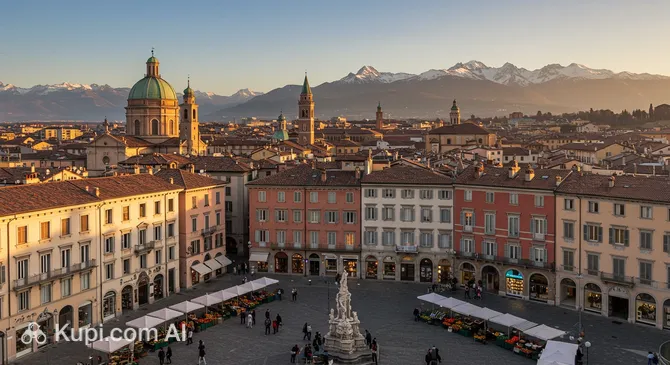
Cuneo. Source: Kupi.Binoculars

Ideally situated at the foot of the Maritime Alps, Cuneo serves as a gateway to some of the most stunning mountain landscapes in the country. With a population of approximately 56,000 inhabitants, it maintains a friendly, human-scale atmosphere while offering all the amenities of a modern city. The climate here is characterized by snowy winters that delight ski enthusiasts and pleasant, sunny summers perfect for hiking and outdoor exploration.

The history of Cuneo is deeply intertwined with its strategic military position, which has left a legacy of resilient architecture and grand urban planning. One of the city's most striking features is its immense central square, Piazza Galimberti, which hosts a bustling open-air market every Tuesday. Visitors are also enchanted by the city's famous porticoes; walking beneath these 8 kilometers of arcades allows you to shop, dine, and stroll comfortably regardless of the weather.

Whether you are drawn by the allure of authentic Piedmontese cuisine, the proximity to Alpine ski resorts, or simply the desire to experience a genuine Italian town off the beaten path, Cuneo is a destination that deserves a spot on your itinerary. It offers a tranquil yet vibrant escape where history, culture, and majestic scenery meet.
Weather Overview

The climate in this region varies significantly with the seasons, influenced by its proximity to the Maritime Alps. To plan your activities and packing list effectively, it is helpful to consult the detailed guide to the weather in Cuneo before your trip. Generally, the city experiences its coldest period in December and January, when average temperatures hover around 2°C and nighttime lows can drop to -2.0°C.

As spring transitions into summer, temperatures rise steadily, with July being the warmest month, featuring average highs of nearly 25°C. However, visitors should be aware that the warmer months also bring a higher frequency of precipitation; May is particularly notable for having up to 22 wet days. Overall, you can expect warm, pleasant summers that often require an umbrella, and cold winters perfect for enjoying the cozy atmosphere of the city.

Interesting Facts

Beyond the main attractions and the well-known market square, Cuneo holds many fascinating secrets that reveal its rich cultural and engineering heritage. Visitors willing to dig a little deeper will discover unique culinary traditions and architectural marvels that define the local identity.
  • Cuneo is the birthplace of the famous Cuneese al Rum, a rich chocolate praline filled with rum-infused cream. Local legend has it that the renowned American writer Ernest Hemingway stopped in the city specifically to purchase these sweets, solidifying their reputation as a literary favorite.

  • The city serves as a gateway for the spectacular Cuneo-Ventimiglia-Nice railway line, often referred to as the "Train of Wonders." This engineering masterpiece features daring spiral tunnels inside the mountains and soaring viaducts, making it one of the most scenic rail journeys in Europe.

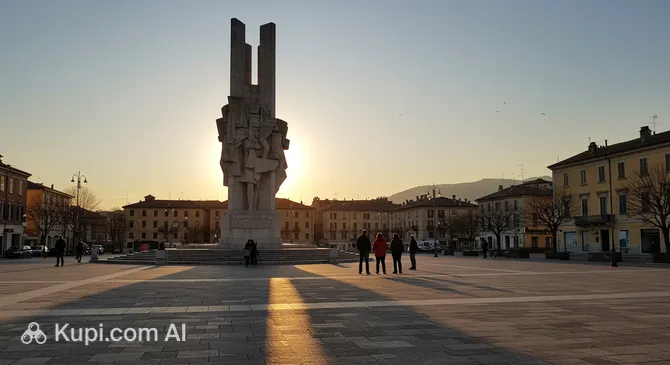
  • History buffs will appreciate the city's significant role during World War II, which is powerfully commemorated by the Monument to the Resistance. Created by sculptor Umberto Mastroianni, this massive abstract bronze work appears to float over the landscape, symbolizing the region's struggle for liberation.

  • The skyline is distinguished by the impressive Soleri Viaduct, a curved bridge that spans the Stura river valley. It is a rare example of a dual-level structure, carrying vehicular traffic on the upper deck and railway lines on the lower deck, showcasing the city's innovative approach to infrastructure.

Monument to the Resistance. Source: Kupi.Binoculars

How to Get There

Reaching this charming Piedmontese city is relatively straightforward, thanks to its strategic location near several major transport hubs. Whether you are arriving from within Italy or crossing the border from France, you have multiple options to suit your itinerary. You can find more about how to get to Cuneo and plan your specific route on our detailed transport page.

For air travel, the most convenient option is the local Levaldigi Airport (CUF), located directly in the Cuneo area, approximately 19.2 km from the city center. While it is a smaller facility, it offers direct access to the region, with a travel time of approximately 50 minutes by taxi or bus. For a wider range of international flights, many travelers choose Turin Airport (TRN), situated in the city of Turin about 91 km away. The journey from Turin to Cuneo takes around 2 hours and 40 minutes by road transport. Alternatively, Nice Côte d'Azur Airport (NCE) in Nice, France, is another viable entry point, located roughly 85 km away, with a travel time of about 2 hours and 30 minutes.

For clarity, here is a summary of the main airports:

Airport Name City Passenger Traffic Km from City
Milano Malpensa Airport Milan Large 166.2
Nice Côte d'Azur Airport Nice Large 84.6
Turin Airport Turin Medium 91.1
Genoa Cristoforo Colombo Airport Genoa Medium 104.2
Levaldigi Airport Cuneo Small 19.2

If you prefer traveling by train, Cuneo is well-connected to the regional network, though for high-speed long-distance connections, you may first arrive at a major hub in a neighboring city. One of the most significant nearby hubs is Porta Nuova Railway Station (TPY) in Turin, located about 76 km from Cuneo. From there, you can transfer to a local train or take a taxi or bus, a journey that typically takes around 2 hours and 15 minutes. Another major option is the Genova Piazza Principe Station in Genoa, approximately 110 km away, which serves as a key node for travelers coming from the coast.

Below is a list of the major railway stations serving the wider region:

Station City Passenger Traffic Km to Center
Porta Nuova Railway Station Turin Large 76.0
Genova Piazza Principe Station Genoa Large 109.8
Brignole Railway Station Genoa Large 111.9
Porta Susa Railway Station Turin Large 77.2
Grenoble Railway Station Grenoble Medium 170.2

Main Attractions

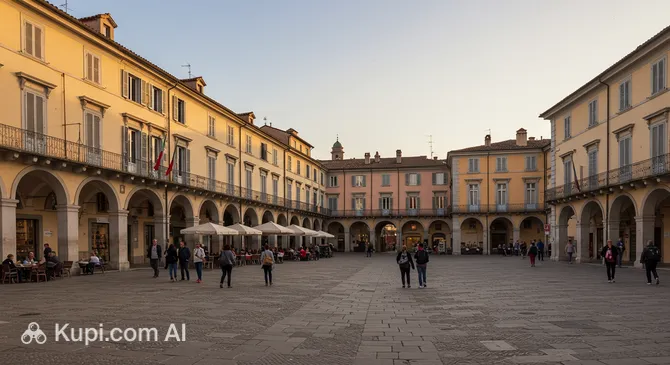
Exploration of this Piedmontese city naturally begins at its beating heart, Piazza Galimberti. This immense square is not just a geographical center but the social hub of local life, framed by elegant neoclassical buildings and historic porticoes. Tourists are drawn here to admire the harmonious architecture, enjoy a coffee with a view of the Alps, or browse the vibrant stalls of the traditional market held every Tuesday, which is one of the largest in the region.

Piazza Galimberti. Source: Kupi.Binoculars

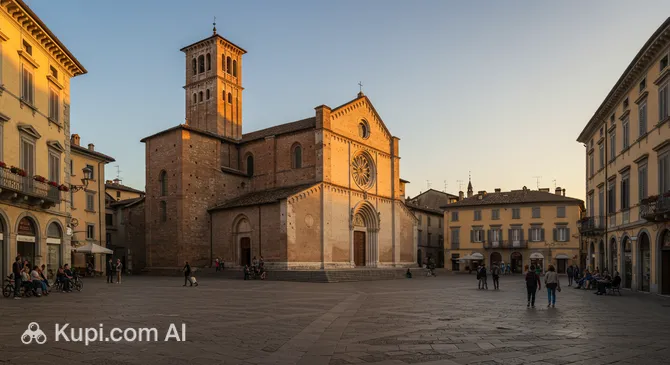
For those interested in history and art, the St Francis Monumental Complex is an unmissable stop. This architectural gem, comprising a former convent and a Gothic church, has been beautifully restored and now houses the Civic Museum. Visitors can explore fascinating archaeological finds and ethnographic collections that tell the story of the territory, all while wandering through the serene cloisters and admiring the striking medieval masonry.

St Francis Monumental Complex. Source: Kupi.Binoculars

Nature lovers will find their paradise at the Gesso River Park of Cuneo. Wrapping around the city's unique wedge shape, this extensive protected area offers a network of trails perfect for walking, jogging, or cycling. It provides a refreshing escape into nature without leaving the urban area, allowing tourists to enjoy lush greenery and spectacular views of the surrounding mountains while experiencing the city's commitment to environmental preservation.

Local Cuisine

The cuisine of Cuneo is a delightful journey into the heart of Piedmontese tradition, enriched by the rustic flavors of the nearby Maritime Alps. The city's food scene is characterized by hearty, comforting dishes that make the most of high-quality local ingredients, such as chestnuts, mushrooms, and the renowned beef of the Fassona breed. Dining here is often a leisurely affair, whether you are seated in an elegant restaurant beneath the historic porticoes or in a cozy, family-run osteria tucked away in a side street.

One of the absolute must-try specialties is Gnocchi al Castelmagno, a rich and creamy pasta dish made with the famous DOP cheese produced in the nearby Grana Valley. Meat lovers will find themselves in paradise, as the region is celebrated for its raw meat preparations, like battuta al coltello (knife-chopped tartare), and slow-cooked marvels like Brasato al Barolo. For dessert, you cannot leave without tasting the celebrated Cuneese al Rum, a chocolate praline filled with rum custard that originated right here in the city.

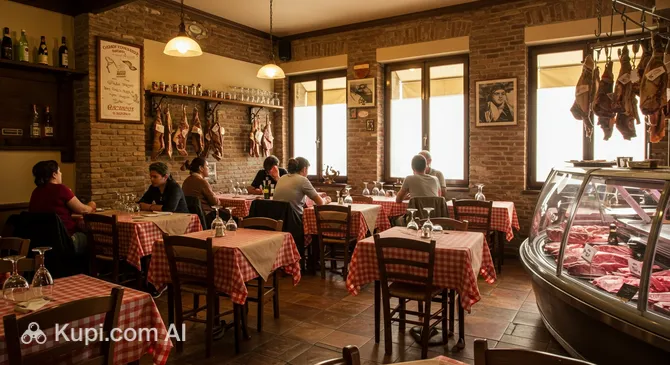
Bove's Butcher Restaurant. Source: Kupi.Binoculars

For those seeking an authentic carnivorous experience, Bove's Butcher Restaurant is a standout choice. It exemplifies the local passion for high-quality cuts, serving excellent steaks and traditional meat dishes in a setting that pays homage to the butcher's craft. It is a perfect example of how Cuneo combines culinary excellence with a welcoming atmosphere.

When it comes to drinks, Cuneo sits in one of the world's premier wine regions. A meal is best accompanied by a glass of robust red wine, such as Dolcetto or Barbera, which are staples on every local table. To finish your meal, locals often sip on Genepy, an aromatic herbal liqueur made from alpine plants found at high altitudes. For a more casual evening or a night out, the city offers vibrant spots like Lucertolo's Pub, where you can enjoy a wide selection of beers and cocktails in a friendly atmosphere.

Travel Tips

To ensure your visit to this elegant Piedmontese capital is as smooth and enjoyable as possible, a little preparation goes a long way. These practical tips are designed to help you navigate local customs, logistics, and daily life in Cuneo, allowing you to focus on the city's charm and culinary delights.

  1. Clothing and Gear: Given the city's location at the foot of the Alps, the weather can be changeable. It is best to dress in layers ("onion style") to adapt to temperature shifts between sunny middays and cool evenings. Bring comfortable walking shoes for exploring the 8 kilometers of porticoes and cobblestone streets. If you plan to visit churches like the Cathedral or St. Francis Complex, ensure your shoulders and knees are covered. Don't forget a Type L or Type F power adapter for your electronics.

  2. Transportation: Cuneo is a very walkable city, especially the historic center along Via Roma and Piazza Galimberti. For longer distances, the local bus network is reliable and connects the center with the railway station and outlying areas. Ride-hailing apps like Uber are generally not available here; instead, rely on official white taxis, which can be found at designated ranks or booked by phone. A rental car is not necessary for the city itself but is highly recommended if you plan to explore the surrounding valleys and mountains.

  3. Finances: The local currency is the Euro (€). While credit and debit cards are widely accepted in hotels, restaurants, and larger shops, it is essential to carry some cash for small purchases, coffee bars, and especially for the Tuesday open-air market. ATMs (Bancomat) are plentiful. Tipping is not mandatory as a service charge (coperto) is often added to the bill, but rounding up the total or leaving a few coins is a appreciated gesture for good service.

  4. Health and Safety: Cuneo is considered a very safe city for tourists. Pharmacies (Farmacia) are marked with a green cross; they typically operate during standard shop hours, with a rotating schedule for night and weekend shifts displayed on their doors. For general emergencies, dial 112. The tap water is safe and high quality, flowing directly from the nearby mountains.

  5. Communication: The main language is Italian. While staff in hotels and major tourist attractions usually speak English, it is less common among older locals and in smaller family-run businesses. Learning a few basic phrases like "Buongiorno" (Good morning) and "Grazie" (Thank you) will be warmly received. Free Wi-Fi is often available in public squares and cafes, but buying a local SIM card (TIM, Vodafone, or WindTre) is recommended for reliable connectivity.

  6. Local Etiquette: Politeness is highly valued in Piedmont. It is customary to greet shopkeepers or baristas when entering and leaving an establishment. When visiting the famous Tuesday market, never touch the produce with your bare hands; always ask the vendor to serve you or look for plastic gloves provided for customers. Dinner typically starts later than in some other countries, usually around 7:30 PM or 8:00 PM.

  7. What to Avoid: Avoid expecting shops to be open continuously throughout the day. Many smaller businesses and boutiques close for a lunch break (pausa pranzo), typically between 12:30 PM and 3:30 PM. Plan your shopping and errands accordingly to avoid finding closed doors during the early afternoon.

  8. Additional Tip: Take advantage of the city's unique "wedge" shape and its position between two rivers. You can easily rent a bicycle to explore the Gesso and Stura River Parks, which offer flat, scenic paths just minutes from the urban center—a perfect way to experience the local lifestyle like a resident.

Armed with these practical insights, you are ready to immerse yourself in the authentic atmosphere of Cuneo. Whether you are browsing the market stalls or enjoying an aperitivo under the arcades, you will find the city welcoming and easy to navigate.

Entertainment & Nightlife

While Cuneo may not have the frenetic pace of a metropolis like Milan, its nightlife is surprisingly vibrant, sophisticated, and deeply rooted in social connection. The city comes alive after sunset, particularly on weekends, when locals flock to the historic center to unwind. The evening typically begins with the sacred Italian ritual of the aperitivo, where bars bustle with conversation and tables are laden with local wines and appetizers. The main hub for this "movida" is the pedestrianized Via Roma and the magnificent Piazza Galimberti, where the illuminated porticoes create an atmospheric backdrop for a night out.

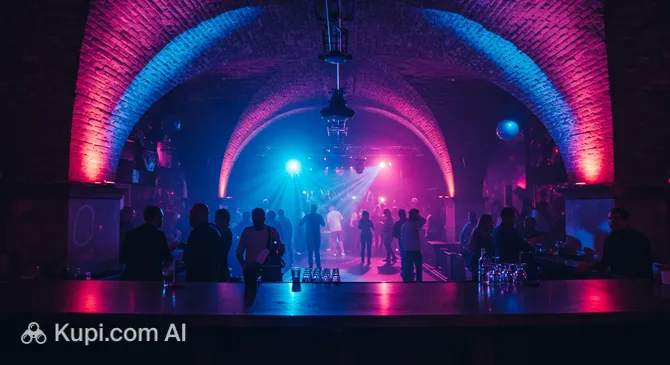
For those looking to continue the evening with music and cocktails, the city offers several stylish venues. One of the most popular spots is Galì, located right on the main square. This venue seamlessly transitions from an elegant restaurant to a lively lounge bar and club, often hosting DJ sets and themed parties that attract a fashionable local crowd. It is the perfect place to experience the chic side of Cuneo's nightlife.

Galì. Source: Kupi.Binoculars

Another excellent option for night owls is Y-Lab Caffè. Known for its modern vibe and creative cocktail list, this venue is a favorite among younger adults and students. The atmosphere here is energetic, making it a great spot to dance or enjoy a drink with friends late into the night. If you prefer a more casual, pub-style environment with a wide selection of beers, Lucertolo's Pub remains a reliable classic for a relaxed evening.

Y-Lab Caffè. Source: Kupi.Binoculars

Practical Advice for Nightlife: The nightlife in Cuneo generally kicks off around 7:00 PM with aperitifs, while clubs and late-night bars get busier after 11:00 PM. The dress code is typically "smart casual"—Italians tend to dress well when going out, so avoiding beachwear or overly sporty attire is recommended. Prices are reasonable compared to larger Italian cities, with cocktails usually costing between €8 and €12. Since the city center is compact, the best way to get around is on foot; hopping from one bar to another under the arcades is part of the experience.

Safety: Cuneo is considered one of the safest provincial capitals in Italy. Walking around the historic center at night is generally very safe, even for solo travelers, thanks to good lighting and the presence of people. However, if you need to travel to the outskirts or return to your hotel late at night, it is advisable to book a taxi in advance, as hailing one on the street can be difficult.

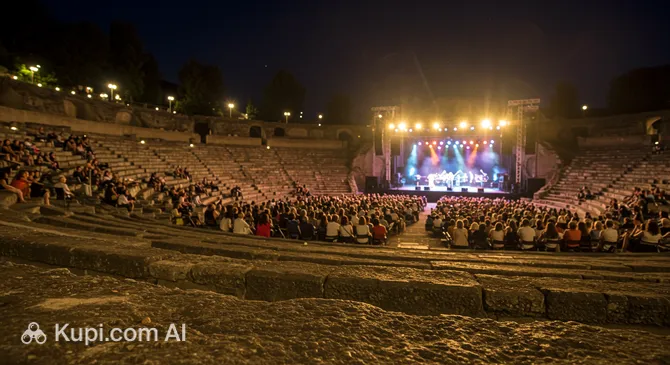
Daytime Entertainment: Before the sun goes down, the city offers a different kind of leisure. Culture enthusiasts should check the schedule for the Teatro Toselli, a historic gem that hosts plays, concerts, and operas in a stunning 19th-century setting. For a more relaxed afternoon, the 8 kilometers of porticoes provide an open-air shopping mall experience, featuring everything from high-end boutiques to historic pastry shops, perfect for a leisurely stroll regardless of the weather.

Parks & Museums

Cuneo is often celebrated as a "green city," thanks to its unique location on a wedge-shaped plateau embracing the confluence of two rivers. This geography has allowed for the development of extensive natural areas that seamlessly blend with the urban fabric, while its rich history is preserved within prestigious museum collections housed in ancient architectural complexes.

The most prominent green space is the Gesso River Park of Cuneo. This vast protected area wraps around the city, serving as a natural sanctuary for both locals and visitors. It offers a well-maintained network of trails ideal for cycling, jogging, or simply enjoying a peaceful walk amidst lush vegetation. The park is part of a larger river ecosystem that connects the city directly to the surrounding nature, providing stunning views of the Maritime Alps and a refreshing escape from the bustling streets.

Gesso River Park of Cuneo. Source: Kupi.Binoculars

For those interested in the cultural heritage of the region, the St Francis Monumental Complex is a must-visit destination. This impressive Gothic structure, formerly a convent, has been transformed into the seat of the Civic Museum. Inside, visitors can journey through the centuries, exploring sections dedicated to archaeology, ethnography, and sacred art. The complex itself is an exhibit, featuring a serene cloister and intricate medieval masonry that tells the story of Cuneo's religious and social past.

History and memory are also enshrined in the open-air spaces of the city. The area surrounding the Monument to the Resistance serves as a contemplative park where art and history intersect. The massive bronze sculpture dominates the landscape, offering a powerful tribute to the region's role in the liberation struggle. Additionally, cultural enthusiasts strolling through Piazza Galimberti can find the Museo Casa Galimberti, a historic house museum that preserves the atmosphere of a bourgeois family home from the 19th century, further enriching the city's diverse museum offerings.

Getting Around

Navigating Cuneo is relatively straightforward, as the city center is compact and pedestrian-friendly, situated on a distinctive wedge-shaped plateau. However, for reaching the outskirts or traveling between the upper and lower parts of the city, the public transport system is efficient and reliable. While walking is often the best way to explore the historic arcades, the local bus network provides convenient connections for longer distances within the urban area and surrounding districts in this part of Italy.

The primary mode of public transportation is the bus service, managed by the Grandabus consortium. The urban lines connect the central railway station and the main squares, such as Piazza Galimberti, with the suburban neighborhoods and nearby fractions. The buses are generally modern and comfortable. A unique feature of the local transport infrastructure is the panoramic inclined lift (ascensore inclinato), which connects the plateau of the city center with the recreational area along the Gesso River below. This lift is popular among locals and tourists alike for accessing the riverside park and swimming pools without a steep hike.

For payment, travelers should purchase tickets before boarding. Tickets are sold at Tabaccherie (tobacco shops) displaying the "T" sign, newsstands, and at the ticket office near the train station. Single tickets typically cost around €1.50 and are valid for a set duration, usually 60 to 90 minutes. It is also possible to buy tickets on board from the driver, but this often incurs a surcharge, and drivers may not always have change for large bills. Digital alternatives are increasingly available, with apps like MooneyGo allowing users to purchase tickets directly from their smartphones.

A critical rule for using public transport here is validation. Upon boarding a bus, you must immediately stamp your ticket in the yellow or green machines located near the doors. Failure to validate your ticket can result in a significant fine if inspected. Buses typically operate from early morning, around 6:00 AM, until approximately 8:30 PM or 9:00 PM. Service frequency is reduced on Sundays and public holidays, so it is advisable to check the timetables at bus stops or online in advance.

If you prefer alternatives to the bus, taxis are available but generally do not cruise the streets looking for passengers. You can find them at designated ranks, particularly outside the Cuneo railway station and near Piazza Galimberti, or book one by phone. Additionally, Cuneo is extremely bicycle-friendly due to its flat terrain on the plateau. Renting a bike is a fantastic option for getting around, with several rental points available and extensive cycling paths leading into the surrounding river parks.

Accommodation

Accommodation options in Cuneo are diverse, catering to travelers seeking both convenience and local charm. The city offers a good selection of mid-range hotels, family-run bed and breakfasts, and modern guesthouses. While you may not find an abundance of large international luxury resorts, the available lodgings often feature a welcoming atmosphere and distinct character, reflecting the hospitality of the Piedmont region. Apartments and vacation rentals are also becoming increasingly popular, providing a "home away from home" for those planning longer stays.

The most popular area to stay is undoubtedly the historic center, located on the "wedge" of the plateau. Choosing a hotel near the majestic Piazza Galimberti places you right in the heart of the city, within walking distance of the famous arcades, shopping streets, and numerous dining options. This central location is perfect for those who want to immerse themselves in the local culture and enjoy the evening atmosphere. Alternatively, the area surrounding the railway station offers practical solutions for travelers relying on public transport, ensuring quick connections to other parts of the province.

Piazza Galimberti. Source: Kupi.Binoculars

For a quieter experience closer to nature, visitors might consider looking for accommodation near the Gesso River Park of Cuneo. This area provides a more relaxed setting while still remaining accessible to the city center via the inclined lift or a short walk. It is an excellent choice for those who enjoy starting their day with a walk or a jog in green surroundings.

Regarding costs and booking, Cuneo is generally more affordable than Italy's major tourist hotspots. Prices typically fall into the budget to mid-range categories, though rates can rise during local festivals or the peak summer season. It is highly recommended to book your accommodation in advance, especially if you plan to visit during autumn for the culinary events. Most properties are listed on major online booking platforms, but contacting smaller B&Bs directly can sometimes secure a better rate or a more personalized experience.

Nearby Cities

For those looking to explore the surroundings, Cuneo serves as an excellent base for day trips to several interesting nearby locations.

One of the most renowned destinations in the vicinity is Alba, often referred to as the gastronomic capital of the region. Famous worldwide for its white truffles and exquisite wines, it offers a charming historic center filled with towers and medieval architecture. It is the heart of the Langhe area, a UNESCO World Heritage landscape that attracts food and wine enthusiasts from around the globe.

Another cultural gem is Bra, celebrated as the birthplace of the Slow Food movement. This town is not only a haven for culinary travelers, known for its excellent sausage and cheese, but also boasts beautiful Baroque architecture. Visitors can explore the intricate streets and enjoy a relaxed atmosphere that perfectly embodies the Piedmontese lifestyle.

Closer to Cuneo lies Fossano, dominated by the majestic Castle of the Princes of Acaja. This imposing brick fortress is a symbol of the town and offers a glimpse into the area's medieval past. The town's old center, with its arcades and historic churches, provides a pleasant setting for a leisurely afternoon walk.

City Population Distance (km)
Pinerolo 35947 58
Alba 31498 53
Bra 29645 42
Carmagnola 28969 53
Fossano 24372 23

These nearby destinations offer a glimpse into the diverse culture and landscapes of the region.

Shopping & Souvenirs

Shopping in Cuneo is a delightful experience, largely due to the city's famous architectural layout. The historic center is characterized by kilometers of elegant arcades, or portici, which transform the streets into a vast open-air shopping mall protected from the elements. The main artery for retail therapy is the pedestrian-friendly Via Roma, where visitors can stroll past beautifully restored facades and browse a mix of high-end fashion boutiques, historic shops, and modern stores.

For those seeking a taste of authentic local life, the weekly market is an unmissable event. Every Tuesday, the immense Piazza Galimberti fills with hundreds of stalls, creating one of the largest and most vibrant markets in the Piedmont region. Here, you can find everything from quality leather goods and clothing to household items. It is also an excellent spot to observe the daily rhythm of the locals and hunt for unique bargains in a lively atmosphere.

Gastronomy plays a central role in the shopping scene here, making edible souvenirs a top priority for many travelers. The city is renowned for Cuneesi al Rum, decadent chocolate pralines filled with a rich rum cream, which can be purchased in the historic pastry shops scattered around the center. Additionally, local enoteche (wine shops) and delicatessens offer a wide selection of regional specialties, including the famous Castelmagno cheese, cured meats, and prestigious wines from the nearby Langhe hills.

Beyond the historic core, the shopping district extends along Corso Nizza, which features a variety of popular retail chains and department stores. When planning your shopping excursion, it is helpful to keep in mind that many smaller, family-run businesses observe the traditional lunch break, closing around 12:30 PM and reopening after 3:30 PM. However, larger stores and those located along the main tourist thoroughfares often remain open throughout the day.

Reached the end of the page?

That means the route is fully explored