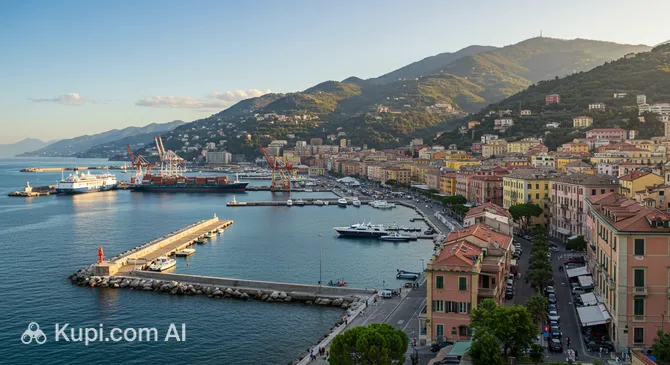
La Spezia is a vibrant and bustling port city located in the Liguria region of Italy. Situated at the head of the Gulf of La Spezia, poetically known as the Gulf of Poets, it serves as a crucial maritime hub and a lively urban center. Unlike the tiny villages that dot the nearby coastline, La Spezia offers a dynamic atmosphere with a population of approximately **93,000 residents**, blending modern Italian life with significant maritime traditions.
The city enjoys a mild Mediterranean climate, making it a pleasant destination year-round. Its strategic geographical position has defined its character for centuries. To understand how this area transformed from a collection of small hamlets into one of the country's most important naval arsenals, exploring the history of La Spezia reveals the fascinating events that shaped its current identity.
La Spezia. Illustration.
Source: Kupi.com AI
While often viewed as the gateway to the famous **Cinque Terre**, La Spezia boasts its own unique attractions. Visitors can admire the panoramic views from the **Castello San Giorgio**, which also houses an archaeological museum, or stroll along the scenic **Costantino Morin** promenade lined with palm trees. The city is also home to the impressive **Naval Technical Museum**, reflecting its deep connection to the sea and the Italian Navy.
With its excellent transport links, authentic local cuisine, and charming waterfront, La Spezia is more than just a stopover. It is a destination that invites travelers to linger, explore its hidden gems, and enjoy the authentic rhythm of a working Italian port city.
Weather Overview
The city generally experiences a mild Mediterranean climate, making it a welcoming destination for most of the year. To help plan your activities and packing list, it is useful to check the detailed weather in La Spezia before your trip. Summers are typically warm and pleasant, with July and August seeing average temperatures around 23°C and daily highs climbing to nearly 27°C. These months are also the driest, with the number of wet days dropping to between 7 and 9.
Winters are cooler but rarely freezing, with January being the coldest month, averaging 6.3°C and lows around 3.5°C. Rainfall is more common during the cooler seasons; for instance, December and May are among the wettest months, with up to 16 wet days recorded. Spring and autumn offer comfortable transition temperatures, rising from approximately 8.7°C in March to 19.0°C in September, though visitors should still be prepared for occasional showers.
Expect warm, sunny summers with fewer rainy days and cool, damp winters with frequent precipitation.
Average monthly temperature
Average monthly precipitation
Interesting Facts
Beyond its reputation as a busy naval hub, La Spezia holds many fascinating stories that are often overlooked by travelers passing through to the Cinque Terre. Here are a few unique details that reveal the city's rich character and hidden history.
The city is famously located in the "Gulf of Poets," a nickname coined in 1910 by the playwright Sem Benelli. He chose this title to honor the literary giants who loved this coast, including Lord Byron, who famously swam across the bay, and Percy Bysshe Shelley, who spent his final days in nearby San Terenzo.
La Spezia is proud of its historical title "Gateway to Zion" (Porta di Sion). Following World War II, the city’s residents secretly helped over 23,000 Jewish survivors depart for Palestine aboard ships like the Fede and Fenice, an act of solidarity that is still celebrated today.
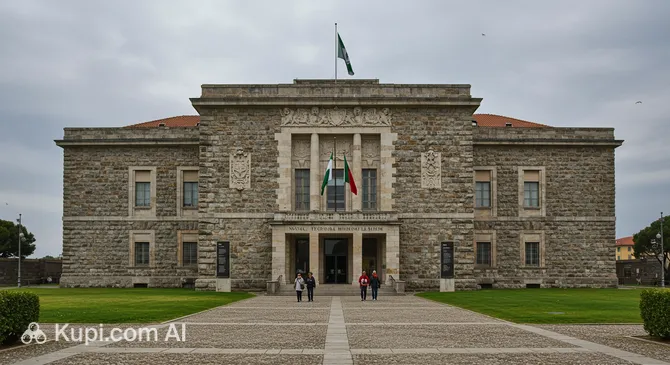
Inside the Naval Technical Museum of La Spezia, visitors can find a rare and slightly eerie collection of authentic wooden figureheads (polene). These intricate sculptures, which once protected the bows of ancient sailing vessels, form one of the most unique maritime exhibits in the Mediterranean.
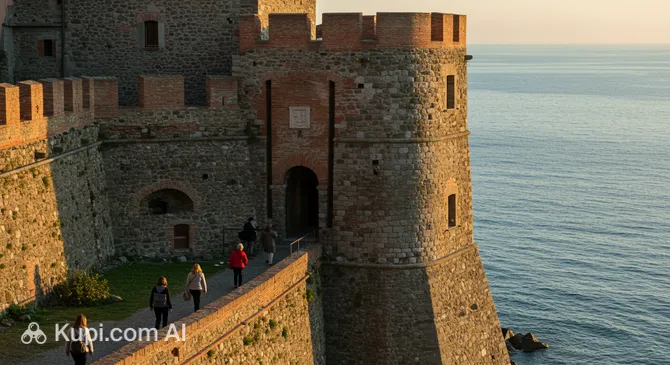
The imposing San Giorgio Castle does not just offer views; it houses the Ubaldo Formentini Civic Museum, which guards the mysterious "Statue Stele." These prehistoric, anthropomorphic stone sculptures date back to the Copper Age and are unique to the Lunigiana region.
San Giorgio Castle. Illustration.
Source: Kupi.com AI
Traveler photos:
How to Get There
La Spezia is well-connected to the rest of Italy and Europe, serving as a strategic gateway to the Ligurian coast and the famous Cinque Terre. While the city itself does not host an airport, its excellent rail and road infrastructure makes arrival convenient. For a comprehensive guide on all transport options, you can read more about how to get to La Spezia.
Since La Spezia does not have its own airport, international travelers typically fly into the Pisa International Airport (IATA: PSA), located in the city of Pisa. It is the closest major air hub, situated approximately 65 km away. The journey from Pisa to La Spezia is quite manageable; a taxi or bus ride generally takes about 2 hours. This airport handles a significant volume of passengers annually, making it a primary entry point for tourists visiting the region.
Another viable option is the Genoa Cristoforo Colombo Airport (IATA: GOA), located in Genoa, about 85 km from La Spezia. Although it sees less traffic than Pisa, it is a convenient regional hub. Traveling from this airport by road takes approximately 2.5 hours. Both airports offer good connections to the railway network, allowing for a smooth transfer to La Spezia.
For clarity, here is a summary of the main airports:
Traveling by train is often the most popular choice for reaching the city center directly. The main railway hub is La Spezia Centrale Station, which is conveniently located just 1.3 km from the heart of the city. With an annual passenger traffic of around 7 million, it is a busy and efficient station that connects the city with major Italian destinations like Genoa, Pisa, and Florence.
If you are arriving from further afield, you might pass through larger hubs such as Genova Piazza Principe Station in Genoa, located about 80 km away. From there, frequent regional and intercity trains run along the scenic coast to La Spezia, making the final leg of the journey both fast and picturesque.
Below is an overview of the key railway stations in the vicinity:
While many travelers use the city as a jumping-off point for the coastline, the urban center itself holds several treasures worth exploring. Dominating the skyline from the Poggio hill, the San Giorgio Castle is a must-visit for history enthusiasts. Originally a defensive fortress with roots dating back to the 13th century, it has been meticulously restored and now houses the Ubaldo Formentini Civic Archaeological Museum. Visitors can explore a fascinating collection of prehistoric stele statues and Roman artifacts inside, but the highlight for many is the outdoor terrace, which offers sweeping panoramic views over the city and the sparkling Gulf of Poets.
Given the city's status as a major maritime hub, the Naval Technical Museum of La Spezia stands out as one of its most significant cultural institutions. Located near the main arsenal, this museum provides a deep dive into the history of the Italian Navy and seafaring technology. The exhibits are extensive, featuring everything from antique diving gear and torpedoes to intricate ship models. One of the most unique sections is the collection of wooden figureheads (polene), which once adorned the prows of sailing ships, believed to protect sailors on their voyages.
Naval Technical Museum of La Spezia. Illustration.
Source: Kupi.com AI
Traveler photos:
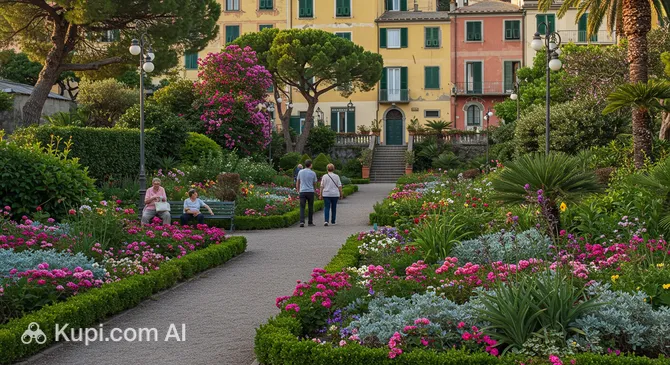
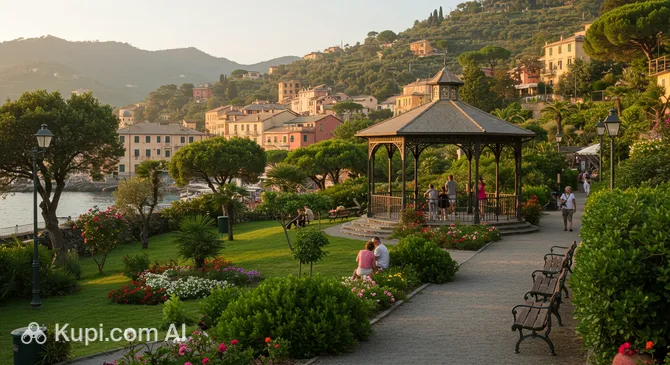
For a change of pace, the Public Gardens offer a lush, green sanctuary stretching along the waterfront. These historic gardens are a testament to the city's 19th-century development, designed to provide an elegant promenade for residents and visitors alike. The park is renowned for its botanical diversity, featuring a wide array of exotic plants and towering palm trees that thrive in the mild Ligurian climate. It is the perfect spot for a leisurely stroll, connecting the historic center with the modern Thaon di Revel pedestrian bridge and the scenic Mirabello marina.
Public Gardens. Illustration.
Source: Kupi.com AI
Traveler photos:
Local Cuisine
The culinary landscape of La Spezia is a delicious reflection of its position between the mountains and the sea, combining the fresh flavors of the Ligurian coast with hearty, peasant traditions. Unlike the more tourist-heavy menus found in some nearby resorts, the food here remains authentically rooted in local history. The undisputed king of the table is the muscoli (mussels), which are farmed extensively in the Gulf of Poets. You will find them prepared in various ways, but muscoli ripieni (stuffed mussels) with a filling of breadcrumbs, eggs, cheese, and herbs is a signature dish that every visitor should try.
Another dish unique to this city is mesciua, a soup that tells the story of the port's past. Legend has it that dockworkers would collect spilled grains and legumes from sacks being unloaded from ships to create a meal. Today, this mix of chickpeas, cannellini beans, and wheat grains is a beloved local specialty, typically served with a drizzle of high-quality olive oil and a dash of black pepper. For a quick snack while exploring, look for farinata, a golden, savory pancake made from chickpea flour, water, and olive oil, baked in large copper pans until crisp.
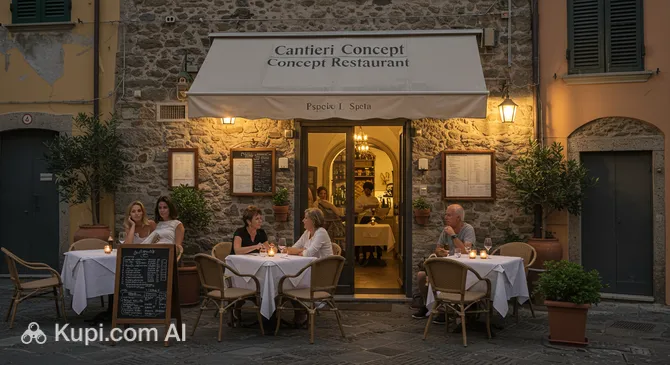
The dining culture in La Spezia is laid-back and social, ranging from bustling street food counters to elegant establishments. Locals often frequent the daily market in Piazza Cavour to buy fresh fish and produce, but for a sit-down meal, the options are diverse. You might enjoy a sophisticated dinner at Cantieri Concept Restaurant, which offers a modern take on regional flavors. For those looking for a more casual or alternative atmosphere, La Taverna Del Metallo provides a unique pub-style setting that stands out from the traditional trattoria.
Cantieri Concept Restaurant. Illustration.
Source: Kupi.com AI
Traveler photos:
No meal in this region is complete without a glass of local wine. The steep, terraced vineyards of the nearby Cinque Terre produce excellent white wines that pair perfectly with seafood. Look for a crisp Vermentino or the rare and sweet Sciacchetrà, a dessert wine prized for its amber color and notes of honey and apricot. If you prefer a refreshing evening cocktail, the city has a vibrant nightlife scene; places like Origami House or the NoMad Bar are popular spots to relax with a drink and soak in the local atmosphere.
Travel Tips
Welcome to La Spezia! To help you navigate this bustling maritime hub with ease and confidence, we have compiled a set of practical tips ensuring your visit to this beautiful corner of Italy is as smooth as it is memorable.
Clothing and Gear: The climate is generally mild, but layers are key, especially in transition seasons. Since the city and surrounding areas involve plenty of walking—often on cobblestones or inclines—comfortable walking shoes are an absolute must. If you plan to visit religious sites like the Cathedral of Christ the King, remember to dress modestly; shoulders and knees should be covered.
Transportation: The city center is compact and very walkable. For reaching nearby towns or the Cinque Terre, the train is by far the most efficient option; La Spezia Centrale is the main hub. Local ATC buses cover the city and outskirts well. Renting a car is generally discouraged for city exploration due to limited parking and restricted traffic zones (ZTL), though it can be useful for exploring the wider Ligurian hinterland.
Finances: The local currency is the Euro (€). Credit and debit cards are widely accepted in restaurants and shops, but it is wise to carry some cash for small purchases at markets, kiosks, or smaller cafés. ATMs (Bancomat) are plentiful. Tipping is not mandatory as a service charge (coperto) is usually added to the bill, but rounding up or leaving a small amount for good service is appreciated.
Health and Safety: La Spezia is a safe city, but standard precautions against pickpocketing should be taken, especially around the train station and in crowded areas. Pharmacies are marked with a green cross; they are well-stocked, and staff often speak some English. For general emergencies, dial 112.
Communication: Italian is the official language. While English is widely spoken in hotels, restaurants, and tourist areas, it may be less common in small local shops. Learning a few basic phrases like Buongiorno (Good morning) and Grazie (Thank you) goes a long way. Wi-Fi is available in many public spots, but buying a local SIM card is recommended for reliable navigation.
Local Etiquette: Politeness is highly valued; always greet shopkeepers when entering or leaving a store. When visiting the local market in Piazza Cavour, never touch fresh produce with your bare hands—ask the vendor to serve you or look for plastic gloves provided for customers. Also, remember that drinking coffee standing at the bar is significantly cheaper than sitting at a table.
What to Avoid: Do not walk around the city center in swimwear or shirtless; this is considered disrespectful and can actually result in a fine. Additionally, avoid planning shopping trips between 1:00 PM and 3:30 PM, as many smaller local shops close for the traditional midday break (riposo).
Smart Travel Tip: If you are taking a regional train, you must validate your ticket before boarding by stamping it in the green or yellow machines located on the platforms. Failure to do so can lead to hefty fines, even if you have a ticket in hand.
Armed with these practical insights, you are ready to explore the "Gulf of Poets" like a pro. Enjoy the authentic atmosphere, the delicious food, and the stunning coastal views that make La Spezia such a unique destination!
Entertainment & Nightlife
As the sun sets over the Gulf of Poets, La Spezia transforms from a busy maritime hub into a lively city with a vibrant social scene. While it may not have the thumping mega-clubs of Ibiza or Milan, the nightlife here is characterized by a convivial, energetic atmosphere that centers around socializing, excellent drinks, and music. The evening typically begins with the sacred Italian ritual of aperitivo, where locals gather to enjoy cocktails and light bites before heading out for dinner or late-night entertainment.
The heart of the action is undoubtedly the historic city center. The pedestrianized streets of Via del Prione and Corso Cavour, along with the intersecting alleys like Via Garibaldi, are lined with wine bars, pubs, and cafes that stay open late. For a more modern and upscale vibe, the Porto Mirabello area offers waterfront venues where you can sip a drink while admiring luxury yachts. This area attracts a stylish crowd and is perfect for a sophisticated evening out.
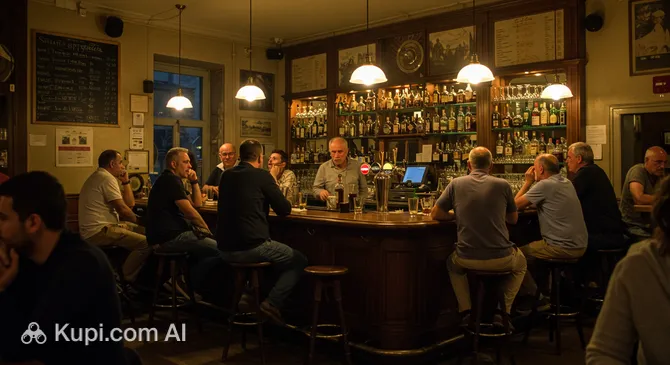
For those seeking a specific spot to enjoy the night, the city offers diverse options. If you appreciate expertly crafted cocktails in a trendy setting, the NoMad Bar is a favorite among locals and visitors alike. It is known for its creative drink menu and relaxed ambiance, making it an ideal place to unwind after a day of exploring. Alternatively, for a venue with a distinct personality, Origami House offers a unique environment, often praised for its welcoming vibe and great location.
NoMad Bar. Illustration.
Source: Kupi.com AI
Traveler photos:
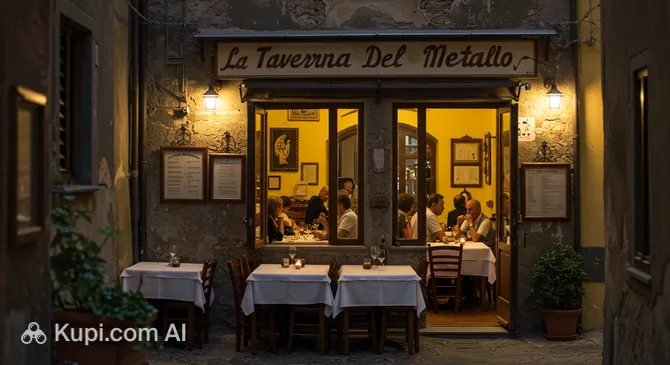
Travelers looking for something different from the typical Italian wine bar might enjoy La Taverna Del Metallo. This venue stands out with its rock and metal theme, offering a wide selection of beers and hearty pub food in a rustic, medieval-style setting. It is a testament to the city's eclectic taste and is a great spot to mingle with a younger, alternative crowd.
La Taverna Del Metallo. Illustration.
Source: Kupi.com AI
Traveler photos:
Practical Nightlife Tips: The "going out" hours in La Spezia are typically Mediterranean. Bars start filling up around 7:00 PM for aperitivo, but the real nightlife scene peaks after dinner, from 10:30 PM onwards. The dress code is generally "smart casual"—Italians tend to dress well even for a casual drink, so leave the beachwear at the hotel. Prices are reasonable compared to major tourist cities; expect to pay between €6 and €10 for a cocktail.
Safety and Transport: La Spezia is generally safe at night, especially in the well-lit center and port areas. However, as with any city, it is wise to stick to populated streets. Public transport slows down significantly at night, so if your accommodation is far from the center, plan ahead. Taxis are available but not always easy to flag down on the street; it is best to call a local radio taxi service or head to designated taxi stands near the Public Gardens or the train station.
While nightlife is a highlight, the city also offers engaging daytime entertainment beyond sightseeing. Shoppers can head to Le Terrazze, a large shopping mall just outside the center that houses numerous international brands and a cinema complex. For culture lovers, the Teatro Civico in the city center hosts a variety of performances, from opera and ballet to concerts and plays, providing a touch of high culture to your visit.
Parks & Museums
Beyond its bustling port and naval heritage, La Spezia offers a surprising array of green spaces and cultural institutions that provide a deeper look into the city's soul. While the waterfront promenade is the most famous strolling spot, the city is dotted with parks and gardens that serve as peaceful retreats for locals and visitors alike. Additionally, the city's museums go far beyond maritime history, showcasing impressive art collections that rival those of larger Italian cities.
For those seeking a break from the urban environment, XXV Aprile Park is one of the largest and most popular green lungs in the area. Located slightly inland, this expansive park is a favorite among families and sports enthusiasts. It features wide lawns, shaded paths, and well-maintained playgrounds, making it an excellent spot for a picnic or a morning jog away from the coastal crowds. Its vast open spaces offer a different perspective of the city, focusing on community life and relaxation.
Another significant green area is The Colombaio Park, situated just outside the immediate city center near the football stadium. This park is steeped in history, originally serving as a bird breeding ground for carrier pigeons used by the military. Today, it is a charming botanical refuge featuring the "Casina Rossa," a historic building often used for cultural events. The park's mature trees and tranquil atmosphere make it a hidden gem for those looking to escape the sun and enjoy a quiet moment in nature.
The Colombaio Park. Illustration.
Source: Kupi.com AI
Traveler photos:
In terms of culture, La Spezia boasts several prestigious venues. While the Naval Museum and San Giorgio Castle are the most well-known, art lovers should not miss the Amedeo Lia Museum. Housed in a beautifully restored 17th-century friary, this museum contains one of the finest private art collections in Europe. Visitors can admire exquisite works ranging from medieval to 18th-century art, including paintings by masters like Tintoretto and Titian, as well as illuminated manuscripts and bronze statues.
For a more contemporary experience, the CAMeC (Center of Modern and Contemporary Art) is a must-visit. Located near the waterfront, this dynamic institution hosts rotating exhibitions featuring significant 20th-century and contemporary artists. It reflects the city's modern spirit and often showcases works from the prestigious "Premio del Golfo" art competition, highlighting La Spezia's long-standing connection to the artistic avant-garde.
Architectural and historical interest also extends to the city's sporting life. The Stadio Alberto Picco is a historic arena that has been the home of Spezia Calcio since 1919. Built uniquely at the entrance of the naval arsenal, it is a place of pilgrimage for football fans and a monument to the city's sporting passion. Another modern architectural landmark worth noting is the Thaon di Revel Bridge, a sleek, white pedestrian cable-stayed bridge that connects the public gardens to the Mirabello Marina, offering stunning views of the harbor.
For a truly authentic experience, explore the city's Liberty-style architecture scattered throughout the center, particularly around Piazza Verdi. A great insider tip is to climb one of the many historic staircases (scalinate) that rise from the city center up the surrounding hills. The Scalinata Cernaia, for instance, offers a bit of a workout but rewards climbers with breathtaking views over the rooftops and the gulf, revealing a side of La Spezia that few tourists ever see.
Getting Around
Navigating La Spezia is relatively straightforward, thanks to its compact city center and a reliable public transport network. While the city does not have a metro or tram system, it relies on an efficient fleet of buses managed by ATC Esercizio. These buses cover the entire urban area and provide essential connections to the surrounding province, including popular nearby destinations like Lerici and Portovenere. For most tourists, the bus will be the primary mode of getting around locally if walking is not an option.
The railway plays a significant role in the local transport infrastructure, even for short trips. La Spezia Centrale acts as a major hub, and the regional trains are effectively used as a "surface metro" to connect the city with the five villages of the Cinque Terre and other coastal towns. The Cinque Terre Express is a dedicated service running frequently during the tourist season, making the train the fastest way to move along the coastline.
For bus travel, the payment system is based on zones. A standard urban ticket (Code 00) typically costs around €1.50 if purchased in advance and is valid for 60 minutes. If you plan to visit towns like Portovenere, you will need an extra-urban ticket (usually Code 03), which costs slightly more. Tickets can be purchased at Tabacchi shops (look for the big "T" sign), newsstands, and authorized ticket offices. It is also possible to buy tickets via the ATC La Spezia Mobile app or DropTicket, which is convenient if you do not have cash on hand.
A crucial rule for using public transport here, as in the rest of the country, is validation. You must stamp your paper ticket in the yellow or green machines on board the bus or at the train station platforms before your journey begins. Failure to do so can result in immediate fines, even if you have a ticket. Buses generally run from early morning until late evening, but services become less frequent after 8:00 PM, so it is wise to check the timetables at the bus stops or online if you are out late.
If you prefer more direct transport, taxis are available but cannot be hailed from the street. You must either walk to a designated taxi rank (located at the train station and Piazza Verdi) or call the local Radio Taxi service. For a more independent option, the city has seen a rise in electric scooter and bike rentals, which can be unlocked via smartphone apps. These are perfect for short trips along the flat waterfront promenade.
One unique feature of La Spezia's transport system is its focus on "vertical mobility." Since the city expands up into the surrounding hills, there are several free public elevators and funiculars. The most notable is the lift connecting Via del Prione to the San Giorgio Castle, allowing visitors to reach the fortress and enjoy the views without tackling the steep climb on foot. Additionally, during the summer, the maritime transport ferries operated by Navigazione Golfo dei Poeti function almost like water buses, offering a scenic alternative to reach coastal villages.
Accommodation
Accommodation in La Spezia caters to a diverse range of travelers, reflecting its dual role as a busy port city and a strategic gateway to the Cinque Terre. The city offers a wide spectrum of options, from budget-friendly hostels and simple guesthouses—known locally as affittacamere—to mid-range hotels and modern apartments. Unlike the often pricey and limited lodging found in the nearby Cinque Terre villages, La Spezia typically provides more availability and better value for money, making it a practical base for exploring the region.
When choosing where to stay, location is key. The area immediately surrounding La Spezia Centrale Station is highly popular for tourists prioritizing convenience; staying here means you are just steps away from the trains that whisk visitors to the famous coastal villages in minutes. Alternatively, the historic center and the waterfront area near the harbor offer a more atmospheric experience. These neighborhoods place you close to the main pedestrian streets, excellent restaurants, and the scenic promenade, perfect for enjoying the city's lively evening vibe.
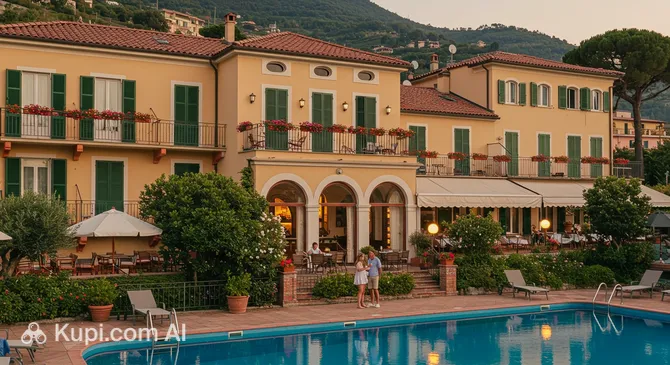
For those seeking a more relaxed experience or specific amenities, the city and its outskirts host several notable establishments. For instance, the Resort Villa Maria Luigia is an example of the comfortable lodging available in the area, offering a blend of local hospitality and modern facilities. Choosing a hotel or resort slightly removed from the bustle of the station can often provide a quieter retreat after a long day of sightseeing.
Resort Villa Maria Luigia. Illustration.
Source: Kupi.com AI
Traveler photos:
Booking Tips and Prices: Due to its popularity as a transit hub, accommodation in La Spezia can fill up quickly, especially during the peak summer months (June to September). It is highly recommended to book well in advance to secure the best rates and locations. Prices generally range from budget for basic rooms and hostels to mid-range for standard hotels and B&Bs. While luxury options are fewer compared to major art cities, the quality of hospitality is generally high. Most bookings can be easily managed through major online platforms, though contacting smaller guesthouses directly can sometimes yield better personalized offers.
Nearby Cities
For those looking to explore the surroundings, La Spezia serves as an excellent base for day trips to several interesting nearby locations. Just a short distance away lies the city of Carrara, globally renowned for its white marble quarries in the Apuan Alps. It is a fascinating destination where visitors can witness the majestic mountains that provided the raw material for masterpieces by Michelangelo and other Renaissance artists.
Heading further down the coast into Tuscany, Viareggio offers a completely different atmosphere. Famous for its sandy beaches and elegant Art Nouveau architecture along the promenade, it is also the home of one of Italy's most spectacular carnivals. To the northwest, the charming town of Rapallo awaits on the Italian Riviera. With its picturesque seafront castle and historic center, it provides a classic Ligurian experience and serves as a gateway to the glamorous Portofino area.
City
Population
Distance
Arcola
10 145
7 km
Lerici
10 133
8 km
Santo Stefano di Magra
9 613
10 km
Sarzana
22 133
11 km
Aulla
11 092
17 km
These nearby destinations offer a glimpse into the diverse culture and landscapes of the region, ranging from rugged mountains and historic quarries to refined coastal resorts.
Shopping & Souvenirs
Shopping in La Spezia offers a delightful blend of authentic Italian daily life and modern retail therapy, distinguishing it from the more tourist-centric boutiques of the nearby Cinque Terre. Here, visitors can find everything from high-street fashion and designer labels to traditional artisan crafts and gastronomic treasures. The city's status as a working port means that prices are often more reasonable than in the surrounding resort towns, making it an excellent place to stock up on essentials or hunt for unique gifts.
The heartbeat of the city's retail scene is the pedestrianized Via del Prione, a lively street that cuts through the historic center. This bustling thoroughfare, along with the parallel Corso Cavour, is lined with a mix of elegant clothing stores, shoe shops, and historic cafés. Walking down these streets, you will encounter well-known Italian brands alongside independent boutiques selling jewelry and accessories. The atmosphere is vibrant and welcoming, with locals strolling for their evening passeggiata and window shopping until late in the evening.
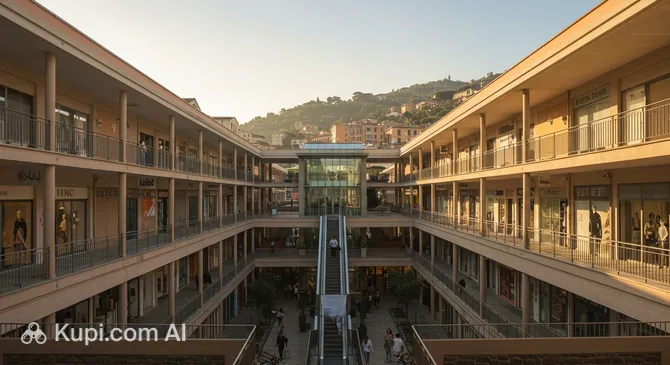
For those who prefer a modern, all-in-one shopping experience, the city boasts a large shopping center located just a short distance from the historic core. Le Terrazze is the primary destination for mall lovers, housing over 100 stores, a hypermarket, and numerous dining options. It is the perfect spot to find international chains, electronics, and home goods, offering a convenient escape on rainy days or for those needing to purchase travel necessities in a familiar setting.
Le Terrazze. Illustration.
Source: Kupi.com AI
Traveler photos:
An essential part of the local shopping culture is the daily market held in Piazza Cavour (also known as Piazza del Mercato). This famous covered market is a sensory explosion of sights and smells, open every morning except Sunday. It is renowned for its incredible seafood section, reflecting the city's maritime heritage, but also offers fresh fruits, vegetables, cheeses, and cured meats. On Fridays, a large weekly market also takes place along Viale Garibaldi, featuring hundreds of stalls selling clothes, shoes, and household items at bargain prices.
When searching for the perfect souvenir to take home, look beyond the standard magnets and postcards. The region is famous for its culinary excellence, so a jar of authentic Ligurian pesto, a bottle of local extra virgin olive oil, or the prized Sciacchetrà dessert wine make for appreciated gifts. Ceramics and naval-themed items are also popular, paying homage to the city's long-standing relationship with the sea and the Italian Navy.
Store hours in La Spezia generally follow the traditional Italian schedule. Most smaller shops in the city center open around 9:00 AM or 9:30 AM, close for a lunch break (riposo) between 1:00 PM and 3:30 PM, and then reopen until 7:30 PM or 8:00 PM. However, larger chains and the shopping mall typically remain open throughout the day without a break. Credit and debit cards are widely accepted, though it is always useful to have some cash for small purchases at the market or independent kiosks.
For visitors residing outside the European Union, a tax-free shopping refund (VAT refund) is available on purchases exceeding a certain minimum amount in a single store. Look for the "Tax Free" signage in shop windows and remember to ask for the specific refund form at the checkout, which you will need to present at the airport or border customs upon leaving the EU.