Support

Figari

About

Figari is often the first point of contact for travelers arriving in the south of Corsica, yet it is much more than just a transit hub. This charming commune in France offers a peaceful escape, characterized by its authentic rural atmosphere and stunning natural surroundings. Far from the bustle of the larger coastal resorts, Figari provides a glimpse into the traditional way of life on the "Island of Beauty."

Geographically, the town is situated slightly inland, nestled between rugged mountains and the sparkling Mediterranean Sea. The climate is typically Mediterranean, boasting warm, sunny summers and mild winters, which makes it an ideal destination for outdoor activities year-round. The landscape is defined by the fragrant maquis scrubland, cork oak trees, and impressive granite rock formations that glow under the southern sun.
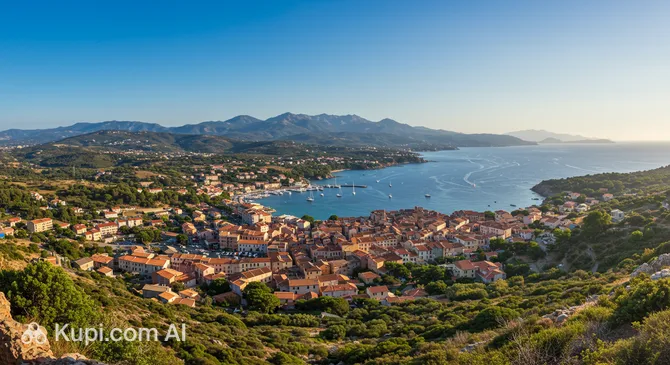
Figari. Source: Kupi.Binoculars

Exploring the history of Figari allows visitors to discover its deep-rooted agricultural traditions. The area is particularly renowned for its viticulture and is home to some of the oldest vineyards on the island. Wine enthusiasts can visit local estates to taste the distinct AOC Figari wines, which are celebrated for their unique character derived from the harsh granite soil and strong winds.

Beyond the vineyards, Figari serves as a strategic base for exploring the southern tip of the island. It offers easy access to the spectacular limestone cliffs of Bonifacio and a variety of pristine beaches. Visitors can enjoy the wilder, more secluded coves along the coastline that often remain quieter than the famous beaches of nearby Porto-Vecchio. Whether you are a nature lover, a wine connoisseur, or simply seeking tranquility, Figari invites you to experience the genuine soul of southern Corsica.
Weather Overview

The local climate is distinctively Mediterranean, offering visitors plenty of sunshine and comfortable conditions for most of the year. To get a detailed forecast for your specific travel dates, you can check the weather in Figari before packing. The summer season is characterized by warmth and clear skies, with August being the hottest month, averaging around 25.2°C. During this peak season, rainfall is practically non-existent, making it the perfect time for exploring the coastline.

As the year progresses, temperatures cool down but remain mild, rarely dropping to freezing levels. January is typically the coldest month with an average temperature of 10.3°C. While the total precipitation volume remains relatively low, the frequency of wet days increases significantly in late autumn and winter, with November seeing rain on about 14 days. Expect warm, dry summers with abundant sun and mild winters with occasional rainy days.

Interesting Facts

Beyond the main attractions, Figari holds many fascinating secrets that reveal the authentic soul of southern Corsica. This rural commune is defined not just by its airport, but by a landscape rich in legends, ancient traditions, and natural wonders.
  • The Oldest Vineyards in Corsica: While the island is famous for its wine, Figari claims to be the oldest viticultural region in Corsica. Vines have been cultivated here since ancient times, thriving in the unique granite soil which, combined with the harsh climate, produces wines of exceptional character and resilience.

  • The Man of Cagna: Dominating the skyline above the Figari plain is a peculiar rock formation known as the Uomu di Cagna (Man of Cagna). Perched at an altitude of 1,217 meters, this granite stack resembles a human figure and has served as a landmark for sailors and shepherds for centuries, shrouded in local folklore.

  • A Landscape Sculpted by Wind: Figari is one of the windiest places on the island, a feature that dramatically shapes its nature. You will often see trees bent into strange, artistic shapes—a phenomenon known as anemomorphosis—caused by the persistent gusts that sweep across the plain.

  • Cork Oak Heritage: The region is dotted with extensive cork oak forests, which were once a cornerstone of the local economy. Visitors can still spot trees with their lower trunks stripped of bark, a testament to the traditional harvest that takes place every decade to produce cork stoppers and insulation.

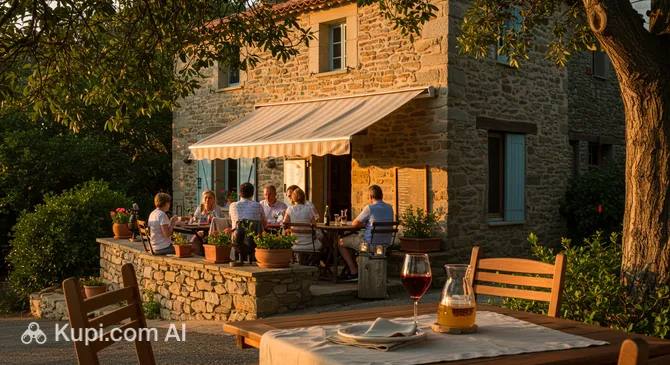
Auberge U Fuconu. Source: Kupi.Binoculars

How to Get There

Reaching this picturesque destination in southern Corsica is relatively straightforward, with air travel being the most direct option for international and domestic visitors. For a complete guide on planning your journey, you can read more about how to get to Figari.

The most convenient entry point is the local Sud Corse Airport (FSC), situated directly in the commune of Figari. It welcomes a significant number of travelers annually, serving as a primary gateway to the region. Since the airport is located just 3.1 km from the town center, the transfer is quick and easy; a taxi or car ride typically takes only about 10 to 15 minutes. You can find more details about this hub by visiting the Sud Corse Airport page.

Another viable option is flying into Ajaccio Napoleon Bonaparte Airport (AJA), located in the city of Ajaccio. Although it is approximately 55.6 km away from Figari, it is a larger international airport with more frequent connections. The drive from Ajaccio to Figari involves navigating scenic Corsican roads and generally takes around 1 hour and 45 minutes by taxi or rental car. More information is available on the Ajaccio Napoleon Bonaparte Airport page.

For clarity, here is a summary of the main airports:

Airport Name City Passenger Traffic Km from City
Olbia Costa Smeralda Airport Olbia Large 73.0
Alghero-Fertilia Airport Alghero Large 118.3
Ajaccio Napoleon Bonaparte Airport Ajaccio Large 55.6
Sud Corse Airport Figari Medium 3.1
Sainte Catherine Airport Calvi Small 119.2

The city of Figari does not have a railway station, and the island's rail network is distinct from the mainland systems. However, travelers combining their trip with a visit to Italy might consider major hubs like Roma Termini Station (IATA: XRJ) in Rome. It is important to note that this station is located approximately 284.5 km away across the Tyrrhenian Sea, so reaching Figari from there would require an additional flight or a combination of train and ferry travel.

Below is a list of the nearest major railway stations on the mainland:

Station City Passenger Traffic Km to Center
Roma Termini Station Rome Huge 284.5
Tiburtina Railway Station Rome Large 287.0
La Spezia Centrale Station La Spezia Large 296.8
Ostiense Railway Station Rome Large 282.5

Main Attractions

Figari is a destination where the "art of living" takes precedence over bustling tourist sights. The attractions here are deeply rooted in the land, blending exceptional gastronomy, viticulture, and unspoiled nature. Visitors typically come here to slow down, enjoy the authentic Corsican atmosphere, and explore the region's renowned agricultural heritage.

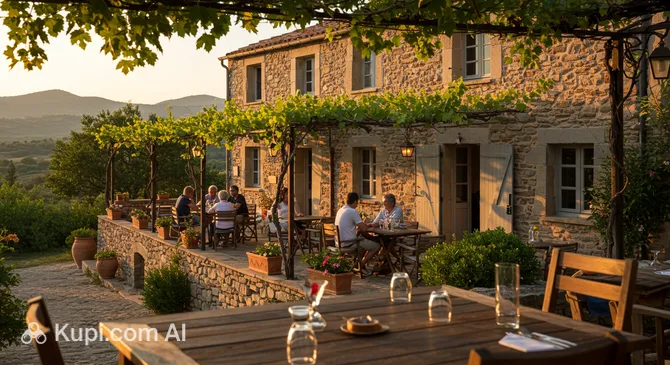
One of the finest examples of local hospitality and tradition is Domaine Pozzo di Mastri. This beautifully restored farm estate captures the essence of the Figari countryside. It is more than just a place to stay or eat; it is an immersive experience in a traditional Corsican hamlet, complete with stone buildings and lush gardens. Tourists are drawn here to experience the authentic rural lifestyle, enjoy farm-to-table dining featuring estate-grown produce, and relax in a setting that feels miles away from the modern world.

Domaine Pozzo di Mastri. Source: Kupi.Binoculars

For those seeking a true culinary journey, Auberge U Fuconu is a landmark institution in the region. Located just a short drive into the nearby hills, this establishment is celebrated for its warm, rustic ambiance and dedication to traditional island cuisine. It is particularly interesting for food lovers wanting to taste classic dishes prepared on an open hearth, offering a cozy and genuine glimpse into the island's mountain culture.

Beyond specific establishments, the Vineyards of Figari stand as the area's most significant collective attraction. As the oldest wine-growing region in Corsica, the landscape is stitched together by rows of vines growing in granite-rich soil. Wine tourism is a major draw here, with numerous prestigious domains welcoming visitors for tastings. Exploring the wine route offers not only the chance to sample distinct vintages but also to admire the stunning contrast between the green vines, the grey granite rocks, and the blue sky.

Finally, the Coastline of Figari offers a wilder alternative to the manicured beaches found elsewhere in the south. The Gulf of Figari is deeply indented and known for its winds, making it a premier spot for windsurfing and kitesurfing. For those who prefer relaxation, the jagged coast hides secluded coves and pristine beaches like the Plage de la Testa, where the untouched maquis meets the turquoise waters, providing a perfect setting for a quiet day by the sea.

Local Cuisine

The culinary landscape of Figari is deeply rooted in the traditions of the Corsican countryside, offering a rustic and flavorful experience that reflects the island's "terroir." The food here is characterized by the use of high-quality local ingredients, often sourced directly from nearby farms or the surrounding maquis scrubland. Visitors should expect hearty, generous meals where the natural flavors of wild herbs, game, and artisanal cheeses take center stage.

One of the absolute must-try staples in Figari is the renowned Corsican charcuterie. Produced from free-roaming pigs that feed on chestnuts and acorns, cured meats like prisuttu (ham), coppa, and lonzu possess a distinct, nutty flavor that is unique to the region. Another highlight is Brocciu, a fresh cheese made from sheep or goat milk. It is a versatile ingredient found in many dishes, from savory omelets with mint to the beloved fiadone, a lemon-zested cheesecake that serves as a perfect dessert.

When it comes to beverages, Figari is famous for its viticulture. The region boasts its own AOC Figari appellation, recognized as the oldest wine-growing area on the island. The local wines are shaped by the granite soil and sunny climate, producing robust reds and aromatic rosés primarily from Sciaccarellu and Niellucciu grapes. For a non-alcoholic option, you can enjoy refreshing syrups made from local fruits, but to finish a meal like a local, try a digestif such as Myrtle liqueur, made from the berries of the ubiquitous shrub.

The dining culture in Figari revolves around the concept of the ferme-auberge (farm inn), where the atmosphere is warm and communal. These establishments often serve dishes made exclusively from their own produce. A prime example is Domaine Pozzo di Mastri, where guests can enjoy farm-to-table dining in a setting that perfectly encapsulates the agricultural heritage of the area. Similarly, for those seeking traditional grilled meats and stews prepared with time-honored techniques, Auberge U Fuconu offers an authentic taste of the island's mountain cuisine in a cozy, stone-walled environment.

Travel Tips

Visiting Figari offers a unique opportunity to experience the authentic, rural side of Corsica, but its specific geography and laid-back pace require a bit of preparation. To help you make the most of your stay in this windswept region of vineyards and granite, here are some practical tips to keep in mind.

  1. Clothing and Gear: The climate is typically Mediterranean, so light, breathable clothing is best for summer. However, Figari is known for being one of the windiest spots on the island, so packing a light windbreaker or a scarf is essential, even in warmer months. Comfortable walking shoes are a must if you plan to explore the vineyards or the rugged maquis trails. Standard French power outlets (types C and E) are used, so bring a universal adapter if your devices have different plugs.

  2. Transportation: Public transport within the commune of Figari is extremely limited. While there are shuttle buses connecting the airport to larger towns like Porto-Vecchio and Bonifacio, exploring Figari’s own vineyards, hidden coves, and scattered hamlets is nearly impossible without a vehicle. Renting a car is strongly recommended and is best arranged in advance for pickup at the airport.

  3. Finances: The currency is the Euro (€). While major car rental agencies and established hotels accept credit cards, many smaller ferme-auberges (farm inns), local artisans, and market stalls prefer cash. ATMs are available at the airport and in the main village center, but they can be scarce in the surrounding countryside, so it is wise to carry some cash with you. Tipping is not mandatory as service is included, but leaving small change for good service is appreciated.

  4. Health and Safety: Figari is a very safe destination with low crime rates. The biggest safety concern for tourists is often the sun and dehydration, so carry water and sunscreen. For medical needs, there is a pharmacy in the village, but for more serious issues, the nearest hospitals are in Porto-Vecchio or Ajaccio. In summer, be extremely cautious with fire safety; the dry scrubland is highly flammable.

  5. Communication: French is the official language, and while staff at the airport and major tourist sites speak English, it is less common in rural areas and traditional restaurants. Learning a few basic phrases like "Bonjour" (Hello) and "Merci" (Thank you) will go a long way. Locals also speak Corsican; showing respect for their distinct culture is always well-received. Mobile coverage is generally good, and you can purchase SIM cards at the airport or local tobacco shops.

  6. Local Etiquette: Politeness is paramount in Corsica. Always greet shopkeepers or staff with a friendly "Bonjour" when entering an establishment; skipping this is considered rude. Life here moves at a slower pace, so be patient with service in restaurants. If you are driving on narrow country roads, it is customary to pull over slightly to let faster local drivers pass.

  7. What to Avoid: Never throw cigarette butts or glass bottles into nature. The risk of forest fires in the maquis is a serious issue, especially in summer, and locals are very protective of their land. Additionally, avoid debating the political status of the island with strangers; while locals are welcoming, they are proud of their Corsican identity, and it is best to stay a polite observer.

  8. Driving Tip: Be prepared for "Corsican traffic jams," which often involve herds of livestock blocking the road. Cows, goats, and pigs frequently roam free in the countryside around Figari. If you encounter animals on the road, simply stop, wait for them to move, and enjoy the photo opportunity rather than honking.

By embracing the slower rhythm of life and respecting the local environment, you will find Figari to be a deeply rewarding destination. Whether you are sipping wine at a local domain or watching the sunset over the granite peaks, these small preparations will ensure your trip is as relaxing as it is memorable.

Entertainment & Nightlife

Nightlife in Figari is a reflection of its overall character: authentic, intimate, and deeply connected to the land. Unlike the bustling coastal resorts of Porto-Vecchio or Bonifacio, which are known for their high-energy clubs and disco scene, Figari offers a more serene and sophisticated evening experience. The "nightlife" here revolves around the art of conviviality, where the evening entertainment consists of long, leisurely dinners, wine tastings under the stars, and social gatherings in traditional village settings. It is the perfect destination for travelers who prefer the clinking of wine glasses to the thumping bass of a nightclub.

The social heart of the evenings can often be found in the scattered hamlets and the main village center, but the true gems are hidden within the countryside. Establishments here serve as the primary venues for night-time entertainment. For instance, Domaine Pozzo di Mastri is a favorite spot for an atmospheric evening. This estate often hosts guests late into the night, offering a setting where you can enjoy the cool night air and the sounds of the surrounding nature while savoring local vintages. It captures the essence of a Corsican night—relaxed, elegant, and unhurried.

Another key venue for a memorable evening is Auberge U Fuconu. Known for its warm hospitality, this place comes alive at night with the glow of its fireplace in the cooler months or its inviting terrace in the summer. It is a place where locals and visitors mingle, sharing stories over hearty meals. The atmosphere in Figari’s venues is generally "casual chic." While there is no strict dress code, a smart-casual appearance fits well with the rustic yet refined ambiance of the local wine estates and inns.

For those seeking more vibrant party scenes or dance clubs, the best advice is to take a drive to the nearby town of Porto-Vecchio, which is about a 20 to 30-minute drive away. There, you will find renowned open-air clubs and cocktail bars. However, staying in Figari allows you to escape the crowds and return to tranquility. If you do head out, be aware that taxis are scarce at night in this rural area. It is essential to have a designated driver or pre-arrange transport if you plan to drink, as ride-hailing apps are not reliable here.

Safety in Figari is excellent; the area is peaceful and secure for evening walks, though the lack of street lighting in rural zones means a flashlight is recommended. The biggest hazard after dark is actually the local wildlife; cows and wild boars frequently wander onto the roads at night, so driving with caution is imperative. During the daylight hours, entertainment shifts to the outdoors, with visitors exploring the region's famous vineyards, hiking the trails of the maquis, or enjoying the unspoiled beaches, as the commune lacks traditional daytime amusements like theaters or large amusement parks.

Parks & Museums

While Figari is not defined by manicured city parks or large national museums, it offers a different kind of cultural and natural immersion. The "green spaces" here are the wild, protected coastlines and the fragrant scrubland known as the maquis, while the region's history is best explored through its ancient religious architecture and living agricultural traditions rather than within the walls of a gallery.

For nature lovers, the Testa Ventilegne is the area's most significant natural treasure. Managed by the Conservatoire du Littoral, this vast protected site on the western side of the Gulf of Figari is a pristine example of the Corsican coastline. It lacks the artificiality of an urban park, offering instead a network of hiking trails that wind through wild olive trees and granite boulders, leading to secluded coves. It is an ideal spot for those seeking solitude and a direct connection with the raw beauty of the island.

Another key natural area is the Gulf of Figari itself. Unlike a traditional garden, this deep bay serves as the community's recreational heart. The coastline here is jagged and diverse, featuring a mix of sandy beaches and rocky inlets. It is particularly interesting for visitors who enjoy water sports, as the thermal winds make it a renowned playground for windsurfers and kitesurfers, turning the bay into a dynamic, living landscape of color and motion.

In terms of museums, Figari is a rural commune where heritage is preserved in stone and soil rather than display cases. There are no major conventional museums within the village limits. However, the Chapel of San Quilico (San Quilicu) serves as a crucial cultural landmark. Located in the hamlet of Montilati, this tiny Romanesque chapel dates back to the 12th century. It is a fascinating site for history buffs, offering a rare and well-preserved glimpse into the medieval religious architecture of rural Corsica, standing humbly amidst the vegetation.

Since formal galleries are scarce, the local Wine Estates function as the area's de facto cultural centers. Places like the Clos Canarelli or Domaine de Peretti della Rocca (though not museums in the strict sense) often open their doors to share the history of the region's viticulture. For tourists, visiting these estates provides an educational experience that covers centuries of agricultural tradition, explaining how the granite terroir has shaped the local identity and economy since antiquity.

For a more traditional museum experience, visitors often take a short drive to the nearby citadel of Bonifacio. However, within Figari, the Parish Church of Saint-Julien stands as a testament to the community's enduring spirit. While architectural details are modest, the building is the center of local festivals and religious observances, reflecting the living culture of the inhabitants.

For an authentic insider experience, explore the ruins and trails near the hamlet of Ogliastrello. The surrounding countryside is scattered with traces of former pastoral life, including old stone walls and orri (shelters). Wandering these unmapped paths offers a quiet, atmospheric journey into the past that feels far more personal than a guided museum tour.

Getting Around

Travelers planning a trip to Figari should be aware that the public transport options here differ significantly from those found in large metropolitan areas. As a rural commune spread across the Corsican countryside, Figari does not have an urban transit network such as a metro, tram system, or city buses. The local infrastructure is designed primarily for private vehicle use, meaning that reliance on public transportation requires careful planning and patience.

The primary form of public transport available is the shuttle bus service (navette) that connects the Sud Corse Airport with major nearby towns. These buses are the main lifeline for tourists without cars, offering routes to Porto-Vecchio and Bonifacio. The schedules are generally coordinated with flight arrivals and departures, but the frequency can vary depending on the season. During the peak summer months, services are more frequent, while in winter, they may be reduced to just a few trips a day.

Regarding payment, the system is traditional and straightforward. Tickets for the airport shuttles are typically purchased directly from the driver upon boarding. It is highly recommended to carry cash, particularly in small denominations, as credit card terminals on buses are not always available or reliable. There are no complex travel cards, zone maps, or digital apps for ticketing in this region; a simple one-way ticket is the standard fare structure.

For tourists attempting to use these buses, practical advice is essential. Always check the latest timetables online or at the airport information desk immediately upon arrival, as they are subject to change without notice. Since the buses are geared towards moving passengers to and from the airport, they are not suitable for hopping between local vineyards or exploring the coastline. Be at the bus stop early, as drivers usually adhere to a strict departure time.

Given the limitations of the bus network, car rental is widely considered the most effective way to navigate Figari and its surroundings. Agencies are conveniently located at the airport, and having your own vehicle unlocks access to hidden beaches, remote hiking trails, and local restaurants that are otherwise unreachable. For those who do not drive, taxis are available at the airport taxi rank, though they can be quite expensive for longer distances. Pre-booking a private transfer is often a smoother alternative for peace of mind.

While there are no historic cable cars or funiculars to mention, the drive itself serves as a scenic experience. Cycling is an alternative for the adventurous and physically fit, with bike rentals available in nearby larger towns. However, the roads can be narrow and winding, and the summer heat is intense, making cycling more of a leisure activity than a viable mode of daily transport for most visitors.

Accommodation

Accommodation in Figari reflects the region's rural and authentic character, offering a distinct alternative to the large-scale tourism found in other parts of Corsica. You will not find massive resort complexes or high-rise hotel chains here. Instead, the area specializes in charming independent options, particularly "bergeries"—traditional stone shepherd huts that have been converted into comfortable, often luxurious, villas. These properties allow visitors to immerse themselves in the quiet beauty of the countryside, often surrounded by vineyards and the fragrant maquis.

When choosing a location, visitors typically decide between the tranquility of the inland hamlets and the proximity to the sea. Staying near the main village of Figari or within the vineyard estates offers a peaceful retreat with easy access to the airport and local hiking trails. For those who prioritize beach time and water sports, the areas closer to the coast, such as near the Gulf of Figari or the neighboring village of Pianottoli-Caldarello, are more convenient options, though they still maintain a low-key atmosphere.

Regarding costs and planning, Figari caters largely to a mid-range to luxury market, especially with the prevalence of private villa rentals and boutique guesthouses. Budget accommodation is relatively scarce, though some campsites can be found in the wider region. Because southern Corsica is a premier summer destination, prices peak significantly in July and August. It is a general rule to book accommodation several months in advance if you plan to travel during the high season, as the best properties sell out quickly. Most bookings can be made via major online platforms, but many local estates also welcome direct inquiries.

Nearby Cities

For those looking to explore the surroundings, Figari serves as an excellent base for day trips to several interesting nearby locations:

City Population Distance (km)
Nice 342669 291
Cannes 74545 288
Antibes 73438 285
Ajaccio 71361 58
Bastia 48503 137

While the region offers connections to the French mainland, the most rewarding day trips for visitors staying in Figari are found within southern Corsica itself. The area is rich in history and natural beauty, with several iconic towns located just a short drive away.

Ajaccio, the capital of Corsica, is a must-visit destination for history enthusiasts. As the birthplace of Napoleon Bonaparte, the city is dotted with monuments, statues, and museums dedicated to the French emperor, including his ancestral home, Maison Bonaparte. Beyond its imperial heritage, the city offers a vibrant atmosphere with its bustling market, charming old port, and the prestigious Fesch Museum, which houses a vast collection of Italian paintings.

Although not listed in the table above, the town of Bonifacio is arguably the most spectacular site near Figari. Perched precariously on white limestone cliffs at the southern tip of the island, it offers breathtaking views across the strait to Sardinia. Visitors can wander through the narrow alleyways of the medieval citadel, explore the marine cemetery, or take a boat tour to see the dramatic grottos and cliffs from the sea.

Another nearby gem is Porto-Vecchio, often referred to as the "City of Salt" due to its historic salt marshes. It is renowned for its lively marina, fortified old town, and proximity to some of Corsica's most famous beaches, such as Palombaggia and Santa Giulia. It provides a perfect mix of cultural exploration and relaxation, with plenty of cafes and boutiques to enjoy during a leisurely afternoon.

These nearby destinations offer a glimpse into the diverse culture and landscapes of the region.

Shopping & Souvenirs

Shopping in Figari is an experience defined by authenticity rather than abundance. Unlike large metropolitan areas filled with high-street fashion brands and department stores, this rural commune offers a more intimate retail landscape. The focus here is almost entirely on local craftsmanship and gastronomy. Visitors come to buy directly from the producers, ensuring that every purchase supports the local economy and carries the genuine flavor of the Corsican "terroir."

There is no central shopping district or pedestrian high street in the traditional sense. Instead, the main "shopping" route is effectively the road that winds through the vineyards and scattered hamlets. Along the D859 and the small lanes branching off it, you will find independent wine estates, small grocery stores (épiceries), and roadside stalls selling seasonal fruit and vegetables. Exploring these scattered locations is part of the charm, turning a simple shopping trip into a tour of the countryside.

Travelers looking for large shopping malls or international chains will not find them within Figari itself. The commune remains untouched by commercial sprawl. For extensive retail therapy, supermarkets, or clothing boutiques, the nearest options are located in the larger towns of Porto-Vecchio or Ajaccio. Porto-Vecchio, roughly a 20-minute drive away, hosts several commercial centers and a vibrant old town filled with designer shops and boutiques.

While Figari does not host a massive daily market, the concept of the market is alive in the direct-to-consumer approach of local farms. Many agricultural estates open their doors to the public, effectively functioning as specialized markets. Here, you can taste products before you buy. Additionally, during the summer season, small artisanal night markets may pop up in neighboring villages, offering handmade jewelry, pottery, and textiles under the stars.

When it comes to souvenirs, the best items to bring back are edible treasures that reflect the region's identity. AOC Figari wine is the undisputed star; a bottle from a local vineyard makes for a perfect gift. Other essential buys include Corsican honey (AOP Miel de Corse), artisanal olive oil, and vacuum-packed charcuterie like coppa or lonzu. For non-food items, look for products made from local cork or the iconic Corsican knives (Vendetta), often crafted with handles made from local wood or horn.

Store hours in Figari follow a typically relaxed Mediterranean schedule. Small shops and local producers usually open around 9:00 AM, close for a long lunch break (siesta) from approximately 12:30 PM to 3:30 PM or 4:00 PM, and then stay open until 7:30 PM. On Sundays, many places are closed, though some food shops may open in the morning. Regarding payment, while major wine estates and larger shops accept credit cards, it is highly recommended to carry cash for smaller transactions at roadside stalls or family-run groceries.

For visitors residing outside the European Union, a tax refund (VAT refund) is possible on purchases exceeding a certain amount in a single store. However, given the small scale of most businesses in Figari, few are set up to process "Tax-Free" forms instantly. If you plan to make significant purchases eligible for a refund, you are more likely to find participating retailers in the luxury boutiques of Porto-Vecchio or at the duty-free section of the airport upon departure.

Reached the end of the page?

That means the route is fully explored