Support

Portoferraio

About

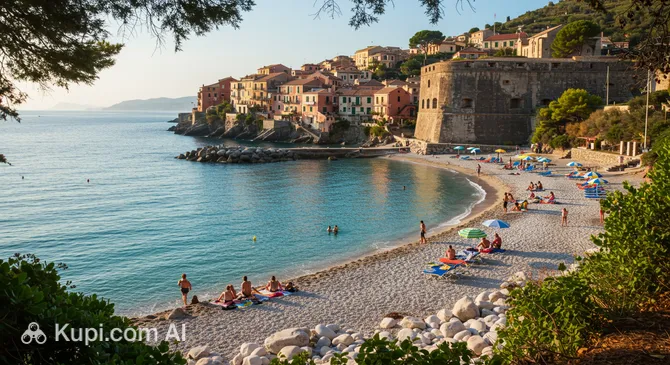
Welcome to Portoferraio, the vibrant capital and main port of the enchanting island of Elba. As the first point of contact for many travelers arriving by ferry, this historic town immediately captivates with its imposing fortifications and pastel-colored buildings reflecting in the azure waters of the Tyrrhenian Sea.

Situated in the Province of Livorno, Portoferraio serves as the administrative hub for the island, home to a population of approximately 12,000 residents. This gem of Italy enjoys a mild Mediterranean climate, making it a delightful destination year-round, though it truly sparkles under the warm summer sun. The town is built on a promontory that wraps around a natural harbor, offering stunning scenic views from almost every angle.
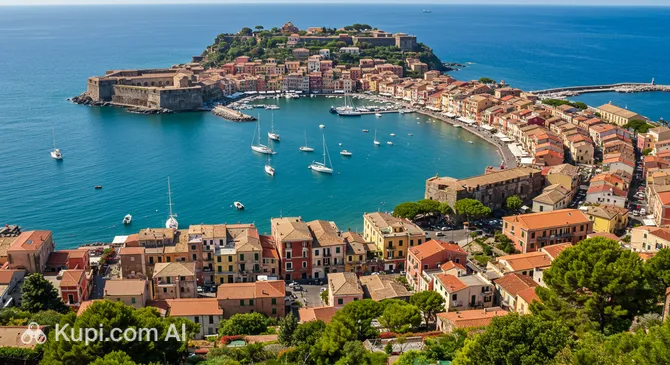
Portoferraio. Source: Kupi.Binoculars

The town is deeply connected to the legacy of the Medici family and, most notably, the French Emperor Napoleon Bonaparte. Exploring the history of Portoferraio reveals fascinating tales of its transformation from a humble Roman settlement to a fortified stronghold originally known as "Cosmopoli." Its architectural heritage stands as a testament to its strategic importance throughout the centuries.

Visitors are drawn to the impressive Forte Falcone and Forte Stella, which offer panoramic views of the coastline and the sea. Another must-see is the Palazzina dei Mulini, one of Napoleon's residences during his exile, perched high on the cliffs with commanding views. The picturesque Darsena Medicea (Medicean Harbour) is perfect for a leisurely evening stroll among yachts and fishing boats, surrounded by lively cafes and restaurants.

Whether you are a history buff, a lover of architecture, or simply seeking the laid-back island lifestyle, Portoferraio offers a memorable experience. It is the perfect gateway to discover the natural beauty and cultural treasures of Elba, inviting you to lose yourself in its charming streets and timeless atmosphere.
Weather Overview

The city enjoys a pleasant Mediterranean climate, making it an attractive destination throughout most of the year. To help plan your visit, it is useful to look at the detailed weather in Portoferraio, which generally features distinct seasonal patterns suited for different types of activities.

Summers are typically warm and sunny, with August seeing average temperatures around 26°C and highs reaching nearly 28°C. This is the driest time of the year, particularly in July, which experiences only about 2 wet days. In contrast, winters are mild rather than harsh, with average temperatures in January and February hovering between 11°C and 12°C. However, the cooler months are significantly wetter; November and December can see up to 14 days of rain.

Overall, you can expect warm, dry summers perfect for beach days, and mild winters with frequent rainfall. The transitional seasons of spring and autumn offer moderate temperatures ranging from 14°C to 23°C, providing comfortable conditions for exploring the island's natural beauty.

Interesting Facts

Beyond the main attractions, Portoferraio holds many fascinating secrets and historical curiosities that often escape the casual observer. From ancient legends to the legacy of emperors, here are some unique facts about this fortified city.
  • Before acquiring its current name, the city was founded in 1548 by Cosimo I de' Medici as "Cosmopoli." The Grand Duke envisioned it as the "Ideal City," a masterpiece of urban planning and military architecture designed to be an impregnable cradle of civilization in the Mediterranean.

  • A captivating local legend surrounds Ghiaie Beach, which is famous for its white pebbles speckled with dark spots. According to Greek mythology, these marks were caused by the sweat drops of the Argonauts, Jason's legendary crew, who stopped on this shore to rest during their quest for the Golden Fleece.

  • The name Portoferraio literally translates to "Iron Port," a nod to the island's deep industrial roots. In Roman times, the settlement was known as Fabricia and served as the crucial shipping hub for the rich iron ore deposits mined on Elba, which fueled the forges of the empire.

  • During his exile, Napoleon Bonaparte did not act merely as a prisoner but as a sovereign, residing in places like Napoleon's Mills House. He personally designed the flag of Elba—white with a red diagonal stripe and three golden bees—a symbol that is still proudly used to represent the island today.

  • The city's fortifications, including the imposing Forte Falcone, were considered so formidable that they deterred even the most feared attackers. The infamous pirate Dragut, known as the "Drawn Sword of Islam," reportedly sailed away in 1553 without firing a shot after inspecting the impenetrable walls.

Ghiaie Beach. Source: Kupi.Binoculars

How to Get There

Reaching the island capital of Portoferraio involves a scenic journey, usually combining overland travel with a ferry crossing. For a comprehensive guide on all available routes and tips, you can read more about how to get to Portoferraio from various locations.

The city of Portoferraio does not have its own major international airport, but there is a small local airfield nearby. The closest option is Marina di Campo Airport (IATA: EBA), located in the town of Elba, just about 9 km from Portoferraio. It is a small regional hub, and the transfer by taxi or bus takes approximately 35 minutes. For international travelers, the main gateway is often Pisa International Airport (IATA: PSA) in the city of Pisa on the mainland. It is situated about 97 km away, and the journey by road to the ferry port followed by the crossing typically takes around 2 hours and 45 minutes.

For clarity, here is a summary of the main airports:

Airport Name City Passenger Traffic Km from City
Pisa International Airport Pisa Large 97.2
Firenze-Peretola Airport Florence Medium 132.2
Bastia Poretta Airport Bastia Medium 74.3
Sainte Catherine Airport Calvi Small 129.0
Marina di Campo Airport Elba Small 8.7

Traveling by train is another popular way to approach the region, though the final leg of the journey to the island requires a ferry. The city of Portoferraio does not have a railway station; however, you can arrive at Firenze Santa Maria Novella Station in Florence, which is about 131 km away. From there, the travel time by road transport to the coast is roughly 3 hours and 35 minutes. Alternatively, Roma Termini Station in Rome serves as a major national hub. It is located approximately 206 km from Portoferraio, with a subsequent transfer time of about 5.5 hours.

Below is a list of the nearest major railway stations:

Station City Passenger Traffic Km to Center
Roma Termini Station Rome Very Large 206.4
Firenze Santa Maria Novella Station Florence Large 131.0
Bologna Centrale Station Bologna Large 205.6
La Spezia Centrale Station La Spezia Medium 150.2
Firenze Campo di Marte Railway Station Florence Medium 132.5

Main Attractions

Portoferraio is a treasure trove of history and natural beauty, offering visitors a unique blend of Renaissance fortifications, imperial heritage, and pristine coastline. Exploring the city means walking through centuries of strategic planning while being constantly surrounded by the stunning colors of the Tyrrhenian Sea.

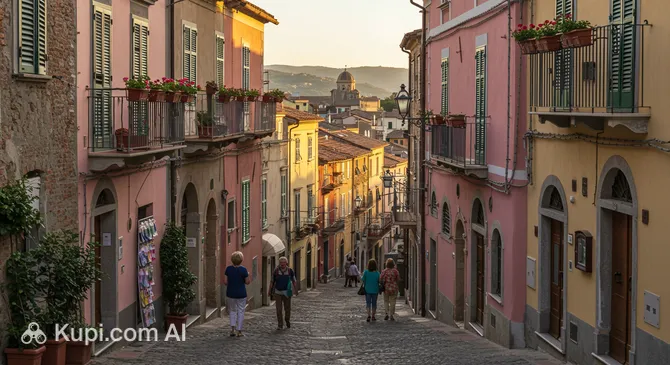
The heart of the experience is the Historic Center of Portoferraio. Enclosed within massive defensive walls, the old town is a delightful maze of climbing streets, vibrant squares, and pastel-colored buildings. Tourists enjoy wandering through the steep alleys, known as "salite," which lead to panoramic terraces offering breathtaking views of the harbor and the rooftops below.

Historic Center of Portoferraio. Source: Kupi.Binoculars

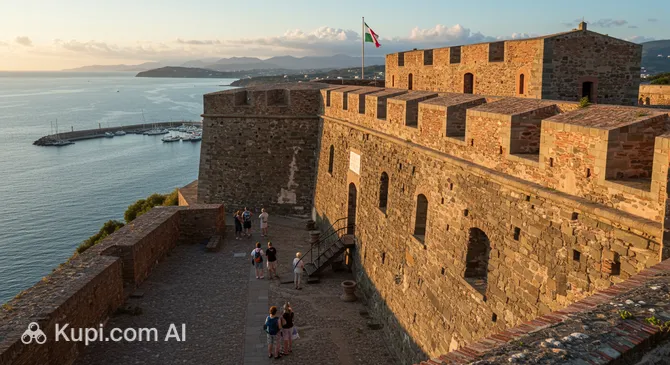
Standing guard over the city is the majestic Forte Falcone. Built by the Medici family in 1548, this fortress occupies the highest point of Portoferraio and was a key part of the defense system that made the town impregnable. It is a fascinating site for history buffs, offering a glimpse into military architecture as well as sweeping vistas over the bay and the open sea.

Forte Falcone. Source: Kupi.Binoculars

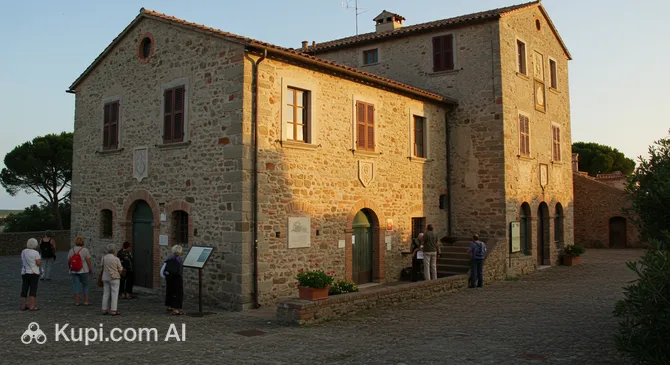
For a dive into the life of the island's most famous resident, a visit to Napoleon's Mills House (Palazzina dei Mulini) is essential. This was the Emperor's official residence during his exile, chosen for its strategic position between the forts. The villa preserves period furniture and personal memorabilia, and its beautiful gardens offer a serene place to walk where Napoleon once gazed towards his native Corsica.

Napoleon's Mills House. Source: Kupi.Binoculars

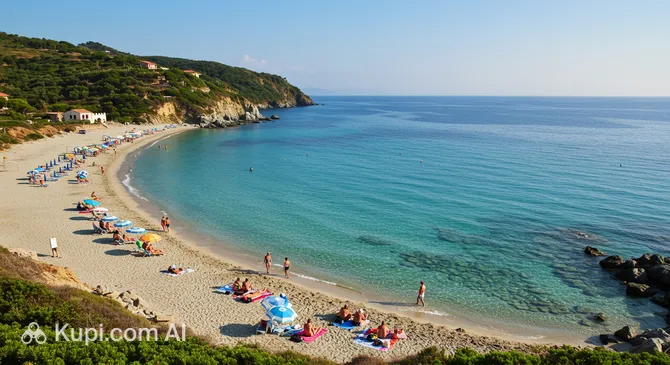
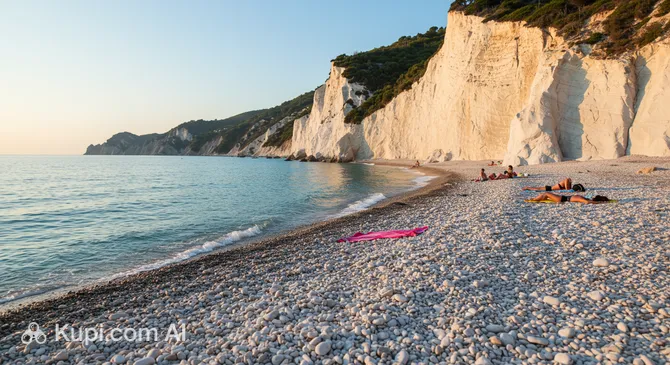
Just a short distance from the historic fortifications lies Padulella Beach, a perfect example of the island's natural splendor. Framed by brilliant white cliffs and lush Mediterranean scrub, this beach is famous for its smooth white pebbles and crystal-clear turquoise waters. It is a favorite spot for snorkeling and relaxation, providing a striking contrast to the rugged stone of the nearby forts.

Padulella Beach. Source: Kupi.Binoculars

Local Cuisine

The cuisine of Portoferraio is a delicious reflection of its maritime history, blending the rustic simplicity of Tuscan traditions with the bounty of the Tyrrhenian Sea. Food here is honest and flavorful, relying heavily on the freshest catch of the day and locally grown ingredients like sun-ripened tomatoes, capers, and aromatic herbs.

Seafood lovers will be in paradise exploring the local menus. A signature dish to look out for is stoccafisso alla riese, a hearty stockfish stew prepared with onions, tomatoes, basil, olives, and pine nuts, showcasing the island's rich flavors. Another traditional favorite is sburita, a flavorful fish soup often seasoned with calamint (nepitella) and chili, served with slices of toasted bread. For dessert, you must try the schiaccia briaca, or "drunken cake." This dense, reddish pastry is made with walnuts, raisins, and the local Aleatico wine, giving it a unique taste and a deep connection to the land.

No meal in Portoferraio is complete without sampling the island's renowned wines. The region is famous for Elba Aleatico DOCG, a sweet red dessert wine with intense floral aromas, which is the perfect companion for local sweets. For a refreshing accompaniment to seafood lunches, the crisp and dry Elba Bianco is an excellent choice, offering a clean taste that complements the saltiness of the fish.

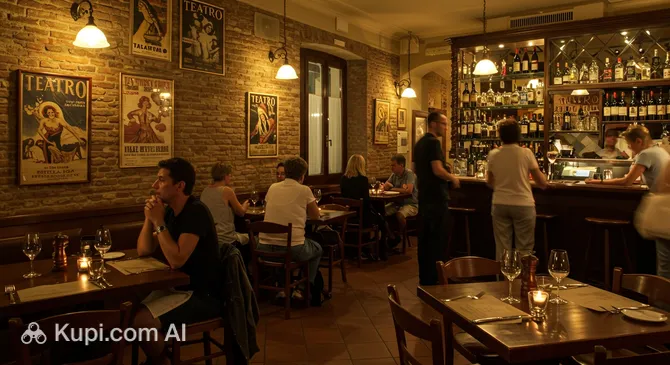
Teatro Bistro & Wine Bar. Source: Kupi.Binoculars

Dining in the city is often a relaxed affair, frequently enjoyed with a view of the water. The waterfront promenade near the Darsena Medicea and the winding streets of the historic center are dotted with inviting trattorias and modern eateries. It is common to see locals enjoying a long aperitivo as the sun sets over the harbor. For a refined experience that combines excellent food with a sophisticated atmosphere, you might visit the Teatro Bistro & Wine Bar, a spot that exemplifies the town's ability to mix traditional hospitality with contemporary culinary flair.

Travel Tips

Preparing for a trip to Portoferraio is straightforward, but keeping a few local nuances in mind will ensure your island getaway is as relaxing as the sea breeze. Here are some practical tips to help you navigate the capital of Elba with ease and confidence.

  1. Clothing and Gear: The climate is Mediterranean, so pack light, breathable fabrics for summer and a windbreaker or layers for the cooler shoulder seasons. Since the historic center features steep streets and "salite" (stairways), comfortable walking shoes with good grip are essential. Italy uses Type C, F, and L plugs, so bring a universal travel adapter to keep your devices charged.
  2. Transportation: Portoferraio is the central hub for the island's bus network (CTT Nord), which is reliable for reaching main towns. However, to explore hidden beaches and remote viewpoints, renting a car or scooter is highly recommended. Be aware that parking in the historic center is limited and often restricted by ZTL (Limited Traffic Zones), so look for designated lots near the port.
  3. Finances: The local currency is the Euro (€). While credit cards (Visa and Mastercard) are widely accepted in restaurants and hotels, it is wise to carry cash for small purchases like espresso, gelato, or souvenirs at local markets. ATMs are readily available throughout the town. Tipping is not mandatory as a service charge (coperto) is usually included, but rounding up the bill is a kind gesture.
  4. Health and Safety: The city is generally very safe for tourists. Pharmacies are easily identifiable by a green cross sign; look for "Farmacia" if you need over-the-counter medication. For any serious emergencies, the universal number to dial is 112. In summer, the sun can be strong, so carrying water and high SPF sunscreen is crucial.
  5. Communication: Italian is the official language. While English is commonly spoken in hotels and tourist-heavy areas, it may be less understood in smaller shops or by older residents. Learning a few basic phrases like Buongiorno (Good morning) and Grazie (Thank you) is greatly appreciated. Wi-Fi is standard in most accommodations and cafes, but a local SIM card is useful for maps and schedules.
  6. Local Etiquette: Italians value greetings; always say hello when entering a small shop or restaurant. Dress codes apply when visiting churches—shoulders and knees should be covered. Dining times are slightly later than in some other countries: lunch is typically 12:30 PM to 2:30 PM, and dinner rarely begins before 7:30 PM.
  7. What to Avoid: Do not walk through the town center or sit in cafes wearing only swimwear; this is considered disrespectful and can incur a fine. Save the beachwear for the beach. Additionally, try to avoid planning major shopping errands during the early afternoon (roughly 1:30 PM to 4:00 PM), as many smaller businesses close for a midday break known as riposo.
  8. Ferry Planning: As Portoferraio is the main entry point to the island, the port can get quite busy. If you are traveling during peak summer months (July and August), it is highly advisable to book your ferry tickets in advance, especially if you are bringing a vehicle. Arriving at the pier at least 30 to 60 minutes before departure is standard practice.

With these tips in hand, you are ready to embrace the laid-back rhythm of Portoferraio without any hassles. Enjoy the blend of history, nature, and warm Italian hospitality that makes this fortified city a truly memorable destination.

Entertainment & Nightlife

Entertainment in Portoferraio is characterized by a sophisticated and relaxed atmosphere rather than a high-energy clubbing scene. As the sun sets, the town transforms into a romantic haven where the "dolce vita" lifestyle takes center stage. The nightlife here revolves around socializing, savoring excellent local wines, and enjoying the cool sea breeze in picturesque settings.

The heartbeat of the evening activity is undoubtedly the Darsena Medicea (Medicean Harbour) and the waterfront promenade along Calata Mazzini. This area is bustling with locals and tourists enjoying the traditional passeggiata (evening stroll). Here, you will find a dense concentration of lounge bars, gelaterias, and cafes with outdoor seating that offers stunning views of the illuminated yachts and the ancient fortifications reflecting in the water.

For those seeking a refined evening of wine tasting and culinary delights, the city offers several excellent spots. A standout venue is the Teatro Bistro & Wine Bar, located in the heart of the town. It is a perfect example of the local nightlife style: chic, welcoming, and focused on high-quality regional products. It is the ideal place to start your night with an aperitivo or end it with a glass of Aleatico.

While Portoferraio is not famous for large discos, the vibrant atmosphere in the Historic Center of Portoferraio often feels like an open-air party during the summer months. The narrow streets and squares, such as Piazza della Repubblica, frequently host live music events, small concerts, and cultural festivals that keep the energy high until late. The crowd is generally a mix of couples, families, and groups of friends, and the dress code leans towards smart casual—stylish but comfortable enough for walking on cobblestones.

Practical Advice and Safety: Portoferraio is a very safe city for night walks, even in the winding alleys of the old town. However, public transport is limited at night, so if you are staying outside the center, it is advisable to book a taxi in advance, as hailing one on the street can be difficult. Prices for cocktails and wine are reasonable, typically ranging from €6 to €12 depending on the venue and location.

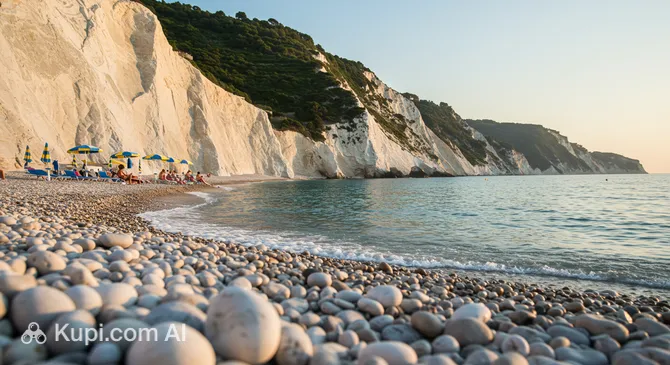
During the day, entertainment options shift towards exploring the island's natural and cultural treasures. Apart from the museums and forts, visitors can enjoy the pristine coastline. A trip to Capo Bianco Beach is highly recommended; its white cliffs and brilliant blue waters offer a spectacular setting for swimming and sunbathing. For families, the nearby waters are calm and inviting, making it a pleasant spot to spend the daylight hours before returning to town for the evening festivities.

Capo Bianco Beach. Source: Kupi.Binoculars

Parks & Museums

Parks & Museums:

Portoferraio is a destination where history and nature are inextricably linked, offering a cultural landscape that extends far beyond its famous beaches. The city's most significant museum experience centers on the legacy of its most famous resident, Napoleon Bonaparte. A visit to Napoleon's Mills House (Palazzina dei Mulini) is essential for understanding the island's past. Located strategically between the forts, this residence serves as a national museum where visitors can explore the Emperor's private rooms, library, and the beautiful gardens that offered him solace during his exile.

For those fascinated by ancient history, the Linguella Archaeological Museum is a hidden gem located at the entrance of the Darsena Medicea. Housed within the historic Linguella Tower, the museum showcases a rich collection of Etruscan and Roman artifacts, including amphorae and tools related to the island's ancient iron trade. This site, along with the imposing Forte Falcone, forms a vast open-air museum of military architecture, allowing travelers to walk the ramparts and understand the defensive genius of the Medici era.

The natural heritage of Portoferraio is just as impressive as its history. The city is a key gateway to the Tuscan Archipelago National Park, which protects both the land and the sea. One of the most remarkable natural areas is the biological protection zone facing Ghiaie Beach. Established over fifty years ago, this marine reserve is teeming with fish and marine flora, effectively acting as a natural aquarium that delights snorkelers and nature enthusiasts just steps from the town center.

Venturing slightly further from the historic center reveals the wilder side of the coast, where white cliffs contrast with the Mediterranean scrub. Sansone Beach is a prime example of this pristine environment. Regarded as one of the most beautiful spots on the island, its dramatic scenery and crystal-clear waters offer a perfect setting for those seeking to immerse themselves in the unspoiled nature of Elba.

Sansone Beach. Source: Kupi.Binoculars

Getting Around

The public transport system in Portoferraio is relatively simple and relies primarily on a bus network, as the city does not have a metro, tram, or railway service. The buses are operated by Autolinee Toscane and serve a dual purpose: "Urban" lines cover the city center and immediate surroundings, while "Extra-urban" lines connect the capital to other towns and beaches across the island. The main bus terminal is conveniently located right at the port, making it easy for travelers disembarking from ferries to continue their journey.

For payment, the system offers several convenient options. You can purchase single tickets, carnet booklets, or passes. The most modern way to pay is via the "at bus" app (Autolinee Toscane), which allows you to buy digital tickets on your smartphone. Prices differ depending on where you buy them; a standard ticket purchased in advance typically costs around €1.50 to €1.70, whereas buying a ticket directly from the driver on the bus usually incurs a surcharge and requires exact change.

A crucial piece of advice for tourists is to always buy your ticket before boarding whenever possible. Tickets can be found at the official ticket office near the port, as well as at authorized retailers like tobacconists (look for the "T" sign) and newsstands throughout the city. Once on board, you must validate your paper ticket in the yellow or green machines to avoid hefty fines. Be mindful of operating hours; while summer schedules are frequent and run late into the evening to cater to tourists, winter services are significantly reduced.

Because the bus network may not reach every secluded beach or run late at night, many visitors prefer alternative modes of transport. Renting a scooter or a car is extremely popular and offers the freedom to explore the island's winding coastal roads at your own pace. Taxis are also available, with the main stand located at the ferry port (Calata Italia), though they are a more expensive option compared to public transit. For short distances within the city, electric bike rentals are becoming increasingly common.

While there are no historic trams or cable cars, the city's layout itself dictates the mode of travel. The historic center is a pedestrian-friendly zone characterized by steep stairways and narrow alleys where vehicles cannot pass, making walking the best way to explore the old fortifications. During the peak tourist season, you may also spot a small "tourist train" on rubber tires, which offers a leisurely, family-friendly loop around the main attractions, saving you the effort of climbing the hills on foot.

Accommodation

Accommodation in Portoferraio caters to a wide spectrum of travelers, ranging from budget-conscious backpackers to those seeking a touch of Mediterranean luxury. The city offers a mix of family-run bed and breakfasts, comfortable mid-range hotels, and private apartment rentals. While you won't find many massive international resort chains here, the charm lies in the smaller, often family-owned establishments that provide a warm and authentic Italian welcome.

The choice of where to stay largely depends on the type of experience you desire. The Historic Center is ideal for those who want to immerse themselves in the town's atmosphere. Staying here places you within walking distance of cultural landmarks like Napoleon's Mills House and the vibrant harbor cafes. However, keep in mind that this area features steep stairways and limited parking, which might be a consideration for those with heavy luggage or mobility issues.

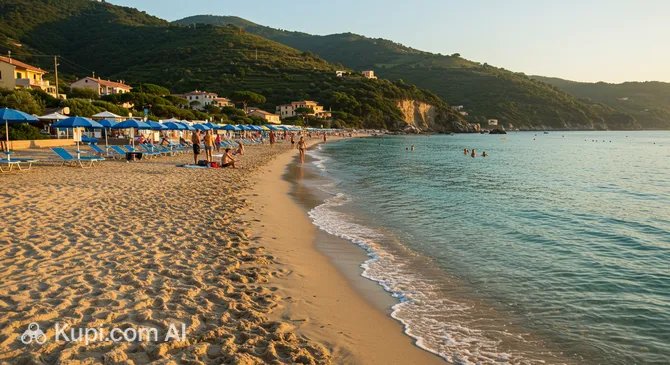
For convenience, the Port Area is a strategic choice, especially for short stays or for travelers planning to use the ferry frequently. The modern part of the town offers easier access to shops, supermarkets, and public transport hubs. Alternatively, if your priority is sun and sea, look for accommodations on the outskirts near the famous white pebble beaches. Areas surrounding Ghiaie Beach or further out towards the resort hamlet of Bagnaia Beach offer a more relaxed, resort-style environment perfect for families and beach lovers.

Bagnaia Beach. Source: Kupi.Binoculars

Booking Tips: Portoferraio is a highly popular summer destination. During the peak season, particularly in July and August, accommodation can sell out months in advance. It is highly recommended to book your stay as early as possible to secure the best rates and availability. If you prefer a quieter experience and lower prices, consider visiting in the shoulder seasons of May, June, or September.

Prices and Methods: Prices vary significantly by season. In high summer, rates for a standard double room can rise considerably, while the off-season offers excellent value. Most accommodations can be booked easily via major online travel platforms, which is often the most convenient method. However, for smaller guesthouses or apartments, contacting the property directly can sometimes yield better offers or more personalized service.

Nearby Cities

For those looking to explore the surroundings, Portoferraio serves as an excellent base for day trips to several interesting nearby locations:

The most immediate destination is Piombino, located just across the channel on the mainland. Often viewed merely as a ferry port, it actually holds a charming historic center and the spectacular Piazza Bovio, a terrace projecting into the sea that offers stunning views back towards Elba. It is an ideal spot to discover Etruscan history and enjoy a relaxed atmosphere before or after a ferry crossing.

Traveling further north along the Tuscan coast, you will find Livorno, a vibrant port city known for its unique character and seafood cuisine. Visitors are charmed by the "Venezia Nuova" district, featuring canals and bridges reminiscent of Venice, and the elegant Terrazza Mascagni, a vast checkered promenade that stretches along the seafront.

To the south lies Grosseto, the principal city of the Maremma region. It is one of the few Italian cities whose historic center remains completely encircled by intact defensive walls. A walk along these hexagonal ramparts offers a peaceful way to view the city, including its beautiful cathedral and the lively Piazza Dante.

City Population Distance (km)
Livorno 158371 82
Grosseto 82036 65
Cascina 45212 98
Piombino 33855 21
Rosignano Marittimo 31039 67

These nearby destinations offer a glimpse into the diverse culture and landscapes of the region.

Shopping & Souvenirs

Shopping in Portoferraio is a delightful experience that focuses on local craftsmanship, island scents, and traditional flavors rather than large commercial malls. The town center is an open-air boutique where visitors can browse at a relaxed pace. The main shopping streets are located within the Historic Center of Portoferraio and along the scenic waterfront promenade of Calata Mazzini, offering a mix of elegant fashion, artisanal workshops, and souvenir stores.

One of the most iconic products to purchase is the famous Acqua dell'Elba perfume. Born on the island, this fragrance house creates scents inspired by the sea breeze and Mediterranean flowers. Their shops, easily recognizing by their distinctive turquoise color, are scattered throughout the town and offer high-quality perfumes, home fragrances, and body care products that serve as the perfect olfactory memory of your trip.

Given the island's rich geological history, mineral jewelry is another specialty of Portoferraio. Local artisans craft unique pieces using hematite, pyrite, and other semi-precious stones found in the mines of Elba. For those with a sweet tooth, the local gastronomy provides excellent souvenirs. Look for the traditional schiaccia briaca (drunken cake), a dense cake made with raisins and nuts, or a bottle of the renowned Aleatico dessert wine to take a taste of Tuscany home with you.

For a lively and authentic atmosphere, visitors should check out the weekly market held every Friday morning along Viale Zambelli. It is the perfect place to mingle with locals and find everything from clothing and beach gear to fresh produce. When planning your shopping spree, keep in mind that many smaller shops observe the traditional afternoon break (riposo), typically closing around 1:00 PM and reopening after 4:00 PM or 5:00 PM.

Reached the end of the page?

That means the route is fully explored