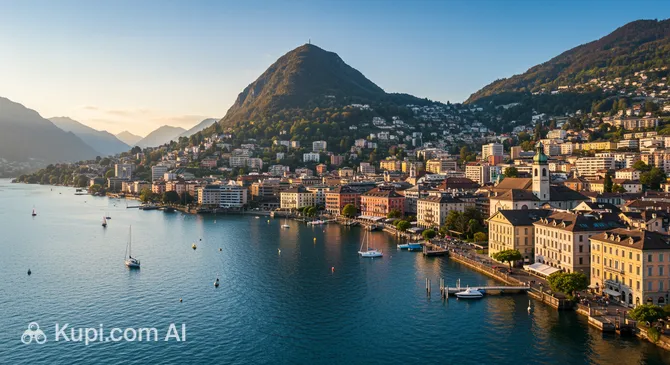
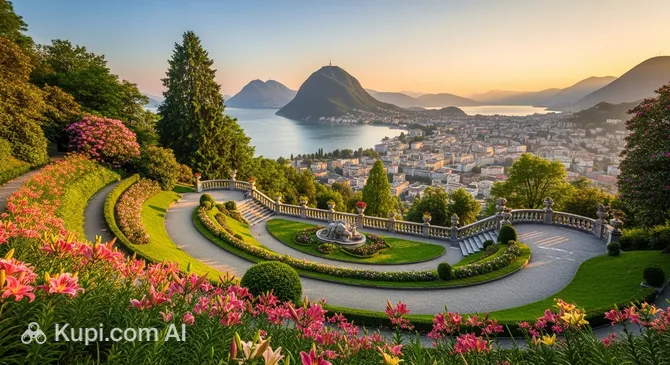
Lugano is a vibrant city that perfectly blends Swiss efficiency with Italian flair, offering a unique cultural atmosphere in the heart of Europe. As the largest town in the holiday region of Ticino, it is not only Switzerland's third most important financial center and a conference, banking, and business center, but also a town of parks and flowers, villas, and sacred buildings. Located in southern Switzerland, the city sits gracefully on the northern shore of the glacial Lake Lugano, surrounded by mountains offering splendid viewpoints.
Lugano. Illustration.
Source: Kupi.com AI
The city enjoys a mild climate that allows palm trees, olive trees, and magnolias to flourish, giving it a distinctly Mediterranean character. With a population of approximately 63,000 inhabitants, it maintains a lively yet relaxed pace of life. The historic center is traffic-free, characterized by Italianate Lombardy-style buildings and exclusive museums. Those interested in the region's past can explore the fascinating history of Lugano, which reveals its transformation from a fishing village to a sophisticated international destination.
Visitors are often drawn to the beautiful Parco Ciani, a lakeside park that serves as the city's green lung, and the scenic funicular rides up to Monte San Salvatore and Monte Brè, which offer breathtaking panoramas of the lake and the Alps. Whether you are looking for world-class shopping, artistic treasures, or simply a cappuccino in a sun-drenched square, Lugano invites you to experience its "dolce far niente" lifestyle.
Weather Overview
Lugano experiences distinct seasons, offering a climate that ranges from chilly winters to pleasant, warm summers. For travelers planning their itinerary, understanding the weather in Lugano is helpful for packing the right attire. The summer months are the warmest, with July seeing average temperatures of 19.0°C and highs reaching up to 23.5°C, creating a comfortable atmosphere for exploring the outdoors.
The winter season brings significantly cooler temperatures, particularly in January, when the average drops to around 0.4°C and lows can dip to -3.4°C. Rainfall is a consistent factor to consider, especially in the spring; May is notably the wettest month in terms of frequency, recording up to 21 wet days. Expect warm summers with occasional rain and cold, relatively drier winters.
Average monthly temperature
Average monthly precipitation
Interesting Facts
Beyond the main attractions, Lugano holds many fascinating secrets and unexpected features that surprise even seasoned travelers. From Mediterranean vibes to miniature wonders, here are some intriguing details about this lakeside city.
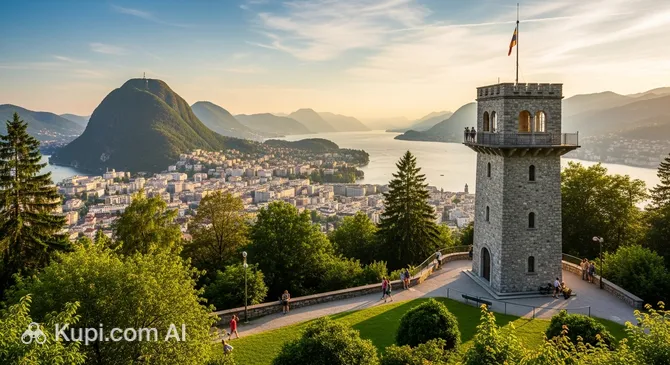
Lugano is frequently nicknamed the "Rio de Janeiro of the Old World." This is largely due to the distinct shape of Monte San Salvatore, which bears a striking resemblance to Rio's famous Sugarloaf Mountain, especially when viewed from the city center.
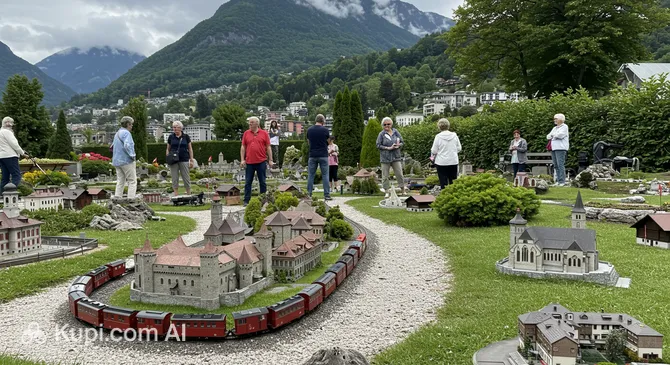
You can physically walk across the entire country in just an hour while staying in the region. The open-air museum Swissminiatur in nearby Melide features over 120 detailed models of Switzerland's most famous buildings and landscapes, all meticulously crafted on a scale of 1:25.
Despite being at the foot of the Alps, the city's unique microclimate allows for the growth of ancient olive trees. Travelers can walk the scenic Olive Trail, a path winding between Castagnola and Gandria that showcases the surprising history of olive oil production in this northern latitude.
The city hides Switzerland's most impressive Renaissance fresco inside an unassuming exterior. Visitors entering the Church of Santa Maria degli Angioli are often stunned to find a massive, intricate masterpiece of the Passion of Christ painted by Bernardino Luini, a disciple of Leonardo da Vinci.
Swissminiatur. Illustration.
Source: Kupi.com AI
Traveler photos:
How to Get There
Reaching this picturesque lakeside city is convenient, with several transport options available depending on your point of origin. Whether you prefer flying or taking a scenic train ride, the journey to Ticino is part of the experience. For a complete overview of all routes and travel advice, you can read more about how to get to Lugano.
For those arriving by air, the most convenient entry point is the local Lugano Airport (IATA: LUG). Located in the district of Agno, it is just 3.1 km from the city center. This regional airport offers a quick and easy arrival experience, with a taxi or shuttle ride to the downtown area taking approximately 25 minutes. Alternatively, many international travelers opt to fly into Milano Malpensa Airport (IATA: MXP) in Milan. Although this major international hub is located about 45.7 km away in neighboring Italy, it offers extensive global connections. The transfer from Malpensa to Lugano takes around 1 hour and 30 minutes by road.
For clarity, here is a summary of the main airports:
Traveling by train is another excellent way to reach the city, offering beautiful views of the Swiss and Italian landscapes. The primary hub is Lugano Railway Station, which is centrally located within Lugano itself, only 0.4 km from the main attractions. It is a key stop on the north-south axis, making it easily accessible. From the station, you can reach the city center in about 20 minutes using the funicular or local transport. For those connecting from Italy, Milano Centrale Station in Milan serves as a major gateway; it is situated approximately 60.8 km away, allowing for a smooth transfer to Swiss trains.
Below is a list of the nearest and most significant railway stations:
Lugano boasts a delightful array of attractions that reflect its dual identity as a Swiss city with an Italian soul. From manicured lakeside gardens to vibrant public squares, the city's highlights are easily accessible and offer a mix of relaxation and cultural enrichment.
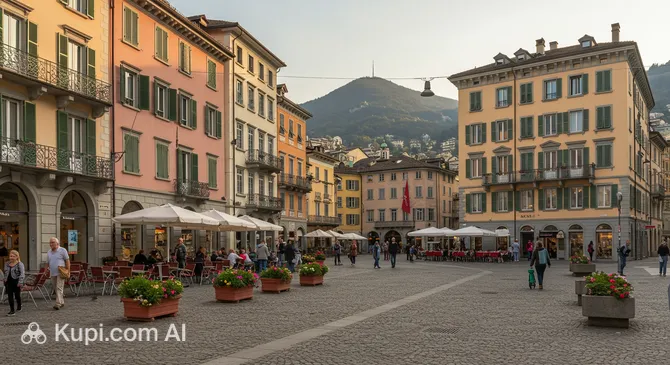
Known as the city's elegant "living room," Piazza della Riforma is the vibrant heart of social life in Lugano. Surrounded by stately pastel-colored buildings and inviting bistros, this expansive square is the perfect place to enjoy an espresso and soak up the lively atmosphere. It serves as the main venue for many of the city's major festivals, including the renowned Estival Jazz, making it a must-visit hub for people-watching and entertainment.
Piazza della Riforma. Illustration.
Source: Kupi.com AI
Traveler photos:
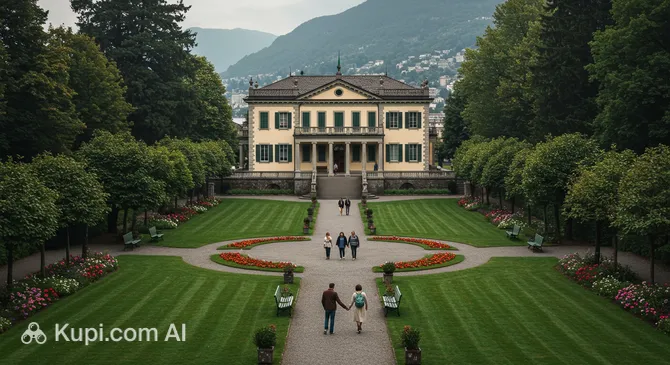
Just a short walk from the center lies the magnificent Ciani Park, the city's green jewel located directly on the shores of Lake Lugano. Spanning over 63,000 square meters, it features centuries-old trees, manicured flower beds, and the iconic "Gate on the Lake," which frames a perfect view of the water. Visitors love this peaceful retreat for its winding paths, the majestic Villa Ciani, and the serene environment that offers a refreshing escape from the urban bustle.
Ciani Park. Illustration.
Source: Kupi.com AI
Traveler photos:
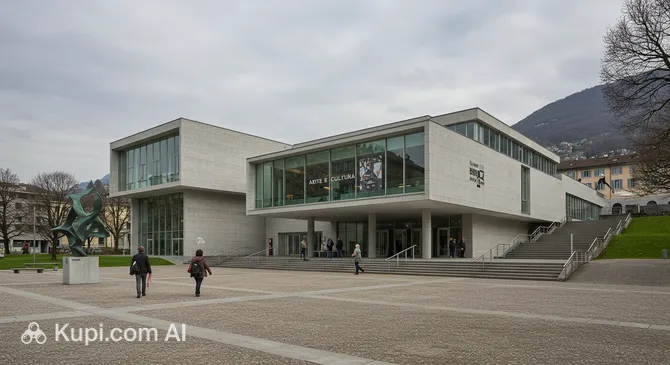
For art and architecture enthusiasts, the Lugano Arte e Cultura (LAC) is an unmissable landmark. This striking modern cultural center, with its glass facade facing the lake, is dedicated to the visual and performing arts. It houses the Art Museum of Italian Switzerland and a concert hall with exceptional acoustics, offering a rich program of exhibitions, music, and theater that highlights the region's creative spirit.
Lugano Arte e Cultura. Illustration.
Source: Kupi.com AI
Traveler photos:
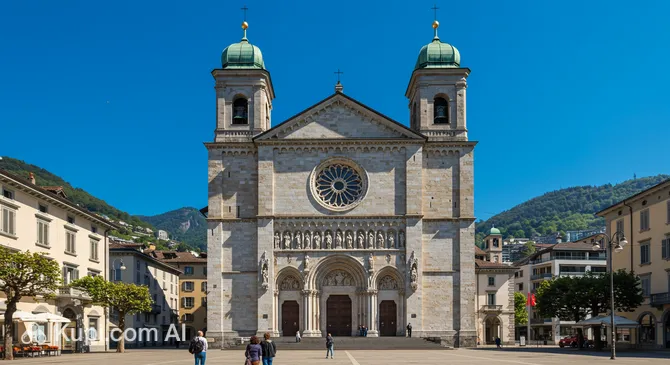
Perched on a hill overlooking the Old Town, the Cathedral of Saint Lawrence (Cattedrale di San Lorenzo) is a masterpiece of history and design. While its origins date back to the Middle Ages, it is most famous for its stunning Renaissance facade made of white limestone and Carrara marble. Tourists are rewarded not only with the church's artistic treasures but also with a splendid panoramic view of the city and mountains from its terrace.
Cathedral of Saint Lawrence. Illustration.
Source: Kupi.com AI
Traveler photos:
For those willing to venture slightly further for a breathtaking perspective, the Balcony of Italy (Sighignola) offers one of the most spectacular panoramas in the region. Located on the border between Switzerland and Italy, this viewpoint provides a sweeping vista of Lake Lugano, the city, and the towering Alps beyond. It is a favorite spot for photographers and nature lovers seeking to capture the grandeur of the Ticino landscape from above.
Local Cuisine
Lugano's culinary scene is a delightful reflection of its geography, seamlessly blending Swiss quality with the rich, hearty flavors of the Mediterranean. As the largest city in the Ticino region, the local food culture is heavily influenced by neighboring Lombardy, resulting in a "cucina nostrana" that prioritizes fresh, seasonal ingredients. Visitors will find that olive oil, aromatic herbs, and locally sourced meats play a central role in the city’s gastronomy, creating dishes that are both comforting and sophisticated.
One of the absolute staples of the region is polenta, a versatile cornmeal dish served either creamy or grilled. It is the perfect accompaniment to braised meats, such as rabbit or beef stew, and is often enjoyed with a side of wild mushrooms. Another signature dish is risotto, frequently prepared with saffron in the Milanese style or enriched with local red wine. For a taste of local charcuterie, look for luganighe, flavorful pork sausages that are a fixture at barbecues and rustic dinners throughout the area.
When it comes to beverages, Ticino is famous for its wine production, particularly Merlot. The region’s sunny climate allows this grape to thrive, producing excellent red wines and a unique white Merlot that is a local specialty. For a refreshing non-alcoholic option, you must try Gazzosa. This traditional sparkling lemonade comes in iconic flip-top glass bottles and features flavors like lemon, mandarin, and raspberry, making it a favorite among locals on warm summer days.
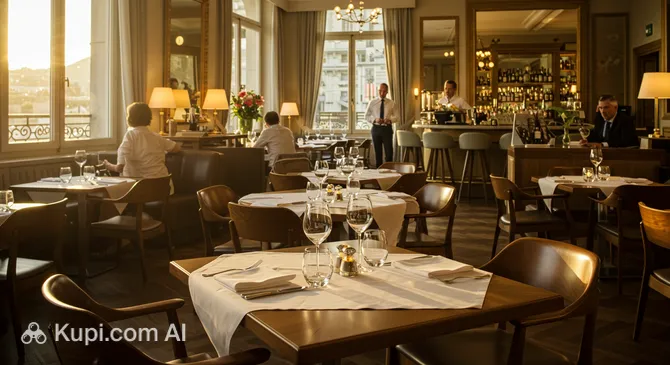
The most authentic way to experience Lugano's food culture is by visiting a grotto. These rustic, stone-built taverns, often located in shady spots or caves originally used for storing wine and cheese, serve hearty local fare at stone tables under the trees. For those seeking a more elegant dining atmosphere within the city, the Splendide Royal Restaurant offers a refined setting to enjoy gourmet interpretations of classic dishes.
Splendide Royal Restaurant. Illustration.
Source: Kupi.com AI
Traveler photos:
As the sun sets, the city's vibrant aperitivo culture comes alive. Locals and tourists alike gather in squares and lakeside venues to enjoy a pre-dinner drink and light snacks. For those interested in mixology and a modern vibe, the FLAMEL Restaurant & Mixology Bar provides a creative menu of cocktails and dining options, showcasing the contemporary side of Lugano's gastronomic evolution.
Travel Tips
To ensure your visit to Lugano is as relaxing as a stroll along its lakeside promenade, we have compiled a list of essential practical advice. While the city perfectly balances Swiss organization with Italian laid-back charm, knowing a few local nuances will help you navigate your stay with confidence and ease.
Clothing and Gear: Lugano enjoys a milder climate than the rest of Switzerland, but layers are key. In summer, light clothing is perfect, but always bring a jacket for cooler evenings by the lake. In winter, a warm coat is necessary, though heavy snow in the city is rare. Pack comfortable walking shoes; the Old Town features cobblestones, and the region is hilly. If you plan to visit religious sites like the Cathedral of Saint Lawrence, ensure your shoulders and knees are covered.
Transportation: The city is best explored on foot or by public transport. The local bus network (TPL) and the funicular connecting the train station to the city center are efficient and clean. A car is generally a burden due to traffic and expensive parking. Pro tip: If you stay overnight in a hotel, hostel, or campsite, you are entitled to the Ticino Ticket, which grants free public transport throughout the canton and discounts on cable cars and attractions.
Finances: The currency is the Swiss Franc (CHF). While many shops and restaurants accept Euros, the exchange rate is often unfavorable, and change will be given in Francs. Credit and debit cards are widely accepted, but it is wise to carry some cash for small purchases at kiosks or local markets. Switzerland is expensive, so budget accordingly (approx. 100-150 CHF per day per person for mid-range travel). Tipping is not mandatory as service is included, but rounding up the bill is appreciated.
Health and Safety: Lugano is an extremely safe city with low crime rates, though standard precautions against pickpocketing in crowded areas apply. Tap water is of excellent quality and safe to drink; you can refill your bottle at the numerous public fountains. Pharmacies are marked with a green cross and are well-stocked. For urgent medical help, dial 144; for police, dial 117.
Communication: The official language is Italian. While most people in the tourism industry speak English (and often German or French), it is not as universally spoken in smaller local shops as in Zurich or Geneva. Learning a few basic Italian phrases like "Buongiorno" (Good morning) and "Grazie" (Thank you) will be warmly received by the locals. Free Wi-Fi is often available in public squares and cafes.
Local Etiquette: Politeness is highly valued. Always greet shopkeepers when entering and leaving a store. Punctuality is a Swiss trait that persists even in the Italian-speaking region, so try to be on time for reservations. When clinking glasses for a toast, it is customary to look the other person in the eye and say "Salute."
What to Avoid: Do not assume that everyone speaks German; Ticino is fiercely proud of its Italian identity. Avoid making noise late at night or on Sundays, as Swiss quiet hours are strictly respected. Also, avoid buying bottled water if you can; the city's fountain water is fresh, free, and eco-friendly.
Shopping Hours: Be aware that shop opening hours can be shorter than in other countries. Most shops close by 6:30 PM on weekdays and 5:00 PM on Saturdays. Crucially, almost everything (except for stations and some bakeries) is closed on Sundays. Plan your shopping and grocery needs in advance.
Armed with these tips, you are ready to immerse yourself in the "Dolce Vita" of Switzerland. Whether you are sipping espresso in a piazza or hiking up Monte Brè, a little local knowledge will go a long way in making your Lugano experience truly unforgettable.
Entertainment & Nightlife
Lugano's nightlife perfectly mirrors its "Mediterranean Swiss" character: it is sophisticated, vibrant, and heavily focused on socializing in style. Unlike the gritty underground scenes found in larger metropolises, the evening atmosphere here is defined by chic lounge bars, lakeside terraces, and exclusive clubs. The night typically begins with the sacred ritual of the aperitivo. Between 6:00 PM and 8:00 PM, the city center buzzes with energy as locals gather to enjoy cocktails and light snacks before heading out for dinner.
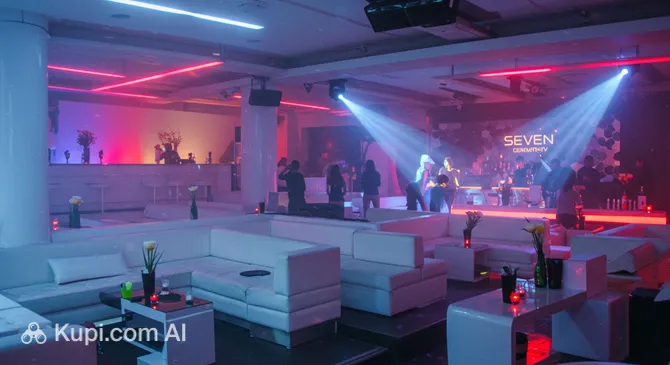
The heart of the action is undoubtedly the area around Piazza della Riforma and the pedestrian streets of the Old Town. Here, the atmosphere is lively yet relaxed, with well-dressed crowds filling the outdoor seating areas. As the night progresses, the focus shifts towards the lakeside promenade and the Quartiere Maghetti, where music and conversation spill out into the streets. For those seeking a premier clubbing experience with stunning views, Seven Lugano is a standout venue. Located directly on the lake, it combines a lounge bar and a club, attracting a fashionable crowd looking to dance to international DJ sets.
Seven Lugano. Illustration.
Source: Kupi.com AI
Traveler photos:
For a lively party atmosphere, La Bella Vita offers a dynamic setting often frequented by a mix of locals and tourists. The venue is known for its energetic theme nights and is a great place to experience the city's late-night pulse. If you prefer a more laid-back environment to enjoy a drink, Al Faro provides a classic setting where you can unwind with a glass of wine or a meticulously crafted cocktail. The dress code in Lugano leans towards "smart casual" to "elegant"; wearing beachwear or overly sporty attire to evening venues is generally frowned upon.
Practicalities are important when enjoying a night out in Ticino. Lugano is an incredibly safe city, and walking around the center at night is comfortable and secure. However, public transport frequencies decrease after midnight. While there are night buses (the "Pyjama Bus") on weekends, taxis are the most reliable option for late returns, though they can be pricey. Expect to pay premium prices for drinks, with cocktails typically ranging from 15 to 25 CHF. Most bars stay open until 1:00 AM, while clubs keep the music going until 4:00 AM or 5:00 AM on weekends.
Before the sun sets, the city offers plenty of daytime entertainment to fill your itinerary. Culture vultures can explore the Art Museum of Italian Switzerland (MASI Lugano), which hosts world-class exhibitions. For a more relaxed afternoon that transitions beautifully into the evening, Lido San Domenico is a fantastic choice. This lakeside facility is not just for swimming; it often hosts "chill-out" evenings with music, making it a perfect spot to watch the sunset over the water with a refreshing drink in hand.
Parks & Museums
Lugano is often celebrated for its lush vegetation and artistic heritage, offering a diverse array of green spaces and cultural institutions that cater to all interests. Beyond the lakeside promenades, the city and its surroundings hide botanical treasures and engaging exhibitions that provide a deeper look into the region's nature and creativity.
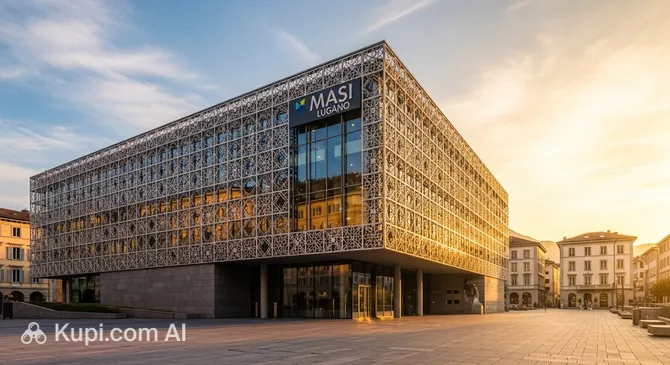
The cultural landscape is dominated by the Art Museum of Italian Switzerland (MASI Lugano), located within the striking LAC cultural center. As one of the most visited art museums in Switzerland, it hosts changing exhibitions of modern and contemporary art, serving as a bridge between the cultures of northern and southern Europe. Visitors can explore works that range from the late 19th century to the present day in a setting designed to harmonize with the lake views.
Art Museum of Italian Switzerland (MASI Lugano). Illustration.
Source: Kupi.com AI
Traveler photos:
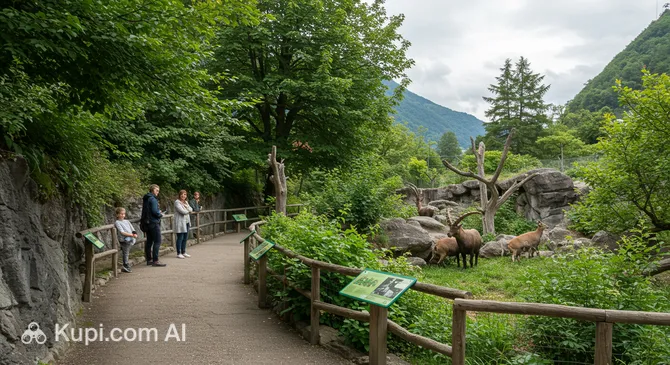
For families and animal lovers, a visit to Zoo al Maglio in nearby Magliaso is a delightful experience. This compact "petting zoo" allows for close encounters with over 100 animals, including lions, leopards, and monkeys, in a shaded, riverside setting that feels intimate and relaxed.
Zoo al Maglio. Illustration.
Source: Kupi.com AI
Traveler photos:
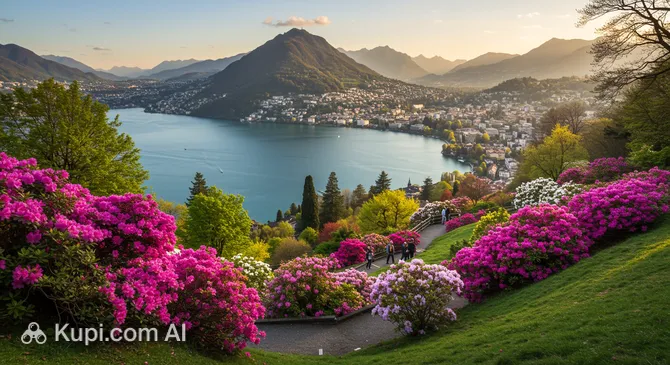
Nature enthusiasts willing to venture up to the village of Carona will be rewarded by San Grato Park. Spanning 62,000 square meters at 690 meters above sea level, this botanical gem offers the most extensive collection of azaleas, rhododendrons, and conifers in the region. The park features several themed trails, including a "fairytale trail" for children and a "panoramic trail" that highlights the spectacular views over the lake.
San Grato Park. Illustration.
Source: Kupi.com AI
Traveler photos:
Closer to the city center, Tassino Park offers a peaceful retreat near the railway station. This English-style garden is situated on a sunny terrace, featuring century-old trees like magnolias and cypresses. It serves as a panoramic balcony, providing travelers with a sweeping view of Monte Brè and the bay below.
Tassino Park. Illustration.
Source: Kupi.com AI
Traveler photos:
Another scenic spot is San Michele Park in the Castagnola district. Although smaller, its location on the slopes of Monte Brè offers breathtaking vistas of the Gulf of Lugano and the peaks of the Alps, making it an ideal location for a quiet pause surrounded by Mediterranean flora.
San Michele Park. Illustration.
Source: Kupi.com AI
Traveler photos:
Getting Around
Navigating Lugano is a seamless experience thanks to an efficient and integrated public transport network that connects the city center, the lakeside, and the surrounding hills. While the city does not have a traditional underground metro or tram system, it relies on a dense network of buses operated by TPL (Trasporti Pubblici Luganesi). These distinctively blue and silver buses cover the entire urban area and are known for their punctuality and cleanliness. For travel to the suburbs or nearby villages, yellow PostBuses and the regional ARL buses provide reliable connections, ensuring that even the more remote corners of the district are easily accessible.
A unique and essential part of the local transit system is the Funicular (Funicolare Lugano Città–Stazione). This short but vital cable railway connects the main railway station, which sits on a hill, directly to the historic city center and the lakefront below. The ride takes less than two minutes and saves travelers from a steep walk with luggage. Additionally, the FLP (Ferrovia Lugano-Ponte Tresa) is a light rail train that functions much like a suburban metro, connecting Lugano to the western part of the region and offering a scenic route towards the Italian border.
The payment system in Lugano is part of the Arcobaleno fare network, which unifies all modes of transport in the canton under a single ticketing system based on zones. The city center falls within Zone 100. Travelers can purchase single tickets, day passes, or multi-journey cards. Tickets must be purchased before boarding the bus or funicular. You can buy them at automatic ticket machines located at most bus stops and all train stations; these machines generally accept coins, credit cards, and debit cards. For a digital option, the SBB Mobile app is highly recommended, allowing you to buy tickets instantly on your smartphone.
For tourists staying overnight in hotels, youth hostels, or campsites, the transport system offers an incredible benefit: the Ticino Ticket. This pass is provided free of charge upon check-in and grants unlimited free travel on all trains and buses throughout the region for the duration of your stay. If you do not have this pass, a standard single ticket for the inner city costs approximately 2.30 CHF and is valid for one hour. Remember that ticket inspections are frequent, and traveling without a valid ticket can result in a significant fine.
Public transport typically operates from around 05:30 AM until just after midnight. On Friday and Saturday nights, the "Pyjama Bus" night service extends connections on main routes until the early hours of the morning. If you prefer more flexibility, taxis are available at designated ranks, particularly at the train station and Piazza della Riforma, but they are among the most expensive in Europe. Ride-hailing apps are less prevalent here than in other cities.
For a more active alternative, the city promotes eco-friendly travel through its bike-sharing scheme, PubliBike. Stations are scattered throughout the city, allowing you to rent mechanical or electric bikes via an app for short trips along the flat lakeside promenade. Additionally, during the summer months, the public boats operated by SNL serve as both a scenic attraction and a practical way to reach neighborhoods and grottos located directly on the shores of Lake Lugano.
Accommodation
Finding the perfect place to stay in Lugano is part of the experience, as the city offers a wide spectrum of accommodation options ranging from opulent five-star establishments to cozy bed-and-breakfasts and efficiently run hostels. Whether you are looking for the grandeur of a historic palace, the convenience of a modern apartment, or a family-friendly campsite by the lake, the region caters to diverse tastes and budgets. The hospitality here is renowned, often blending Swiss standards of service with a warm, Mediterranean welcome.
The most popular area for tourists is undoubtedly the City Center (Centro), particularly near the pedestrian zones and Piazza della Riforma. Staying here places you within walking distance of the main shops, museums, and the funicular to the train station. For those seeking sweeping views and a slightly more resort-like atmosphere, the district of Paradiso is an excellent choice. Located just a short walk along the promenade from the center, it is home to many larger hotels and offers easy access to the funicular for Monte San Salvatore. Alternatively, the neighborhood of Castagnola, situated at the foot of Monte Brè, provides a sunnier, quieter, and more exclusive setting for travelers wanting to escape the bustle.
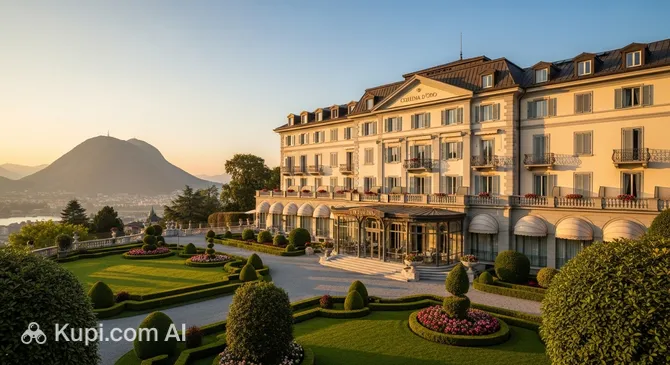
For visitors seeking a luxurious retreat slightly removed from the urban core, the Collina d'Oro Resort offers a splendid example of the region's high-end hospitality. Nestled in the golden hills overlooking the city, this resort combines wellness facilities with breathtaking panoramic views, making it ideal for a relaxing getaway.
Collina d'Oro Resort. Illustration.
Source: Kupi.com AI
Traveler photos:
When planning your trip, it is crucial to consider the timing. Lugano is a prime destination in the summer months, and hotels can fill up quickly between June and August. It is highly recommended to book well in advance during this peak season to secure your preferred location. Conversely, visiting in the shoulder seasons of spring or autumn can offer a wider selection of rooms and slightly more competitive rates.
Price-wise, accommodation in Lugano reflects general Swiss standards, meaning it tends to be on the higher side. Budget travelers can expect to pay around 50–90 CHF for hostel beds, while mid-range double rooms typically range from 180 to 300 CHF per night. Luxury options can go significantly higher. Most bookings can be easily made via major online platforms or directly through hotel websites. A significant perk to remember is that staying overnight in hotels, hostels, or campsites entitles you to the Ticino Ticket, which grants free public transport throughout the canton, adding immense value to your stay.
Nearby Cities
For those looking to explore the surroundings, Lugano serves as an excellent base for day trips to several interesting nearby locations. The region of Ticino and the neighboring areas are compact enough that visitors can easily experience a variety of landscapes and historical sites within a short journey.
One of the top recommendations is Bellinzona, the capital of the canton. Located just a short train ride away, it is famous for its three medieval castles—Castelgrande, Montebello, and Sasso Corbaro—which are a designated UNESCO World Heritage site. Walking along the fortified walls offers a journey back in time and spectacular views of the valley. Another fantastic option is Locarno, situated on the northern shore of Lake Maggiore. Known as the sunniest town in Switzerland, it boasts the charming Piazza Grande, famous for its annual film festival, and the sacred sanctuary of Madonna del Sasso, which provides a panoramic vista over the lake and mountains.
City
Population
Distance
Mendrisio
14 942
15 km
Luino
14 454
16 km
Induno Olona
10 266
19 km
Chiasso
7 900
19 km
Bellinzona
43 220
22 km
These nearby destinations offer a glimpse into the diverse culture and landscapes of the region, from medieval fortifications to sunny lakeside promenades, making them perfect for enriching your travel itinerary.
Shopping & Souvenirs
Lugano is widely regarded as a premier shopping destination in southern Switzerland, offering a sophisticated blend of Swiss luxury and Italian style. The city is a haven for fashion enthusiasts, boasting a high concentration of exclusive boutiques, watchmakers, and jewelry stores. Whether you are looking for haute couture, high-quality leather goods, or traditional local craftsmanship, the shopping scene here is elegant and diverse, often drawing comparisons to nearby Milan but with a more relaxed, pedestrian-friendly atmosphere.
The beating heart of luxury shopping is undoubtedly Via Nassa. This historic street, with its elegant arcades protecting shoppers from the sun and rain, runs parallel to the lake and is lined with the world’s most prestigious brands. From Cartier to Versace, it is the place to find high-end fashion and exquisite Swiss watches. Just a stone's throw away, Via Pessina offers a different flavor, focusing on gastronomy. Here, visitors can explore historic delicatessens and food shops selling fresh pasta, local cheeses, and gourmet treats.
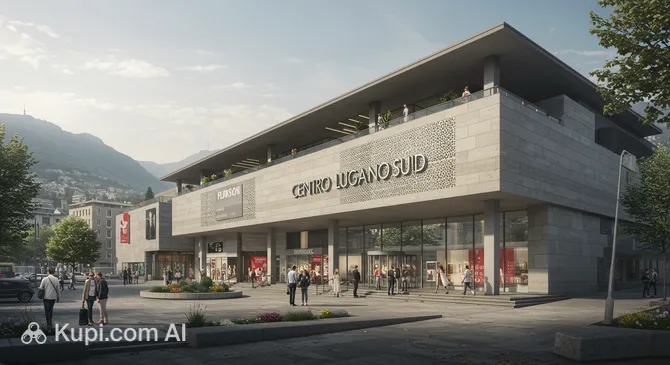
For those who prefer a modern, all-in-one shopping experience, the commercial district in the suburb of Grancia is the go-to location. Centro Lugano Sud is one of the most well-known shopping centers in the region, featuring a wide array of international fashion chains, electronics stores, and home goods retailers under one roof. It is easily accessible by car or public transport and provides a convenient alternative to the boutique-focused city center. Nearby, you can also visit Grancia Shopping Park, which houses large-scale retailers and furniture stores.
Centro Lugano Sud. Illustration.
Source: Kupi.com AI
Traveler photos:
Local markets play a significant role in the daily life of Lugano's residents and are a delight for tourists. The traditional city market takes place on Tuesdays and Fridays in the city center (typically around Piazza della Riforma and Via Canova). It is the perfect spot to browse for fresh farm produce, flowers, and regional specialties like artisanal sausages and mountain cheeses. Occasionally, antique markets and handicraft fairs are held on weekends, offering unique vintage finds and handmade treasures.
When it comes to souvenirs, Lugano offers plenty of authentic options beyond the standard magnets. Ticino Merlot wine is a top choice, as the region is famous for its vineyards. Other excellent gifts include Swiss chocolates from local chocolatiers, traditional ceramics, and, of course, a classic Swiss Army knife or a quality timepiece. For foodies, a vacuum-packed piece of local luganighe sausage or a panettone (popular year-round in Ticino) makes for a delicious reminder of your trip.
Standard opening hours in Lugano are generally from 09:00 AM to 6:30 PM on weekdays (Monday to Friday). On Saturdays, shops typically close earlier, around 5:00 PM. A crucial detail for visitors to remember is that most shops, including grocery stores and malls, are closed on Sundays. Major credit and debit cards are widely accepted even for small amounts, though having some cash (Swiss Francs) is useful for market stalls. Contactless payment is standard.
Tourists residing outside of Switzerland can take advantage of Tax-Free shopping. If you spend more than 300 CHF in one store on a single day, you are eligible to claim a VAT refund. Look for the "Tax Free" sign in shop windows and ask the staff for a refund form at the checkout, which you will need to validate at customs when leaving the country.