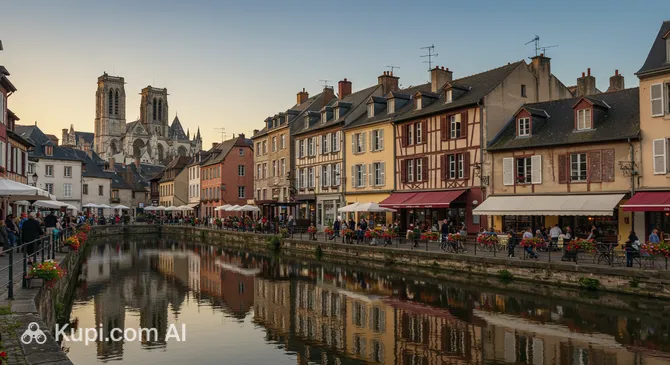
While Dole is celebrated for its stone architecture and historic canals, the city also offers a surprising abundance of greenery and cultural depth beyond its most famous icons. From serene gardens built upon old fortifications to museums housed in centuries-old institutions, the city invites visitors to explore its artistic soul and natural surroundings at a leisurely pace.
The most prominent green space in the city is the Cours Saint-Mauris. Created in the 18th century on the site of the former city ramparts, this terraced park is a favorite among locals for afternoon strolls. It features majestic trees, well-maintained lawns, and statues, offering a peaceful respite right in the city center. At the end of the park, visitors are treated to a lovely view overlooking the Doubs River and the lower town, making it a perfect spot for photography or a quiet picnic.
For a more intimate experience, the Jardin des Chevannes offers a charming escape. Tucked away near the collegiate church, this garden is designed in a Renaissance style, reminiscent of medieval utility gardens. It combines decorative flowers with medicinal plants and vegetables, creating a colorful and fragrant atmosphere. Its secluded location makes it a hidden gem where you can enjoy silence and beauty away from the main tourist paths.
Nature lovers should not miss the Ile du Girard, a protected nature reserve located just a short distance from the city center. Situated at the confluence of the Doubs and the Loue rivers, this area is a haven for biodiversity. Walking trails wind through alluvial forests and meadows, offering opportunities to spot various bird species and enjoy the raw, untamed beauty of the river landscape.
In terms of culture, the Hôtel-Dieu is a striking architectural and historical landmark that serves as a key cultural venue. Built in the 17th century as a hospital for the poor, its austere exterior hides a magnificent courtyard with a double-flight staircase and arched galleries. Today, it houses the municipal library and the city archives. A highlight for tourists is the historic Apothicairerie (Pharmacy), which preserves beautiful wooden cabinets and a collection of antique earthenware jars, offering a glimpse into the medical practices of the past.
While the Museum of Fine Arts and Louis Pasteur’s house are the city's main museums, art enthusiasts will also appreciate the temporary exhibitions often held in the Chapelle des Jésuites or within the halls of the Hôtel-Dieu. These venues frequently showcase local history, contemporary art, or thematic collections that reflect the rich heritage of the Franche-Comté region.
Beyond the museums and parks, Dole’s history is visible in its fortifications. You can still see remnants of the city's defensive past at the Bastion Saint-André, which provides context to the city's strategic importance in previous centuries. The massive stone walls contrast with the gentle flow of the water below, serving as a reminder of the city's resilience against past sieges.
For an authentic local experience, rent a bicycle and head towards the Forêt de Chaux. It is one of the largest hardwood forests in France, located just outside the city. Exploring its vast network of paths allows you to connect with the ancient legends of the region and see the historic "Barraques du 14," the traditional dwellings of forest workers, providing a unique insight into the local rural history.