Support

Imperia

About

Imperia is a charming city nestled on the Ligurian coast in the far west of Italy, in the sunny region of Liguria. It stretches between the azure sea and picturesque hills, offering its guests a mild Mediterranean climate, fresh sea breezes, and magnificent landscapes perfect for leisurely relaxation and inspiring walks.
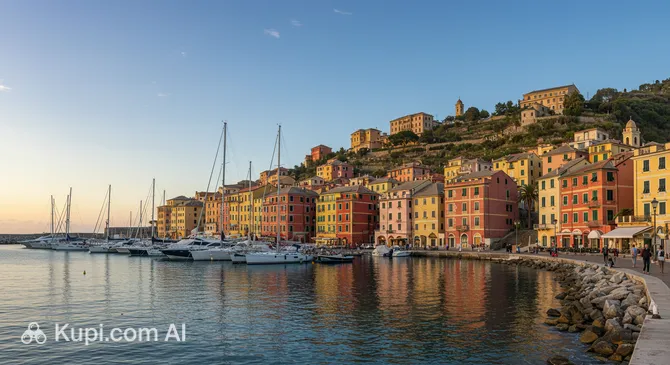
Imperia. Illustration.
Source: Kupi.com AI

With a population of about 42,600, Imperia maintains the atmosphere of a welcoming seaside town where life flows at a steady and harmonious pace. The uniqueness of Imperia lies in the fact that it was formed by the merger of two historical centers — Oneglia and Porto Maurizio, each of which has preserved its own unique character. Although Imperia is considered one of the country's youngest cities, officially founded only in the early 20th century, it has absorbed the rich heritage of these ancient settlements.

The city attracts tourists with its wonderful blend of history and modernity. Here you can stroll through the ancient streets of Porto Maurizio, admire the elegant squares and the majestic Cathedral of San Maurizio, and then move to the livelier Oneglia with its shops and restaurants. You should definitely visit the Olive Oil Museum to learn more about the region's main gastronomic symbol and, of course, enjoy walks along the embankments, breathing in the salty air.

Imperia is a place where everyone will find something for themselves: from a relaxed beach holiday to exploring cultural treasures and enjoying exquisite Ligurian cuisine. This city is definitely worth a visit to experience its authentic atmosphere, warm hospitality, and the amazing charm of the Italian Riviera.

You can find more interesting facts on the history of the city of Imperia page.
Weather Overview

The weather in Imperia is characterized by a mild Mediterranean climate. Summers here are warm and sunny, with average temperatures in July and August ranging from 22.0-22.4°C, while maximum values can reach 25.3°C (in August). Winters are mild; the average temperature in January is about 6.5°C, with minimum values around 3.6°C. Precipitation is moderate throughout the year. The highest number of rainy days occurs in May (up to 19 days), although the total amount of precipitation remains low (for example, 4 mm in May). The summer (July, August) and winter (January, February) months are the driest, with rainfall of only 2 mm.

In general, expect warm summers with occasional but not heavy rain, and cool and relatively dry winters. For a more detailed look at the weather conditions, you can check the detailed forecast: Climate of Imperia.

Average monthly temperature

Average monthly precipitation

Interesting Facts

Beyond its picturesque landscapes and cozy streets, Imperia hides many surprising stories and facts that reveal this charming city on the Ligurian coast in a new light.

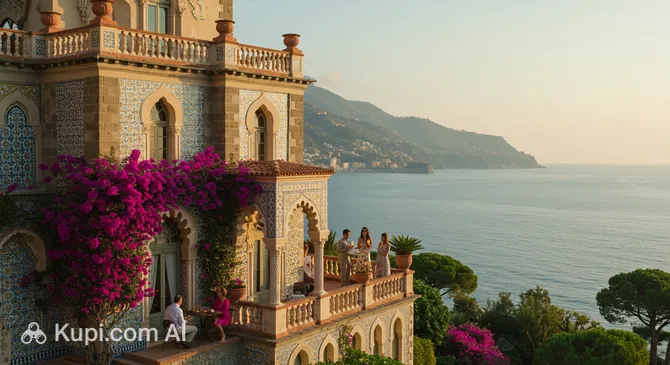
Villa Grock. Illustration.
Source: Kupi.com AI

Traveler photos:

  • A City of Two Souls: Imperia is a relatively young city, officially appearing on the map only in 1923. It was formed by merging two historically rival neighboring towns: Oneglia and Porto Maurizio. Despite the "young" age of the unified city, each of its districts has a centuries-old history and its own unique character, making walks through Imperia particularly interesting.

  • Residence of the King of Laughter: One of the most unusual and memorable attractions not only in Imperia but in all of Liguria is Villa Grock. This eccentric mansion with a fantastic garden was built by the world-famous Swiss clown Grock (real name Adrian Wettach). Today, the villa has been turned into a museum dedicated to the art of clowning and the life of this outstanding performer.

  • Liguria's Giant Cathedral: In the Porto Maurizio district stands the Basilica of San Maurizio – the largest Catholic cathedral in all of Liguria. This grandiose neoclassical structure impresses with its size, majestic colonnades, and rich interior decoration, including exquisite frescoes and sculptures.

  • Imperia's Gold: The city is rightfully considered one of the Italian capitals of olive oil. It is the headquarters of the famous Fratelli Carli company, which has been producing high-quality olive oil for over 150 years. You can learn about the history and production technologies of this "liquid gold" by visiting the Carlo Carli Olive Museum.

How to Get There

Imperia, located on the picturesque Ligurian coast of Italy, is accessible to tourists in several ways. The main options include flying into the nearest international airports followed by a transfer, as well as traveling by train. Additionally, the city is easy to reach by car via Italy's well-developed road network.

The most convenient way to reach Imperia is through the international airports of nearby cities. The closest major option is Nice Côte d'Azur Airport (NCE), located in Nice, France, approximately 71.5 km from Imperia. This is a very large international airport, from which you can reach Imperia by car or taxi in just over 2 hours. You can also consider taking a train or bus from Nice.

Another popular option is Cristoforo Colombo Airport (GOA) in Genoa. It is located about 87.3 km from Imperia. This is also a major international airport, and the journey to Imperia will take about 2.5 hours by car. Genoa has well-developed train and bus connections with the cities of the Ligurian coast, including Imperia.

For those looking for regional flights, Levaldigi Airport (CUF) in Cuneo can be considered, located approximately 80.2 km from Imperia. This is a small airport, and from there you can reach Imperia in about 2 hours and 20 minutes by car.

For clarity, here is summary information on the main airports:

AirportPassenger trafficDistance
Nice Côte d'Azur Airport14.8 mln72 km
Levaldigi Airport113 39880 km
Genoa Cristoforo Colombo Airport1.3 mln87 km
Turin Airport4.5 mln149 km
Sainte Catherine Airport400 226163 km

Rail travel is also a convenient way to reach Imperia, although major hubs are located in neighboring cities. The main railway hub for traveling to Imperia is Genoa. There are two major stations here: Genova Piazza Principe Station (located about 91.7 km from Imperia) and Brignole Station (about 92.6 km). Both stations handle significant passenger traffic and receive trains from many cities in Italy and Europe. Regional trains run regularly from Genoa to Imperia, with the journey taking approximately 1.5-2 hours.

Although there are railway stations within Imperia itself, Genoa's stations are most frequently used for long-distance trips and international connections.

For a more detailed view, here is information on some of the major railway stations in the region through which you can reach Imperia:

StationPassenger trafficDistance
Genova Piazza Principe Station24 mln92 km
Brignole Railway Station22 mln93 km
Porta Nuova Railway Station70 mln133 km
Porta Susa Railway Station10 mln135 km
La Spezia Centrale Station7 mln144 km

Main Attractions

Imperia, a city on the picturesque Riviera dei Fiori in Liguria, is famous not only for its mild climate and beautiful beaches but also for its rich cultural heritage. Everyone will find something to their liking here, from unique villas to historical quarters that hold centuries-old secrets. Let's explore some of Imperia's most striking attractions.

One of the most unusual and memorable is Villa Grock. This former home of the famous Swiss clown Adrian Wettach, known as Grock, is a spectacular structure with eccentric architecture, a whimsical garden, fountains, and elements reflecting the world of circus and fantasy. A visit to the villa is an immersion into a unique atmosphere of creativity and an opportunity to enjoy magnificent sea views.

Villa Grock. Illustration.
Source: Kupi.com AI

Traveler photos:

For those interested in the gastronomic culture of the region, the Carlo Carli Olive Museum is a must-visit. Founded by a well-known family of olive oil producers, the museum tells the detailed history and traditions of producing this valuable product in Liguria. Here you can see old presses and tools and learn much about the "liquid gold" of the Mediterranean.

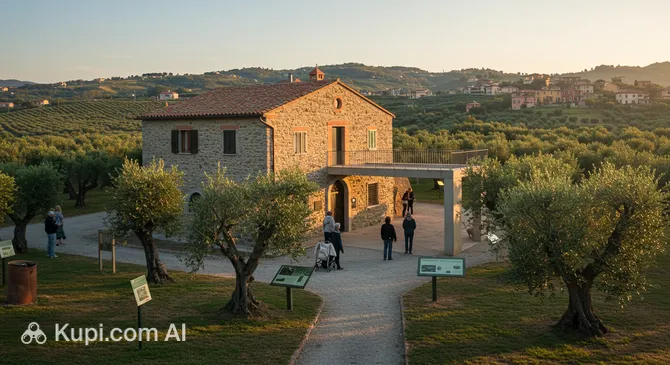
Carlo Carli Olive Tree Museum. Illustration.
Source: Kupi.com AI

Traveler photos:

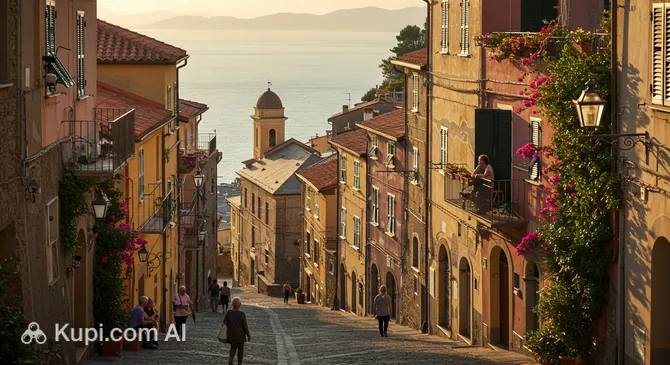
The heart of the historical part of the city, specifically the Porto Maurizio district, is Parasio. This ancient quarter, located on top of a hill, charms with its narrow winding streets (caruggi), medieval buildings, and stunning panoramic views of the Ligurian Sea. A walk through Parasio is a journey back in time and an opportunity to feel the authentic spirit of old Imperia.

Parasio. Illustration.
Source: Kupi.com AI

Traveler photos:

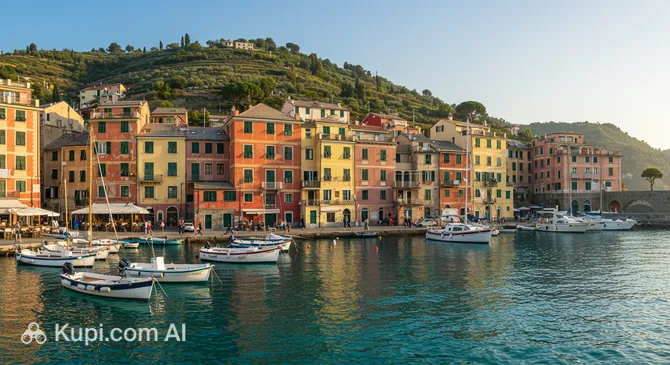
Porto Maurizio itself, one of the two historical centers that form modern Imperia, deserves special attention. This area, which grew around an ancient port, has preserved its charm with a picturesque promenade, old churches, including the majestic Cathedral of San Maurizio, and, of course, the historical core of Parasio. Porto Maurizio offers excellent opportunities for walking and discovering the city's rich past.

Porto Maurizio. Illustration.
Source: Kupi.com AI

Traveler photos:

Local Cuisine

The cuisine of Imperia is a true immersion into the gastronomic traditions of Liguria, where the leading roles are played by the freshest local produce, fragrant olive oil, and the bounties of the Mediterranean Sea. Local culinary arts are characterized by both simplicity and refinement, allowing the natural flavor of the ingredients to be fully enjoyed.

Be sure to try the famous pasta with pesto sauce (pasta al pesto), made from fresh basil, garlic, pine nuts, cheese, and, of course, the best local olive oil. Another symbol of regional cuisine is focaccia – an airy flatbread baked here with olive oil, herbs, and sea salt. Don't miss the chance to enjoy fresh seafood dishes: mussels, anchovies, squid, and octopus are served in a wide variety of ways. It's also worth trying delicacies such as stuffed zucchini flowers or traditional herb pies.

Olive oil holds a special place in the gastronomy of Imperia. It's not just an ingredient, but a true cult. Many restaurants and farm shops offer tastings of various varieties. To gain a deeper understanding of this product's significance for the region and learn its production secrets, visit the Carlo Carli Olive Museum, where you can also purchase unique oils and products based on them.

The meal will be perfectly complemented by local Ligurian wines, such as white Vermentino or Pigato, known for their freshness and aroma. Among non-alcoholic drinks, freshly squeezed juices and traditional Italian lemonades are popular and excellent for quenching thirst on a hot day.

The food culture in Imperia is diverse. Locals and tourists prefer cozy trattorias and restaurants where they can taste authentic dishes. In the city markets, you can always find fresh seasonal vegetables, fruits, and other local products. The city is also known for its gastronomic festivals, especially in the summer, when festivals dedicated to olive oil and fish are held. Street food offers another great opportunity to try hot flatbreads, fresh seafood, and, of course, the famous Italian gelato, feeling the genuine taste of Liguria.

Travel Tips

Welcome to charming Imperia! To make your journey through this sunny corner of Italy as comfortable and memorable as possible, we have prepared some practical tips. They will help you find your way and enjoy every moment of your stay.

  1. Clothing and Useful Items: A typical Mediterranean climate awaits you in Imperia. In summer, choose light, breathable clothing made of natural fabrics, a hat, and sunscreen. In spring and autumn, a light jacket or sweater will be useful as evenings can be cool. In winter, temperatures rarely drop below zero, but warm clothes and an umbrella won't hurt. Be sure to bring comfortable shoes for walking on cobbled streets and promenades. When visiting churches, such as the Basilica of San Maurizio, it is customary to cover shoulders and knees. Don't forget a European adapter for electrical appliances (type F/L).
  2. Getting Around the City: Imperia consists of two main districts, Oneglia and Porto Maurizio, which are pleasant to explore on foot. For longer trips or if you're tired, you can use the local Riviera Trasporti buses. Tickets are usually sold at tobacco shops (tabaccheria) or newsstands and must be validated upon entering the bus. Taxis are available but can be more expensive. Renting a car is advisable if you plan to actively explore the Ligurian coast and surrounding towns.
  3. Financial Matters: The official currency in Italy is the Euro (EUR). Credit and debit cards (Visa, Mastercard) are widely accepted in most hotels, restaurants, and shops. However, it's always useful to have some cash on hand for small purchases, markets, or in small establishments. ATMs are easy to find throughout the city. Tipping in restaurants is usually not included in the bill; if you enjoyed the service, it's customary to leave 5-10% of the amount or round up the bill.
  4. Health and Safety: Pharmacies (Farmacia), marked by a green cross, are in every district. Some of them operate on a 24-hour duty schedule (farmacia di turno). If medical assistance is needed for tourists, you can go to the local hospital (Ospedale di Imperia) or call 112 for an ambulance. Imperia is a fairly safe city, but standard precautions, such as watching your personal belongings in crowded places and on beaches, are recommended. Avoid leaving valuables in plain sight in a car.
  5. Language and Communication: The official language is Italian. In tourist areas, hotels, and restaurants, staff often speak English, but knowing a few basic phrases in Italian (e.g., "Buongiorno" – good morning/day, "Grazie" – thank you, "Prego" – you're welcome/please) will be very warmly received by the locals. Mobile SIM cards from local operators (TIM, Vodafone, WindTre) can be purchased at their stores. Free Wi-Fi is available in many hotels, cafes, and some public areas.
  6. Local Etiquette: Italians are open and friendly people. When entering a shop or a small cafe, it's customary to say hello ("Buongiorno" in the morning, "Buonasera" in the evening). Using the informal "tu" (you) quickly becomes the norm, especially with young people, but for a first introduction to older people, it's better to use the formal "Lei" (You). Try not to talk too loudly in public places, especially in churches.
  7. Things to Avoid: Try not to criticize the local cuisine or football teams – these are sensitive topics for many Italians. Also, don't forget to validate your public transport tickets before the journey starts to avoid fines. On beaches, respect the personal space of other holidaymakers and do not leave trash.
  8. Uniqueness of Imperia: The city is unique because it historically consists of two rival centers – Oneglia (more commercial) and Porto Maurizio (ancient, on a hill). Be sure to explore both to feel their different atmospheres. Also, Imperia is famous for its olive oil – don't miss the chance to visit the local Olive Museum and try the products.

We hope these tips will help you plan an unforgettable trip to Imperia and enjoy its beauty, hospitality, and the unique atmosphere of the Ligurian Riviera. Have a pleasant trip!

Entertainment & Nightlife

As evening falls, Imperia transforms, offering its guests a cozy and relaxed atmosphere for leisure. Although the city is not famous for wild metropolitan parties, you can find charming places here to enjoy the sunset with a glass of wine, have dinner in pleasant company, or dance under the stars.

The main evening life is concentrated in the two primary districts of the city – Porto Maurizio and Oneglia, especially along their promenades and in the port areas. In Porto Maurizio, with its old-world charm, you can find elegant bars and restaurants by the pier. Oneglia, the more modern part of the city, attracts crowds to Calata G.B. Cuneo street, where many establishments are located. It's also worth visiting the picturesque Borgo Foce area, perfect for romantic evening walks and dinner in one of the local restaurants overlooking the sea.

The nightlife atmosphere in Imperia is quite laid-back, especially in the summer months when the city comes alive with tourists and locals. Most venues focus on pleasant conversation, good music, and quality drinks. The dress code is usually casual, though casual chic is appropriate for some more refined spots. Bars and restaurants start filling up towards evening, while nightclubs and beach bars come to life after 10:00–11:00 PM and stay open until late at night or early morning, especially on weekends.

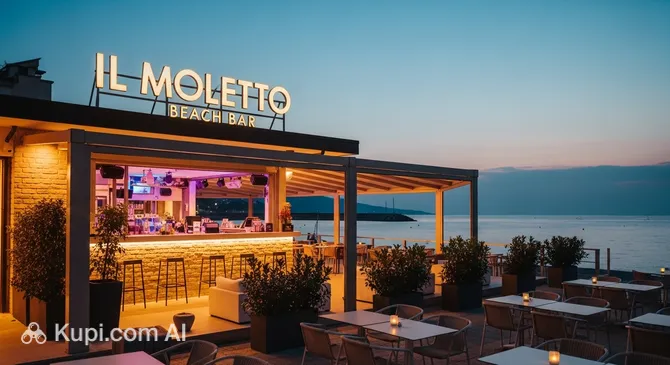
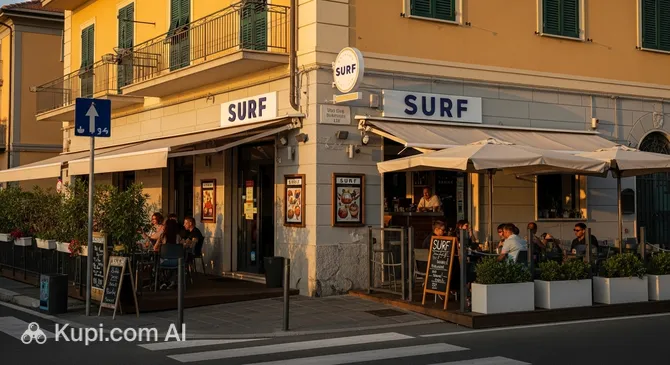
Among the popular spots for evening relaxation, several establishments stand out. If you're looking for a beach club with music and cocktails, check out Il Moletto Beach Bar, where you can have a great time by the sea. Fans of stylish bars with a good selection of drinks might like SURF. For those who prefer a refined dinner in a cozy setting, Osteria Didù is an excellent choice, where you can enjoy local cuisine.

Il Moletto Beach Bar. Illustration.
Source: Kupi.com AI

Traveler photos:

SURF. Illustration.
Source: Kupi.com AI

Traveler photos:

When planning your evening leisure, keep in mind that the busiest hours in clubs are after midnight. Prices in bars and restaurants are average for resort towns on the Italian Riviera. Moving between districts at night is most convenient by taxi, although the central parts of Porto Maurizio and Oneglia are quite walkable.

Imperia is considered a fairly safe city. However, as elsewhere, it's worth taking standard precautions at night, especially in less lit or crowded areas. If you need a taxi, it can be called by phone from a hotel or restaurant, or found at designated taxi stands.

During the day, Imperia also offers many interesting activities. You can visit the unique Carlo Carli Olive Museum, walk through the historical center of Parasio for magnificent views, or explore the mysterious Villa Grock with its unusual architecture and garden. Local theaters and concert venues also periodically offer cultural programs.

Parks & Museums

Imperia, a charming city on the Ligurian coast of Italy, offers its guests not only picturesque beaches but also interesting opportunities for cultural enrichment and outdoor relaxation. Here you can find both well-kept green corners and fascinating museums telling the history and traditions of the region.

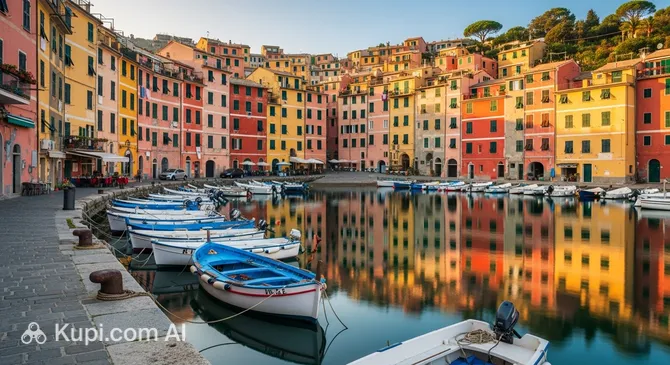
Among the city's green oases, the gardens of Villa Grock particularly stand out. This eccentric villa is surrounded by a lush park with fountains, sculptures, and exotic plants, offering peace and beautiful views for leisurely strolls. For lovers of seascapes and coastal walks, the Porto Maurizio area is perfect, where you can enjoy the fresh air and the panorama of the old port. It is also worth noting the coastal zone of Borgo Foce, where you can take a slow walk and admire traditional fishing houses that create a unique atmosphere.

Borgo Foce. Illustration.
Source: Kupi.com AI

Traveler photos:

But Villa Grock is not just about magnificent gardens. Inside the villa itself, which once belonged to the famous Swiss clown Grock, is a museum dedicated to his life and work. Visitors can immerse themselves in the world of this unique artist, learn the story of his success, and see personal items and stage costumes. Another landmark cultural institution in Imperia is the Carlo Carli Olive Museum. This unique museum tells the detailed history of olive tree cultivation and olive oil production, which is the pride of Liguria. The exhibition includes old presses, tools, and interactive installations, making the visit informative and engaging.

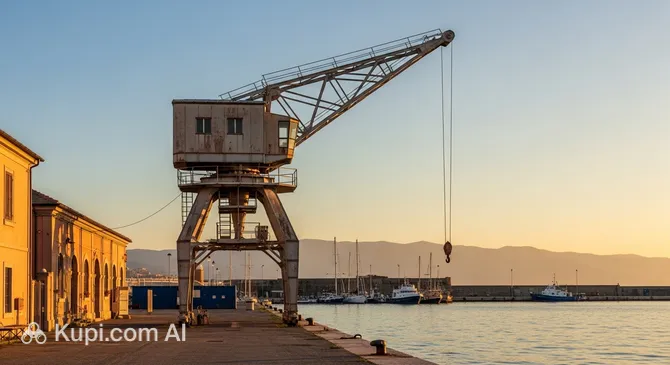
While Imperia doesn't have many large art galleries in the traditional sense, the city itself offers a rich cultural experience. The historical district of Parasio can rightfully be considered an open-air museum, where every stone and narrow medieval street holds centuries of history. Its ancient buildings and churches, which offer magnificent sea views, deserve special attention. No less picturesque is Borgo Foce, charming with its colorful houses and the atmosphere of an old fishing village. And the ancient Oneglia Harbour Crane serves as an interesting monument to the city's industrial heritage, recalling its important maritime past.

Port Crane of Oneglia. Illustration.
Source: Kupi.com AI

Traveler photos:

For authentic impressions, peak into the cozy courtyards of Parasio early in the morning before the area fills with tourists, or spend an evening in Borgo Foce, enjoying the sunset at one of the local restaurants with a sea view. This will allow you to feel the atmosphere of this seaside city more deeply.

Getting Around

Public transport in Imperia is primarily represented by a bus network that connects different areas of the city, including the historical centers of Porto Maurizio and Oneglia, as well as nearby settlements. Buses are the most convenient and common way to travel for both tourists and locals, especially for medium and long-distance trips within the city and its surroundings.

The fare payment system for buses in Imperia, as in many Italian cities, involves purchasing tickets in advance. Tickets can be bought at tobacco shops (tabaccheria), newsstands (edicola), or at specialized ticket offices. Sometimes tickets can be purchased from the driver, but usually with a surcharge and only if they have change. There are different types of tickets: single trip, time-limited (e.g., for 90 minutes), as well as daily or multi-day passes, which can be advantageous for active tourists. It's important to remember that a purchased ticket must be stamped (validated) in a special machine upon entering the bus. An unvalidated ticket is considered invalid, and fines apply.

Tourists are advised to buy tickets in advance, especially if several trips are planned. Bus schedules are usually available at stops and on transport company websites. Buses run on schedule, but slight delays are possible during peak hours or due to traffic conditions. Public transport operating hours typically cover early morning to late evening, though the frequency may decrease in the evening hours and on weekends. Online maps or apps showing bus lines and up-to-date schedules can be used for route planning.

In addition to buses, taxi services are available in Imperia. Taxi stands are usually located at railway stations, in the city center, and near major hotels. This is a more expensive but more comfortable way to travel, especially with luggage or for night trips. For lovers of active recreation and short trips along the promenade or picturesque streets, bicycle rentals may be available. Given the city's size and its coastal location, many interesting places in the central part are perfectly accessible on foot.

Accommodation

In Imperia, travelers will find a variety of accommodation options to suit different preferences and budgets. The city offers a wide range of choices, from cozy guesthouses and budget apartments to comfortable mid-range hotels and more luxurious options with views of the Ligurian Sea. Renting apartments and villas is also popular, especially for family holidays or long-term stays.

When choosing a place to stay, it's worth looking at areas located near the main attractions and promenades. For example, the Porto Maurizio district, with its historical center Parasio, and Oneglia, known for its port and shops, are popular with tourists. Staying here will provide easy access to beaches, restaurants, and cultural sites like the Carlo Carli Olive Museum or Villa Grock.

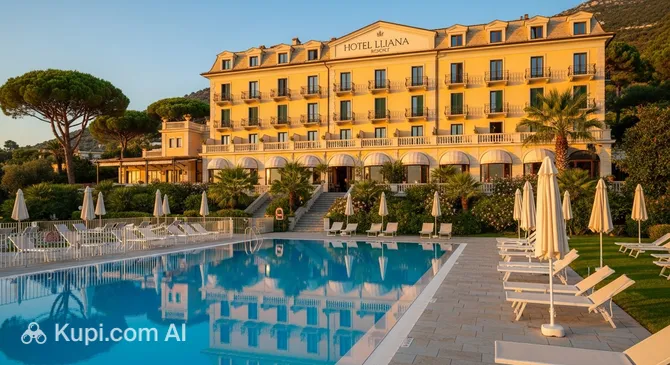
Among the many options, you can find small family-run hotels as well as larger hotel complexes. For instance, for those seeking a comfortable stay with a full range of services, Hotel Liliana Resort might be suitable. The choice of a specific hotel depends on your preferences for comfort level and location.

Hotel Liliana Resort. Illustration.
Source: Kupi.com AI

Traveler photos:

When planning a trip to Imperia, especially during the peak tourist season (summer months), it is recommended to book accommodation in advance. This will allow you to choose the best option in terms of price and quality and ensure availability. You can use popular online platforms or contact the chosen hotel directly for searching and booking. The price range varies from budget options to premium offers, allowing every tourist to find a suitable choice.

Nearby Cities

For those who want to explore the surrounding area, Imperia serves as an excellent starting point for day trips to several interesting nearby locations:

CityPopulationDistance
Taggia14 00315 km
Alassio10 79116 km
Albenga24 04223 km
Sanremo54 52923 km
Loano11 22431 km

These nearby destinations offer insight into the diverse culture and landscapes of the region. Each trip promises new experiences, whether it's charming historical centers, picturesque coastal views, or culinary discoveries.

Shopping & Souvenirs

Shopping in Imperia offers a pleasant immersion into the atmosphere of an Italian seaside city, where you can find both quality local products and stylish Italian goods. The city is not famous for huge shopping centers but charms with its small shops, boutiques, and, of course, gastronomic stores offering Ligurian specialties.

The main shopping spots are concentrated in the city's two primary districts: Oneglia and Porto Maurizio. In Oneglia, the main shopping artery is considered to be Via Bonfante and its adjacent streets, where you will find clothing, footwear, accessories, and jewelry stores. Porto Maurizio, with its historical center, also offers many interesting little shops, especially around the old port and along its narrow streets.

There are no large shopping malls in the conventional sense in Imperia. Shopping here is more traditional, with an emphasis on individual shops and boutiques. However, you may come across small shopping galleries or department stores offering a diverse range of goods.

Markets are an important part of Italian life, and Imperia is no exception. The city regularly hosts street markets where you can buy fresh local produce, cheeses, cured meats, olives, as well as clothing, footwear, and souvenirs. Market days in Oneglia and Porto Maurizio usually differ, so it's worth checking the schedule locally. Visiting such a market is a great way to feel the local flavor.

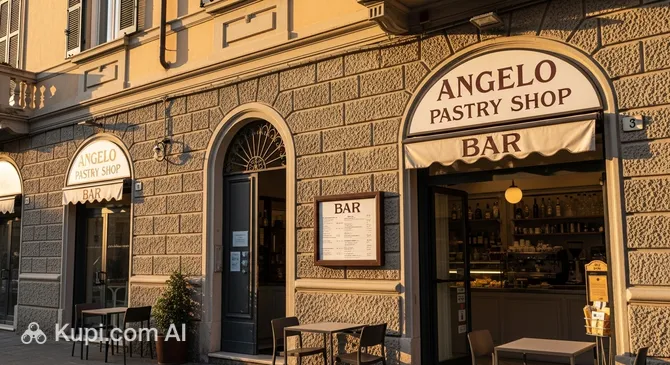
It's worth bringing back gastronomic souvenirs from Imperia. First and foremost is the famous extra-virgin Ligurian olive oil – the region is renowned for its olive groves. You can learn more about the history of oil production by visiting the Carlo Carli Olive Museum. Local wine (such as Pigato or Vermentino), pesto sauce, sun-dried tomatoes, artichokes in oil, and various types of pasta are also popular. Don't forget to stop by local pastry shops to try traditional sweets, for example, at Pasticceria Angelo. Besides gastronomic delights, look out for handmade ceramics and leather goods.

Angelo Pastry Shop. Illustration.
Source: Kupi.com AI

Traveler photos:

Shops in Imperia usually operate from the morning (around 9:00–10:00 AM) until lunch (12:30–1:00 PM), then close for siesta and reopen in the afternoon (around 3:30–4:00 PM) until 7:00–8:00 PM. On Sundays and public holidays, most shops are closed, except for some tourist shops during the high season. Both cash and bank cards are accepted in most outlets. However, it's better to have some cash on hand for markets and small shops.

For tourists from non-EU countries, a Tax Free refund system is available in Italy. If you make purchases over a certain amount (usually over 154.94 euros in a single participating store), you can apply for a VAT refund. Look for stores with "Tax Free Shopping" signs, keep your receipts, and ask the salesperson to fill out a special form.

Reached the end of the page?

That means the route is fully explored