Support

Tlemcen

About

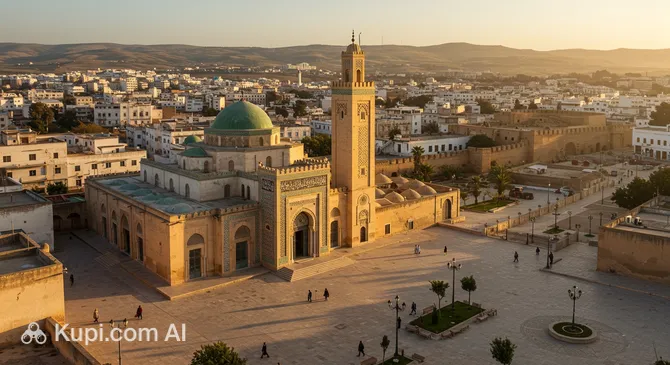
Known as the "Pearl of the Maghreb," Tlemcen is a captivating city that stands as a testament to the region's rich cultural and architectural heritage. Nestled in the northwestern part of Algeria, near the border with Morocco, this city is renowned for its stunning blend of Berber, Arab, and Andalusian influences. With a population of approximately 173,000 residents, Tlemcen offers a vibrant yet relaxed atmosphere, distinguished by its olive groves, vineyards, and the cool breezes from the surrounding mountains.

Tlemcen. Source: Kupi.Binoculars

The city is a treasure trove for history enthusiasts and art lovers alike. The history of Tlemcen is deeply etched into its ancient walls and monuments, reflecting its past status as a royal capital. Visitors are often struck by the majestic Great Mosque of Tlemcen, a masterpiece of Almoravid architecture, and the imposing ruins of Mansourah, which offer a glimpse into the city's medieval grandeur. Beyond its historical sites, the city is also famous for its traditional handicrafts and the enchanting sounds of Andalusian music, which continues to thrive here.

Nature lovers will find plenty to admire as well, particularly at the Lalla Setti Plateau, which provides panoramic views of the city and is accessible by cable car. Whether you are exploring the cascading El Ourit Waterfalls or wandering through the bustling souks, Tlemcen promises an unforgettable journey into the heart of North African culture. It is a destination that perfectly balances historical depth with natural beauty, inviting travelers to discover its many hidden gems.

Weather Overview

The weather in Tlemcen is characterized by a Mediterranean climate, offering distinct seasons that cater to various travel preferences. Summers are typically hot and dry, particularly in July and August, when average maximum temperatures reach around 33°C and rainfall is virtually non-existent. This period is perfect for those who enjoy sunny days and warm evenings.

As the seasons shift, the city experiences cooler temperatures and increased humidity. Winters are generally mild but can get chilly, with January seeing average lows of 4.4°C. Spring brings a mix of pleasant warmth and frequent showers; March is notably one of the damper months, recording approximately 11 wet days. Overall, visitors can expect hot, arid summers and cool, wetter winters throughout the year.

Interesting Facts

Beyond its well-known landmarks, Tlemcen conceals intriguing stories and cultural treasures that often surprise visitors. This city is not just a historical site but a living museum of traditions and engineering marvels.

  • The city is home to a unique UNESCO Intangible Cultural Heritage treasure: the Chedda of Tlemcen. This traditional bridal costume is an elaborate masterpiece of velvet, gold thread, and pearls, historically worn by princesses of the Zayyanid dynasty and still used in weddings today.

  • Engineering enthusiasts might be surprised to learn that the iron railway bridge spanning the El Ourit Waterfalls was designed by Gustave Eiffel. Constructed in the late 19th century, this viaduct showcases the same structural ingenuity as his famous tower in Paris.

  • Tlemcen is frequently referred to as the "Granada of Africa." This nickname stems from its deep historical connection to Andalusia, as the city welcomed many artisans and scholars from southern Spain centuries ago, heavily influencing its architecture and music.

  • Just a short drive from the city center lie the Beni Add Caves, a natural wonder that dates back thousands of years. These fascinating caverns extend deep into the earth and feature impressive stalactites and stalagmites, maintaining a constant cool temperature year-round.

How to Get There

Reaching this historic city is relatively straightforward, with options ranging from direct flights to road travel from nearby major hubs. For a comprehensive guide on all available transport modes, you can read more about how to get to Tlemcen to plan your journey effectively. The most convenient entry point is the city's own facility, Zenata Airport (TLM), also known as Messali El Hadj Airport. Located just 19.2 km from the city center, it serves as the primary hub for travelers. A trip from the airport to downtown by taxi or shuttle typically takes around 25 to 30 minutes.

Alternatively, many international visitors choose to fly into Es Senia Airport (ORN) in the city of Oran, which is approximately 104 km away. As a larger hub with significantly higher passenger traffic, it often offers more frequent international connections. From Oran, you can continue your journey to Tlemcen by taxi or bus, a trip that generally takes about 2 hours by road. This option is often preferred by those who cannot find a suitable direct flight to Tlemcen itself.

For clarity, here is a summary of the main airports serving the region:

Airport Name City Passenger Traffic Km from City
Es Senia Airport Oran Large 103.8
Zenata Airport Tlemcen Small 19.2

Beyond air travel, Tlemcen is well-integrated into the national transport network. The city is accessible by train, with regular services connecting it to major cities like Oran and Algiers, offering a scenic and comfortable journey through the Algerian landscape. Additionally, a network of buses and shared taxis operates frequently, making road travel a viable and affordable option for those arriving from neighboring regions.

Main Attractions

El Mechouar Palace is a must-visit site located in the very heart of the city. Once the official residence of the Zayyanid dynasty, this historic citadel has been meticulously restored to reflect its former glory. Visitors can wander through its serene courtyards and admire the exquisite zellij tile work and intricate stucco carvings that adorn the walls. It serves as a vibrant cultural center today, offering a tangible connection to the royal heritage of the region.

Just outside the city center lie the impressive Ruins of Mansourah, a site that tells the story of a 14th-century siege. The most striking feature is the towering minaret, which stands nearly 40 meters high and is considered a masterpiece of Marinid architecture, blending stone and brick in a distinct style. Although the mosque itself was never fully completed, the surrounding defensive walls and the solitary minaret against the backdrop of the landscape make for a photogenic and evocative historical excursion.

For a deep dive into the spiritual and architectural soul of the city, the Sidi Boumediene Complex (also known as El Eubbad) is essential. Dedicated to the city's patron saint, this complex includes a mosque, a madrasa, and a mausoleum, all showcasing the finest examples of Andalusian influence in the Maghreb. The monumental entrance, with its massive bronze-clad doors and elaborate cedar wood carvings, leads into a space of profound tranquility and artistic beauty.

Nature and leisure come together at the Lalla Setti Plateau, which towers over the city at an altitude of more than 1,000 meters. Accessible by a scenic cable car ride, this area offers the best panoramic views of Tlemcen and the surrounding mountains. It is a popular spot for both locals and tourists, featuring landscaped gardens, a promenade, and a lighthouse, making it the perfect location to watch the sunset after a day of sightseeing.

Local Cuisine

The culinary landscape of Tlemcen is a delicious reflection of its rich history, blending Berber traditions with refined Andalusian influences. Known for its subtle spices and aromatic herbs, the local cuisine is often considered some of the most sophisticated in Algeria. Food here is not just sustenance but a celebration of the city's royal past, with many recipes passed down through generations of families who take immense pride in their gastronomic heritage.

One of the absolute must-try dishes is the Tlemcen-style Harira. While this soup is common across the Maghreb, the local version is distinct, often prepared with a unique blend of spices, vegetables, and fermented dough that gives it a velvety texture and a tangy flavor. It is traditionally served with Merguez, spicy lamb sausages that are grilled to perfection. Another staple is Seffa, a steamed couscous dish often served as a dessert, delicately garnished with cinnamon, almonds, and raisins, showcasing the region's love for combining sweet and savory notes.

For those with a sweet tooth, Tlemcen is famous for its Kaak. These ring-shaped brioche-like biscuits are flavored with aniseed, citrus zest, and star anise, making them the perfect accompaniment to a morning coffee or afternoon tea. You will see them piled high in bakeries throughout the city, and they make for an excellent edible souvenir. The region is also celebrated for its cherries, so be sure to try fresh local fruit or cherry-based desserts if you are visiting during the harvest season.

When it comes to beverages, mint tea remains the undisputed king of local hospitality. It is served sweet and hot, often poured from a height to create a frothy top. Given the region's agricultural abundance, fresh fruit juices are also widely available and refreshing. While alcohol is available in select high-end hotels and licensed restaurants, the local dining culture predominantly revolves around tea shops and family-friendly establishments where the atmosphere is relaxed and alcohol-free.

The dining scene in Tlemcen ranges from casual street food stalls in the bustling souks to elegant restaurants offering panoramic views. For an authentic experience, head to the old medina, where you can find small eateries serving hearty plates of Karantika, a popular chickpea flour tart that is a favorite street snack. Alternatively, dining on the Lalla Setti Plateau offers not only exquisite traditional meals but also breathtaking views over the city, making for a memorable gastronomic evening.

Travel Tips

Welcome to Tlemcen, a city where history and hospitality blend seamlessly to create a truly unique experience. To ensure your journey through the "Pearl of the Maghreb" is as smooth and enjoyable as possible, here are some essential practical tips to help you navigate local customs and logistics.

  1. Clothing and Gear: Since Tlemcen is a culturally conservative city, it is best to dress modestly. Avoid shorts and sleeveless tops in the city center; instead, opt for lightweight, loose-fitting clothing that covers your shoulders and knees. If you plan to visit religious sites like the Great Mosque or the Sidi Boumediene Complex, women must cover their heads, so carrying a lightweight scarf is highly recommended. For footwear, bring sturdy, comfortable walking shoes, as you will likely be exploring the Ruins of Mansourah or hiking the trails on the Lalla Setti Plateau.

  2. Transportation: The most convenient way to get around Tlemcen is by taxi. They are affordable and plentiful; you can easily flag one down on the street. While some use meters, it is often common practice to agree on a fare before starting your journey. For a unique experience, take the cable car (téléphérique) to reach the Lalla Setti Plateau—it is not only a mode of transport but a scenic activity in itself. Public buses exist but can be crowded and confusing for those who do not speak the local language.

  3. Finances: The local currency is the Algerian Dinar (DZD). Tlemcen is primarily a cash-based economy, and credit cards are rarely accepted outside of luxury hotels and major transport hubs. It is crucial to carry enough cash for daily expenses, restaurants, and shopping in the souks. ATMs are available in the city center, but they may not always accept every international card, so bringing some Euros or US Dollars to exchange at banks or official exchange bureaus is a wise backup plan.

  4. Health and Safety: Tlemcen is generally a safe city for tourists, but standard precautions like keeping an eye on your belongings in crowded markets apply. Pharmacies are widely available and are easily recognized by a green cross sign; many pharmacists can provide advice for minor ailments. To avoid stomach issues, it is advisable to drink bottled water rather than tap water. In case of a medical emergency, the University Hospital of Tlemcen is the main public facility.

  5. Communication: The primary languages spoken are Arabic (specifically the local Darija dialect) and French. English is not widely spoken, so learning a few basic phrases in French or Arabic will be incredibly helpful. Using a translation app can also bridge the gap. For internet access, purchase a local SIM card from providers like Mobilis, Djezzy, or Ooredoo upon arrival; you will need your passport to register the SIM.

  6. Local Etiquette: Algerians are known for their hospitality, and greetings are important. A handshake is the standard greeting, but always use your right hand. If you are greeting someone of the opposite gender, it is polite to wait and see if they extend their hand first; if not, a nod and a smile suffice. When invited to a local's home, it is customary to remove your shoes at the door and perhaps bring a small gift, such as pastries or fruit.

  7. What to Avoid: Public displays of affection are considered inappropriate and should be avoided. Additionally, be mindful of photography; always ask for permission before taking photos of people, especially women and the elderly. If you are visiting during the holy month of Ramadan, do not eat, drink, or smoke in public during daylight hours out of respect for those fasting.

  8. Additional Tip: Keep in mind that Friday is the holy day in Algeria. Many shops, businesses, and even some attractions may be closed or have limited hours, particularly in the morning until after the Jumu'ah (Friday prayer). Plan your shopping and major sightseeing for other days of the week, and use Friday for a relaxing stroll in the parks or enjoying the views from the plateau.

By keeping these tips in mind, you will be well-prepared to embrace the rich culture and warm welcome that Tlemcen has to offer. Enjoy your exploration of this fascinating historic capital!

Entertainment & Nightlife

While Tlemcen is widely respected as a city of history and tradition, its nightlife offers a surprisingly distinct and sophisticated charm. Unlike the bustling, sleepless party capitals of the world, the evening atmosphere here is more about refined relaxation, social dining, and enjoying the cool mountain air. In this cultural hub of Algeria, the nightlife scene is generally divided into two experiences: the lively, family-friendly outdoor gatherings on the heights, and the exclusive, upscale entertainment found within the city's premier hospitality venues.

For those seeking a vibrant atmosphere with a view, the Lalla Setti Plateau is the undisputed heart of Tlemcen's evening activity. As the sun sets, this area comes alive with locals and tourists alike who flock to its promenades to admire the glittering city lights below. The plateau is dotted with cafes and tea rooms where you can enjoy traditional mint tea and pastries late into the night. It is a safe and bustling district where the vibe is communal and relaxed, often staying active until late, especially during the summer months and holidays.

If you are looking for a more modern nightlife experience with music and beverages, the Renaissance Tlemcen Hotel is the primary hub for high-end entertainment. This luxury establishment hosts some of the city's most exclusive venues. Guests can visit the hotel's chic nightclub, which offers a contemporary setting inspired by international standards, perfect for enjoying music and a lively ambiance. For a quieter evening, the hotel's exclusive lounge provides a sophisticated atmosphere ideal for conversation and relaxation. These venues typically maintain a smart-casual to formal dress code, so dressing up is recommended.

Practical advice for enjoying nights in Tlemcen revolves around transportation and timing. The best time to head out is around 8:00 PM, when the air cools and the city settles into its evening rhythm. Public transport becomes scarce late at night, so relying on taxis is the safest and most convenient option. Taxis are generally affordable, but it is wise to have your hotel call one for you or to use a reputable radio taxi service. If you are visiting the Lalla Setti Plateau, remember that the cable car (téléphérique) has specific operating hours; if you plan to stay very late, ensure you have a taxi arranged for the return trip down the mountain.

Regarding safety, Tlemcen is considered one of the safer cities in the region for night walks, particularly in well-lit and populated areas like the city center near the Grand Bassin and the plateau. However, as with any travel destination, it is advisable to stay on main streets and avoid poorly lit alleyways in the old medina after dark. Alcohol availability is restricted primarily to licensed hotels and specific restaurants, so do not expect to find bars on every street corner.

Beyond the nightlife, Tlemcen offers enriching daytime entertainment that complements its historical sites. Culture enthusiasts should check the schedule for the Théâtre de Verdure, an open-air venue that often hosts concerts and festivals, particularly during the warmer seasons. For cinema lovers, the Le Colisée cinema in the city center retains a nostalgic charm and screens a mix of local and international films. Whether you are exploring museums by day or enjoying the panoramic city lights by night, Tlemcen offers a balanced and memorable travel experience.

Parks & Museums

While Tlemcen is celebrated for its architectural splendor, the city also boasts a refreshing array of green spaces and cultural institutions that offer a deeper understanding of its heritage. The city serves as a gateway to lush natural landscapes and hosts museums that preserve the artistic and historical legacy of the Zayyanid dynasty. For travelers, this combination allows for days spent exploring ancient artifacts followed by relaxing afternoons in the cool shade of mountain forests.

The crown jewel of the region's natural offerings is the Tlemcen National Park. Encompassing a vast area surrounding the city, this biosphere reserve is a haven for biodiversity, featuring extensive forests of cork oak and pine. It is the perfect destination for hikers and nature enthusiasts, housing natural wonders like the plunging El Ourit Waterfalls and the fascinating Beni Add Caves. The park provides a serene escape from the urban bustle, offering numerous trails where visitors can breathe in the fresh mountain air and observe local flora and fauna.

Closer to the city center, Lalla Setti Park offers a more manicured outdoor experience. Situated on the plateau overlooking the city, this sprawling recreational area features beautifully landscaped gardens, expansive promenades, and a large artificial lake. It is a favorite spot for local families and tourists alike to enjoy picnics, paddle boating, or simply strolling while taking in the magnificent panoramic views of Tlemcen below. The blend of leisure facilities and natural beauty makes it an essential stop for a relaxing afternoon.

For those eager to delve into the region's past, the National Museum of Art and History is a key cultural venue. Housed in a historic building in the city center, the museum displays a rich collection of artifacts that trace Tlemcen's timeline from antiquity to the Islamic Golden Age. Visitors can admire intricate ceramics, ancient coins, traditional costumes, and weapons that tell the story of the city's rise as a capital of the central Maghreb. It provides invaluable context to the monuments seen around the city.

Another unique cultural gem is the Museum of Calligraphy, Illumination, and Miniature. Tlemcen has long been a center for Islamic learning and arts, and this museum celebrates that heritage. The exhibits showcase exquisite examples of Quranic manuscripts, delicate miniatures, and the tools used by master calligraphers. It is a quiet, contemplative space that highlights the sophistication of Andalusian and Maghrebi artistic traditions, making it particularly interesting for art lovers and those curious about Islamic culture.

Among the city's historical landmarks that double as open-air heritage sites, the Grand Bassin (Sahrij Bedda) stands out. Built in the 14th century by the Zayyanid King Abu Tashfin I, this colossal water reservoir was originally constructed to irrigate the royal gardens and supply the city. Today, the site remains an impressive testament to medieval hydraulic engineering and serves as a historical marker where visitors can imagine the grandeur of the royal estates that once flourished here.

For a truly authentic experience, venture slightly further afield to the Hafir Forest. Less crowded than the main tourist spots, this dense oak forest offers a peaceful retreat and is a popular location for locals to enjoy weekend barbecues and nature walks. It is an excellent place to witness the everyday leisure life of Tlemcen's residents while enjoying the tranquility of the Algerian countryside.

Getting Around

Navigating Tlemcen is relatively straightforward, as the city relies primarily on a road-based transport network rather than complex rail systems like metros or trams. The public transportation system is designed to be functional and affordable, catering largely to locals commuting between the city center and the residential suburbs. For tourists, the system offers an authentic glimpse into daily life, though it requires a bit of local know-how to use effectively.

The backbone of the city's transport is the bus network, which consists of both public buses operated by the state company (ETUST) and a multitude of private minibuses. The public buses are generally larger and follow more fixed schedules, while the private vans are smaller, faster, and stop frequently to pick up or drop off passengers along their routes. These vehicles connect the downtown area with key neighborhoods and landmarks, making them a viable option for getting around if you know your destination's name in advance.

A unique and highly recommended feature of the transport system is the Tlemcen Cable Car (Téléphérique). While it serves as a popular tourist attraction, it is also a functional mode of transport connecting the lower city (near the Grand Bassin) to the Lalla Setti Plateau. The ride offers spectacular aerial views and is the most scenic way to reach the recreational areas and hotels located on the heights. It operates daily, though hours may vary depending on the weather and season.

When it comes to payment, cash is the undisputed king. There are no digital travel cards, apps, or electronic passes for the general bus network. You simply pay the driver or the conductor upon boarding. Fares are extremely low by international standards, typically costing just a few dinars. It is essential to carry small change (coins), as drivers often do not have change for large banknotes. Tickets for the cable car are purchased at ticket booths at the base or top stations.

For those seeking more comfort and flexibility, taxis are the most popular alternative. You will see bright yellow taxis everywhere in the city; they can be easily flagged down on the street. While many are equipped with meters, it is common practice to agree on a fixed fare before starting the trip, especially for longer distances or tourist excursions. Additionally, ride-hailing apps have begun to gain a foothold in the region, offering a modern way to book a car with a set price if you have mobile data access.

Tourists should keep a few practical tips in mind to ensure a smooth experience. Public transport operates mainly during daylight hours and tends to wind down early in the evening, often around 7:00 PM or 8:00 PM. On Fridays, service is significantly reduced due to the weekly holy day, so relying on taxis or walking is often necessary. Finally, since bus stops may not always be clearly marked with maps, asking locals for help is common and usually met with friendly assistance.

Accommodation

Accommodation in Tlemcen caters to a variety of preferences and budgets, ranging from modern luxury establishments to modest, functional hotels. The city has seen significant development in its hospitality sector, offering visitors a choice between international-standard resorts and smaller, locally-run lodgings. Whether you are looking for a lavish stay with panoramic views or a simple, convenient base for exploring the historical sites, the city provides ample options to ensure a comfortable visit.

When choosing where to stay, the location depends largely on the type of experience you desire. The city center is particularly convenient for history enthusiasts who wish to be within walking distance of major landmarks like the Great Mosque and El Mechouar Palace. Staying here immerses you in the daily rhythm of the city and places you close to markets and restaurants. Alternatively, the Lalla Setti Plateau offers a more serene and upscale environment. Perched high above the urban bustle, this area is home to luxury resorts and offers breathtaking views and cooler air, though it requires a taxi or cable car ride to reach the downtown attractions.

For travelers seeking top-tier comfort, the Renaissance Tlemcen Hotel is widely considered the city's premier address. Located on the plateau, it features stunning Arab-Moorish architecture and extensive amenities, making it a destination in itself. In the heart of the city, the Hotel Les Zianides is a well-known, historic establishment surrounded by gardens. It offers a more traditional atmosphere and is ideally situated for those who want to explore the local museums and souks on foot.

Regarding costs and logistics, prices in Tlemcen are generally reasonable compared to international destinations. Budget travelers can find affordable rooms in the city center, while high-end resorts command higher rates. It is highly recommended to book in advance, especially during the summer months and school holidays, as the best hotels fill up quickly. While major luxury hotels accept credit cards and can be booked via global online platforms, smaller establishments often operate on a cash-only basis (in Algerian Dinar) and may sometimes require booking directly by phone.

Nearby Cities

For those looking to explore the surroundings, Tlemcen serves as an excellent base for day trips to several interesting nearby locations:
City Population Distance (km)
Oran 852,000 110
Sidi Bel Abbes 212,935 72
Tiaret 178,915 247
Chlef 155,134 279
Mostaganem 145,696 173

Among these options, Oran stands out as a major highlight for any traveler in the region. Known as "El Bahia" (the Radiant), this vibrant coastal metropolis is famous for its unique blend of Spanish, Ottoman, and French architecture. A visit here allows you to explore the iconic Fort Santa Cruz, which offers sweeping views over the Mediterranean, and to stroll along the lively seafront corniche. As the birthplace of Raï music, Oran pulses with a dynamic cultural energy that contrasts beautifully with the more traditional atmosphere of Tlemcen.

Much closer to home is Sidi Bel Abbes, located just over an hour's drive away. This city is celebrated for its orderly, tree-lined avenues and relaxed pace of life. It serves as a commercial center for the surrounding vineyards and agricultural lands. Visitors can enjoy a peaceful afternoon in its public gardens or explore the local markets, making it an easy and stress-free excursion for those who want to see a different side of urban Algeria without a long journey.

For those willing to venture a bit further towards the coast, Mostaganem offers a delightful mix of seaside relaxation and spiritual heritage. Often called the "City of a Thousand and One Saints," it is home to numerous shrines and a historic tidal port. The city's sandy beaches and the old district of Tijditt provide a picturesque setting for a day of exploration, combining sun, sea, and history.

These nearby destinations offer a glimpse into the diverse culture and landscapes of the region, ensuring that your stay in the area is filled with varied and enriching experiences.

Shopping & Souvenirs

Shopping:

Shopping in Tlemcen is a delightful immersion into the city's rich Andalusian heritage and artisanal traditions. Unlike the commercialized mega-malls found in larger capitals, the retail experience here revolves around historic markets, bustling souks, and intimate workshops. For visitors, it is an opportunity not just to purchase souvenirs, but to witness the craftsmanship that has earned the city its reputation as a capital of art and history in Algeria.

The heart of the local shopping scene is undoubtedly the Kissaria. Located in the city center near the Great Mosque, this ancient covered market is a labyrinth of narrow alleyways filled with vibrant colors and scents. It is the premier destination for textiles and clothing. Here, you will find shops draped in luxurious velvets, silks, and the intricate golden embroidery used to create the famous Chedda bridal costume. Even if you are not in the market for a wedding dress, the sheer artistry of the fabrics makes for a fascinating browse.

Tlemcen is also renowned for its jewelry. The city has a long-standing tradition of goldsmithing, influenced by its diverse history. In the specialized sections of the souk, windows glitter with elaborate gold necklaces, earrings, and bracelets featuring distinct filigree work. These pieces are often considered family heirlooms by locals, but smaller, more affordable silver items and traditional Berber jewelry are also available for travelers looking for a unique keepsake.

For those interested in handicrafts, the city offers plenty of authentic treasures. Leather goods, such as handmade bags and slippers (babouches), are widely available and renowned for their quality. Additionally, you can find beautifully crafted copperware, ceramics, and hand-woven carpets that reflect the region's geometric design motifs. These items are typically sold in small workshops where you might even catch a glimpse of the artisans at work.

No shopping trip in Tlemcen is complete without exploring its culinary delights. The markets are overflowing with sacks of aromatic spices, dried fruits, and high-quality local olive oil. Be sure to pick up a bag of Kaak, the city’s signature aniseed-flavored biscuits, which make for an excellent and transportable gift. During the harvest season, the stalls are also piled high with fresh cherries and other local produce that define the region's agriculture.

When navigating the markets, keep in mind that bargaining is an essential part of the culture. In the souks and smaller shops, prices are rarely fixed, and negotiating is expected and done with a smile. It is a social interaction as much as a transaction. Remember that cash is the primary mode of payment; credit cards are almost never accepted in traditional markets, so ensure you have sufficient local currency on hand before you start your spree.

While the traditional souks dominate the scene, there are also modern boutiques and supermarkets scattered around the newer districts of the city for everyday essentials. However, for the true flavor of Tlemcen, the old medina remains the unmissable hub of commerce and culture.
Reached the end of the page?

That means the route is fully explored