Support

Mecheria

About

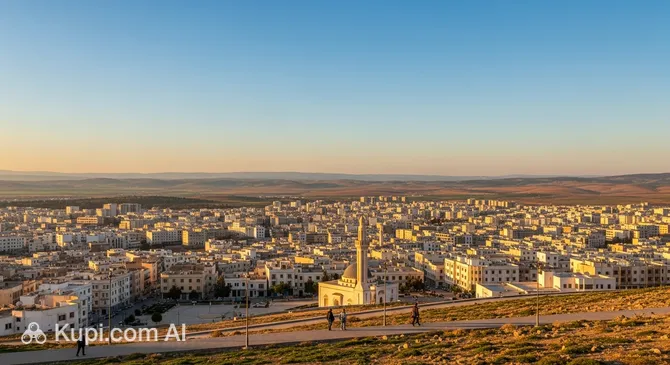
Mecheria is a captivating city located in the Naâma Province of northwestern Algeria. Nestled within the vast High Plateaus region, it serves as a significant urban center that bridges the gap between the fertile Tell Atlas and the expansive Sahara Desert. The city is known for its unique steppe landscape, offering visitors a distinct atmospheric experience different from the coastal regions.

Mecheria. Source: Kupi.Binoculars

With a population of approximately 114,000 inhabitants, Mecheria is a lively hub of activity and commerce in the region. The local climate is semi-arid, characterized by cool winters and warm, dry summers, which shapes the lifestyle and architecture of the area. Those interested in the history of Mecheria will find that its development has been deeply influenced by its strategic location on the trade routes crossing the High Plains.

Travelers are often drawn to the rugged natural beauty surrounding the city, particularly the imposing Djebel Antar. This mountain range provides a dramatic backdrop to the city and offers excellent opportunities for hiking and nature observation. Inside the city, the local markets bustle with energy, allowing visitors to discover traditional crafts and experience the authentic culture of the region. The serene, open spaces of the surrounding steppe are perfect for those seeking tranquility.

Whether you are exploring the diverse landscapes of the province or seeking a genuine encounter with local traditions, Mecheria offers a welcoming and memorable stop on your journey. It is a destination that invites you to slow down and appreciate the raw beauty of the Algerian High Plateaus.

Weather Overview

Mecheria experiences a semi-arid climate typical of the High Plateaus region, characterized by distinct seasonal contrasts. The weather here is generally defined by clear skies and significant temperature variations between summer and winter. To help plan your trip with the most accurate forecast, you can consult the detailed guide to the weather in Mecheria.

Summers in the city are hot and dry, particularly in July and August, when average maximum temperatures can reach approximately 37.3°C. This period sees almost no rainfall, making it perfect for sun-seekers, though adequate protection against the heat is essential. In contrast, winters are cold and crisp; January is typically the coldest month, with average temperatures dropping to 6.3°C and nighttime lows occasionally hitting the freezing point of 0.0°C.

The transitional seasons of spring and autumn offer more moderate conditions, with May and September providing pleasant average temperatures around 20°C to 24°C. Precipitation is scarce throughout the year, although March tends to be the "wettest" month with about 6 days of potential light rain. Overall, you can expect hot, dry summers and cold winters with very minimal precipitation year-round.

Interesting Facts

Beyond its role as a regional administrative center, Mecheria holds several surprising geographical and climatic secrets that challenge the typical image of the Algerian landscape.

  • A Record-Breaking Chill: While Algeria is often associated with scorching heat, Mecheria is famous for its biting winters. The city holds one of the national records for the lowest temperature ever recorded in the country, plummeting to nearly -14°C during a historic cold wave in January 2005.

  • The Sentinel of the Steppe: The city sits directly at the foot of Djebel Antar, an imposing mountain peak rising to over 1,700 meters. This natural giant not only dominates the skyline but also serves as a key navigational landmark for the nomads of the High Plateaus.

  • Snow on the Edge of the Sahara: Despite its location near the fringes of the desert, Mecheria frequently experiences snowfall. The sight of the semi-arid steppe and the slopes of Djebel Antar covered in a blanket of white offers a stunning and unexpected contrast to the region's usual ochre tones.

  • A Name Rooted in Geography: The name "Mecheria" is widely believed to stem from an Arabic term meaning "the place of dryness" or "arid land." This etymology perfectly captures the essence of its environment—a rugged, semi-arid zone that bridges the fertile north and the vast Sahara south.

How to Get There

Reaching Mecheria involves a journey through the scenic High Plateaus of the Naâma Province. While the city lies inland, away from the immediate coastal bustle, the drive offers a unique perspective on the country's shifting landscapes, from the fertile north to the edge of the desert. For a detailed breakdown of routes and transport options, you can read more about how to get to Mecheria to help plan your itinerary.

Most international visitors arriving by air choose to land in one of the major regional hubs and continue their journey by road. A convenient option is Zenata Airport (IATA: TLM) in Tlemcen. Located approximately 196 km from Mecheria, it offers a relatively direct ground transfer. The drive typically takes a few hours, leading travelers through the picturesque steppe terrain characteristic of western Algeria.

For a wider range of international connections, Es Senia Airport (IATA: ORN) in Oran is the primary gateway for many tourists. Situated about 233 km away, it handles a high volume of passengers and connects to numerous destinations. Although the road trip from Oran is slightly longer than from Tlemcen, the availability of flights makes it a frequent choice. Travelers can expect a drive of around 4 hours, depending on road conditions.

Below is a summary of the main airports facilitating travel to the region:

Airport Name City Passenger Traffic Km from City
Es Senia Airport Oran High 233.0
Zenata Airport Tlemcen Medium 196.0
Leger Bechar Low 281.7

Main Attractions

While Mecheria is primarily known as an administrative and commercial hub of the High Plateaus, it offers visitors a unique glimpse into the authentic lifestyle of the Algerian steppe. The city's attractions are less about monumental tourism and more about experiencing the raw beauty of nature and the warmth of local culture. Here are the key places and experiences that define the city.

Djebel Antar

Undoubtedly the most iconic landmark in the region, Djebel Antar stands majestically overlooking the city. Rising to an altitude of over 1,700 meters, this imposing mountain is visible from almost every corner of Mecheria. It is a favorite destination for nature lovers and hikers who challenge themselves to reach the summit for panoramic views of the vast, ochre-colored steppe below. In winter, the peak is often capped with snow, creating a stunning contrast with the semi-arid landscape, a sight that surprises many visitors expecting only desert heat.

The Weekly Souk

To truly understand the heartbeat of Mecheria, a visit to its bustling Weekly Market is essential. The region is famous throughout Algeria for its pastoral heritage, particularly the raising of the high-quality "Rambi" sheep. On market days, the city transforms into a lively theater of commerce and tradition. Visitors can wander through the stalls to see local handicrafts, buy fresh seasonal produce, and observe the traditional negotiations of livestock traders, offering a genuine immersion into the daily life of the High Plateaus.

Ali Ibn Abi Talib Mosque

Among the city's religious landmarks, the Ali Ibn Abi Talib Mosque stands out as a center of spiritual life for the local community. Its architecture reflects the modest yet dignified style typical of the region, providing a peaceful atmosphere amidst the city's activity. For tourists interested in cultural and religious architecture, the mosque offers a serene example of how faith is woven into the urban fabric of Mecheria.

The Steppe Landscapes

Mecheria serves as the perfect gateway for exploring the surrounding High Plateaus. A short drive out of the city center reveals endless plains covered in esparto grass (alfa), a plant native to this ecosystem. These open spaces offer a profound sense of tranquility and solitude, making them ideal for photography enthusiasts looking to capture the stark, minimalist beauty of the Algerian interior, especially during the "golden hour" at sunset.

Local Cuisine

The local cuisine of Mecheria is deeply rooted in the pastoral traditions of the Naâma Province, offering a hearty and authentic culinary experience. Given the region's reputation for livestock farming, particularly the prized "Rambi" sheep, meat plays a central role in the local diet. The food here is characterized by its simplicity and the exceptional quality of its ingredients, reflecting the generous hospitality of the High Plateaus.

One cannot visit Mecheria without trying the famous Mechoui. This dish consists of a whole lamb or specific cuts slow-roasted over a wood fire or in a traditional earth oven until the meat is incredibly tender and flavorful. Another staple is Couscous, which is prepared here with a focus on the rich taste of the lamb broth and seasonal vegetables like turnips and carrots. In the colder winter months, locals often turn to warming dishes such as Merdoud, a type of large-grain couscous served in a spicy tomato-based sauce with dried meat and herbs.

Beverages in Mecheria are an essential part of social gatherings. Mint tea is the ubiquitous drink of hospitality, often prepared strong, sweet, and frothy, serving as a symbol of welcome for any guest. Due to the abundance of livestock, fresh dairy products are also common; Lben (fermented milk) and Rayeb (curdled milk) are frequently consumed, especially as a refreshing accompaniment to couscous dishes or during warmer days.

The food culture in Mecheria is communal and unpretentious. While you won't find many high-end fine dining establishments, the city is dotted with small grill houses and roadside eateries that serve some of the freshest meat in the country. Locals often enjoy dining in these casual spots where skewers of grilled meat (brochettes) and liver (melfouf) are prepared to order. However, the true essence of Mecheria's gastronomy is best experienced in the home, where traditional recipes are passed down through generations and meals are shared from a large communal platter.

Travel Tips

Visiting Mecheria offers a unique opportunity to experience the authentic lifestyle of the Algerian High Plateaus, but the region’s distinct climate and conservative traditions require a bit of preparation. To help you navigate your journey smoothly and enjoy the warm hospitality of the Naâma Province, here are some practical tips to keep in mind.

  1. Pack for Extremes

    The semi-arid steppe climate means the weather can be unpredictable. If you are visiting in winter, bring heavy coats, thermal wear, and gloves, as temperatures frequently drop below freezing. For summer trips, loose, breathable fabrics are best to handle the heat, but always ensure your clothing is modest. Both men and women should avoid shorts and sleeveless tops to respect local customs. Sturdy walking shoes are essential if you plan to hike Djebel Antar.

  2. Getting Around

    Mecheria is a relatively compact city, and the most convenient way to travel locally is by taxi. Taxis are affordable and plentiful; however, they may not always have meters, so it is wise to agree on the fare before starting your ride. Public buses exist but can be crowded and confusing for non-locals. If you wish to explore the surrounding steppe or mountains at your own pace, renting a car is highly recommended, though you should be comfortable driving on rural roads.

  3. Cash is King

    The local currency is the Algerian Dinar (DZD). While some larger hotels might accept credit cards, the economy in Mecheria is overwhelmingly cash-based. International cards may not work in all ATMs, so it is crucial to exchange sufficient money at a bank or official exchange bureau upon arrival in the country. Always carry small change for taxis, cafes, and market purchases.

  4. Stay Hydrated and Safe

    The dry air of the High Plateaus can cause dehydration faster than you might expect, especially in summer. Always carry bottled water with you. In terms of safety, Mecheria is generally very safe and welcoming to tourists. Pharmacies are marked with a green cross and are usually well-stocked for minor ailments. As in any travel destination, keep an eye on your belongings in crowded areas like the weekly market.

  5. Language and Connectivity

    The primary languages spoken are Arabic (Darija) and French. English is not widely spoken outside of some educational or high-end tourism contexts. Learning a few basic phrases in French or Arabic, such as "Salam" (Hello) or "Merci" (Thank you), will go a long way. For internet access, buying a local SIM card (Mobilis, Djezzy, or Ooredoo) is easy and affordable; you will just need your passport to register.

  6. Respect Local Etiquette

    Algerians are known for their hospitality, and you may be invited for tea or a meal. It is polite to accept such offers, as refusing can be seen as rude. When greeting people, a handshake is common, but wait for a person of the opposite gender to extend their hand first. Public displays of affection are culturally inappropriate and should be avoided.

  7. Photography Restrictions

    Be mindful of what you photograph. It is strictly forbidden to take pictures of military installations, police stations, or government buildings. Additionally, always ask for permission before taking photos of locals, especially women and elderly people, to respect their privacy.

  8. Timing Your Visit

    Life in Mecheria often slows down significantly in the afternoon, particularly during the hot summer months when a midday break or "siesta" is common. Shops may close for a few hours and reopen in the late afternoon. Plan your shopping or sightseeing for the morning or evening to match the local rhythm.

By keeping these practical tips in mind, you will be well-equipped to enjoy the rugged beauty and cultural richness of Mecheria. The city’s charm lies in its authenticity, and a little preparation ensures you can focus on making lasting memories in this fascinating corner of Algeria.

Entertainment & Nightlife

Nightlife in Mecheria offers a distinct departure from the bustling club scenes found in Algeria's coastal cities. Here, evening entertainment is deeply rooted in local tradition and social connection, characterized by a relaxed and welcoming atmosphere. Instead of nightclubs and loud bars, the city comes alive after sunset through its vibrant café culture and late-night dining, particularly during the warm summer months when families and friends gather outside to enjoy the cooler air.

The heart of the city's evening activity is concentrated in the downtown area (Centre Ville). As the sun goes down, the main boulevards fill with locals enjoying leisurely strolls, a practice known as the evening promenade. The vibe is communal and unhurried, with the sound of animated conversations filling the air. Travelers should be aware that the nightlife here is conservative; alcohol is generally not served in public venues, and the social scene is focused on tea, coffee, and food.

For an authentic experience, visitors should head to one of the city's popular cafés, which serve as the primary social hubs for men in the evenings. Caféteria Touati is a well-known establishment where you can enjoy a strong espresso or a glass of sweet mint tea while watching the world go by. Another local favorite is Café Tigre Noir, known for its lively atmosphere and friendly service. These venues are perfect for immersing yourself in the local rhythm and perhaps striking up a conversation with residents.

Dining late is also a key part of the night in Mecheria. The streets are dotted with small eateries and grill houses that stay open late, serving the region's famous grilled lamb and fast food. Café Rahmani is another spot that draws a crowd, offering a comfortable place to relax. Families often opt for restaurants or ice cream parlors (crèmeries) which provide a more mixed environment suitable for women and children, especially during the summer holidays.

Daytime entertainment in Mecheria offers a different pace, focusing on nature and culture. Before the evening sets in, visitors can explore the surroundings of Djebel Antar for hiking or visit local landmarks like the Ali Ibn Abi Talib Mosque to appreciate its architecture. While the city lacks large amusement parks or theaters, the natural beauty of the High Plateaus provides ample opportunity for exploration during the day.

From a practical standpoint, the best time to experience the city's evening energy is between 8:00 PM and midnight. Prices are very affordable compared to larger cities, with a coffee or tea costing just a few dinars. Taxis are the most reliable way to get around at night if you are not walking. In terms of safety, Mecheria is generally secure for night walks in well-lit, populated areas. However, it is advisable to dress modestly and respect local customs; solo female travelers may feel more comfortable in family-oriented venues or by concluding their outings a bit earlier in the evening.

Parks & Museums

While Mecheria is not defined by manicured botanical gardens or sprawling museum complexes, its appeal lies in the raw, open beauty of its natural surroundings and the living heritage of its people. The city’s "green spaces" are often the vast, rugged landscapes that embrace it, while its culture is best experienced through community centers and historical architecture rather than traditional galleries.

Djebel Antar Natural Area

The most significant natural "park" for Mecheria is undoubtedly the slopes and surroundings of Djebel Antar. While not an urban park in the traditional sense, this mountain reserve serves as the city's primary recreational escape. Families and nature enthusiasts flock here, especially on weekends and during the spring, to enjoy picnics amidst the wild herbs and esparto grass. It offers a refreshing break from the semi-arid plains, with trails that allow visitors to observe local flora and birdlife in their natural habitat.

City Public Garden (Jardin Public)

In the heart of the city, the central Public Garden provides a welcome patch of greenery amidst the urban environment. It is a popular gathering spot for locals, particularly in the late afternoons when the heat subsides. With its shaded walkways and seating areas, it offers a glimpse into the daily social life of the residents. It is a modest but vital space where children play and elders meet to discuss the day's news, offering tourists a quiet place to rest and people-watch.

Maison de la Culture (House of Culture)

As the epicenter of the city's artistic life, the Maison de la Culture functions as Mecheria's primary gallery and exhibition space. This venue regularly hosts events ranging from local art displays and photography exhibitions to traditional music performances and theater. It serves as a guardian of the region's intangible heritage, making it an excellent stop for visitors who wish to understand the contemporary and traditional artistic expressions of the Naâma Province.

The Old Railway Station

Although not a museum in the strict sense, the Old Railway Station acts as a historical monument that narrates the city's origins. Built during the colonial era as a key stop on the Oran-Béchar line, its architecture reflects the strategic history of the High Plateaus. For history buffs, the station and its surroundings offer a tangible connection to the past, standing as a silent witness to the development of trade and transportation in the Algerian southwest.

Insider Tip: For a truly authentic "open-air museum" experience, take a short drive to the outskirts to see the traditional ksour (fortified villages) ruins or the nomadic tents often pitched in the steppe. These living remnants of history offer a far more vivid picture of the region's past and present than any glass display case could provide.

Getting Around

The public transport system in Mecheria is designed to serve a compact urban layout, relying primarily on road-based options rather than complex rail or subway networks. Visitors will not find a metro, tram, or trolleybus system here. Instead, the city operates on a network of buses and minibuses that connect the city center with residential neighborhoods and the outskirts. These buses are the most common form of transit for locals, offering a frequent and authentic way to move around the town.

For tourists, the most convenient and popular alternative to buses is the taxi service. You will easily recognize the distinct yellow taxis circulating throughout the main streets. They are plentiful and can be hailed directly from the roadside or found at designated stands near major landmarks like the marketplace or the train station. "Shared taxis" (taxis collectifs) are also a feature of local transport, running on fixed routes similar to buses but departing only when all seats are filled, providing a faster option than the standard bus service.

The payment system in Mecheria is traditional and cash-based. There are no digital travel cards, mobile apps, or electronic pass systems for local transit. Fares for buses and shared taxis are incredibly affordable and must be paid directly to the driver or the conductor upon boarding. It is essential to carry small change (coins or small denomination notes), as drivers often struggle to break large bills. Prices are fixed for buses, while private taxi fares should generally be agreed upon before starting the journey if the meter is not used.

Operating hours for public transport are somewhat limited compared to larger metropolitan hubs. Buses and minibuses typically run from the early morning, around 6:00 AM, until the early evening, with service frequency dropping significantly after sunset. On Fridays, the weekly day of rest, service is reduced. Taxis are available later into the night, but it is advisable to arrange transportation in advance if you plan to be out very late.

Given the city's manageable size and flat terrain, walking is often a viable and pleasant option for exploring the downtown area. While car-sharing apps and bike rental schemes have not yet established a presence in Mecheria, the availability and low cost of traditional taxis make them an excellent substitute for getting around quickly and comfortably.

Accommodation

Where to Stay:

Accommodation in Mecheria is primarily functional and modest, catering largely to business travelers, civil servants, and those passing through the High Plateaus region. Visitors should not expect international luxury hotel chains or sprawling resorts. Instead, the city offers a selection of independent, locally run hotels and guesthouses. These establishments generally provide comfortable, no-frills amenities suitable for short stays, ranging from budget-friendly rooms to mid-range options that offer private baths and air conditioning.

The most convenient area for tourists to stay is the City Center (Centre Ville). Choosing a hotel in this district places you within walking distance of key amenities such as the weekly market, local restaurants, and taxi stands. Staying centrally also allows for easy immersion in the local evening atmosphere, where the streets come alive with social activity. There are also a few establishments located along the main roads leading in and out of the city, which can be practical for those traveling by car and looking for easy parking.

When it comes to booking, it is important to note that many hotels in Mecheria do not have a strong presence on major international booking platforms. While some larger establishments may be listed online, it is often more effective to book directly by phone or simply find a room upon arrival, as occupancy rates rarely reach capacity outside of major national holidays. However, if you are visiting during a specific local event or festival, securing a reservation in advance is recommended to ensure availability.

The price range for accommodation is generally very affordable compared to Algeria's coastal cities. Most options fall into the budget to lower mid-range categories. Travelers should be prepared to pay in cash (Algerian Dinar), as credit card facilities are not widely available at hotel reception desks. It is advisable to clarify the price and check the room amenities, such as hot water and heating (crucial in winter), before checking in.

Nearby Cities

For those looking to explore the surroundings, Mecheria serves as an excellent base for day trips to several interesting nearby locations:

Tlemcen

Located approximately 177 km from Mecheria, Tlemcen is often referred to as the "Pearl of the Maghreb." It is a city steeped in history and Andalusian culture, renowned for its stunning Islamic architecture, such as the Great Mosque and the ruins of Mansourah. A visit here offers a complete change of scenery from the steppe, with lush landscapes, the El Ourit waterfalls, and the historic El Mechouar Palace. It is arguably the most rewarding cultural destination within a reasonable driving distance.

Sidi Bel Abbes

Situated about 188 km to the north, Sidi Bel Abbes offers a vibrant urban atmosphere. Known for its well-planned colonial-era grid and wide, tree-lined boulevards, it is a commercial and agricultural hub. The city is famous for its lively spirit and parks, providing a pleasant environment for a leisurely walk and a nice meal. It serves as a transition point between the High Plateaus and the coastal Tell region.

Bechar

Heading south for about 280 km leads you to Bechar, the gateway to the Sahara. While a longer journey, it offers a dramatic shift in landscape, moving from the semi-arid steppe of Mecheria to true desert dunes and palm groves. It is an ideal destination for those wishing to experience the vastness of the Algerian Sahara and the unique architecture of the Saoura region.

City Population Distance (km)
Oran 852000 241
Sidi Bel Abbes 212935 188
Tiaret 178915 250
Tlemcen 173531 177
Bechar 165627 280

These nearby destinations offer a glimpse into the diverse culture and landscapes of the region.

Shopping & Souvenirs

Shopping in Mecheria offers a distinctively authentic experience that stands in contrast to the commercialized retail scenes of larger global cities. Rather than sprawling luxury complexes or international chain stores, the city’s commercial landscape is defined by small, independent businesses and traditional trade. Visitors will find that shopping here is less about acquiring high-end fashion and more about discovering local necessities, regional craftsmanship, and the warm personal interaction that accompanies every purchase.

The heart of retail activity is concentrated in the City Center (Centre Ville). The main boulevards and the streets radiating from the central plaza are lined with a variety of boutiques and general stores. Here, you can find everything from clothing and shoes to household goods and electronics. Walking down these lively streets provides a glimpse into the daily life of the locals, with shop owners often displaying their wares on the sidewalks, creating a colorful and bustling atmosphere.

Unlike the coastal metropolises of Algeria, Mecheria does not feature large, western-style shopping malls. The retail culture is built around "Galeries" or small commercial arcades and standalone shops. For tourists, this means a more intimate shopping experience where prices are often lower than in the capital. If you are looking for specific items, it is best to explore the clusters of shops in the downtown area rather than searching for a centralized shopping complex.

The undisputed highlight of the local shopping scene is the Weekly Souk. As a regional hub for the High Plateaus, this market draws traders and farmers from the surrounding steppe. While it is famous for livestock trading, particularly the local sheep, the souk is also a treasure trove for general goods. You can wander through stalls selling vibrant spices, seasonal fruits and vegetables, and traditional hardware. It is a sensory experience where the spirit of the region comes alive, offering a chaotic but fascinating window into local commerce.

For those looking to take a piece of Mecheria home, the best souvenirs are those that reflect the region's pastoral and steppe heritage. Given the area's reputation for sheep farming, wool products such as traditional rugs or a warm burnous (a traditional wool cloak) are excellent choices. Additionally, the abundance of esparto grass (alfa) in the surrounding plains means you can often find beautifully woven baskets, mats, and hats. These items are not only practical but also represent the enduring craftsmanship of the Naâma Province.

When planning your shopping trips, it is important to keep local hours in mind. Stores typically open around 9:00 AM and stay open until the evening, but many close for a significant break in the afternoon, especially during the hot summer months. Friday is the holy day of rest, and most shops will be closed, particularly in the morning. In terms of payment, cash is the only reliable method. Credit cards are virtually unused in local shops and markets, so ensure you have sufficient Algerian Dinars (DZD) on hand, including small change for market stalls.

Regarding tax refunds, tourists should note that a tax-free shopping system (VAT refund) is generally not available in Mecheria. The prices displayed are final, though friendly bargaining is common and expected in the souk and smaller independent shops, adding a layer of social engagement to the transaction.
Reached the end of the page?

That means the route is fully explored