Support

El Bayadh

About

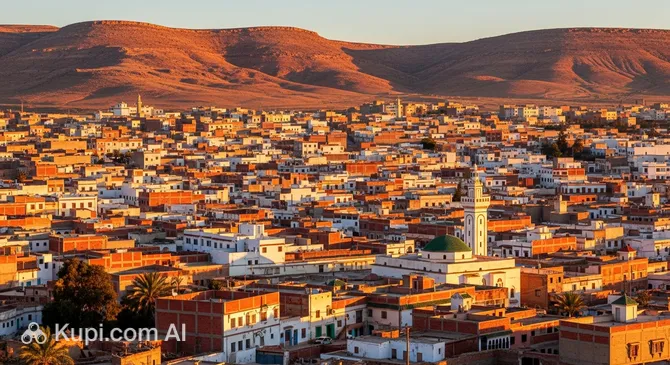
Welcome to El Bayadh, a captivating city that serves as a gateway between the High Plains and the vast Sahara Desert. Located in the Saharan Atlas mountain range of Algeria, this destination offers travelers a unique glimpse into the country's diverse landscapes and cultural heritage. Known for its distinct atmosphere, the city sits at a high altitude, providing crisp mountain air and panoramic views of the surrounding steppes.

Geographically, El Bayadh is situated in a region characterized by its rugged beauty and the abundance of esparto grass, which plays a significant role in the local economy. The climate here is continental, with cool winters often bringing snow to the peaks, and warm, dry summers perfect for exploration. With a population of approximately 85,000 residents, it is a lively provincial capital that maintains a welcoming and authentic charm.

El Bayadh. Source: Kupi.Binoculars

Those wishing to delve into the past should explore the history of El Bayadh, which reveals a tapestry of nomadic traditions and settlement growth. The region is historically significant for its ancient rock carvings, particularly in the surrounding areas, which date back thousands of years and depict the prehistoric life of the Sahara. The city is also renowned for its exquisite craftsmanship, especially its high-quality wool carpets, known as zarabi, which are a testament to the skill of local artisans.

Nature lovers and adventurers will appreciate the proximity to traditional ksour (fortified villages) such as Boussemghoun and Chellala, which offer a fascinating look at traditional architecture adapted to the environment. whether you are interested in prehistoric art, local handicrafts, or simply soaking in the serene mountain atmosphere, El Bayadh invites you to discover a less-traveled but deeply rewarding side of the country.

Weather Overview

The climate in El Bayadh is defined by distinct seasonal changes, influenced by its high-altitude position in the Saharan Atlas mountains. Visitors can generally expect warm to hot summers and cold winters, with clear skies dominating much of the year. To help you pack appropriately for your journey, we recommend checking the detailed weather in El Bayadh.

Summers are typically hot, with July being the peak of the heat, seeing average maximum temperatures of 36.0°C and very few wet days. Conversely, the winter months bring a sharp drop in temperature; January is usually the coldest time, with lows averaging around 0.5°C. Rainfall is sparse overall, though spring sees a slight increase in activity, with March recording the highest frequency of precipitation at approximately 7 wet days.

Interesting Facts

Beyond the scenic landscapes and mountain air, El Bayadh holds several fascinating details that add depth to its character. From its colonial past to its spiritual significance, here are some unique aspects of this high-altitude city:

  • During the French colonial era, the city was known as Géryville. It was established as a military post in the mid-19th century before reclaiming its current name, which translates to "The White One," likely referring to the color of the local soil or the snowy peaks in winter.

  • The region is the home of the renowned Rambi sheep breed. This specific type of livestock is highly adapted to the rugged steppes of the High Plains and is prized throughout the country for its quality, playing a central role in the local agricultural economy.

  • Just a short distance from the city lies the Ksar of Boussemghoun, a site of immense spiritual importance. It is widely recognized as a place where Cheikh Ahmed Tidjani, the founder of the Tijaniyya Sufi order, spent a significant period in meditation and prayer within its ancient walls.

  • El Bayadh is often considered one of the highest provincial capitals in the country. Perched at an elevation of over 1,300 meters, its unique geography creates a distinct microclimate that sets it apart from the typical desert heat found further south.

How to Get There

Reaching El Bayadh is an adventure that takes you through the scenic High Plains of Algeria. The journey typically involves arriving at a major transport hub in a neighboring province and completing the trip by road, allowing you to witness the transition from the coast to the steppes. For a comprehensive guide on routes and transport options, you can read more about how to get to El Bayadh.

One of the primary gateways for travelers is Es Senia Airport (IATA: ORN) located in the city of Oran. Situated approximately 262 km from El Bayadh, this hub handles a significant volume of international and domestic connections. From Oran, a journey by taxi or bus offers a chance to enjoy the changing landscapes, generally taking around 7 hours to reach your final destination in the Saharan Atlas.

Another convenient regional option is Zenata Airport (IATA: TLM) in Tlemcen, located about 271 km away. While it serves fewer passengers than the hub in Oran, it provides a viable alternative for those arriving from specific locations. Travelers choosing this route should also expect a ground transfer time of approximately 7 hours through the picturesque terrain.

For clarity, here is a summary of the main airports that serve as gateways to the region:

Airport Name City Passenger Traffic Km from City
Es Senia Airport Oran Large 262.4
Zenata Airport Tlemcen Medium 270.7
Chlef International Airport Chlef Small 282.1
Noumerate Airport Ghardaia Small 296.9

Main Attractions

While the city of El Bayadh itself serves as a welcoming administrative center, its true allure lies in the spectacular landscapes and historical sites scattered throughout the surrounding province. The region is a treasure trove for those interested in prehistoric history, geology, and traditional Saharan architecture, offering a variety of excursions that showcase the beauty of the Saharan Atlas.

One of the most visually striking destinations in the area is Brezina, often referred to as the "Bride of the Desert." Located south of the main city, this area is famous for its breathtaking rock formations known as the "Gour of Brezina." These towering red sandstone pillars rise dramatically from the sand, creating a cinematic landscape reminiscent of Monument Valley. Visitors can also explore the lush palm grove and the ancient ksar (fortified village) perched on the edge of the cliff, offering a perfect blend of natural wonder and cultural heritage.

For history enthusiasts and spiritual seekers, the Ksar of Boussemghoun is an essential stop. This remarkably well-preserved fortified village is not only an architectural marvel with its labyrinthine alleys and earthen buildings but also a site of great religious significance. It is renowned as the place where Cheikh Ahmed Tidjani, the founder of the Tijaniyya Sufi order, lived and prayed. The ksar remains a living testament to the region's centuries-old traditions and offers a peaceful atmosphere for exploration.

The region is also celebrated as an open-air museum of prehistory, boasting numerous sites of Rock Carvings (Gravures Rupestres). Areas such as El Ghicha contain intricate Neolithic engravings depicting elephants, rhinos, and cattle, providing fascinating insight into a time when this arid landscape was a fertile savanna. A visit to El Ghicha also rewards travelers with its scenic setting, tucked away in a mountain gorge with refreshing springs and small waterfalls.

Another gem in the region is Ksar Chellala, often visited for its historical ambiance and traditional craftsmanship. Like its neighbors, it features the distinctive red-earth architecture of the Saharan Atlas. It is an excellent place to observe the local way of life and see the production of traditional textiles, including the famous carpets of the region, making it a cultural highlight for any itinerary.

Local Cuisine

The local cuisine of El Bayadh is a reflection of its geography and agricultural heritage, offering hearty and flavorful meals designed to sustain locals through the region's distinct seasons. Situated in the heart of the steppe, the city's gastronomy is heavily influenced by pastoral traditions, with a strong emphasis on high-quality meat and dairy products. The food here is unpretentious but deeply satisfying, characterized by generous portions and the warm hospitality of the people.

Given the region's fame for breeding the prized Rambi sheep, it is no surprise that lamb is the star of the table. A culinary highlight for any visitor is Méchoui, a dish consisting of a whole sheep or lamb slow-roasted over a wood fire until the meat is incredibly tender and falls off the bone. Another staple, particularly cherished during the cold winter months, is Mardoud. This traditional dish features large grains of hand-rolled couscous cooked in a rich, spicy red sauce with vegetables, dried meat, or fresh lamb, providing a comforting and warming experience.

When it comes to beverages, the culture in El Bayadh revolves around social interaction and hospitality. Mint tea is ubiquitous, often prepared strong and sweet with a generous layer of foam, served at any time of day to welcome guests. To accompany savory meals, particularly couscous, locals often drink Lban, a refreshing fermented milk that balances the richness of the main dishes. Alcohol is generally not part of the traditional dining scene in this conservative region, so visitors will mostly find coffee shops and tea houses serving as the main social hubs.

Dining in El Bayadh offers an authentic glimpse into local life, far removed from commercialized tourism. The best places to eat are often the casual roadside grills and modest eateries that specialize in fresh barbecue. Here, you can select your cut of meat directly from the butcher counter and have it grilled to perfection before your eyes. For a sweeter taste of the region, local markets offer seasonal treats such as fresh dates from nearby oases or traditional sweets made from semolina and honey, perfect for a quick snack while exploring the city.

Travel Tips

Visiting El Bayadh offers a unique adventure into the heart of Algeria's High Plains, but the region's high altitude and traditional setting require some specific preparation. To ensure your journey through the Saharan Atlas is as smooth and enjoyable as possible, here are some essential practical tips to keep in mind.

  1. Clothing and Gear: Due to the high elevation, the climate varies significantly. In winter, heavy coats, scarves, and gloves are essential as snow is common. In summer, lightweight and breathable fabrics are best, but remember to dress modestly; both men and women should cover their shoulders and knees to respect local customs. sturdy walking shoes are highly recommended for exploring the rocky terrain of nearby ksour.

  2. Transportation: Inside the city, small yellow taxis are the most convenient and affordable way to get around. However, public transport to surrounding attractions like Brezina or Boussemghoun can be infrequent. To fully explore the province's dramatic landscapes, renting a car or hiring a local driver with a vehicle is the most practical option.

  3. Finances: The local economy operates almost entirely on cash using the Algerian Dinar (DZD). International credit cards are rarely accepted in shops or restaurants. It is crucial to withdraw sufficient cash from ATMs, which are available in the city center, and carry smaller denominations for purchases in local markets.

  4. Health and Safety: El Bayadh is a safe and peaceful city, but standard travel precautions apply. Pharmacies are widely available and usually marked with a green cross. As a general rule for travelers in the region, stick to drinking bottled water to avoid any digestive discomfort during your stay.

  5. Communication: While Arabic is the main language, French is widely understood and used in business. English is not commonly spoken outside of specialized tourism circles. It is highly advisable to download an offline translation app and learn a few basic phrases in Arabic or French, such as "Salam" (Hello) and "Merci" (Thank you).

  6. Local Etiquette: The people of the High Plains are known for their hospitality. Greetings are important; a polite handshake (using the right hand) and a friendly demeanor go a long way. If you are invited to share mint tea, accepting is a sign of respect. Always ask for permission before taking photos of locals, especially women.

  7. What to Avoid: Avoid public displays of affection, as the society is conservative. Additionally, refrain from photographing government buildings, police stations, or military checkpoints, as this is strictly prohibited and can lead to legal issues.

  8. Shopping Insight: El Bayadh is famous for its wool craftsmanship. If you visit the weekly market, keep an eye out for the local zarabi (carpets) or traditional woven blankets. These make for authentic souvenirs, and bargaining is a normal and expected part of the buying process.

By keeping these practicalities in mind, you will be well-equipped to navigate the cultural and physical landscape of the region with confidence. Embrace the crisp mountain air and the warm hospitality of the locals, and you are sure to have a memorable experience in this authentic corner of Algeria.

Entertainment & Nightlife

Entertainment and nightlife in El Bayadh offer a distinct departure from the bustling club scenes of Algeria's coastal cities. Here, the "nightlife" is deeply rooted in social interaction, traditional hospitality, and gastronomy rather than western-style nightclubs or bars. As a conservative city in the High Plains, the evening atmosphere is family-oriented and revolves around lively conversations in cafés, late-night dining, and leisurely promenades under the starry desert sky.

The heart of the city's evening activity is undoubtedly the City Center (Centre Ville) and the main boulevards, such as La Grand Rue. After sunset, especially during the warm summer months, these streets come alive with locals enjoying the cool mountain air. The vibe is relaxed yet energetic, with groups of friends gathering to watch football matches on large screens in tea houses or families enjoying ice cream and roasted nuts from street vendors. Travelers should note that alcohol is generally not served in public venues, and the social scene is fueled by strong coffee and sweet mint tea.

For a taste of the local evening culture, you must visit one of the city's popular dining spots. Restaurant Baamar is a local favorite, particularly famous for its grilled meats. It is an excellent place to experience the Algerian tradition of a late dinner, where the smell of charcoal-grilled lamb fills the air and the atmosphere is bustling with hungry patrons. Another spot to soak in the local vibe is Caféteria El Bahia. This establishment serves as a key social hub where locals discuss daily events over endless cups of "press" coffee. For a more casual, perhaps younger crowd, Pizzeria Imma Nutella offers a lively setting to enjoy fast food and observe the local youth culture.

Practical advice for enjoying your nights here includes adjusting your schedule to local time. The streets are most active between 8:00 PM and midnight. The dress code is modest and casual; men typically wear jeans and shirts, while women should dress conservatively to respect local customs. Prices are very affordable compared to the north, with a hearty dinner and drinks costing a fraction of what you would pay in Algiers or Oran. Getting around is easy via the small yellow taxis, which are plentiful and safe to hail at night.

Safety in El Bayadh is generally very high, and the city center is safe for walking in the evening. However, as with any travel destination, it is advisable to stay in well-lit, populated areas and avoid unlit backstreets late at night. If you are staying at a hotel like the Hotel Bournane, the staff can easily call a trusted taxi for you if you wish to venture further afield.

While the nights are for socializing, daytime entertainment in El Bayadh leans towards cultural exploration. Visitors can spend their days exploring the local Museum to learn about the region's prehistoric rock art or browsing the traditional Souk (market) to see local artisans at work. These daytime activities provide the perfect context for the conversations you will likely have with welcoming locals once the sun goes down.

Parks & Museums

El Bayadh and its surrounding province offer a distinct blend of cultural heritage and dramatic natural beauty, serving as a gateway where the high steppes meet the pre-Saharan landscapes. While the city itself is more of an administrative hub, it acts as the perfect base for exploring the region's vast "open-air museums" of prehistoric art and the lush green oases that punctuate the arid terrain.

For those seeking immersion in nature, the Gour of Brezina is undoubtedly the area's most spectacular natural park. Often compared to Monument Valley, this geological wonder features towering red sandstone pillars that rise majestically from the sand. It is a surreal landscape that offers hikers and photographers a chance to walk among ancient formations sculpted by wind and time. Adjacent to these rocky giants lies the Brezina Oasis, a refreshing green haven where hundreds of palm trees create a stark and beautiful contrast against the red cliffs, providing a serene spot for a shaded walk or a picnic.

Another significant natural area is the region around El Ghicha, located to the northeast. This area is not only scenic, nestled within a mountain gorge, but also serves as a sanctuary for local flora and fauna. The landscape here is greener than the southern steppes, featuring natural springs and small waterfalls that attract both locals and visitors looking to escape the desert heat. It is an ideal location for trekking and observing the transition between the Atlas Mountains and the Sahara.

In terms of museums and cultural galleries, El Bayadh is best described as a repository of living history rather than a city of traditional indoor exhibitions. The Rock Carving Sites scattered throughout the province, particularly near El Ghicha and the Djebel Amour, function as vast open-air galleries. These prehistoric engravings, dating back thousands of years, depict elephants, giraffes, and cattle, offering a fascinating window into a time when this region was a fertile savanna. They are considered some of the most important archaeological sites in Algeria.

The Ksar of Boussemghoun also stands as a monumental "living museum" of architecture and spirituality. Unlike a static exhibit, this fortified village allows visitors to walk through centuries-old alleyways and enter traditional earthen homes that have been preserved for generations. As the spiritual home of the Tijaniyya Sufi order, it houses the cell where the order's founder prayed, making it a gallery of Islamic heritage and Maghrebi architectural ingenuity.

For a glimpse into contemporary local culture, the Maison de la Culture in the city center often hosts exhibitions of local craftsmanship and regional art. It is a hub for community events and a good place to inquire about the famous zarabi (carpets) of El Bayadh. These intricate wool carpets are a central part of the city's artistic identity, and seeing them being woven is an authentic cultural experience that rivals any formal museum tour.

Insider Tip: If you have the chance, visit the local Centre de l'Artisanat (Handicraft Center) or a private weaving workshop. The wool from the local Rambi sheep is legendary, and watching the artisans weave complex geometric patterns into the carpets provides a deeper appreciation for the region's intangible cultural heritage.

Getting Around

Navigating El Bayadh is relatively straightforward, as the city is compact and the public transport options are simple but effective for the local scale. Unlike the major coastal metropolises, there is no metro, tramway, or train system operating within the city limits. Instead, the local transport network relies primarily on a fleet of public buses and privately operated minibuses that connect the residential neighborhoods with the city center and administrative districts.

The most common form of mass transit is the bus. These are often smaller vehicles, such as coasters or vans, which are well-suited to the city's streets. They do not typically follow a strict minute-by-minute timetable but rather depart from their terminals once they are full or at regular intervals throughout the day. The destinations are usually displayed on a placard in the front window, written in Arabic. While they are an authentic way to travel with locals, they can get crowded during peak hours in the morning and late afternoon.

For most tourists, the most convenient and comfortable option is the taxi. In El Bayadh, as in many other cities in the region, you will recognize them easily by their yellow color. These "petit taxis" are ubiquitous and can be hailed directly from the street or found at designated stands near major landmarks and markets. They are generally affordable and offer a much faster way to reach specific destinations compared to the bus network. It is common practice for taxis to take individual passengers, but in some contexts, shared rides may occur if heading in the same direction.

Regarding the payment system, cash is the only accepted method. There are no travel cards, digital passes, or mobile apps for ticketing on buses or taxis here. For bus rides, you pay the driver or a conductor ("receveur") upon boarding or exiting; the fare is very low, typically costing a nominal amount of dinars. For taxis, vehicles are equipped with meters ("compteur"), but it is not uncommon for drivers to offer a fixed price for short trips within the city. It is highly advisable to carry small change and coins, as drivers may not always have change for large banknotes.

Travelers should be aware of the operating hours. Public transport is most active from early morning (around 7:00 AM) until the early evening. After sunset, the frequency of buses drops significantly, and by 8:00 PM or 9:00 PM, finding a bus may be difficult. Taxis operate later into the night, but availability decreases. Additionally, on Fridays (the weekly day of rest), service is noticeably reduced, so you should plan your movements accordingly or arrange for private transport.

Given the city's modest size, walking is a viable and pleasant alternative for exploring the city center, especially along the main boulevards where shops and cafes are concentrated. However, for those planning to visit the surrounding attractions or the distant ksour mentioned in travel guides, relying on city transport is not feasible. In these cases, renting a car or hiring a private driver for the day is the recommended approach to ensure flexibility and access to the wider province.

A practical tip for visitors is to maintain local etiquette while using public transport. If you are taking a bus, it is polite to offer your seat to the elderly. While there are no strict segregation rules, people generally try to sit next to members of the same gender when possible out of modesty. If you are unsure about the fare or the route, simply asking "Centre Ville?" (City Center) is usually enough to get helpful direction from the driver or fellow passengers.
Accommodation

Accommodation in El Bayadh is primarily designed to serve practical needs rather than high-end tourism, reflecting the city's status as an authentic provincial capital in the High Plains. Visitors should not expect sprawling luxury resorts or international hotel chains. Instead, the city offers a modest selection of locally run establishments, ranging from budget-friendly guesthouses to mid-range hotels that provide comfortable and clean amenities suitable for a short stay.

The most convenient area for tourists to base themselves is the City Center (Centre Ville). Staying here places you within walking distance of the main markets, the bus stations, and the lively boulevards where evening promenades take place. This central location ensures that restaurants, cafés, and transport options are easily accessible, which is particularly helpful given the limited taxi services late at night. There are also a few options located on the outskirts of the city, offering a quieter atmosphere and often more spacious parking for those traveling with their own vehicles.

For those planning a trip, it is important to note that the booking infrastructure in El Bayadh is quite traditional. While some larger establishments may appear on major online booking platforms, many local hotels still rely on direct reservations via phone or walk-ins. It is highly recommended to book in advance if you are visiting during national holidays or local festivals, as the limited number of rooms can fill up quickly with domestic travelers.

In terms of cost, accommodation in El Bayadh is generally very affordable compared to Algeria's coastal cities. Prices typically fall into the budget to lower mid-range category. Payment is almost exclusively expected in cash (Algerian Dinar), so travelers should ensure they have sufficient funds upon arrival, as credit card facilities at hotel reception desks are rare. Overall, while the options are simple, the hospitality is warm, ensuring a restful stopover in the heart of the Saharan Atlas.

Nearby Cities

El Bayadh is strategically positioned in the High Plains of the Saharan Atlas, serving as a pivotal junction between the north and the deep south of Algeria. Its location allows travelers to experience a diverse range of landscapes, from the grassy steppes to the pre-Saharan ridges. Several significant urban centers are situated within a reasonable driving distance, providing excellent opportunities for day trips or further exploration of the country's rich heritage.

The nearest major neighbor is Laghouat, located approximately 172 km to the east. Often called the "Gateway to the Desert," it offers a striking contrast with its lush palm groves and Saharan architecture. To the north lies Tiaret, about 189 km away, a city celebrated for its equestrian culture and history as the capital of the Rustamid dynasty. For those willing to venture further west, the historic city of Tlemcen awaits roughly 253 km from El Bayadh, renowned for its magnificent Moorish art and Islamic monuments.

Below is a table of nearby cities, detailing their distances and population sizes to assist in planning your journey:

City Distance (km) Population
Laghouat 172 134,372
Tiaret 189 178,915
Sidi Bel Abbes 227 212,935
Djelfa 233 265,833
Tlemcen 253 173,531

Shopping & Souvenirs

Shopping in El Bayadh offers a refreshing departure from the commercialized mega-malls of large metropolises. Here, the retail experience is deeply traditional and authentic, centered around small family-run businesses and bustling open-air markets. Visitors will not find international luxury brands, but rather a rich array of local craftsmanship and daily necessities that reflect the lifestyle of the High Plains. The city is particularly renowned for its artisanal products derived from the region's abundant wool and esparto grass resources.

The primary shopping destinations are concentrated in the City Center (Centre Ville). The main boulevards and the streets radiating from the central squares are lined with a variety of shops selling clothing, fabrics, and household goods. A stroll down La Grand Rue or the areas surrounding the main administrative buildings reveals a lively atmosphere where locals conduct their daily commerce. These streets are best explored on foot, allowing you to browse the storefronts and interact with the friendly shopkeepers.

Unlike the coastal cities of Algeria, El Bayadh does not feature large, modern shopping malls. Instead, the retail landscape is characterized by smaller commercial galleries and arcades known locally as "Kissarias." These multi-story buildings often house dozens of small boutiques specializing in fashion, shoes, and jewelry. They offer a more concentrated shopping experience and are popular spots for local families preparing for weddings or special occasions.

The true heart of commerce in the region is the traditional Souk (market). The weekly market is a vibrant event that attracts vendors and buyers from across the province. Here, you can find everything from fresh seasonal produce and aromatic spices to livestock and hardware. It is a sensory experience filled with the colors of fresh vegetables and the sounds of bargaining. For tourists, the market is an excellent place to observe local culture and find unique items at very affordable prices.

When it comes to souvenirs, El Bayadh is famous for its exceptional wool craftsmanship. The region is home to the Rambi sheep, and the local artisans produce high-quality carpets known as Zarabi. These carpets are prized for their durability and intricate geometric patterns, making them a perfect keepsake. Additionally, you can find traditional woven blankets and the iconic burnous (a traditional wool cloak). Items made from esparto grass (alfa), such as baskets and mats, are also widely available and represent the area's steppe heritage.

Opening hours in the city generally follow a split schedule. Shops typically open around 9:00 AM and close for a midday break from approximately 1:00 PM to 3:00 PM or 4:00 PM, reopening until the evening, usually around 8:00 PM. On Fridays, which is the holy day of rest, most shops and markets are closed, particularly in the morning, though some may open in the late afternoon. It is important to plan your shopping trips accordingly.

Regarding payment, cash is the absolute rule. Credit cards are rarely accepted in shops, markets, or small commercial centers. Visitors should ensure they have sufficient Algerian Dinars (DZD) on hand. ATMs are available in the city center for withdrawals. As for tax-free shopping (VAT refunds), this system is not generally available or operational for tourists in provincial cities like El Bayadh, so the price you see is the final price you pay, although bargaining is common and expected in the souks.

Reached the end of the page?

That means the route is fully explored