Support

Ghardaia

About

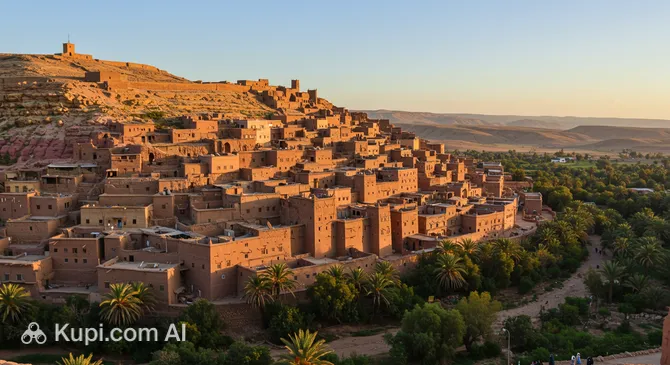
Welcome to Ghardaia, a mesmerizing fortified city located in the M'Zab Valley of northern-central Algeria. Often described as a living museum, this unique destination offers a glimpse into a well-preserved way of life that has thrived in the Sahara Desert for centuries. The city is the capital of the Ghardaïa Province and serves as the principal settlement of the M'Zab pentapolis, a cluster of five historic hilltop cities.

Ghardaia. Source: Kupi.Binoculars

With a population of approximately 120,000 residents, Ghardaia acts as the commercial and social heart of the region. The climate here is typical of the desert, characterized by hot summers and mild winters, which has heavily influenced the local building style. Exploring the history of Ghardaia reveals a fascinating narrative of the Mozabite people, who founded this oasis settlement in the 11th century, creating a harmonious blend of urban utility and spiritual devotion.

The city is part of a UNESCO World Heritage site and is celebrated for its distinctive medieval architecture. Visitors are often captivated by the Old Town (Ksar), a labyrinth of narrow, winding streets designed to provide shade and protection from the harsh sun. At the center lies the vibrant market square, or souk, where travelers can admire intricate local carpets, pottery, and taste the region's famous dates. Whether you are an architecture enthusiast or simply seeking a serene cultural escape, Ghardaia promises an unforgettable journey into the heart of the Sahara.

Weather Overview

Ghardaia features a classic desert climate defined by significant temperature variations between seasons. The weather is generally arid, with clear skies dominating the forecast throughout the year. Summers can be intensely hot, particularly from June to August, while the winter months provide a refreshing respite with much cooler air.

During the peak of summer, especially in July, temperatures often soar, with daily highs exceeding 40°C and averages sitting around 34°C. Winters are far milder; in January, the average temperature drops to approximately 10°C, with nights becoming quite chilly at around 4°C. Rainfall is exceptionally rare, with most months recording negligible precipitation and only one or two wet days at most.

If you are deciding when to visit, it is helpful to review the detailed weather in Ghardaia to ensure you pack appropriately. Overall, you can expect scorching summers with virtually no rain and cool, dry winters perfect for exploring the outdoors.

Interesting Facts

Beyond the stunning visual appeal of its pyramid-shaped layout, Ghardaia holds many architectural and cultural secrets. This fortified city is a masterclass in adaptation, offering fascinating insights into how a community has thrived in the Sahara for nearly a millennium.

  • Modernist Muse: The celebrated architect Le Corbusier visited the M'Zab Valley in the 1930s and was profoundly influenced by its design. The functional simplicity and geometric forms of Ghardaia directly inspired some of his most famous European works, such as the chapel at Ronchamp.

  • Natural Climate Control: The city's narrow, winding streets are not random; they are an ancient engineering feat designed for passive cooling. The layout breaks the force of strong desert winds while the covered passageways trap cool air, keeping the temperature significantly lower than the open desert.

  • The Summer Migration: Historically, the local population practiced a unique seasonal migration within the oasis. To escape the intense heat of the stone city in summer, families would move to "summer residences" located deep within the palm groves, which offer natural shade and a cooler microclimate.

  • Sacred Geometry: The city is built on a strict hierarchical plan. The mosque sits at the very peak of the hill, representing the spiritual center, while the market is placed at the lowest point on the perimeter, symbolizing the separation of the sacred from the material world.

How to Get There

Reaching the M'Zab Valley is a journey into the heart of the Sahara, and for most travelers, air travel is the most efficient method. You can read more about how to get to Ghardaia and plan your specific route on our detailed transport page. The region is well-connected to the capital, Algiers, and other major hubs, making it accessible despite its desert location.

The most convenient entry point is Noumerate Airport (GHA), located directly in Ghardaia, approximately 18.6 km from the city center. Also known as Moufdi Zakaria Airport, it is a small regional facility with an annual passenger traffic of around 46,000. Upon arrival, a taxi ride to the main town or the historic ksour typically takes about 20 to 30 minutes. This is the preferred option for those wishing to avoid long overland transfers.

If direct flights are unavailable, you might consider alternative airports in neighboring cities. Ain Beida Airport (OGX) is located in Ouargla, about 178.6 km away. The transfer from Ouargla involves a drive of roughly 3 to 4 hours across the desert. Another possibility is Oued Irara Airport (HME) in Hassi Messaoud, which is situated 252.6 km from Ghardaia. Although this airport handles more traffic, the journey by taxi or bus to Ghardaia can take upwards of 4.5 hours.

For clarity, here is a summary of the main airports:

Airport Name City Passenger Traffic Km from City
Oued Irara Airport Hassi Messaoud Medium 252.6
Noumerate Airport Ghardaia Small 18.6
Ain Beida Airport Ouargla 178.6

Since there are no railway stations directly serving Ghardaia, visitors arriving at airports in other cities or traveling from the north typically rely on the extensive road network. Long-distance buses and shared taxis are common and affordable ways to navigate the final leg of the trip into the M'Zab Valley.

Main Attractions

The Great Mosque of Ghardaia is the undisputed focal point of the city, perched at the very summit of the hill to symbolize the centrality of spiritual life. Its defining feature is the minaret, a striking structure shaped like an elongated, truncated pyramid that rises above the stone houses. This site is particularly interesting to tourists for its austere and functional architecture, which serves as a masterful example of the unique Mozabite style that has influenced architects worldwide.

Located in the heart of the historic district, the Central Market Square (Rahba) is a vibrant hub of daily life and commerce. Surrounded by shaded arcades, this rectangular plaza offers an authentic glimpse into local culture. It is the perfect destination for visitors looking to purchase the region’s famous handicrafts, especially the intricately woven Mozabite carpets featuring geometric designs, as well as high-quality dates and aromatic spices.

Just a few kilometers from Ghardaia lies Beni Isguen, the most religiously conservative and best-preserved of the five ancient cities in the M'Zab Valley. It is a must-visit for those seeking a deeper understanding of the region's traditions. The city is renowned for its traditional evening auction market, where goods are sold using a ritualistic method that has remained unchanged for centuries, offering a fascinating window into the past.

For a refreshing contrast to the stone architecture, the Ghardaia Palm Grove (Palmeraie) provides a lush, green escape surrounding the fortified city. This vast oasis is not just an agricultural center but a testament to human ingenuity, featuring complex ancient irrigation systems that allow life to flourish in the desert. It is interesting to explore the traditional "summer houses" here, where families historically moved to escape the intense heat of the urban center.

Local Cuisine

The local cuisine of Ghardaia is a delightful reflection of its oasis setting and the enduring traditions of the Mozabite people. Gastronomy here is grounded in the ingredients of the Sahara: wheat, dates, aromatic spices, and livestock adapted to the desert. The food is generally hearty, communal, and deeply tied to the rhythms of agricultural life in the palm groves.

The undisputed star of the table is Couscous, known locally as Ouchou. Unlike versions found in northern Algeria, the Ghardaia variety is often prepared with a rich, flavorful sauce and garnished with seasonal vegetables like pumpkin and carrots. For a truly authentic experience, adventurous travelers should try dishes featuring camel meat, a local specialty prized for its tenderness and lean texture. Another hearty dish to look for is Chakhchoukha, consisting of torn pieces of thin flatbread soaked in a spicy tomato-based stew, often served on special occasions.

No culinary journey in Ghardaia is complete without tasting the region's world-famous dates. The M'Zab Valley produces some of the finest dates in the world, including the translucent Deglet Nour. These are not just snacks but integral ingredients used in various stews and traditional sweets. Visitors can sample these sugary delights fresh from the harvest or incorporated into Maqroud, a semolina pastry filled with date paste and soaked in honey.

When it comes to drinks, Mint Tea is the heartbeat of social interaction. It is served strong, sweet, and hot, often poured from a height to create a frothy foam. You may also encounter Legmi, the sap of the date palm, which is a refreshing, sweet natural juice when served fresh. Regarding alcohol, it is important to note that Ghardaia is a conservative region; alcohol is generally not available in restaurants or the historic fortified cities, as local culture revolves strictly around non-alcoholic beverages.

The food culture in Ghardaia is centered around hospitality and family. While there are small restaurants and eateries, especially in the newer parts of town and within hotels, the most authentic atmosphere is found near the Market Square. Here, the air is thick with the scent of spices like cumin and coriander. Tourists typically dine in local establishments that offer simple, home-style cooking, providing a quiet and respectful environment to enjoy the flavors of the Sahara.

Travel Tips

Visiting Ghardaia is a unique experience that feels like stepping into a living history book, but this conservative desert community operates on social norms that differ significantly from other parts of Algeria. To help you navigate the M'Zab Valley with respect and ease, here are some essential practical tips for your journey.

  1. Clothing and Gear: Modesty is paramount in the M'Zab Valley. Men should wear long trousers and avoid shorts, while women must dress conservatively in loose-fitting clothing that covers arms and legs; carrying a scarf is highly recommended. Since the historic ksour (fortified cities) are built on hills with uneven, rocky paths, sturdy and comfortable walking shoes are a necessity. Don't forget sunglasses and a hat to protect against the intense desert sun.

  2. Transportation: Inside the narrow, winding streets of the old walled cities, walking is the only option, as cars are generally prohibited. For travel between the five cities of the pentapolis or to the airport, yellow taxis are the most convenient and affordable method. Ride-hailing apps are not widely used here, so it is best to flag down a taxi or have your hotel arrange one.

  3. Finances: The local currency is the Algerian Dinar (DZD). Ghardaia is very much a cash-based economy; credit cards are rarely accepted outside of a few high-end hotels. ATMs are available in the modern parts of town, but they can be unreliable with international cards. It is wise to bring sufficient foreign currency (Euros or US Dollars) in cash to exchange at banks or official exchange points upon arrival.

  4. Health and Safety: The region is safe for tourists, but the desert climate poses a risk of dehydration and heatstroke, especially in summer. Always carry bottled water and stay hydrated. Pharmacies, marked with a green cross, are well-stocked and easy to find in the new town areas if you need basic medication or advice.

  5. Communication: The primary languages spoken are Mozabite (a Berber dialect) and Arabic. French is widely understood and used in business/tourism, but English proficiency is limited. It is highly useful to download an offline translation app or learn a few basic phrases in French or Arabic. You can purchase a local SIM card (Mobilis, Djezzy, or Ooredoo) at the airport or in town for reliable mobile data.

  6. Local Etiquette: The people of Ghardaia are hospitable but deeply private. When greeting locals, a polite nod or a hand over the heart is respectful. Public displays of affection are culturally inappropriate and should be avoided. If you are invited into a home or a shop, it is polite to accept a cup of tea, as refusing can be seen as a rejection of hospitality.

  7. What to Avoid: The most critical rule in Ghardaia concerns photography. Never take photos of people without their explicit permission. It is strictly forbidden to photograph Mozabite women; doing so is considered a grave offense. Additionally, avoid smoking, eating, or drinking in public during the daylight hours of Ramadan, as this is disrespectful to the fasting population.

  8. Mandatory Guides: Unlike other cities, you cannot wander the historic residential sectors of the UNESCO-listed ksour alone. Visitors are required to hire an official local guide to enter these areas. These guides are knowledgeable and will ensure you stick to the designated tourist routes, respecting the privacy of the families living there.

By keeping these tips in mind, you will ensure that your visit is not only enjoyable but also culturally sensitive. The residents of Ghardaia are proud of their heritage, and a little respect for their traditions goes a long way in unlocking the warmth and secrets of this fascinating desert oasis.

Entertainment & Nightlife

Travelers expecting a bustling scene of nightclubs, bars, and loud music will find a completely different rhythm in Ghardaia. Due to the deeply conservative and religious nature of the M'Zab Valley, western-style nightlife is non-existent. The sale and consumption of alcohol are strictly prohibited throughout the city, and there are no discos or pubs. Instead, the evening entertainment here is a culturally immersive experience defined by tranquility, social interaction, and the enjoyment of the cooling desert air after a hot day.

The center of evening activity is undoubtedly the Market Square (Rahba) in the heart of Ghardaia. As the sun sets, this area comes alive with locals gathering to socialize. The atmosphere is family-friendly and respectful, dominated by the clinking of glasses in traditional tea houses. Here, you can sit for hours sipping strong, sweet mint tea and observing the slow-paced life of the oasis. It is the perfect setting to engage in quiet conversation and soak in the ancient surroundings under the starlit desert sky.

For a unique cultural spectacle, visitors should head to the neighboring fortified city of Beni Isguen. While the famous auction market typically takes place in the late afternoon, the activity often extends into the early evening. The square here is a hub of tradition where you can witness the community coming together. Afterward, a walk through the nearby Palmeraie (Palm Grove) offers a serene escape. Many locals retreat to these lush gardens at night to enjoy the natural coolness, making it a safe and pleasant area for a peaceful evening stroll.

Practical advice for enjoying evenings in Ghardaia revolves around respect and modesty. The best time to go out is immediately after sunset. Dress codes remain conservative even at night; men should wear long trousers, and women should dress modestly. Since there are no "opening hours" for clubs, the city generally quiets down relatively early, around 10:00 PM or 11:00 PM. For transportation, yellow taxis are the most reliable way to get between the palm groves and the city center, as walking between districts in the dark can be disorienting due to the complex street layouts.

Safety is not a major concern in terms of crime, as Ghardaia is one of the safest places in the region. However, visitors should be mindful of local customs. Walking alone late at night in the narrow, unlit alleyways of the old ksour is not recommended, simply because it is easy to get lost and it may intrude on the privacy of residents. It is always best to stay in well-lit public squares or near your accommodation. If you need to return to your hotel late, asking a restaurant or shop owner to call a taxi for you is common practice.

During the daylight hours, entertainment is focused on exploring the rich heritage of the valley. Visitors spend their time touring the five fortified cities, visiting the M'Zab Valley Museum to understand the local history, or admiring the unique architecture of the mosques and homes. While there are no amusement parks or theaters in the western sense, the sheer visual spectacle of the city serves as an open-air museum that captivates tourists throughout the day.

Parks & Museums

While Ghardaia itself is often described as a living open-air museum, the city and its surrounding valley offer specific green spaces and cultural institutions that provide a deeper understanding of life in the Sahara. The contrast between the arid stone architecture of the fortified cities and the lush greenery of the oases creates a unique environment for exploration, while local museums preserve the rich heritage of the M'Zab Valley.

The most significant natural area is the vast Ghardaia Palmeraie (Palm Grove). This sprawling oasis functions as the city's "green lung," containing hundreds of thousands of date palms that provide essential shade and produce the region's famous fruit. Unlike a typical recreational park, this is a working agricultural landscape where you can walk along ancient irrigation channels (seguias) and see the traditional summer houses where locals historically retreated to escape the heat. It is a serene place to observe the ingenious water management systems that have allowed civilization to flourish here for centuries.

For a more contemporary experience, visit the Parc de Tafilalet within the eco-city of Tafilalt, located atop a hill overlooking the valley. This award-winning project is a model of sustainable development, blending traditional Mozabite architecture with modern ecological practices. The park features terraced gardens, a small zoo with local desert animals, and panoramic viewpoints that offer some of the best photo opportunities of Ghardaia and Beni Isguen. It is a favorite spot for families and those interested in how the region is adapting its ancient heritage for the future.

To understand the material culture of the region, a visit to the Museum of the M'Zab Valley (Musée Folklorique) is essential. Located in the city center, this museum houses a fascinating collection of local artifacts, including the region's distinct geometric carpets, traditional pottery, and copperware. The exhibits offer insight into the domestic life of the Mozabites, showcasing tools, clothing, and manuscripts that narrate the history of the Ibadite community from its founding to the present day.

Beyond the walls of a traditional building, the fortified city of Beni Isguen serves as an immersive museum experience. Often considered the most traditional of the five cities, it requires a guide to enter, but the experience is unparalleled. Visitors can explore the Bordj Cheikh El Hadj, a watchtower that has been converted into a small museum and lookout point. From the top, you gain a clear understanding of the defensive layout of the pentapolis, while the structure itself displays weaponry and historical items related to the city's protection.

For an authentic insider experience, venture about 50 kilometers south to the Sebseb Dunes. While not a park in the city, this area offers a pristine natural desert environment that contrasts with the rocky landscape of the M'Zab Valley. It is the perfect location for a "gaada"—a traditional desert picnic on the sand—where you can enjoy mint tea and local bread cooked in the embers under the vast Saharan sky.

Getting Around

Navigating the unique landscape of Ghardaia requires a shift in expectations, as the city does not possess a complex modern public transport network like a metro, tram, or trolleybus system. Instead, the transport infrastructure is entirely road-based, designed to connect the modern districts with the five historic fortified cities (ksour) that make up the M'Zab Valley. For tourists, the system is simple, informal, and relies heavily on taxis and walking.

The most common form of public transport for locals is the bus and minibus network. These vehicles operate on fixed routes connecting the main downtown area with neighboring towns and the entrances of the various ksour. While they are an authentic way to travel, they can be crowded and schedules are often irregular, with vehicles departing only when full. There are no designated travel cards or mobile apps for these services; payment is strictly in cash, and you simply pay the driver or conductor a small fare upon boarding.

For visitors, yellow taxis are the most practical and efficient way to move between the different settlements of the valley, such as traveling from Ghardaia to Beni Isguen or Melika. You can easily flag them down on the main roads or find them waiting at designated stands near market squares. Taxis here operate as both private hires and "collective" taxis (shared rides), where the driver picks up multiple passengers going in the same direction. Prices are very affordable, but it is advisable to carry small change in the local currency.

A crucial feature of transport in Ghardaia is the restriction on motorized vehicles within the historic districts. The ancient streets of the ksour are extremely narrow, winding, and often stepped, making them inaccessible to cars. Once a taxi drops you off at the main gate of a fortified city, walking becomes the only mode of transport. You may occasionally see donkeys being used to transport goods or collect refuse, which is a traditional solution to the architectural constraints of the medieval city layout.

Regarding payment and tickets, the system is entirely cash-based. There are no ticket machines, validators, or electronic passes. Whether you are taking a bus or a taxi, you should always have cash on hand. Fares are generally negligible by international standards. Transport services run throughout the day, but availability drops significantly after sunset, especially following the evening prayer. If you plan to stay out late, it is recommended to arrange a ride back with a taxi driver beforehand.

Alternatives like car-sharing apps or bike rentals are not widely available or practical in this region. While renting a car is possible at the airport or in the new town, it is generally discouraged for exploring the valley itself due to the lack of parking and the confusing layout of the roads surrounding the old cities. For a stress-free experience, relying on the plentiful yellow taxis and your own two feet is the best way to explore this desert oasis.

Accommodation

Accommodation in Ghardaia is quite distinct from typical tourist destinations, reflecting the region's strong cultural heritage and desert environment. Visitors will not find high-rise international hotel chains here. Instead, the city offers a range of options from standard mid-range hotels to traditional guesthouses known as "residences." These traditional lodgings are often converted family homes or summer houses, offering an authentic experience with local architecture, interior courtyards, and simple but comfortable amenities.

The most popular and atmospheric area to stay is the Palmeraie (Palm Grove). Lodgings located here provide a serene escape shaded by thousands of date palms, allowing guests to experience the traditional "summer life" of the valley. These guesthouses are typically quiet, enclosed within high walls, and offer a deep sense of privacy. For travelers prioritizing convenience, the New Town or the modern administrative districts outside the historic fortified cities offer conventional hotels with easier access to banks, transport hubs, and restaurants.

When planning a trip to Algeria and specifically the M'Zab Valley, it is important to note that the booking process can be old-fashioned. While some hotels are listed on international booking platforms, many of the best traditional guesthouses rely on direct contact via phone, email, or social media pages. It is highly advisable to book your accommodation well in advance, particularly during the winter months and national holidays, as the best residences fill up quickly.

In terms of pricing, Ghardaia is generally affordable. Options range from budget-friendly rooms to mid-range prices for more exclusive traditional houses. "Luxury" here is defined less by star ratings and more by the beauty of the architecture, the quality of the gardens, and the warmth of the hospitality. Be prepared to pay in cash (Algerian Dinar) upon arrival, as credit card terminals are rare in smaller establishments and guesthouses.

Nearby Cities

For those looking to explore the surroundings, Ghardaia serves as an excellent base for day trips to several interesting nearby locations:

City Population Distance (km)
Djelfa 265833 244
Biskra 204661 325
M'Sila 150000 367
El Oued 134699 315
Laghouat 134372 163

Among these, Laghouat is the most accessible destination for a comfortable trip, located approximately 163 kilometers to the north. Known as the "Garden of the Sahara," it offers a lush contrast to the rocky M'Zab valley with its extensive palm groves and fruit gardens. Visitors can explore the historic Old Town and admire the unique local carpets, which are highly prized in Algeria. A short distance away lies Aïn Madhi, the birthplace of the celebrated Sufi mystic Ahmed Tijani and the spiritual center of the Tijaniyya order, attracting pilgrims and history enthusiasts alike.

For travelers willing to venture further, El Oued presents a striking architectural spectacle about 315 kilometers away. Often called the "City of a Thousand Domes," it is famous for its unique construction style where nearly every building is topped with a cupola to prevent sand accumulation. This city offers a deep dive into the culture of the Souf region, featuring vibrant markets and a sea of golden sand dunes right at the city's edge.

Another interesting option is Djelfa, situated in the steppe region connecting the north and the south. It provides a different landscape characterized by pine forests and cooler temperatures. The area is renowned for its prehistoric rock carvings, some of which date back thousands of years, making it a fascinating stop for those interested in ancient North African heritage.

These nearby destinations offer a glimpse into the diverse culture and landscapes of the region.

Shopping & Souvenirs

Shopping in Ghardaia is less about browsing international brands and more about immersing yourself in a centuries-old tradition of commerce and craftsmanship. The city does not offer the high-end retail experience found in modern capitals; instead, it invites visitors to explore vibrant marketplaces where the goods reflect the rich heritage of the M'Zab Valley. The shopping scene here is authentic, centered around local artisans, fresh produce from the oasis, and unique cultural artifacts that make for meaningful keepsakes.

The primary shopping destination is the Market Square (Rahba), located in the heart of the old fortified city. This rectangular plaza, surrounded by shaded arcades, serves as the commercial and social hub of Ghardaia. Here, you will find a labyrinth of small shops and stalls tucked into the ancient stone architecture. It is the best place to find traditional clothing, spices, and household goods while observing the daily rhythm of local life.

Travelers looking for modern shopping complexes or large department stores will not find them here. Ghardaia does not have Western-style shopping malls. The retail environment is dominated by independent family-owned businesses and small boutiques. In the newer districts outside the historic walls, you may find some modern shops selling electronics and general merchandise, but the charm of shopping in this region lies strictly within the traditional souks.

Markets are the soul of the city's commerce. Beyond the central Rahba in Ghardaia, the fortified city of Beni Isguen offers a unique shopping experience that is a tourist attraction in itself. It is famous for its traditional auction market, which typically takes place in the late afternoon. Locals gather in the town square to bid on various items, ranging from antiques to handmade goods, in a ritual that has remained unchanged for generations. It is a fascinating spectacle, even if you do not plan to buy anything.

When it comes to souvenirs, the region is renowned for its exceptional craftsmanship. The most prized items are the Mozabite carpets, known for their high quality, heavy wool, and distinctive geometric patterns that tell stories of local symbolism. Another essential purchase is a box of dates; the local Deglet Nour variety is often cited as the best in the world. Visitors also frequently buy traditional copperware, pottery, and locally woven textiles such as the haik or heavy wool burnous.

Opening hours in Ghardaia are heavily influenced by the desert climate and religious customs. Shops generally open around 8:00 AM or 9:00 AM but close for a long break during the hottest part of the day, typically from 1:00 PM to 4:00 PM. They reopen in the late afternoon and stay open until evening. Importantly, Friday is the holy day, and most businesses in the historic districts will be closed or have very limited hours. Payment is almost exclusively in cash (Algerian Dinar). Credit cards are rarely accepted in the souks or small shops, so it is essential to carry sufficient local currency.

Regarding tax-free shopping, Algeria does not typically offer a VAT refund system for tourists comparable to those in Europe. Prices in the markets are generally fixed for small items, but polite bargaining is often expected and accepted when purchasing higher-value goods like carpets or handicrafts. Always approach negotiations with a smile and respect for the merchant.
Reached the end of the page?

That means the route is fully explored