Support

Hassi Messaoud

About

Hassi Messaoud is a fascinating city known primarily as the heart of the oil industry in Algeria. Located in the Ouargla Province, this city stands as a testament to modern development amidst the vast, golden sands of the Sahara Desert. It offers a unique glimpse into a vital economic hub surrounded by dramatic desert landscapes, distinct from the coastal towns of the north.

Originally just a water well frequented by nomads, the city's destiny changed forever with the discovery of oil in 1956. You can learn more about this rapid transformation in the history of Hassi Messaoud. Today, with a population of over 45,000 residents, the city endures a hot desert climate, characterized by scorching summers and mild winters, making the cooler months the most comfortable time for a visit.
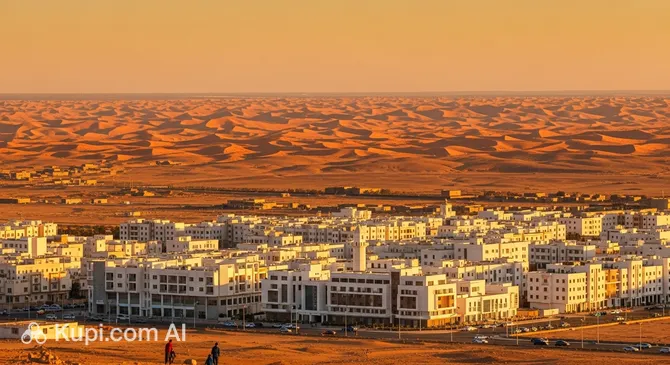
Hassi Messaoud. Source: Kupi.Binoculars

While it is primarily an industrial center, the city possesses its own unique charm for the intrepid traveler. The most significant landmark is the historic Well of Messaoud, the original water source after which the city is named, serving as a reminder of its humble beginnings. Surrounding the urban area, the endless dunes of the Grand Erg Oriental offer breathtaking views and opportunities for desert excursions. The stark contrast between the high-tech infrastructure and the timeless silence of the Sahara creates a truly surreal atmosphere.

Whether you are passing through on a deeper desert expedition or are interested in the industrial heartbeat of the region, Hassi Messaoud provides a distinct experience. It is a place where the resilience of nature and human ingenuity meet under the bright desert sun, welcoming visitors to explore a different side of the country.

Weather Overview

Hassi Messaoud features a classic arid desert climate, defined by intense heat during the summer months and mild, pleasant conditions in the winter. Visitors should prepare for scorching temperatures from June to August, where the average daily highs peak at around 43.0°C in July, making midday outdoor activities challenging.

In contrast, the cooler season offers a much more comfortable environment for exploration. January is typically the coldest month, with average temperatures hovering around 11.2°C and nighttime lows dropping to approximately 4.8°C. Rainfall is exceptionally rare throughout the year, so you can generally expect dry days and clear, sunny skies regardless of when you visit.

For a deeper look at seasonal trends to help plan your packing list, check the detailed forecast for the weather in Hassi Messaoud. The transitional months of spring and autumn often provide the best balance of warmth and comfort for travelers.

Interesting Facts

Beyond the industrial skyline and the vast dunes, Hassi Messaoud holds several fascinating secrets that reveal its unique character and geological significance.

  • A hidden ocean beneath the sand: Paradoxically, this arid city sits atop the Albian Aquifer, one of the largest underground freshwater reserves in the world. While the surface is bone-dry, deep geological layers contain fossil water that is millions of years old, which is crucial for supporting both the local population and industrial operations.

  • The "City of Bases": Unlike typical municipalities, Hassi Messaoud is distinctively structured around numerous "Life Bases" or living compounds. These gated communities are designed to be self-sufficient oases for workers, often featuring swimming pools, lush gardens, and recreational facilities that stand in stark contrast to the harsh desert environment outside their walls.

  • A specific date of origin: While the oil boom began in the 1950s, the city's namesake well was actually dug much earlier, in 1917. It was established by a nomad named Rouabah Messaoud to provide water for caravans crossing the Sahara, long before geologists realized the immense wealth lying beneath the surface.

  • A Super-Giant classification: The oil field here is not merely large; it is geologically classified as a "Super-Giant" field. Discovered at a depth of over 3,300 meters, it remains one of the most significant hydrocarbon deposits on the African continent, influencing global energy markets for decades.

How to Get There

Due to its location deep within the Sahara Desert, air travel is the most practical and common method for reaching the city. While the road network connects it to the north, the distances are vast, making flights the preferred choice for most visitors. For a comprehensive overview of all transport options and routes, you can read more about how to get to Hassi Messaoud.

The primary gateway is the local Oued Irara Airport (IATA: HME), also known as Krim Belkacem Airport. It is conveniently located just 7.7 km from the city center. Given its proximity, a taxi ride to the downtown area is quick, typically taking approximately 15 to 20 minutes depending on traffic and security checkpoints. This airport serves as a major hub for the region, handling a significant volume of passenger traffic annually, reflecting the city's industrial importance.

An alternative option is to fly into Ain Beida Airport (IATA: OGX), located in the nearby city of Ouargla. This airport is approximately 66.3 km away from Hassi Messaoud. While it offers another point of entry, travelers should account for additional ground travel time; a taxi or bus transfer from Ouargla to Hassi Messaoud generally takes 1 hour to 1 hour 15 minutes.

For clarity, here is a summary of the main airports:

Airport Name City Passenger Traffic Km from City
Oued Irara Airport Hassi Messaoud Medium 7.7
Guemar Airport El Oued Medium 212.0
Noumerate Airport Ghardaia Small 227.5
Ain Beida Airport Ouargla - 66.3

Main Attractions

While Hassi Messaoud is primarily recognized as an industrial powerhouse rather than a traditional holiday destination, it offers a unique set of attractions for those who venture into this part of the Sahara in Algeria. The city serves as a fascinating example of human adaptation to extreme environments, where modern technology meets the timeless desert. Visitors here are typically those interested in industrial history, geology, or desert expeditions.

The most iconic site in the city is the Historic Well of Hassi Messaoud (Bir Messaoud). Located centrally, this simple water source is the city's namesake and serves as its symbolic heart. Before the discovery of oil transformed the region, this well was a crucial lifeline for caravans crossing the arid landscape. Visiting this landmark offers a moment of reflection on the city's humble origins compared to its current status as a bustling energy giant.

Surrounding the urban area is the majestic Grand Erg Oriental, a vast field of sand dunes that stretches across the eastern part of the country. For nature lovers and adventure seekers, Hassi Messaoud serves as a gateway to this stunning natural wonder. Excursions into the dunes, whether by 4x4 vehicle or on camelback, allow tourists to experience the profound silence and breathtaking sunsets of the Sahara, offering a stark contrast to the industrial activity of the city center.

Another point of interest is the unique urban structure of the Life Bases. Unlike typical cities, much of Hassi Messaoud is organized into self-contained living compounds designed for oil company workers. These "bases" act like modern oases, often featuring lush gardens and pools behind their walls, standing out against the desert backdrop. While access to the interior of these private compounds is often restricted, observing this distinct architectural layout provides insight into the lifestyle within this major energy town.

Local Cuisine

The culinary scene in Hassi Messaoud offers a flavorful journey into the heart of the Sahara, where traditional Algerian recipes meet the hearty, sustaining diet of the desert. While the city is modern, the local food culture remains deeply rooted in the traditions of the Ouargla region. Visitors can expect meals that are rich in spices, centered around grains and high-quality meats, designed to provide energy for the arid climate.

One of the must-try dishes in this region is Chakhchoukha. This savory meal consists of torn pieces of thin, unleavened flatbread soaked in a robust, spicy tomato-based stew, typically cooked with lamb and chickpeas. It is a favorite for celebrations and family gatherings. Of course, no visit to Algeria is complete without tasting Couscous. In the south, it is often prepared with a generous serving of vegetables and tender lamb or chicken, seasoned with a specific blend of desert spices that distinguishes it from the versions found in the north.

For the adventurous eater, Hassi Messaoud provides the opportunity to taste Camel Meat. Considered a local delicacy, it is lean and healthy, often served as steaks or stewed until tender. If you prefer something more familiar, the city is dotted with grill houses serving Mechoui—whole roasted lamb or skewered meats seasoned simply with salt and cumin, cooking slowly over charcoal to achieve a smoky, succulent flavor.

The dining experience is incomplete without the region's signature beverage: Mint Tea. Served hot, sweet, and frothy, it is a symbol of hospitality and is consumed throughout the day, often accompanying a conversation or closing a meal. Alongside tea, you will find an abundance of high-quality dates, particularly the famous Deglet Nour variety grown in the nearby oases. These honey-sweet fruits are a staple snack and are often served to guests as a welcoming gesture.

In terms of dining venues, the city offers a mix of casual eateries and hotel restaurants. While the expatriate "Life Bases" often have their own international catering, the town center is where you will find authentic local flavors. Small restaurants and street-side grills are popular among locals for a quick and satisfying meal. The atmosphere is generally informal and communal, reflecting the warm and welcoming nature of the Saharan people.

Travel Tips

Visiting Hassi Messaoud offers a unique perspective on life in the Algerian Sahara, but navigating this industrial oasis requires some specific preparation compared to typical tourist destinations. These practical tips are designed to help you adapt to the desert environment and local customs, ensuring a comfortable and hassle-free stay.

  1. Clothing and Gear: Given the desert climate, pack loose-fitting, breathable clothing made of natural fibers like cotton or linen to handle the heat. Long sleeves and pants are recommended not only for sun protection but also to respect local conservative dress codes. Since desert temperatures can drop significantly at night, especially in winter, bring a warm jacket or layers. Don't forget high-quality sunglasses, a wide-brimmed hat, and a universal travel adapter (Type C or F) for your electronics.

  2. Transportation: The most convenient way to get around Hassi Messaoud is by taxi. Yellow taxis are plentiful and relatively inexpensive; however, it is advisable to agree on the fare before starting your journey if the meter is not used. While there is a bus network, it can be crowded and confusing for visitors. Car rental is available but often requires a driver, which is recommended for navigating the desert terrain safely.

  3. Finances: The local currency is the Algerian Dinar (DZD). Algeria is predominantly a cash-based society, and credit cards are rarely accepted outside of major hotels or airport facilities. It is crucial to carry sufficient cash for daily expenses like food, transport, and small purchases. ATMs are available in the city center, but it is wise to exchange some money upon arrival at the airport or at a bank.

  4. Health and Safety: Pharmacies are marked with a green cross and are generally well-stocked with basic medications, though you should bring specific prescriptions with you. Due to the extreme heat, dehydration is a real risk; always carry and drink plenty of bottled water. Avoid drinking tap water unless you are sure it is filtered. As an industrial zone, certain areas may be restricted; always observe safety signs and stay within authorized public areas.

  5. Communication: The primary languages are Arabic and the local dialect, though French is widely used in business and commerce. English is spoken within the international oil community but is less common among the general public, so learning a few basic phrases in French or Arabic (like Salam for hello and Shukran for thank you) is very helpful. Buying a local SIM card (Mobilis, Djezzy, or Ooredoo) is highly recommended for reliable internet access.

  6. Local Etiquette: Hassi Messaoud is a conservative city. Always greet people with a polite handshake (using your right hand) and a smile. Public displays of affection are frowned upon and should be avoided. When invited into a home or a private space, it is customary to remove your shoes at the entrance unless told otherwise.

  7. What to Avoid: Strictly avoid taking photographs of government buildings, police or military personnel, and industrial installations (oil rigs, refineries). This is considered a serious security breach. Always ask for permission before taking photos of local residents, especially women.

  8. Weekly Schedule: Keep in mind that the weekend in Algeria falls on Friday and Saturday. Friday is the holy day of prayer, meaning many shops, banks, and businesses will be closed or have limited operating hours, particularly around midday prayers. Plan your shopping and errands accordingly.

By keeping these practicalities in mind, you can focus on experiencing the distinct character of Hassi Messaoud without unexpected surprises. Whether you are there for business or to witness the grandeur of the Sahara, a respectful and prepared approach will ensure you receive a warm welcome from the locals.

Entertainment & Nightlife

Entertainment and nightlife in Hassi Messaoud offer a distinct experience that reflects the city's unique identity as an industrial desert hub and a traditional community. Unlike the vibrant clubbing scenes found in coastal metropolises or Western capitals, the evening atmosphere here is subdued, relaxed, and centered around socializing, dining, and enjoying the respite from the daytime heat. The nightlife is primarily defined by lively conversations in tea houses, late-night dining in restaurants, and the amenities provided within major hotels.

For the general visitor, the most authentic way to experience the local evening culture is to visit the bustling cafés in the City Center. As the sun sets and the temperature drops, these venues fill up with locals enjoying strong coffee or sweet mint tea. The atmosphere is casual and communal, often dominated by men watching football matches or discussing daily affairs. It is a great place to soak in the local vibe, though travelers should be aware that these traditional spots do not serve alcohol.

If you are looking for a more international style of entertainment or a place to enjoy a quiet dinner in a sophisticated setting, the city's top hotels are the main destinations. Establishments like Hotel Le Tassili are not just for sleeping; they often serve as social hubs for expatriates and business travelers. Their restaurants and lounges provide a comfortable environment where the dress code is typically smart-casual. Another prominent venue is Hotel Zaid, known for its hospitality and dining facilities, offering a safe and polished atmosphere for an evening meal.

For those interested in the culinary side of the night, the streets around the downtown area come alive with the scent of grilled meats. Small eateries and grill houses stay open late, serving mechoui (roasted lamb) and skewers. This "street food" scene is a safe and affordable way to enjoy the night, with average meals costing very little compared to international standards. While there are no Western-style nightclubs or discos open to the general public, the private "Life Bases" where oil workers reside often have their own recreational clubs, though these are strictly restricted to residents and authorized personnel.

Regarding safety and logistics, Hassi Messaoud is generally safe for evening walks in well-lit, populated areas like the main commercial streets. However, it is advisable to use taxis for getting around at night, especially if you are returning to your hotel from a restaurant. Taxis are plentiful and can be hailed on the street or arranged by your hotel reception. Prices are reasonable, but it is always good practice to agree on the fare beforehand.

During the day, entertainment options are more limited but offer a glimpse into local life. While the city lacks large amusement parks or famous museums, visitors can explore the local souqs (markets) to shop for traditional desert crafts, rugs, and dates. These markets are vibrant spots to visit before the afternoon heat peaks, offering a sharp contrast to the quiet, star-filled serenity that blankets the city after dark.

Parks & Museums

While Hassi Messaoud is primarily known as an industrial powerhouse, its landscape offers a unique blend of man-made structures and the raw, breathtaking beauty of the surrounding Sahara. The city may not abound with traditional lush gardens found in the north of Algeria, but it surprises visitors with its well-maintained urban oases and the vast, open-air "museum" of its geological history.

For those seeking a connection with nature, the Grand Erg Oriental serves as the region's most magnificent natural playground. Stretching endlessly around the urban center, this sea of golden sand dunes offers a stark but mesmerizing contrast to the modern industrial infrastructure. It is the perfect location for desert excursions, where the shifting sands create a new landscape every day, and the sunsets paint the sky in vivid hues of orange and violet, emphasizing the solitude of the desert against the bustle of the city.

Within the city limits, visitors looking to escape the desert heat often flock to Hassi Aqua. This recreational center and swimming pool complex is a favorite spot for families and locals, providing a refreshing respite. It stands as a modern oasis where visitors can cool off and relax, offering a lively atmosphere that is particularly welcome during the scorching summer months.

In terms of cultural heritage, the city's history is best reflected in the Historic Well of Hassi Messaoud (Bir Messaoud). More than just a monument, this site functions as an open-air exhibit preserving the memory of the city's origins. It was here in 1917 that the nomad Rouabah Messaoud dug the well that would eventually give the city its name. Visiting this site allows tourists to touch the very roots of the region's history, bridging the gap between its nomadic past and its petroleum-rich present.

For history enthusiasts willing to venture further afield, the remnants of the old French Fort (Bordj) are located in the surrounding desert, well outside the immediate town center. Though largely in ruins, these remains offer a silent testimony to the colonial era and the strategic importance of this desert outpost long before the oil boom transformed the landscape.

Architecturally, the city is dotted with mosques that stand as landmarks of spiritual life, such as the Mosque Bilal Ben Rabah. Its distinct architecture features traditional Saharan design elements intended to keep the interior cool. For a truly authentic experience, look beyond the buildings and join a local guide for a "thé à la menthe" (mint tea) ceremony on the dunes at twilight. As the stars begin to fill the unpolluted night sky, you will experience the profound silence and hospitality that define the true spirit of the Algerian Sahara.

Getting Around

The public transport system in Hassi Messaoud is straightforward and functional, designed primarily to serve the local workforce and residents of this compact industrial city. Unlike larger metropolitan areas, there is no metro, tram, or train network within the city limits. Instead, the transportation infrastructure relies entirely on road-based options, specifically taxis and buses, which navigate the grid-like streets and connect the downtown area with the various residential districts and oil bases.

For most visitors, taxis are the most practical and efficient way to get around. You will easily recognize them by their yellow color. There are generally two types of service available: "individual" rides (course), where you hire the entire vehicle for a specific destination, and "shared" taxis (collective), which pick up multiple passengers heading in the same direction along fixed routes. Shared taxis are significantly cheaper and offer a chance to interact with locals, while private hires provide air-conditioned comfort and direct service, which is highly valuable during the hot summer months.

The city also operates a network of public buses and privately owned minibuses. These are the most affordable mode of transport, costing a nominal amount. However, they can be crowded and their schedules are not always strictly adhered to, often waiting until the vehicle is full before departing. While useful for short hops within the city center, they may be confusing for a first-time visitor unfamiliar with the local landmarks and neighborhood names.

Regarding payment, the system in Hassi Messaoud is entirely cash-based. There are no travel cards, digital passes, or mobile ticketing apps for public transit here. Fares must be paid directly to the driver in local currency. It is essential to carry small change and coins, as drivers may not always have change for large banknotes. For taxis, while some have meters, it is common practice to agree on a fixed fare before starting your journey to avoid any misunderstandings.

Car rentals are available and serve as a popular alternative for those who prefer independence, especially given the vast distances between the city and the surrounding desert attractions. However, due to the challenging driving conditions of the Sahara and the specific regulations within industrial zones, many travelers opt to hire a car with a local driver. This ensures safe navigation and eliminates the stress of finding parking or managing routes in the heat.

A few practical tips will help ensure a smooth experience. Public transport generally operates from early morning until the evening, but services drop off significantly after sunset. If you plan to be out late, ensure you have the number of a reliable taxi service or arrange transport in advance. Additionally, given the extreme daytime temperatures, avoid waiting at bus stops during the midday peak; opting for a taxi or a pre-arranged transfer is much safer and more comfortable.

Accommodation

Accommodation in Hassi Messaoud is distinct from typical tourist destinations in Algeria, as it is primarily tailored to meet the needs of business travelers and professionals working in the oil and gas industry. Consequently, the options largely consist of well-equipped hotels that prioritize security, comfort, and functionality. Visitors will generally find a range of establishments from functional mid-range hotels to more upscale venues that offer amenities such as swimming pools, conference centers, and international dining options to cater to expatriates and corporate guests.

When choosing where to stay, the City Center is often the most convenient area for travelers who wish to have easy access to local shops, markets, and restaurants. Staying centrally allows for a glimpse into the daily life of the city beyond the industrial zones. Alternatively, some larger hotels are located closer to the outskirts or along the main road leading to Oued Irara Airport, offering a quieter environment and easier logistics for those with early flights or business meetings at the various industrial bases.

Among the most well-known establishments is Hotel Le Tassili, which is frequently cited as a top choice for international visitors. It is renowned for its high standards of service, offering a comfortable retreat from the desert heat with its air-conditioned rooms and leisure facilities. Another notable option is Hotel Zaid, which provides a balance of comfort and hospitality suitable for both short and long-term stays. These hotels often serve as social hubs in the evenings, providing a secure and relaxed atmosphere for dining and networking.

Booking Tip: Due to the constant flow of corporate travelers and the cyclical nature of industry shifts, hotels can fill up quickly. It is highly advisable to book your accommodation well in advance of your arrival. Furthermore, having a confirmed hotel reservation is often a requisite for visa applications or security checks when entering the region.

In terms of pricing, accommodation in Hassi Messaoud can be slightly more expensive than in other non-coastal Algerian cities due to the business-focused clientele. Prices generally fall into the mid-to-high range. While major hotels accept reservations via international online booking platforms, some smaller or locally-run establishments may require direct contact via phone or email. It is also prudent to confirm whether your chosen hotel accepts credit cards, as cash payment in Algerian Dinars is sometimes preferred for incidental services.

Nearby Cities

For those looking to explore the surroundings, Hassi Messaoud serves as an excellent base for day trips to several interesting nearby locations:

City Population Distance (km)
Batna 290,645 427
Djelfa 265,833 421
Biskra 204,661 351
El Oued 134,699 199
Laghouat 134,372 380

Among these destinations, El Oued stands out as the most accessible and visually unique option for a shorter excursion. Known as the "City of a Thousand Domes," it is famous for its distinct architecture where nearly every building is capped with a dome to reflect the intense desert sun. Located in the Souf region, it offers a vibrant market culture and a chance to see how locals have adapted their homes to the sandy environment, making it a photographer's paradise.

Further north lies Biskra, often celebrated as the "Queen of the Zibans." It serves as a historic gateway between the north and the deep Sahara. Famous for producing the highest quality Deglet Nour dates, Biskra offers lush palm groves and thermal baths that have attracted visitors for centuries. It provides a greener, more agricultural contrast to the industrial landscape of Hassi Messaoud.

Another fascinating stop is Laghouat, an oasis town that has historically served as a meeting point for nomads and traders. It is known for its gardens and the preservation of traditional Saharan culture. While the journey is longer, the town offers a deep dive into the heritage of the region, featuring historic architecture and a slower pace of life.

These nearby destinations offer a glimpse into the diverse culture and landscapes of the region.

Shopping & Souvenirs

Shopping in Hassi Messaoud offers a unique experience that reflects its identity as a bustling industrial hub located deep within the Sahara. Unlike the coastal cities of Algeria which may boast large modern retail complexes, the shopping scene here is more functional and traditional. Visitors will find a mix of practical stores catering to the oil industry workforce and local markets that offer a glimpse into the region's desert culture.

The primary destination for retail therapy is the City Center (Centre Ville). This area serves as the commercial heart of the town, lined with small boutiques, electronics shops, and clothing stores. It is a lively district where locals gather, especially in the evenings when the temperatures drop. Walking through these streets provides an authentic feel of daily life in a Saharan city, far removed from typical tourist traps.

While you will not find massive, western-style shopping malls in Hassi Messaoud, there are several smaller shopping arcades and galleries scattered throughout the downtown area. These venues typically house a collection of independent shops selling everything from fashion and perfumes to imported goods. They offer a convenient, air-conditioned escape from the midday sun, making them a popular stop for residents and visitors alike.

For a more traditional experience, the local Souk (market) is the place to be. Here, the atmosphere is vibrant and filled with the aromas of the desert. You can wander through stalls piled high with fresh produce, aromatic spices, and local handicrafts. It is the best place to interact with friendly local vendors and observe the commerce of the Ouargla region in action.

When it comes to souvenirs, Hassi Messaoud and the surrounding province offer some distinct treasures. The most iconic item to bring home is a Sand Rose (Rose des Sables). These natural crystal formations, created by sand and gypsum, are found in the nearby desert and make for a beautiful, everlasting memento of the Sahara. Additionally, the region is famous for its high-quality Dates, particularly the Deglet Nour variety, which are sweet, translucent, and often sold fresh in the markets.

Other worthwhile purchases include traditional Saharan rugs and carpets, known for their geometric patterns and durability, as well as Cheche scarves. The Cheche is the traditional long turban worn by desert dwellers to protect against the sun and sand; buying one is not only a practical choice for your trip but also a culturally significant souvenir.

Store hours in Hassi Messaoud generally follow the rhythm of the desert and the Islamic week. Most shops are open from Saturday to Thursday, typically starting around 9:00 AM and closing late in the evening, often with a break during the hottest part of the afternoon (siesta time). Friday is the weekly holiday, so expect most businesses and market stalls to be closed or have very limited hours, particularly during prayer times. Cash is the primary method of payment, so it is essential to carry enough Algerian Dinars (DZD), as credit cards are rarely accepted outside of major hotels.

Reached the end of the page?

That means the route is fully explored