Support

Touggourt

About

Welcome to Touggourt, a captivating oasis city that serves as a gateway to the vast Sahara Desert. Located in the northeastern part of Algeria, this historic settlement is renowned for its lush palm groves and unique desert architecture. As the capital of the Touggourt Province, it offers travelers a distinct blend of traditional culture and the serene beauty of the arid landscape, making it a fascinating stop for those exploring the Oued Righ valley.
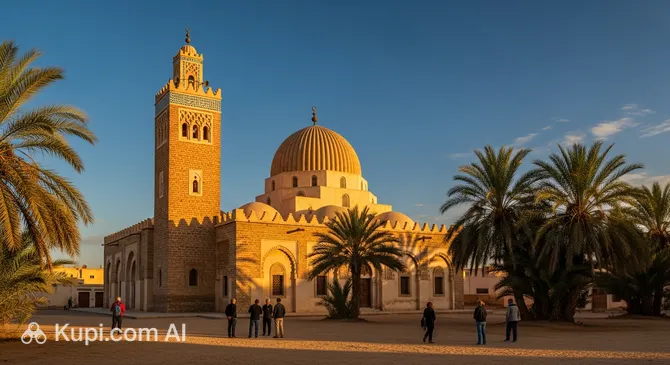
Touggourt. Source: Kupi.Binoculars

Geographically, Touggourt is situated in a flat, desert terrain, surrounded by dunes and extensive agricultural lands that defy the harsh climate. The city is famous for its high-quality dates, particularly the Deglet Nour variety, which thrives in the local oasis environment. With a population of approximately 39,000 residents, the city maintains a welcoming atmosphere where the rhythms of daily life are closely tied to the desert environment and the date harvest seasons.

The city boasts a heritage that dates back centuries. Visitors interested in the past can delve into the fascinating history of Touggourt, which was once the capital of an independent sultanate ruled by the Ben Djellab dynasty. Remnants of this era can still be felt in the old quarters, where narrow, winding streets and traditional mud-brick structures provide a glimpse into the region's storied past as a crucial hub on trans-Saharan trade routes.

Among the key attractions are the tombs of the Ben Djellab kings, which stand as a testament to the city's royal lineage. Tourists are also drawn to the bustling local markets, where one can find local crafts, rugs, and, of course, fresh dates. The city's grand mosque and the fortified architecture of the old ksar offer excellent opportunities for photography and cultural immersion.

Whether you are passing through on a desert expedition or coming specifically to experience the tranquility of a Saharan oasis, Touggourt promises a memorable journey. Its warm hospitality, combined with the golden hues of the surrounding sands and the cooling shade of its palm trees, creates a truly enchanting destination.

Weather Overview

Touggourt experiences a typical arid desert climate, characterized by significant temperature variations between seasons and extremely low humidity. The weather in Touggourt is generally sunny and dry year-round, making it an ideal destination for those seeking to escape wetter climates.

Summers are intensely hot, particularly from June through August. July is the peak of the heat, with average temperatures reaching 35.1°C and daily highs often climbing to a sweltering 42.1°C. Nights during this season remain warm, with minimums staying above 25°C, so lightweight clothing and sun protection are essential for visitors.

In contrast, the winter months of December, January, and February bring much cooler conditions. January is typically the coldest month, where the average temperature drops to around 11.4°C, and nighttime lows can fall to 5.3°C. These cooler days offer a comfortable atmosphere for exploring the outdoors, though layers are recommended for the crisp evenings.

Precipitation is almost non-existent in this region. The data indicates virtually 0mm of rainfall for most months, with a negligible 1mm recorded in April. Expect scorching, dry summers and cool, clear winters with almost no chance of rain interrupting your travel plans.

Interesting Facts

Beyond its scenic dunes and bustling markets, Touggourt holds a treasure trove of historical milestones and geographic curiosities. Here are a few intriguing details that reveal the depth of this desert city's character:

  • A Milestone in Automotive History: Touggourt was the starting point for a legendary journey that changed desert travel forever. In December 1922, the famous Citroën-Kégresse expedition departed from the city to attempt the first motorized crossing of the Sahara. The team successfully traversed the rugged terrain all the way to Timbuktu, proving that motor vehicles could conquer the desert sands.

  • The Meaning Behind the Name: The name "Touggourt" is widely believed to be derived from the Berber (Amazigh) word "Taggurt," which translates to "the gate" or "the door." This etymology is historically significant, as the city has served for centuries as the primary commercial and cultural gateway for caravans entering the deep Algerian South.

  • A Four-Century Dynasty: While many visitors know it was a sultanate, few realize the remarkable longevity of its rulers. The Ben Djellab dynasty governed the Sultanate of Touggourt for over 400 years, from the early 15th century until the mid-19th century. This centuries-long reign provided a rare stability that allowed the city to flourish as a trade hub independent of major coastal powers for a long time.

  • A Forest in the Desert: The oasis surrounding the city is part of the immense Oued Righ valley, which is home to more than a million date palm trees. This sheer density of greenery creates a unique microclimate and makes it one of the largest continuous palm groves in the world, appearing like a vast green sea against the arid backdrop.

How to Get There

Reaching this desert city requires a bit of planning, as it is located deep within the Algerian Sahara. While the journey involves traversing the arid landscapes of the Oued Righ valley, the experience is part of the adventure. For a complete overview of all transport options, you can check the detailed guide on how to get to Touggourt.

For air travel, the city is served by Sidi Mahdi Airport (TGR), which handles domestic flights. However, depending on flight schedules and availability, many travelers opt for regional hubs nearby. One of the most convenient alternatives is Guemar Airport (ELU), located in El Oued, approximately 81 km from Touggourt. A transfer from there allows visitors to enjoy a drive through the dunes before arriving in the city.

Another viable option is Oued Irara Airport (HME) in Hassi Messaoud, situated about 159 km away. This airport is a significant hub for the region due to the oil industry and offers frequent connections. Travelers might also consider Ain Beida Airport (OGX) in Ouargla, which is roughly 145 km away, providing another entry point to this part of the Sahara.

For clarity, here is a summary of the main airports in the vicinity:

Airport Name City Passenger Traffic Km from City
Oued Irara AirportHassi MessaoudMedium159.0
Biskra AirportBiskraMedium189.7
Guemar AirportEl OuedMedium80.6
Tozeur AirportTozeurSmall211.3
Ain Beida AirportOuargla-145.3

Beyond air travel, Touggourt is well-connected to the northern parts of the country by land. It serves as the terminus for the railway line originating from Constantine and Biskra, offering a scenic train journey through the changing landscapes of Algeria. Additionally, long-distance buses and shared taxis (louages) frequently operate between Touggourt and major cities like Algiers, Biskra, and Ouargla, making road transport a popular and budget-friendly choice for locals and tourists alike.

Main Attractions

One of the most significant historical sites in the city is the Tombs of the Ben Djellab Kings. Located in the heart of the old town, this royal necropolis serves as the final resting place for the dynasty that ruled the independent Sultanate of Touggourt for over four centuries. The site is architecturally distinct, featuring a large central dome and several smaller tombs adorned with traditional geometric patterns. For history enthusiasts, visiting this site offers a tangible connection to the region's powerful past and the legacy of the sultans who once controlled these trade routes.

The Old Ksar, specifically the historic district of Mestaoua, invites travelers to step back in time. This ancient fortified quarter is a maze of narrow, winding alleyways and covered passages designed to provide shade and protect residents from the harsh desert sun. Walking through Mestaoua reveals the ingenuity of traditional Saharan architecture, where mud-brick structures keep the interiors cool. It is an excellent place for photography and for observing the enduring lifestyle of the local community in an authentic setting.

Religious architecture is beautifully represented by the Grand Mosque of Touggourt. With its towering minaret and spacious courtyard, the mosque stands as a spiritual and social center for the city. The building showcases a blend of local desert styles and broader Maghrebi influences, featuring simple yet elegant arches and stonework. It is a peaceful spot that reflects the deep spiritual heritage of the Oued Righ valley.

No visit to Touggourt is complete without exploring the surrounding Palm Groves. As part of the Oued Righ oasis system, these vast plantations are the lifeblood of the local economy, famous for producing the high-quality Deglet Nour dates. Tourists can take a relaxing walk beneath the canopy of thousands of palm trees, observe the traditional irrigation systems that have turned the desert green, and enjoy the tranquility of nature just steps away from the bustling city center.

Local Cuisine

The culinary landscape of Touggourt is a delightful reflection of its Saharan heritage, offering hearty, flavorful meals designed to sustain life in the desert. The local cuisine is characterized by the generous use of spices, wheat-based staples, and, naturally, the abundance of high-quality dates from the surrounding oases. Visitors will find that food here is not just sustenance but a warm expression of local hospitality.

One of the absolute must-try dishes in this region is Chakhchoukha. While popular across Algeria, the desert variation is particularly renowned. It consists of torn pieces of thin, handmade flatbread soaked in a rich, spicy tomato-based stew, typically cooked with lamb, chickpeas, and vegetables. Another staple is the traditional Saharan Couscous, often served with a generous portion of meat and root vegetables like carrots and turnips, which thrive in the local gardens. For those seeking a robust flavor, the dish is sometimes garnished with spicy green peppers.

Street food culture in Touggourt is vibrant and offers a chance to taste authentic local bites. You will frequently encounter Doubara, a spicy, savory stew made from chickpeas or fava beans, seasoned with garlic, cumin, and olive oil. It is a beloved comfort food, especially during cooler mornings or evenings. Additionally, Mhadjeb—stuffed flatbreads filled with a mixture of tomatoes, onions, and chili—are a popular grab-and-go option found in the bustling market areas.

When it comes to beverages, the date palm plays a surprising role. A unique local drink to try is Legmi, the sap extracted from the heart of the palm tree. It is a sweet, refreshing, and milky-white liquid usually consumed fresh in the morning. Of course, no meal is complete without the ceremonial Mint Tea. Served hot, sweet, and frothy, it is the cornerstone of social interaction in Touggourt, often accompanied by the region's world-famous Deglet Nour dates or honey-soaked pastries.

Dining in Touggourt is generally a casual and communal affair. While there are small restaurants and grills scattered throughout the city, the most authentic experiences are often found in family-run establishments near the central souq. Here, the atmosphere is laid-back, and meals are often shared from a central platter, inviting travelers to slow down and savor the rich, earthy flavors of the oasis.

Travel Tips

Visiting Touggourt offers a unique glimpse into Algerian oasis life, but the desert environment and strong traditions require some specific preparation. To help you navigate the city with ease and respect local customs, here are some essential practical tips for your journey.

  1. Clothing and Gear: Since Touggourt is a conservative desert city, modest dress is essential; both men and women should cover their shoulders and knees. Loose, breathable fabrics like cotton or linen are best for the heat, but remember to bring a warm jacket if you visit in winter, as nights can be surprisingly cold. Comfortable walking shoes are a must for exploring the sandy paths of the old ksar.
  2. Transportation: The city center is compact enough to explore on foot, but for longer distances, yellow taxis are the most convenient and affordable option. Ride-hailing apps are not widely used here, so it is best to flag down a taxi on the street. Always ensure the meter is running or agree on a fare before starting your trip.
  3. Finances: The local currency is the Algerian Dinar (DZD). Touggourt is largely a cash-based economy, and international credit cards are rarely accepted outside of a few high-end hotels or the airport. Be sure to carry sufficient cash for daily expenses, such as food and souvenirs, and withdraw money from ATMs in the city center when needed.
  4. Health and Safety: The desert sun can be intense, so staying hydrated is your top priority; always carry bottled water and wear a hat. Pharmacies are marked with a green cross and are generally well-stocked for minor ailments. The city is safe for tourists, but it is wise to avoid poorly lit areas of the palm groves at night.
  5. Communication: The primary languages are Arabic and a local Berber dialect, with French being widely understood as a second language. English is not commonly spoken, so having a translation app or learning a few basic phrases in French or Arabic will be extremely helpful. Buying a local SIM card (Mobilis, Djezzy, or Ooredoo) is recommended for reliable internet access.
  6. Local Etiquette: Greetings are important; a simple "Salam Alaykum" (Peace be upon you) goes a long way. When greeting someone of the opposite gender, wait to see if they offer their hand; if not, a nod and a hand over the heart is the polite gesture. Always use your right hand for eating or passing money.
  7. What to Avoid: Public displays of affection are considered inappropriate and should be avoided. Additionally, never take photographs of people—especially women—without their explicit permission, and strictly avoid photographing government buildings or police checkpoints.
  8. Market Insight: If you want to buy the famous Deglet Nour dates, head to the local souq rather than buying them at transit hubs. The quality in the Touggourt market is superior, and the prices are significantly lower. If you visit in October or November, you will catch the peak of the harvest season.

By keeping these simple guidelines in mind, you will find that the people of Touggourt are incredibly warm and welcoming to respectful visitors. Enjoy the serene beauty of the palm groves and the rich history of this desert jewel without worry.

Entertainment & Nightlife

Entertainment and nightlife in Touggourt offer a distinct departure from the bustling club scenes found in Western capitals. In this conservative desert city, the "nightlife" is centered around social connection, relaxation, and the cooling relief of the evening breeze. After the sun sets and the scorching heat subsides, the city comes alive in a more traditional and family-oriented way. The atmosphere is laid-back and welcoming, with locals gathering to share stories, enjoy food, and savor the tranquility of the Sahara.

The heart of the evening activity can typically be found in the city center and around the main market areas. Here, the "clubs" are actually bustling cafés and tea houses where the primary entertainment is lively conversation, board games like dominoes, and watching football matches. Alcohol is generally not served in public venues due to local customs, so the drink of choice is strong espresso or sweet mint tea. For tourists, this offers a wonderful opportunity to immerse themselves in the authentic local culture and observe the rhythms of daily life in the Oued Righ valley.

For a taste of this local social scene, you should visit Hamo Cafe. Known as a cozy gem, this spot is a favorite among locals for its warm atmosphere and blend of traditional and modern vibes. It is an excellent place to sit back with a coffee, enjoy some local pastries, and strike up a conversation with residents. In the absence of large public parks, the evening activity often spills onto the main boulevards and market squares, where families and friends stroll to enjoy the cooler air, making the city center perfect for a pleasant night walk.

If you are looking for a dining experience that extends into the evening, the city features several local grill houses and casual eateries known for their roasted chicken and regional dishes. These spots offer a relaxed setting where you can enjoy a hearty meal after a day of exploration. For travelers seeking a more familiar setting, the lounge or dining areas of major hotels, such as the Hotel Oasis, often provide a quiet retreat where you can unwind in comfort, sometimes offering a slightly more international atmosphere compared to the street-side cafés.

Practical advice for enjoying Touggourt at night revolves around respect and modesty. The dress code remains conservative; it is best to avoid revealing clothing. The most active hours are from sunset until around 10:00 PM or 11:00 PM. For getting around, yellow taxis are plentiful and safe; it is recommended to have your hotel call one for you or to flag one down in busy areas rather than walking alone in dimly lit outskirts. The city is generally safe, but sticking to well-populated districts like the market center is always a good practice.

While the nights are for relaxation, daytime entertainment in Touggourt focuses on cultural discovery. Visitors can spend their days exploring the architectural marvels of the Old Ksar, wandering through the extensive palm groves, or visiting the local museums that showcase the region's history. The contrast between the quiet, sun-drenched days and the sociable, breezy evenings makes for a balanced and restorative travel experience.

Parks & Museums

While Touggourt is primarily known for its desert landscapes and historical architecture, the city and its surroundings offer distinct green spaces and cultural venues that provide a deeper understanding of life in the Oued Righ valley. Visitors here will not find vast western-style manicured lawns or sprawling art complexes; instead, the "parks" are often lush productive gardens, and the "museums" are intimate spaces dedicated to preserving the region's rich heritage and craftsmanship.

Parks and Natural Areas

The most significant green space in the city is undoubtedly the vast Touggourt Palm Grove (Palmeraie). Unlike a traditional city park, this working agricultural forest surrounds the urban area and serves as the city's lungs. Walking through the shaded paths offers a serene escape from the desert heat, where you can observe the complex irrigation systems and see the famous Deglet Nour dates growing in their natural habitat. It is a perfect spot for nature lovers to appreciate the ingenuity of desert agriculture.

For a more central location to relax, the Jardin El Mourabitine is a well-known public garden situated near the city center. It serves as a gathering place for locals, especially in the late afternoons when families come to enjoy the cooler air. The garden features local flora and provides a pleasant, green contrast to the sandy streets of the surrounding neighborhoods, making it a nice spot for a casual stroll or a quiet break.

Just a short distance from the city, nature enthusiasts can explore the dramatic landscapes of Chott Felrhir. This massive endorheic salt lake is a designated Ramsar site of international importance. Although not a "park" in the conventional sense, its stark, white salt flats and seasonal water levels attract various migratory birds, offering a unique natural spectacle that contrasts sharply with the golden dunes of the nearby Grand Erg Oriental.

Museums and Cultural Venues

To understand the local history, a visit to the Musée du Moudjahid is recommended. Located in the city center, this regional museum is dedicated to the history of the area, with a particular focus on the local resistance and the struggle for Algerian independence. The exhibits typically include historical documents, photographs, and artifacts that tell the story of the region's resilience, offering tourists a meaningful context to the city's modern identity.

For those interested in the artistic traditions of the Sahara, the Maison de l'Artisanat (House of Crafts) acts as a living gallery. Situated roughly 5 kilometers from the administrative center, this venue showcases the best of local craftsmanship. Visitors can view and purchase authentic items such as intricate carpets, embroidery, and traditional pottery. It is more than just a shop; it is a cultural space where the skills passed down through generations are displayed and celebrated.

Historical and Architectural Sites

The city itself serves as an open-air museum, particularly the Ruins of the Sultan's Palace. These remnants of the Ben Djellab dynasty offering a glimpse into the architectural grandeur of the past. Walking among the surviving arches and walls allows visitors to visualize the era when Touggourt was a powerful independent sultanate controlling trans-Saharan trade routes. The site is a photographer's delight, capturing the texture of history against the desert sky.

Insider Tips

For a truly authentic cultural experience, consider taking a short trip to the nearby town of Tamacine to visit the Zaouia Tidjania. This religious and spiritual center houses a library of manuscripts and offers a fascinating look into the spiritual life of the region. Additionally, keep an eye out for private collectors in the old town; some local residents, passionate about their heritage, have turned their homes into small, informal museums filled with antiques and curiosities, though these are often discovered only through local word-of-mouth.

Getting Around

Navigating Touggourt is a straightforward and authentic experience, as the city’s transport system is far less complex than that of a bustling metropolis. Unlike the capital or the neighboring city of Ouargla, Touggourt does not have a tramway or metro network. Instead, the public transport system relies primarily on a network of road-based options, with yellow taxis being the most popular and convenient choice for visitors.

For getting around the city center and reaching nearby neighborhoods, taxis are the most reliable mode of transport. You will easily recognize them by their distinct yellow color. In this region, taxis are generally very affordable. While some may have meters, it is common practice—especially for tourists—to agree on a fare with the driver before starting the journey. Shared taxis, often referred to as "taxis collectifs," also operate on fixed routes between major districts and are a budget-friendly alternative if you are comfortable sharing the ride with locals.

The city also utilizes a system of minibuses and public buses for urban and suburban travel. These buses connect the city center with outlying residential areas and the palm groves. While they are an extremely economical way to travel, they can be crowded and their signage is predominantly in Arabic. For a tourist unfamiliar with the local dialect, navigating the bus network can be slightly challenging, so asking a local or your hotel concierge for the right bus number is highly recommended.

Walking is a viable and pleasant alternative, particularly when exploring the historic heart of the city. The old Ksar and the central market area are compact and best discovered on foot. This allows you to navigate the narrow, winding alleyways of the old town where vehicles cannot pass. However, be mindful of the desert heat; walking is best enjoyed in the early morning or late afternoon.

Regarding payment, cash is the absolute rule for all forms of local transport in Touggourt. Electronic travel passes, contactless cards, or mobile payments are not used for city transport here. You should always carry small denominations of the local currency, as drivers often do not have change for large banknotes. Tickets for buses are purchased directly from the driver or a conductor on board, while taxi fares are settled in cash at the end of the trip.

While ride-hailing apps like Yassir are transforming transport in the country's largest coastal cities, their presence and reliability in smaller desert cities like Touggourt can be limited. It is generally faster and more effective to flag down a yellow taxi on the street or have your hotel reception arrange one for you. If you are planning to visit the surrounding dunes or distant oases, hiring a private driver or a "grand taxi" for the day is often the best practical solution.

A special feature of the local transport infrastructure is the train station, operated by the SNTF. While primarily for intercity travel, the station itself is a central landmark. The recent introduction of modern trains connecting the city to the north has made the rail station a renewed hub of activity, offering a comfortable and scenic way to arrive or depart from this desert region.

Accommodation

Accommodation in Touggourt reflects the city's character as a desert crossroads: functional, welcoming, and steeped in local tradition. Visitors should not expect the sprawling luxury resorts or international chains found in coastal capitals. Instead, the city offers a modest selection of hotels and guest houses that provide comfortable, no-frills bases for exploring the Sahara. The options generally range from budget-friendly hostels to mid-range establishments that cater to business travelers and desert explorers.

The most convenient area to stay is the City Center. Choosing a hotel in the downtown area places you within walking distance of the central market, the bus station, and the historic Ksar. This location is ideal for those who want to immerse themselves in the daily hustle and bustle of the town. Alternatively, some travelers prefer accommodations situated slightly further out, near the edge of the Palm Groves, where the atmosphere is quieter and the air feels fresher, offering a peaceful retreat after a day in the sun.

While the list of accommodations is not extensive, there are reliable establishments known for their hospitality. One of the most prominent names in the city is the Hotel Oasis. Often considered a local landmark, it offers standard amenities such as air conditioning—a crucial feature in the desert heat—and an on-site restaurant. Smaller, family-run hotels and unbranded guest houses are also available, often providing a more personal experience where you can enjoy home-cooked meals and traditional decor.

When planning your stay, it is important to manage expectations regarding amenities. Wi-Fi is usually available but may be slower than what you are used to, and breakfast is typically a simple affair consisting of coffee, bread, and local jams. Booking can sometimes be done through major online platforms, but many smaller establishments still rely on direct phone reservations or walk-ins. During the peak date-harvest season (October and November) or desert festivals, availability can tighten, so securing a room in advance is highly recommended.

Price-wise, Touggourt is a very affordable destination. Most accommodations fall into the budget to lower mid-range categories. It is essential to carry sufficient cash (Algerian Dinar) to pay for your room, as credit card terminals are rare outside of the top-tier hotels. By choosing to stay here, you trade 5-star luxury for the authentic warmth of Saharan hospitality and a direct connection to the life of the oasis.

Nearby Cities

For those looking to explore the surroundings, Touggourt serves as an excellent base for day trips to several interesting nearby locations:

City Population Distance (km)
Batna290,645271
Djelfa265,833313
Biskra204,661196
Tebessa194,461317
El Oued134,69979

Among the most accessible and visually striking destinations is El Oued, located just a short drive away. Known as the "City of a Thousand Domes," it is famous for its unique architecture where domed roofs replace traditional flat terraces to prevent sand accumulation. Visitors can explore its bustling souq, admired for its carpets and traditional crafts, or venture into the surrounding Grand Erg Oriental to see the stunning "sand roses" (crystalline formations) native to the area.

Another worthwhile destination is Biskra, often called the "Queen of the Zibans." Situated at the edge of the desert, it serves as a historic gateway between the north and the Sahara. The city is renowned for producing some of the world's finest dates and is home to the legendary Garden of London (Jardin Landon), a botanical oasis created in the 19th century. History enthusiasts can also visit the nearby Roman baths of Hammam Salhine, which have been in use for millennia.

For those willing to travel a bit further, Batna offers a completely different landscape as the capital of the Aurès Mountains. It is the primary jumping-off point for visiting Timgad, a UNESCO World Heritage site and one of the best-preserved Roman cities in North Africa. The region provides a refreshing contrast to the desert plains, featuring rugged mountain terrain and cedar forests.

These nearby destinations offer a glimpse into the diverse culture and landscapes of the region, ranging from architectural marvels to ancient history.

Shopping & Souvenirs

Shopping in Touggourt offers a travel experience that is far removed from the polished aisles of modern mega-malls. Instead, it invites visitors to dive into the authentic atmosphere of a Saharan trade hub. The city is not a destination for high-end international fashion or luxury brands; rather, it is a treasure trove for traditional crafts, local produce, and cultural artifacts. The shopping scene here is intimate and bustling, centered around the daily needs of the locals and the rich agricultural heritage of the Oued Righ valley.

The main commercial activity is concentrated in the City Center (Centre Ville). The streets radiating from the central square and surrounding the main mosque are lined with small boutiques, fabric shops, and general stores. A walk down these busy avenues allows you to browse through a variety of goods, from everyday clothing and shoes to traditional Algerian garments. This area is pedestrian-friendly and serves as the primary retail district where the community converges to shop and socialize.

Travelers looking for large-scale shopping complexes will find that Touggourt retains a more traditional retail structure. There are no massive western-style shopping malls in the city. Instead, you will find smaller shopping galleries and covered arcades scattered throughout the downtown area. These multi-story buildings typically house independent retailers selling electronics, jewelry, and cosmetics, offering a slightly more modern shopping environment while maintaining a local feel.

The true heart of commerce in Touggourt is its Central Market (Souq). This is where the spirit of the city comes alive. The market is a sensory delight, filled with the aroma of spices, the vibrant colors of fresh produce, and the sounds of bargaining. It is the best place to find locally grown fruits and vegetables, particularly the region's famous dates. Wandering through the stalls, you can also discover vendors selling traditional herbal remedies, loose incense, and Henna, providing a glimpse into the enduring traditions of desert life.

When it comes to souvenirs, the undisputed king of purchases in Touggourt is the date. The region is world-renowned for the Deglet Nour variety, often referred to as the "Queen of Dates." Buying them here ensures you get the freshest quality at a fraction of the export price. Beyond dates, look for sand roses (crystallized rock formations found in the desert), which make for unique natural sculptures. Traditional craftsmanship is also evident in the local basketry woven from palm fronds, as well as hand-woven carpets and rugs that feature distinct geometric patterns native to the Sahara.

Store hours in Touggourt generally follow a split schedule to accommodate the desert climate. Shops typically open around 8:00 AM or 9:00 AM and stay open until roughly 1:00 PM. They then close for a few hours during the hottest part of the day and reopen in the late afternoon, around 4:00 PM, staying active until 8:00 PM or 9:00 PM. Keep in mind that Friday is the holy day, and many shops will be closed or have significantly reduced hours, particularly during prayer times.

Cash is the primary method of payment throughout the city. While a few hotels might accept credit cards, virtually all market vendors, small shops, and cafes deal exclusively in Algerian Dinars. It is essential to carry sufficient cash with you, especially small denominations for market purchases. Tax-free shopping or VAT refund services are generally not available or applicable for tourists in the local markets of Touggourt.

Reached the end of the page?

That means the route is fully explored