Support

Batna

About

Batna is a captivating city located in the eastern part of Algeria, often referred to as the "Capital of the Aurès." Nestled within the rugged beauty of the Aurès Mountains, this city offers a unique blend of cultural depth and stunning natural landscapes. It stands as a major urban hub, providing visitors with a distinct atmosphere that differs from the coastal regions, characterized by its fresh mountain air and the warm hospitality of its inhabitants.

Geographically, Batna is situated at a higher altitude, which gives it a continental climate with cool, snowy winters and warm summers. With a population of approximately 290,000 residents, it is one of the country's most important cities, serving as a commercial and cultural center for the surrounding province. The city is surrounded by picturesque cedar forests and peaks, making it an excellent base for those who appreciate the outdoors.

Exploring the history of Batna reveals its evolution from a strategic military outpost to a modern metropolis. While the city itself has a relatively modern layout, the region has been inhabited for millennia and is steeped in heritage. It serves as the perfect gateway to the ancient past, sitting in close proximity to some of North Africa's most significant archaeological treasures.
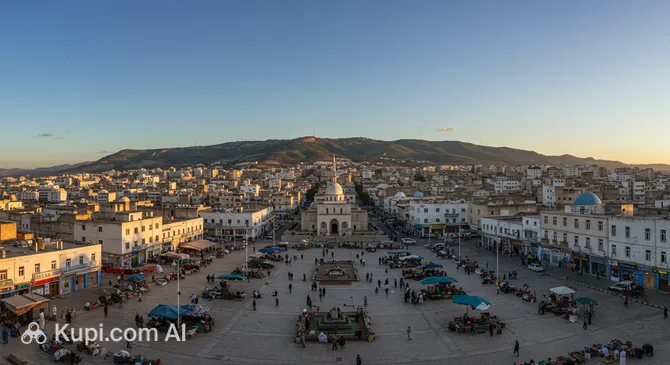
Batna. Source: Kupi.Binoculars

One of the primary reasons tourists flock to this area is to visit the nearby UNESCO World Heritage site of Timgad, a remarkably preserved Roman city often called the "Pompeii of Africa." Additionally, nature lovers can explore the Belezma National Park, which offers hiking trails through ancient Atlas Cedar forests. The city itself features wide avenues and lively squares where visitors can experience local Chaoui culture and cuisine.

Whether you are a history buff eager to walk among Roman ruins or a nature enthusiast looking for mountain adventures, Batna provides an unforgettable experience. It is a destination that invites you to discover the authentic heart of the Aurès region.
Weather Overview

Due to its elevation in the Aurès Mountains, the weather in Batna differs from the coastal regions, offering a continental climate with marked seasonal changes. Visitors can generally expect warm, dry summers and cold winters, with temperature ranges shifting significantly throughout the year.

Summer brings the heat, peaking in July with an average temperature of 27.0°C and maximums climbing to 34.3°C. This season is predominantly dry; July records almost no precipitation, and August remains hot with an average temperature of 25.7°C and very little rain.

Winter presents a stark contrast, with January being the coldest month, featuring an average temperature of just 6.0°C and lows hovering around 1.1°C. Although the total precipitation volume recorded in the data is low, often around 1mm to 2mm, the winter and early spring months, such as March and April, can experience up to 10 wet days, bringing cooler and damper conditions.

For those seeking more moderate temperatures, spring and autumn are excellent times to visit. May offers comfortable averages of 16.8°C, while October sees temperatures around 16.0°C, providing a pleasant balance for outdoor activities and sightseeing.

Interesting Facts

Beyond the well-trodden paths to Roman ruins, Batna possesses a collection of intriguing details that often escape the casual observer. From ancient military secrets to ecological wonders, the city offers a deeper narrative for those willing to look closer at this unique corner of Algeria.

  • While Timgad gets the spotlight, the nearby site of Lambaesis was actually the military capital of Roman Africa. It served as the headquarters for the Third Augustan Legion, and its ruins include a remarkably preserved praetorium that offers a rare glimpse into the life of Roman soldiers.

  • Batna is the gateway to the Belezma National Park, a UNESCO biosphere reserve that protects one of the few remaining habitats for the Atlas Cedar. This ancient forest is also a sanctuary for the endangered Cuvier's gazelle, making it a critical location for North African biodiversity.

  • The city's modern layout is a direct legacy of its establishment as a French military garrison in the 19th century. The streets were designed in a rigid grid pattern to facilitate the rapid movement of troops, which today gifts the city with wide, straight avenues that are easy to navigate.

  • Just south of the city lies the Ghoufi Canyon, a geological marvel often referred to as the "Balconies of Ghoufi." Carved by the Abiod River, the canyon walls feature ancient granaries and homes built directly into the rock face, resembling a smaller, inhabited version of the Grand Canyon.

How to Get There

Reaching the "Capital of the Aurès" is relatively straightforward, with several transport options connecting the region to the rest of the country and beyond. Whether you prefer flying directly into the area or landing in a neighboring city and enjoying a scenic drive through the mountains, you can easily find all ways to reach the city to begin your adventure in Batna.

The most convenient entry point is the local Batna Airport (IATA: BLJ), also known as Mostépha Ben Boulaïd Airport. Located approximately 26.7 km from the city center, it serves as the primary hub for the region. While it is a smaller facility with medium passenger traffic, it offers direct access to the area without the need for long transfers. A journey from the airport to downtown Batna by taxi or shuttle is quick, typically taking around 35 minutes.

For a wider range of international connections, many travelers opt for Ain El Bey Airport (IATA: CZL), situated in the city of Constantine. This is a major regional hub with significant passenger traffic, offering more frequent flights. However, please note that this airport is not in Batna itself but in Constantine, about 91.2 km away. The transfer involves a drive of approximately 1.5 hours, allowing you to see the changing landscapes of eastern Algeria.

Another viable option is Biskra Airport (IATA: BSK), located in the city of Biskra, roughly 91.8 km south of Batna. This airport serves as a gateway to the Sahara and can be a strategic arrival point if you plan to explore the desert regions before heading into the mountains. The travel time from Biskra to Batna by road is estimated to be between 1.5 and 2 hours.

For clarity, here is a summary of the main airports serving the region:

Airport Name City Passenger Traffic Km from City
Ain El Bey Airport Constantine High 91.2
Setif Airport Setif Medium 103.1
Biskra Airport Biskra Medium 91.8
Batna Airport Batna Medium 26.7
Jijel Ferhat Abbas Airport Jijel Low 141.1

Main Attractions

Batna is renowned primarily as the gateway to some of the most spectacular Roman ruins in North Africa. However, the city and its surroundings offer more than just history; they present a diverse landscape of canyons, mountains, and ancient architectural marvels that define the Aurès region. Here are the main sites you should explore during your visit.

Timgad (Thamugadi) is undoubtedly the crown jewel of the region. Located just 35 kilometers east of Batna, this UNESCO World Heritage site is one of the best-preserved examples of a Roman grid city in existence. Founded by Emperor Trajan around 100 AD, the site allows visitors to walk through ancient streets that still bear the marks of chariot wheels. The highlight is the majestic Arch of Trajan, standing 12 meters high, along with a 3,500-seat theater that hosts cultural festivals to this day. The ruins also include a rare public library and extensive thermal baths, offering a vivid window into daily life in the Roman Empire.

Just a short distance from the city lies Lambaesis, once the military capital of Roman Africa and the headquarters of the Third Augustan Legion. Unlike the civilian city of Timgad, Lambaesis offers a perspective on military architecture. The site is dominated by the imposing Praetorium, a well-preserved commander's building with a series of grand arches. Visitors can also explore the remains of an amphitheater and temples dedicated to various deities, showcasing the religious diversity of the legions stationed there.

For a journey further back in time, the Medracen (Imedghassen) is a must-see. Situated northeast of Batna, this monumental Numidian royal mausoleum dates back to the 3rd century BC, making it one of the oldest monuments in Algeria. The structure is a massive cylinder topped with a cone, constructed from huge stone blocks. It stands as a silent testament to the powerful Numidian kings who ruled the land long before the Roman conquest, and its solitary position in the landscape adds to its mysterious allure.

Nature and geology enthusiasts will find the Ghoufi Canyon breathtaking. Often referred to as the "Balconies of Ghoufi," this natural wonder features a deep gorge carved by the Abiod River. The canyon walls are dotted with the ruins of ancient Berber villages, known as "Dechra," built directly into the rock face. The valley floor is lush with palm groves and fruit trees, creating a stunning contrast against the arid, ochre cliffs. It is an ideal spot for photography and understanding the traditional way of life in the Aurès Mountains.

Local Cuisine

The culinary landscape of Batna is deeply rooted in the traditions of the Chaoui people, offering a gastronomic experience that is as rugged and authentic as the Aurès Mountains themselves. The local diet is hearty and flavorful, heavily relying on sun-drenched wheat, olive oil, and locally raised lamb. Visitors will find that the food here is distinct from the Mediterranean cuisine of the coast, characterized by its generous use of spices and chili peppers, designed to warm the body during the cool mountain winters.

One cannot visit this region without trying Chakhchoukha, a celebratory dish that defines local hospitality. In the Batna style, it consists of "rougag" (thin, torn flatbread) soaked in a rich, spicy red sauce made with tomatoes, chickpeas, and tender chunks of lamb. Another culinary staple is Zviti, a traditional dish prepared in a wooden mortar called a "mehraz." It is a fiery mixture of crushed "kesra" (semolina bread), garlic, ripe tomatoes, and hot chilies, often eaten communally directly from the mortar. It is an intense sensory experience that true food lovers should not miss.

For a quick bite, the street food culture is vibrant and accessible. Mahjouba is a popular choice found in markets and small stalls; these are flaky, crepe-like squares stuffed with a savory filling of onions and tomatoes. If you have a sweet tooth, look for Bradj, a diamond-shaped semolina pastry filled with date paste, traditionally prepared to welcome the spring but available year-round in many local bakeries.

Beverages in Batna are typically non-alcoholic, with mint tea being the cornerstone of social interaction. It is served sweet and hot, often poured from a height to create a frothy top. To accompany heavier meals like couscous, locals often drink Lben, a refreshing fermented milk that aids digestion and balances the heat of spicy dishes. While alcohol is available in certain high-end hotels and specific licensed establishments, the everyday cafe culture revolves strictly around coffee and tea.

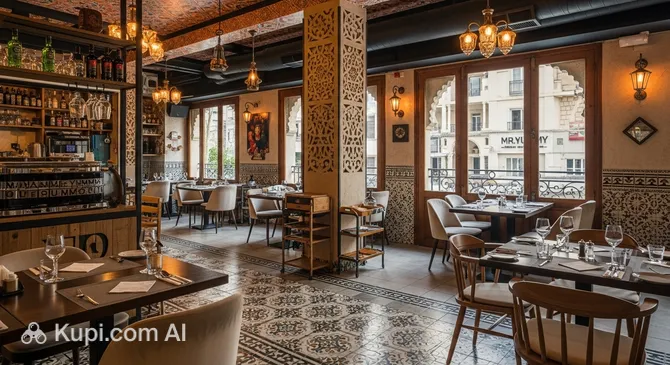
Mr Yummy. Source: Kupi.Binoculars

Dining options in the city range from traditional family-run eateries to modern establishments catering to younger crowds. You can explore the city center to find restaurants serving authentic regional specialties alongside contemporary options. For those looking for a casual dining atmosphere, Mr Yummy is a known local spot where you can enjoy a satisfying meal. Whether you are sitting on the floor sharing a Zviti or enjoying a quick sandwich, the food in Batna is served with a genuine warmth that makes every meal memorable.

Travel Tips

Visiting Batna offers a unique opportunity to experience the authentic culture of the Aurès Mountains, but navigating this high-altitude region requires a bit of preparation. To help you make the most of your journey into the heart of eastern Algeria, here are some practical tips to ensure a smooth and respectful trip.

  1. Dress for the Altitude and Culture: Since Batna sits at a high elevation, the weather can be unpredictable. Pack warm layers if you are visiting in winter, as snow is common, and bring breathable, modest clothing for the hot summers. Regardless of the season, local culture is conservative; both men and women should avoid revealing attire, covering shoulders and knees when in public. Sturdy walking shoes are essential for exploring the uneven terrain of Roman ruins like Timgad.
  2. Transportation Options: The most convenient way to get around the city is by yellow taxi. They are affordable and plentiful; however, it is wise to ensure the meter is running or agree on a fare before starting. While public buses exist, they can be crowded and difficult for tourists to navigate. If you plan to visit distant sites like Ghoufi Canyon, renting a car provides the most freedom, though hiring a private driver is a stress-free alternative.
  3. Managing Your Finances: The local economy operates almost entirely on cash. The currency is the Algerian Dinar (DZD). While you will find ATMs in the city center, credit cards are rarely accepted outside of high-end hotels or the airport. It is highly recommended to carry enough cash for daily expenses, including meals, transport, and entrance fees to archaeological sites. Tipping is not mandatory but is appreciated for good service.
  4. Health and Safety: Batna is generally a safe city for tourists, but standard precautions apply. Stick to bottled water for drinking to avoid any stomach issues. Pharmacies are widely available and are easily identified by a green cross; many are open late, and pharmacists often speak French. In case of emergency, the main hospital is located in the city center, but travel insurance covering medical evacuation is always a good idea.
  5. Communication and Connectivity: The primary languages are Arabic and the local Berber dialect, Chaoui. French is widely understood and is the main language for business and tourism. English is not commonly spoken, so learning a few basic phrases in French or Arabic (like "Salam" for hello and "Shukran" for thank you) will go a long way. Purchasing a local SIM card (Mobilis, Djezzy, or Ooredoo) is affordable and necessary for mobile data, as public Wi-Fi can be unreliable.
  6. Local Etiquette: The people of the Aurès are known for their hospitality and pride. When greeting someone, a handshake is common among men, but wait for a woman to extend her hand first. It is polite to accept tea if offered, as this is a gesture of welcome. Always ask for explicit permission before taking photos of people, especially women, to respect their privacy.
  7. What to Avoid: Public displays of affection are culturally inappropriate and should be avoided. Additionally, refrain from eating, drinking, or smoking in public during daylight hours if you visit during the holy month of Ramadan, as this is considered disrespectful to those fasting.
  8. Timing Your Visits: To fully enjoy the archaeological sites like Timgad or Lambaesis, arrive early in the morning. This allows you to beat the midday heat, which can be intense even in spring and autumn, and often gives you the chance to have these spectacular ruins almost entirely to yourself for perfect photography conditions.

By keeping these practicalities in mind, you will be well-equipped to navigate the city with confidence and ease. The residents of Batna are welcoming to visitors who show respect for their customs, ensuring your adventure in the Aurès region is both enjoyable and culturally enriching.

Entertainment & Nightlife

To experience the nightlife in Batna is to immerse yourself in a culture that values social connection, lively conversation, and the cool mountain air. Unlike the bustling club scenes found in some coastal capitals, the evening entertainment here is more relaxed and centered around socializing in cafes, strolling through popular promenades, and enjoying late-night dining. The atmosphere is welcoming but conservative, offering a distinct flavor of Algerian hospitality that comes alive after sunset.

The heart of the city's evening activity beats strongest along the Allées Ben Boulaïd. This wide, pedestrian-friendly avenue is the place to be and be seen. As dusk falls, families, groups of friends, and couples flock here to walk, shop, and enjoy the vibrant street energy. It is a safe and bustling district where the hum of conversation replaces the bass of nightclubs. For a more upscale environment, the lounges within major hotels, such as Hotel Chelia, often provide a sophisticated setting for a quiet evening drink or a non-alcoholic cocktail in a refined atmosphere.

For those seeking a place to relax with a modern vibe, Odeon & Babylon is a popular choice among locals. It combines a European café style with local charm, making it an excellent spot to enjoy premium coffee, mocktails, and decadent desserts late into the evening. Another notable venue is Massinissa Lounge, which offers a comfortable environment perfect for unwinding after a day of exploration. If you find yourself hungry during your night out, Mr Yummy is a well-known stop for a satisfying late-night meal, serving up hearty burgers and sandwiches that hit the spot.

Practical advice for enjoying Batna at night revolves around timing and transport. The city stays awake late, especially during the summer and Ramadan, with many shops and cafes open past midnight. The hours between 8:00 PM and 11:00 PM are peak times for the promenade. For getting around, stick to the bright yellow taxis; they are affordable and easy to flag down. While the city center and main avenues are generally very safe for walking, it is advisable to avoid unlit outskirts late at night. A smart-casual and modest dress code is recommended to blend in respectfully with the local culture.

While the nights are for socializing, the daytime offers its own array of entertainment. History enthusiasts can visit the Batna Museum to see artifacts from the region's Roman and Numidian past. For families or those looking for lighthearted fun, Lompi Family Park is a favorite destination, offering amusement rides and green spaces just a short drive from the city center. Of course, no trip is complete without a daytime excursion to the nearby Roman ruins of Timgad, which are as majestic under the morning sun as the city's cafes are inviting under the moon.

Parks & Museums

While Batna is globally famous for the ancient Roman ruins that surround it, the city itself and its immediate environs offer a refreshing mix of green sanctuaries and cultural institutions. Visitors will find that the region serves as both a repository of history and a haven for nature lovers, balancing its archaeological wealth with beautiful landscapes and educational venues.

For those seeking fresh mountain air and immersion in nature, Belezma National Park is the premier destination. Located just a few kilometers northwest of the city, this UNESCO Biosphere Reserve is a sprawling expanse of ancient Atlas Cedar forests and rugged peaks. It is a paradise for hikers and eco-tourists, offering trails that wind through habitats rich in biodiversity. If you are lucky, you might spot the rare Cuvier's gazelle or a golden eagle soaring above the treetops. It is the perfect spot for a picnic or a quiet escape from the urban environment.

Families and those looking for a more manicured outdoor experience often head to Lompi Family Park. Situated on the route towards Timgad, this park combines green spaces with amusement facilities. It features well-maintained gardens, walking paths, and various rides for children, making it a popular weekend spot for locals. The park provides a relaxed atmosphere where you can enjoy a leisurely stroll while surrounded by the scenic backdrop of the Aurès Mountains.

On the cultural front, the region's museums offer deep insights into its storied past. The Timgad Museum, located at the entrance to the archaeological site, is an essential stop. While the ruins outside are impressive, the museum houses a spectacular collection of over 200 ancient mosaics found in the area. These masterpieces are renowned for their vibrant colors and intricate designs, depicting scenes from mythology and daily Roman life. The museum also displays pottery, statues, and jewelry, providing context to the stone structures you explore outside.

Within the city, the Musée du Moudjahid stands as a testament to the region's pivotal role in modern Algerian history. As the capital of the Aurès, Batna was a central hub during the struggle for independence. This museum preserves photographs, documents, and artifacts from that era, offering visitors a somber and educational perspective on the resilience of the local population. It is a place of reflection that helps explain the strong sense of identity found in the region today.

Architecturally, the city is dominated by the 1st November Mosque (Mosquée du 1er Novembre 1954). This massive religious complex is one of the largest in the country and a striking example of modern Islamic architecture. With its soaring minarets and vast prayer hall, it is not only a place of worship but also a landmark that defines the city's skyline. The geometric patterns and grandeur of the structure make it a significant site for those interested in contemporary Algerian design.

For a truly authentic experience, take a drive towards the Chelya Mountain. While technically outside the city limits, it is the highest peak in northern Algeria and offers a different kind of "park" experience. In winter, it becomes a snowy playground, while in spring, the slopes are covered in wildflowers. It is a favorite insider spot for photography enthusiasts who want to capture the raw, untamed beauty of the Aurès region beyond the standard tourist trails.

Getting Around

Navigating Batna is a relatively straightforward experience, though the public transport options are less extensive than in larger metropolitan hubs. The city does not have a metro or tram system; instead, the transportation network relies heavily on a combination of public buses, private minibuses, and a ubiquitous fleet of taxis. For most visitors, this mix provides adequate coverage to reach the city center, residential neighborhoods, and key attractions on the outskirts.

The backbone of the local transit system consists of buses. These are divided into two main categories: the public buses operated by the state-owned enterprise (ETUB), recognizable by their blue and white livery, and a multitude of private operators who run minibuses and vans. The private buses are often faster and more frequent, weaving through the city's grid-like streets to connect various districts. While they are an authentic way to travel, they can be crowded and their routes might be confusing for a first-time visitor without local language skills.

For tourists, the most recommended and convenient mode of transport is the yellow taxi. These cars are everywhere and offer a flexible way to explore without the hassle of deciphering bus schedules. You can hail them directly from the street or find them waiting at designated stands near major squares and landmarks. There are generally two types of service: "individual" (a private ride just for you) and "collective" or shared taxis, which pick up multiple passengers going in the same direction along a fixed route.

The payment system in Batna is traditional and relies almost exclusively on cash. There are no travel cards, digital passes, or tap-to-pay systems for public transport. On buses, you pay the conductor (receveur) or the driver directly upon boarding. Fares are extremely affordable, typically costing a nominal amount of local currency. For taxis, it is essential to carry small change. While taxis are equipped with meters, they are not always used; it is standard practice to negotiate or confirm the fare with the driver before starting your journey to avoid misunderstandings.

Operating hours for public transport are somewhat limited compared to 24-hour cities. Buses generally start running around 6:00 AM and taper off significantly by early evening, usually stopping between 7:00 PM and 8:00 PM. On Fridays (the weekend), service is noticeably reduced. Taxis are available 24/7, though finding one late at night may require calling a radio taxi service or arranging a pickup in advance through your hotel.

Ride-hailing apps are gradually making their way into the region, but the traditional yellow taxi remains the king of the road. If you prefer more independence, car rentals are available and are particularly useful if you plan to visit the surrounding archaeological sites like Timgad or the Ghoufi Canyon. Alternatively, due to the city's French-designed grid layout, the downtown area is very walkable. Many of the central shops, cafes, and museums are within comfortable walking distance of each other, allowing you to soak in the local atmosphere on foot.

A practical tip for visitors is to avoid public buses during peak rush hours (early morning and late afternoon), as they can get extremely packed. If you choose to take a bus, keep your valuables secure and observe local etiquette; for instance, it is polite to offer your seat to the elderly. For a stress-free experience, sticking to walking for short distances and using affordable yellow taxis for longer trips is usually the best strategy for exploring the city.

Accommodation

Accommodation in Batna generally reflects the city's character as a functional administrative and commercial hub rather than a dedicated luxury tourist resort. Visitors will not find an abundance of international five-star chains; instead, the city offers a solid selection of mid-range hotels, state-run establishments, and budget-friendly guesthouses. The options are clean, comfortable, and well-suited for travelers using the city as a base to explore the surrounding Aurès Mountains and Roman ruins.

The most convenient area to stay is undoubtedly the city center (Centre Ville). Staying downtown places you within walking distance of the main commercial streets, such as the Allées Ben Boulaïd, as well as key landmarks like the museum and the central market. This location also makes it much easier to hail taxis or access transport for day trips to Timgad or Ghoufi. For those seeking a quieter environment, there are a few modern establishments located slightly on the outskirts, offering more spacious grounds and easier parking.

Travelers should be aware that the hotel scene is a mix of older, classic buildings and newer private developments. The newer hotels tend to offer modern amenities like Wi-Fi, air conditioning, and en-suite bathrooms, catering to business travelers and tourists alike. While there are no ultra-luxury resorts, the hospitality in Batna is warm and attentive, compensating for any lack of opulence.

Booking Tip: While it is often possible to find a room upon arrival, it is highly recommended to book in advance if you are visiting during the summer months or during local cultural festivals. Some smaller or older establishments may not have a robust online presence, so contacting them directly by phone is often the most reliable way to secure a reservation.

Regarding costs, accommodation in Batna is generally very affordable compared to international standards. Prices range from budget-friendly options to moderate rates for the city's top-tier hotels. When it comes to payment, cash is widely preferred. While the largest hotels may accept credit cards, smaller hotels and guesthouses almost exclusively operate in Algerian Dinar, so it is wise to have sufficient local currency on hand to settle your bill.

Nearby Cities

For those looking to explore the surroundings, Batna serves as an excellent base for day trips to several interesting nearby locations:

City Population Distance (km)
Constantine 448,374 100
Setif 288,461 98
Biskra 204,661 86
El Eulma 155,038 80
Khenchela 108,580 90

Just a relatively short drive away, Constantine offers one of the most dramatic landscapes in North Africa. Known as the "City of Bridges," it is perched atop a massive limestone plateau split by a deep gorge. Visitors can walk across the suspension bridges for breathtaking views, explore the historic Kasbah, and admire the Emir Abdelkader Mosque. It provides a stark and beautiful contrast to the terrain around Batna.

Heading south towards the Sahara, Biskra serves as the "Gateway to the Desert." This city offers a completely different climate and atmosphere, characterized by extensive palm groves and ochre architecture. It is famous for producing the high-quality Deglet Nour dates. A day trip here allows travelers to experience the warmth of the desert edge and visit the Hammam Salhine thermal baths for relaxation.

To the west lies Setif, a bustling commercial hub situated on the high plains. While it is a modern city known for its shopping and the Park Mall, it is also steeped in history. The city center features the iconic Ain El Fouara fountain, and it serves as the jumping-off point for the nearby UNESCO World Heritage site of Djemila, which houses some of the finest Roman ruins in the Mediterranean region.

These nearby destinations offer a glimpse into the diverse culture and landscapes of the region.

Shopping & Souvenirs

Shopping in Batna offers an authentic glimpse into the daily life and artistic traditions of the Aurès region. Unlike the glitzy commercial hubs of coastal metropolises, the retail experience here is grounded in tradition, favoring bustling street markets and family-owned boutiques over sprawling luxury complexes. Visitors will find a city that takes pride in its local craftsmanship, making it an excellent destination for finding unique cultural artifacts rather than mass-produced international goods.

The heartbeat of the city's commercial activity is undoubtedly the Allées Ben Boulaïd. This wide, pedestrian-friendly avenue serves as the city's primary promenade and open-air shopping district. Lined with a variety of clothing stores, shoe shops, and patisseries, it is where the locals come to shop, stroll, and socialize. In the evenings, particularly during the summer, the street transforms into a vibrant social hub. Another key area is the Rue de la République, which intersects the city center and offers a denser concentration of shops selling everything from electronics to traditional fabrics.

While Batna does not feature the massive, western-style mega-malls found in larger capital cities, it has several smaller commercial galleries and modern shopping centers that cater to contemporary needs. These multi-story buildings typically house fashion boutiques, cosmetic stores, and bridal shops. However, the true charm of shopping in Batna lies in exploring the individual storefronts scattered throughout the downtown grid rather than confining oneself to a single indoor complex.

For a more traditional experience, the local markets are essential stops. The "Rahba" area is particularly fascinating for tourists; it is the historic market district where the air is thick with the scent of spices and dried herbs. Here, you can find vendors selling traditional medicinal plants, loose tea, and local produce. The central covered market is also a hive of activity, offering fresh fruits, vegetables, and meats, providing a colorful backdrop for photographers and food lovers alike.

When it comes to souvenirs, the region is famous for its distinct Chaoui craftsmanship. The most prized items are often Berber silver jewelry, known for its bold designs and use of coral and colored enamel. Traditional rugs and carpets from the Aurès Mountains, woven with geometric patterns and vibrant wools, make for beautiful and durable keepsakes. Additionally, look for traditional pottery and the "Kachabia," a heavy, hooded wool coat that is iconic to the region's mountain culture.

Opening hours in Batna are generally from 9:00 AM to 7:00 PM, though many shops close for a lunch break between 12:00 PM and 2:00 PM. On Fridays, which is the holy day, most businesses remain closed until the late afternoon or evening. During the month of Ramadan, schedules shift significantly, with stores often staying open well past midnight. Cash is the primary method of payment. While some upscale boutiques may accept credit cards, it is rare, and carrying sufficient Algerian Dinar is necessary for almost all transactions.

Regarding tax-free shopping, Algeria does not have a widely implemented VAT refund system for tourists comparable to those in Europe. Visitors should expect the price on the tag to be the final price, with no formal mechanism to claim taxes back at the airport. However, prices in Batna are generally very reasonable by international standards, offering excellent value for the quality of handmade local goods.

Reached the end of the page?

That means the route is fully explored