Support

Bejaia

About

Bejaia, often referred to as the "Pearl of Kabylia," is a vibrant port city located on the Mediterranean coast of Algeria. With its stunning blend of azure waters and lush green mountains, this city offers a unique atmosphere that captivates travelers seeking both natural beauty and cultural depth. As the capital of the Bejaia Province, it serves as a significant economic hub while maintaining its charm as a premier tourist destination.

Geographically, the city is situated on the Gulf of Bejaia, backed by the dramatic elevations of the Gouraya Mountain. The climate is typically Mediterranean, featuring warm, dry summers and mild, wet winters, making it pleasant for visits year-round. Home to approximately 176,000 residents, the city buzzes with life, particularly along its scenic seafronts and bustling city center.
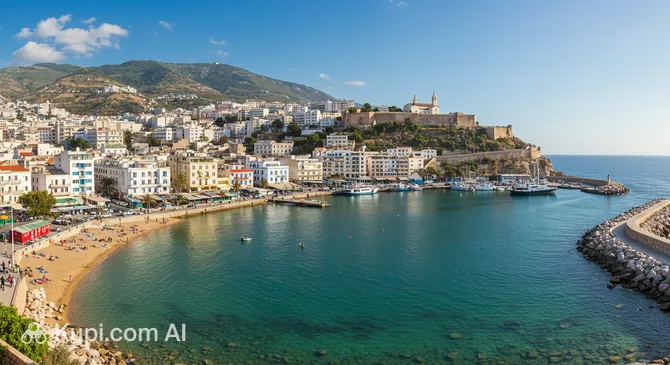
Bejaia. Source: Kupi.Binoculars

The history of Bejaia is deeply woven into its architecture and local culture. Once known to Europeans as "Bougie" due to its high-quality wax candles, the city has been influenced by various civilizations, including the Romans, Hammadids, and Ottomans. Today, visitors can explore remnants of this rich past, such as the impressive Kasbah and the Saracen Gate, which stand as testaments to its strategic importance through the ages.

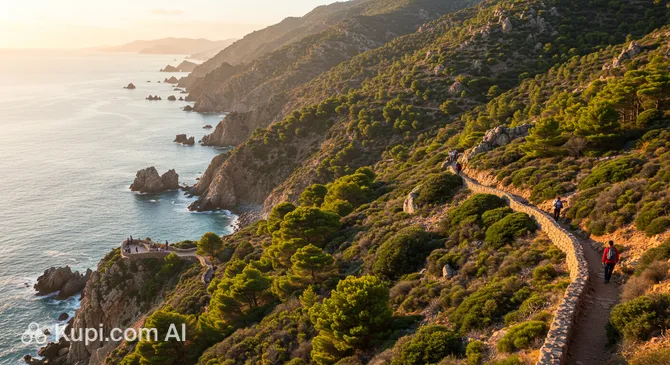
Nature enthusiasts will be drawn to the renowned Gouraya National Park, a UNESCO Biosphere Reserve located just north of the city. This protected area is famous for the towering Cap Carbon, which boasts one of the highest lighthouses in the world, and the Pic des Singes, where visitors can encounter the endangered Barbary macaque. Whether you are hiking the rugged trails or relaxing on the golden sands of beaches like Les Aiguades, Bejaia promises an unforgettable experience for every traveler.
Weather Overview

Bejaia enjoys a classic Mediterranean climate, making it a welcoming destination throughout much of the year. The summer season is characterized by warm, sunny days, particularly in July and August when average temperatures hover around 26°C and daily highs can reach approximately 29.4°C. During these months, rainfall is exceptionally rare, with July often seeing zero wet days, providing ideal conditions for beach activities and coastal hiking.

In contrast, the winter months bring cooler temperatures and a significant increase in precipitation. January is typically the coolest month, with an average temperature of 11.7°C and lows around 9.0°C. Travelers visiting between November and January should prepare for frequent showers, as these months average between 11 and 12 wet days, contributing to the lush greenery of the surrounding mountains.

To help you pack appropriate clothing for your trip, it is useful to consult the detailed guide on the weather in Bejaia. Overall, you can expect warm, dry summers perfect for outdoor adventures and mild, wetter winters that offer a quieter atmosphere for cultural exploration.

Interesting Facts

Beyond the main attractions and scenic views, Bejaia holds many fascinating secrets that reveal its deep historical and cultural layers. From its contribution to global mathematics to its local legends, the city offers curious travelers plenty of unique stories to uncover.
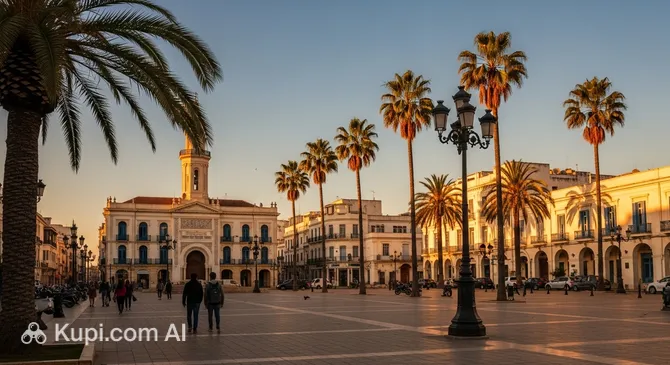
Place Gueydon. Source: Kupi.Binoculars
  • The city played a pivotal but often overlooked role in the history of mathematics. The famous Italian mathematician Leonardo Fibonacci lived here as a young boy in the 12th century, where he learned the Hindu-Arabic numeral system. He later introduced these numbers to Europe, effectively replacing Roman numerals and laying the groundwork for modern Western mathematics.

  • High above the coast within Gouraya National Park stands a fort dedicated to Yemma Gouraya, the city’s patron saint. Local legend describes her as a pious woman who watched over the region, and today, the site remains a significant pilgrimage destination where residents go to seek blessings and enjoy commanding views of the Mediterranean.

  • The bustling Place Gueydon is affectionately known as the "Balcony of Bejaia." Built on a steep slope, this iconic square was designed to face the sea rather than the city buildings, serving as a social hub where locals gather to watch ships enter the harbor and enjoy the evening breeze.

How to Get There

Reaching this Mediterranean gem is relatively straightforward, with air travel being the most convenient option for international and distant domestic travelers. For a comprehensive guide on all transport modes, including driving directions and public transit, you can read more about how to get to Bejaia.

The most direct way to arrive is via Bejaia Airport (IATA: BJA), also known as Soummam – Abane Ramdane Airport. Located just 4.6 km from the city center, it serves as the primary gateway for the region. The airport handles both domestic flights and international connections, particularly from France. Once you land, a taxi or shuttle ride to the downtown area is very quick, typically taking around 25 to 30 minutes depending on traffic.

If flights to Bejaia are unavailable, you might consider flying into Setif Airport (IATA: QSF) in the city of Setif. Situated approximately 68 km away, this airport offers an alternative route. However, keep in mind that the transfer to Bejaia involves a longer journey through the mountains, usually taking about 2 hours by taxi or car. Another option is the Jijel Ferhat Abbas Airport (IATA: GJL) in Jijel, located about 73 km east of Bejaia. The drive from there along the coast takes roughly 2 hours and 10 minutes.

For clarity, here is a summary of the main airports serving the region:

Airport Name City Passenger Traffic Km from City
Ain El Bey AirportConstantineHigh149.7
Setif AirportSetifMedium68.0
Bejaia AirportBejaiaMedium4.6
Batna AirportBatnaMedium158.0
Jijel Ferhat Abbas AirportJijelLow73.2

Besides air travel, Bejaia is well-connected by road and rail. The city has a railway station that links it to Algiers and other major northern cities, offering a scenic journey along the coast and through the Kabylie mountains. Buses and shared taxis are also popular and affordable means of transport for those arriving from nearby provinces.

Main Attractions

A visit to this coastal city would be incomplete without exploring the magnificent Gouraya National Park. This UNESCO Biosphere Reserve dominates the landscape immediately north of the city, offering a spectacular mix of mountain trails and seascapes. It is most famous for the Pic des Singes, or Monkey Peak, where travelers can encounter the endangered Barbary macaques in their natural habitat while taking in breathtaking panoramic views of the Mediterranean.

Gouraya National Park. Source: Kupi.Binoculars

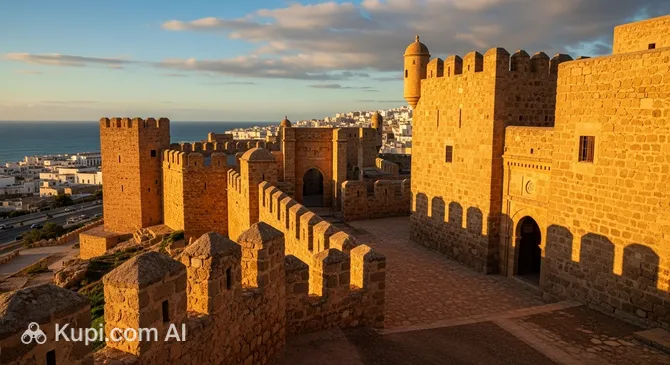
For history enthusiasts, the Kasbah of Béjaïa offers a window into the region's layered past. Originally established by the Hammadids and significantly fortified by the Spanish in the 16th century, this citadel stands guard over the city. Visitors can wander through its ancient stone walls and courtyards, reading the inscriptions that tell tales of different civilizations, all while enjoying a commanding vantage point over the port.

Kasbah of Béjaïa. Source: Kupi.Binoculars

The social heart of the town is undoubtedly Place Gueydon. Known locally as the city's balcony, this bustling square sits on a slope facing the harbor, providing one of the best spots to watch the sunset over the gulf. Lined with cafes and cinemas, it is the perfect location to relax after a day of sightseeing, sip a coffee, and observe the lively daily life of the locals.

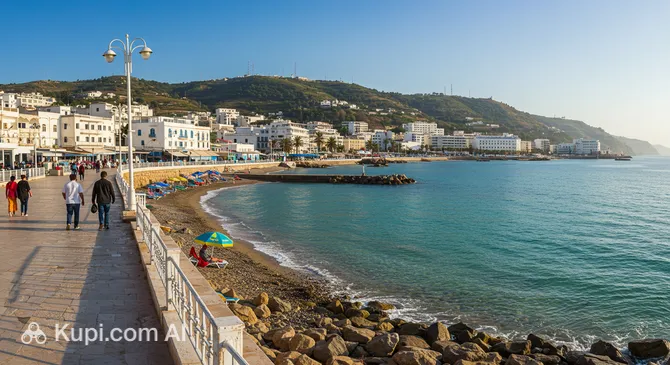
Those seeking a closer connection to the water should head to the Sea Breeze, often referred to as the Brise de Mer. This scenic promenade is situated at the foot of the mountains, right along the rocky coastline. It serves as a tranquil escape where tourists can enjoy a refreshing walk, listen to the waves crashing against the shore, and admire the rugged beauty of the cliffs meeting the sea.

Sea Breeze. Source: Kupi.Binoculars

Local Cuisine

The culinary landscape of Bejaia is a delightful fusion of Mediterranean freshness and robust Kabyle traditions, offering a gastronomic experience that is both hearty and flavorful. The region is famous for its high-quality olive oil, which serves as the foundation for many local recipes. Visitors can expect a diet rich in fresh vegetables, aromatic herbs, and locally sourced grains, creating dishes that are as nutritious as they are delicious.

One of the most iconic dishes to try is Tikourbabine (also known as asban), which consists of savory semolina dumplings flavored with mint, coriander, and onions, simmered in a spicy tomato and vegetable sauce. Another staple is the traditional Kabyle couscous, often steamed multiple times for a fluffy texture and served with seasonal vegetables, chickpeas, and tender pieces of lamb or chicken. Given the city's coastal location, seafood also plays a major role, with grilled sardines and fresh fish stews being popular choices at eateries near the port.

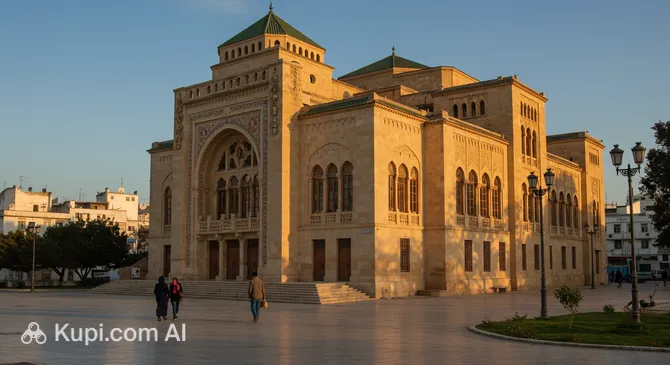
Maison L'Opéra. Source: Kupi.Binoculars

When it comes to beverages, mint tea is the undisputed favorite, often enjoyed throughout the day as a gesture of hospitality. It is typically served sweet and accompanies traditional pastries dipped in honey or almond-based treats. For those looking for refreshing cold drinks, fresh fruit juices and Lben (fermented milk) are widely available, providing a cooling counterpoint to the warm summer days.

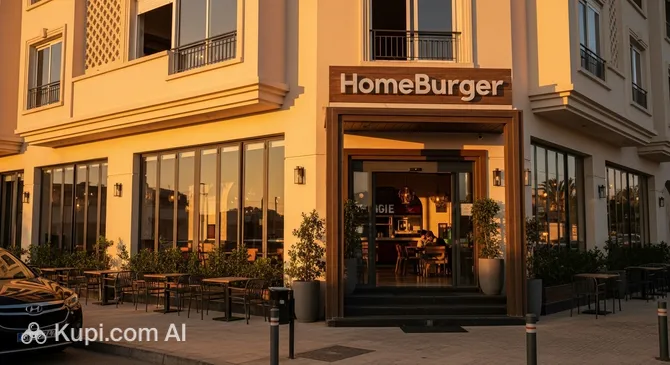
The food culture in Bejaia is vibrant and social, ranging from bustling street food stalls selling Mahjouba (stuffed flatbreads) to sit-down establishments. For a comfortable dining experience, you might visit Maison L'Opéra, a well-regarded restaurant where you can enjoy a variety of dishes in a pleasant atmosphere. Alternatively, if you are in the mood for a quick and casual bite, HomeBurger offers a modern take on fast food that is popular among local youth and tourists alike.

Travel Tips

Welcome to Bejaia! To ensure your journey through the "Pearl of Kabylia" is as smooth and enjoyable as possible, we have compiled a list of essential practical advice tailored to this unique coastal destination.

  1. Clothing and Gear: Bejaia enjoys a Mediterranean climate, so pack breathable, light clothing for the hot summers and a waterproof jacket if you visit during the rainy winter months. While the city is relatively open-minded, it is respectful to dress modestly when walking through the city center or visiting religious sites; save your swimwear for the beaches. Since exploring Gouraya National Park involves walking on uneven terrain, bring sturdy, comfortable walking shoes.

  2. Transportation: The most convenient way to get around the city is by using the distinctive yellow taxis. They are affordable and plentiful, but it is always wise to check if the meter is running or agree on a fare before starting your ride. Public buses are available but can be crowded and confusing for first-time visitors. For those wishing to explore the scenic coastline or the mountainous hinterlands at their own pace, renting a car is highly recommended.

  3. Finances: The local currency is the Algerian Dinar (DZD). Algeria is predominantly a cash-based society, so do not rely solely on credit cards, as they are accepted mainly in large hotels and high-end restaurants. ATMs are widely available in the city center for withdrawing cash. It is best to exchange a small amount of money upon arrival at the airport or at an official bank in the city.

  4. Health and Safety: Bejaia is generally a safe city for tourists, but standard precautions against pickpocketing should be taken in crowded areas like markets. Tap water is technically treated, but it is safer for short-term visitors to drink bottled mineral water to avoid any stomach issues. Pharmacies are easy to spot by their green cross signs, and many have a rotation system for night shifts (pharmacie de garde).

  5. Communication: While Arabic is the official language, the local population in Bejaia predominantly speaks Kabyle (a Berber language) and is bilingual in French. English is becoming more popular among the younger generation but is not yet universally spoken, so having a translation app or knowing basic French phrases is extremely helpful. Buying a local SIM card (Mobilis, Ooredoo, or Djezzy) is cheap and easy, ensuring you have data connectivity for maps and translation.

  6. Local Etiquette: The people of Bejaia are known for their hospitality and warmth. A handshake is the standard greeting between men, while a nod and a smile are appropriate when greeting someone of the opposite gender unless they offer their hand first. Using the local Kabyle greeting "Azul" (Hello) will almost certainly earn you a warm smile and appreciation from the locals.

  7. What to Avoid: Avoid taking photographs of police officers, military personnel, or government buildings, as this is strictly prohibited. Additionally, always ask for permission before taking photos of local residents, especially women, to respect their privacy.

  8. Local Insight: If you plan to visit the famous Cap Carbon or Monkey Peak, try to go early in the morning on a weekday. Weekends (Friday and Saturday) can get very crowded with local families picnicking, which is a lovely cultural experience but might make the trails busier than you expect.

Armed with these tips, you are ready to immerse yourself in the vibrant culture and breathtaking landscapes of Bejaia. We hope your adventure is filled with wonderful discoveries, delicious flavors, and warm encounters with the locals!

Entertainment & Nightlife

Nightlife in Bejaia is distinctively Mediterranean, characterized by a relaxed and social atmosphere rather than a high-energy clubbing scene. As the sun sets, the city transforms into a lively hub where families, friends, and couples gather to enjoy the cool evening breeze. The entertainment here revolves primarily around socializing in bustling cafés, enjoying leisurely dinners, and taking long promenades along the coast, reflecting the warm and communal culture of the region.

The epicenter of evening activity is undoubtedly Place Gueydon. Often buzzing with activity well into the night, this iconic square offers a spectacular view of the illuminated port and the Gulf of Bejaia. It is lined with numerous cafés and ice cream parlors where locals sit for hours, sipping strong coffee or mint tea and engaging in animated conversations. The vibe is casual and welcoming, making it the perfect spot to immerse yourself in the local rhythm of life.

For those seeking a scenic evening stroll, the Sea Breeze (Brise de Mer) promenade is an absolute must. Located near the harbor, this area comes alive at night with people walking by the water, street vendors selling snacks, and the sound of waves crashing against the shore. It provides a refreshing escape from the city heat and is a safe, family-friendly environment for a night walk.

Dining out is a major part of the nightlife entertainment. While many places serve traditional fast food, you can find venues offering a more refined experience suitable for a night out. Maison L'Opéra is a popular choice for those looking to enjoy a pleasant dinner in a nice setting. If you are looking for places that serve alcohol, options are somewhat limited compared to European cities; hotel bars and select discrete lounges are your best bet, as most standard cafés are alcohol-free.

HomeBurger. Source: Kupi.Binoculars

Regarding practicalities, the best time to experience the city's nightlife is during the summer months when the streets remain crowded until very late. In winter, the city tends to quiet down earlier. For transportation, yellow taxis are readily available and affordable; it is recommended to use them rather than walking long distances alone late at night outside the main well-lit districts. The city center is generally safe, but it is always wise to stay in populated areas.

While the nights are for socializing, daytime entertainment in Bejaia offers a touch of culture. The city is home to the majestic Regional Theater of Bejaia, an architectural gem that hosts plays and concerts, serving as a beacon for art lovers. Additionally, visitors can explore local museums to gain deeper insights into the region's history before the evening festivities begin.

Parks & Museums

Bejaia offers a captivating blend of lush greenery and deep-rooted heritage, making it a destination where nature and history are inextricably linked. The city is embraced by verdant mountains that tumble into the Mediterranean, while its streets are dotted with monuments that bear witness to centuries of cultural exchange. For travelers, this means the opportunity to explore expansive national parks in the morning and wander through ancient fortifications turned into cultural venues by the afternoon.

The crown jewel of the city's natural spaces is undoubtedly the Gouraya National Park. As a UNESCO Biosphere Reserve, it is much more than just a park; it is a sprawling sanctuary of biodiversity that overlooks the city. Visitors can hike through dense forests of Aleppo pine and prickly juniper, eventually reaching the breathtaking cliffs of Cap Carbon. It is an ideal spot for nature lovers hoping to spot the indigenous Barbary macaque or simply enjoy a picnic with a panoramic view of the sapphire sea.

For a more relaxed experience closer to the city center, the Sea Breeze (Brise de Mer) provides a delightful escape. This paved promenade runs along the coastline at the foot of the mountains, offering a scenic route for walkers and joggers. It acts as a linear park where the fresh sea air and the rhythmic sound of waves create a tranquil atmosphere, perfect for unwinding after a day of sightseeing.

When it comes to museums, the Bordj Moussa is a must-visit cultural landmark. Originally a 16th-century Spanish fort, it has been converted into the Museum of Bejaia. Inside, history enthusiasts can explore a collection that spans the region's timeline, featuring impressive Roman mosaics, prehistoric artifacts, and relics from the Hammadid and Ottoman periods. The architecture of the fort itself, with its thick walls and strategic position, adds an immersive layer to the historical exhibits.

Another significant site that functions as an open-air museum is the Kasbah of Béjaïa. This ancient citadel, dating back to the Hammadid dynasty and later reinforced by the Spanish, allows visitors to walk through history. While exploring its restored walls and courtyards, you can read inscriptions and view architectural details that tell the story of the city’s intellectual and political past, including its time as a center of mathematics and science.

Beyond the main gates, the Bab Fouka (Saracen Gate) stands as a resilient monument to the city's medieval fortifications. It is one of the few remaining gates of the old city wall and serves as a photogenic reminder of Bejaia's strategic importance. For an authentic local experience, head to the Les Aiguades cove within the national park. It is a favorite spot for locals to gather, offering a shaded, park-like setting right next to the water, where the forest meets the beach in perfect harmony.

Getting Around

Navigating Bejaia is an authentic experience that relies primarily on road-based transport, as the city does not currently have a metro or tram system. The backbone of the public transit network consists of buses, which are divided into two main categories: the public state-run buses (often blue and white) and the privately-owned minibuses or vans. The public buses generally serve the main avenues and connect the city center to key suburbs, while the private transporters often cover more specific neighborhoods and can be faster, though they are frequently more crowded.

For most tourists, the distinct yellow taxis are the most convenient and comfortable way to get around. They are ubiquitous in the city center and can be easily hailed from the street or found at designated ranks near major landmarks like Place Gueydon. While taxis are equipped with meters, it is not uncommon for drivers to propose a fixed fare for a specific trip. It is advisable to ask the driver to turn on the meter ("compteur") or, if they refuse, to negotiate and agree on a price before getting into the car to avoid misunderstandings.

The payment system for public transport is straightforward and exclusively cash-based. There are no travel cards, digital passes, or tap-to-pay systems available for the buses. When you board a bus, you will typically pay a conductor (known locally as a "receveur") who moves through the aisle collecting fares, or you pay the driver directly upon entry in smaller vans. Fares are extremely affordable, usually costing just a few dinars, so it is essential to carry small change and coins, as breaking large banknotes can be difficult.

Operating hours for public transport typically run from early morning, around 6:00 AM, until the early evening, with services tapering off significantly after 7:00 PM or 8:00 PM. Visitors should be aware that on Fridays, which is the weekend and a holy day, public transport options are drastically reduced, and buses may be infrequent. During rush hours, buses can get very congested, so if you are carrying luggage or prefer personal space, a taxi is the far better option.

Given the city's hilly topography, walking is a viable and scenic option for short distances within the historic center, allowing you to explore the architecture up close. However, for visiting attractions located further afield, such as the peaks of Gouraya National Park or the beaches along the coast, renting a car is a popular alternative. Ride-hailing apps are also beginning to make an appearance in major urban areas of the region, offering a modern alternative to traditional taxis, though availability can vary compared to the capital.

Accommodation

Finding the perfect place to stay in Bejaia is relatively easy, as the city offers a variety of accommodation options tailored to different needs and budgets. The hospitality landscape ranges from standard business hotels in the city center to lively seaside resorts along the coast. For travelers seeking a more home-like experience, furnished apartments and vacation rentals are becoming increasingly popular, especially for families planning longer stays during the summer holidays.

When choosing where to base yourself, the city center is often the most convenient choice for first-time visitors. Staying near the port or the historic district places you within walking distance of key landmarks and transport hubs, making it easy to explore the cultural sites without needing a car. Alternatively, if your trip is focused on relaxation and beach activities, the coastal areas stretching east of the city offer numerous hotels with direct access to the Mediterranean, providing a resort-style atmosphere that comes alive during the peak season.

In terms of cost, accommodation in Bejaia is generally affordable compared to many international destinations. Travelers can find budget-friendly hostels and guesthouses, as well as mid-range hotels that offer comfortable amenities like air conditioning and Wi-Fi. While luxury options are less abundant than in the capital, there are several upscale establishments that provide excellent service and sea views. Booking platforms are widely used for larger hotels, but for smaller local establishments or apartments, direct contact or booking upon arrival is still common practice.

Booking Tip: Bejaia is a favorite summer destination for domestic tourists, particularly in July and August. During these months, the best hotels and rentals fill up very quickly. It is highly recommended to book your accommodation several weeks in advance if you plan to visit during the high season to secure your preferred location and rate.

Nearby Cities

For those looking to explore the surroundings, Bejaia serves as an excellent base for day trips to several interesting nearby locations:

City Population Distance (km)
Jijel 131,513 64
Akbou 52,282 57
Azazga 34,683 61
El Kseur 29,842 21
Amoucha 22,767 52

One of the most captivating destinations for a day trip is Jijel, located to the east along the stunning coastline. Known for the "Corniche Jijelienne," the drive itself is a scenic adventure where the mountains meet the sea. Visitors are often drawn to the nearby Taza National Park and the famous "Marvelous Caves" (Grottes Merveilleuses), which feature impressive natural stalactite and stalagmite formations.

For those interested in history and a shorter journey, El Kseur lies just a brief drive west through the Soummam Valley. This town is historically significant due to its proximity to the ancient Roman ruins of Tubusuptu. It offers a quieter atmosphere surrounded by olive groves and orchards, perfect for travelers wanting to connect with the region's ancient heritage without venturing too far.

Another excellent option is Azazga, situated to the west in the heart of the Kabylie region. It serves as a gateway to the Yakouren forest, a lush area famous for its Barbary macaques and traditional pottery. Exploring Azazga provides a wonderful opportunity to purchase authentic local crafts and enjoy the refreshing mountain air.

These nearby destinations offer a glimpse into the diverse culture and landscapes of the region.

Shopping & Souvenirs

General Overview: Shopping in Bejaia offers a delightful mix of modern convenience and traditional charm, reflecting the city's status as the heart of the Kabyle region. While you will not find the massive luxury avenues typical of European capitals, the city provides a genuine retail experience where local craftsmanship takes center stage. Visitors can expect to find a variety of goods ranging from high-street fashion in the city center to unique artisanal products that showcase the rich cultural heritage of the area.

Main Shopping Areas: The commercial pulse of the city beats strongest in the downtown area, often referred to as the "Centre Ville." The bustling Boulevard de la Liberté and the streets radiating from the main squares are lined with a diverse array of shops selling clothing, shoes, and electronics. A walk through these lively districts allows tourists to mingle with locals and explore small boutiques that offer everything from modern apparel to traditional fabrics.

Shopping Malls: For a more contemporary shopping experience, Ritaj Mall is the primary destination in the city. As one of the modern commercial centers in Bejaia, it features a large supermarket, various retail stores, and a food court. It is a convenient stop for travelers looking for fixed prices, international brands, or simply a cool, air-conditioned environment to browse in comfort.

Markets: To truly understand the local culture, a visit to the traditional markets is essential. The central covered market is a sensory explosion of colors and scents, where vendors sell mounds of fresh spices, seasonal fruits, and vegetables. It is the perfect place to buy the region's famous dried figs and dates. Weekly markets, or "souks," also take place in the surrounding areas, offering a chaotic but fascinating glimpse into daily life, selling everything from household goods to local produce.

Souvenirs: The best keepsakes from Bejaia are deeply rooted in Kabyle traditions. Kabyle jewelry is the most iconic souvenir; these intricate silver pieces, decorated with colorful enamel and coral, are unique to the region. Berber pottery, characterized by its geometric patterns, is another excellent choice. Additionally, the region produces some of the finest olive oil in the Mediterranean, making a bottle of local oil or a jar of honey a delicious gift to bring home.

Opening Hours and Payment: Standard store hours generally run from 9:00 AM to 7:00 PM, though many shops close for a lunch break in the afternoon. It is important to remember that Friday is the holy day in Algeria; most businesses will be closed in the morning and may only reopen in the late afternoon, if at all. Cash is king in Bejaia. While the mall and some upscale hotels may accept credit cards, the vast majority of shops, markets, and cafes deal exclusively in Algerian Dinars, so always carry sufficient cash.

Tax-Free: Tax-free shopping and VAT refunds are not standard services available to tourists in Algeria. Visitors should expect the price displayed on items to be the final cost, with no option to claim taxes back at the airport.

Reached the end of the page?

That means the route is fully explored