Support

Setif

About

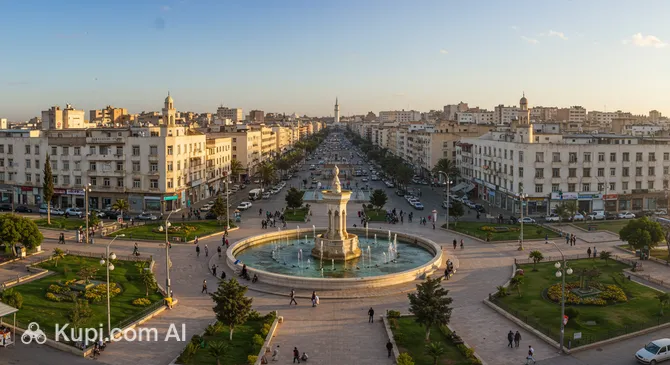
Welcome to Setif, a bustling metropolis located in the northeastern part of Algeria. Often referred to as the commercial capital of the High Plains, this city offers a unique blend of historical depth and modern vitality. With a population of approximately 288,000 residents, it stands as one of the country's most significant urban centers, known for its lively atmosphere and welcoming locals.

Geographically, Setif is situated at an elevation of about 1,100 meters above sea level. This high altitude bestows the city with a distinct continental climate, characterized by hot, dry summers and cool, sometimes snowy winters—a refreshing contrast to the coastal regions. The city serves as a crucial crossroads, connecting the east and west of the nation, which has contributed to its enduring economic prosperity.

Setif. Source: Kupi.Binoculars

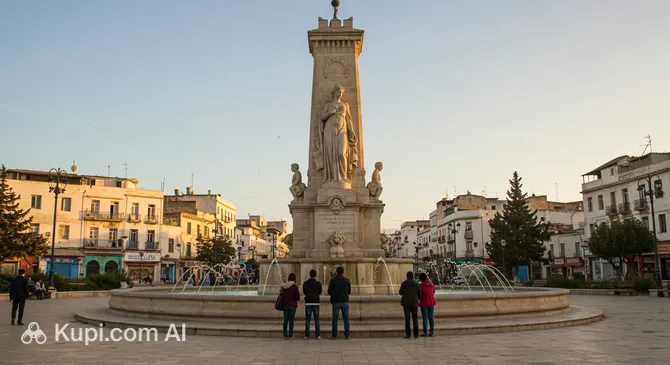
The history of Setif is rich and multifaceted, dating back to the Roman era when it was known as Sitifis. Visitors can sense the layers of time as they explore the city, traversing from ancient remnants to colonial-era architecture. A focal point for both locals and tourists is the iconic Ain El Fouara Fountain, a monumental landmark in the city center that serves as a popular meeting place.

Beyond its urban charm, Setif is a gateway to remarkable sights. Just a short drive away lie the breathtaking Roman ruins of Djemila, a UNESCO World Heritage site that is a must-see for archaeology enthusiasts. For those seeking modern entertainment, the Park Mall Setif offers extensive shopping and leisure facilities. Whether you are here to uncover ancient secrets or enjoy contemporary comforts, Setif invites you to discover its many treasures.

Weather Overview

Due to its high altitude, the weather in Setif is distinctly continental, characterized by a significant contrast between the seasons. Visitors can generally expect hot, dry summers and cold winters with more frequent rainy days. The summer months, particularly July and August, are the warmest, with average temperatures rising to around 27°C and daily highs often exceeding 33°C, creating perfect conditions for exploring the city's outdoor landmarks.

In contrast, the winter season from December through February brings a crisp chill to the air. Average temperatures drop to between 6°C and 8°C, with nighttime lows occasionally dipping near 2°C. While the overall volume of precipitation remains relatively low throughout the year, the number of wet days increases during the winter and spring, peaking in March with about 11 days of rain. Travelers should pack accordingly, bringing lighter clothing for mid-year visits and warm layers for the cooler months.

Interesting Facts

Beyond the main attractions, Setif holds many fascinating secrets that offer a deeper understanding of its character. From its ancient Roman roots to its surprising climate, the city is full of unique details that captivate visitors.
Ain El Fouara Fountain. Source: Kupi.Binoculars
  • A Snowy Surprise: While many envision Algeria as a land of endless deserts, Setif defies this stereotype. Sitting at an altitude of 1,100 meters, it is one of the few major cities in the country that regularly experiences snowfall during the winter months, earning it a reputation for its crisp, alpine-like atmosphere.

  • A Parisian Masterpiece: The beloved Ain El Fouara Fountain is more than just a local landmark; its centerpiece statue was sculpted in Paris by Francis de Saint-Vidal. It was displayed at the Universal Exhibition before being transported across the Mediterranean and installed in the city in 1898.

  • Meaning in the Name: The name "Setif" is believed to be derived from the Berber word "Zdif," which translates to "black earth." This refers to the region's exceptionally fertile soil, which has made it a granary for the country since ancient times.

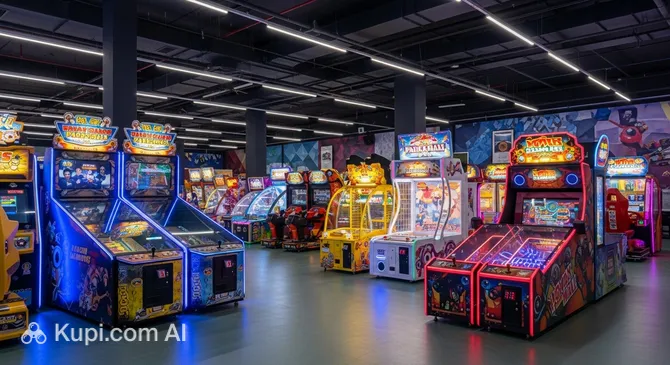
  • A Hub of Modern Entertainment: The city is home to Park Mall Sétif, one of the largest commercial complexes in Africa. Inside this massive structure, visitors can find Dream Games Parkmall, a sprawling indoor amusement park that attracts families from all over the region.

How to Get There

Reaching Setif is relatively convenient thanks to its strategic location and transport infrastructure. Whether you prefer flying or traveling by road, there are several options to suit your itinerary. For a comprehensive overview of all travel methods, you can read more about how to get to Setif.

The most direct way to arrive is via Setif Airport (QSF), also known as Ain Arnat Airport. Located just 7.8 km from the city center, it offers the quickest transfer, with a taxi ride taking approximately 30 minutes. This airport handles a moderate volume of traffic and serves as the primary gateway for travelers heading directly to the region.

Alternatively, you can fly into Ain El Bey Airport (CZL) in the city of Constantine, which is a larger regional hub. Although it is located about 109 km from Setif, the connection is efficient, and the journey by taxi or car takes approximately 1.5 hours. Another option is Bejaia Airport (BJA), situated roughly 65.5 km away in a straight line. However, travelers should note that the road route is significantly longer due to the winding mountainous terrain, making the drive take about 2 hours.

For clarity, here is a summary of the main airports in the vicinity:

Airport Name City Passenger Traffic Km from City
Ain El Bey AirportConstantineLarge109.2
Setif AirportSetifMedium7.8
Bejaia AirportBejaiaMedium65.5
Batna AirportBatnaMedium94.4
Jijel Ferhat Abbas AirportJijelSmall78.9

In addition to air travel, Setif is well-connected by Algeria's rail and road networks. The city lies on the main East-West Highway, making it easily accessible by bus or car from the capital, Algiers, and other major cities. The local railway station also provides regular train services, linking Setif to key destinations across the country.

Main Attractions

Setif offers a compelling mix of historical landmarks and contemporary leisure centers, making it a vibrant destination for travelers. The city seamlessly blends its rich cultural heritage with modern developments, providing visitors with diverse experiences ranging from relaxing strolls in scenic parks to exciting entertainment options.

Undoubtedly the most famous symbol of the city is the Ain El Fouara Fountain. Located in the heart of the city center, this emblematic monument features a beautifully sculpted statue and serves as the primary gathering spot for locals and tourists alike. It is more than just a piece of art; it is the soul of Setif, where people come to cool off and socialize. According to local legend, anyone who drinks from its water is destined to return to the city one day, adding a touch of magic to this historical site.

Ain El Fouara Fountain. Source: Kupi.Binoculars

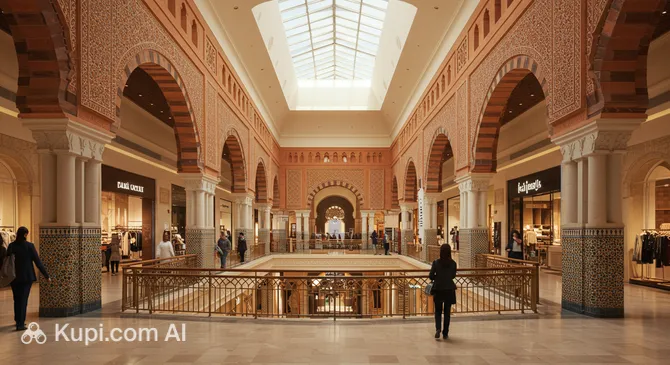
For those seeking a modern shopping and lifestyle experience, Park Mall Sétif is an unmissable destination. As one of the largest commercial complexes in the region, it dominates the city skyline with its impressive architecture. Inside, visitors can explore a wide array of international brands, enjoy diverse dining options at the food court, or simply admire the bustling atmosphere. It represents the modern face of the city and provides a convenient one-stop location for entertainment and retail therapy.

Park Mall Sétif. Source: Kupi.Binoculars

Located within the massive Park Mall complex is Dream Games Parkmall, a premier entertainment hub that attracts families and thrill-seekers. This indoor amusement park features a variety of attractions, including video games, rides, and a 7D cinema. One of its main highlights is the ice skating rink, which offers a unique recreational activity that is particularly refreshing during the warm summer months. It is the perfect place to unwind and have fun after a day of sightseeing.

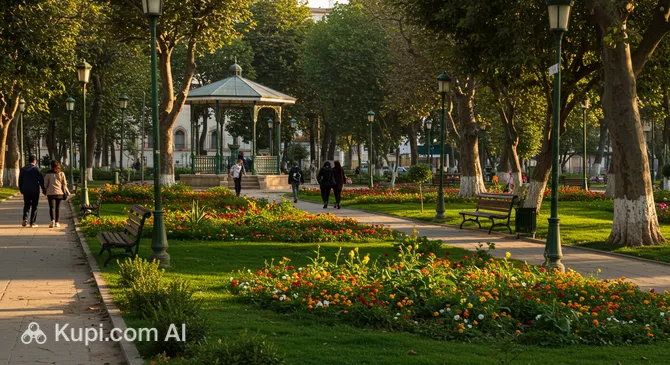
Another excellent spot for outdoor recreation is Setifis Park. This amusement park is a favorite among families, offering a selection of rides and green spaces where visitors can relax. The park provides a lively yet laid-back environment, making it an ideal location for an evening walk or a fun outing with children. Its central location makes it easily accessible, allowing tourists to enjoy a break from the urban bustle while staying close to the city's main amenities.

Setifis Park. Source: Kupi.Binoculars

Local Cuisine

To explore the local cuisine of Setif is to dive into the heart of Algeria’s "breadbasket." As the capital of the High Plains, the region is famous for its high-quality wheat and semolina, which form the foundation of its most celebrated dishes. The food here is hearty, generous, and deeply rooted in Berber and Arab traditions, offering a warm welcome to any traveler.

The absolute star of the local table is Couscous, locally known as Berboucha. Unlike the versions found elsewhere, the Setif style is often steamed multiple times to achieve an incredibly fluffy texture and is typically served with a white sauce, tender lamb, turnips, and chickpeas. Another must-try specialty is Chakhchoukha, particularly the Feremsa variety. This dish consists of thin, torn layers of flatbread doused in a spicy, flavorful tomato-based sauce with meat and vegetables. It is a festive meal, often shared from a large communal clay dish during family gatherings or special occasions.

For those with a sweet tooth or looking for a snack, Mbardja (also known as Bradj) is a local favorite. These are diamond-shaped semolina cakes filled with a thick layer of date paste (ghers). They are traditionally consumed in the spring but are available year-round, perfectly pairing with a glass of fermented milk known as Lben or a hot cup of mint tea. Speaking of drinks, mint tea is the ubiquitous sign of hospitality, enjoyed at any time of day. While alcohol is not served in standard cafes due to local culture, it is available in licensed restaurants and the bars of major hotels for international visitors.

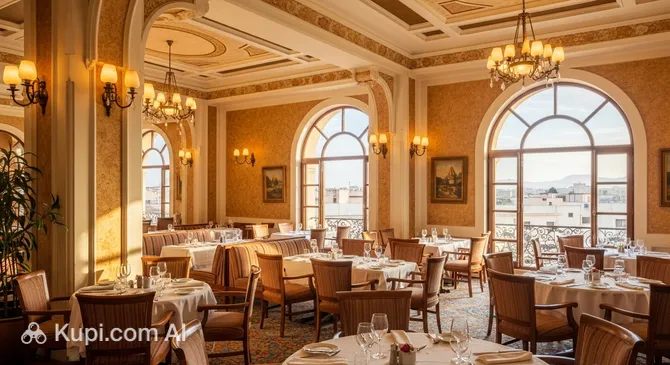
The dining scene in Setif ranges from bustling street food stalls to elegant venues. For a quick and authentic bite, look for shops selling Mahajeb, spicy tomato and onion-stuffed flatbreads that are cooked fresh on a griddle. If you prefer a more refined dining experience, the city offers several modern establishments. You can enjoy exquisite international and local cuisine at the Park Mall Hotel & Conference Center, which offers high standards of service and often features a view of the city.

Park Mall Hotel & Conference Center. Source: Kupi.Binoculars

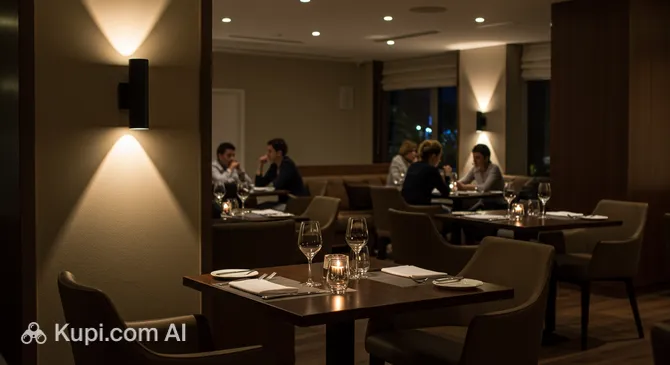
Another excellent option for dining is the restaurant at Hotel Rue d'Or, known for its comfortable atmosphere and diverse menu. Whether you are eating a simple sandwich on the street or enjoying a multi-course meal in a hotel, the flavors of Setif are sure to leave a lasting impression.

Hotel Rue d'Or. Source: Kupi.Binoculars

Travel Tips

Visiting Setif is a rewarding experience, but navigating the "Capital of the High Plains" requires a bit of local know-how to ensure your trip runs smoothly. These practical tips are designed to help you prepare for the city’s unique high-altitude climate and cultural nuances, allowing you to focus on enjoying your journey.

  1. Clothing and Gear: Because Setif sits at 1,100 meters, the weather can be unpredictable. In winter (December to February), you will need a warm coat, scarf, and gloves, as snow is common. Summer days are hot, requiring breathable fabrics, but evenings can still be cool, so always carry a light jacket. Culturally, Algeria is conservative; both men and women should dress modestly, covering shoulders and knees, especially when walking in the city center or visiting religious sites.

  2. Transportation: The most efficient way to get around the city core is the Setif Tramway. It is modern, clean, and connects key areas like the university, the bus station, and the city center cheaply. For destinations off the tram line, bright yellow taxis are abundant and affordable; however, they often operate as shared taxis unless you request a "course" (private ride). Renting a car is only recommended if you plan to visit the ruins of Djemila or explore the surrounding mountains.

  3. Finances: The local currency is the Algerian Dinar (DZD). Algeria is heavily cash-based, and credit cards are rarely accepted outside of luxury hotels like the Park Mall Hotel or high-end restaurants. You should carry sufficient cash for daily expenses. ATMs are available, but they can occasionally be out of service, so it is wise to exchange money at a bank or official exchange bureau upon arrival.

  4. Health and Safety: Setif is generally a safe city for tourists, but standard precautions against pickpocketing apply in crowded markets. Pharmacies are widely available and easily recognized by a green cross sign; many stay open late or operate on a rotation basis for night shifts. While tap water is treated, it is safer for short-term visitors to stick to cheap and widely available bottled water to avoid any stomach upset.

  5. Communication: The main languages spoken are Arabic (the local dialect is Darja) and French. English is becoming more popular among the younger generation but is not yet widely spoken in shops or by taxi drivers. Learning a few basic phrases like "Salam" (Hello) and "Shoukran" (Thank you) will go a long way. Buying a local SIM card (Mobilis, Djezzy, or Ooredoo) is highly recommended for mobile data and maps.

  6. Local Etiquette: Algerians are incredibly hospitable. If you are invited to a home, it is polite to bring a small gift, such as pastries or fruit, and remember to remove your shoes at the door. When greeting people of the opposite gender, wait to see if they extend their hand; if not, a nod and a hand over the heart is the respectful greeting. Public displays of affection are culturally inappropriate and should be avoided.

  7. What to Avoid: Do not take photographs of police officers, military personnel, or government buildings (including post offices and bridges sometimes), as this is strictly prohibited and can lead to questioning. Also, avoid eating or drinking in public during daylight hours if you visit during the holy month of Ramadan, out of respect for those fasting.

  8. Shopping Tip: For a mix of convenience and local vibes, visit the Park Mall. It is not just a shopping center but a social hub where you can find clean restrooms, a supermarket for supplies, and a safe place to withdraw money. However, don't miss the traditional markets in the city center for authentic spices and dates, but be prepared to haggle politely.

By keeping these practicalities in mind, you will be well-equipped to navigate Setif with confidence and respect. The city's blend of history, modernity, and hospitality is best enjoyed when you can blend in with the local rhythm, leaving you free to create unforgettable memories in this highland gem.

Entertainment & Nightlife

Entertainment and nightlife in Setif offer a distinct cultural experience that differs significantly from the club-centric scenes found in many Western cities. Here, the "nightlife" is centered around socializing, family gatherings, and vibrant street life. As the sun sets, the city sheds its commercial bustle and adopts a relaxed, convivial atmosphere. The streets fill with locals enjoying the cool evening air, particularly during the summer months when the high-altitude climate provides a refreshing break from the daytime heat.

The epicenter of evening activity is undoubtedly the city center, specifically the area surrounding the Ain El Fouara Fountain. This district transforms into a bustling promenade where groups of friends and families stroll along the wide avenues, known locally as "boulevarding." The atmosphere is lively yet safe, with cafes staying open late to serve mint tea, coffee, and pastries. It is common to see children playing and people chatting on benches well past midnight, creating a warm, community-focused vibe.

For a more modern and upscale entertainment experience, the Park Mall Sétif is the place to be. As the city's premier lifestyle hub, it remains vibrant into the late evening. It offers a secure and polished environment where visitors can shop, dine, or simply people-watch. Inside, you will find Dream Games Parkmall, which keeps the energy high with its bowling alley, ice skating rink, and arcade games, making it a favorite destination for those seeking active fun after dark.

Travelers looking for a refined dining experience or a place to enjoy a quiet drink should head to the Park Mall Hotel & Conference Center. This venue offers some of the most sophisticated evening settings in the city, often featuring restaurants with panoramic views. distinctive from the dry cafes on the street, high-end hotels are typically the only establishments where alcoholic beverages are available, served in discreet and elegant lounge bars suitable for a relaxed night out.

When planning a night out in Setif, it is important to respect local customs. The dress code is generally smart-casual and modest; for men, long trousers are preferred over shorts in the evening, and women usually dress conservatively. The best time to experience the city's nightlife is between 8:00 PM and 11:00 PM. While the city center is safe for walking, it is advisable to take a taxi if you are traveling further afield or returning to your accommodation very late. Yellow taxis are abundant and affordable, but ensure the meter is running or agree on a price before departing.

While the nights are for socializing, daytime entertainment in Setif leans towards cultural and recreational activities. Visitors can explore the National Museum of Archaeology to see impressive Roman mosaics or enjoy a leisurely afternoon at Setifis Park. This amusement park is bustling during the day and early evening, offering a cheerful environment with rides and green spaces that perfectly complements the city's family-friendly character.

Parks & Museums

Setif seamlessly intertwines its role as a commercial hub with a dedication to preserving its rich heritage and providing recreational spaces for its residents. For tourists, this means the city offers a balanced itinerary where one can admire ancient Roman artistry in the morning and enjoy a relaxing stroll through verdant gardens in the afternoon.

When it comes to green spaces, Emir Abdelkader Garden is a standout location that offers a unique fusion of nature and history. Located adjacent to the city's main museum, this garden serves as an open-air gallery where visitors can walk among ancient stone columns, epigraphic stelae, and Roman vestiges scattered beneath the shade of towering trees. It is a tranquil spot that allows you to absorb the city's past in a serene, leafy environment.

For a more lively outdoor experience, Setifis Park provides a modern recreational setting in the heart of the city. While it is popular for its amusement rides, the park also features landscaped walkways and sitting areas that are perfect for families looking to unwind. It stands as a testament to the city's effort to create accessible leisure zones that cater to both the energetic youth and those seeking a quiet pause.

The cultural crown jewel of the city is undoubtedly the Sétif National Museum. Renowned across Algeria and beyond, this institution houses an exceptional collection of archaeological treasures. Its most celebrated exhibits are the Roman mosaics, including the breathtaking "Procession of Bacchus," which is praised for its intricate detail and vibrant colors. The museum also guides visitors through the prehistoric and Islamic periods, offering a comprehensive narrative of the region's diverse civilizations.

Stepping outside the museum, history enthusiasts will find themselves in the shadow of the Byzantine Citadel. The remnants of these ancient fortress walls, built between the 6th and 11th centuries, encircle the northern part of the city. Walking along these fortifications offers a tangible connection to the strategic military importance Setif held during the Byzantine era.

In the city center, the famous Ain El Fouara Fountain remains a pivotal historical and architectural landmark. While it serves as a bustling meeting point, the plaza surrounding it acts as an urban park of sorts, where the rhythm of daily life unfolds against the backdrop of colonial-era architecture and the soothing sound of flowing water.

For a completely different type of park experience, the city offers Dream Games Parkmall. Although indoors, this venue functions as a massive entertainment park, providing a climate-controlled environment for recreation regardless of the weather outside.

Dream Games Parkmall. Source: Kupi.Binoculars

Insider Tip: If you plan to visit the Sétif National Museum, try to go on a weekday morning. You will often have the magnificent mosaic halls almost entirely to yourself, allowing for an uninterrupted and deeply atmospheric viewing experience.

Getting Around

Public transport in Setif has undergone a significant modernization in recent years, making it relatively easy for visitors to navigate the city. The backbone of the system is the Setif Tramway, a modern and efficient light rail network that connects the eastern and western parts of the city. For tourists, this is the most recommended mode of transport as it is clean, safe, air-conditioned, and services many key locations, including the university, the bus station, and the city center near the Park Mall.

In addition to the tram, the city relies heavily on a network of buses. These are divided into two categories: the public blue-and-white buses operated by ETUS and the privately owned, often colorful, minibuses. While the bus network is extensive and reaches neighborhoods far beyond the tram tracks, it can be somewhat chaotic and crowded for those unfamiliar with the routes. Destination signs are usually in Arabic, so if you choose to take a bus, it is helpful to ask the driver or a local for assistance to ensure you are heading in the right direction.

The payment system in Setif is almost entirely cash-based. For the tramway, you must purchase a single-trip ticket from the kiosks or automatic vending machines located at every station before boarding. The cost is very affordable, typically around 40 DZD per trip. Once on board, it is crucial to validate your ticket using the orange machines to avoid a fine. For buses, you simply pay the conductor or driver directly upon entering; try to carry small change, as they may not always have change for large banknotes.

Taxis are another extremely popular and convenient alternative. You will see bright yellow taxis everywhere in the city. They operate in two modes: "shared" (by the seat) and "course" (private ride). Shared taxis follow fixed routes and pick up multiple passengers, making them very cheap, while a private ride will take you directly to your destination for a higher, negotiated fee. Ride-hailing apps like Yassir are also gaining popularity in Algeria and can be a useful tool for tourists who prefer a fixed price and the convenience of booking via a smartphone.

For those staying in the city center, walking is often the best option. Many of Setif's main attractions, such as the Ain El Fouara Fountain and the archaeological museum, are located within a compact area that is pleasant to explore on foot. However, if you plan to visit the Roman ruins of Djemila or explore the surrounding High Plains, renting a car or hiring a private taxi for the day is highly recommended, as public transport to these outlying areas can be infrequent.

Transport services generally operate from around 5:30 AM to 11:00 PM. However, frequency drops significantly after 8:00 PM, and buses may stop running earlier than the tram. If you are out late enjoying the city's evening atmosphere, securing a taxi is usually the most reliable way to return to your accommodation.

Accommodation

Finding a place to stay in Setif is generally straightforward, as the city offers a variety of accommodation options to suit different preferences and budgets. The hospitality sector here has grown significantly, ranging from economical hostels and modest guesthouses to modern, high-end establishments. While the selection is not as vast as in a coastal resort town, visitors will find adequate facilities that cater to business travelers, families, and solo tourists alike.

The most popular area for tourists to stay is the city center. This location is ideal for those who wish to be within walking distance of key attractions like the Ain El Fouara Fountain and the archaeological museum. Staying centrally allows you to immerse yourself in the local atmosphere, with easy access to cafes, restaurants, and the tramway. Another prime location is the area surrounding the Park Mall, which offers a more contemporary setting and immediate access to shopping and entertainment facilities.

For travelers seeking luxury and international standards, the leading choice is undoubtedly the Park Mall Hotel & Conference Center. Connected directly to the city's largest shopping complex, it provides top-tier amenities, including stylish rooms and panoramic views of the city. It represents the modern face of Setif's hospitality industry and is perfect for those prioritizing comfort and convenience.

If you prefer a stay that balances comfort with a central location, the Hotel Rue d'Or is a notable option. Situated in the heart of the city, it offers a blend of accessibility and quality service, making it a favorite among visitors who want to explore the urban core on foot while enjoying a restful environment.

Regarding prices and booking, Setif is generally affordable compared to international destinations. Budget and mid-range hotels are reasonably priced, while the luxury sector commands higher rates. It is highly recommended to book in advance, especially during the summer months and school holidays when the city sees an influx of domestic tourists and weddings. While major hotels accept credit cards and can be booked via international online platforms, smaller establishments often prefer cash payments and direct bookings by phone.

Nearby Cities

For those looking to explore the surroundings, Setif serves as an excellent base for day trips to several interesting nearby locations:

City Population Distance (km)
Bejaia 176139 70
Bordj Bou Arreridj 168346 60
El Eulma 155038 25
Jijel 131513 77
Chelghoum el Aid 82560 70

One of the most essential visits near Setif is the ancient site of Djemila (formerly Cuicul). Located in the mountains just a short drive away, this UNESCO World Heritage site is widely considered one of the most beautiful Roman ruins in North Africa. Visitors can wander through a remarkably preserved forum, admire the intricate mosaics in the museum, and stand in the ancient theatre which offers commanding views of the surrounding hills.

For a complete change of scenery, a trip north to Bejaia takes you from the high plains to the sparkling Mediterranean coast. Known as the "Pearl of the Maghreb," this historic port city is famous for the Gouraya National Park and the stunning Monkey Peak (Pic des Singes), where visitors can meet the local Barbary macaques while enjoying breathtaking views of the sea.

Closer to home lies El Eulma, a city that buzzes with commercial energy. Often referred to as a major trading hub of the region, it is famous for its immense wholesale markets where one can find virtually anything. It offers a lively contrast to the ancient history of Djemila and provides a glimpse into the modern economic pulse of the province.

These nearby destinations offer a glimpse into the diverse culture and landscapes of the region.

Shopping & Souvenirs

Shopping in Setif offers a vibrant mix of traditional commerce and modern retail experiences, reflecting its status as a major economic hub in the High Plains. The city is known for its bustling commercial energy, ranging from lively street markets filled with local goods to contemporary complexes hosting international brands. Whether you are looking for authentic Algerian handicrafts, the latest fashion, or local culinary delights, the city provides a diverse array of options to satisfy every type of shopper.

The heart of the city's retail scene is located in the city center, particularly along the bustling Avenue 8 Mai 1945 and the streets radiating from the iconic Ain El Fouara Fountain. This area is a hive of activity where visitors can find endless rows of shops selling clothing, shoes, and accessories. It is also the best place to explore the local jewelry stores, which display intricate gold and silver pieces that reflect the region's rich artisanal heritage. Walking down these streets offers a true taste of the local atmosphere, with shopkeepers displaying their wares on the sidewalks and the sound of bargaining filling the air.

For a modern shopping experience that rivals international standards, Park Mall Sétif is the undisputed destination. As one of the largest shopping centers in Algeria, it dominates the city's commercial landscape. The mall houses a vast selection of global fashion brands, electronics stores, and beauty shops, all within a polished, air-conditioned environment. It also features a large hypermarket for daily necessities and a food court, making it a convenient one-stop location for tourists who prefer a contemporary retail setting.

To experience the traditional side of commerce, visitors should explore the local covered markets and souks scattered near the city center. These markets are sensory delights, overflowing with mounds of colorful spices, fresh produce from the fertile surrounding plains, and barrels of olives. They are the perfect places to observe daily life in Setif and to purchase high-quality local ingredients, such as the region's famous semolina and dates brought up from the south.

When searching for souvenirs, Setif has several unique items worth bringing home. The region is renowned for its traditional sweets, particularly Mbardja (or Bradj), a delicious diamond-shaped pastry made of semolina and filled with date paste. Another excellent keepsake is traditional Berber jewelry or locally woven rugs, which showcase the craftsmanship of the High Plains. For a smaller gift, a bag of authentic Ras el Hanout spice mix from the market will allow you to recreate the flavors of Algerian cuisine at home.

Store opening hours in Setif generally run from 9:00 AM to 7:00 PM or 8:00 PM, Saturday through Thursday. On Fridays, which is the holy day of rest, most shops remain closed in the morning and may open only in the late afternoon or evening. During the summer months, shops often stay open much later into the night to accommodate the cooler evening weather. Payment is predominantly made in cash (Algerian Dinar). While the Park Mall and some upscale boutiques may accept credit cards, it is essential to carry sufficient cash for transactions in smaller shops, markets, and taxis.

Tourists should be aware that tax-free shopping or VAT refund schemes are not widely available or standardized for visitors in Algeria. The price you see on the tag is typically the final price you pay. Bargaining is not common in modern stores or malls, but it is expected and accepted in traditional markets and independent souvenir shops, where polite negotiation can often secure a better price.
Reached the end of the page?

That means the route is fully explored