Support

Annaba

About

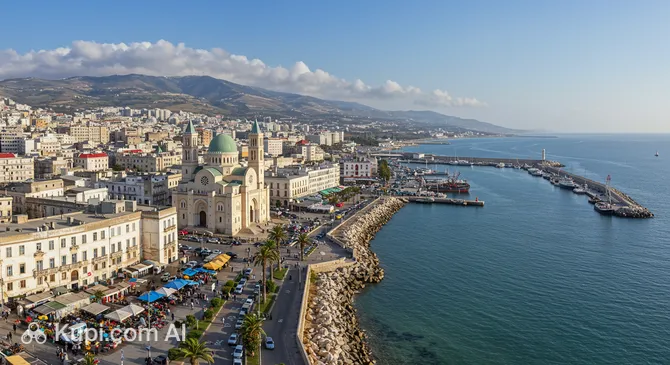
Annaba. Source: Kupi.Binoculars

Annaba, often celebrated as the "Pearl of the East," is a captivating coastal city situated in the northeastern corner of Algeria. Nestled near the mouth of the Seybouse River and sheltered by the Edough Massif, the city enjoys a picturesque setting and a pleasant Mediterranean climate. With a population of approximately 257,000 residents, it stands as a significant industrial hub and a bustling port, seamlessly blending urban energy with seaside tranquility.

The city is deeply rooted in antiquity, having once been the famous Roman city of Hippo Regius. Travelers interested in the history of Annaba will find a wealth of heritage to explore, including its connection to Saint Augustine, who was the bishop here in the 5th century. This rich timeline has left an indelible mark on the city's architecture and cultural identity.

Among the top attractions is the stunning Basilica of St. Augustine, which perches on a hill overlooking the bay and offers breathtaking views. Just a short distance away, the archaeological site of Hippo Regius invites visitors to walk among ancient Roman ruins, including the forum and large baths. In the heart of the modern city, the Cours de la Révolution serves as the main promenade, lined with colonial-era buildings and lively cafes where locals and tourists alike gather to socialize.

Beyond its historical treasures, Annaba is renowned for its beautiful coastline. The beaches, particularly those in the nearby area of Seraïdi, are perfect for relaxation and enjoying the sun. Whether you are a history enthusiast or a beach lover, Annaba provides a welcoming and diverse destination for your next journey.

Weather Overview

Annaba enjoys a classic Mediterranean climate, characterized by hot, dry summers and mild, relatively wet winters. The warmest months are July and August, where average temperatures climb to around 28.2°C, with daily highs often reaching nearly 34°C. During this peak season, rainfall is extremely rare, creating perfect conditions for beachgoers.

In contrast, the cooler season brings a shift in the atmosphere. From November to January, the city experiences its highest precipitation, with up to 12 wet days per month and average temperatures hovering between 11°C and 16°C. For a more detailed breakdown to help you decide when to visit, you can consult the guide to weather in Annaba.

Interesting Facts

Beyond the main attractions, Annaba holds many fascinating secrets that reveal the depth of its cultural and historical layers. From ancient linguistic roots to unique geographical quirks, the city offers curious travelers plenty of surprises.
  • The city's name is actually a delicious reference to nature. "Annaba" is derived from the Arabic word for the jujube fruit ("El Annab"), honoring the abundance of jujube trees that once flourished in the region.

  • Locals often refer to their city as "La Coquette" (The Coquette) rather than just the "Pearl of the East." This nickname captures the city's charming, slightly flirtatious beauty and its ability to captivate visitors with its vibrant, European-influenced architecture and seaside allure.

  • While the coast enjoys a warm Mediterranean climate, the nearby village of Seraïdi offers a completely different experience. Perched high in the Edough Massif at nearly 900 meters above sea level, it is one of the few places in the region where you might encounter snow in the winter, just a short drive from the beaches.

  • The Cours de la Révolution is more than just a central street; it is the living room of the city. It is widely known for its lively evening atmosphere where families and friends gather for "créponné," a traditional Algerian lemon sorbet that is a local favorite.

Cours de la Révolution. Source: Kupi.Binoculars

How to Get There

Reaching this coastal gem is relatively straightforward, with air travel being the most convenient option for international and domestic visitors alike. For a complete overview of all transport methods, you can read more about how to get to Annaba on our detailed page.

The primary gateway to the city is Les Salines Airport (IATA: AAE), located just 9.4 km from the city center. As the local hub, it handles approximately 450,000 passengers per year. The short distance makes the commute into town very quick; a taxi or bus ride usually takes approximately 35 minutes.

If direct flights are unavailable, you might consider arriving via Ain El Bey Airport (IATA: CZL) in the neighboring city of Constantine. It is a larger facility serving around 1.5 million passengers annually. Situated about 122 km from Annaba, the transfer by road typically takes around 3.5 hours. Another major regional hub is Tunis-Carthage International Airport (IATA: TUN) in Tunis. Although it offers extensive international connections, it is located 221 km away in neighboring Tunisia, meaning the journey to Annaba can take roughly 6 hours.

For clarity, here is a summary of the main airports:

Airport Name City Passenger Traffic Km from City
Tunis-Carthage International Airport Tunis Large 220.9
Ain El Bey Airport Constantine Medium 122.4
Les Salines Airport Annaba Medium 9.4
Batna Airport Batna Small 181.4
Jijel Ferhat Abbas Airport Jijel Small 167.7

Main Attractions

Basilica of St. Augustine

Dominating the city from its hilltop perch, this magnificent basilica is a landmark that defines the skyline of Annaba. Dedicated to Saint Augustine, the famous theologian and Bishop of Hippo, the structure is a masterpiece of architecture, blending Arab, Roman, and Byzantine styles. Visitors can admire its intricate stained glass windows and peaceful interior, or simply stand on the terrace to take in the spectacular panoramic views of the city, the bay, and the surrounding Edough Massif.

Hippo Regius

For history enthusiasts, a visit to the ancient ruins of Hippo Regius is a journey back in time. Located just a few kilometers from the modern city center, this archaeological site reveals the grandeur of what was once a major Numidian and Roman city. You can wander among the remains of the large forum, the baths, and the ancient theater. The site also houses a museum featuring a remarkable collection of mosaics and artifacts that offer a glimpse into the daily life of the city's past inhabitants.

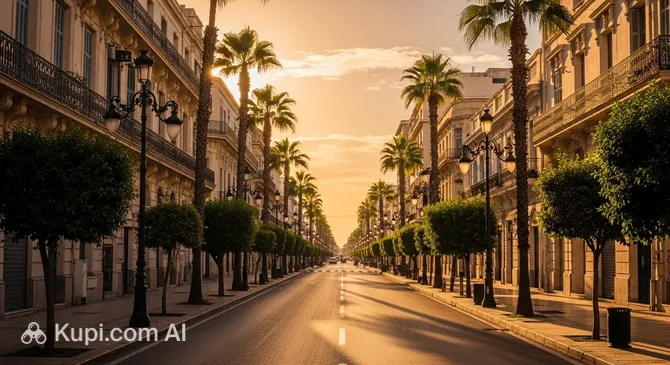
Cours de la Révolution. Source: Kupi.Binoculars

Cours de la Révolution

The beating heart of Annaba is undoubtedly this vibrant central promenade. Lined with beautiful colonial-era buildings and shaded by large trees, it is the perfect place to experience the local culture. Families and friends gather here to stroll, chat, and enjoy the lively atmosphere. It is also the best spot in town to indulge in a refreshing "créponné," the city's famous lemon sorbet, at one of the many kiosks and cafes that dot the square.

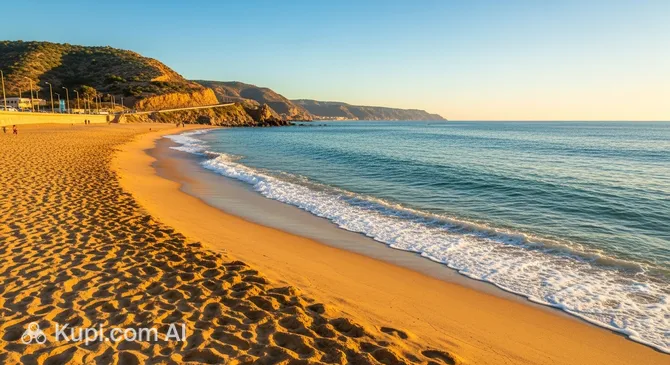
Saint-Cloud Beach. Source: Kupi.Binoculars

Saint-Cloud Beach

When you are ready to relax by the sea, this popular beach offers a convenient escape close to the city center. Known locally as Rizzi Amor, it features golden sands and clear Mediterranean waters, making it a favorite destination for both locals and tourists. The beach is easily accessible and surrounded by a variety of amenities, allowing visitors to enjoy a comfortable day of swimming and sunbathing without venturing far from town.

Local Cuisine

The culinary landscape of Annaba is a delightful reflection of its position on the Mediterranean coast, blending traditional Algerian flavors with fresh maritime ingredients. Seafood lovers will find themselves in paradise here, as the daily catch often dictates the menu. From grilled sardines and prawns to rich fish stews, the local gastronomy is characterized by its freshness and the generous use of olive oil, garlic, and aromatic spices.

One dish you absolutely cannot miss is the famous Brik Annabi. While brik is found throughout Algeria, the Annaba version is distinct for its large size and hearty filling. It typically consists of a thin, crispy pastry sheet stuffed with mashed potatoes, cheese, parsley, onions, chopped meat or tuna, and a whole egg, then fried to golden perfection. It is a staple of street food culture and offers a savory explosion of flavors in every bite.

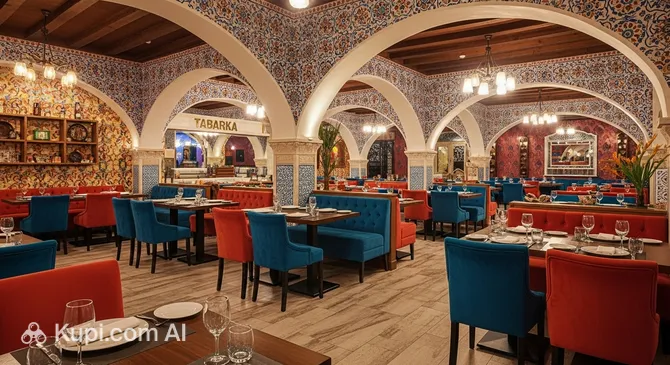
Tabarka Restaurant. Source: Kupi.Binoculars

When it comes to beverages, mint tea remains the traditional choice to end a meal or welcome guests, often served sweet and frothy. During the warm summer months, locals frequently enjoy refreshing fruit juices or "gazouz" (soda). The region is also known for its citrus fruits, which ties into the popularity of the zesty créponné sorbet, a lemon-based refresher that is iconic to the city. For those interested in alcoholic beverages, local wines are available in select licensed restaurants and hotels.

Dining out in Annaba ranges from casual street stalls near the central squares to more established venues along the corniche. The "La Caroube" area is particularly popular for seaside dining with a view. For a taste of local hospitality and diverse menu options, you might visit the Tabarka Restaurant. Whether you are grabbing a quick snack on the go or sitting down for a multi-course dinner, the city's food scene is sure to leave a lasting impression.

Travel Tips

Welcome to Annaba! To ensure your visit to "La Coquette" is as smooth and enjoyable as possible, we have compiled a set of practical guidelines. These tips will help you navigate the city with confidence, allowing you to focus on its rich history and beautiful coastline.

  1. Clothing and Gear: As a coastal city with a Mediterranean climate, lightweight and breathable clothing is ideal for the summer months, while a warm jacket and umbrella are necessary if you visit during the rainy winter season. While Annaba is relatively modern, it is respectful to dress modestly when away from the beach. If you plan to visit the Basilica of St. Augustine or other religious sites, ensure your shoulders and knees are covered. Comfortable walking shoes are a must for exploring the archaeological ruins of Hippo Regius.
  2. Transportation: The most convenient way to get around the city is by taxi. You will easily spot the yellow taxis; they are affordable, but it is often wise to check if the meter is working or agree on a fare before starting the ride. Ride-hailing apps like Yassir are also becoming popular and offer a transparent pricing model. For trips to the surrounding mountains or beaches like Seraïdi, renting a car provides the most flexibility, though parking in the city center can be challenging.
  3. Finances: The local currency is the Algerian Dinar (DZD). Algeria is still very much a cash-based society. While some high-end hotels and large restaurants may accept international credit cards (Visa or Mastercard), most shops, cafes, and taxis deal strictly in cash. ATMs are available throughout the city, but it is advisable to carry enough cash for daily expenses. Tipping is not mandatory but is appreciated; rounding up the bill or leaving a small amount is a kind gesture.
  4. Health and Safety: Annaba is generally a safe city for tourists, but standard precautions should be taken, such as keeping an eye on your belongings in crowded areas like the Cours de la Révolution. Pharmacies are widely available and are marked with a green cross; many pharmacists speak French and can provide advice for minor ailments. It is generally recommended that tourists drink bottled water rather than tap water to avoid any stomach issues.
  5. Communication: The official language is Arabic, but the local dialect (Darja) is what you will hear on the streets. French is widely spoken and understood, serving as the primary language for business and tourism. English proficiency is growing among the younger generation but is not yet universal. Buying a local SIM card (from providers like Mobilis, Djezzy, or Ooredoo) is highly recommended for maps and translation apps; you can purchase one at the airport or in town with your passport.
  6. Local Etiquette: Algerians are known for their hospitality. A common greeting is a handshake (usually between people of the same gender) accompanied by "Salam Alaykum." If you are invited to a local's home, it is polite to bring a small gift, such as pastries or fruit. When photographing people, always ask for permission first out of respect for their privacy.
  7. What to Avoid: Public displays of affection are considered inappropriate in local culture and should be avoided. Additionally, avoid drinking alcohol in public spaces outside of licensed hotels, bars, or restaurants. If you visit during the holy month of Ramadan, refrain from eating, drinking, or smoking in public during daylight hours as a sign of respect for those fasting.
  8. Local Insight: Don't miss the evening tradition of the "passeggiata" (evening stroll). Locals flock to the main boulevard to socialize and enjoy the cool sea breeze. Join them and be sure to stop for a créponné (lemon sorbet), which is an absolute institution in Annaba—it's the perfect way to end your day like a true local.

By keeping these practical tips in mind, you will be well-prepared to embrace the unique charm and warmth of Annaba. Whether you are negotiating a taxi fare or ordering a refreshing sorbet, a little local knowledge goes a long way in making your trip unforgettable.

Entertainment & Nightlife

Annaba offers a vibrant cultural scene and a lively atmosphere that keep visitors entertained day and night. The city is a hub for artistic expression in eastern Algeria, most notably hosting the Mediterranean Film Festival of Annaba. This major event attracts filmmakers and cinema lovers from across the region, screening a diverse range of movies and turning the city into a center of creativity. The festival often centers around the Regional Theatre of Annaba (Théâtre Régional Azzedine Medjoubi), a stunning architectural landmark in the city center that hosts plays, concerts, and cultural performances throughout the year.

For those who prefer a more relaxed pace, the heart of the city's social life is the Cours de la Révolution. In the evenings, this broad promenade comes alive with the "passeggiata," a tradition where families and friends dress up for a leisurely stroll. The area is lined with bustling cafes, ice cream parlors, and shops, making it the perfect spot to soak up the local vibe, enjoy some people-watching, or shop for souvenirs and local handicrafts.

The entertainment extends to the coastline, particularly along the lively corniche near Saint-Cloud Beach. During the summer, this area is a favorite destination for evening relaxation, offering a refreshing sea breeze and a festive atmosphere. Visitors can find various seaside restaurants and amusement facilities nearby, making it an ideal location for families and travelers looking to unwind after a day of exploration.

Parks & Museums

Annaba is a city where urban energy meets the tranquility of nature, offering visitors a delightful mix of lush green spaces, coastal beauty, and deep-rooted cultural heritage. From the forested slopes of the nearby mountains to the ancient artifacts housed in its museums, the city provides ample opportunities to connect with both the landscape and the layers of history that define this corner of the Mediterranean.

Key Parks and Green Spaces

The most defining natural feature of the region is the majestic Edough Massif. Rising steeply from the coast, this mountain range serves as the city's green lung, covered in dense forests of cork oak and chestnut trees. It is an ideal escape for nature lovers and hikers, offering fresh mountain air and spectacular panoramic views of the bay below. A trip up the winding roads leads to the village of Seraïdi, where the temperature drops and the scenery transforms into a serene alpine environment, a stark contrast to the bustling city center.

For those who prefer the sea level, Saint-Cloud Beach (plage Rizzi Amor) acts as a natural recreational area right on the city's doorstep. While primarily a beach, its promenade and sandy stretches function as a public park where locals come to jog, walk, and relax by the water. It offers a refreshing break with the sound of the waves providing a peaceful backdrop, perfect for a leisurely afternoon stroll or a picnic on the sand.

Museums and Galleries

The cultural crown jewel of the city is the Hippo Regius Museum (Musée d'Hippone). Located on the hill adjacent to the archaeological park and the Basilica, this museum is essential for understanding the region's significance in antiquity. It houses a remarkable collection of mosaics, including the famous "Hunting Scene" and the "Oceanus" mosaic, which are celebrated for their intricate detail and preservation. Visitors can also admire the "Trophy of Hippo," a rare bronze sculpture, along with statues, jewelry, and pottery that paint a vivid picture of life during the Roman and Numidian eras.

Historical and Architectural Sites

In the heart of the Vieille Ville (Old Town), the Mosque of Sidi Bou Merouane stands as a testament to the city's medieval history. Built in the 11th century, this architectural masterpiece is fascinating not only for its religious importance but also for its construction; it incorporates columns recycled from the ancient Roman ruins of Hippo, symbolizing the layering of civilizations. Its fortress-like appearance and the panoramic views from its courtyard make it a compelling stop for history enthusiasts.

Another significant site is the Kasbah, the historic citadel that overlooks the modern town. Wandering through its narrow, winding streets offers a glimpse into the Ottoman past of "Bouna," with traditional houses and small shops that have survived centuries of change. The area retains an authentic charm, distinct from the broad, French-colonial avenues of the city center.

Authentic Experiences

For a truly local experience, head to the Cap de Garde at sunset. Located at the tip of the peninsula, this rugged headland offers a historic lighthouse and breathtaking views where the mountains meet the sea. It is a favorite spot for locals to watch the sun dip below the horizon, often accompanied by families enjoying grilled corn and tea from roadside vendors.
Getting Around

The public transport system in Annaba primarily relies on a network of buses and taxis, as the city does not currently have a metro or tramway system. The backbone of urban mobility is the bus network, which is divided between the local public operator, ETU Annaba, and a multitude of private operators. The public buses serve major routes and connect the city center with suburbs and key facilities like the university and hospitals. Complementing these are private minibuses and vans, often referred to locally as "bus" or "j5," which cover a wider range of neighborhoods and offer frequent, albeit sometimes crowded, service.

A unique and scenic feature of Annaba's transport landscape is the cable car (téléphérique). This aerial lift connects the city to the mountain village of Seraïdi, located high in the Edough Massif. The journey offers spectacular panoramic views of the bay and the surrounding forests, making it both a practical mode of transit for residents and a popular attraction for visitors. While it is the fastest way to reach the mountain, travelers should check its operating status locally, as it occasionally undergoes maintenance.

For those seeking more comfort and flexibility, taxis are the most popular alternative. You will easily recognize them by their yellow color. Taxis in the city operate on two models: "course" (individual ride) and "place" (shared taxi). Shared taxis run along fixed routes and are very affordable, while individual taxis can be hailed for a specific destination. Ride-hailing apps like Yassir are also active in the city, providing a convenient way to book rides with transparent pricing if you prefer not to negotiate fares or wait on the street.

The payment system across all modes of public transport is almost exclusively cash-based. There are no electronic travel cards or integrated digital passes for tourists. For buses, you typically pay the fare directly to a conductor (receveur) inside the vehicle or to the driver upon entry. Fares are very inexpensive, usually ranging from 20 to 50 DZD depending on the distance. It is highly recommended to carry small change (coins and small notes), as drivers may not always have change for large denominations.

Tourists should be aware that public transport operating hours are generally from early morning (around 6:00 AM) until early evening (around 7:00 PM or 8:00 PM). After sunset, bus services become infrequent or stop altogether, making taxis the only reliable option for getting around at night. If you are using the bus, try to avoid the morning and late afternoon rush hours (roughly 8:00 AM and 5:00 PM), when vehicles can become extremely crowded. Stops are not always clearly marked with signs, so it is often helpful to ask locals or the driver to confirm the destination before boarding.

Accommodation

Finding the right place to stay in Annaba is relatively straightforward, as the city offers a range of accommodation options to suit different needs and budgets. The selection spans from modest, budget-friendly hostels and guesthouses to comfortable mid-range business hotels and a few upscale resorts. While the variety may not be as extensive as in the capital, visitors will find sufficient choices whether they are in town for a quick business trip or a leisurely seaside vacation.

For those who want to be in the heart of the action, the city center is the most convenient area. Staying near the Cours de la Révolution places you within walking distance of historical sites, lively cafes, and shops. This area is ideal for travelers who want to experience the urban atmosphere and have easy access to public transport. Alternatively, if your priority is relaxation and sea views, look for properties along the corniche near Saint-Cloud Beach. For a truly unique experience, the mountain village of Seraïdi offers luxury accommodation with breathtaking panoramic views, located a short drive or cable car ride away from the noise of the city.

Booking Tips and Prices

Accommodation prices in Annaba are generally reasonable compared to European destinations. Budget and mid-range options are widely available, while luxury stays are priced higher but offer international standards. It is highly recommended to book in advance, especially during the peak summer months (July and August), when the city fills up with domestic tourists and visiting diaspora. While major international booking platforms work for larger hotels, some smaller local establishments may prefer direct contact via phone or social media. Additionally, while high-end hotels usually accept credit cards, it is wise to have cash on hand for smaller guesthouses.

Nearby Cities

For those looking to explore the surroundings, Annaba serves as an excellent base for day trips to several interesting nearby locations:

One of the most spectacular destinations within reach is Constantine, often referred to as the "City of Bridges." Perched on a dramatic plateau split by a deep gorge, it offers breathtaking views and a unique architectural landscape. Visitors can marvel at the suspension bridges connecting the city's cliffs and explore the historic Palace of Ahmed Bey, making it a memorable cultural excursion.

If you prefer to stay along the coast, a trip to Skikda is a wonderful option. Located just a short drive west, this city is renowned for its beautiful beaches and significant port. It is also famous for its annual strawberry festival. The city offers a relaxed Mediterranean atmosphere, perfect for a leisurely day by the sea or a stroll through its colonial-style center.

For history enthusiasts, Souk Ahras holds a special significance. Known in antiquity as Thagaste, it is the birthplace of Saint Augustine. A visit here complements the history found in Annaba, allowing travelers to see the famous Olive Tree of Saint Augustine, a living monument believed to date back to the time of the philosopher himself.

City Population Distance (km)
Constantine 448374 116
Tebessa 194461 169
Skikda 163318 75
Souk Ahras 155259 71
Jijel 131513 177

These nearby destinations offer a glimpse into the diverse culture and landscapes of the region.

Shopping & Souvenirs

Shopping in Annaba offers a delightful mix of modern retail and traditional Algerian commerce, set against the backdrop of the city's colonial architecture. While it may not boast the massive luxury malls found in some global capitals, the city provides an authentic experience where visitors can explore bustling streets, lively markets, and local boutiques. The shopping scene here is less about high-end international brands and more about discovering local craftsmanship, everyday goods, and the vibrant atmosphere of daily life in eastern Algeria.

The heart of the city's commercial activity is concentrated around the Cours de la Révolution. The streets radiating from this central promenade, particularly Rue Ibn Khaldoun (formerly Rue Gambetta), are lined with a variety of clothing stores, shoe shops, and patisseries. This pedestrian-friendly area is perfect for window shopping, allowing tourists to browse for fashion and accessories while admiring the historic buildings. It is the most upscale part of town for retail, where you can find both local styles and imported European fashion.

Unlike larger metropolises, Annaba does not have many colossal shopping malls. The retail experience is primarily street-based or located within smaller shopping galleries and arcades scattered throughout the city center. These multi-story buildings often house a collection of independent boutiques selling everything from cosmetics to electronics. They offer a more intimate shopping environment compared to sprawling western-style complexes.

For a dive into the local culture, a visit to the Souk El Hattab is essential. This bustling market is the commercial soul of the city, where locals come to buy fresh produce, spices, and household items. It is a sensory experience filled with the colors of fresh fruits and the scents of aromatic herbs. While it can be crowded and chaotic, it is the best place to observe the daily rhythm of Annaba and perhaps pick up some inexpensive local goods.

When searching for unique keepsakes, Annaba is historically famous for its red coral jewelry. The region's coast has been known for coral fishing for centuries, and you can find exquisite necklaces and bracelets in specialized jewelry shops, though genuine pieces can be pricey. Other excellent souvenirs include traditional leather goods, pottery, and local sweets like dates or nougat. Traditional clothing, such as the embroidered velvet jackets known as karakou, also makes for a memorable gift.

Stores in Annaba typically open around 9:00 AM and close between 7:00 PM and 8:00 PM. It is important to note that Friday is the holy day in Algeria; many shops will be closed in the morning for prayer or may remain closed for the entire day. As for payment, cash is king. While a few upscale boutiques might accept credit cards, the vast majority of shops, markets, and cafes only deal in Algerian Dinars (DZD). Tourists should ensure they have sufficient cash on hand before heading out.

Tourists should be aware that a tax-free or VAT refund system for visitors is not generally available or operational in Algeria. Prices displayed in stores are final, and you should not expect to claim taxes back at the airport upon departure.

Reached the end of the page?

That means the route is fully explored