Support

Jijel

About

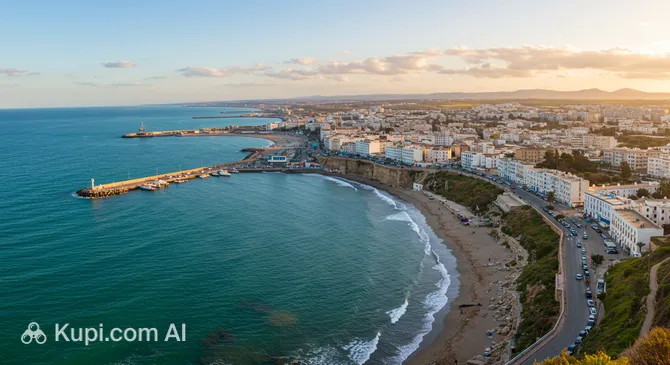
Jijel is a vibrant coastal city that perfectly blends the charm of the Mediterranean Sea with lush, mountainous landscapes. Known for its breathtaking scenery and relaxed atmosphere, it is one of the most popular summer destinations in Algeria. With a population of approximately 131,000 residents, this port city offers a lively yet welcoming environment for travelers seeking both relaxation and adventure.

Jijel. Source: Kupi.Binoculars

Geographically, the city is situated in the northeast of the country, bordered by the sea to the north and dense cork oak forests to the south. The region enjoys a mild Mediterranean climate, making it pleasant to visit throughout much of the year. For those interested in the past, the history of Jijel reveals a rich tapestry of influences, from its Phoenician origins as Igilgili to its development through the Roman and Ottoman eras.

Visitors are often drawn to the spectacular Corniche Jijelienne, a coastal road offering stunning panoramic views of cliffs dropping into turquoise waters. Nature lovers should not miss the nearby Taza National Park, a haven for biodiversity and hiking. Another unique attraction is the Wonderful Caves (Grottes Merveilleuses), famous for their impressive stalactites and stalagmites, located just a short drive west of the city center.

Whether you are looking to lounge on pristine beaches or explore the verdant hinterlands, Jijel promises an unforgettable experience. Its unique combination of sea, forest, and mountains makes it a truly distinctive destination that captures the heart of every visitor.

Weather Overview

Jijel experiences a typical Mediterranean climate, offering distinct seasons that cater to different travel preferences. The summer months are characterized by warmth and sunshine, with August seeing average temperatures of 26.3°C and highs reaching nearly 30°C. This period is remarkably dry, especially in July, which typically records zero wet days, making it the ideal time for coastal activities and swimming.

As the seasons shift, the city cools down significantly, though it rarely gets freezing. Winters are mild but wetter, with average temperatures hovering around 11.5°C in January. Rainfall becomes more frequent during the cooler months, with November and January experiencing about 14 wet days each. Expect warm, dry summers perfect for the outdoors and cool, rainy winters that keep the region's forests lush and green.

For those planning a visit during the shoulder seasons, spring and autumn provide comfortable transition periods with temperatures ranging from 15°C to 20°C. To help you pack appropriately for your specific travel dates, check the detailed forecast and weather in Jijel.

Interesting Facts

Beyond its reputation as a summer paradise with pristine beaches, Jijel holds a history marked by legendary corsairs, resilience, and unique biodiversity. This coastal city has been shaped by dramatic events and ancient civilizations that have left an indelible mark on its identity.

  • The First Capital of the Corsairs: Before Algiers became the center of Ottoman power in the region, Jijel served as the first capital of the Barbarossa brothers. In the early 16th century, the famous corsair Oruç Reis liberated the city from Genoese control and used it as his primary naval base to launch operations across the Mediterranean.

  • Reborn from Ruins: Unlike many other Algerian cities with preserved medieval quarters, Jijel's city center features a surprisingly modern, grid-like layout with wide, tree-lined avenues. This is because the original old town was almost completely destroyed by a devastating earthquake in 1856, leading to a total reconstruction of the city.

  • Home to Rare Primates: The region is one of the last strongholds for the endangered Barbary macaque. The nearby Taza National Park provides a critical sanctuary for these unique monkeys, which are the only wild primates found in Africa north of the Sahara.

  • Ancient Roots: Long before it was known as Jijel, the city was a Phoenician trading post named Igilgili. For millennia, its strategic port has connected the mountainous hinterland to the wider Mediterranean world, facilitating trade in timber and minerals.

How to Get There

Reaching this coastal gem is relatively straightforward, with options to fly directly into the local airport or arrive via neighboring cities. For a detailed guide on all available transport methods, you can read more about how to get to Jijel.

The most convenient entry point is Jijel Ferhat Abbas Airport (IATA: GJL), which is located just 10.2 km east of the city center. Although it is a smaller facility with lower passenger traffic, it offers the distinct advantage of direct access to the region. The transfer from the airport to downtown Jijel typically takes around 35 minutes by taxi or shuttle bus.

Travelers may also consider flying into Ain El Bey Airport (IATA: CZL) in the city of Constantine, situated approximately 98 km away. As a larger hub serving about 1.5 million passengers annually, it may offer more flight connections. The journey by road from Constantine to Jijel takes roughly 2 hours and 45 minutes. Another viable alternative is Bejaia Airport (IATA: BJA) in Bejaia, located about 63 km to the west, with a travel time of approximately 2 hours.

For clarity, here is a summary of the main airports:

Airport Name City Passenger Traffic Km from City
Ain El Bey Airport Constantine High 97.7
Setif Airport Setif Medium 81.4
Bejaia Airport Bejaia Medium 63.1
Batna Airport Batna Medium 128.3
Jijel Ferhat Abbas Airport Jijel Low 10.2

Main Attractions

Jijel offers a captivating mix of natural wonders and historical landmarks that draw visitors from across the region. From subterranean marvels to scenic coastal spots, the city and its surroundings provide diverse experiences for nature lovers and explorers alike.

One of the most famous sites in the region is the Wonderful Caves (Les Grottes Merveilleuses), located in the municipality of Ziama Mansouriah. Discovered during the construction of the coastal road, these caves are renowned for their constant temperature of 18°C and humidity, which have preserved spectacular limestone formations. Visitors can take guided tours to admire the majestic stalactites and stalagmites, some of which resemble famous statues and animals, creating a magical underground atmosphere accompanied by the soothing sound of trickling water.

For outdoor enthusiasts, Taza National Park is an essential stop. Recognized as a UNESCO Biosphere Reserve, this protected area covers a vast expanse of lush forests, mountains, and coastline. It is particularly notable for its rich biodiversity, including the rare Barbary macaque and the Algerian Nuthatch. The park offers numerous hiking trails that wind through dense cork oak and Zeen oak forests, providing breathtaking views of the Mediterranean Sea meeting the green cliffs.

Standing guard over the coastline is the historic Grand Lighthouse (Grand Phare), also known as Ras Afia. Built in 1867, this striking red and white structure is located a few kilometers west of the city center. It serves not only as a navigational aid but also as a popular viewpoint. Tourists often visit the site to witness stunning sunsets and to explore the rocky shoreline that surrounds this enduring symbol of Jijel's maritime heritage.

À La Cabane Restaurant. Source: Kupi.Binoculars

After a day of exploring the natural sights, visitors can enjoy the local culinary scene. À La Cabane Restaurant is a welcoming spot to relax and sample regional flavors. Popular for its friendly atmosphere, it offers a chance to dine in a setting that reflects the laid-back coastal vibe of the city, making it a pleasant addition to a tour of Jijel's highlights.

Local Cuisine

The culinary landscape of Jijel is a delightful reflection of its dual identity as a Mediterranean port and a mountainous Berber region. Unsurprisingly, fresh seafood dominates the local tables, with the daily catch often dictating the menu. Visitors should not miss the opportunity to taste the city's famous grilled sardines, which are typically seasoned simply with cumin, lemon, and garlic to let the natural freshness shine. Another regional specialty is couscous with fish, a distinct variation from the meat-based versions found inland, often served with a flavorful, spicy red sauce that perfectly complements the tender fish.

Beyond seafood, the region is renowned for its high-quality olive oil, which is a staple ingredient in almost every meal. It is liberally used in dishes like Hmiss, a roasted pepper and tomato salad that serves as a popular appetizer. For those seeking hearty comfort food, traditional stews and soups, such as Chorba Frik, provide a warming meal, especially during the cooler months. The food here is generally wholesome, relying on fresh produce from the nearby fertile hills and the bounty of the sea.

When it comes to beverages, mint tea remains the drink of choice for socializing and relaxing after a meal. It is often poured from a height to create a frothy top and served alongside traditional sweets made with honey and almonds. Coffee culture is also strong, with locals frequently gathering at cafes to enjoy strong espresso. For a refreshing non-alcoholic option during the hot summer days, Lben (fermented milk) is widely consumed, often paired with light couscous dishes or dates.

Dining in Jijel ranges from casual street food stalls near the beaches to sit-down establishments along the corniche. The atmosphere is typically laid-back and family-friendly. For a meal that captures the essence of the city's coastal vibe, travelers can visit À La Cabane Restaurant. This spot is well-regarded for its welcoming environment, making it an excellent place to sample local flavors while enjoying the refreshing sea breeze.

Travel Tips

Welcome to Jijel, where the emerald forests meet the deep blue Mediterranean. To help you navigate this stunning coastal region with ease and confidence, here are some essential practical tips for your journey.

  1. Clothing and Gear: Summers are hot and humid, so pack light, breathable fabrics, but remember to dress modestly when you leave the beach; covering shoulders and knees is respectful in the city. If you plan to explore the trails of Taza National Park, sturdy hiking shoes are a must, and a waterproof jacket is essential if you are visiting during the rainy winter season.

  2. Transportation: While local buses and shared vans connect the main towns, renting a car is the best way to explore the spectacular Corniche Jijelienne at your own pace. Inside the city, yellow taxis are plentiful and affordable; simply wave one down, but it is wise to confirm the fare or ensure the meter is on before starting your ride.

  3. Finances: The local currency is the Algerian Dinar (DZD), and Jijel is very much a cash-based economy. International credit cards are rarely accepted outside of a few major hotels, so you should always carry sufficient cash for daily expenses. ATMs are available in the city center, but it is reliable to exchange money at banks or official exchange points upon arrival.

  4. Health and Safety: Pharmacies are common and easily identified by a green cross sign; many rotate to stay open for emergencies (known as "pharmacie de garde"). The city is generally safe for tourists, but exercise caution when swimming, as currents can be strong—stick to beaches with lifeguards and flags.

  5. Communication: The main languages spoken are Algerian Arabic and French. English is not widely used outside of the tourism sector, so downloading an offline translation app or learning a few basic phrases in French or Arabic will be incredibly helpful. A local SIM card from providers like Mobilis or Djezzy is recommended for reliable internet access.

  6. Local Etiquette: Algerians are famous for their hospitality and friendliness. When greeting someone of the same gender, a handshake is common, but a polite nod is appropriate for the opposite sex unless they offer their hand first. It is also polite to greet shopkeepers with a simple "Salam" (Hello) before asking for assistance.

  7. What to Avoid: Public displays of affection are culturally frowned upon and should be avoided. Additionally, be mindful when taking photos; never photograph government buildings, police checkpoints, or people—especially women—without asking for their explicit permission first.

  8. Local Insight: When driving along the coastal road near the caves and national park, you might encounter Barbary macaques (monkeys) by the roadside. While they are a popular sight, do not feed them or leave your car windows open, as they can be aggressive when looking for food.

With these practical tips in mind, you are fully prepared to enjoy everything this unique destination has to offer. Relax, explore the breathtaking landscapes, and soak up the warm hospitality that makes Jijel a true highlight of the Algerian coast.

Entertainment & Nightlife

Nightlife in Jijel is distinct from the high-energy club scenes found in some larger Mediterranean capitals. Here, the evenings are defined by a relaxed, family-oriented atmosphere, particularly during the summer months when the heat subsides. The city transforms into a vibrant hub of social activity where locals and tourists alike take to the streets to enjoy the cool sea breeze. The "nightlife" centers primarily around socializing, late-night dining, and leisurely promenades rather than loud music and dance floors.

The heart of the evening action is undoubtedly the Corniche, the seaside promenade that runs along the coast. This area remains bustling until very late at night, filled with families, couples, and groups of friends enjoying the fresh air. You will find numerous ice cream parlors, tea houses, and souvenir shops staying open well past midnight. For a lively atmosphere, a walk along the Boulevard Rouibah Hocine offers a perfect mix of street food vendors and brightly lit cafes where you can sip mint tea and watch the world go by.

Dining is a major part of the evening entertainment, with many establishments keeping their kitchens open late to accommodate the summer crowds. For a pleasant dinner with a welcoming vibe, À La Cabane Restaurant is a popular choice among visitors. It offers a relaxed setting to enjoy a meal before heading out for a stroll. While traditional western-style bars and nightclubs are not a prominent feature of the city due to local customs, the Hotel Kotama stands out as a local landmark where visitors can often find a more formal setting for a quiet evening and a refined dining experience.

From a practical standpoint, the best time to experience the city's evening charm is between 8:00 PM and midnight, especially in July and August. Prices are generally very affordable, particularly for coffee, tea, and sweets. Getting around is safe and straightforward; the city center is compact and walkable, and yellow taxis are readily available to take you back to your accommodation. The main tourist areas along the coast are well-lit and secure, making them perfectly suitable for night walks with children.

Before the sun sets, there are plenty of daytime entertainment options to fill your schedule. Visitors can explore the Kissir Animal Park (Parc Animalier de Kissir), located just west of the city, which is a favorite attraction for families seeking a fun day out. For a touch of culture, the local museums offer insights into the region's archaeology and history, providing a quiet and educational escape during the hottest hours of the day.

Parks & Museums

While Jijel is primarily celebrated for its stunning coastline, the city and its surroundings offer a variety of green spaces and cultural institutions that provide a deeper understanding of the region. Beyond the beaches, visitors can explore lush animal parks, historic city squares, and museums that safeguard the area's rich heritage.

For a dive into local history, the Kotama Museum is the cultural heart of the city. Located in the city center, the museum is named after the Kutama Berber tribe, which played a significant role in North African history. The institution is housed in a building with its own storied past, originally founded as the "Medersa El Hayat" by the renowned scholar Abdelhamid Ben Badis. Today, it showcases a fascinating collection that spans from antiquity to the modern era. Visitors can admire ancient Roman mosaics, numismatic collections, and geological specimens, alongside ethnographic exhibits that display traditional jewelry, clothing, and tools used by the people of the region.

Families and wildlife enthusiasts will find a perfect day out at the Kissir Animal Park (Parc Animalier de Kissir), situated just a short drive west of the city in El Aouana. Considered one of the finest zoos in Algeria, this 24-hectare park is set within a natural forest environment that provides ample shade and a pleasant atmosphere. The park is home to a diverse array of animals, including lions, elephants, and the native Barbary deer. With its well-maintained walkways, children's playgrounds, and a small lake, it offers a relaxing escape where visitors can connect with nature without leaving the coastal zone.

In the heart of the city, Place de la République serves as a central gathering spot and a symbol of Jijel's maritime identity. The square is distinguished by the iconic Statue of the Fisherman (Statue du Pêcheur). This bronze monument, a prominent landmark from the colonial era, depicts a fisherman intently repairing his net, paying homage to the generations of locals who have relied on the sea for their livelihood. Known locally as "The Cujador" (The Mender), the statue stands as an enduring emblem of the city, surrounded by shaded areas and cafes where one can observe the daily rhythm of Jijel.

For those willing to venture slightly further afield, the region offers even more natural wonders. While the famous Taza National Park and the Grand Lighthouse are major regional highlights described elsewhere, they form part of a broader network of protected areas that make Jijel a green paradise. Whether you are strolling through the city's historic squares or observing wildlife in the forest, the region offers a refreshing balance of culture and nature.

Getting Around

The public transport system in Jijel is primarily road-based, relying heavily on a network of buses and taxis to connect the city center with residential neighborhoods and surrounding coastal towns. Unlike larger metropolitan areas, the city does not have a metro, tram, or trolleybus system. Instead, the most common way for locals to get around is by using public buses and privately operated minibuses, often referred to as "navettes" or "fourgons." These white or yellow vans are ubiquitous and serve specific routes, displaying their destination on a placard in the front window.

For payment, the system is strictly cash-based. There are no travel cards, digital apps, or pre-paid passes for tourists. Fares are incredibly affordable, typically costing between 15 and 30 Dinars for a trip within the city limits. You simply pay the driver or the conductor (known as the "receveur") upon boarding or just before you get off. It is highly recommended to carry small change, as drivers may not always have enough coins to break large banknotes.

Taxis are a very popular and convenient alternative to buses. You will easily recognize them by their yellow color. There are two main ways to use them: "inviduel" (private hire) or "collectif" (shared). Shared taxis run along fixed routes much like buses but are faster and slightly more expensive. If you prefer a private ride, you can hail a taxi for a "course." While some vehicles are equipped with meters, they are rarely used; it is standard practice to agree on the fare with the driver before starting your journey to avoid any confusion.

Public transport generally operates from early morning, around 6:00 AM, until the early evening, typically winding down by 7:00 PM or 8:00 PM. Service is significantly reduced on Fridays, the weekly day of rest. If you plan to stay out late, be aware that buses will likely stop running, and you will need to rely on private taxis to return to your accommodation.

Given the scenic nature of the region, particularly the coastal corniche and the mountain roads leading to the national park, many visitors choose to rent a car. Several agencies operate at the airport and in the city center. This option provides the freedom to explore the "Wonderful Caves" and secluded beaches at your own pace, which can be difficult to reach using standard public transport. Within the compact city center, however, walking is often the most pleasant way to get around, allowing you to enjoy the sea breeze and local atmosphere.

Accommodation

Finding the perfect place to stay in Jijel is an essential part of planning your trip, especially given the city's popularity as a summer destination. The accommodation landscape here is largely geared towards domestic tourism and families, meaning you will find a welcoming, laid-back atmosphere rather than ultra-luxury international hotel chains. Options generally range from standard city hotels and beachside resorts to a vast market of furnished apartments and vacation rentals, which are particularly favored by groups and families looking for a home-away-from-home experience.

When choosing where to base yourself, location is key. Staying in the city center offers the convenience of being within walking distance of shops, markets, and the port area, making it easy to explore the local culture and dine out without needing transportation. However, if your primary goal is to enjoy the sun and sea, look for properties along the Corniche Jijelienne. This coastal stretch is lined with hotels and tourist complexes that offer stunning sea views and immediate access to the beaches, allowing you to wake up to the sound of the Mediterranean waves.

For those traveling on a budget, camping is also a popular option in the region, with several designated sites located near the beaches and forests, offering a closer connection to nature. On the other hand, mid-range hotels usually provide essential amenities like air conditioning—a must during the hot summer months—and on-site dining.

Booking Tip: Jijel transforms into a bustling hub during July and August. Accommodation fills up incredibly fast during this peak season. It is highly recommended to book your stay several weeks, or even months, in advance to secure your preferred location and avoid the sharp price increases that occur last minute.

In terms of pricing, Jijel is generally affordable compared to many European Mediterranean destinations. While some larger hotels can be booked through major online travel platforms, a significant portion of the accommodation market, especially apartments and smaller guesthouses, operates through direct contact or local listings. Carrying cash is advisable, as smaller establishments may not accept credit cards.

Nearby Cities

For those looking to explore the surroundings, Jijel serves as an excellent base for day trips to several interesting nearby locations:

To the west lies Bejaia, often referred to as the "Pearl of Kabylia." This historic port city is renowned for its breathtaking natural scenery, including the famous Gouraya National Park and the monkey-inhabited Cap Carbon. It offers a perfect blend of mountain landscapes and Mediterranean coastline, making it a favorite for nature lovers and history enthusiasts alike.

Heading inland to the southeast, Constantine provides a dramatic contrast to the coast. Known globally as the "City of Bridges," it is built upon a massive limestone plateau split by a deep gorge. Visitors are captivated by its suspension bridges and the stunning views of the Rhumel River below, offering a unique urban landscape that is unlike anywhere else in the country.

Another notable destination is Setif, located on the high plains to the south. It is a bustling commercial center famous for the iconic Ain El Fouara fountain, a beloved local landmark. The city offers a different climate and atmosphere, serving as a hub for exploring the interior of the region and experiencing the vibrant culture of the highlands.

City Population Distance (km)
Constantine 448,374 94
Setif 288,461 77
Bejaia 176,139 64
El Eulma 155,038 75
El Milia 83,931 46

These nearby destinations offer a glimpse into the diverse culture and landscapes of the region.

Shopping & Souvenirs

Shopping in Jijel offers an authentic experience that reflects the city's laid-back coastal lifestyle and its connection to the fertile mountainous hinterland. Unlike the sprawling commercial hubs found in larger metropolises, the retail scene here is characterized by small, independent boutiques, bustling street markets, and family-run stores. Visitors will find that shopping is less about international luxury brands and more about discovering local craftsmanship, fresh regional produce, and the daily rhythm of Algerian life.

The heart of the city's commercial activity is concentrated in the downtown area, particularly along the main avenues such as Avenue 1er Novembre 1954 and the streets surrounding the Place de la République. These thoroughfares are lined with a variety of shops selling clothing, shoes, and household goods. In the evenings, especially during the summer tourist season, the areas near the Corniche come alive with vendors and small stalls offering beach gear, toys, and handicrafts, making it a pleasant place to browse while enjoying a seaside stroll.

While Jijel does not boast massive, western-style shopping malls, it features several smaller shopping centers and arcades known as "Centres Commerciaux." These multi-story buildings typically house a collection of fashion boutiques, cosmetic shops, and bridal stores. They offer a more modern shopping environment and are popular spots for locals looking for apparel and gifts. The atmosphere in these centers is friendly and intimate, often providing a stark contrast to the impersonal nature of mega-malls.

For a true taste of local culture, a visit to the Central Market (Marché Couvert) is essential. This vibrant hub is where the region's agricultural bounty is on full display. Here, you can wander through aisles piled high with seasonal fruits, vegetables, and aromatic spices. It is also the best place to find fresh seafood caught that very morning. The market is not just a place to buy food; it is a sensory experience filled with the sounds of bargaining and the scents of fresh herbs, offering a glimpse into the everyday lives of the residents.

When searching for souvenirs to take home, look for products that highlight the region's natural resources. Jijel is famous across Algeria for its high-quality olive oil, often considered some of the best in the country; buying a bottle from a local producer is a must. Additionally, due to the dense cork oak forests in the nearby national park, you may find unique items made from cork. Traditional Berber pottery and hand-woven straw baskets are also popular keepsakes that showcase the artisanal heritage of the area.

Practicality is key when shopping in Jijel. Store opening hours generally run from around 9:00 AM to 7:00 PM, with a break for lunch often taken between 1:00 PM and 3:00 PM. It is important to note that many shops, particularly in the city center, may close on Fridays for the weekly day of prayer. In terms of payment, cash is the primary method of transaction. While a few upscale boutiques might accept credit cards, it is highly recommended to carry sufficient Algerian Dinars (DZD) for all your purchases, especially in markets and smaller stores. Tax-free shopping schemes for tourists are not typically available in this region, so the price you see is generally the final price, though polite bargaining is acceptable in markets.
Reached the end of the page?

That means the route is fully explored