Support

Boufarik

About

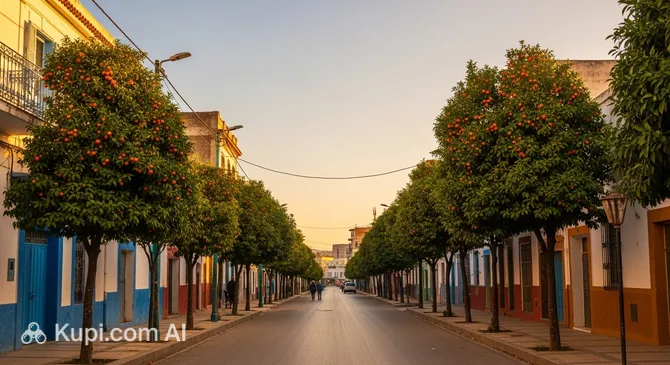
Welcome to Boufarik, a vibrant city nestled in the heart of the fertile Mitidja plain. This agricultural gem in the Blida Province is often celebrated for its lush greenery and bustling local markets. Strategically located just south of the capital, it offers a glimpse into the authentic daily life of Algeria away from the major tourist hubs.

Boufarik. Source: Kupi.Binoculars

The city has a rich past deeply intertwined with land cultivation. Visitors interested in the history of Boufarik will discover that it was established as a model agricultural center, which eventually earned it fame for its exceptional citrus fruits. Today, with a population of over 57,000 residents, it remains a lively hub where tradition and modernity coexist under the shade of magnificent plane trees that line its main avenues.

Boufarik is perhaps best known across the nation for its culinary delights. It is the undisputed capital of Zlabia, a crispy, syrup-soaked sweet that draws visitors from all over the country, especially during festive seasons. Beyond its gastronomic fame, the city is renowned for its vast orange groves, owing to the region's favorable Mediterranean climate. A stroll through the town center reveals interesting architecture and a welcoming atmosphere that reflects the warmth of its people.

Whether you are stopping by to sample the legendary local sweets or simply exploring the scenic landscapes of the Blida region, Boufarik offers a delightful experience. It is a perfect destination for travelers seeking to taste the sweet side of Algerian culture.

Weather Overview

Boufarik enjoys a pleasant Mediterranean climate, characterized by distinct seasonal changes that influence the local atmosphere. Generally, you can expect warm, dry summers and mild, cooler winters with increased cloud cover. For travelers planning a visit, checking the detailed weather in Boufarik is recommended to ensure you pack the right clothing for the season.

The summer months constitute the hottest period, particularly July and August, where average temperatures hover around 26.8°C and daily highs frequently reach 30.8°C. These months are exceptionally dry, with virtually no precipitation recorded. In contrast, the winter season brings cooler air and more frequent showers. January is typically the coolest month, with an average temperature of 12.0°C and lows around 9.1°C, accompanied by about 11 wet days.

Interesting Facts

Beyond the fragrant orange groves and bustling streets, Boufarik holds several fascinating secrets that surprise many visitors. From its unexpected contribution to global beverage culture to its pivotal role in regional logistics, the city has a unique story to tell.
  • The world-famous carbonated citrus drink, Orangina, traces its roots directly to this city. It was here in the 1930s that Léon Beton developed the iconic formula using the abundant local oranges and essential oils, launching a brand that would eventually conquer the globe.

  • Boufarik is home to one of the most critical wholesale markets in Algeria. This immense trading hub acts as a central nervous system for the country's food distribution, where tons of fresh produce from the surrounding province are auctioned and dispatched daily.

  • Before becoming a lush agricultural paradise, the area was a formidable marshland known for difficult conditions. The transformation of the land involved extensive drainage efforts in the 19th century, turning what was once avoided into the fertile heart of the Mitidja plain.

How to Get There

Reaching Boufarik is convenient due to its strategic location in the Blida Province, just a short distance from the capital. Whether you are arriving by air or planning a road trip, there are several options to consider. For a comprehensive guide on all available transport modes, you can read more about how to get to Boufarik.

The city of Boufarik does not have its own airport, but it is excellently served by Houari Boumediene Airport (ALG) in Algiers, which is located only 29.3 km away. As the country's main international gateway, it handles a large volume of traffic with numerous connections. The journey from the airport to Boufarik by taxi or shuttle is a quick trip, typically taking less than an hour, making it the most practical entry point for international travelers.

Another option for visitors arriving from the west is Chlef International Airport (CFK) in Chlef. However, it is situated approximately 147.6 km from Boufarik, meaning the transfer is significantly longer. Other regional hubs like Bejaia Airport (BJA) are also available but are further afield.

For clarity, here is a summary of the main airports:

Airport Name City Passenger Traffic Km from City
Houari Boumediene AirportAlgiersLarge29.3
Setif AirportSetifMedium221.2
Bejaia AirportBejaiaMedium193.5
Chlef International AirportChlefSmall147.6
Jijel Ferhat Abbas AirportJijelSmall265.7

Main Attractions

While Boufarik is primarily known as an agricultural and commercial hub rather than a traditional tourist resort, it offers several distinct points of interest that reflect its rich history and local culture. Visitors to the city can experience the authentic daily life of the Mitidja region, exploring landmarks that range from bustling markets to serene religious sites.

One of the most defining features of the city is its Tree-lined Avenues. Boufarik is famously associated with its majestic plane trees (platanes) that border the main streets, providing welcome shade and a unique charm to the urban landscape. A stroll beneath these towering canopies is a quintessential Boufarik experience, offering a glimpse into the city's colonial-era urban planning and serving as a symbol of local identity that residents cherish deeply.

For those interested in spiritual and architectural landmarks, the Great Mosque of Boufarik stands as a central figure in the community. This imposing structure is not only a place of worship but also a gathering point that anchors the city's social life. Its architecture typically blends traditional Algerian Islamic design with local influences, offering a peaceful atmosphere amidst the city's lively activity.

No visit to Boufarik would be complete without exploring the Zlabia Districts. The city is legendary across Algeria for its production of Zlabia, a crispy, syrup-soaked sweet. The streets lined with these confectioneries become particularly vibrant, especially during Ramadan, but they remain a year-round attraction for foodies. Watching the master confectioners pour the batter into boiling oil and tasting the fresh, warm sweets is a culinary pilgrimage for many.

Just a short distance from the city center lies the Boufarik Wholesale Market. As one of the largest agricultural markets in the country, it offers a fascinating spectacle of commerce. While it is a professional trading hub, the sheer scale of fruit and vegetable distribution here highlights the region's status as the "breadbasket" of the Mitidja plain. It is a lively, colorful, and chaotic experience that showcases the true heartbeat of the local economy.

Local Cuisine

The culinary reputation of Boufarik extends far beyond its city limits, primarily driven by its status as the confectionery capital of the region. For any visitor, the local food scene is dominated by one legendary sweet: Zlabia. Unlike the spiral versions found elsewhere in North Africa, the Zlabia of Boufarik is distinctively shaped into long, thick sticks or rectangular blocks. Made from a fermented semolina dough that is deep-fried to a golden crisp and then soaked in honey syrup, it has a crunchy exterior and a soft, juicy interior. This delicacy is so celebrated that during the holy month of Ramadan, people travel from all over the country just to buy it fresh from the city's master confectioners.

To balance the intense sweetness of Zlabia, locals typically enjoy it with a refreshing glass of Cherbet. This traditional lemonade is another specialty of the area, often prepared with fresh lemon juice, water, milk, and a hint of orange blossom water or vanilla. The region's history with citrus is deep-rooted; in fact, the iconic carbonated drink Orangina was originally invented here in the 1930s, utilizing the abundant oranges from the surrounding Mitidja plain. While you can find commercial sodas everywhere, tasting the homemade Cherbet from a street vendor provides a much more authentic experience.

Beyond sweets, the local cuisine features hearty savory dishes typical of the Blida province and the central Algiers region. Rechta is a favorite traditional dish worth trying; it consists of thin, handmade noodles steamed and served with a white sauce flavored with cinnamon, chicken, and turnips. For a quick and inexpensive meal, look for Garantita (or Karantika), a popular street food flan made from chickpea flour. Served hot inside a baguette with a dusting of cumin and a dab of harissa, it is the go-to lunch for students and workers alike.

The food culture in Boufarik is casual and street-oriented. You won't find many high-end fine dining establishments; instead, the city thrives on bustling wholesale markets, small family-run eateries, and roadside stalls. The best way to experience the local gastronomy is to walk the main avenues, where the aroma of frying dough and fresh citrus fills the air, and join the locals in the lively queues for a fresh batch of sweets or a hot sandwich.

Travel Tips

Planning a trip to the heart of the Mitidja plain requires a bit of local know-how to ensure a smooth and enjoyable experience. Here are some practical tips to help you navigate Boufarik comfortably while respecting local customs and making the most of your visit.

  1. Clothing and Gear: The climate is Mediterranean, so if you are visiting in summer, pack lightweight, breathable fabrics to handle the heat. For winter trips, a waterproof jacket and layers are essential as it can get chilly and rainy. Since Boufarik is a traditional city, it is respectful to dress modestly; avoid shorts or sleeveless tops, and opt for clothes that cover your shoulders and knees, especially when walking near mosques or family-oriented neighborhoods.
  2. Transportation: While Boufarik does not have a metro system, it is well-connected to the suburban train network of Algiers, making the train a convenient option for arriving from the capital or Blida. Within the city, taxis and shared taxis are the most common way to get around. Ride-hailing apps like Yassir are also operational in the region and can be a reliable alternative to negotiating fares with street taxis.
  3. Finances: The local currency is the Algerian Dinar (DZD). Cash is king in Boufarik, particularly in the famous Zlabia shops, local markets, and small cafes where credit cards are almost never accepted. ATMs are available in the town center for withdrawing cash. It is wise to carry smaller denominations for small purchases and tips.
  4. Health and Safety: Pharmacies are widely available and are easily recognized by a green cross sign; many rotate night shifts (pharmacie de garde) for after-hours emergencies. The city is generally safe for tourists, but standard precautions apply: keep an eye on your belongings in crowded areas like the wholesale market. It is recommended to drink bottled water rather than tap water to avoid any stomach issues.
  5. Communication: The primary languages spoken are Arabic (the local dialect known as Darja) and French. English is not widely spoken outside of major hotels or by younger generations, so having a translation app or learning a few basic phrases in French or Arabic is highly beneficial. You can easily purchase a local SIM card (Mobilis, Djezzy, or Ooredoo) at kiosks with your passport to stay connected.
  6. Local Etiquette: Algerians are known for their hospitality and warmth. When greeting people, a handshake is common, but wait for a person of the opposite gender to extend their hand first. If you are invited to a home or offered food, accept it graciously with your right hand. Public behavior should remain polite and reserved to align with local social norms.
  7. What to Avoid: Avoid taking photographs of people, especially women, without their explicit permission, as this is considered very rude. Also, refrain from public displays of affection, such as kissing or hugging, as this is culturally inappropriate in public spaces.
  8. Local Insight: If you want to buy the famous Zlabia of Boufarik, try to visit the shops in the late afternoon when fresh batches are often prepared. Be prepared for queues, especially during religious holidays, but the wait is part of the authentic experience and the reward is a warm, crispy treat.

With these tips in mind, you are ready to explore the bustling avenues and taste the legendary sweets of this unique city. Enjoy the warm hospitality and the vibrant atmosphere that make Boufarik a memorable stop on your Algerian journey.

Entertainment & Nightlife

Entertainment and nightlife in Boufarik offer a distinct contrast to the bustling club scenes found in major international capitals or even nearby Algiers. The city's nightlife is deeply rooted in traditional Algerian social culture, where the focus is on community, conversation, and gastronomy rather than loud music or dance floors. Visitors expecting western-style nightclubs or bars will find that the evening entertainment here revolves around lively cafés, tea houses, and late-night sweet shops.

The heart of the city's evening activity beats along the famous tree-lined avenues. As the sun sets, these boulevards, shaded by the massive plane trees, fill with residents enjoying the cooler air. The atmosphere is relaxed and family-friendly, particularly during the summer months when the streets remain busy well past midnight. This is the prime district for a "night out" in Boufarik, where the entertainment consists of leisurely strolls (known locally as a flânerie) and socializing with friends on public benches or café terraces.

For a true taste of local "nightlife," one must visit the traditional cafés and tea rooms scattered throughout the city center. These venues serve as the social anchors of the community. Here, the "crowd" is predominantly male in the traditional cafés, gathering to watch football matches, discuss daily news, and sip on strong coffee or mint tea. However, many modern ice cream parlors and patisseries have opened in recent years, offering a welcoming environment for families and couples to enjoy sweets and smoothies late into the evening.

A unique aspect of Boufarik's night scene is the Zlabia trade. While this is a culinary feature, it drives the nocturnal energy of the city, especially during Ramadan and festive seasons. The shops specializing in this sticky, golden sweet often stay open late, with bright lights and the aroma of honey drawing long queues of customers. Watching the masters prepare Zlabia at night is a form of entertainment in itself, creating a vibrant and bustling atmosphere that rivals any night market.

Practical Advice for Night Owls:

  • Timing: The city is most alive between 8:00 PM and 11:00 PM. In summer, shops and cafés may stay open even later.
  • Alcohol and Clubs: Boufarik is a conservative city, and alcohol is generally not served in standard cafés or restaurants. Travelers seeking bars, nightclubs, or discos are best advised to take a taxi to Algiers, which is less than an hour away and offers a full range of nightlife options.
  • Safety: The main streets and well-lit areas are safe for walking at night. However, it is always wise to stay in populated areas and avoid unlit backstreets.
  • Transport: Taxis are the best way to get around at night. It is recommended to have a taxi number handy or use a ride-hailing app, as flagging one down on the street can be harder late at night.

During the daytime, entertainment in Boufarik shifts towards its green spaces and markets. While the city lacks large amusement parks or museums, the Boufarik Public Garden offers a peaceful retreat for families. Additionally, the energetic bustle of the local markets provides a raw and authentic look at the region's commerce, serving as a theater of daily life for those interested in local culture.

Parks & Museums

Known historically as the "City of Oranges," Boufarik is a destination where urban life is deeply intertwined with nature. While it may not possess the sprawling museum complexes of a national capital, the city offers a refreshing array of green spaces and a unique architectural heritage that serves as a living testament to its rich history.

The crown jewel of the city's green spaces is the Boufarik Public Garden. This centrally located park serves as a peaceful oasis amidst the bustling commercial activity of the town. Well-maintained and frequented by local families, the garden features a variety of Mediterranean flora, shaded walkways, and seating areas that invite visitors to relax. It is an ideal spot for a leisurely afternoon stroll, offering a quiet environment where one can observe the daily social life of the residents away from the noise of the main markets.

Although not a traditional enclosed park, the Plane Tree Avenues (Les Platanes) function as the city's most significant natural landmark. These towering trees, planted during the 19th century, form massive green canopies over the main boulevards, effectively turning the streets into linear parks. Walking beneath these giants is a defining experience in Boufarik; they provide essential shade during the hot summer months and create a distinct atmosphere that has been celebrated in local literature and art for generations.

In terms of museums and galleries, Boufarik differs from typical tourist cities. There are no large national museums within the city limits; instead, the city itself acts as an Open-Air Museum of Colonial Architecture. The grid-like layout and the preserved facades of the buildings in the city center reflect the urban planning of the 1830s. Visitors interested in history can explore the central squares to admire the structural details that tell the story of the city's transformation from a marshland to a thriving agricultural hub.

For those seeking a deeper dive into the region's cultural expressions, the local Cultural Center (Maison de la Culture) often hosts temporary exhibitions, community art projects, and local theater performances. While it is primarily a facility for residents, it offers tourists a genuine look at the contemporary artistic pulse of the city. Additionally, the architecture of the city's bustling central market area offers a fascinating glimpse into local life. The surrounding administrative and residential buildings display classic colonial facades that have stood the test of time, grounding the city's modern commercial energy in its historical roots.

Insider Tip: For a truly authentic experience, visit the Public Garden in the late afternoon when the heat subsides. This is when the park comes alive with elders playing chess and children playing, providing a perfect photo opportunity of genuine Algerian life. Afterward, a short drive to the nearby provincial capital of Blida (just 15 minutes away) will grant you access to more formal museums and historical palaces if you wish to expand your cultural itinerary.

Getting Around

Navigating Boufarik is relatively straightforward, as the city operates on a transport network primarily driven by road vehicles and a key railway connection. Unlike the nearby capital, Boufarik does not possess a metro or tram system. Instead, residents and visitors rely on a combination of suburban trains, privately operated buses, and taxis to move within the city and travel to neighboring hubs like Blida and Algiers.

The most prominent feature of the local transport infrastructure is the SNTF Train Station (Société Nationale des Transports Ferroviaires). Located centrally, this station is a vital part of the Algiers suburban network. Frequent commuter trains connect Boufarik to Algiers to the north and Blida to the south/west. These trains are generally reliable, affordable, and the fastest way to bypass road traffic when entering or leaving the city. Tickets must be purchased at the station counters before boarding, and prices are very low, typically costing just a few dozen Dinars depending on your destination.

For travel within the city limits and to immediate suburbs, minibuses are the main mode of public transit. These white or brightly colored vans run on fixed routes, though they often lack numbered stops or strict timetables. They simply stop when flagged down or when a passenger requests to get off. Destinations are usually shouted out by the driver's assistant (the receveur) or displayed on a placard in the windshield. While they can be crowded, they offer an authentic and inexpensive way to get around.

Taxis are widely available and offer a more comfortable alternative. You will recognize them by their yellow color. In Boufarik, as in many smaller Algerian cities, drivers may not always use the meter, so it is standard practice to agree on a fare before starting the journey. For inter-city travel, "shared taxis" (taxis collectifs) are a popular option; they wait at designated stations until all seats are full and then depart for specific destinations like Blida or Kolea at a fixed per-person rate.

Modern ride-hailing apps have also gained popularity in the region. Services like Yassir allow tourists to book rides via smartphone, providing a fixed price and eliminating the language barrier associated with negotiating fares. This is often the most stress-free option for visitors unfamiliar with the local dialect or currency.

Regarding payment, cash is the absolute rule for all forms of local transport except perhaps app-based rides where card payment might be an option (though cash is still preferred). You should carry small change (coins and small notes), as bus drivers and taxi drivers often struggle to break large bills. Public transport typically operates from early morning until early evening, around 7:00 PM or 8:00 PM. After this time, options become limited, and you will almost exclusively need to rely on private taxis or ride-sharing apps.

Accommodation

Finding accommodation directly in Boufarik can be a bit of a challenge for the average tourist, as the city is primarily an agricultural and commercial center rather than a dedicated travel destination. The range of options within the city limits is relatively small, consisting mainly of modest, budget-friendly hotels and basic guesthouses catering to local business travelers or family visitors. You will not find sprawling luxury resorts or high-end international hotel chains here.

For those determined to stay within the city to be close to the wholesale markets or the famous Zlabia districts, the city center is the most convenient area. Staying here places you within walking distance of the main tree-lined avenues and transport links. However, be prepared for a lively and sometimes noisy atmosphere, especially during the day. The accommodations here are functional, offering essential amenities but rarely the polish of tourist-focused establishments.

Due to the limited local inventory, many visitors choose to base themselves in the nearby provincial capital, Blida (approximately 15 minutes away), or even in the capital, Algiers. These neighboring cities offer a much wider spectrum of lodging, ranging from historic hotels to modern 4-star and 5-star properties. Commuting to Boufarik for a day trip via taxi or train is quick and efficient, allowing travelers to enjoy better amenities while still exploring the Mitidja plain.

Booking Tips and Prices:

If you plan to stay in one of the local establishments in Boufarik, do not rely solely on major international booking platforms, as many smaller hotels may not be listed online. It is often more effective to book by phone or simply inquire upon arrival, although availability can be tight during the Ramadan season when the city is a culinary hotspot. Prices are generally very affordable, falling squarely into the budget category. Be sure to carry sufficient cash (Algerian Dinar), as credit card payments are rarely accepted at smaller front desks.

Nearby Cities

For those looking to explore the surroundings, Boufarik serves as an excellent base for day trips to several interesting nearby locations:

City Population Distance (km)
Algiers 3,415,811 23
Blida 331,779 14
Medea 138,355 38
Khemis Miliana 84,574 72
Khemis el Khechna 76,474 38

Blida is the closest neighbor and a must-visit for nature lovers. Located just 14 km away, it is famously known as the "City of Roses" due to its abundant gardens and floral heritage. Sitting at the foot of the mountains, it serves as the main gateway to the majestic Chrea National Park, offering a perfect mix of Ottoman-influenced architecture and easy access to mountain trails and ski resorts.

A short 23 km drive north leads to the bustling capital, Algiers. Known as "Algiers the White," this coastal metropolis offers a rich historical tapestry, from the ancient, winding streets of the Casbah (a UNESCO World Heritage site) to the stunning views from the Basilica of Notre Dame d'Afrique. It provides a vibrant urban contrast to the agricultural calm of the Mitidja plain, filled with museums, restaurants, and seafront promenades.

For a scenic journey into the highlands, Medea is situated approximately 38 km to the south. This historic city is perched at a higher altitude and is celebrated for its lush vineyards and traditional orchards. The road to Medea passes through the breathtaking Chiffa Gorges, a popular stop where travelers can enjoy dramatic canyon views and often spot wild monkeys along the roadside.

These nearby destinations offer a glimpse into the diverse culture and landscapes of the region, allowing travelers to experience everything from coastal history to mountain serenity within a short drive.

Shopping & Souvenirs

Shopping

Shopping in Boufarik offers a distinctively authentic experience that revolves less around high-end fashion and more around local commerce, fresh produce, and culinary traditions. Unlike the sprawling retail hubs found in larger metropolises, the shopping scene here is intimate and community-focused. Visitors will find that the city is a bustling commercial center for the Mitidja plain, where the connection between the fertile land and the marketplace is palpable. It is the perfect place to explore traditional Algerian trade rather than international luxury brands.

The heart of the city's retail activity is concentrated along the main tree-lined avenues and the grid of streets surrounding the central square. These thoroughfares are lined with small, family-owned boutiques selling everything from everyday clothing and shoes to household goods. Walking down these shaded streets allows tourists to engage with friendly shopkeepers and discover local fashion trends. The atmosphere is lively and unpretentious, with goods often displayed on sidewalks, inviting passersby to browse.

While Boufarik does not host large, modern shopping malls comparable to those in Algeria's capital, it features several smaller commercial galleries and arcades known as "Centres Commerciaux." These multi-story buildings typically house a collection of independent shops selling fabric, jewelry, and cosmetics. For travelers seeking a comprehensive modern mall experience with international franchises and entertainment complexes, the short trip to nearby Blida or the outskirts of Algiers is the best option.

The true soul of shopping in Boufarik lies in its markets. The city is famous nationwide for its massive Wholesale Market (Marché de Gros), which acts as a central distribution hub for fruits and vegetables for the entire region. While this is primarily a professional trading ground, the energy and scale of the commerce are a sight to behold. For a more tourist-friendly experience, the local daily markets in the town center offer stalls piled high with seasonal citrus fruits, dates, and olives, showcasing the agricultural richness of the province.

When it comes to souvenirs, the best items to bring back from Boufarik are edible ones. The city is the undisputed capital of Zlabia, and purchasing a box of these golden, syrup-soaked sweets is a mandatory ritual for any visitor. You will find specialized shops dedicated entirely to this delicacy, where you can watch the preparation process. Another unique local product is Cherbet, a traditional lemonade often sold in bottles, which pairs perfectly with the sweets. For non-food items, traditional pottery or locally embroidered fabrics found in the smaller souks make for meaningful keepsakes.

Opening hours in Boufarik generally follow the traditional Algerian schedule. Shops typically open around 9:00 AM and stay open until late evening, often closing for a break during the hottest part of the day (roughly 1:00 PM to 3:00 PM) in the summer. It is important to note that Friday is the holy day, and most businesses will close for the Jumu'ah prayer in the early afternoon, with some remaining closed for the rest of the day. Cash is the primary method of payment in almost all shops and markets. Credit cards are rarely accepted outside of major hotels or upscale pharmacies, so it is essential to carry sufficient Algerian Dinar (DZD) in smaller denominations.

Regarding tax refunds, tourists should be aware that a Tax-Free shopping system is not widely implemented in smaller cities like Boufarik. The prices displayed are final, and VAT refunds are generally not available for purchases made in local markets or small boutiques. Bargaining is acceptable and expected in open markets, but prices in established shops and patisseries are usually fixed.
Reached the end of the page?

That means the route is fully explored