Support

Constantine

About

Welcome to Constantine, a destination that truly defies gravity and captivates the imagination. Often referred to as the "City of Bridges," this remarkable metropolis offers one of the most dramatic cityscapes in the world. Situated in the northeastern part of Algeria, Constantine is perched atop a massive limestone plateau split by a deep ravine, creating a natural fortress that is as breathtaking as it is unique.
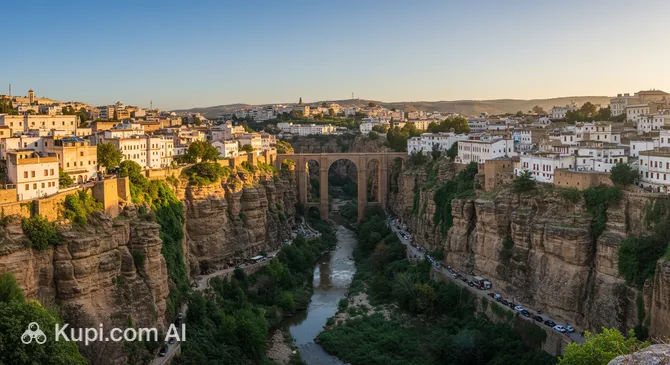
Constantine. Source: Kupi.Binoculars

The city's geography is its most defining feature, with the Rhumel River flowing through the deep gorge below, separating the old city from the new. With a population of approximately 450,000 people, it serves as a bustling regional capital that balances modern life with deep traditions. The climate here is generally Mediterranean, characterized by warm, dry summers and cool, damp winters, making spring and autumn ideal times for exploration.

Delving into the history of Constantine reveals a timeline that stretches back thousands of years to when it was known as Cirta, the capital of Numidia. Today, visitors are drawn to its architectural marvels, particularly the iconic suspension bridges like the Sidi M'Cid Bridge, which offers dizzying views of the valley. Other must-see attractions include the stunning Emir Abdelkader Mosque and the opulent Palace of Ahmed Bey, which showcases the region's Ottoman heritage.

Whether you are crossing its vertiginous bridges or wandering through the winding streets of the Casbah, Constantine promises an unforgettable experience. It is a place where nature and engineering meet in spectacular fashion, inviting travelers to discover the heart and soul of eastern Algeria.
Weather Overview

Understanding the local climate is essential for planning your trip to this historic city. The weather in Constantine is characterized by distinct seasons, shifting from intense heat in the middle of the year to cooler, damper conditions at the beginning and end of the year. Spring and autumn generally offer mild transitions, making them popular times for walking across the city's famous bridges.

Summers are typically hot and dry, particularly during July and August. July is the warmest month, with average temperatures around 27.9°C and highs often reaching 35.5°C. Rainfall is minimal during this season, with July seeing as few as 2 wet days, ensuring plenty of sunshine for exploration.

In contrast, the winter months bring cooler air and increased precipitation. January is usually the coldest time, with average temperatures dropping to 8.2°C and lows dipping to 3.0°C. Travelers visiting in November or March should be prepared for wetter conditions, as these months can experience up to 11 wet days on average.

Expect hot, dry summers with high daytime temperatures and cool, damp winters with frequent cloudy days and rain.

Interesting Facts

Beyond the dramatic gorges and suspension bridges, Constantine holds fascinating stories that echo through its ancient streets. This city, often suspended between the sky and the precipice, offers unique details that many visitors might overlook.
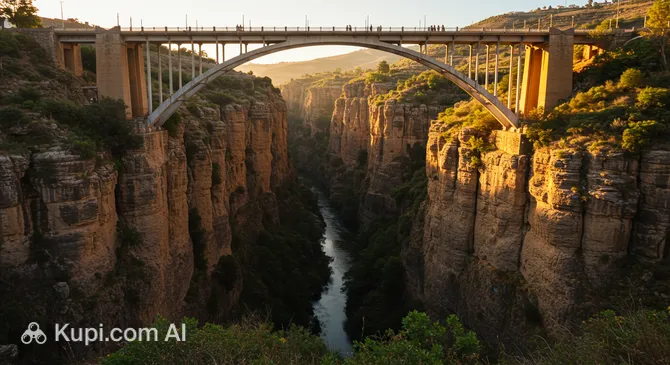
  • The Sidi M'Cid Bridge was once the highest suspension bridge in the world, holding the record for nearly two decades after its construction in 1912. It connects the Casbah to the hospital hill, swaying gently 175 meters above the Rhumel River.

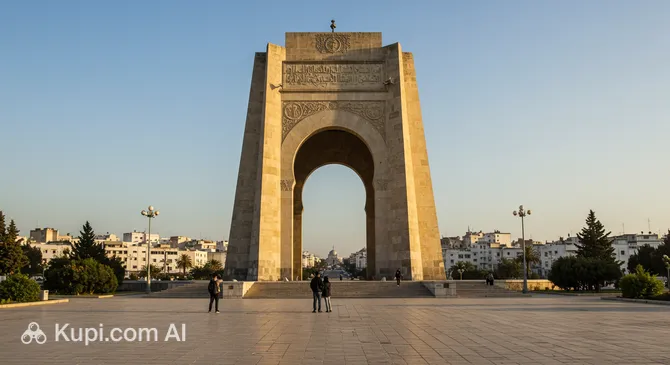
  • The Monument to the Dead is not just a memorial but a breathtaking vantage point carved directly into the rock face. At night, the arch is illuminated, creating a floating beacon of light that hovers above the dark abyss of the gorge.

  • Beneath the city lies a lesser-known network of thermal springs and caves carved by the Rhumel River. The subterranean landscape is as rugged as the cliffs above, contributing to the local legend that the city is protected by the very earth it stands on.

  • While many admire its exterior, the Emir Abdelkader Mosque is unique for housing Algeria's first modern Islamic university within its complex. It stands as a dual center of faith and knowledge, accommodating up to 15,000 worshippers and students combined.

Sidi M'Cid Bridge. Source: Kupi.Binoculars

How to Get There

Reaching the "City of Bridges" is relatively straightforward, with air travel serving as the most convenient method for international visitors and those arriving from distant parts of the country. For a complete guide on planning your journey, you can read more about how to get to Constantine, covering various transport modes and tips.

The primary gateway is Ain El Bey Airport (CZL), located directly in Constantine. It is the most practical choice, situated just 9.1 km from the city center. This international airport handles a significant volume of traffic and connects the region to major hubs. A taxi or transfer from the terminal to the downtown area typically takes around 35 minutes, offering a quick and easy start to your visit.

If a direct flight is not an option, you might consider arriving at Batna Airport (BLJ). Please note that this airport is located in the city of Batna, approximately 73.4 km from Constantine. The transfer by road from Batna usually takes about 2 hours and 10 minutes. Another alternative is Jijel Ferhat Abbas Airport (GJL) in Jijel, which is roughly 84 km away. While the drive is scenic, it requires arranging ground transport to reach your final destination.

For clarity, here is a summary of the main airports:

Airport Name City Passenger Traffic Km from City
Ain El Bey AirportConstantineLarge9.1
Les Salines AirportAnnabaMedium117.4
Setif AirportSetifMedium119.7
Batna AirportBatnaMedium73.4
Jijel Ferhat Abbas AirportJijelSmall84.0

Main Attractions

Constantine is a city that demands to be explored, offering a collection of landmarks that are as dramatic as its geography. From soaring bridges to architectural masterpieces, the attractions here provide a deep dive into the region's history and culture. Visitors will find that the city's charm lies not just in its individual sites, but in the spectacular way they are integrated into the rugged landscape.

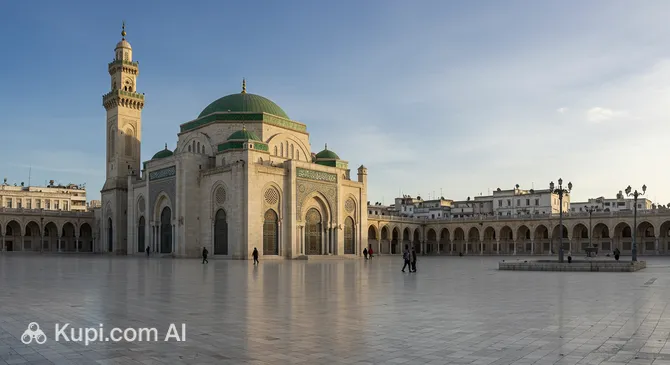
One of the most impressive sights is the Emir Abdelkader Mosque. This colossal structure is a masterpiece of modern Islamic architecture and one of the largest mosques in the world. Its twin minarets, reaching over 100 meters into the sky, are visible from almost anywhere in the city. The interior is equally breathtaking, featuring intricate calligraphy, grand chandeliers, and a prayer hall that can accommodate thousands of worshippers. It also houses an Islamic university, making it a vibrant center of learning and faith.

Emir Abdelkader Mosque. Source: Kupi.Binoculars

No visit to the "City of Bridges" is complete without walking across the Sidi M'Cid Bridge. Built in 1912, this suspension bridge was an engineering marvel of its time and remains the city's most iconic symbol. Spanning 164 meters across the Rhumel Gorge, it offers pedestrians a thrilling experience with vertiginous views of the river far below. It connects the Casbah to the slopes of Sidi M'Cid and serves as a perfect vantage point for photography enthusiasts looking to capture the sheer scale of the ravine.

Perched high on a cliff edge, the Monument to the Dead is a solemn yet stunning tribute to those who fell in World War I. The monument features a triumphal arch topped with a statue of Winged Victory, looking out over the precipice. While it is a place of remembrance, it is also a favorite spot for tourists due to the panoramic terrace that offers sweeping views of the gorge and the sprawling city beyond. Reaching the monument involves a scenic climb, but the perspective from the top is well worth the effort.

Monument to the Dead. Source: Kupi.Binoculars

Another historical gem worth seeking out is the Palace of Ahmed Bey. As one of the finest examples of Ottoman architecture in the Maghreb, the palace is a labyrinth of courtyards, lush gardens, and colorful tiled walls. It provides a fascinating glimpse into the life of the last Bey of Constantine, with its intricate frescoes and preserved living quarters telling stories of a bygone era. Walking through its peaceful patios offers a quiet retreat from the bustling city streets outside.

Local Cuisine

The culinary scene in Constantine is a delicious reflection of its layered history, blending Berber roots with Arab and Ottoman influences. The city is renowned across Algeria for its sophisticated traditional cuisine, particularly its unique pasta-based dishes and exceptional sweets. For food lovers, exploring the local flavors is as essential as crossing the city's famous bridges.

A true staple of the region is Chakhchoukha, specifically the Constantine variety known as Chakhchoukha Dfer. It consists of thin, hand-torn pieces of flatbread that are steamed and then simmered in a rich, flavorful sauce with meat and chickpeas. Another dish you must try is Trida, often referred to as "the judge's ears" due to the shape of the small square pasta, typically served in a savory white sauce with chicken or lamb and meatballs.

Constantine is also celebrated for its confectionery, most notably Djouzia. This traditional nougat is made from pure honey and walnuts, a recipe that has been perfected over generations. It is the city's signature sweet treat and makes for a perfect souvenir to take home. You will find many pastry shops dedicated to this delicacy scattered throughout the town.

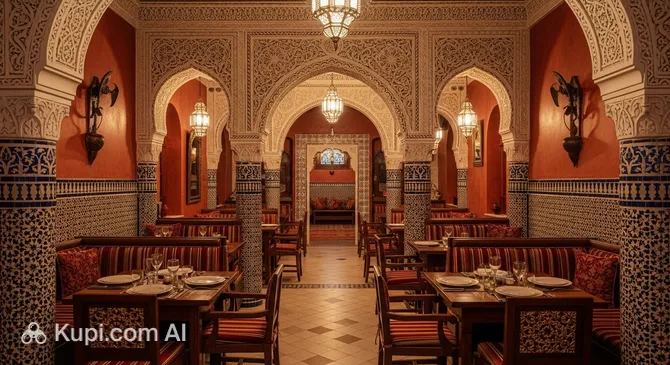
When it comes to dining out, options range from bustling street food stalls selling hot Mahjouba (stuffed flatbreads) to sit-down establishments. For a memorable meal, you might visit the Magic House, a well-known restaurant where you can enjoy local specialties in a welcoming atmosphere. The dining culture here is centered on hospitality, with meals often serving as a time for social connection.

Magic House. Source: Kupi.Binoculars

To accompany your food, mint tea is the drink of choice, traditionally poured from a height to create a frothy top. It is consumed throughout the day and is a symbol of welcome. Strong coffee is also an integral part of daily life, enjoyed at the many sidewalk cafes. While alcohol is available in specific licensed restaurants and hotel bars, the local lifestyle predominantly revolves around tea, coffee, and refreshing fruit juices.

Travel Tips

Planning a trip to the "City of Bridges" requires some specific preparation to fully enjoy its dramatic landscapes and rich cultural heritage. To help you navigate Algeria's third-largest city with ease, we have compiled a list of essential practical advice.

  1. Clothing and Gear: Since Constantine is built on a high plateau, the weather can be more extreme than on the coast. Bring breathable fabrics for the hot summers and warm layers, including a waterproof jacket, for the cold and damp winters. Most importantly, pack sturdy, comfortable walking shoes; the city is hilly, and exploring the bridges and the Casbah involves navigating many stairs and uneven surfaces. Modest clothing is recommended out of respect for local customs, and a scarf is necessary for women visiting religious sites like the Emir Abdelkader Mosque.

  2. Transportation: The city boasts a modern and efficient tramway system that connects the city center to the suburbs, making it a convenient way to get around. For a unique experience and a practical shortcut across the gorge, take the cable car (téléphérique). Yellow taxis are abundant and affordable; however, it is advisable to ensure the meter is running or agree on a fare before starting your journey. Ride-hailing apps are also becoming more available but traditional taxis remain the primary option.

  3. Finances: The local currency is the Algerian Dinar (DZD). Algeria is predominantly a cash-based society. While some high-end hotels might accept credit cards, most restaurants, shops, and museums do not. It is crucial to carry sufficient cash. ATMs are available throughout the city for withdrawing dinars. Tipping is not mandatory but is appreciated for good service in cafes and restaurants.

  4. Health and Safety: Constantine is generally safe for tourists, but standard precautions against pickpocketing should be taken in crowded areas like the Medina. Pharmacies are marked with a green cross and are easy to find; many have rotational night shifts for emergencies. While tap water is often treated, travelers are usually advised to drink bottled water to avoid any stomach issues.

  5. Communication: The main languages spoken are Arabic and French. English is not widely spoken outside of the tourism and hospitality sectors, so having a translation app or a phrasebook is highly beneficial. To stay connected, you can purchase a local SIM card (from providers like Mobilis, Djezzy, or Ooredoo) at the airport or in town upon presenting your passport. Wi-Fi is standard in hotels but can be spotty in public spaces.

  6. Local Etiquette: Algerians are known for their hospitality. Greetings are important; a polite "Salam" (Hello) goes a long way. When interacting with locals, it is polite to accept tea if offered. Public displays of affection are frowned upon and should be avoided. Always ask for permission before taking photos of people, especially women.

  7. What to Avoid: Avoid wearing revealing clothing in public areas, as this can be seen as disrespectful. Do not drink alcohol in public spaces; consumption is restricted to licensed bars and hotels. Additionally, refrain from photographing government buildings or police checkpoints.

  8. Local Insight: Be aware that the weekend in Algeria falls on Friday and Saturday. On Fridays, which is the holy day, many shops, museums, and businesses may be closed or have limited operating hours, particularly around prayer times. Plan your sightseeing itinerary accordingly to ensure key attractions are open.

By keeping these practical tips in mind, you will be well-equipped to immerse yourself in the fascinating atmosphere of Constantine. A little preparation will ensure your journey across its suspension bridges and through its ancient streets is as smooth as it is memorable.

Entertainment & Nightlife

Entertainment in Constantine takes on a different character compared to many Western cities. The nightlife here is less about loud nightclubs and discos and more about vibrant social interaction, culinary experiences, and soaking in the illuminated beauty of the city's dramatic architecture. As the sun sets, the "City of Bridges" lights up, transforming the rugged gorges and suspension bridges into a glowing spectacle that offers a unique atmospheric backdrop for your evening.

The heart of the city's evening activity is centered around Place des Martyrs, locally known as "La Brèche." This bustling square and the surrounding streets are alive with locals enjoying the cool evening air. The atmosphere is generally relaxed and family-friendly, dominated by a strong café culture. You will find numerous coffee shops and tea rooms where people gather to chat, watch football matches, and enjoy traditional sweets until late at night, especially during the summer months and Ramadan.

For those seeking a memorable dining experience, the city offers several excellent options. A standout choice is the Magic House, a restaurant that is well-regarded not just for its menu but for its ambiance. It provides a perfect setting for a relaxed dinner where you can sample local dishes in a comfortable environment. If you are looking for places that serve alcohol, your options are primarily limited to high-end establishments and international hotels, such as the lounge at the Constantine Marriott Hotel or the historic Hotel Cirta, which offer sophisticated settings for a quiet drink.

Sightseeing doesn't have to end when the sun goes down. In fact, some landmarks are even more impressive at night. The Monument to the Dead is a must-visit after dark. Perched high on the cliff, the arch is beautifully illuminated, acting as a beacon over the city. The panoramic terrace here offers breathtaking views of the gorge plunging into darkness below and the twinkling lights of the city spreading across the plateau. It is a popular and safe spot for an evening stroll.

During the daytime, entertainment in Constantine leans towards cultural enrichment. The Regional Theatre of Constantine is an architectural gem worth visiting, hosting various plays and musical performances throughout the year. Museum lovers should explore the Cirta National Museum, which houses an impressive collection of Numidian and Roman artifacts, offering a deep dive into the region's ancient past before you head out for your evening adventures.

When enjoying the nightlife, it is important to keep a few practical tips in mind. The dress code is generally smart casual and modest; while high-end hotels are more liberal, conservative attire is respectful in public cafes and streets. For transportation, it is best to rely on yellow taxis or ride-hailing apps like Yassir, as public transport becomes less frequent late at night. The city center is generally safe for walking in the evening, particularly in busy areas like La Brèche, but it is advisable to avoid unlit side streets and the bottom of the gorge after dark.

Parks & Museums

While Constantine is globally renowned for its dramatic cliffs and suspension bridges, the city also harbors spaces of tranquility and institutions that meticulously preserve its deep historical roots. Beyond the vertigo-inducing gorges, visitors can discover lush recreational areas and museums that narrate the story of a city that has been a center of civilization for thousands of years.

The cultural heartbeat of the city is undoubtedly the Cirta National Museum. Located in the Koudiat district, this institution is one of the most important in Algeria, housing a vast collection that spans from prehistory to the modern era. Visitors are often captivated by the extensive array of Numidian and Roman artifacts, including intricate mosaics, sculptures, and coins that testify to Constantine's ancient grandeur as the capital of Numidia. It serves as an essential stop for anyone wishing to understand the layers of history that built this metropolis.

Another significant cultural venue is the Palace of Ahmed Bey, which functions as the National Museum of Popular Arts and Traditions. While the architecture itself is a marvel of Ottoman design with its polychrome tiles and cedar wood, the museum within offers a deep dive into local heritage. The exhibits display traditional costumes, jewelry, musical instruments, and weapons, providing a vivid picture of life in the region during the 18th and 19th centuries. Walking through its peaceful courtyards and gardens offers a sensory connection to the city's artistic past.

For those seeking fresh air and greenery, Djebel Ouahch is the premier natural escape. Situated just a short drive from the city center, this expansive forest park is a favorite among locals for picnics and hiking. The area features a series of small lakes and dense woodlands that provide a stark, refreshing contrast to the stone-dominated cityscape of Constantine. It is an ideal spot for relaxation, offering panoramic views and a cool retreat during the hot summer months.

Families traveling with children might enjoy the Constantine Zoo, located within the Djebel Ouahch recreational area. While modest, it offers a pleasant day out in a natural setting. Additionally, the city is working on rehabilitating the Bardo Park, located beneath the bridges along the Rhumel River, aiming to create a green corridor that allows visitors to admire the majestic gorges from below, surrounded by vegetation.

For a truly authentic experience, take a half-day trip to the nearby Roman ruins of Tiddis. Often called "Old Constantine," this hillside archaeological site is less crowded than other famous ruins in North Africa but is incredibly atmospheric. Wandering through its red earth paths and ancient arches offers a quiet, contemplative counterpart to the bustling energy of the city.

Getting Around

Navigating the "City of Bridges" is an experience defined by its dramatic geography. While the historic center is compact enough to be explored on foot, the steep inclines and deep gorges make the city's public transport network both a necessity and a convenience. The system in this unique part of Algeria mixes modern infrastructure with scenic routes, allowing you to move between districts with ease.

The Constantine Tramway serves as the modern spine of the city's transport. This sleek, air-conditioned light rail system is the most tourist-friendly option, connecting the city center (near the Ben Abdelmalek Stadium) to the Zouaghi district and the university hubs. It is reliable, safe, and frequent, operating from early morning until late evening. Using the tram is an excellent way to bypass the traffic congestion that often clogs the narrow streets of the old town.

Due to the vertical nature of the landscape, the Cable Car (Téléphérique) is a vital mode of transit rather than just a sightseeing novelty. It bridges the deep Rhumel Gorge, linking the lower neighborhoods to the upper plateau in a matter of minutes. For visitors, this is an essential experience; it saves you from arduous climbs and offers spectacular aerial views of the suspension bridges and the ravine below.

Taxis provide a flexible alternative for reaching destinations not covered by the tram or cable car. The city's bright yellow taxis are ubiquitous and can be easily hailed on the street. While they are equipped with meters, it is often customary to agree on a fare before starting the trip, or you can insist on using the meter. For a more predictable service, ride-hailing apps like Yassir are widely popular, allowing you to book rides with fixed prices via your smartphone.

For those venturing further afield, buses cover an extensive network across the city and suburbs. These include the blue-and-white public buses (ETUS) and privately operated colorful minibuses. While they are the most economical way to travel, the system can be chaotic for first-time visitors, with signage typically only in Arabic and routes that can be difficult to decipher without local assistance.

Payment for transport is straightforward but largely cash-based. Tram tickets must be purchased from kiosks or automatic machines at stations before boarding and then validated inside the vehicle. Cable car tickets are bought directly at the station counters. For taxis and buses, you pay the driver or conductor directly; carrying small change is highly recommended, as drivers may not always have change for large bills.

Accommodation

Finding the right place to stay in Constantine is a key part of planning your visit, as the city's unique topography influences where accommodation is located. The range of options is somewhat more limited compared to major tourist hubs, but it offers a distinct mix of styles. Travelers can choose from historic hotels that echo the colonial past, modern international chain hotels that provide standard luxury, and smaller, budget-friendly establishments scattered throughout the town.

For those who want to be in the thick of the action, the city center is the most convenient area. Staying near the Place des Martyrs (La Brèche) puts you within walking distance of the dramatic suspension bridges, the Casbah, and the main museums. This area is perfect for travelers who enjoy stepping out of their hotel directly into the lively street atmosphere. However, keep in mind that the center can be noisy and busy, especially during the day.

If you prefer more modern amenities and a quieter environment, look towards the Zouaghi district or areas near the university and the airport. These neighborhoods are home to newer, upscale hotels that often feature spacious rooms, swimming pools, and business facilities. While they are further from the historic sights, the city's tramway and affordable taxis make commuting relatively easy.

Booking Tips: It is highly recommended to book your accommodation well in advance, particularly if you plan to visit during the summer months or during national holidays. The number of high-quality hotels is limited, and they can fill up quickly with business travelers and domestic tourists. For budget travelers, it is often better to view rooms in person before committing, if booking upon arrival, though online reservations are becoming more reliable for mid-range and luxury properties.

Prices and Payment: Accommodation prices in Constantine are generally reasonable by international standards. You will find that luxury and mid-range hotels accept credit cards and can be booked via major online platforms. However, for smaller, family-run guesthouses or budget hotels, cash is often the only accepted method of payment, and reservations might need to be made by phone or directly at the front desk.

Nearby Cities

For those looking to explore the surroundings, Constantine serves as an excellent base for day trips to several interesting nearby locations. The region offers a diverse mix of landscapes, from rugged mountains to the sparkling Mediterranean coast, all within a reasonable driving distance.

One of the most compelling destinations is Batna, located in the heart of the Aurès Mountains. It is widely known as the gateway to the ancient Roman city of Timgad, a UNESCO World Heritage site that is often compared to Pompeii for its preservation. A trip here allows travelers to immerse themselves in history while enjoying the fresh mountain air and the distinct culture of the Chaoui people.

If you prefer a change of scenery with a sea breeze, Skikda is an ideal choice. Situated on the coast, it features beautiful beaches and a charming city center filled with colonial-era architecture. It provides a refreshing escape from the inland heat and is famous for its annual strawberry festival, making it a delightful spot for relaxation and seaside dining.

To the west lies Setif, a bustling commercial hub situated on the high plains. The city is famous for the iconic Ain Fouara Fountain and serves as the starting point for visiting the Roman ruins of Djemila. Setif offers a blend of modern amenities, including large shopping centers, and deep historical significance, making it a well-rounded day trip option.

City Population Distance (km)
Batna 290,645 100
Setif 288,461 112
Skikda 163,318 61
El Eulma 155,038 89
Jijel 131,513 94

These nearby destinations offer a glimpse into the diverse culture and landscapes of the region.

Shopping & Souvenirs

Shopping in Constantine is a vibrant journey through time, offering an experience that contrasts sharply with the polished commercial centers of the West. Here, the retail culture is deeply rooted in the ancient winding streets of the Medina, where commerce and craftsmanship have thrived for centuries. For visitors, the allure lies not in high-end international brands, but in unique, handmade treasures that reflect the rich heritage of this part of Algeria.

The city is most famous for its exquisite copperware, a craft known locally as dinandierie. A walk through the dedicated Quarter of the Coppersmiths (Souk El N'Hassine) in the Casbah is an auditory and visual delight. You will hear the rhythmic tapping of hammers as artisans shape intricate trays, teapots, and decorative lamps. These items are the quintessential souvenirs from the region, combining practical use with artistic beauty.

Another cultural staple to look for is the Gandoura Constantinoise. This traditional velvet dress, heavily embroidered with gold thread, is a symbol of local elegance and is often worn at weddings and celebrations. While a full dress might be a significant investment, smaller embroidered textiles and accessories are available and make for beautiful gifts. The craftsmanship involved in these garments is a source of great local pride.

For those with a sweet tooth, no shopping trip is complete without purchasing Djouzia. This traditional nougat, made from pure honey and walnuts, is the signature confection of the city. You will find specialized shops dedicated entirely to this treat, often selling it in decorative boxes perfect for taking home. It offers a literal taste of the city's history, dating back to the Ottoman era.

While the traditional souks provide the most atmospheric experience, modern shopping is also available. The Ritaj Mall is a popular destination for locals seeking contemporary clothing, electronics, and a supermarket experience. It offers a more familiar, air-conditioned environment for those needing everyday essentials. However, for the most authentic experience, the open-air markets remain the heart of the city's commercial life.

When exploring the markets, keep in mind that cash is king. Most artisans and small shopkeepers do not accept credit cards, so it is essential to carry sufficient Algerian Dinars. Bargaining is acceptable and expected when buying handicrafts or souvenirs in the souks. Additionally, remember that many shops close on Fridays for the holy day, so it is best to plan your main shopping excursions for other days of the week.

Reached the end of the page?

That means the route is fully explored